
Last updated: Apr 19, 2026
Your roof sits on an elevated bluff above Mobile Bay, and wind-driven rain from bay storms and tropical systems can strike even when the storm center isn't overhead. In this environment, a small breach or waited repair becomes a big deal quickly. Cresting gusts push salt-laden spray into fast-moving downpours, so shingles, underlayment, and flashings face both rain impact and corrosive coastal air. Prioritize addressing any loose flashing, lifted shingles, or algae-stained pathways that hint at moisture wicking. A quick, decisive response after a storm can prevent hidden water damage from turning into attic mold, warped decking, or compromised attic ventilation.
The city is in coastal Alabama's high wind-and-hail insurance environment, making post-storm photo documentation and prompt claim notice essential. After a storm, you should photograph all visible damage-ridge lines, chimney caps, vent collars, gutters, and any decked surfaces adjacent to the roof. Use dated photos that show the full roof and close-ups of damaged areas. Keep a simple log of dates and what you observed, and store it where a contractor or insurer can access it quickly. If gaps appear between rain events and a repair crew, capture images of tarping or temporary coverings to demonstrate ongoing risk. When you notify an insurer, reference the storm's wind vectors and rainfall intensity for the specific date, and preserve any receipts for emergency tarping or temporary protection.
Hurricane season and fall tropical activity can interrupt tear-offs and leave projects exposed if replacement timing is not planned around coastal rain bands. Your plan should align with a window of drier, more predictable weather, even if it means scheduling broader protection measures ahead of anticipated storms. In practical terms, coordinate with a contractor to stage materials and crew during a forecasted stretch of calm days, and request rapid mobilization if a storm track shifts. When a project is underway, ensure tarps and fasteners are secure enough to withstand quick gusts, and confirm a clear sequence for deck inspection, underlayment replacement, and final roof-cover installation so that a disruption doesn't cascade into extended exposure.
Coastal air brings salt, humidity, and hail potential that tests roof assemblies in distinctive ways. In this part of the Gulf shoreline, consider shingles and panels with proven coastal performance and wind resistance, along with reinforced flashing and corrosion-resistant fasteners. Pay attention to ventilation, attic insulation, and radiant barriers that can mitigate moisture intrusion and heat buildup-critical in a climate where daily temperature swings and humidity cycles stress roof systems. If damage occurs, favor a reinforcing approach: reliable underlayment, sealed penetrations, and a robust edge course to withstand wind-driven rain. Your aim is a roof system that remains leak-free through back-to-back coastal rain bands and tropical squalls.
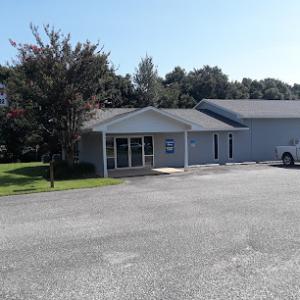
4U Roofing
20680 State Hwy 181, Fairhope, Alabama
4.9 from 226 reviews
We are a locally owned and operated roofing contractor, who installs shingled roofs in Fairhope, Daphne, Spanish Fort, Loxley, Foley, Alabama and within Baldwin County with over 20 years’ experience in the roofing industry. When you hire 4U Roofing, you get our personal crew that’s been with us since 2016, and project managers all working for you to ensure the best roofing installation possible. Our 25 yr workmanship warranty is backup by a GAF Golden Pledge Warranty. GAF, the largest and oldest roofing shingle manufacturer, has certified 4U Roofing to be a Master Elite Roofing Contractor, which they say they we are the top 2% of all roofers in the US.
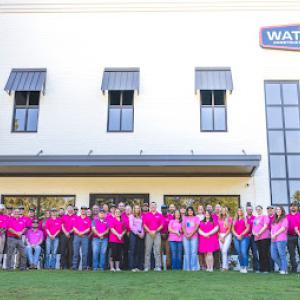
Watkins Construction & Roofing
17702 State Hwy 181, Fairhope, Alabama
4.9 from 113 reviews
When you have a roof leak or storm related roof damage you need a local roofing contractor you can trust. Watkins Construction & Roofing has been a trusted local roofer for 20-years. With services like roof repair, new residential roof replacement, commercial roofing, leaky skylight repair and replacement, and even roof cleaning services, Watkins wants to be your go-to Fairhope AL roofing company. At Watkins Construction & Roofing our #1 goal is customer experience. Watkins Construction always puts customers first. Call Owens Corning Platinum Preferred roofing contractor, Watkins Construction & Roofing, today if you have a roof leak or need a new roof on your home anywhere in Fairhope Alabama.
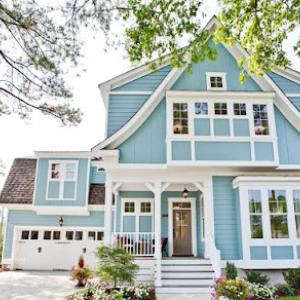
Alabama Roofing Experts
(251) 979-1763 www.alaroofer.com
22765 US-98, Fairhope, Alabama
5.0 from 49 reviews
Alabama Roofing Experts delivers high-quality residential and commercial roofing across Baldwin and Mobile Counties. We specialize in roof replacements, storm restoration, and Fortified roofing systems built for Gulf Coast weather. Our team provides honest inspections, clear communication, and craftsmanship that lasts. From insurance-claim assistance to full re-roofs, A.R.E. is the trusted local choice. Contact us today for dependable service you can count on!
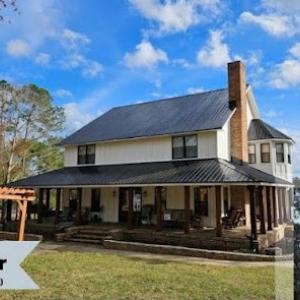
F&H Roofing
(251) 979-3091 fandhroofing.com
10866 Co Rd 24, Fairhope, Alabama
4.9 from 35 reviews
Over 20 years experience serving Baldwin and Mobile County. We Specialize in Metal and Shingle Install, Repair and more. Residential and Commercial. Licensed and Insured. There’s no job too big or too small. Give us a call for a Free Estimate.
Baldwin County Roofing
8122 Old Orchard Pl, Fairhope, Alabama
4.9 from 32 reviews
Residential Roofing company specializing in insurance claims and all roof types. Repair services offered.
Patriot Roofing & Construction
82 Plantation Pointe Rd, Fairhope, Alabama
4.9 from 13 reviews
Patriot Roofing is your trusted expert in roofing and home construction across Mobile, Fairhope and the Gulf Coast. We specialize in high-quality roofing solutions, including fortified roofing systems designed to withstand severe weather. Whether you need a roof repair, replacement, or a full home construction project, our experienced team delivers durable craftsmanship with honest service. Protect your investment with Patriot Roofing and Construction—where integrity meets quality.
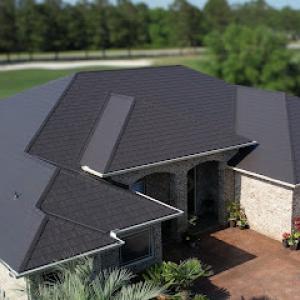
Metal Roofing HeadQuarters
(251) 333-4443 www.gulfcoastmetalroofs.com
258 S School St, Fairhope, Alabama
4.7 from 23 reviews
Metal Roofing Headquarters is home to the Gulf Coast's Finest Roofing Systems. Our metal roofs offer the industry's best combo of beauty & durability, while also setting the standard for energy efficiency & environmental friendliness. A MRHQ Metal Roof will transform the curb appeal of your home, withstand hurricane force winds & last 50+ years. Our roofs are "IBHS Fortified" & use a "cool coating technology", meaning they pay for themselves by lowering the cost of your insurance & reducing your summer power bill. We use only the very best metal roofing material, & our install teams are highly skilled & experienced. This commitment to quality allows us to offer the best guarantee in roofing, a 50-Year Transferable Warranty on Parts & Labor!
Renova Roofing & Construction
(251) 929-4538 www.renovaroofing.com
18300 Scenic Hwy 98 Suite B-3, Fairhope, Alabama
5.0 from 9 reviews
Renova Roofing & Construction is a roofing contractor in Fairhope, AL that services Baldwin County, Daphne, Mobile and nearby areas. Our roofing company offers residential roofing, roof repair, asphalt shingle roofing, metal roofing many more. Customers love us because of our insurance claims assistance plus our unparalleled service. We are also screened and certified by Home Advisor. If you want to experience your most trusted Mobile roofing company's excellent services, call us now for free estimate!
Southern Roofing Systems of Fairhope
(251) 280-1671 www.southernroofingsystems.com
Serving
5.0 from 23 reviews
At Southern Roofing Systems of Fairhope, we pride ourselves on offering affordable top rated services. Without a quality roof, the investment you've made into your home or business is precariously positioned to be ruined the next time it rains. With our southern weather, hurricane seasons, and intense storms, your roof is an asset that must be built right the first time and protected, maintained, and preserved to get the maximum value out of it possible. We build our roofs to last and we provide the essential maintenance services necessary for maximum longevity. Providing everything from assistance with roof insurance claims to commercial roofing, residential roofing, roof repair and emergency roof repair. Contact us today for your quote!
Super Roofers & Construction
(251) 259-2909 hiresuperroofers.com
Serving
5.0 from 38 reviews
Super Roofers is the #1 roofing company Daphne, AL has. We provides the best roofing services in all surrounding areas. Whether you are looking for a residential roofing contractors that offers roof repair, metal roofing or roof replacement services, we are here to help. Call Super Roofers today to keep your home safe and sound.
Fortified Roofing
(251) 901-7663 www.fortifiedroofal.com
Serving
5.0 from 16 reviews
Baldwin and Mobile County Fortified Roofer. Local. Licensed. Bonded. Insured. Your Fortified Roofing Authority!
Eastern Shore Roofing
(251) 610-4998 easternshoreroofingandconstruction.com
Serving
4.9 from 28 reviews
Eastern Shore Roofing is located in beautiful Daphne, AL. Our focus is on the quality of your roof and the safety of our team. Whether it's a new roof or a repair, insurance or not, let us walk you through the process. From asphalt shingles, to metal, to something high-end, we can help you pick what's right for your home. Let us install your next "Fortified Roof".
Asphalt shingles are common locally, but age faster in hot, humid Gulf Coast conditions, especially where attic ventilation is weak and roofs stay damp after frequent rain. In homes with limited soffit vents or a stagnant attic, shingles can blister, cup, and deteriorate within a decade or so. If you're evaluating a roof in this climate, prioritize models with good UV resistance, algae resistance, and a robust warranty. Consider a simple upgrade in ventilation-adding soffit intake and balanced or powered exhaust-so the attic can shed humidity after storms. A well-vented roof deck reduces the frequency and severity of heat soak that accelerates shingle aging.
Metal roofing is heavily represented among local contractors because it performs well in coastal rain and is a practical fit for storm-conscious homeowners on the Eastern Shore. Metal panels install over solid decking with careful flashing at hips, valleys, and around chimneys to handle driving rain and salt spray. They tend to shed wind-driven rain more predictably and can be a favorable long-term option if you're pairing durability with a coastal aesthetic. If you choose metal, verify panel seams and fasteners are rated for high-wind zones and salt-laden air, and plan for insulation under the metal to curb interior temperature swings and moisture buildup.
Clay tile, concrete tile, synthetic/composite, and slate appear in the local material mix, but their weight and detailing demands matter more on older homes where documentation and structural review can complicate replacement permits. Clay and concrete tiles bring notable durability and a classic look, yet their weight requires structural assessment and sometimes reinforcement. Slate and premium synthetic options offer longevity but demand precise underlayment and drip-edge detailing, especially on a bluff where wind exposure and rainfall are concentrated. In older structures, ensure the existing truss layout and ridge support can accommodate added load, and prepare for potential retrofits to the supporting framework if a full replacement is pursued.
This area's bayside microclimate means roof shape and overhangs influence drainage and wind resilience. A shallow to moderate pitch helps with shedding tropical rain, but very low pitches may require enhanced underlayment and sealed penetrations to prevent slow leaks after extended downpours. Valley construction-whether open or closed-needs careful sealing to counter moisture intrusion from frequent storms. For any material choice, insist on a continuous, properly lapped underlayment system and corrosion-resistant flashing, especially where salt air and humidity converge at joints, curbs, and vent openings.
Older Fairhope homes frequently exhibit mixed roof ages and patch repairs that complicate replacement. When evaluating options, prioritize systems that align with existing roof planes and flashing details to minimize invasive framing work. If a heavier tile or slate is contemplated, prepare for a structural review of rafters and connections so the project remains resilient through Gulf storms without compromising the home's integrity. In all cases, ensure the chosen system is paired with high-quality underlayment and vented eaves to manage humidity and improve long-term performance.
Dry, milder periods are the preferred replacement window in Fairhope because frequent rain and high humidity can slow work and affect installation conditions. Look for stretches of at least several days with low humidity, minimal rain chances, and moderate daytime temperatures. In practice, the shoulder seasons-late spring and early fall-often provide solid windows, but watch for those occasional pop-up storms. If a forecast shows a string of damp days coming, you'll want to table the project and wait for a drier stretch to avoid moisture intrusion behind new underlayment.
Summer heat on the Eastern Shore can accelerate shingle aging and create tougher working conditions that influence crew scheduling and project pace. High daytime temperatures can shorten the productive work window and increase fatigue, which can affect sealants, adhesives, and nail setting. If you must replace in peak summer, aim for early-morning sessions and finish before the hottest part of the day. Keep airflow and shade in mind for the crew, and anticipate a slightly slower pace than cooler months.
Occasional winter cold snaps in Fairhope rarely bring prolonged freezes, but they can still affect adhesive performance on some roofing products. If temperatures dip into the 30s or lower during the planned install, some adhesives and sealants may require longer cure times or warmer substrate conditions. Avoid installing under patchy frost or when dew point conditions create excessive moisture at dawn. When winter looks unsettled, prioritize material compatibility with cold-weather adhesives and ensure the roof deck and underlayment can tolerate brief cold spells without compromising seals.
1) Inspect the structure for underlying issues: sagging sections, loose sheathing, or rusted fasteners should be addressed before any tear-off.
2) Check drainage and attic ventilation: a replacement without proper ventilation can trap humidity and shorten the roof's life.
3) Review warranty and product guidelines: confirm acceptable temperature ranges for your chosen materials and any regional performance notes specific to coastal air and salt exposure.
4) Align with a trusted crew schedule: coordinate with local professionals who understand high-humidity challenges, salt air, and storm-driven rain patterns to prevent scheduling conflicts during sensitive installation windows.
5) Have a contingency plan: in a gulf-front climate, a backup date during a favorable dry spell helps keep the project on track if a weather window shifts.
A full roof replacement requires a permit through the city building department rather than being treated as a no-paperwork maintenance item. This isn't just a box to check; the local review ensures that storm-resilient details, wind-driven rain considerations, and salt-laden coastal exposure are addressed in a way that stands up to Mobile Bay's humidity and the Gulf breeze. The permit process also ties into permit history from nearby neighborhoods, where older homes can have unique framing and skylight configurations that affect deck or structural calculations. Expect a formal path rather than a quick call, and plan for coordination with both the building department and your contractor to avoid delays.
Fairhope's plan review looks for material compatibility with the coastal climate, fastening methods that resist wind uplift, and proper flashing at penetrations and transitions. The plan review stage will focus on structural support, attic ventilation, underlayment, and water intrusion prevention details. Your contractor should provide stamped drawings or engineering if required, plus clear notes about installation methods that meet current codes and the specifics of your roof geometry. Older structures often trigger additional scrutiny, so be prepared for extra documentation that proves code-compliant installation details during the permit review. A well-documented plan helps the reviewer see how the chosen materials perform under Gulf humidity and salt air.
Inspections occur at several critical points to verify installation compatibility with the approved plan. First is the deck or structural stage inspection, which confirms that rafters, sheathing, and tie-in points are correctly sized and framed for the new roof system. Next is the roof installation stage, where inspectors check underlayment, nailing patterns, and flashing details around chimneys, vents, skylights, and roof-to-wall connections. Finally, a completion inspection confirms that all components are installed as specified and that vents, drainage, and penetrations function without leaks. On older homes, inspectors will pay particular attention to the alignment between existing framing and the new roofing system to ensure no hidden weaknesses undermine wind resistance or water management.
Prepare to show details such as electrical clearances around vents or attic access, attic ventilation calculations, and evidence of proper nailing schedules and fastener types. Keep a packet that includes product data sheets for the chosen shingles or panels, warranty information, and any structural engineering notes. During the permit review, be ready to provide proof of compliance with local wind uplift requirements and any variance requests if the roof pitch or deck layout is nonstandard. If your home has historical elements or nontraditional rooflines, gather photos of the existing structure and close-ups of connections to help the reviewer assess how the new installation integrates with the old. This preparation smooths the path from plan review to a final completion approval.
For an average home with standard roofs, asphalt shingles sit in the low-to-mid range, about 350 to 650 per square. Metal roofs command 700 to 1200 per square, reflecting faster installation and longevity in coastal conditions. Clay tile runs 1600 to 3000 per square, while concrete tile is typically 1500 to 2800 per square. Synthetic or composite shingles come in at roughly 500 to 900 per square, and slate pushes 2300 to 4000 per square. These figures are what you'll commonly see on Fairhope jobs, not speculative estimates.
Costs in Fairhope can rise after tropical weather because coastal claim volume and emergency demand tighten labor availability across Baldwin County and the Mobile Bay area. When a storm drives a flood of calls, crews may be booked out longer, and material supply can tighten. In practical terms, that means a project slated for a two-week window might stretch into weeks with higher labor rates or added rush fees. Plan for potential cost creep if a storm season intersects the project timeline, especially on larger or tile-roof replacements.
Permit processing, inspection scheduling, and any structural or documentation issues on older homes can add time and cost beyond the base material price. Even if the material is straightforward, a roof in fair condition beneath may require extra deck repairs, underlayment adjustments, or fastener retrofits to meet storm resilience expectations. These factors can manifest as modest upcharges or as added line items on a contract. If access is limited by mature landscaping or tight yard space, expect minor labor efficiency losses that reflect in the daily rate.
In this market, align material choice with both the home's structure and the local propensity for rapid post-storm demand to keep the project on track and within a realistic budget.
Don't let upfront costs delay a critical repair - these contractors offer payment plans to fit your budget.
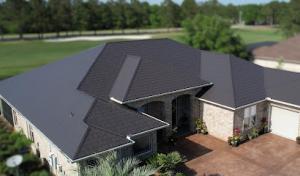
Metal Roofing HeadQuarters
(251) 333-4443 www.gulfcoastmetalroofs.com
258 S School St, Fairhope, Alabama
4.7 from 23 reviews
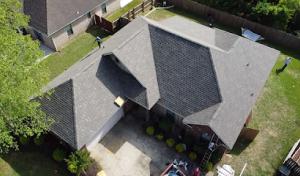
Eastern Shore Roofing
(251) 610-4998 easternshoreroofingandconstruction.com
Serving
4.9 from 28 reviews
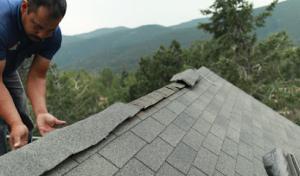
Ethos Roofing & Restoration in Daphne AL
(251) 319-3110 www.ethosroofing.com
Serving
4.8 from 73 reviews
In Coastal Alabama, storm history and timing heavily influence how a claim is treated. Insurers will scrutinize whether damage aligns with wind or hail events and whether the roof shows signs of wear that predates a storm. A roof that already appeared aged or degraded during a high-wind period raises questions about coverage for the recent losses. This is a place where the sequence of events matters: when a storm strikes, a clean, well-documented narrative of the roof's condition beforehand can make a difference in how quickly decisions move forward.
Coastal wind exposure elevates the importance of dated photographs, detailed scope of work, and clear evidence of a code-compliant replacement plan for exposed areas. Take photos before and after any roof work, including close-ups of flashing, fasteners, and vent booting. Keep contractor communications, invoices, and material specifications organized by date. In areas with salt-laden air and high humidity, insurers will want to see that repairs address moisture intrusion and corrosion risks, not just cosmetic fixes. Present a chain of custody for documents so an adjuster can verify authenticity and timing.
The Gulf Coast market shares a cautious posture toward wind exposure and storm losses, and Fairhope is not immune to those dynamics. Insurance decisions can reflect fluctuations in appetite for coastal risk, with policy terms that respond to recent surge events or observed claim patterns. This means that even well-documented claims can face tighter review windows or more rigorous verification, especially after back-to-back storms. Understanding this context helps set realistic expectations about the pace and direction of a claim.
During a claim review, expect an adjuster to compare the observed damage with the reported storm event and to assess whether the replacement strategy meets wind-resilient standards. They may request additional measurements, third-party inspections, or samples of materials used. Delays can occur if documentation is incomplete or if pre-storm condition details are vague. Ensuring a coherent, dated, and thorough dossier reduces back-and-forth and supports a smoother path to a timely resolution.
Connect with contractors who help homeowners navigate the claims process from damage assessment to final approval.
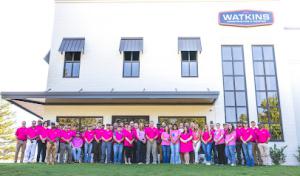
Watkins Construction & Roofing
17702 State Hwy 181, Fairhope, Alabama
4.9 from 113 reviews
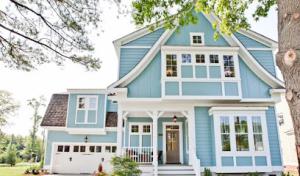
Alabama Roofing Experts
(251) 979-1763 www.alaroofer.com
22765 US-98, Fairhope, Alabama
5.0 from 49 reviews
In this region, repeated wetting from frequent Gulf rain can expose flashing weaknesses around penetrations and transitions before homeowners notice broad field shingle failure. A roof may look sound on the surface, but a few damp days reveal gaps at vent pipes, chimneys, and transitions where water finds its way in. The consequence isn't just a drip in the attic; it can manifest as stained ceilings, warped decking, and accelerated deterioration of underlayment. Regular inspection after heavy rain is a practical habit, focusing on the joints where your roof meets walls and vents.
Wind-driven rain near Mobile Bay can turn small edge, ridge, or flashing defects into interior leaks faster than in drier inland markets. A seemingly minor flaw at an edge cap, ridge vent, or step flashing can push water under shingles during a squall, creating hidden leaks that undermine ceiling integrity and insulation. In Fairhope's coastal pattern, those fast-moving bursts often arrive with little warning. If you notice damp spots along an interior wall or ceiling near the roof line after a storm, treat it as a warning sign and inspect the corresponding exterior seams promptly.
Salt-laden coastal air on the Eastern Shore can shorten the life of exposed metal accessories and fasteners if the roof system is not detailed for a coastal environment. Corrosion at metal edge trim, flashing fasteners, and metal vents weakens attachment points and can lead to accelerated failure under the next heavy wind event. When metal components look dull, stained, or corroded, the risk is not merely cosmetic-the integrity of the roof edge and transition zones may already be compromised. Consider proactive sealing and material choices that address coastal exposure.
Find contractors experienced in skylight installation, flashing, and leak repairs to bring natural light into your home.
Watkins Construction & Roofing
17702 State Hwy 181, Fairhope, Alabama
4.9 from 113 reviews
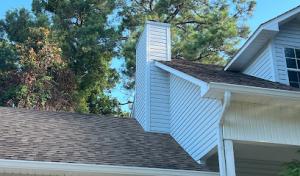
Southern Roofing Systems of Fairhope
(251) 280-1671 www.southernroofingsystems.com
Serving
5.0 from 23 reviews
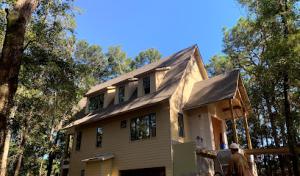
The local market strongly favors re-roofing over niche roof types, so homeowners in Fairhope will find many contractors geared toward replacement after wear or storms rather than specialty restoration work. In practice, that means you'll want to shortlist firms that can handle a full replacement with coastal durability in mind, rather than smaller repair outfits unlikely to commit to a full deck and underlayment update. Look for crews with steady crews, proven storm experience, and the ability to coordinate color, warranty, and ventilation in a single package.
Quick response and cleanup are unusually prominent hiring signals in Fairhope, reflecting how homeowners value fast tarping, debris control, and getting homes dried in after coastal weather. When you call for a storm assessment, ask for a written tarp plan with a guaranteed response window and a debris containment strategy. Insist on daily cleanup during active work and a thorough post-project site check to confirm no stray nails or shingles remain along picket fences and hedges common to Bluff settings.
Licensed, insured, long-established, and locally owned positioning appears repeatedly in Fairhope listings, showing that trust and staying power matter in a storm-active market. Verify licenses, ask for local references, and prefer contractors who have operated in this bayfront environment for multiple seasons. Ensure they communicate clearly about weather scheduling, potential salt-air-related fasteners, and coastal-salt corrosion considerations that influence fastener choices and flashing details.
Given frequent high winds and rain, you should expect a detailed plan for temporarily protecting the home during storms and for documenting damage for insurance. Request a written sequence for immediate tarping, photos of pre- and post-work conditions, and a straightforward timeline from teardown to dried-in status. Confirm that the chosen materials and installation approach address wind uplift, moisture intrusion, and salt-air exposure common to the Mobile Bay corridor.