
Last updated: Apr 19, 2026
Tropical systems can slam this western Florida Panhandle Gulf Coast with extreme wind pressure and wind-driven rain in short bursts. Your roof must be prepared for both the gusts and the rain they drive, not just the obvious blow-off scenarios. The key is resilience at every connection point: ridges, valleys, flashing transitions, soffits, and roof-to-wall joints. In this climate, a storm's power isn't just about a single failure; it's about how a cascade of small vulnerabilities can become a flood pathway inside your attic and ceilings. Treat every edge detail as a potential entry point and design accordingly.
Water intrusion in this market often begins where roofs meet the rest of the house, not merely where shingles lift. Valleys collect wind-driven rain and can funnel it under layers if flashing isn't continuous and properly sealed. Ridges are pressure points during gusts and can shed adhesive or sealant if not reinforced. Flashing transitions around chimneys, vents, and skylights are notorious for leaks after storms, especially when salt air corrodes metal components. Soffits can trap moisture and become weak links under sustained rain or driving spray. Roof-to-wall connections should be examined with a critical eye, because a single compromised connection can allow water to travel along framing and into living spaces. In short, think like a storm planner: anticipate wind-driven spray, salt-laden air, and rapid shifts in pressure that stress every seam.
The local climate rewards roofs that are designed to resist corrosion from salt air and withstand rapid shifts in wind. That means detailing that prioritizes continuous, corrosion-resistant flashing, reinforced edge metal, and high-quality sealants rated for coastal use. A practical approach is to specify fasteners and membranes that remain effective under salt exposure and temp swings, plus installation that avoids gaps at transitions that wind can exploit. In this area, attention to the overlap and integration between roof and adjacent structures-overhangs, soffits, and exterior walls-reduces the risk of rain-driven entry during coastal storms. The goal is to shift from "get by" repairs to truly durable, storm-ready layers that keep the interior dry despite the Gulf's aggressive environment.
Storm activity can disrupt contractor availability across Escambia County, and the coast's surge pricing and scheduling delays are real concerns after named storms. Planning ahead buys you time: have trusted professionals on call, understand their typical response windows, and know which crew or company can mobilize quickly when a storm threatens. Because preparation matters more than quick fixes, invest in proactive inspections and pre-storm reinforcement of vulnerable seams, joints, and flashing now, so you're not scrambling when winds pick up. A solid pre-storm plan reduces the risk of extended leaks and interior damage once pressure builds and crews are in high demand.
Engage a local roofer who understands coastal details-flashing integration around chimneys and vents, valley protection, and corrosion-resistant materials. Prioritize a comprehensive ridge-to-wall inspection that covers every seam and transition point, with emphasis on areas most exposed to salt spray and driving rain. Document existing conditions with photos, then map critical repairs and reinforce points where water tends to start intruding during coastal storms. Establish a proactive maintenance cadence that includes seasonal checks, especially before the peak of hurricane season, so a small issue doesn't become a storm-triggered catastrophe. When storms threaten, have a plan for rapid tarping and temporary protection to limit water intrusion until permanent repairs can proceed.
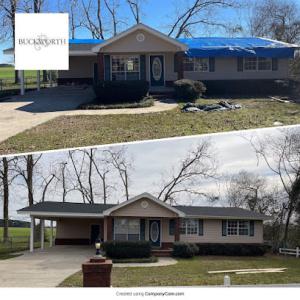
Buckworth Roofing
(850) 852-1068 buckworthroofing.com
4300 Bayou Blvd Suite 35B, Pensacola, Florida
5.0 from 241 reviews
Buckworth Roofing, located at 4300 Bayou Blvd. Suite 35B in Pensacola, Florida, is your go-to roofing contractor dedicated to exceptional roofing services, including roof inspection, roof replacement, and shingle roofing. Serving the greater Pensacola area and surrounding communities like Milton, Pace, Navarre and Gulf Breeze, our team boasts over 30 years of combined experience in residential roofing. Certified and highly rated, Buckworth Roofing specializes in cost-effective, top-notch roofing solutions featuring asphalt shingles and various high-quality systems. Trust us for all your roofing needs in Pensacola, ensuring quality, safety, and a seamless experience. Contact us today for your free estimate!
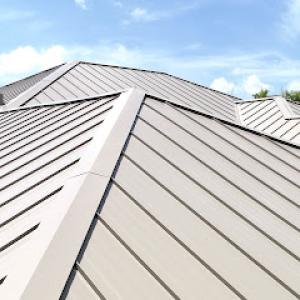
Hightower Industries
(850) 789-8209 hightowerindustriesllc.com
29 Stumpfield Rd, Pensacola, Florida
5.0 from 141 reviews
Hightower Industries is a local family owned company that is committed to excellence in everything we do. We pride ourselves in working to the highest industry standards and doing so with Integrity. Hightower Industries has offices in Pensacola, Fort Walton, and Cape Coral FL, specializes in Roofing, Solar Energy, and residential and commercial construction. Whether it's a simple remodel or a large commercial build, you can trust Hightower Industries with your project. Call today and join our growing list of happy customers.
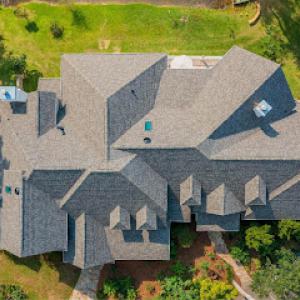
Quality Roofing Solutions
(850) 753-0851 qualityroofingsolutions.com
110 W Herman Ave, Pensacola, Florida
4.9 from 1077 reviews
Since 2006, we've proudly served the stunning Gulf Coast, spanning Orange Beach to Panama City and Central Florida, from Ocala and Orlando to Lakeland and Kissimmee. Our roofing experts offer a full spectrum of services: inspections, storm damage repairs, and complete replacements, tailored for both residential and commercial clients. Florida is our home, giving us an edge in understanding local weather dynamics and crafting roofs that excel against Mother Nature's challenges. We invite you to experience our commitment by requesting a free, comprehensive roof inspection for your home today.
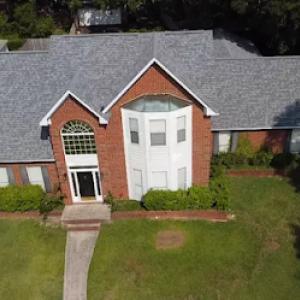
Elite-Pro Roofing & Construction
10 E Fairfield Dr # C, Pensacola, Florida
5.0 from 89 reviews
Protect your largest investment with our reliable roofing services. We are a locally owned and operated roofing company currently serving Pensacola, FL and surrounding communities. If you want to make your roof last as long as possible, it is vital that you never put off a roof repair. Small issues with roofing become big issues in a hurry. No matter how major or minor the repair you need, we are here to help. We offer roofing contracting, metal roofing , and flat roofing
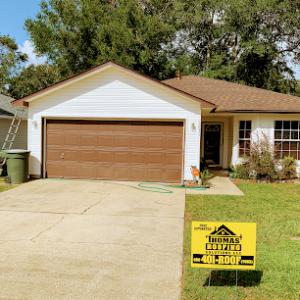
Thomas Roofing Solutions
(850) 401-7663 www.thomasroofingsolutions.net
5530 Saufley Field Rd, Pensacola, Florida
5.0 from 111 reviews
Thomas Roofing Solutions is a locally-owned and -operated roofing company serving Escambia and Santa Rosa counties in Florida. We can handle all your roofing needs, whether they include maintenance, inspections, repairs, installation, or replacement. : FL Lic. #RC29027760 & Atlas Pro Contractor
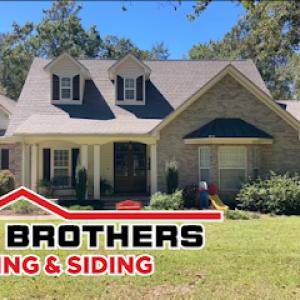
Guy Brothers Roofing & Siding
(850) 780-1439 www.guybrothersroofing.com
218 Hewitt St, Pensacola, Florida
4.7 from 583 reviews
From Northwest Florida to Mobile, AL, Guy Brothers Roofing and Siding has been the top choice for professional roofing services for over 50 years. And now the company has expanded to include complete siding service and replacement doors and windows for siding clients. Florida homeowners have depended on the Guy Brothers team to install the highest quality products, correctly, on-time, and at the best value. Our experts handle residential and commercial roof inspections, repair and installation. They also do roof additions, gutter installation and repair, siding, and more! We finance and warranty all of our work. Call today to find out more and get the exceptional service you deserve!
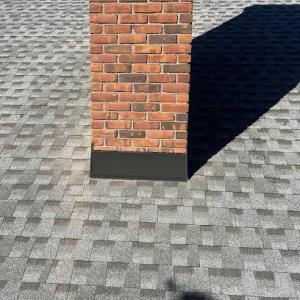
Ridgeline Construction Roofing & Exteriors
(850) 669-6976 ridgelineconstructionhsv.com
8449 Pensacola Blvd, Pensacola, Florida
4.8 from 184 reviews
Ridgeline Construction Roofing & Exteriors offers roof replacement, roof repair, siding and gutter services for residential and commercial properties. As a family owned and operated business, it is our goal to provide our customers with the highest quality service for the best price. Ridgeline offers a wide range of roofing options, including asphalt shingles, metal roofing, and flat roofs. Our experienced team can help you choose the best roofing material for your specific needs and budget. In addition to our roofing services, we also offer siding installation and repair. Siding not only enhances the appearance of your property but also provides important protection against the elements.
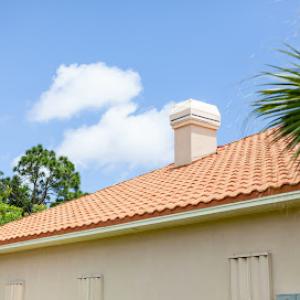
Guardian Roofing
(850) 437-9454 www.myguardianroofer.com
1487 S Fairfield Dr, Pensacola, Florida
4.9 from 49 reviews
We believe homeowners shouldn’t have to worry about the safety and integrity of their roof, especially in storm-prone areas like Florida. Everyone deserves peace of mind knowing their home is well-protected and built to last. Our team of skilled roofing installers use the highest-quality materials and provide honest, transparent communication throughout the entire roofing process. Whether you need roof repair or replacement, every project is customized to your needs and completed with Integrity, Quality, Care, Reliability, and over 20 years of Expertise.
Ironclad Roofing & Windows
(850) 780-7663 www.ironcladrw.com
8042 N Palafox St, Pensacola, Florida
4.8 from 69 reviews
Ironclad Roofing & Windows, based in Pensacola, Florida, is an established leader in the roofing industry with over a decade's experience. Their skilled team of professionals provides a wide range of services to residential and commercial customers, including roofing, window and door installation, gutters, and siding services. Serving Santa Rosa, Escambia, and Oskaloosa Counties, the dedicated team is committed to high-quality workmanship and personalized service. Believing that every customer is unique, they listen, respond, and adapt their services to meet the specific needs of each project. With Ironclad Roofing & Windows, customers are guaranteed precision, efficiency, and services that exceed expectations.
Certified Roofing Solutions
(850) 588-6388 certifiedroofingsolutionsllc.com
2425 W 9 Mile Rd Suite 1, Pensacola, Florida
4.7 from 95 reviews
Certified Roofing Solutions, LLC is a locally owned and operated residential and commercial roofing company. With over 30 years of experience in the industry, our team of skilled professionals provide high-quality roofing services tailored to meet the unique needs of our clients. We use only the highest quality materials and cutting-edge techniques for new roof installations, repairs, and maintenance. We are a GAF Master Elite roofing contractor. Our services include asphalt shingles, metal roofing, tile roofs, flat roofs, GAF Energy Solar Roofing, TPO, PVC, EPDM, gutter and siding installation, and more. We are committed to providing exceptional customer service and transparency throughout the entire roofing process. CCC1326502 CGC058533
PF Roofing
1410 North W Street, Pensacola, Florida
5.0 from 24 reviews
Whether you require roof repair or a completely new roof installation, you can feel confident your roof is in good hands with PF Roofing. We are roofing contractors who excel at shingle roofing, metal roofing, and tile roofing. We've been a local choice for roofing expertise in Pensacola, Milton, Navarre, and Gulf Breeze, FL for over 25 years. Call us today.
Kings Roofing NWFL
(850) 439-5700 www.kingsroofingllc.com
1497 Creighton Rd, Pensacola, Florida
4.6 from 219 reviews
Our team at Kings Roofing NWFL, LLC is your trusted partner for roof installations, inspections, replacements, and repairs on the Emerald Coast. With more than 30 years of experience, we know how vital it is to protect your residential, commercial, or industrial property from the elements. Your roof is your last line of defense against rain and heavy winds that accompany the strong storms and hurricanes along the Emerald Coast. We are here to partner with you when you need it most, protecting your investment and providing the quality craftsmanship you need.
In this coastal spot, the air carries salt that stacks up on every surface and works its way into fasteners, flashing, and metal details long before the shingles or tile show wear. Homes closer to Pensacola Bay, Escambia Bay, Perdido Key, and the Gulf shoreline face faster corrosion of exposed metal components than inland properties. That means what looks fine at a glance can be losing strength in the tiny seams and joints that hold a roof system together. The harsh mix of wind-driven spray and high humidity makes corrosion a quiet, ongoing threat that can undermine roof performance over time.
In this market, fasteners, flashing, drip edge, vents, and metal accessories can deteriorate before the primary roof covering if corrosion-resistant components are not used. A roof is a system, not a single layer, and the life of the entire assembly hinges on the durability of these surrounding pieces. If screws loosen, metal corners rust, or flashing pits, water can find a way to creep under the layers even when the shingles look sound. The consequence is not just a cosmetic issue; it can translate into faster leaking, higher maintenance, and more frequent repairs after storms.
Corrosion risk is a major reason material choice in Pensacola is not just about appearance or price, but about how every accessory on the roof system holds up in marine air. Select fasteners and flashing with proven marine-grade or corrosion-resistant coatings, and favor metal options that resist salt exposure. Aluminum components can excel in salt-rich environments when properly installed, and stainless steel or galvanized hardware with durable coatings can significantly extend service life. When evaluating metal accessories, look for corrosion-resistant finishes and a reputation for coastal performance, not just a sleek look.
Work with a contractor who understands how salt air accelerates wear. Ensure drip edges and flashings are sealed with compatible, corrosion-resistant sealants and that penetrations through the roof deck receive proper flashing details to shed salt-laden spray. During routine checks, inspect exposed fasteners for any sign of rust or loosening and replace them with marine-grade hardware as needed. Rinse surfaces with clean water after heavy salt spray events or tropical storms to reduce salt buildup that accelerates corrosion. Regularly inspect vents and metal accessories for dents, corrosion pits, or loose fittings, and address issues before they become leaks.
Relying on appearance alone is tempting, but the marine environment demands a tougher standard. The right combination of materials, coatings, and attachment methods matters because corrosion can quietly erode resilience. If a roof system is built with marine-grade components and maintained with vigilance, it stands a better chance of withstanding the next season's wind-driven rain and salt spray.
Explore specialists in steel, aluminum, and standing seam metal roofs built to last 50 years or more.
Elite-Pro Roofing & Construction
10 E Fairfield Dr # C, Pensacola, Florida
5.0 from 89 reviews
Ridgeline Construction Roofing & Exteriors
(850) 669-6976 ridgelineconstructionhsv.com
8449 Pensacola Blvd, Pensacola, Florida
4.8 from 184 reviews
Guardian Roofing
(850) 437-9454 www.myguardianroofer.com
1487 S Fairfield Dr, Pensacola, Florida
4.9 from 49 reviews
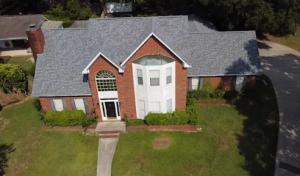
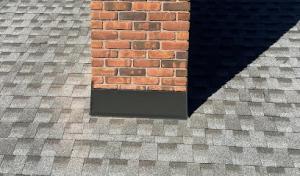
Asphalt shingles remain common because they fit the local price-sensitive re-roof market, but prolonged heat, UV exposure, and storm uplift are recurring concerns in Pensacola. If you're weighing this option, look for shingles with high UV resistance and a stout granule for glare control. In hurricane season, the key is a strong, layered warranty-backed system with reinforced underlayment and impact-rated shingles if possible. Roofs in this climate benefit from a well-vented attic and a sturdy drip edge to shed rain quickly and reduce heat buildup, which helps extend shingle life between major repairs. Expect to see asphalt widely used on mid-range homes and on additions where weight and installation speed matter. When maintenance or repairs come up, focus on inspecting flashing around chimneys and vents, because corrosion-prone metal details paired with salt air can loosen seals over time. If you're replacing an older roof, consider upgrading to a thicker shingle line or a 3-tab to architectural blend, which balances aesthetics and resilience without a dramatic uptick in complexity.
Metal roofing is especially relevant in this city because of wind performance and popularity among local contractors, but coastal corrosion resistance and fastening details matter more here than in inland Florida markets. A metal roof with a sealed panel design and corrosion-resistant coatings stands up well against salt-laden air, but the fasteners and valley details require careful attention. Look for screws with stainless-steel or coated cores and wind-rated assemblies that meet local uplift expectations. Proper grounding and sealants around penetrations are critical to prevent water intrusion during driving rain. For roofs with overhangs or complex shapes, ensure flashing is integrated into the panel seams rather than relying on plug-in penetrations. Coastal homes often pair metal roofs with vented soffits and ridge ventilation to keep attic temps down, which helps the metal last longer and reduces heat-related expansion issues. If you're replacing a roof on a home with Mediterranean styling or coastal features, metal can be a clean, modern match when the fasteners are hidden or discreet, but you'll want to verify contractor experience with coastal installs to avoid premature wear from salt exposure.
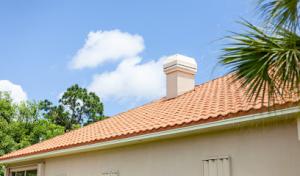
Tile roofs appear on higher-end coastal and Mediterranean-style homes in the Pensacola area, where weight, fastening, and storm repair logistics are more complex than with shingles. Clay and concrete tiles resist impact and offer long service life, yet their heavier weight requires a properly reinforced structure and careful anchoring to withstand wind uplift. Coastal fastening details matter: tile penetrations, hip-and-ridge fasteners, and battens should be selected to minimize movement during gusts, and repairs after a storm should be planned with access to matching tile and skilled installers who understand coastal drainage. Tile also behaves differently under heat; expansion joints and proper underlayment prevent cracks during heat cycles. If your roof line features long spans or multiple valleys, ensure the layout minimizes loose tiles and provides reinforced dry-in at edges. For Mediterranean-style homes, the look is distinctive, but the installation demands meticulous attention to seam sealing and maintenance of parapets to guard against wind-driven rain entering roof cavities. In all cases, annual inspection focused on fastener integrity, sealant condition around penetrations, and drainage efficiency will help keep a tile roof performing well in this Gulf Coast climate.
In the months when gulf humidity starts to rise but before the peak summer storm pattern takes over, a spring roof install can move smoothly if preparation is solid. Pensacola roofs endure salt-laden air and coastal exposure, so structural checks should occur before crews arrive. This is a good time to align on material readiness, confirm drop zones, and ensure old fasteners and underlayment are compatible with the local climate. Spring mornings are often calmer than later in the season, which helps with initial tear-off prep and dry-in layout. Yet the occasional thunderstorm can still pop up, so anticipate brief pauses and plan toward a two-day rhythm rather than a single long stretch.
Summer brings frequent thunderstorms that can interrupt tear-offs and dry-in schedules, making weather windows less predictable than in drier seasons. Heat and humidity also press on sealants, underlayment handling, and crew productivity. In Pensacola, roof work must tolerate daily heat spikes and salty air that can affect fasteners and vulnerable materials. If a summer install is underway, expect more frequent material checks, extra securing of the tear-off debris, and contingency gaps for rain breaks. Crews will work efficiently in cooler blocks of the day, but that often means starting early or ending late. Coordination with a storm forecast is essential to minimize waste and keep the project on track.
Fall is a favored window for planned roof replacement because the climate often offers drier, more stable conditions. A fall schedule can reduce the likelihood of disruptive thunderstorms that interrupt longer stretches of work. In practice, this means longer dry-in periods, more predictable adhesive performance, and less corrosion risk from salt-laden air during a prolonged setup. Expect slightly cooler temperatures that aid sealant curing, while maintaining enough warmth for steady crew workflow. Fall projects also align well with local wind-mitigation considerations, allowing better verification of flashing, fastener patterns, and shingle seating before the winter storm season.
Winter work can proceed with fewer thunderstorm interruptions, though cooler mornings slow materials handling and set times for sealants and underlayment. In Pensacola, winter air remains humid, so attention to proper bonding and dry-in integrity is essential even when skies are clear. Shorter daylight hours can compress the daily pace, but the reduced wind and rainfall often balance the schedule. If a winter install is chosen, plan for a tighter sequence: teardown, debris containment, attic or vent checks, and a disciplined dry-in so moisture doesn't linger under the deck as a sensitive coastal environment persists.
In this coastal market, full re-roofs typically require a building permit, and the roofing contractor usually files it. The process is not merely a paperwork step; it signals to local inspectors that the project follows current code, wind-resistance expectations, and coastal hazards that Pensacola experiences near the bay and Gulf. When choosing a contractor, confirm they will submit the permit on your behalf and keep copies of the permit number, approved plan, and any wind-mitigation specifics tied to your home. Expect the permit to specify material, attachment method, and the installation sequence, all of which drive the project's compliance and timeline.
Local inspections commonly break down into rough, underlayment, and final checks. The rough inspection focuses on structural readiness: framing integrity, nailing pattern, and general conformance to the approved plan. If sheathing is damaged or cupped, it will be flagged at this stage, so expect a pause for repairs before moving forward. The underlayment inspection looks at the protective layer beneath the roof covering, including nailing through underlayment, proper overlaps, and whether fasteners penetrate at the correct spacing. Finally, the final inspection ensures the completed installation aligns with wind-resistance requirements, flashing details, and penetration seals around vents, plumbing stacks, and chimneys. In a Gulf Coast climate, inspectors pay close attention to how edges, hips, and ridges are sealed, as those areas are critical for resisting wind-driven rain.
Because this is a high-wind Florida coastal market, wind-resistance compliance can influence what inspectors review during the re-roof process. Expect scrutiny of the nailing schedule, the method used to secure edge and corner fasteners, and the continuity of underlayment protection up to or beyond the eave line. Deck weather- and moisture-related concerns may prompt additional attention to sheathing condition and any repairs needed to restore a solid, flat base before covering with the final roof system. If the project uses a different roof covering than the previous layer, or if upgrading to a more wind-rated system, ensure the permit package reflects those changes and that the installation method matches the wind-resistance design. Contractors should provide documentation or stamped calculations when required by the authority having jurisdiction, particularly for high-wind zones along the coast.
Schedule the permit and inspections early in the project, and maintain open communication with the contractor about anticipated inspection dates. Have a copy of the approved plans and any wind-load notes available for inspectors, and keep a log of all inspections with the corresponding approvals. If a deficiency is noted, address it promptly to avoid delays cascading into weather windows. Remember that local ordinances and the permitting office may require updates if plans change mid-project, so any deviations from the original permit should be documented and re-submitted. With strong winds and salt exposure common in this area, ensuring moisture control and durable fastener choices during the permit process can pay dividends in long-term performance.
In Pensacola, Gulf storms push material availability and crew schedules tight, often driving prices higher across Escambia County and nearby Panhandle communities. After a big event, you'll notice faster lead times for crews and delays on deliveries that can raise project days and labor costs. Expect price fluctuations to track regional demand rather than just material list price.
Material choice strongly affects local budgets. Asphalt shingles remain the lower-cost mainstream option, but metal and tile systems require more complex installation in this coastal environment and carry higher installed prices. For reference, asphalt shingles sit toward the lower end of the spectrum, while metal and both clay and concrete tile push toward the upper end due to installation intricacies and coastal corrosion considerations. Synthetic/composite shingles offer a middle ground with decent durability and simpler install than tile. In practical terms, a storm-recovery project often shifts from a cosmetic update to a full replacement, where the chosen material determines not only upfront cost but also expected lifespan in salt air and wind exposure.
Roof geometry common in coastal and suburban housing-stepped hips, multiple valleys, and flat-to-low-sloped sections-drives installation complexity and waste. Corrosion-resistant accessories (like flashings and fasteners) are essential in this climate and add to the bottom line. When storms damage decking, replacement costs rise quickly because sheathing and support members may need treatment or upgrading to resist future moisture intrusion. Overall, project budgeting should anticipate higher totals than non-storm repair scenarios, reflecting both material and labor adjustments specific to this coastal setting.
Get a clear picture of your project costs upfront - no commitment required.
Buckworth Roofing
(850) 852-1068 buckworthroofing.com
4300 Bayou Blvd Suite 35B, Pensacola, Florida
5.0 from 241 reviews
Thomas Roofing Solutions
(850) 401-7663 www.thomasroofingsolutions.net
5530 Saufley Field Rd, Pensacola, Florida
5.0 from 111 reviews
Ironclad Roofing & Windows
(850) 780-7663 www.ironcladrw.com
8042 N Palafox St, Pensacola, Florida
4.8 from 69 reviews
When a Gulf Coast storm rolls through, your insurer already knows the shoreline realities: salt air, high winds, and the kind of roof damage that isn't a quick fix. Carriers in this region scrutinize coastal properties more closely, and Florida's wind-driven rain can turn ordinary repairs into documentation-heavy battles. The response you get after a claim isn't just about the initial damage; it's about how well the roof was prepared to resist the next gust, how the repair work is documented, and whether your roof and its components meet current wind-related expectations. This isn't fear-mongering-it's the practical backdrop of living with hurricanes and near-yearly heavy weather along the Gulf.
Detailed photo documentation isn't optional here-it's expected. You may be asked for storm-date evidence, close-ups of damaged flashing, fasteners, and underlayment, and photos of the overall roof condition before and after events. Keep a simple, dated record: materials observed, color and pattern of granule loss, and any salt-spray corrosion on metal components. Insurers will want to see that repairs or replacements align with current code and wind-related requirements, so plan for a contractor to provide a clear scope that shows proper fastener patterns, underlayment type, and flashing details. In practice, that means ongoing, organized record-keeping rather than hurried snapshots after the fact.
Wind mitigation isn't just a checkbox-it can materially shift how soon you can move forward after a storm. The right mitigation features may smooth approvals, influence appraisal outcomes, and affect eligibility for certain endorsements. When storms threaten, or when repairs are anticipated, discuss whether existing features meet the latest expectations and how documentation will support a timely decision. The clock here runs differently: delays in securing proper documentation often translate into longer claim resolution or contested repairs. Plan ahead, coordinate with a trusted local contractor, and ensure every step is supported with precise, up-to-date notes and photos.
Connect with contractors who help homeowners navigate the claims process from damage assessment to final approval.
Buckworth Roofing
(850) 852-1068 buckworthroofing.com
4300 Bayou Blvd Suite 35B, Pensacola, Florida
5.0 from 241 reviews
Hightower Industries
(850) 789-8209 hightowerindustriesllc.com
29 Stumpfield Rd, Pensacola, Florida
5.0 from 141 reviews
Quality Roofing Solutions
(850) 753-0851 qualityroofingsolutions.com
110 W Herman Ave, Pensacola, Florida
4.9 from 1077 reviews
Pensacola's frequent rain and humidity make drainage performance especially important on low-slope sections over porches, additions, and commercial-style roof areas. A slow or improperly directed drain can cascade into ponding, which fuels leaks and accelerated membrane wear. Start by confirming that every low-slope surface has a clear, uninterrupted path to the primary and secondary drains, even after adding exterior features like skylights or parapets.
EPDM and other low-slope systems in this market are vulnerable to seam, flashing, and ponding-related leak issues when drainage design or maintenance is weak. When evaluating options, prioritize systems with proven seam integrity and robust flashing details at perimeters, penetrations, and terminations. In Pensacola, long-term performance hinges on materials that resist salt air and humidity without excessive thermal expansion. Match the system to the roof's exposure-porches and additions facing gulf winds demand emphasis on edge detailing and secure fasteners.
Flat-roof work is a meaningful but secondary specialty locally, reflecting the mix of residential low-slope sections and commercial buildings in the city. Demand precise slope, often a quarter-inch per foot minimum, toward a designed drainage plan. Verify that drainage sumps, scuppers, or interior drains remain accessible for routine maintenance. During installation, ensure proper substrate conditioning and clean surface prep to prevent moisture entrapment under membranes.
Maintenance cycles should align with seasonal rainfall patterns. In humid stretches, inspect seams, flashings, and drain closures after major storms and simply before the heaviest rainfall months. Keep an eye on exposed edges and penetrations where sealant degradation can quickly become a leak source. Regular inspections by a qualified roofer familiar with low-slope details in Pensacola will catch issues before they escalate.
Find specialists in TPO, EPDM, and built-up flat roofing systems for residential and commercial properties.
Elite-Pro Roofing & Construction
10 E Fairfield Dr # C, Pensacola, Florida
5.0 from 89 reviews
Ridgeline Construction Roofing & Exteriors
(850) 669-6976 ridgelineconstructionhsv.com
8449 Pensacola Blvd, Pensacola, Florida
4.8 from 184 reviews
Ironclad Roofing & Windows
(850) 780-7663 www.ironcladrw.com
8042 N Palafox St, Pensacola, Florida
4.8 from 69 reviews
Skylights are convenient, but in Gulf Coast storms they become frequent leak points. In Pensacola storms, skylights and other roof penetrations are common leak points because wind-driven rain can exploit flashing weaknesses quickly. Even a seemingly solid flashing system can develop micro-tracks where water sneaks in during an intense downpour. Older homes with older skylight installations often show the most vulnerability, since the original hardware and sealants may have degraded or shifted with heat cycles and salt exposure. A careful eye on flashing perimeter, curb integrity, and the interaction with adjacent shingles is essential after a storm season.
After a heavy rain event, you should inspect the ceiling near skylights, interior staining, and the attic around the vent flashing. Look for staining along the skylight flange, condensation on the glass, and any damp insulation around the skylight framing. Inspect the flashing from the roof line during daylight with a ladder only if safe; wind-driven rain can lift shingles and expose the flashing. If the skylight is thermally sealed, watch for increasing condensation when the sun comes out. Do not rely on a single patch; the surrounding underlayment and flashing often carry the leak path.
Skylight repair in this market often needs to be evaluated together with surrounding underlayment and flashing, not as an isolated patch. That means you may need to reseal the curb, reseat flashing, replace damaged underlayment, and possibly replace the skylight unit if the frame is corroded from salt air. Consider corrosion-resistant flashing and sealants rated for Gulf winds and salt spray. When structure moves from storms, lightweight skylights can swing and strain fasteners; verify fastener corrosion and consider upgrading to stainless or aluminum hardware.
Preventive steps you can take include upgrading to a higher-grade curb and flashing kit designed for wind pressure, using sealants with UV and salt resistance, and planning a reflash as part of any major roof replacement. Keep gutters clear, and inspect surrounding vent and chimney flashing that shares the same roof edge. After any significant storm, arrange a quick professional check before the next rain event to identify creeping leaks before they become widespread inside the ceiling or attic.
Find contractors experienced in skylight installation, flashing, and leak repairs to bring natural light into your home.
Quality Roofing Solutions
(850) 753-0851 qualityroofingsolutions.com
110 W Herman Ave, Pensacola, Florida
4.9 from 1077 reviews
Ironclad Roofing & Windows
(850) 780-7663 www.ironcladrw.com
8042 N Palafox St, Pensacola, Florida
4.8 from 69 reviews
See Why Roofing Solutions
(850) 776-2450 www.seewhyroofingsolutions.com
3849 James Stovall St, Pensacola, Florida
5.0 from 9 reviews
In this market, a roof warranty isn't just about the shingle or panel brand alone. The value hinges on whether the full roof system-including flashing, underlayment, ventilation, and fasteners-was installed to stand up to coastal wind and moisture exposure. A true Pensacola-standard roof treats wind loads, salt spray, and driving rain as a single, integrated system, not as isolated components.
Marine-air corrosion can undermine fasteners and metal components quickly if the installation treated the roof as separate pieces. Storm-related accessory failures become disputes when flashing and ventilation aren't coordinated with the primary roofing materials. If the system isn't designed and installed as a complete, weather-resilient package, you may see gaps in coverage when a claim is filed after a major wind event.
Homeowners should pay close attention to who handles manufacturer registration, inspection signoff, and workmanship coverage after a storm event. A responsible contractor coordinates these steps so warranties stay valid and transferable. If a storm hits and a claim arises, you want documentation that confirms the entire system was installed to the manufacturer's coastal performance standards.
Pensacola's exposures-salt-laden air, hurricane wind risks, and frequent moisture-mean that long-term protection relies on more than just material quality. You benefit from a contractor who can demonstrate coastal-specific installation methods, including corrosion-resistant fasteners, corrosion-proof flashing choices, and ventilation strategies designed to minimize moisture intrusion and temperature-related stresses.
Ask for a complete system warranty statement that identifies every component and installation step. Confirm who registers products with manufacturers, who signs off on inspections, and how workmanship coverage is documented for post-storm claims. Ensure your contractor can provide ongoing support and clear avenues for addressing issues tied to coastal exposure.
In a storm environment, solar plans should be coordinated with roof age and replacement timing so mounting does not complicate hurricane-related repairs. If the roof is nearing the end of its life or shows signs of wind-driven wear, address the roof first. Scheduling solar installation to coincide with a roof replacement simplifies penetrations and ensures seals are fresh and weather-ready for storm season.
Homes considering solar need roof systems and penetrations evaluated with wind exposure in mind rather than treating solar as a separate project. Work with a contractor who understands Gulf Coast wind loads, salt-laden air, and typical Pensacola roof geometries. Roof pitches, ridge lines, and existing flashings influence panel layout and racking choices. For flat or low-slope roofs, specify edge protection and wind-proofed seals that resist lifting in gusts.
Because storm documentation matters in this market, homeowners should keep records showing how solar attachments and roofing details were integrated. Photograph every penetration, flashing detail, and attachment point before, during, and after installation. Store warranty cards, inspection notes, and any hurricane-related repairs alongside the roof file. When you later replace or retrofit, clear documentation speeds future decisions and helps with insurance and claim reconciliation.
Start with a roof assessment by a pro who knows common shingle and tile configurations here. Plan the solar layout to match existing penetrations where possible, reducing new weak points. Confirm that mounting hardware is rated for the expected wind speeds and is compatible with the chosen roofing material. Keep the roof plan and solar plan aligned through every staged step so storm resilience remains intact.
Find contractors who integrate solar panels or solar shingles into your roof for long-term energy savings.
Hightower Industries
(850) 789-8209 hightowerindustriesllc.com
29 Stumpfield Rd, Pensacola, Florida
5.0 from 141 reviews
Certified Roofing Solutions
(850) 588-6388 certifiedroofingsolutionsllc.com
2425 W 9 Mile Rd Suite 1, Pensacola, Florida
4.7 from 95 reviews
See Why Roofing Solutions
(850) 776-2450 www.seewhyroofingsolutions.com
3849 James Stovall St, Pensacola, Florida
5.0 from 9 reviews