Roofing in Florida
Last updated: Feb 28, 2026
Here in Florida, a roof has to endure sunshine that feels like a small furnace, sudden summer downpours, and the bite of salty coastal air all at once. Our roofs face more than just heat—they contend with humidity, algae and moss on shaded surfaces, and the occasional hurricane or tropical storm that tests seams, flashings, and drain systems. You'll notice differences from neighbor to neighbor: a tile or metal roof on a sunny inland lot ages differently than a coastal home where salt air and winds are constant characters in the repair story.
This page is your practical, trustworthy neighbor guide: clear, actionable, and built for homeowners who want real results without the guesswork. You'll find guidance that respects Florida's unique climate and building culture, with tips grounded in local experience and resources. We look at what matters most when you're protecting a home here—from weather patterns to local codes and affordable maintenance moves that pay off in the long run.
What you'll get includes a grounded quick preview of core topics, so you know what to expect without wading through every detail: Local Climate and how it shapes roofs; Recommended Roofing Materials for Florida; Popular Roof Styles & Architectural Trends in Florida; Average Roofing Costs in Florida; Permits & Local Regulations; Common Roofing Problems in Florida & Solutions; Maintenance & Repair Tips for Florida; When to Repair vs. Replace; When to hire a professional. This guidance is tailored to Florida's conditions and backed by local resources—from official permitting nuances to area supplier options—so you're making choices you can trust.
Think of this as a friendly contractor and neighbor mix: practical, straightforward, and backed by hands-on experience. We'll translate the jargon, flag common Florida-specific pitfalls, and point you toward affordable, effective fixes that respect your home's style and your budget. Whether you're planning a roof refresh, shopping for materials, or weighing a repair against a replacement, you'll have a solid foundation to stand on.
Let's start with how Florida's climate shapes roof decisions.
Local Climate & Its Impact on Roofs
Florida's climate at a glance
Florida blends heat, humidity, and ocean breeze. Coastal areas see more salt exposure and stronger winds, while inland sections deal with high humidity and intense sun. The state's long hurricane season (June through November) means roofs must withstand rapid shifts in weather, from tropical downpours to fierce winds. In short: climate drives wear patterns, material choices, and maintenance needs.
Key risks for Floridian roofs
- High winds and flying debris during tropical storms and hurricanes. Wind uplift can loosen shingles, tiles, or metal panels if the system isn't storm-rated or properly installed.
- Heavy rainfall and potential drainage issues. Poor slope, clogged gutters, or undersized scuppers can lead to leaks and water intrusion.
- Humidity, mold, and algae growth. Moist conditions promote algae, mold, and rot on underlayment and sheathing—especially in shaded or poorly ventilated attics.
- Salt spray and coastal corrosion. Salt in the air accelerates corrosion of metal components and fasteners near the coast.
- Termite pressure and wood rot. Florida's pests can compromise roof decking and support structures if defensive details are weak.
- Extreme heat and UV. Prolonged sun exposure degrades roofing materials, reduces life span, and expands/contracts fasteners.
- Hail risk is possible but regional; even smaller hail can crack asphalt shingles or clay tiles in certain storm cells.
Warnings: Never perform roof work during or immediately after a hurricane or tropical storm. Seek a licensed professional for any storm-related repairs. Check official advisories from weather agencies before climbing on a roof.
- Asphalt shingles (wind-rated, algae-resistant): Look for Class A fire rating and high wind uplift resistance; consider laminated shingles for durability and better esthetics.
- Metal roofing (aluminum or steel): Excellent wind resistance, long life, and reflectivity to cut heat load; corrosion-resistant coatings help near the coast.
- Concrete or clay roof tiles: Durable and fire-resistant; heavier, so ensure supporting structure is adequate and not prone to cracking from temperature swings.
- Impact-resistant shingles (UL 2218 rated) or Class 4 alternatives: Can provide better resistance to hail in susceptible pockets.
- Light-colored or reflective roofing: Helps reduce heat gain and cooling costs.
- Corrosion-resistant fasteners and underlayments: Use stainless steel or hot-dipped galvanized hardware in coastal areas; synthetic underlayment with drip-edge protection is preferred.
Ventilation, underlayment, and installation practices
- Attic ventilation: Balanced intake (soffits) and exhaust (ridgeline or soffit vents) reduce heat buildup and moisture.
- Proper underlayment: Consider synthetic, weather-impervious underlayment designed for high humidity and wind-driven rain.
- Wind-rated installation: Use appropriate fasteners, clips, and nailing patterns specified for Florida wind zones; double-check roof-to-wall connections and edge protection.
- Roof deck integrity: Confirm deck is sound, free of rot, and properly sealed against moisture intrusion.
Maintenance & routine care
- Schedule inspections twice a year and after major storms to catch loose fasteners, damaged flashing, or lifted shingles early.
- Clean gutters and downspouts regularly; keep drainage paths clear to prevent standing water near the roof edge.
- Inspect for algae, moss, and staining; treat or replace affected shingles and consider zinc or copper strips at the ridge to slow growth.
- Look for signs of moisture intrusion in ceilings, attic, and around penetrations (vent pipes, chimneys, skylights).
- Check for termite signs around eaves, soffits, and wooden fascia; treat termite risk with professional guidance.
After severe weather: safety and checks
1. Wait for official clearance before any roof work.
2. If safe, perform a ground-level inspection and take photos of damage for insurance claims.
3. Hire a licensed roofer to assess wind damage, flashing, and underlayment; request wind-load certifications and compliance with local codes.
4. Document repairs and follow insurer guidance on required materials and methods.
Official resources
- National Weather Service (weather and alerts for Florida):
- National Hurricane Center (hurricane tracking and preparedness):
- FEMA (hurricane safety and preparedness tips):
- UF/IFAS Extension (Florida roofing, termite, and moisture guidance):
- Florida Extension EDIS (in-depth articles on roof ventilation, humidity, and pests):
Recommended Roofing Materials for Florida
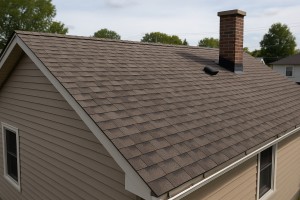
- Best for: budget-conscious homes that still want good looks and decent durability.
- Why it works here: modern architectural shingles are laminated for higher wind resistance and come in cool, reflective colors.
- What to look for:
- Wind rating: choose shingles rated for high wind uplift (130 mph+ when allowed by your code and installation).
- Impact resistance: Class 3 or 4 hail rating if you're in hail-prone areas.
- Underlayment: a high-quality synthetic underlayment plus proper flashing for sea spray zones or coastal exposure.
- Fastening: corrosion-resistant nails, often with sealant tabs or a nailing pattern that meets wind requirements.
- Warranties: both material and installation workmanship warranties; ask about wind-m mitigation endorsements.
- Pros and cons:
- Pros: affordable, easy to repair, wide color options, quick installation.
- Cons: shorter lifespan than tile or metal, can be vulnerable in severe storms without proper installation.
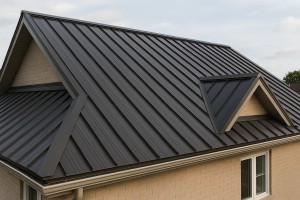
- Best for: harsh wind zones, fire resistance, long life, and coastal exposures.
- Why it works here: excellent wind uplift resistance, excellent reflectivity when light-colored coatings are used, and great durability against salt air with proper coating.
- What to look for:
- Material: galvalume or aluminum coatings for corrosion resistance; consider thicker gauge for longevity.
- Coatings: PVDF or similar cool-white/light colors to reflect heat.
- Install details: hidden fasteners vs. exposed fasteners; standing-seam systems are typically more watertight in Florida rains.
- Panels and seals: proper valley and flashing details to address heavy rain and salt spray.
- Pros and cons:
- Pros: very long life, excellent wind resistance, low maintenance, energy savings.
- Cons: higher upfront cost, potential denting from hail on softer metals.
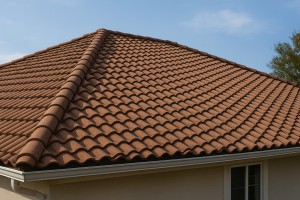
- Best for: traditional Florida aesthetics, excellent durability, and good insulation when properly installed.
- Why it works here: tile roofs stay cooler in the sun and resist fire; concrete tiles are typically heavier and more affordable; clay tiles offer a classic look.
- What to look for:
- Weight and structure: ensure your roof deck can handle tile weight; hire a pro to assess structure and fasteners.
- Wind performance: choose tiles with tested uplift ratings and proper battens or interlocking systems.
- Underlayment: high-quality underlayment and flashing; coastal homes often need extra sealing around penetrations.
- Color and finish: light-colored tiles reduce heat absorption; glazed finishes can help resist staining.
- Pros and cons:
- Pros: long lifespan, excellent durability, fire resistance, energy efficiency.
- Cons: heavy (requires structural assessment), potential for crack under impact, higher installation cost.
Synthetic and Composite Shingles
- Best for: homeowners who want the look of slate or wood with better wind resistance and lighter weight.
- Why it works here: engineered to resist impact and uplift while often delivering competitive warranties.
- What to look for:
- Wind and impact ratings: confirm high wind uplift compatibility and Class 3–4 impact ratings.
- Durability: UV stability and colorfastness in Florida sun.
- Installation: compatible with standard underlayment; ensure proper nailing patterns for Florida wind codes.
- Pros and cons:
- Pros: versatile aesthetics, lighter than real tile/slate, improved wind performance.
- Cons: can be pricier than asphalt; check warranty specifics.
Flat Roofing Options for Florida Homes
- Best for: flat or low-slope sections, garages, or additions.
- What to consider:
- Materials: TPO, PVC, or EPDM single-ply membranes perform well in heat and rain.
- Reflectivity: choose white or light membranes to reduce cooling loads.
- Drainage: ensure proper slope and regular checks for ponding water; Florida's heavy rainfall needs robust drainage.
- Pros and cons:
- Pros: strong waterproofing, flexible, energy-efficient options.
- Cons: seams require maintenance; punctures or mis-seated edges can cause leaks if not installed correctly.
What to Look For When Choosing Materials
- Wind rating: aim for products rated for high wind uplift and confirm installation methods meet local codes.
- Impact resistance: Class 3 or 4 where hail risk is present.
- Underlayment and flashing: must be high-quality and properly installed to resist moisture intrusion and salt spray.
- Fasteners and coatings: corrosion-resistant fasteners; choose coatings suited for coastal or humid climates.
- Color and reflectivity: cool roofs with light colors help reduce cooling loads in Florida heat.
- Warranties: strong material and workmanship warranties; consider manufacturers with Florida-specific endorsements.
Installation and Maintenance Tips
1. Hire a licensed roofer with experience in Florida wind mitigation and coastal conditions.
2. Ensure attic ventilation and a proper underlayment system are included in the scope.
3. Use hurricane-rated fasteners and, where required, assign hurricane straps or seismic/structural ties for tile and metal roofs.
4. Schedule post-storm inspections to catch wind damage, loose flashing, or lifted shingles early.
5. Regularly clean gutters and inspect flashing, penetrations, and roof edges for salt spray wear and corrosion.
Popular Roof Styles & Architectural Trends in Florida
Coastal-friendly shapes and styles
- Mediterranean Revival and Spanish-influenced tile roofs (clay or concrete tiles) with warm terracotta or sand hues. They're durable in humidity and salt air, but require a reinforced structure due to tile weight.
- Florida Cracker and Coastal Vernacular roofs often use metal (standing-seam or galvalume) or asphalt shingles. Metal reflects heat, resists corrosion, and pairs well with simple lines and wide eaves for shade.
- Hip roofs are common across coastal cities for wind resistance. Their truncated pyramid look and broad eaves help deflect high winds and provide shade.
- Gable roofs remain popular for traditional homes, but you'll see wind-rated designs and reinforced connections to reduce uplift in hurricane season.
- Flat or low-slope roofs appear on modern and coastal properties. They rely on high-performance membranes (TPO, PVC, or modified bitumen) and precise drainage to prevent leaks.
- Concrete tile: highly durable, excellent wind uplift resistance, wide color and texture options, and good humidity performance; heavier, so structure must be designed for the load.
- Clay tile: classic look with strong longevity; similar wind performance to concrete but even heavier—verify structure and underlayment.
- Metal roofing (steel or aluminum): standing-seam or corrugated panels; superb wind and salt-air resistance; reflects heat; long lifespan when properly installed and coated.
- Asphalt shingles (wind-rated): viable in many neighborhoods if installed with hurricane clips and proper nailing patterns; color choices available but consider impact resistance in coastal zones.
- Flat roofing membranes (TPO, PVC, modified bitumen): common on modern coastal/urban homes; seamless installation minimizes leaks and supports roof-top equipment like HVAC or solar.
Climate-smart and energy-efficient trends
- Cool roofs: light-colored or reflective coatings reduce heat gain, lowering cooling costs and indoor temps.
- Solar-ready designs: roof lines and mounting surfaces planned for PV; clean integration without compromising aesthetics.
- Insulation and radiant barriers: higher attic insulation and radiant barriers help keep homes cooler in hot months and reduce air-conditioning load.
- Proper drainage and ventilation: ridge and soffit venting paired with well-sealed flashing minimizes moisture buildup and prolongs roof life.
Wind resistance, code requirements, and installation best practices
- Florida's building code emphasizes hurricane-rated components: impact-resistant shingles or tiles, corrosion-resistant metals, and reinforced fasteners.
- Roof-to-wall connections should use appropriate clips and straps; secure nailing patterns and wind-rated underlayment reduce uplift risk.
- Regular inspections after storms are essential; check flashing, seals around penetrations, and edge metal for corrosion or damage.
- Coastal properties benefit from higher-grade sealants and corrosion-resistant coatings to address salt spray and humidity.
Aesthetic trends and curb appeal
- Light neutrals, warm earth tones, and terracotta hues remain popular for harmony with Florida landscapes and older neighborhoods.
- Clean lines with larger overhangs and exposed beams are favored in contemporary Florida homes, creating shade and architectural texture.
- Mixed materials (tile roofs with white stucco or light siding) provide contrast while keeping reflective sustainability in mind.
Maintenance and longevity considerations
- Inspect after heavy rains or storms; look for loose tiles, lifted shingles, or damaged flashing.
- Clean gutters regularly to prevent water backing up and seeping under eaves.
- Schedule professional roof inspections every 2–3 years to catch issues early and verify wind-rated components remain secure.
Average Roofing Costs in Florida
Typical price ranges by material
- Asphalt shingles: generally $3.50–$6.50 per sq ft installed (about $350–$650 per square). In Florida, expect the higher end if you choose impact‑resistant or wind‑rated shingles.
- Metal roofing: roughly $7–$12 per sq ft installed ($700–$1,200 per square). Good for coastal exposure and longevity, but heavier on upfront cost.
- Concrete tile: about $9–$15 per sq ft installed ($900–$1,500 per square). Popular in Florida for heat reflectivity and wind performance.
- Clay tile: typically $12–$25 per sq ft installed ($1,200–$2,500 per square). Lighter color options help with energy use; requires a strong substrate.
- Flat/low-slope roofs (EPDM, TPO, modified bitumen): around $5–$9 per sq ft installed ($500–$900 per square). Common on some Florida homes and townhouses.
Note: “Per square” = 100 sq ft. Actual costs vary with roof pitch, removal of old roofing, attic insulation, and waste disposal.
Why Florida prices differ from other states
- Wind and hurricane codes: Florida often requires upgraded underlayment, wind‑rated shingles, or metal/tile with high wind uplift ratings, raising material and labor costs.
- Old roof removal: removal of existing material adds to total (usually $1,000–$2,000+ depending on complexity and disposal).
- Permits and inspections: typical permit fees run a few hundred to over a thousand dollars, depending on county and project scope.
- Accessibility and debris: coastal jobs or elevated roofs may need extra equipment or safety measures, increasing labor time.
- Insurance mitigation: documentation for wind mitigation credits may influence contractor pricing and potential insurance benefits after installation.
Local design and material considerations
- Coastal and humid climate: salt air and moisture favor corrosion‑resistant fasteners (galvanized or stainless) and durable underlayment; these add to cost but extend roof life.
- Heat and glare: lighter colors and reflective coatings can reduce cooling load, sometimes changing material choice and installation steps.
- Local supply and crews: Florida markets sometimes face material delays or higher labor rates during peak seasons (spring/early summer hurricane season prep).
Common Florida roof styles and their cost implications
- Spanish/Mediterranean tile with hip or curved profiles: high impact on structural load, usually more expensive, but excellent wind resistance.
- Modern hip roofs with concrete or clay tiles: balance weight, wind performance, and maintenance; cost varies by tile type.
- Metal roofs on ranch or coastal homes: favored for durability and wind performance; higher upfront cost but potentially lower long‑term maintenance.
- Asphalt shingle roofs on ranch or bungalow homes: lowest upfront cost, quick installs, and broad contractor availability, but may require upgrades to meet Florida wind codes.
Step-by-step cost estimation for your Florida roof
1) Determine your roof area in squares (1 square = 100 sq ft). 2) Choose a material based on climate, HOA rules, and roof structure. 3) Assess the roof's pitch and any needed deck repairs or reinforcement. 4) Account for removal of the old roof and disposal fees. 5) Include permits, inspections, and any wind‑mitigation documentation. 6) Get at least 3 written quotes from licensed Florida roofers and compare warranties and timelines. 7) Build a contingency of around 10–15% for unexpected damage or code upgrades.
Permits & Local Regulations
Do I really need a permit for a new roof in Florida?
- In most Florida counties, a permit is required for roof replacement or tear-off. Residential roofing projects typically fall under building permits, even if you're just replacing shingles or repairing damaged areas.
- Some very small repairs might be exempt in rare cases, but reroofing almost always triggers a permit. If in doubt, contact your local building department before you start.
Florida Building Code and HVHZ considerations
- The Florida Building Code governs roofing standards statewide. It specifies required materials, fastening, underlayment, and installation methods.
- If your home sits in the High-Velocity Hurricane Zone (HVHZ)—primarily parts of South Florida—your roof must meet stricter wind-resistance requirements. This can affect nailing patterns, attachment methods, and allowable materials.
- Even if you've replaced a roof before, a permit and inspections ensure you're meeting current code and wind-resistance standards.
How to apply for a permit (step-by-step)
1) Confirm jurisdiction
- Find your city or county building department online or by phone.
- Some areas use a central portal; others require in-person visits.
2) Gather project details
- Address, parcel ID, scope of work (tear-off, material type, total square footage), roof slope, and timeline.
- Planned materials (shingles, underlayment, fasteners) and whether the job includes skylights, ventilation changes, or decking work.
3) Hire a licensed roofer (recommended)
- In Florida, roofing contractors must be licensed. A licensed contractor will typically file the permit and coordinate inspections.
- Verify the contractor's license on the Florida DBPR website and ask for proof of insurance (workers' comp and general liability).
4) Submit permit application
- Provide contractor information, project scope, engineering or wind-integration details if required, and any HOA approvals.
- Some jurisdictions require stamped drawings or manufacturer specs for high-wind zones.
5) Pay fees and wait for review
- Permit fees vary by municipality and project size. Processing times can range from a few days to several weeks.
- You'll likely receive a permit card or digital permit; keep it on site and visible.
Inspections you'll likely encounter
- Pre-roof inspection: confirms roof deck is sound, flashing, and code requirements are in place before covering.
- In-progress or mid-project inspections: verify underlayment, nailing patterns, and installation of flashing, ventilation, and attachments.
- Final inspection: ensures the roof is fully installed per code and all components are properly finished.
Licensing, warranty, and insurance tips
- Hire a Florida-licensed roofing contractor. Check license status and expiration on the DBPR site.
- Confirm the contractor carries workers' compensation and general liability insurance; request certificates and name your address as an insured project.
- Get a written warranty and keep a copy of all permits and inspection reports for your records.
HOA, neighborhood, and local quirks
- Check any HOA covenants or neighborhood rules before starting. Some associations require review or approval prior to permit issuance or material/color choices.
- Some municipalities have specific rules about permit expiration, renewals, or start-date requirements. Ask about these during the initial call.
Wind mitigation and potential insurance benefits
- A wind mitigation inspection is commonly pursued after a reroof to qualify for insurance discounts. Your roofer or a mitigation inspector can help determine if you should pursue this certificate.
- If you plan to claim insurance for storm-related damage, preserve documentation and permits; insurance companies often want to see that proper permits and inspections were completed.
Quick checklist to keep on hand
- Confirm permit requirements with local building department.
- Hire a licensed Florida roofing contractor with current insurance.
- Gather and submit necessary project details and manufacturer specs.
- Schedule and pass all required inspections.
- Check HOA rules and consider wind mitigation options for insurance credits.
Common Roofing Problems in Florida & Solutions
High Heat & UV Damage
- Causes: Florida's strong sun, constant heat cycling, and limited shade wear down shingles and underlayment; poor attic ventilation makes heat worse.
- Signs: Faded or chalky color; curling or cupped shingles; noticeable granule loss in gutters; hotter attic temps.
- Solutions:
1) Improve attic ventilation with a balanced intake (soffit) and exhaust (ridge) system.
2) Add insulation or a radiant barrier to reduce heat transfer to the roof.
3) Consider cool roof options: light-colored shingles, reflective coatings, or metal roofing with a reflective finish.
4) Schedule regular inspections to catch wear before leaks develop.
Wind & Storm Damage
- Causes: Hurricanes, tropical storms, and strong squalls push wind under seams and around penetrations.
- Signs: Loose or missing shingles; lifted or damaged flashing around chimneys and vents; dented gutters; debris in attic.
- Solutions:
1) Use wind-rated shingles and proper nailing patterns per manufacturer specs.
2) Install hurricane clips/straps and ensure flashing is sealed and integrated.
3) After storms, inspect and replace damaged shingles and reseal penetrations.
4) In high-wind zones, consider upgrading to impact-resistant materials or a metal roof.
Roof Leaks & Flashing Failures
- Causes: Worn or improperly installed flashing around chimneys, vents, and skylights; bad step and counter-flashing.
- Signs: Water staining on ceilings; damp or musty attic; peeling interior paint near penetrations.
- Solutions:
1) Re-flash penetrations with proper step and counter-flashing.
2) Replace damaged flashing and reseal with compatible sealants.
3) Check chimney cricket and vent boots; replace cracked components.
4) Use flexible, roof-appropriate sealants at joints and ensure all flashings integrate with the deck.
Ponding Water & Drainage (Flat & Low-Slope Roofs)
- Causes: Insufficient slope, clogged gutters, blocked interior drains.
- Signs: Standing water after rain; moss or algae growth in low spots; accelerated wear in ponding areas.
- Solutions:
1) Re-slope or add tapered insulation to improve drainage.
2) Clean gutters and downspouts; install interior drains or scuppers if needed.
3) Use drainage membranes rated for ponding and compatible roof coatings.
4) Inspect after heavy rains to catch slow drainage early.
Algae, Moss & Roof Stains
- Causes: High humidity, shade, and limited airflow promote growth on shingles.
- Signs: Black or green staining; slippery surface; edges of shingles lifting.
- Solutions:
1) Clean growth with non-pressure or soft washing methods.
2) Install copper or zinc strips near the ridge to inhibit regrowth.
3) Apply algae-resistant shingles or coatings when replacing.
4) Trim nearby branches to increase sun exposure and airflow.
Ventilation, Condensation & Moisture Risk
- Causes: Inadequate attic ventilation and high humidity in living spaces that migrate into the attic.
- Signs: Condensation on rafters; musty attic odor; mold spots.
- Solutions:
1) Add or enlarge soffit and ridge vents; install an attic fan if needed.
2) Seal leaks around attic access and ductwork; improve insulation.
3) Use a dehumidifier during humid months; ensure proper vapor barriers.
4) Keep moisture sources (like bathrooms) vented to the exterior.
Termites, Wood Rot & Moisture Damage
- Causes: Florida moisture and termite activity threaten roof decking and framing.
- Signs: Soft or hollow-sounding rafters; sagging eaves; termite tubes; musty attic odor.
- Solutions:
1) Schedule a licensed termite inspection and treatment; install shields where appropriate.
2) Replace rotted decking with treated or termite-resistant lumber.
3) Maintain gutters and flashing to minimize moisture exposure.
4) Conduct regular checks, especially after heavy rains or storms.
Hail & Debris Impact
- Causes: Severe storms bring hail; tree limbs and debris can strike roofs.
- Signs: Dents, cracks, or punctures in shingles; accelerated granule loss.
- Solutions:
1) Inspect after storms and document damage for insurance purposes.
2) Patch small punctures or replace damaged shingles.
3) Consider impact-resistant shingles or metal roofing for future resilience.
4) Trim trees to reduce impact risk and debris buildup.
Maintenance & Repair Tips for Florida
Seasonal upkeep for Florida
Florida's sun, heat, humidity, and salt air take a toll on roofs. Add tropical storms and occasional hurricanes, and proactive maintenance becomes essential. Regular checks help spot small problems before they turn into leaks or structural issues.
- Inspect after major storms to catch wind damage or staging issues with flashing.
- Schedule a biannual check, ideally in spring and fall, plus after significant weather events.
Regular inspections
- Frequency: at least twice a year, and after any hurricane or tropical storm.
- Signs to watch for:
- Curling, missing, or cracked shingles; granule loss on asphalt shingles.
- Damaged or lifting flashing around chimneys, vents, skylights.
- Dark staining, algae, or moss on roof surfaces.
- Leaks or stains in the attic, damp insulation, or mold growth.
- If you're unsure, hire a professional for an annual or biannual roof inspection, especially for steep or complex rooflines.
Material-specific care
Asphalt shingles
- Heat and humidity accelerate wear. Look for curling edges, missing tabs, or exposed underlayment.
- Algae and staining are common; clean with a soft brush and a mild cleaning solution. Avoid high-pressure washers that can lift granules.
Metal roofs
- Inspect seams and fasteners; tighten or replace loose screws as needed.
- Check sealant around penetrations and at flashings; reseal if you see gaps or corrosion.
- Watch for denting from hail; assess coating wear and consider a protective finish if needed.
Tile roofs (clay/concrete)
- Check for cracked, displaced, or broken tiles; replace promptly to prevent leaks.
- Ensure underlayment remains intact beneath tiles.
- Algae and moss can lift tiles over time; use gentle cleaning methods to maintain glaze and surface integrity.
Flat roofs and membranes
- Look for blisters, cracks, or ponding water after heavy rains.
- Verify drainage paths are clear: clean drains, scuppers, and edges.
- Inspect perimeter flashing and joints; reseal where you see gaps or deteriorated sealant.
Maintenance tasks you can do
- Gutter care: clear leaves and debris at least twice a year, and after storms; ensure downspouts discharge away from the home.
- Roof debris removal: remove branches, pine needles, and other debris; avoid prolonged moisture buildup.
- Trim trees: keep branches at least 6 feet away from the roof to reduce damage and debris accumulation.
- Flashing and sealant care: inspect around vents, chimneys, and skylights; re-caulk with exterior-grade sealant if cracking appears.
- Attic checks: ensure insulation remains dry and adequate; address any moisture promptly to prevent mold.
After-storm repair steps
1. Ensure safety first; if leaks are active, use tarp or temporary coverings only if conditions are safe.
2. Document damage with clear photos from ground level and inside the attic where applicable.
3. Contact your insurer and initiate a claim; keep receipts for any temporary repairs.
4. Schedule a licensed roofer to assess and repair additional damage; obtain multiple quotes and verify licenses and warranties.
Hurricane season readiness
- Pre-season inspection: tighten loose shingles, secure flashing, and verify ridge and hip caps are intact.
- Clear surrounding area: remove or secure loose outdoor items that could become projectiles.
- Post-storm plan: have a quick-access list for emergency repairs and prioritization to minimize interior water intrusion.
When to Repair vs. Replace
Florida roofs take a beating from sun, humidity, and hurricane season. In many cases, a targeted repair is plenty, but there are clear signs when replacing the roof is the smarter move long term.
Quick rule of thumb
- Localized damage or isolated issues → repair.
- Widespread damage, frequent leaks, or roof age approaching the end of its expected life → replacement.
Florida climate and code considerations
- Heat, UV exposure, and salt air (near coast) shorten some materials' life and can hasten underlayment wear.
- After major storms, wind and impact can cause hidden deck damage that patching won't fix.
- Replacing a roof to meet current wind and waterproofing standards can improve performance, insurance eligibility, and energy efficiency.
When to repair
- Minor leaks or isolated flashing issues that aren't spreading across the attic or ceiling.
- A few damaged shingles, cracked flashing, or sealant failures around vents and penetrations.
- Localized mold or staining limited to one area, with a solid, intact roof deck elsewhere.
- The roof is relatively young, and the damage is limited to wear that can be addressed with a patch, reseal, or partial replacement without compromising the whole system.
- You're aiming to extend the life of a roof still well within its expected lifespan.
When to replace
- Roof age is near or beyond the typical lifespan for the material (FL-specific context below):
- Asphalt shingles: roughly 15–20 years in Florida's heat and sun.
- Concrete/ceramic tile: 40–50+ years with proper underlayment.
- Metal roofs: 40–70+ years with good maintenance.
- Widespread damage or persistent leaks across multiple roof zones after repairs.
- Structural concerns: visible sagging, warped decking, or widespread moisture intrusion into the attic.
- Damaged underlayment or flashing across large areas that would require extensive rework to ensure waterproofing.
- Recurrent patching is needed after every storm season, signaling the current roof isn't reliably protecting the home.
- A storm caused significant wind damage and your roof no longer meets current Florida Building Code wind standards (and/or your insurer requires upgrades for coverage).
Practical decision steps
1. Inspect the damage and note the area affected. Is it a single slope, a corner, or the entire roof?
2. Check the roof's age and material. If you're near the end of the material's expected life, lean toward replacement.
3. Get two or three licensed contractors to assess. Ask for written evaluations and cost comparisons (repair vs. replacement).
4. Consider code and insurance factors. Upgrading to current wind-resistant features can reduce future risk and may affect premiums or eligibility.
5. Weigh long-term costs. A cost-per-year analysis often shows replacement as the more economical choice when frequent repairs are needed or the roof is aging out.
Common Florida-specific scenarios
- Tile roofs with a few cracked tiles and minor underlayment wear: often repairable if the deck is sound; widespread tile failure or multiple cracks may merit replacement to preserve wind resistance and water shedding.
- Asphalt shingle roofs in hot coastal climates: curling or granule loss in large areas typically signals replacement is more reliable than patching.
- Metal roofs: visible corrosion, seam failure, or widespread dents often point to replacement, especially if corrosion risks threaten attic insulation and interior spaces.
- Flat/low-slope roofs (EPDM, TPO, built-up): frequent leaks or failing insulation due to heat and ponding water usually indicate replacement with a more durable, properly drained system.
Signs you're due for replacement soon
- Numerous leaks after repairs or leaks in multiple attic zones.
- Noticeable deck rot, sagging, or structural damage.
- Material failure across large sections (loss of granules, widespread curling, or corroded fasteners).
- Recent severe storm damage that affected most of the roof, or a roof past its practical life expectancy for Florida conditions.
Quick reference for homeowners
- If you can clearly identify the damage as localized and the roof is relatively young → repair.
- If damage is extensive, the deck is compromised, or the roof is old and failing → replace.
- Always consult a licensed roofer for an in-person assessment after major weather events to determine the safest, most cost-effective path.
When to Hire a Professional
If you notice active leaks, ceiling staining, or pooling water inside after rain, call a roofer promptly. Florida weather can push minor issues into urgent ones quickly. Also seek help if you see structural signs such as sagging decking, cracked fascia, or large areas of missing shingles.
- Active leaks or water intrusion
- Sagging roof or visibly compromised decking
- Large patches of missing shingles after a storm
- Hail damage on shingles or metal roofing
- Daylight visible from the attic or strong wind-driven debris inside the attic
- After a hurricane or tropical storm, to assess uplift damage and secure temporary protection
Signs your roof needs professional inspection
Even without a major storm, Florida's heat, sun exposure, and humidity can wear a roof faster. If you notice these, bring in a pro for a full assessment.
- Curling, buckling, or curling shingles; granule loss in gutters
- Dark stains, mold, or musty smells indicating moisture intrusion
- Higher attic temps or excessive attic humidity
- Roof age approaching the upper end of its expected life (many asphalt shingles 20–25 years; tile and metal have different lifespans)
- Recurrent leaks around valleys, flashings, or penetrations
Florida-specific considerations
Florida homeowners should plan for wind resistance, permitting, and code-compliant materials.
- Wind zones and code: Coastal and high-wind areas require roofing products tested and rated for strong uplift. A professional should confirm your materials meet local wind requirements and are installed accordingly.
- Impact resistance: In many Florida counties, impact-resistant shingles or tiles are encouraged and may qualify you for insurance discounts. A pro can advise if upgrading mitigates future risk.
- Permits and inspections: Most municipalities require permits for roof replacements. A reputable contractor typically pulls permits, coordinates inspections, and provides documentation for your records.
- Storm-chaser awareness: After storms, unlicensed contractors may target neighborhoods. Verify licenses, local business address, and references before signing anything.
- HOA and community rules: Some communities require approved products, colors, or textures. Confirm before ordering materials or starting work.
Licensing, insurance, and trust factors (Florida)
Protecting yourself starts with verifying a contractor's credentials.
- License: Confirm the Roofing Contractor classification and active status with the Florida Department of Business and Professional Regulation (DBPR). Ensure the license is in good standing and not suspended or behind on renewals.
- Insurance: Request current certificates for general liability and workers' compensation. Verify coverage amounts and that certificates name your property as insured.
- References and local experience: Ask for at least 3 Florida-based projects with similar exposure. Contact references about timeliness, workmanship, and cleanup.
- Warranty details: Seek both workmanship warranty (covering installation defects) and manufacturer warranty for materials. Get terms in writing, including duration and what is excluded.
- Written contract: Ensure a detailed scope of work, material specs, permit numbers, project timeline, cleanup plan, and payment schedule. Avoid vague language.
Steps to evaluate a roofing contractor (Florida)
1) Gather at least 3 written estimates. Compare scope, materials, and warranties.
2) Verify licenses and insurance with up-to-date DBPR records and insurer certificates.
3) Check references and inspect recent Florida projects, especially in your climate zone.
4) Confirm permits will be pulled and inspections scheduled; get permit numbers.
5) Review contract terms: scope, materials, timelines, payment plan, and lien waivers.
6) Confirm material compatibility with Florida weather (wind-rated products, moisture barriers, underlayment).
7) Ensure the contractor has a clear plan for debris removal and site protection during storms.
8) Read the warranty details and capture warranty documents in writing.
Quick decision framework
- If a repair seems localized, ask for a written fix with a clear scope and cost. If the roof shows multiple problem areas or age-related wear across a large section, opt for a full assessment and a replacement plan.
- Favor contractors with Florida-specific experience, proper licensing, solid references, and transparent permit handling.
Putting A Lid On It: Roof Maintenance, Repair, and Replacement in Florida
Florida's climate tests roofs with blazing sun, high humidity, heavy rain, and the occasional hurricane. Keeping up with maintenance isn't optional here—it's the best way to protect your home, save energy, and extend the life of whatever roofing choice you have. A proactive approach means fewer surprises, lower repair costs, and a roof that continues to perform year after year.
When you stay on top of small issues, you ward off leaks, water damage, and punctured attic insulation. Regular care also helps you spot wear before it becomes a major expense and makes insurance claims smoother if weather events cause damage. In short: consistent maintenance builds peace of mind and a sturdier, more comfortable home for your family.
Key Florida Roof Care
- Inspect twice a year and after major storms for missing or damaged shingles, lifted tabs, loose nails, and worn flashing around chimneys, vents, and skylights.
- Clean gutters and downspouts regularly. Remove leaves, pine needles, and debris so water flows away from the fascia and soffits.
- Check attic ventilation and moisture. Make sure there's adequate intake and exhaust to reduce heat buildup and prevent condensation and mold.
- Manage algae and staining on shingles. Consider algae-resistant options or zinc/metal strips; avoid harsh high-pressure cleaning that can lift granules.
- Trim overhanging branches to reduce the risk of impact during storms and prevent debris buildup on the roof.
- For flat or low-slope roofs, look for ponding water and ensure proper drainage; address blisters or membrane wear promptly.
- Inspect and reseal around penetrations; replace damaged flashing and corroded fasteners as needed.
- For tile or metal roofs, check fasteners and coatings; replace damaged tiles or worn coatings before leaks form.
Storm Readiness and Aftercare
- Pre-storm prep: secure loose objects, clear gutters, and trim branches that could fall on the roof.
- After a storm: conduct a careful inspection from the ground or via a safe ladder; look for missing shingles, cracks, chips, or lifted edges and address promptly with a pro.
Professional help and replacement guidance
- Call a licensed roofer for major leaks, extensive shingle damage, or suspected structural concerns.
- If your roof is approaching the end of its expected life, or if recurrent issues pop up, consult a pro for assessment and replacement options suited to Florida's climate.
You're part of a resilient, watchful community of homeowners. With steady care, your roof can continue to shelter you and your family beautifully for years to come, standing strong through seasons and storms alike. Here's to a roof that looks great, performs reliably, and gives your home the lasting protection it deserves.
