
Last updated: Apr 19, 2026
June through November in this gulf-facing region brings sudden wind-driven damage, flying debris, and shingle lift that can compromise the roof's protective barrier in hours. When a storm rolls through, don't wait for the next gust to decide you need a tarping plan. Your first move is to secure a durable, watertight dry-in that can hold through the next round of tropical downpours. Set up tarps high and fast, anchored with corrosion-resistant fasteners, and create temporary drainage paths to steer water away from vulnerable valleys and penetrations. If you notice corrugated iron or metal edges peeling, treat those as urgent leaks and reinforce with temporary metal flashing where safe to do so. Keep a bucket list of contact numbers for emergency roofing crews who can respond within 24 hours when a storm warning hits the forecast.
Panama City sits on the Florida Panhandle Gulf Coast, where the hurricane season drives sudden roof failures and replacement backlogs. Summer thunderstorms can interrupt full tear-offs, so many projects start with a temporary dry-in that buys you time without sacrificing critical protection. Expect scheduling delays after a major storm, as crews, supplies, and insurance adjusters converge on the same neighborhood. Plan for a staggered sequence: secure, tarp, and document first; then address a full repair or replacement as soon as conditions and approvals allow. Local crews know how to reseal penetrations and secure vents to withstand tropical downpours between work phases. If a neighbor has a visible tarp, use that as a cue to act quickly and call in a responder before the next system arrives.
Florida storm claims are frequent and closely reviewed, so gather photo documentation that shows the roof's condition before, during, and after the event. Keep a dated log of any damage, including missing shingles, dented metal, or compromised flashing. Obtain contractor damage statements that outline findings, recommended dry-in measures, and a clear timeline for repairs. Insurance reviewers will look for consistency between photos, notes, and estimates, so organize digital files by date and issue. If the field adjuster visits, have a copy of recent roof-age records and any maintenance notes ready. This documentation shortens back-and-forth delays and supports timely claim processing.
Prioritize securing the roof's envelope before attempting any interior remediation. Check attic ventilation, seal around dormers, and ensure gutters and downspouts are clear to prevent water backups. Use temporary weatherproofing that matches the local humidity and salt exposure to minimize corrosion on fasteners and flashing. When choosing a contractor, verify they have experience with Gulf Coast storms, understand the split nature of this market, and can coordinate with both City and County processes to minimize delays. Keep neighbors informed; a coordinated approach makes emergency work faster and reduces the risk of secondary leaks as storm fronts move through.
Re-roofing in Panama City must account for Florida wind-load requirements, which are a central design and inspection issue in this coastal market. The Gulf and St. Andrews Bay exert tropical-storm winds that can turn a routine roof replacement into a storm-ready installation or a costly setback. Your choice of roofing system should be evaluated not just for appearance or long-term durability, but for how it behaves under high wind-including uplifts on edges and ridges, and the way fasteners hold over time. The reality is that a seemingly attractive roof can fail if it doesn't meet the wind performance expectations that local authorities scrutinize during plan reviews and post-storm checks. Expect a careful balance: you want material options that resist wind-driven impacts while still fitting the neighborhood climate and typical roof shapes found here.
Because Panama City is exposed to tropical storm winds off St. Andrews Bay and the Gulf, attachment details at edges, underlayment stages, and final fastening quality matter more than appearance alone. The eave and rafter-to-sheathing connections are the first lines of defense against uplift. You should work with a contractor who insists on continuous edge-fastener patterns, proper nail or screw spacing, and the use of corrosion-resistant fasteners suited to coastal humidity and salt exposure. Pay attention to the ridge-line fastening as well; a well-fastened ridge keeps the entire roof from acting like a sail during a gust. In practical terms, that means confirming the chosen system includes reinforced edge bands, appropriate sealants for coastal cycles, and a verified method to secure hips, valleys, and penetrations so they don't become failure points during a storm.
Attachment quality relies on a sound underlayment strategy that remains stable under pressure and moisture. Coastal humidity and salt air can challenge lesser materials, so the plan should specify an underlayment rated for wind-driven rain and thermal expansion. The staging sequence matters: you want the underlayment laid and fastened in a way that prevents lift during the initial wind gusts, followed by a mechanically fastened roofing layer that keeps edge details secure. In addition, flashing must be continuous where walls meet the roof and around vent stacks, with corrosion-resistant metals chosen for salt exposure. The overall sequence should reduce the likelihood of wind-driven moisture intrusion and protect the interior from rapid pressure changes that accompany Gulf storms.
Local plan review and inspection scrutiny is shaped by storm risk, so homeowners should expect wind-resistance details to affect both scope and approval timing. Your contractor should prepare a documentation packet that clearly demonstrates wind-load compliance, attachment schedules, and the chosen system's resilience against anticipated wind speeds. Expect reviewers to ask for reproducible testing or code-based confirmations for edge-fastener patterns, underlayment compatibility, and flashing continuity. Being proactive with this documentation can shorten delays and reduce the chances of post-storm remediation becoming necessary, saving you time and risk in a high-stakes coastal market.
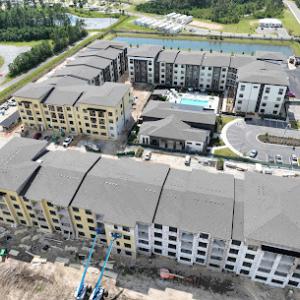
Johnson Roofing Solutions
(850) 658-4341 johnsonroofingsolutions.com
840 Harrison Ave Suite 109, Panama City, Florida
5.0 from 370 reviews
Johnson Roofing Solutions is a fully licensed, family-run contracting company specializing in commercial and residential roofing services throughout the Florida Panhandle. With over 25 years of shared experience, the team prides itself on impeccable work and affordable rates. This includes roof repairs, installations, chimney repairs, and protective coatings. As an accredited Better Business Bureau member of all Panhandle area Chambers of Commerce, Johnson Roofing Solutions continues to provide their community with the protection and peace of mind it deserves.
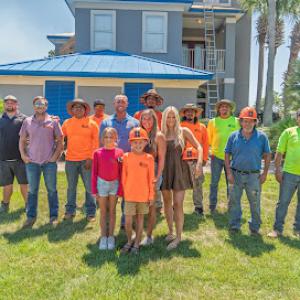
Hammer Down Roofing & Development
(850) 814-1958 www.hammerdowngroup.com
2830 County Rd 390, Panama City, Florida
5.0 from 127 reviews
Hammer Down Roofing is a trusted, family-owned roofing company serving homeowners and businesses across Panama City, 30A, Destin, Crestview, Mexico Beach, and beyond. Our licensed and insured team specializes in durable roof replacements, repairs, and installations designed to withstand Florida’s toughest weather. From shingle and metal roofs to flat roofing systems, we handle every project with quality craftsmanship and honest communication. We also assist with roof inspections, insurance claims, and storm damage restoration. At Hammer Down Roofing, we treat your home like our own — built strong, built right, and built to last.
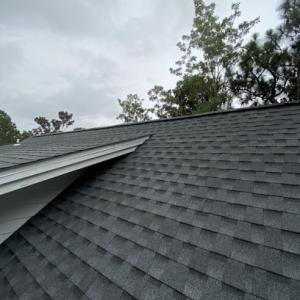
TopMax Roofing
2405 US-231, Panama City, Florida
5.0 from 49 reviews
“We are a local roofing company, specializing in both commercial and residential roofing. No matter the condition of the roof, we can help. Our team is equipped to work on minor repairs to full replacements. We combine quality workmanship with quality materials, ensuring a well-done job the first time. For a quote, contact us at 850-890-4171.”
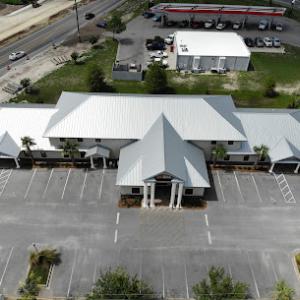
Andrews Roofing & Construction
(850) 248-9456 andrewsroofingpanamacity.com
207 Aberdeen Pkwy, Panama City, Florida
5.0 from 42 reviews
Locally owned Roofing and Construction company established in 2008. Experienced in shingle and metal, specializing in Standing Seam and Screw Down applications. Offering free estimates. #Roofit
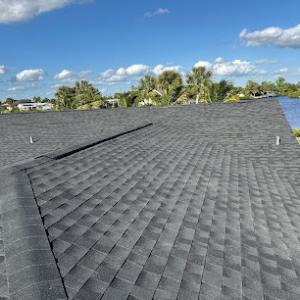
Kings Roofing NWFL
(850) 215-0423 www.kingsroofingllc.com
1515 Frankford Ave, Panama City, Florida
4.8 from 126 reviews
Our team at Kings Roofing NWFL, LLC is your trusted partner for roof installations, inspections, replacements, and repairs on the Emerald Coast. With more than 30 years of experience, we know how vital it is to protect your residential, commercial, or industrial property from the elements. Your roof is your last line of defense against rain and heavy winds that accompany the strong storms and hurricanes along the Emerald Coast. We are here to partner with you when you need it most, protecting your investment and providing the quality craftsmanship you need.
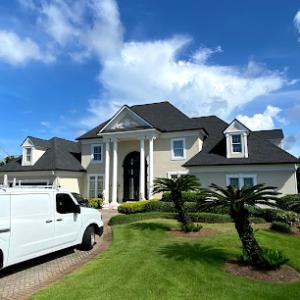
Gulf Coast Roofing
(850) 465-7663 www.gulfcoastroofing.net
740 15th St Suite A, Panama City, Florida
4.9 from 43 reviews
At Gulf Coast Roofing, our GAF Master Elite Team gets the job done right and our products come with the best guarantee in the industry. Quality knows no compromise.
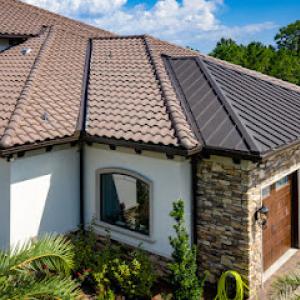
Centennial Roofing
(850) 215-7663 centennialroof.net
714 Transmitter Rd, Panama City, Florida
4.6 from 126 reviews
Centennial Roofing is a family owned commercial and residential roofing & sheet metal company. We have been serving the Panhandle area with the same owners and quality roofing services since 1999. Centennial Roofing has been an industry leader for over 20 years, providing an outstanding variety of roofing solutions for our customers. Centennial Roofing is committed to providing impeccable customer service for each and every customer. If you are in the market for a new roof or roof repair you can count on receiving quality work and excellent service. We look forward to meeting and helping you with your upcoming residential or commercial roofing project.
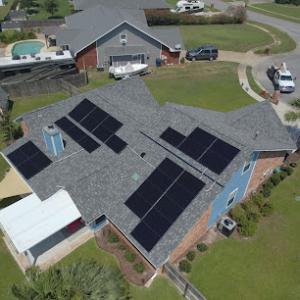
Horsley Construction Group
1764 Lisenby Ave, Panama City, Florida
4.7 from 36 reviews
Looking for reliable roofing services in Panama City, FL? Horsley Construction Group is your trusted Florida Certified Roofing and Certified General Contractor. We specialize in both residential and commercial roofing, offering free roof inspections, including drone inspections, to ensure a thorough assessment. Need help with a roof insurance claim? We've got you covered. Our team is committed to delivering durable results that protect your property. For dependable roofing solutions in Panama City, contact Horsley Construction Group today. Let's take care of your roofing needs together.
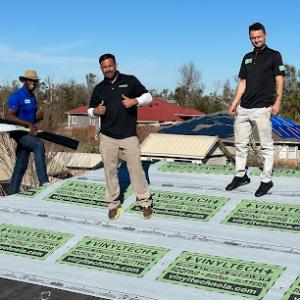
Vinyltech Of Florida
(850) 889-8852 vinyltechroofing.com
3448 E Hwy 98, Panama City, Florida
4.5 from 90 reviews
Vinyltech is a roofing company that offers siding, gutters, and all kinds of exterior repairs. We provide top of the line service, and our roofing contractors are well trained in everything roofing. We can provide your home with the latest in roofing services and keep your home safe from any dangers that might inflict it. When you're looking for a dependable, fast, and guaranteed service, go with Vinyltech, the best in all things roofing, siding, and gutters. Book today for a free inspection.
Sinclair Construction
(850) 541-9777 www.sinclairconstruction.com
429 S Tyndall Pkwy STE N, Panama City, Florida
4.9 from 13 reviews
Roofing and Construction for Commercial, Industrial and Residential. Insurance, remodel and greenfield. Preferred provider for insurance carriers.
Coastal Metal Roofing
(850) 867-0725 coastalmetalroofing.com
2120 E 5th St, Panama City, Florida
4.8 from 18 reviews
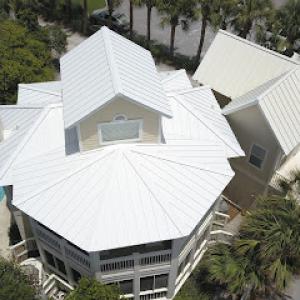
Coastal Metal Roofing has what you need for the perfect metal roof. We have been installing metal roofs and panels for 25+ years in the Panhandle area. Our goal is to achieve complete customer satisfaction.
BMR Company
(850) 625-3575 www.thebmrcompany.com
5009 Merritt Brown Way, Panama City, Florida
4.5 from 35 reviews
BMR Company, (previously Brian McKenzie Roofing), has been providing quality, affordable roof repairs, new installations, and inspections for over 27 years in Northwest Florida. We have established an impeccable reputation setting high standards for all our work, employees and serving customers in the most professional manner. We proudly are a GAF Master Elite® Roofing Contractor - a title given to only the top 2% of roofing contractors by North America's largest roofing manufacturer.
Panama City's coastal climate means salt spray and persistent humidity shape how roofs live and fail. In this market, metal roofs stand out for their durability against salt-corrosion and wind, but tile systems-clay or concrete-also show up frequently and require attention to weight, fasteners, and underlayment. The salt air accelerates fastener wear and can encourage algae growth on darker shingles, so choosing materials that resist corrosion and provide solid coverage over fastener lines is essential. In practice, expect homeowners to prioritize systems that can shed wind-driven water quickly and maintain color and coating in salty air. The right underlayment, ventilation, and drip edge details become more critical here than in inland markets.
Metal roofing has strong local relevance because of its durability against Gulf winds and its ability to hold up under humidity with fewer long-term maintenance headaches. When selecting metal, consider profiles that optimize wind uplift resistance and corrosion-resistant coatings rated for coastal environments. Seams and fasteners should be stainless or coated to resist salt exposure, and panels should be installed with a solid seal system to minimize water intrusion during storms. Tile options-clay or concrete-also appear often enough to warrant separate consideration. They deliver a long lifespan when properly fastened to a reinforced deck, but weight becomes a factor, especially on older structures. For tile, ensure a compatible underlayment and concrete or battens that can handle movement without cracking during rapid temperature shifts and storm activity. Both metal and tile systems benefit from enhanced attic ventilation and a robust spray-applied or factory-applied coating system to retard algae and maintain surface reflectivity.
Because fasteners endure salt-laden air, inspect at least twice a year for loose or corroded hardware, particularly around eaves and penetrations. In Panama City's climate, use corrosion-resistant fasteners and sealants, and choose paint or coating systems designed for coastal salt exposure. Pay attention to flashing around chimneys, skylights, and vents, ensuring seals stay intact after heavy rain or wind events. Regular cleaning to remove salt deposits and organic growth helps preserve finish and prevent moisture retention that promotes rot or rust. When planning a roof replacement after a Gulf storm, coordinate with a contractor who understands coastal flashing details, ice and water shield needs, and proper nailing patterns for the chosen material to resist wind uplift.
Storms demand quick protection to minimize interior damage. Consider installing temporary protective coverings and securing loose items that could become projectiles in a coastal gale. After a Gulf storm, document damage carefully for insurance purposes: take high-resolution photos of all affected areas, including eaves, gutters, and flashing, and keep a dated log of observed issues. For quick recovery, ensure you have a clear list of the materials needed, anticipated timelines, and the contact information of your insurer and adjuster ready for rapid submission. This approach helps navigate the split permitting environment and accelerates storm repairs when weather finally allows access.
Typical local pricing runs about $360 to $600 per square for asphalt shingles, $640 to $1,050 for metal, $1,100 to $1,800 for clay tile, $900 to $1,500 for concrete tile, $700 to $1,200 for wood shingles or shakes, and $550 to $900 for synthetic or composite shingles. These ranges reflect material choices common to the Gulf Coast, plus the way local crews price labor in Bay County and the broader Panhandle. In practice, a homeowner can often lock in a veneer of certainty by requesting a line item that separates materials from labor, and by confirming square-foot pricing converts cleanly to 10-by-10-foot shingles per square as a standard for comparison.
In Panama City, costs can rise after tropical storms because emergency demand spikes labor scheduling pressure and stretches material availability across Bay County and the wider Panhandle. When a hurricane or tropical storm passes, crews shift to triage mode: expedited removal, emergency tarping, and priority on critical sections of roof. That triage dynamic can push timelines and pricing beyond a simple material-only estimate, especially if suppliers are back-ordered or if multiple storms hit the area in rapid succession. Build a realistic project window with the contractor that accounts for weather delays and product backlogs, not just the quoted price per square.
Coastal-code wind requirements, tear-off complexity after water intrusion, and the need to sequence work around rain windows can all push local project pricing above a simple material-only estimate. In practice, higher wind-rated assemblies-common with new installs or re-roofs in Gulf states-cost more upfront but deliver longer-term resilience. Teardowns that reveal sheathing or decking damage also add expense and time. Expect the estimate to separate tear-off, disposal, underlayment, and fasteners from the actual roof-covering material, with contingencies for weather-driven delays.
If storm damage is suspected, request a written scope that notes inspection findings, the extent of water intrusion, and any deck or fascia repairs needed before re-covering. Compare multiple bids that use the same roofing system and specify wind-rated components. For emergency scenarios, ask how the contractor prioritizes sequencing so the most vulnerable sections get protected and repaired while rain windows are tight. Keep documentation ready for insurance discussions: photos of damage, dated notes on weather events, and a clear ledger of material choices and labor hours.
Get a clear picture of your project costs upfront - no commitment required.
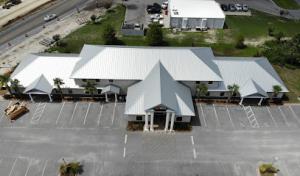
Andrews Roofing & Construction
(850) 248-9456 andrewsroofingpanamacity.com
207 Aberdeen Pkwy, Panama City, Florida
5.0 from 42 reviews
Skyeco Group
(850) 541-9882 skyecogroup.com
6018 S Lagoon Dr, Panama City, Florida
4.5 from 8 reviews
Highland Homes Roofing
(850) 260-0710 www.highlandhomesroofing.com
903 Jenks Ave, Panama City, Florida
4.2 from 5 reviews
Roof permits are required through either the City of Panama City or the Bay County Building Department, depending on where the property is located. Knowing which authority governs your address is essential before any tearing off shingles or laying new underlayment begins. If the property sits inside city limits, plan review and inspections come through the City, while properties just outside those limits fall under Bay County. Start by confirming the correct jurisdiction with the local building department to avoid delays or noncompliant work that could hold up your project.
Local roofing projects typically go through a plan review before work starts, followed by inspections at key milestones during installation and at completion. Expect that a tear-off or major underlayment changes will trigger review just as a new roof installation would. The plan review looks at wind resistance, nailing patterns, and the compatibility of materials with coastal humidity and salt exposure. Inspections occur during the installation stage to verify fasteners, flashing, and ventilation meet code requirements, and again at project completion to ensure the roof is properly secured and weatherproofed. In Gulf-facing climates, inspectors pay particular attention to storm-ready details such as torque on fasteners, adequacy of attic ventilation, and the integrity of hips, ridges, and penetrations against potential wind uplift.
Scheduling can vary by department, and the roof must pass inspection before occupancy or project closeout, making permit timing a real scheduling factor in replacements. In hurricane-prone weather windows, plan ahead for potential delays caused by weather holds or additional review if upgrades to meet latest wind codes are required. It is not unusual for the permit process to extend beyond the initial window, especially if material substitutions or changes to roof geometry occur during tear-off or deck work. Build a realistic timeline that accounts for plan review duration, the availability of a licensed contractor, and the inspection calendar in your neighborhood. If storms threaten the area, stay in close contact with your contractor and the respective building department to anticipate emergency inspection needs and expedite where possible.
Before submitting, gather documents that show the proposed roof system, including a materials list, wind rating, and any ventilation or underlayment details. If upgrading from older weathertight systems, provide evidence that the design aligns with current wind and impact standards for Gulf storms. For Bay County or City reviews, you may need to supply site plans, drainage considerations, and contractor licenses. During construction, maintain open lines of communication with inspectors, and ensure access to the attic and roof line for staged inspections. After the final inspection, ensure all required certificates of compliance or inspection approvals are filed, so the project can move toward final closeout without hold-ups.
In this city, homeowners operate in a high-claim Florida insurance environment where storm losses are common and carriers often ask for roof age, condition records, and mitigation-related documentation. That means when a shingle or tile roof bears the bruise of a Gulf storm, expect questions about prior repairs, warranties, and any maintenance performed after past events. The more you can demonstrate a history of responsible upkeep, the steadier the conversation will stay with an adjuster who is balancing results against policy language.
Notes on where leaks entered the home and how they traveled inside matter just as much as what the surface looks like. Detailed photos taken before any cleanup, plus contractor findings from initial inspections, give adjusters a baseline to compare against after treatment or replacement decisions are proposed. Use clear, date-stamped images of roof edges, penetrations, flashing, and any visible signs of wear. Written statements from a trusted contractor about found conditions can streamline review, especially if multiple storms have left layers of damage. Having this material organized before a claim opens reduces back-and-forth and helps protect the timeline for repairs.
Insurer tightening in parts of Florida affects roofing decisions here, especially when older roofs face renewal questions or when post-storm claims require extensive proof. If an adjuster asks for extra documentation, respond promptly with the organized files you prepared and any contractor assessments that support your case. Clear, proactive communication minimizes delays and helps ensure the claim follows a practical path toward repair rather than protracted dispute.
For Panama City, the preferred installation window is roughly November through April, when drier conditions usually make tear-off, dry-in, and inspection scheduling easier. This stretch aligns with calmer humidity and less coastal wind disruption, giving crews a clearer path to stage materials, set decking, and complete a weather-tight phase before the peak of hurricane season. The dry-season window also helps protect underlayment and flashings from salt-laden spray and rapid moisture uptake that can complicate sealant cure and shingle seating.
Summer afternoon thunderstorms and heavy rainfall regularly interrupt roofing crews in this area, even outside named storm events. Those pop-up deluges can force stops, re-cover tasks, and delay nail driving or adhesive cures. Short, sharp rain cells common to late spring and early fall can flush productivity down a half-day or more if scheduling doesn't buffer for them. Winter cold fronts, while milder than inland regions, can still affect seal-down and overall workability, cooling temperatures enough to slow adhesive sets and tool performance. The local advantage is simply more reliable progress during the dry season, not perfect weather.
Plan ahead to lock in a start date during late fall or early winter when possible, and build in buffer days for unexpected showers. Coordinate with the crew to stage materials in a shaded, dry area, and arrange daily start times to avoid the hottest part of the afternoon, which amplifies heat and humidity effects on sealants. If a storm threat looms, have a quick inspection protocol ready so work can resume with minimal downtime. Document short, targeted progress notes after each dry spell to prevent miscommunication during the next window.
Flat and low-slope roofing is a noticeable specialty in this market, reflecting unique leak concerns on commercial buildings and in some residential additions or porches. In many Panama City structures, transitions from flat or low-slope sections to steeper roof planes reveal the most persistent trouble spots. Think about the edge details where roofing meets parapets, planters, or balcony overhangs, and how those areas must handle both Gulf humidity and wind-driven rain. If your project includes a porch or sunroom with a flat ceiling beneath, treat those joints as if they were guest rooms for potential leaks-careful detailing now saves you trouble later.
Repeated gusts and heavy showers in this Gulf climate push water toward penetrations, flashing, and terminations more aggressively than homeowners expect after a storm. Transitions between roof planes, vent penetrations, and chimney or skylight areas can act like lightning rods for leaks if a single weak detail exists. A common pitfall is underestimating the impact of minor shifts in temperature or wind direction on sealants and flashing. Regular checks after storms are not optional; they are a practical part of maintaining a dry interior. If you notice any damp spots spreading from a seam or a dark ring around a formerly dry corner, investigate before humidity and mold take root.
Skylight repair appears as a recurring local specialty, suggesting that curb flashing and the surrounding roof integration are notable leak points in this market. Skylight frames can corrode or separate from the curb, and runoff may pool near the edge if flashing was not tied into the adjacent roof plane properly. When planning replacements or repairs, ensure that the skylight curb, flashing, and neighboring shingles or tiles are addressed together. A well-sealed skylight system reduces the chance of creeping moisture that silently undermines insulation and interior finishes.
Address potential leak points proactively by prioritizing high-risk transitions, ensuring flashing is continuous and properly integrated with the roof edge, and treating skylights as a system rather than a single component. After storms, perform a careful exterior inspection, focusing on corners, penetrations, and any signs of moisture near roof-to-wall junctions. In this market, timely intervention saves interior damage and frustration when Gulf weather returns.
Find specialists in TPO, EPDM, and built-up flat roofing systems for residential and commercial properties.
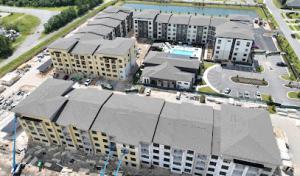
Johnson Roofing Solutions
(850) 658-4341 johnsonroofingsolutions.com
840 Harrison Ave Suite 109, Panama City, Florida
5.0 from 370 reviews
Hammer Down Roofing & Development
(850) 814-1958 www.hammerdowngroup.com
2830 County Rd 390, Panama City, Florida
5.0 from 127 reviews
Andrews Roofing & Construction
(850) 248-9456 andrewsroofingpanamacity.com
207 Aberdeen Pkwy, Panama City, Florida
5.0 from 42 reviews
In this Gulf-facing environment, quick protection after a storm matters. You want a local crew that can mobilize fast for temporary tarping and, once the weather clears, begin roof repairs without lengthy delays. Look for a contractor with a documented plan for after-storm response, including on-site communication that tells you when crews will arrive, how long debris containment will take, and how weather windows will be managed. If a contractor cannot commit to prompt temporary protection or rapid follow-up visits, keep looking.
The local market includes many firms handling both residential and commercial work, so confirm that the crew regularly performs the roof type you're installing. For Panama City homes, that often means evaluating their experience with asphalt shingles, metal, or tile systems under Gulf humidity and salt air conditions. Ask for recent projects in the area and visit a few completed jobs if possible. If the crew tends to mix in unfamiliar materials, insist on a supervised installation or a vetted subteam with verifiable references.
Storm-driven replacements can leave debris-heavy sites and compressed timelines. Prioritize contractors who outline a thorough cleanup plan, from daily debris disposal to final site walkthrough. Verify licensing and ensure the team has a lead supervisor who coordinates waste removal and keeps your property protectively contained during work. A reliable estimator should provide a clear schedule with milestones, so compressed timelines don't derail quality or safety.
Because Panama City sees heavy post-storm demand, homeowners often prioritize quick response and emergency availability rather than long estimate cycles. Ask how the roofing company schedules work around other local projects, especially if crews are juggling residential and commercial jobs. Ensure you have a single point of contact for updates, approvals, and any weather-related rescheduling to keep your project on track.