
Last updated: Apr 19, 2026
Mobile sits on the central Gulf Coast, so roof replacement planning is shaped by Atlantic hurricane season and tropical storm threats that commonly affect the city from June through November. That stretch is not just a meteorological calendar; it's a practical pressure valve for homeowners who need to weigh when to pull trigger on major repairs. If a leak appears in late May or early June, the risk isn't just rain on a ceiling-it's wind-driven rain that can pry open seams, push moisture deeper into attic spaces, and set up a cascade of interior damage. The takeaway is simple: treat June through November as an elevated risk period where delay translates into bigger problems, and proactive scheduling matters more than ever.
Heavy rain bands and wind-driven rain can move through in hours, turning a small breach into a full-blown interior issue before a contractor can even finish a quote. Temporary protection is not cosmetic; it's a buffer that can stop water from wicking into ceilings, insulation, and walls. If a shingle is missing or a flashing seam shows signs of wear, cover the exposed area with sturdy, waterproof material and secure it well. In a storm-prone season, plan for interim measures to stay ahead of the next surge. When a storm warning hits, ready-to-deploy tarps or metal sheets, plus a simple anchoring plan, can buy critical hours and reduce the chance of cascading damage.
The city's drier spring and fall periods are typically the best installation windows because they reduce weather interruptions compared with the stormier summer pattern. If you're facing a roof replacement, align the project with the late March to early May lull or the late September to early November lull. Those blocks are your best chance to complete work with minimal weather delays, which translates into fewer call-backs and less exposure to sudden tropical changes. It's not just about dry days; it's about predictable conditions that allow crews to finish tasks with proper ventilation, underlayment installation, and flashing work without the compression of a warning-cap or a quick turnover before the next storm.
In practice, you build a storm-season plan before the first hurricane cone appears. Start by identifying a preferred contractor who understands coastal exposure, who can mobilize quickly, and who has a process for securing materials and permits as needed (without relying on on-the-spot approvals). When a breach is present, you don't wait for the calendar-activate the protection plan, document damage with photos, and secure a firm start date for the repair or replacement. If scheduling conflicts arise during peak months, keep alternatives ready and maintain open lines of communication with your contractor so they can adjust to weather intel and storm forecasts without losing momentum.
As a homeowner, you'll face trade-offs between waiting for a calm stretch and pushing ahead during a storm window. The prudent choice in Mobile is clarity and speed: initiate protective measures immediately when you sense risk, and lock in a replacement timeline during the dry-season windows when crews can execute efficiently. If damage is ongoing, the goal is to prevent a minor breach from evolving into a major, interior-damaging event that complicates the entire project and invites extended exposure to Atlantic threats. Stay proactive, stay protected, and keep your installation plan aligned with the Gulf Coast's rhythm.
Pro Roofing Solutions
(251) 376-5810 www.proroofingsolutionsmobile.com
9221 Champion Cir N, Mobile, Alabama
5.0 from 180 reviews
Pro Roofing Solutions, serving Mobile, AL, and surrounding areas, delivers exceptional roofing services with over 5 years of experience. Our services include roof repair, replacement, inspections, and maintenance, catering to residential and commercial properties. We set ourselves apart with our commitment to excellent craftsmanship, using durable, high-quality materials that ensure the longevity and safety of your roof. We specialize in handling various roofing materials, including asphalt shingles, metal roofs, and flat roofs, adapting our services to meet the specific needs of our clients. Call us today for a free estimate!
Fortified Exteriors
(251) 422-6836 fortifiedroofer.net
4660 Halls Mill Rd, Mobile, Alabama
5.0 from 114 reviews
Fortified Exteriors is a local roofing company offering both residential and commercial services in Mobile and Baldwin Counties. We specialize in Fortified Roofing, Repairs, Replacements, Insurance Claims and more. We're Mobile and Baldwin Counties best Fortified Roofer - Just ask our customers!
Guy Brothers Roofing of Mobile
(251) 290-8731 guybrothersroofing.com
1540 West Interstate 65 Service Rd S Ste A, Mobile, Alabama
4.9 from 245 reviews
In Mobile, AL, Guy Brothers Roofing has been the top choice for professional Roof Installation Mobile AL for over 50 years. Alabama homeowners have depended on Guy Brothers Roof Inspection & Roof Damage Repair to install the highest quality products, correctly, on-time, and at the best value. We finance and warranty all of our work and are the top Roofing Contractor in Mobile AL.
ASF Contracting
(251) 599-6197 asfcontractingllc.com
7901 Country Dr, Mobile, Alabama
5.0 from 80 reviews
ASF Contracting is a roofing company offering roof repair, replacement & more in the Mobile, Al area! Call for a free estimate!
Mobile Roofing & Construction
(251) 888-0301 www.roofingmobilealabama.com
114 Westfield Ave, Mobile, Alabama
4.9 from 208 reviews
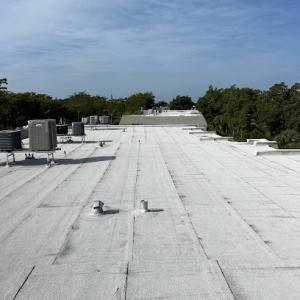
Is your home or business in need of roof repair, a roof inspection, minor maintenance, or roofing Mobile Alabama? Has your roof been through years of wear and tear and need roof replacement? Give Mobile Roofing and Construction a call today. Our roofers are here to help you make the best decision to increase the lifespan of your roof. Mobile Roofing and Construction specializes in residential and commercial roofing , along with asphalt shingles, metal roofing, flat roofs, and slate roofs.
Rellim Contracting
(251) 900-7663 rellimcontracting.com
2051 Leroy Stevens Rd, Mobile, Alabama
4.9 from 144 reviews
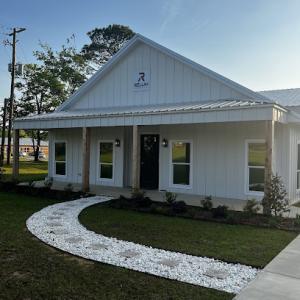
Rellim Contracting is operated by Murdock Miller along with a great team of professionals, most of which have been with us from the very beginning. We are very proud of the retention of both our clients and our employees and feel that retention speaks volumes to our commitment and professional approach to the construction industry. Rellim Contracting is founded on the principle that the customer is always right and customer service is our main priority. We still feel that way today. At Rellim we strive for excellence in all of our products but we also know that a truly great experience is customer service. The first thing we build is trust!
PoBoy911 Roofing & Restoration
(800) 762-6991 www.poboy911.com
7831 Bullitt Dr, Mobile, Alabama
4.9 from 78 reviews
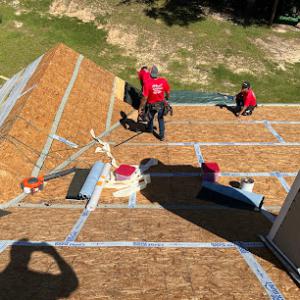
PoBoy911 Roofing & Restoration provides professional roof repair, roof replacement, roof leak repair, and storm damage roof repair throughout Mobile and Baldwin County. Our experienced team responds quickly to emergency roof leaks and provides emergency roof tarping to protect homes from further damage. We also specialize in water damage restoration caused by roof leaks and storm damage. PoBoy911 works with homeowners and insurance companies to inspect roof damage, document claims, and restore homes quickly and safely. Our mission is to provide reliable roofing and restoration services with strong customer service and quality workmanship.
American Roofing & Construction
(251) 379-9712 americanroofingco.com
2889 Sollie Rd #520, Mobile, Alabama
4.8 from 233 reviews
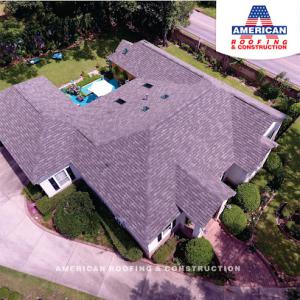
American Roofing & Construction, established in 2005, offers residential and commercial roofing services in Mobile, southern Mississippi and surrounding areas, including Daphne, Fairhope, Saraland, Wilmer, Grand Bay and Orange Beach. Our expertise covers repairs, replacements, and various materials like shingles, metal roofing, and tile. American Roofing & Construction is committed to high-quality work and uses the latest technology to keep customers informed throughout the project.
JD Titan Roofing of Mobile
5238 US-90 Suite G, Mobile, Alabama
4.9 from 69 reviews
JD Titan Roofing of Mobile is Mobile's full service roofing contractor. We can provide repairs or full roof replacements. Please call to make an appointment or visit us at 5238 US-90 Suite G Mobile, Al 36619. We are a Fortified Professional able to provide you with a new Fortified roof resulting in home insurance savings ! We offer the best roof repairs available to Mobile, Grand Bay, Theodore, Tillmans Corner, Union Church, Salt Aire, Irvington, Mon Louis, Canterbury and Windcrest. We offer Emergency Roof Repairs and Tarping during storms. We can provide assistance with insurance claims with documentations and photo reports.
All Weather Roofing & Construction
(251) 217-2925 allweatherroofing.online
1172 West Interstate 65 Service Rd S, Mobile, Alabama
4.7 from 540 reviews
As the largest independently owned roofing company in the Mobile-Baldwin County area, All Weather Roofing & Construction handles all your roof repairs, Fortified roof replacements and additional home upgrades and reinforcements such as seamless gutters, and vinyl replacement windows. As a local My Strong Home partner, All Weather can provide a safer home, lower home insurance premiums and a new roof that meets the Fortified Roof standards set by the Insurance Institute for Business & Home Safety (IBHS).
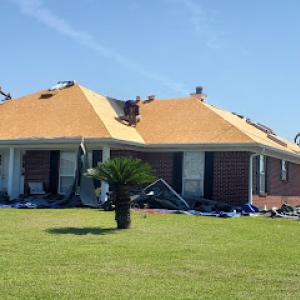
Professional Roofing & Construction
216 East Interstate 65 Service Rd N, Mobile, Alabama
4.9 from 47 reviews
Our team at Professional Roofing and Construction strives to give each and every customer quality and affordable roofing services. With a combined team knowledge of 50+ years in the roofing and construction industries, we know and understand the importance of a solid roof. We stay up to date with the latest roofing technology to ensure that you and your family feel protected against storms, hurricanes, and other natural disasters. From the moment we are called in to do an estimate, our team is working to help you achieve your roofing needs and wants in a professional and timely manner. We are here for you during the entire roofing journey, from the insurance process to laying down the shingles, and everything in between.
Super Roofers: Roofing & Siding Contractor
(251) 259-2909 hiresuperroofers.com
1110 Leroy Stevens Rd, Mobile, Alabama
4.8 from 51 reviews
Super Roofers is a roofing contractor in Mobile, AL, that services Mobile County, AL, Bay Minnette, Foley, and nearby areas. Our exceptional roofing services include roof repair, replacement, asphalt shingle roofing, metal roofing, tile roofing, and many more. We are the leaders in roofing and siding plus our clients recognized our superior customer service. If you want to feel how your most trusted Mobile roofing company embraces our motto, “The Authority in Roofing”, call us now for a free estimate!
In this Gulf Coast corridor, roofs face relentless exposure to coastal wind and hail. That combination means high-claim dynamics after a major storm, and the window to respond is tight. You'll want to plan for rapid documentation, swift inspections, and a clear picture of your roof's current condition before a storm hits. Without that foresight, a routine repair can snowball into a larger claim dispute or replacement delay.
When a roof claim is filed after a storm, insurers often ask for photos, thorough documentation, and proof of prior condition or prior damage. This means you should keep organized records: dated photos from multiple angles, notes on any preexisting issues, and a log of maintenance over the years. If the storm is recent, gather and preserve material promptly; delays can complicate the claim and complicate the insurer's assessment.
Because this region sits in a hurricane-prone insurance environment, some carriers reassess coverage options and wind-related requirements during active seasons. That reassessment can influence when you replace the roof, what materials are permitted for wind resistance, and how your insurer views certain upgrades. The timing of a replacement matters, because it can affect eligibility for certain coverage endorsements or depreciation handling if a claim arises.
Your roof's life is shaped by more than the latest storm event. Prolonged humidity and heavy rainfall accelerate algae growth and can mask underlying damage, making it harder for adjusters to gauge true condition from a quick visual. A roof that looks weathered from the ground may still have hidden failures under membranes or fasteners. Planning ahead helps you avoid a rushed call to replace with a suboptimal match or inadequate installation.
Homeowners who don't document pre-storm conditions or who delay inspections risk a claim being scrutinized or debited for preexisting issues. In a high-claim market, insurers can question whether prior maintenance was adequate or if wear contributed to the damage. A proactive homeowner who has clear records and a well-documented timeline stands a better chance of a smooth settlement and a durable result.
Start a storm-ready folder with dated photos of the roof, attic, and exterior elevations. After each major rainfall or wind event, schedule a quick inspection to note any new damage or displacement. Build a simple, honest timeline of prior repairs and condition changes so when a claim arrives, you can present a concise, verifiable history. This approach reduces friction and supports faster, fairer decisions when the insurers review your roof during or after a hurricane season.
Connect with contractors who help homeowners navigate the claims process from damage assessment to final approval.
Pro Roofing Solutions
(251) 376-5810 www.proroofingsolutionsmobile.com
9221 Champion Cir N, Mobile, Alabama
5.0 from 180 reviews
Fortified Exteriors
(251) 422-6836 fortifiedroofer.net
4660 Halls Mill Rd, Mobile, Alabama
5.0 from 114 reviews
Mobile Roofing & Construction
(251) 888-0301 www.roofingmobilealabama.com
114 Westfield Ave, Mobile, Alabama
4.9 from 208 reviews
Asphalt shingles are common in this area, and that familiarity carries both ease and risk. The heat, humidity, and algae-friendly conditions in this Gulf Coast climate can shorten appearance life and accelerate wear compared with drier inland markets. If you choose asphalt, look for algae-resistant blends and a 3-tab or architectural profile with a thick laminated layer for better fade resistance. Ventilation and a proper underlayment help mitigate dew and humidity-driven rot at the edges. In practice, pairing light-colored shingles with a reflective underlayment or coatings can help keep attic temps down, which translates to less humidity-driven deterioration on the roof deck.
Metal roofing is especially relevant for homeowners who prioritize wind resistance and long-term performance under Gulf Coast rain and sun exposure. Standing-seam or exposed-fastener metal roofs both perform well if installed with the right sealants and fasteners rated for coastal humidity. In Mobile, careful attention to panel seams, valley flashings, and eye-catching edge trim matters because salt-spray and high humidity can accelerate corrosion on certain alloys. Consider a finish that resists chalking and color fading, and ensure the system includes a robust gutter setup to manage intense downpours. For taupe, gray, or other lightened metal colors, a reflective coating helps reduce heat gain in humid summers.
Clay tile and concrete tile appear in the market, but the material choice has to balance hurricane exposure, moisture retention, and the weight or fastening demands of the roof system. Clay retains moisture longer and can become brittle with repeated tropical storm winds if the installation isn't reinforced for uplift. Concrete tiles are heavier but often more durable in damp climates; their porosity requires careful sealing and appropriate underlayment to prevent wicking moisture into the deck. If choosing tiles, verify that the roof structure can support the weight and that fasteners, underlayment, and flashing are rated for high-humidity coastal conditions. Proper sealing at penetrations helps prevent tropical moisture from seeping into the attic.
Wood shakes provide a classic look, but in a humid Gulf Coast environment they tend to weather unevenly if not properly treated and maintained. Expect more rapid algae and mold growth on wood in Mobile's heat and humidity, and factor in regular cleaning and resealing into maintenance plans. Synthetic products can mimic natural textures while offering improved moisture resistance and lower maintenance, though they still benefit from an moisture-aware installation. For any wood or synthetic option, prioritize products with proven moisture resistance, good UV stability, and compatible flashing details to address coastal humidity and storm-driven moisture influx.
When you're budgeting a roof in this Gulf Coast hometown, footing the bill starts with the material you choose. Provided local pricing ranges run about $350 to $750 per square for asphalt shingles, $700 to $1200 for metal, $900 to $1800 for clay tile, $800 to $1500 for concrete tile, $600 to $1100 for wood shingles or shakes, and $500 to $1000 for synthetic or composite shingles. Those figures don't live in a vacuum: each material has different installation labor demands, weight requirements, and long-term maintenance profiles that can shift your total by thousands across a typical 1,000-square-foot roof. In practical terms, if your home's shape and eave lines are straightforward, asphalt remains the most economical path; if you're chasing a long lifespan or a distinctive tile look, higher upfront costs pay off in reduced replacement frequency.
Tropical systems and hurricane season have a very tangible impact on Mobile's roofing market. When a major storm tears through the area, contractors shift from routine maintenance to urgent dry-in and temporary protection work. That rush translates into shorter windows to schedule, higher labor demand, and in some cases elevated material handling costs as crews chase supply delays and storm-related backlogs. If a full re-roof or significant dry-in work lands on the plates during or after a storm, expect pricing to tilt upward relative to calm-season norms. Planning a project on the shoulder of storm season can help lock in timelines and mitigate some of the surge.
Long-term moisture exposure from humidity and frequent rains can affect more than just shingles. If decking has sustained water damage or rot, costs will climb as boards are replaced and re-secured with upgraded fasteners to meet coastal loading conditions. Upgrades tied to structural changes-perhaps a better attic venting plan, additional weight-bearing support for heavier tile, or reconfigured roof lines to address wind uplift-also push the total higher. In Mobile, many homes start with standard plywood decking, but the extra labor and materials required for compromised decks or wind-rated retrofits during dry-in add noticeable dollars to the overall bill.
Don't let upfront costs delay a critical repair - these contractors offer payment plans to fit your budget.
Pro Roofing Solutions
(251) 376-5810 www.proroofingsolutionsmobile.com
9221 Champion Cir N, Mobile, Alabama
5.0 from 180 reviews
Guy Brothers Roofing of Mobile
(251) 290-8731 guybrothersroofing.com
1540 West Interstate 65 Service Rd S Ste A, Mobile, Alabama
4.9 from 245 reviews
Mobile Roofing & Construction
(251) 888-0301 www.roofingmobilealabama.com
114 Westfield Ave, Mobile, Alabama
4.9 from 208 reviews
A full roof replacement in Mobile typically requires a building permit through the City of Mobile's Code Enforcement process. Before any nails go in or shingles come off, verify the project scope with the permit office and have a clear plan show up on the permit application. The permit isn't just a box to check-it's a safeguard that helps ensure the work meets local wind resistance, drift, and drainage requirements common to Gulf Coast conditions. Expect the permit to note material choices, roof penetrations, ventilation, and fastener schedules, all of which matter for hurricane-season performance and for insurer scrutiny after a storm event.
Once the new roof is installed, inspections are used to verify compliance with the approved plans and with current code. In practice, that means the city will want to see that the decking, flashing around chimneys and skylights, drip edges, and the overall fastening pattern align with the permit and applicable wind-load provisions. The final inspection is needed to close the permit, so coordinate the timing of the last walk-through with your contractor. If weather or supply delays push work past the initial inspection window, don't assume the permit lapses-contact the Code Enforcement office to extend or adjust the schedule and keep the project documentation organized (engineer notes, supplier specs, and photos from critical stages).
If the roofing project includes structural changes rather than a straightforward re-roof, additional approvals may be required before the work can be completed. That could mean engineering calculations for new truss or rafter support, revised load paths, or modifications to attic ventilation schemes. Before calling for inspections, confirm whether your plan includes any framing work or changes to load-bearing connections. In some cases, an adjacent permit or a framing inspection may be necessary, and HOA review may also come into play if the home sits in a planned community with its own architectural guidelines. Start these conversations early to prevent delays at the end of the project.
Keep a well-organized file of all permit documents, inspection approvals, and contractor communications. When hurricane season looms, a well-documented permit history helps if insurance adjusters request proof of code-compliant upgrades after a storm. Your contractor should align the installation sequence with the permit's approved scope, ensuring attic ventilation and moisture control measures are implemented as specified. If anything in the plan seems unclear during the permit phase, ask the Code Enforcement office for interpretations before work begins to avoid red flags during the final inspection.
One consequence of the coastal humidity and sea air is that algae and moss can take hold on some roof surfaces. Shingle colors that fade quickly or are darker tend to show growth sooner, especially in shaded valleys and along edges where moisture lingers after rain. Without proactive cleaning and strategic plant control, that green or dark staining can spread, chew into aesthetics, and eventually shorten the life of the roof. That maintenance habit pays off when a storm hits hard.
Spring and summer storms arrive fast and can disrupt roofing work because gusty winds and sudden downpours push crews to hurry. If tear-off and dry-in aren't managed carefully, trapped moisture becomes a slow, creeping problem that invites rot and hidden leaks. The risk is not only water entering through loosened shingles, but mold and interior humidity that strain insulation and indoor air quality. If work pauses, document conditions and plan a dry-out timely.
Long wet periods and high humidity in this area make leak tracing harder, because staining may appear after repeated rain events rather than after a single isolated storm. A roof could leak for weeks before a visible stain shows up, and by then the damage behind the tiles has often progressed. Meticulous drying and thorough moisture testing after storms saves you from chasing drips during the next rain. Moisture staining can linger after rain, confusing quick-fix expectations for homeowners here.
Practical steps you can take include keeping gutters clean and free of debris, trimming overhanging branches, and considering algae-resistant shingle options or a zinc or copper strip near the ridge. Ensure attic ventilation is adequate and the deck is dry before a full re-roof or tear-off. Schedule inspections after heavy rain events to catch issues early, and treat moss or algae growth promptly to prevent it from taking hold again. Keep a simple log for post-storm decisions later.
Although Mobile is primarily a pitched-roof market, the contractor signal mix shows an active niche for flat and low-slope roof work that matters on additions, porches, and some commercial or mixed-use structures. Those projects ride on a different set of risk factors than the main home roof, so approach them with eyes wide open from day one.
In the Gulf Coast climate, rain comes heavy and fast, and low-slope sections are the first to bear the brunt. If a flat or near-flat area isn't sloped enough toward a drain, water can linger and accelerate wear around membranes, seams, and edge details. Check each low-slope plane for a true positive slope toward the primary drainage path, even if that path is a parapet line or a trench drain. Ensure any added porches or sunrooms near the home have a deliberate drainage plan that avoids dead-end water pockets against walls or penetrations. Plan for adequate deck or parapet drainage that won't redirect water onto adjacent roof substrates.
Flashing transitions deserve special attention where low-slope meets vertical surfaces or roof penetrations. Skylights and similar penetrations require careful detailing because wind-driven rain from Gulf storms can exploit weak seals and flashing transitions. Use continuous, corrosion-resistant flashings, high-quality sealants suited for humid, salt-tinged air, and verify that transitions around skylights are mechanically secured and properly backed by flashing that extends well onto the membrane. For any penetrations, confirm waterproofing around fasteners and collars, and consider additional seal reinforcement in the first two years after installation.
Low-slope areas demand a proactive maintenance mindset. After major rain events and hurricanes, inspect for micro-leaks where ponding occurred, test drain effectiveness, and re-tighten flashings as needed. Keep an eye on exposed fasteners and edge details, especially where porches or additions tie in to the main roof. A disciplined, targeted inspection schedule reduces the chance of small issues becoming big leaks during the next storm season.
Find specialists in TPO, EPDM, and built-up flat roofing systems for residential and commercial properties.
Pro Roofing Solutions
(251) 376-5810 www.proroofingsolutionsmobile.com
9221 Champion Cir N, Mobile, Alabama
5.0 from 180 reviews
ASF Contracting
(251) 599-6197 asfcontractingllc.com
7901 Country Dr, Mobile, Alabama
5.0 from 80 reviews
Mobile Roofing & Construction
(251) 888-0301 www.roofingmobilealabama.com
114 Westfield Ave, Mobile, Alabama
4.9 from 208 reviews
The local market is centered on re-roofing rather than only new construction, so you'll often be hiring after age, leaks, or storm damage. Crews that handle replacement confidently understand how to diagnose common Mobile-specific issues-like wind-driven shingle lift, hail bruising, and decking moisture-from quick, on-site inspections to a ready plan for full tear-off and reinstallation. Look for teams that can outline a clear path from assessment to completion, not just a sticker-shock estimate.
Cleanup and rapid response are visible hiring priorities after a roof fails. Seek crews that can commit to same-day or next-day debris removal, tarping, and temporary protection to minimize interior water intrusion. Ask about on-site material staging, how waste will be handled, and whether the crew can coordinate after-hours work if a storm hits again. A crew that communicates a concrete quick-start schedule is essential in this market, where every delay can mean interior damage.
Established local presence matters. Homeowners prefer crews familiar with the city permit process, final inspections, and insurer documentation expectations. Favor teams that show a portfolio of Mobile projects, references from nearby neighborhoods, and a track record with local adjusters and insurers. The right crew will speak clearly about documentation trails, roof system compatibility with local weather patterns, and steps to ensure the project aligns with common insurer expectations without surprises.
Start with a focused in-person evaluation from a crew that has seen Mobile's common roof assemblies. Ask for a detailed workmanship timeline, including a staged plan from tear-off to insulation, underlayment, and final shingle or tile installation. Confirm their process for temporary protection during storms, debris containment, and final cleanup. Verify that they can integrate with your existing attic ventilation and ensure compatibility with any extended warranty requirements from manufacturers or insurers.