Last updated: Apr 19, 2026
June through September is the peak hurricane period locally, making wind damage, driven rain intrusion, and scheduling delays the dominant roofing concern in Fort Walton Beach. The window is tight, storms can roll in with little warning, and even short bouts of high wind can peel back edges, lift shingles, or drive rain under flashing. A plan that assumes storms will test the roof in real time is not pessimism-it's prudent preparation. Align maintenance and inspection routines with this season, keeping a keen eye on attic ventilation, soffit and gutter condition, and the integrity of ridges and penetrations where wind can force entry.
Because this market sits on the Gulf Coast, insurers commonly focus on wind-rated assemblies and wind mitigation documentation when roofs are repaired or replaced. That emphasis isn't theoretical here-it's a practical filter that can affect how quickly a claim is processed and how generously materials choices are viewed by adjusters. When evaluating roof repair or replacement, prioritize products and details that demonstrate wind resistance in a coastal context: reinforced underlayment, impact-rated shingles or tiles where applicable, secure fasteners, and properly sealed transitions around vents, chimneys, and skylights. In addition, ensure the scope clearly documents wind mitigation features: attic ventilation that reduces interior pressure, sealed penetrations, and the quality of installation around eaves and parapets. The documentation trail, not just the materials, matters when the next storm test arrives.
Homeowners in this market often need photo records and contractor documentation immediately after storms because coastal Florida has a high volume of wind and hail-related roof claims. Create a simple, rapid-response kit: a dated photo log of the entire roof and vulnerable areas (valleys, edges, flashing), a current roof plan indicating skylights or protrusions, and a contractor-completed validation of any temporary repairs. If a storm hits, prioritize securing the ridge lines and perimeter seals to minimize intrusion while awaiting a formal assessment. Your goal is to limit indoor water migration, prevent secondary damage to ceilings and walls, and preserve the ability to claim promptly with accurate timelines. Share these records with your insurer or adjuster as soon as possible to establish a credible claim narrative.
The hurricane-driven insurance market pushes homeowners toward wind-documented re-roofs timed around the drier October-April window. Planning ahead, therefore, is not optional-it reduces the risk of weather-driven delays that can push projects into the heart of the storm season. If a roof is approaching the end of its wind-performance life or shows recurrent wind-damage patterns, coordinate with qualified local roofing pros to lay out a phased plan that secures critical weather-tight elements first, then completes the broader installation during the calmer months. During the peak season, expect longer lead times for materials, crews, and inspections; factor this into your timeline and communicate early with your contractor about contingency plans for weather interruptions.
Keep a current inventory of exterior sealing components-edge metal, flashing around chimneys and vents, sealants, and underlayment-so a quick repair can be executed after a storm event to reduce further damage. For larger projects, insist on a wind-resistance checklist being included in the contract, with bilateral sign-offs at defined milestones. Leverage the local experience of nearby crews who regularly work coastal conditions; their familiarity with salt-air corrosion, fastener choices, and roof-edge retention can translate into longer-lasting performance. In the aftermath of a storm, prioritize immediate documentation and decisive, well-supported repairs that align with wind-mitigation expectations and insurer workflows, keeping the roof resilient through the remainder of the hurricane season.
Salt-laden coastal air in Fort Walton Beach can accelerate corrosion of exposed fasteners, flashings, vents, and other metal roof components even when the primary roof covering is not metal. This means every roof type shares a common need for corrosion-resistant details, especially where screws, nails, and flashing meet the deck. When choosing materials, consider how salt exposure will interact with fasteners, underlayment, and the edge details that face the Gulf breeze most directly. Wind performance also matters in hurricane season, so look for assemblies that pair solid wind resistance with corrosion-minded hardware.
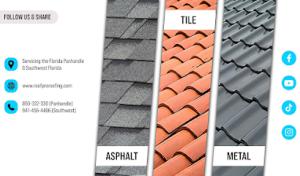
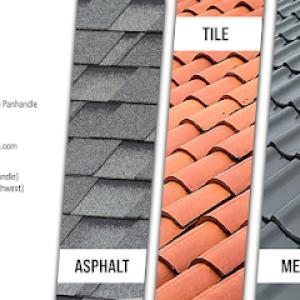
The local material mix includes asphalt shingles, clay tile, concrete tile, synthetic/composite shingles, slate, and copper roofing, so corrosion resistance and wind performance matter across multiple roof types here. Asphalt shingles deliver ease of installation and decent wind performance when paired with proper nailing patterns and corrosion-resistant metal penetrations. Clay and concrete tiles provide heavy, wind-resistant options, but their mounting systems introduce more metalwork where corrosion can creep in. Synthetic or composite shingles can mimic other materials with improved resistance to salt air, while slate and copper bring distinct benefits and challenges. Copper, in particular, can weather gracefully, but its copper components demand attention to fastener compatibility and edge details to prevent galvanic corrosion with other metals. In any case, expect longer-term performance when fasteners, flashings, and vent penetrations use stainless or coated steel compatible with the chosen roof type.
In a salt-air environment, the choice of fasteners matters almost as much as the roofing material itself. Use corrosion-resistant fasteners and compatible flashings across the full roof assembly. For asphalt, consider hangers and nails with protective coatings designed for coastal exposure. For clay and concrete tiles, select stainless-steel or hot-ddipped galvanized components designed for high-humidity climates, and ensure sealant joints are rated for salt exposure. Synthetic shingles often allow more flexible nailing options; still, sealant and flashing compatibility with coastal air remains essential. Slate and copper demand precise detailing: copper's thermal expansion and its galvanic relationships with other metals require careful material pairing and isolation where possible. In every configuration, ensure that the first line of defense-roof edge flashings, base flashings, and step flashing-is sealed and corrosion-resistant, because those spots meet the Gulf wind most directly.
Hot, humid summers affect how roofing materials are stored, handled, and installed, especially during the wetter part of the year. Keep bundles shaded and off the ground to prevent accelerated aging from heat and moisture. When cutting or shaping materials, work during cooler parts of the day if possible, and store tools and fasteners in dry, shaded places to prevent rust. For metal components, pre-coat or select hardware with coastal-grade finishes that resist salt spray. During installation, protect exposed edges from salt-laden air with protective sealants or coatings recommended by the material manufacturer, and verify that ventilation and attic cooling are adequate to slow interior humidity buildup that can affect underlayment and fastener corrosion.
Wind performance should guide the entire selection process. Asphalt and synthetic shingles benefit from a robust nailing pattern and wind-rated underlayment. Clay and concrete tiles require proper battens, non-corrosive clips, and careful alignment to resist uplift in gusts. Slate benefits from secure fasteners and compatible, corrosion-resistant accessories, while copper roofs should incorporate non-reactive sealants and non-galvanic metal choices near copper to avert electrochemical corrosion. In all cases, choose components that explicitly cite coastal or salt-air suitability, and verify that the complete roof assembly-cover, underlayment, fasteners, and flashings-receives a cohesive, corrosion-aware approach. Regular inspections after hurricane season help spot early signs of corrosion or loose fittings before they become failures.
Re-roofing work in this area hinges on dry, predictable weather. Fort Walton Beach replacements are commonly planned for October through April because those months are typically drier and more predictable for tear-off and dry-in work. If your current shingles are past their prime or showing accelerated wear from salt air and Gulf winds, map out the project to start as soon as you have solid estimates and a confirmed crew, aiming to lock in preferred dates during the October-to-April window. This approach minimizes the chance of a weather-caused delay that leaves you exposed to another hurricane season's wind and rain. Plan your material delivery and minimum crew on days with high-confidence forecasts, and build in a one- to two-week cushion for unexpected weather gaps.
Summer heat and humidity in this area can complicate installation conditions and increase the risk of weather interruptions during active projects. When planning, choose a start date that allows crews to work during cooler, calmer mornings and late afternoons, avoiding peak sun and afternoon gusts. This is especially important for underlayment, dry-in, and flashing work, where heat can affect adhesive performance and sealants. If a project must span late spring or early summer, arrange staggered work shifts and ensure temporary protection on exposed areas to reduce heat-driven panel expansion and shrinkage. A reliable hedge against heat-related delays is to schedule the most labor-intensive steps-like roof deck inspection, underlayment installation, and final wind-mitigation detailing-during cooler days, with additional contingency days built into the plan.
Storm-driven demand spikes after Gulf weather events can tighten contractor availability and extend project timelines in this local market. When a hurricane or tropical system emerges nearby, crews often shift to emergency work, leaving scheduled re-roof efforts with longer waits. Build a realistic timeline by anchoring to the dry-season window first, then add a contingency layer that accounts for possible storm-related interruptions. Your plan should include confirmation of vendor lead times, a backup crew option, and a clearly defined sequence of steps so that, if a storm comes through, the project can be paused safely and resumed quickly once crews are back on site. Maintain open lines of communication with your contractor about anticipated weather patterns for the coming months, and consider locking in a preferred crew as soon as your scope and materials are set. With this approach, you stay ahead of the curve when Gulf fronts push demand higher and a smooth dry-in is more likely to happen within the October-to-April runway.
Quality Roofing Solutions
(850) 446-0416 qualityroofingsolutions.com
430 Racetrack Rd NE # B, Fort Walton Beach, Florida
4.9 from 182 reviews
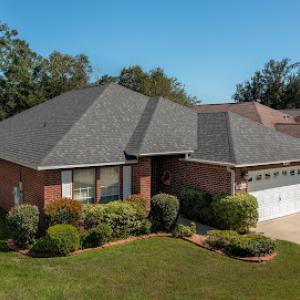
Quality Roofing Solutions, based in Fort Walton Beach, FL, provides top-notch residential and commercial roofing services. We specialize in installations, repairs, replacements, and maintenance using premium materials like asphalt shingles, metal, and flat roofing systems. Our team expertly handles storm damage, enhances curb appeal, and offers preventative care to ensure your roof’s longevity and performance. We pride ourselves on outstanding craftsmanship, safety, and customer satisfaction. Proudly serving the community, we offer military and senior citizen discounts. From minor repairs to complete replacements, Quality Roofing Solutions delivers reliable, customized results you can trust to protect your home or business.
Generations Roofing
(850) 295-8090 www.proroofinstall.com
1 Racetrack Rd NW, Fort Walton Beach, Florida
5.0 from 36 reviews
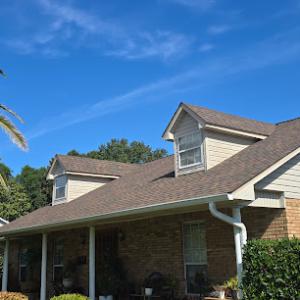
Generations Roofing provides residential and commercial roofing services to the Fort Walton Beach, FL area.
Elmer Cook Construction
(850) 865-6707 www.elmercookconstruction.com
106 Auburn Rd, Fort Walton Beach, Florida
4.9 from 45 reviews
Elmer began his career as a General contractor over 40 years ago and has specialized in Metal Roofing since 1995.
L3 Roofing
(850) 737-3626 www.l3roofing.com
648 Anchors St NW Unit 2, Fort Walton Beach, Florida
5.0 from 12 reviews
L3 Roofing is a leading provider of residential and commercial roofing services in the Fort Walton Beach area and surrounding communities. Contact us today to schedule a consultation.
Southeast Contractors of North Florida
(850) 650-0433 www.southeastcontractors.net
733 Edge St, Fort Walton Beach, Florida
4.7 from 12 reviews
CERTIFIED ROOFING CONTRACTORS SERVING ESCAMBIA, SANTA ROSA, OKALOOSA, WALTON, BAY COUNTIES
Whitrock Associates Inc II
(850) 862-7900 whitrockassociates.com
108 Eglin Pkwy SE, Fort Walton Beach, Florida
4.0 from 60 reviews
Here at Whitrock Associates, Inc. II, we are your premier choice for roofing in Northwest Florida. We have provided high quality work and friendly customer service for over twenty years. From residential to commercial we are your one stop shop for any and all roofing needs and applications. Our knowledgeable staff and attention to detail will help guide you throughout the entire process from start to finish to ensure satisfaction upon completion of the job. Through the years we have established long term relationships with both suppliers and vendors that helps streamline the process needed for the work to be finished. Contact us today for a free estimate.
RoofPro Roofing - Destin, Florida
(850) 332-3330 roofproroofing.com
Serving
5.0 from 47 reviews
RoofPro Roofing: Your trusted GAF Certified Contractor in Destin, FL. Specializing in residential and commercial roof replacements, we offer expert services for shingle, metal, tile, and flat roofing. Our skilled team ensures high-quality, leakproof installations that meet manufacturer guidelines and state codes. Serving Okaloosa, Walton, Santa Rosa, and Escambia Counties, we're committed to delivering exceptional results on time and within budget. Whether you need a new roof for your home or business, or a roof repair, RoofPro Roofing provides dependable solutions and outstanding customer service. Choose us for all your roofing needs in the Florida Panhandle. Contact RoofPro Roofing today for a free estimate,

A&M Construction of NW Fla.
(850) 803-0650 amroofingcontractormaryesther.com
Serving
4.9 from 128 reviews
For over three decades, A&M Construction of NW Fla. Inc. has been the roofing contractor of choice for those dedicated to quality and durability in Fort Walton Beach and surrounding areas. With a commitment to excellence and a team of experienced roofers, you can trust our expertise in roof design, installation, and repair to create lasting and beautiful solutions for any residential or commercial space. We also offer solar panel removal and replacement on re-roofs with solar panels- contact us to get started! CCC1326077 / CVC57246
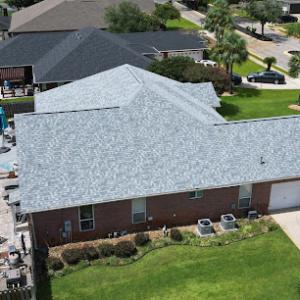
Holloway Roofing Unlimited
(850) 678-7663 hollowayroofing.com
Serving
4.7 from 376 reviews
Holloway Roofing – Niceville, Florida Located in the heart of Niceville, Florida, Holloway Roofing proudly serves all of Okaloosa and Walton County from our Niceville office. Specializing in both re-roofing and repairs, we are committed to delivering top-quality service. As an Owen’s Corning Platinum Preferred Contractor, we uphold the highest standards of excellence. We offer a full range of metal roofing options, from standing seam and screw-down roofs to Worthouse systems. Whether you’re in Niceville, Destin, Fort Walton Beach, or nearby, our skilled professionals ensure your home is both protected and beautiful. At Holloway Roofing, we take pride in our dedication and excellence.
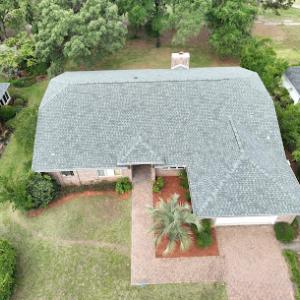
Coastal Roofing Professionals
(850) 729-7767 thecoastalroofers.com
Serving
5.0 from 110 reviews
We are your local Niceville Roofing Company. Our number one goal is customer satisfaction. Owner Greg Jolly feels that communication and following through on promises are what makes the companies foundation. We cover Niceville, Fort Walton Beach, Crestview and surrounding areas of Okaloosa County including the panhandle in Florida. Call Coastal Roofing Professionals to see the difference you deserve. Your hometown Niceville Roofing Company
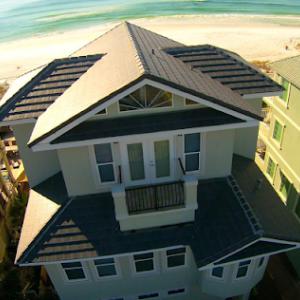
Destin Roofing
(850) 837-2645 www.destinroofing.com
Serving
4.5 from 30 reviews
Founded in 1981 and incorporated in 1991, Destin Roofing strives to make a first-time customer a lifetime customer with our quality roofing company services and competitive roof installation and roof repair pricing. With more than 49 years of experience in the roofing business, we not only get the job done to your satisfaction, but we can answer any questions you may have about your roof. Proudly providing services for Destin Roofing, Niceville Roofing, Fort Walton Beach Roofing, Crestview Roofing, Navarre Roofing, Santa Rosa Beach Roofing, and more. We specialize in full-service roof repair and roof installation. Are you in need of a professional and insured roofing company in Destin? Call Destin Roofing, Inc today!
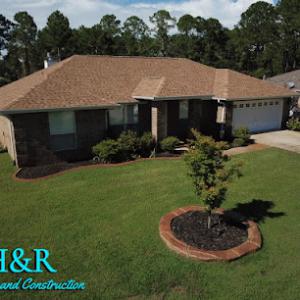
H&R Roofing & Construction
(850) 625-0325 hrroofingandconstruction.com
Serving
4.9 from 56 reviews
H&R Roofing and Construction, LLC is a locally owned and operated family business. With combined experience of 20+ years in the construction business; we understand how the process is supposed to work from beginning to end. Our experience comes from working on both sides of the roofing and construction business; from working in the field and running our own roofing and construction jobs to working on the manufacturing side and understanding the processes that go in to making the very products we promote and sell. If you have questions we have answers! Please do not hesitate to reach out and let us help you through your next project!!
For a full roof replacement, a building permit is typically required. The process is designed to ensure that a new roof can withstand Gulf-front wind exposure, salt-air corrosion, and the heavy weather events common to the area. When applying, expect to provide details on the roof strategy, including the chosen decking, underlayment, fastener type, and the proposed shingle or tile system. The authority having jurisdiction will verify that the plan aligns with local wind-resistance requirements and Florida Building Code amendments that apply to this coastal community.
The local process generally includes a rough-in inspection and a final inspection by the building department before the job is fully closed out. The rough-in inspection typically occurs once the roof system is prepared to receive the underlayment and fasteners, ensuring that roof deck attachment, nailing patterns, and anchor points meet code. The final inspection confirms proper completion of the installation, correct flashing details around penetrations, and that the finish system is properly integrated with soffits, vents, and gutter interfaces. Expect a walk-through with a inspector to confirm that the work matches the permit plans and meets the hurricane-rated standards typical for this area.
Permit issuance commonly takes about 1 to 3 weeks depending on workload and project scope, and wind mitigation-related documentation may be requested. Before filing, gather any existing wind mitigation reports or prior approvals if the roof design is being upgraded to higher wind ratings. If the project includes clay or concrete tiles, synthetic shingles, or specialty metal, include manufacturer wind-resistance data and installation details to support the mitigation narrative. Communicate with the contractor early about the need for a final inspection window that aligns with insurance documentation needs, since wind-related proofs often factor into coverage decisions after a storm season.
Prepare a complete set of building plans, including roof dimension, material selections, and fastening methods, to reduce back-and-forth with the building department. Schedule inspections in advance when possible and coordinate timing with the contractor to ensure the rough-in and final inspections occur within a reasonable window. If local adjustments or additional documentation are required, responding quickly can prevent delays that push the timeline into the busier parts of hurricane season or the drier October-April window when repairs are commonly scheduled. Keep a folder of permit receipts, inspection notices, and any wind mitigation correspondence for insurance documentation and future reference.
Concrete and cost-conscious options are asphalt shingles, which run about $350 to $700 per square. Synthetic or composite shingles sit in a similar ballpark, roughly $350 to $600 per square. If you're leaning toward clay tile, budget about $600 to $1000 per square, while concrete tile tends to land between $500 and $900 per square. For premium looks and durability, slate climbs to roughly $1000 to $1800 per square, and copper roofing rings in from $1500 to $3000 per square. These numbers reflect typical local bids and reflect the need for specialized installation that coastal crews use for wind, salt, and humid air.
Coastal demand surges after storms push a lot of work into a short window, so timing matters. In the drier October through April window, you'll often see shorter lead times and more predictable pricing, but the market can still shift based on storm recovery needs. Expect some variation in material availability and crew scheduling as insurers and homeowners racing against the clock both chase wind-rated details. That dynamic can nudge both material and labor costs when a project starts earlier or finishes later than planned.
Heavier systems such as tile and slate bring more than just a higher per-square price. In this humid salt-air climate, installation requires meticulous sealing, higher redundancy for fasteners, and attention to roof deck prep that accounts for moisture and corrosion. Premium coastal options like copper carry extra labor demands too, including corrosion-resistant fasteners and careful edge detailing. If wind mitigation details are included in the bid, you'll see line items that reflect extra bracing, wind-rated underlayment, and sealant work designed to resist gusts and salt spray.
Material choice can shift the total cost locally because heavier systems and premium coastal options carry higher labor and detailing demands. If you're balancing price with life-cycle performance, asphalt and synthetic shingles offer solid value with reliable wind-rated installations when paired with a good underlayment and attic ventilation. Tile and slate bring durable, long-term aesthetics and a longer life span in harsh coastal conditions, but expect higher upfront costs and more specialized crews. Copper delivers standout longevity and curb appeal but demands careful budgeting for the premium.
This coastal Florida town faces wind and hail claims that shape what you install and who you hire. Insurers often scrutinize roof age, material type, and wind mitigation features when setting coverage terms or renewal conditions. The outcome can be a different backing for a claim, a longer or shorter payout window, and the need to prove prior work after a storm. In practice, this means your material selection should reflect not only curb appeal and durability but also how well it will read to an adjuster who understands salt-air exposure and hurricane-driven damage.
Because the coastal market has seen carrier pullbacks and tighter underwriting, keeping a well-documented paper trail matters. When you replace or repair, gather product specs, installation dates, and contractor certifications. Photos taken before, during, and after work help you demonstrate the roof's condition over time. Just as important is a clear record of any wind mitigation features, such as upgraded fasteners, reinforced decking, or specific nailing patterns. These details can influence both claims and renewal terms, and they're easier to defend with organized notes.
You should build a simple, fortress-like archive: dated photos, invoices, inspection sign-offs, and product manuals, stored in a digital folder and labeled clearly. In a salt-air environment, corrosion and salt damage can complicate renewals or coverage reviews, so you want a straightforward timeline that shows you've maintained the roof proactively. When a storm comes, a well-kept archive helps you move through adjuster visits with fewer back-and-forth requests and delays. This approach is especially prudent for homeowners in Fort Walton Beach.
In Fort Walton Beach, storm exposure makes edge details, flashing transitions, and water entry after wind-driven rain especially important failure points to inspect. Edge details along eaves and rakes can unravel with salt-charged spray and gusts, so check for lifted shingles, torn starter mats, and loose drip edges after storms. You should look for dark staining at the fascia, with signs of moisture behind the soffit. Small gaps become big leaks quickly when rain arrives after a gusty wind.
Salt exposure can shorten the service life of metal accessories and connectors, creating leak paths even when the main roof covering still appears serviceable. Aluminum and steel flashings, screws, and caps can corrode from salt air, leading to loose laps and pinhole leaks. Inspect fasteners for white oxidation or rust bloom, and replace any discolored pieces before they fail in a storm.
The local contractor signal mix shows strong demand for emergency repair and storm work, indicating homeowners here frequently deal with active leaks and post-storm temporary protection needs. Expect faster response times for leaks after a hurricane or tropical system, but also higher urgency to secure temporary tarps or boards. Document leaks promptly for insurance, and keep a simple record of what area is affected and when.
After a storm, careful inspection matters more than cosmetics. Coastal homes often hide water entry behind soffits and under ridge lines where wind-driven rain can sneak in. A homeowner checklist focused on transitions-from roof deck to eave, from vent flashing to chimney cricket-helps catch trouble early, before it spreads for years.
Find contractors experienced in skylight installation, flashing, and leak repairs to bring natural light into your home.
Generations Roofing
(850) 295-8090 www.proroofinstall.com
1 Racetrack Rd NW, Fort Walton Beach, Florida
5.0 from 36 reviews
Elmer Cook Construction
(850) 865-6707 www.elmercookconstruction.com
106 Auburn Rd, Fort Walton Beach, Florida
4.9 from 45 reviews
Whitrock Associates Inc II
(850) 862-7900 whitrockassociates.com
108 Eglin Pkwy SE, Fort Walton Beach, Florida
4.0 from 60 reviews
In the coastal market, the local contractor signals show meaningful demand for tile roofing, metal roofing, skylight work, and some flat or low-slope roof service rather than a purely shingle-focused approach. The mix of clay tile, concrete tile, slate, synthetic or composite shingles, and copper means homeowners here often compare premium and specialty systems, not just basic replacements. That blend also means detailing around penetrations, vents, skylights, and transitions demands extra care, especially where sea spray and wind-driven rain meet fasteners and sealants.
Clay and concrete tiles offer durability against Gulf winds when properly integrated with code-appropriate fasteners and underlayment. In this market, many installations favor mechanical attachment and additional roof deck bracing to resist uplift, with continuous foam or rubberized underlayment for extra sealing at edges. Copper provides long-term corrosion resistance and distinctive aging, but it comes with careful flashing and transition work to avoid galvanic corrosion at dissimilar metals. Slate adds a premium, weighty option that can withstand wind when supported by a reinforced roof structure, yet its fragility under sudden impact can drive the need for preventive maintenance around hips and ridges.
Coastal exposure makes detailing around penetrations and transitions especially important on specialty roofs. Pay attention to flashing at chimney, vent stack, and skylight terminations; use corrosion-resistant metal components; and keep sea-salt exposure in mind when selecting sealants and coatings. For low-slope sections, ensure proper drainage and a robust air-gap venting strategy to prevent water pooling and membrane degradation. Skylight installations should include impact-rated glazing and secure flashing to reduce wind-driven leaks during hurricanes.
Premium systems often align with stricter wind-mmitigation documentation and verification. When selecting tiles or copper, coordinate with a contractor who understands how to capture the exact materials, fastening methods, and installation details your insurance provider will require. A thorough record of the roof assembly-materials, fasteners, underlayment, and flashing configurations-facilitates smoother claims after a storm and supports post-event repairs with precise, auditable notes.
Find specialists in TPO, EPDM, and built-up flat roofing systems for residential and commercial properties.
Quality Roofing Solutions
(850) 446-0416 qualityroofingsolutions.com
430 Racetrack Rd NE # B, Fort Walton Beach, Florida
4.9 from 182 reviews
Southeast Contractors of North Florida
(850) 650-0433 www.southeastcontractors.net
733 Edge St, Fort Walton Beach, Florida
4.7 from 12 reviews