Last updated: Apr 19, 2026
In Foley, homeowners face two high-risk windows each year: the spring thunderstorm season and the fall hurricane season. During these bursts, wind-driven damage happens fast, and scheduling for repairs or replacements can lag behind the weather. That means your roof needs to be ready for sudden hits and you need a plan to respond quickly when the storm clouds move in. This is not theoretical here-you're in a market where a single fast gust, hail, or driving rain can compromise flashing, underlayment, and vent areas in hours, not days.
The local work prioritizes wind resistance because wind events are the rule, not the exception. When a roof is designed and installed with robust flashing, careful underlayment, and solid ventilation, it doesn't just pass a storm-it minimizes leak paths and reduces interior damage risk. Pay attention to the details that a permit and inspection checklist emphasizes: flashing at valleys and chimneys, seamless integration of underlayment, proper attic ventilation to relieve pressure differences, and wind-resistant fasteners and nailing patterns. If your roof is aging or lacks these features, a wind event can expose vulnerabilities quickly, leading to costly follow-up damage and more extensive repairs.
Alabama's climate creates a frequent claim environment for wind and hail, so post-storm documentation matters. After a major weather event, you're more likely to need clear photo records, roof age information, and rapid access to an inspector. Have a trusted contractor's contact ready, and capture interior and exterior damage from multiple angles as soon as it's safe. If you notice lifted shingles, torn flashings, or signs of moisture intrusion in the attic, act promptly-delay often means more extensive damage and a longer repair timeline when the storm backlog hits. In this market, speed paired with accuracy is a shield against escalating issues.
Two practical tactics help you navigate this volatility. First, keep a current roof health snapshot: note ventilation adequacy, visible wear on flashings, and any signs of sagging or curling shingles. This baseline helps you detect new issues after each storm without guessing. Second, establish a rapid-response plan with a local roofer who understands wind thresholds and common damage patterns for hurricane-season and thunderstorm events. When storms roll in, you want a crew that can mobilize quickly to seal leaks, secure vulnerable areas, and document the roof's condition for insurance or replacement decisions. This approach minimizes water intrusion windows and positions you for smoother processing when a full replacement becomes the practical choice.
In the end, the most reliable defense against storm-driven ruin is proactive reinforcement and swift, documentation-driven action. By prioritizing wind-resistant details, maintaining clear post-storm records, and having a trusted local partner ready to respond, you reduce the chaos that storms bring and keep your home safer through Foley's volatile seasons.
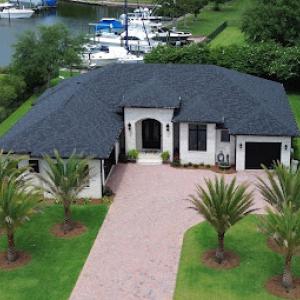
High Tide Contracting & Roofing
(251) 228-2198 hightidecontractingandroofing.com
281 9th Ave, Foley, Alabama
5.0 from 137 reviews
Customer satisfaction is the driving force behind High Tide Contracting and Roofing. By listening to our customers, we are able to provide them with superior service that meets both their needs and their budgets. Whether it is a simple repair to their roof or a full roof replacement with soffit, fascia and gutters, we provide excellent product choice and quality workmanship. Being a GAF Master Elite Contractor allows us to provide superior warranty coverages to our customers. High Tide Contracting and Roofing is proud to be a contractor within the Strengthen Alabama Homes Program; call us today to discuss how you can be selected to receive up to $10,000.00 towards fortification of your home and receive discounts on your wind insurance.
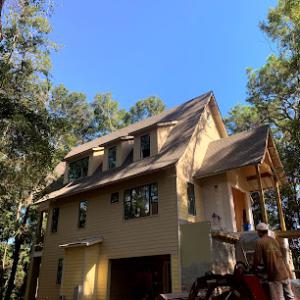
Mas LLC Roofing & Repairs
(251) 752-3836 www.massllc.al.com
505 W Laurel Ave, Foley, Alabama
4.9 from 110 reviews
A company that thrives on customer satisfaction! Our #1 goal is to give our customers a 5-star experience when making there investment on replacing there roof or building there new home. We offer a wide Variety of roofs, while only using the top products in the roofing Industry.
Metal Roofing HeadQuarters
(251) 317-3392 www.gulfcoastmetalroofs.com
222 Summerfield Dr, Foley, Alabama
5.0 from 28 reviews
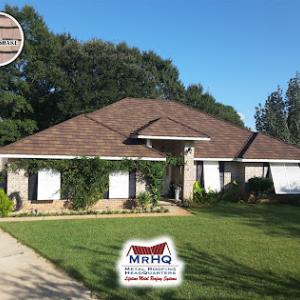
Metal Roofing Headquarters is the Gulf Coast's most experienced metal roofing company, with 3 generations of family in the metal roofing & siding industry, dating back to 1958. Our residential and commercial metal roofs are available in dozens of styles, including rib panel, standing seam, metal shingles, slate, shake, and stone coated metal tile. Every MRHQ roof is backed by a 50 year transferable, lifetime warranty, and they are available with a fortified, category 5 hurricane wind rating. Our roofs are made with high tech reflective coatings that have been proven to reduce summer power bills up to 25% and make homes more comfortable. We offer homeowners high quality materials, skilled craftsmanship, & free quotes, cheerfully given!
Southern Roofing Systems of Foley
(251) 244-1051 www.southernroofingsystems.com
Foley, Alabama
5.0 from 23 reviews
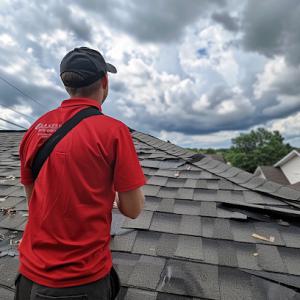
At Southern Roofing Systems of Foley, we take pride in offering the highest quality roofing services possible, while also making sure our services are affordable to all levels of home owners and business owners. Every building needs a reliable, rock solid roof or it will soon be dilapidated and a waste, but with our southern weather, hurricane seasons, and intense storms, your roof matters more than ever. It must be installed properly more than ever. We build our roofs to last and we provide the essential maintenance services necessary for maximum longevity. Providing everything from assistance with roof insurance claims to commercial roofing, residential roofing, roof repair and emergency roof repair. Contact us for Foley roofing today!
DADS Roofing
(251) 220-1542 www.dadsroofing.com
307 S McKenzie St, Foley, Alabama
5.0 from 21 reviews
Dads Roofing Services provides top-quality roof repair, roof replacement, new roof installations, and thorough roof inspections. We also offer emergency roofing services, free estimates, and insurance claim assistance to ensure a smooth process after storm damage. HAAG-Certified Inspectors: Specializing in professional damage assessments, perfect for storm-related insurance claims. Fortified Home Program: Helping homeowners enhance their property’s resilience against severe weather conditions. GAF Certified Contractor: Trusted to offer manufacturer-backed roofing systems and reliable warranties. We proudly serve Foley, Fairhope, Spanish Fort, Mobile, and surrounding areas in Alabama. BBB A+ Rated

Brewer Roofing & Construction
(205) 499-7644 www.brewerroofingandconstruction.com
12230 Fernwood Cir, Foley, Alabama
5.0 from 17 reviews
Brewer Roofing and Construction, is your local leader for roofing & construction services. Our professional company is a highly rated, licensed home builder, and certified roofing & construction company serving Birmingham & South Alabama. We specialize in quality roofing replacement, roof repairs, home siding replacement, deck and patio remodeling, and more. As a certified roofer, we provide the best roofing systems throughout Birmingham & South Alabama areas. We are your one-stop partner for all your home remodeling projects. Call us today to schedule a consultation with one of our team members today.
Renew Roofing Solutions
(251) 923-6377 re-newroofing.com
110 W Section Ave, Foley, Alabama
5.0 from 12 reviews
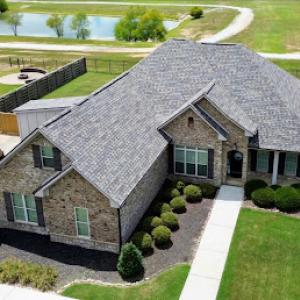
Roofing contractor
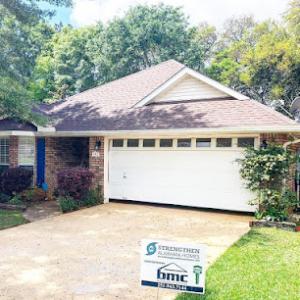
Ben Murphy Roofing
(251) 943-7144 www.benmurphyco.com
12730 Co Rd 65, Foley, Alabama
4.4 from 49 reviews
For All Your Roofing Needs, Call Us!
Mobile Roofing & Construction
(251) 888-0301 www.roofingmobilealabama.com
8388 AL-59 #3, Foley, Alabama
5.0 from 6 reviews
Is your home or business in need of roof repair, a roof inspection, minor maintenance, or roofing Mobile Alabama? Has your roof been through years of wear and tear and need roof replacement? Give Mobile Roofing and Construction a call today. Our roofers are here to help you make the best decision to increase the lifespan of your roof. Mobile Roofing and Construction specializes in residential and commercial roofing , along with asphalt shingles, metal roofing, flat roofs, and slate roofs.
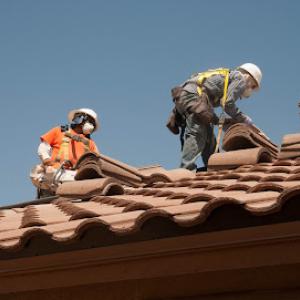
Parker Roofing
420 Oakleigh Cir, Foley, Alabama
4.4 from 13 reviews
Parker Roofing has been serving the Baldwin County area for over 20 years. We are licensed and insured to provide all residential and commercial roofing services to our customers. We offer everything from roof repairs to full roof tear off and replacement for shingle, metal, and even specialty roofing materials. We are locally owned and operated and treat our customers' homes like we would our own. Choosing a reputable roofing company can mean a world of difference when replacing your roof. Our customers have nothing but good things to say and we stand behind the roofing services that we provide. Don't hesitate to call with any questions and speak directly with one of the owners.
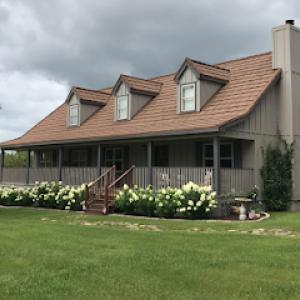
Unique Surfaces Roofing & Contracting
(251) 600-9606 www.theuniquesurfaceal.com
18975 Baldwin County Rd 10, Foley, Alabama
5.0 from 4 reviews
Unique Surfaces provides general contracting on projects small and large for a diverse group of customers. We constantly strive to exceed each client’s expectations through innovation, collaboration and best practices.
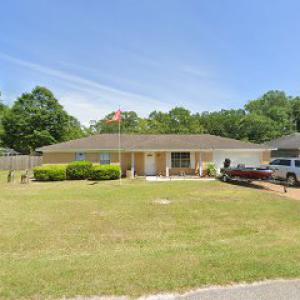
Dave's Contracting
(251) 989-0990 davescontractingal.com
405 S Stuart St, Foley, Alabama
4.0 from 7 reviews
We are your dependable and trustworthy go-to roofing contractor in Foley, AL when it comes to reliable roofing solutions. Our skilled team is equipped with the knowledge and experience to handle roof installations, repairs, and replacements with precision and efficiency. We use premium materials and employ industry best practices to ensure durable and long-lasting results. Moreover, we are also renowned for seamless deck installation in Baldwin County, AL. Our professionals specialize in designing and constructing custom decks that blend seamlessly with your home's architecture. Whether you envision a spacious deck for entertaining or a cozy retreat for relaxation, we bring your vision to life. So, if you need our expert assistance, call us
Hot, humid summers and frequent thunderstorms create a climate where attic ventilation can be as critical as the roof itself. In this market, shade and airflow help slow heat buildup, dry cycles between storms become a stress test for seals, and high moisture exposure makes material choice hinge on how well the system handles wind, humidity, and repeated wet-dry cycles. The roof becomes more than a weather barrier; it is a component of the home's cooling strategy and moisture management. When evaluating options, focus on systems that resist heat degradation, manage condensation in the attic, and maintain their integrity after a heavy rain or brief tropical storm.
The dominant local material mix includes asphalt shingles, metal roofing, clay tile, concrete tile, wood shingles or shakes, and synthetic or composite shingles. This coastal set expands choices beyond what inland markets see, but it also shifts priorities. Asphalt and metal are common because they tolerate daily heat well, yet their success hinges on proper venting and underlayment. Clay and concrete tiles provide durable, wind-resilient options but can be heavy and require solid framing and correct installation to resist uplift in strong gusts. Wood shingles or shakes offer natural aesthetic but demand meticulous moisture control and a careful, moisture-rated underlayment to prevent rot. Synthetic or composite shingles mimic many traditional looks while often delivering enhanced dimensional stability in moisture-rich air. In Foley, the best-fitting choice balances wind resistance with humidity tolerance, rather than focusing on appearance alone.
Thunderstorms arrive with short, intense bursts of wind and rain, testing roof assemblies at their seams. Look for products with high wind uplift ratings and reputable warrantied performance in humid environments. A roof with strong fasteners, corrosion-resistant metal components where applicable, and properly sealed penetrations will hold up better under repeated storm exposure. In practice, that means selecting an option with a robust edge detailing, well-sealed flashings, and a trustworthy attic ventilation strategy that reduces negative pressure and lifts risk around ridges and vents.
Attic ventilation becomes a central factor in Foley's climate. A well-designed venting plan reduces heat buildup, mitigates attic humidity, and minimizes condensation that can compromise roof decks and underlayment. Pair any roof choice with adequate intake and exhaust ventilation, plus a vapor barrier where appropriate. If existing ventilation is limited, upgrading soffit and ridge vents or adding passive vents can extend the life of the roof system and improve indoor comfort during sultry months.
Start by matching your climate needs to the roof's moisture and wind performance. Prioritize systems with solid wind uplift ratings and moisture-resistant underlayment. Ensure the chosen material works with the house's existing framing capacity and can be integrated with a robust attic ventilation plan. Finally, when in doubt, lean toward products with proven performance in humid coastal environments and trusted warranty terms that address heat, moisture, and wind exposure. This approach aligns with the realities of frequent storms and high humidity that shape roof longevity in the area.
Typical Foley pricing ranges by material are about $350 to $700 per square for asphalt shingles, $600 to $1100 for metal, $900 to $1600 for clay tile, $1000 to $1500 for concrete tile, $500 to $900 for wood shingles or shakes, and $450 to $900 for synthetic or composite shingles. These figures reflect the local market where hot, humid summers and regular thunderstorms drive material choices and availability. When you're budgeting, you'll see asphalt shingles stay the most common starting point for a solid, mid-range replacement, with metal rising for better wind resistance and extended lifespan, and tile options pulling up the total due to heavier decking and specialized installation. In practical terms, if you're replacing a typical 1,500-square-foot roof (about 15 squares), you're looking at roughly $5,250 to $10,500 for asphalt, $9,000 to $16,500 for clay tile, or higher for other premium materials. The important takeaway is to align your material choice with both performance needs and what your insurance and mortgage lenders will recognize when it's time to document the project.
Costs in Foley can rise after major storm events when regional demand surges across Baldwin County and nearby Gulf Coast communities, tightening labor availability and extending lead times. Weather-driven spikes aren't just about material price; crews and suppliers can be tied up for weeks when a storm hits the Alabama coast, so plan for potential delays in scheduling and delivery of underlayment, flashing, and ventilation components. If your home values a quick, thorough replacement after a damaging event, you may encounter higher mobilization charges or expedited material shipments. In practice, it helps to secure commitments from a contractor early in the post-storm window and to confirm estimated arrival times for critical components, especially underlayment, good-quality underlayment, and metal flashings that resist salt-laden Gulf breezes.
Projects that require stronger wind-resistant detailing, replacement of damaged decking, or more complex flashing and ventilation corrections during inspection can cost more than straightforward re-roof jobs. In Gulf Coast neighborhoods, decking often bears the brunt of wind uplift, and a straightforward shingle swap isn't always enough after a severe thunderstorm or hurricane threat. If the inspection uncovers compromised plywood or OSB, budgeting for decking repair or replacement becomes necessary. Additionally, roofs that demand enhanced interception of wind-driven rain, tighter sealant lines, or upgraded ridge vents and soffit ventilation will push the total beyond a basic re-roof estimate. When you're comparing bids, request a line-item breakdown that covers decking, flashing, vents, and any additional wind-resistance detailing. That clarity helps verify you're not paying for a quick patch that won't stand up to the next Gulf front storm front.
Get a clear picture of your project costs upfront - no commitment required.
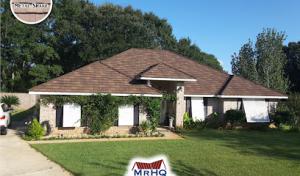
Metal Roofing HeadQuarters
(251) 317-3392 www.gulfcoastmetalroofs.com
222 Summerfield Dr, Foley, Alabama
5.0 from 28 reviews
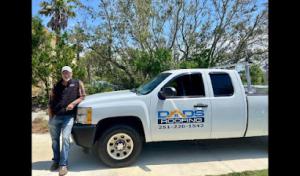
DADS Roofing
(251) 220-1542 www.dadsroofing.com
307 S McKenzie St, Foley, Alabama
5.0 from 21 reviews
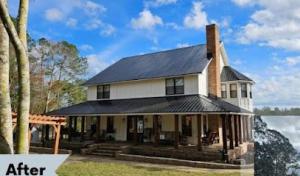
F&H Roofing
(251) 979-3091 fandhroofing.com
3876 Emerille Dr #9292, Foley, Alabama
4.7 from 3 reviews
In Foley, a building permit is typically required for a full roof replacement, and contractors generally submit the permit through the City of Foley Building Department. This step isn't just a paperwork hurdle; it sets the baseline for wind-resistant installation, proper underlayment, and ventilation that the local climate demands. Knowing that a permit is part of the process helps you coordinate material delivery, scheduling with the roofer, and final inspection timelines. The Building Department can provide the current checklist and any local amendments that influence flashing and venting details, which are especially important for Baldwin County's storm-season risks.
Your contractor should initiate permit submission early in the project timeline, ideally before any tear-off or scaffold setup begins. The permit packet typically includes roof plans, venting layouts, and an installation method aligned with wind- resistance standards relevant to Gulf Coast conditions. As you review the permit, confirm that the plan accounts for attic ventilation, radiant barrier considerations if applicable, and flashings around chimneys, skylights, and vents. Schedule expectations should align with permit approval so that weather windows, particularly after downpours or tropical advisories, don't derail the work.
Inspections in Foley occur during and after installation, with attention to flashing, underlayment, ventilation, and wind-resistant installation details. The inspector will look for continuous underlayment coverage, correct nailing patterns for the chosen material, and straps or fasteners that meet local wind-load requirements. Ventilation detail is a focal point; improper-sized soffit intakes, missing baffles, or blocked vents can trigger correction notices. Flashing must be continuous and securely fastened around features such as chimneys, both sides of valleys, and along roof edges to prevent wind-driven leaks. Expect the inspector to verify that roof decking is clean, dry, and free of gaps that could compromise weatherproofing.
Because inspection review focuses on installation details rather than just shingle placement, homeowners in Foley should expect correction of ventilation and flashing deficiencies to be part of some replacement projects. If the inspector notes gaps in underlayment or improper sealing at roof penetrations, the contractor will address these items before final approval. Keep in mind that a successful inspection doesn't just certify the finished look; it confirms the roof's integrity against the region's typical thunderstorms and hurricane threats. Having clear communication with the contractor about potential corrective steps reduces delays and helps ensure the replacement supports long-term performance.
After the final inspection, request a full set of permit closure documents and any amended drawings for your records. These files help with future insurance documentation, property records, and potential resale questions. When storms threaten, having a complete permit trail and a maintenance plan that includes venting checks, flashing inspections, and seasonal roof checks can smooth insurance processes and rapid response if wind-driven issues arise.
Foley sits in an Alabama insurance environment with frequent wind and hail claims, so roofing decisions often intersect directly with underwriting and claim documentation. The way a roof is described after a storm can tilt how an insurer views overall risk, affects premium considerations, and shapes the likelihood of coverage for follow-up damage. A homeowner's careful history of roof age, component choices, and documented storm impact can translate into more accurate underwriting and fewer surprises if another claim comes later.
Insurers may adjust coverage after major claims activity, and wind-rated components plus clear roof age documentation can influence how a Foley home is underwritten. Because Baldwin County exposure blends Gulf Coast weather with inland storm dynamics, a roof that prioritizes resistance to wind uplift and hail strikes tends to align better with underwriting expectations. If a roof's youngest age or most robust wind-rated features are clearly demonstrated in records, a homeowner stands a stronger chance of maintaining coverage continuity or getting favorable adjustments when the next storm hits.
After storms affecting Foley, homeowners benefit from documenting visible shingle loss, metal panel damage, flashing displacement, interior leaks, and inspection dates before temporary repairs begin. The moment slid shingles show wear or a dented metal panel appears is the moment to start a written record: dated photos from multiple angles, precise locations of damage, and notes on any interior signs of water intrusion. Keep a log of inspection dates, the names of any contractors who evaluated the roof, and the results of those assessments. This documentation is not just for claim filing; it can influence how quickly an insurer recognizes damage, authorizes repairs, and assesses subsequent risk.
In practice, the most durable choice is one that withstands Foley's spring thunderstorm onslaughts and late-season wind events. When selecting components, prioritize systems with credible wind-resistance ratings and compatible flashing details. Maintaining accurate, timely documentation ahead of and after storms helps homeowners navigate the insurance process without unnecessary delays or faded claim significance, preserving both coverage and peace of mind in a town shaped by wind and rain.
Connect with contractors who help homeowners navigate the claims process from damage assessment to final approval.
High Tide Contracting & Roofing
(251) 228-2198 hightidecontractingandroofing.com
281 9th Ave, Foley, Alabama
5.0 from 137 reviews
Mas LLC Roofing & Repairs
(251) 752-3836 www.massllc.al.com
505 W Laurel Ave, Foley, Alabama
4.9 from 110 reviews
Southern Roofing Systems of Foley
(251) 244-1051 www.southernroofingsystems.com
Foley, Alabama
5.0 from 23 reviews
Spring brings a real mix of storm and hail risk that can delay tear-offs and push back inspections or repairs. In practice, that means you should plan with extra wiggle room for weather windows and be prepared for sudden spikes in demand after a storm passes. If your roof shows signs of damage after a strong thunderstorm or hail report, move quickly to arrange an inspection, but stay flexible on dates if a storm system rolls through. Scheduling earlier in the season helps secure a crew slot before peak after-storm demand hits and gives you documentation ready for insurance conversations.
The heat and humidity of the peak season can slow work and reduce crew productivity, especially on exposed surfaces. Early-day starts and concrete-thick roofs benefit from cooler hours, so coordinate a window where temperatures are manageable and you're not fighting the hottest part of the day. Fall storm readiness hinges on having a plan for potential weather interruptions, but summer days with a solid forecast still offer the most reliable stretch of calendar for a steady push with minimal winterlike delays. Communicate clearly with your contractor about preferred start times and expected daily progress.
Fall brings hurricane threats that can disrupt project calendars and force relocations of crews and materials. Have a contingency plan that covers possible sudden pauses, plus a prioritized list of tasks so essential components get protected if a storm approaches. If a project is already underway when a tropical system forms, expect potential rescheduling and shorter work windows, and ensure that temporary protections like tarping are in place promptly.
Wintry receipts of rain and cooler temperatures reduce available working days even outside peak storm periods. Snow-free, dry days are precious here, so lock in a window when the forecast shows several consecutive dry days. If a job spans across the colder months, prepare for slower progress and tighter scheduling, with emphasis on protecting interior spaces and managing insulation-related considerations during lintel work and flashing installation.
A practical approach is to align spring inspections with post-storm checks, lock in early summer slots for wind-resistant upgrades, accept fall flexibility for hurricane buffers, and reserve winter windows only when dry spells appear. Keep a rapid-response plan for wind or hail events, and document damage promptly to support insurance discussions and timely decisions.
In Foley, recurring problem areas often center on flashing, underlayment, ventilation, and wind-resistant details-the same categories emphasized during local inspections. Flashing around vents, chimneys, and transitions between roof planes can fail quietly, allowing water to sneak into attic corners and ceiling corners long before a visible drip appears. If flashing is cracked, loose, or improperly sealed after a storm season, those small gaps become predictable paths for moisture. Vigilance matters: look for thin metal edge seams, corroded fasteners, or seams that lift after a hard wind. A modest fix now can prevent a major ceiling stain later.
High humidity in Foley can make poor attic ventilation more consequential, especially on older asphalt shingle roofs where heat buildup and moisture retention accelerate wear. When underlayment loses its protective seal or becomes saturated, a wind-driven rain can penetrate the roof deck even if shingles look intact from the outside. Attic vents that don't pull enough air create trapped heat and humidity that ages shingles faster and can warp decking. If insulation is damp or staining shows up on ceilings, the underlying underlayment is a likely culprit, not just the visible shingles.
Repeated thunderstorm exposure increases the chance that small wind-lift issues become leak pathways before homeowners notice interior staining. In this coastal climate, gusts can peel edges, lift tabs, or loosen sealant around roof penetrations. When gutters clog or soffits sag, water can back up and follow the path of least resistance toward interior spaces. After storms, a careful walk around the house-looking for lifted edges, creased shingles, or torn flashing-can catch trouble before it becomes a costly repair.
Regular inspections after severe weather are crucial. Watch for curling corners, loose granules, damp attic spots, or sudden temperature changes felt in the attic during a warm day. Address issues promptly, because delaying small repairs often compounds damage and shortens the roof's effective life.
Find contractors experienced in skylight installation, flashing, and leak repairs to bring natural light into your home.
Mas LLC Roofing & Repairs
(251) 752-3836 www.massllc.al.com
505 W Laurel Ave, Foley, Alabama
4.9 from 110 reviews