
Last updated: Apr 19, 2026
Plattsburgh sits on Lake Champlain in New York's North Country, where lake-influenced winter weather collides with prolonged cold to create repeated ice dam conditions at eaves. The shoreline climate means storms stack up, then thaw, then refreeze, delivering a relentless cycle that keeps roofs under constant stress. This isn't about a single cold snap; it's about recurring freeze-thaw patterns that push roofs to capacity year after year. If your attic is not insulated and ventilated to temper those cycles, you'll feel the consequences at the eaves first-shingles lifting, gutters pulling away, and moisture sneaking under the deck as spring arrives.
In this area, winter failure risk is driven more by attic heat loss than by summer heat. Warm attic air drifts into the roof assembly, causing snow to melt at the top and refreeze at the edges, forming ice dams that back up against the gutter line. That dammed meltwater can back-siphon into the roof sheathing, leak around nails and penetrations, and promote wood rot over several seasons. The snow load adds another layer of burden; as snow piles higher, the roof structure carries heavier weight through long, freezing periods. The result is a shrinking window for timely repairs before small problems become costly, structural failures.
First, seal attic air leaks to minimize heat transfer into the roof. Common leak points include attic hatches, pipe penetrations, electrical outlets on top plates, and gaps around ducting. A tight attic reduces the volume of warm air that turns into melted snow at the eave. Pair sealing with proper insulation to raise the overall R-value where achievable. If your attic already feels drafty or you can feel cold air down the stairs from the attic, treat that as a red flag and start a prioritized fix list.
Ventilation is next in line for immediate action. A balanced, unobstructed soffit-to-ridge venting path keeps incoming cold air moving across the underside of the roof deck. In Plattsburgh's climate, that ventilation is not optional-it's a critical channel that keeps the roof deck closer to the outdoor temperature, slowing ice dam formation and reducing the risk of thaw-refreeze damage.
When it comes to eave protection, look for products and installation methods designed to keep the lower edge of the roof shielded during winter storms. Eave protection membranes, correctly patched at joints and penetrations, prevent meltwater from entering where it's most vulnerable. Consider extending ice and water shield up the roof beyond the first few feet of rafter tail, especially on south- and west-facing slopes that tend to shed more sun and then refreeze.
Snow retention systems can be a lifesaver in heavy snowfall zones. Strategically placed snow guards or rails help control sliding snow, distributing weight and reducing the sudden load on a single section of the roof. If you have a long, uninterrupted roof plane, plan for snow management that doesn't rely on one fragile point at the midspan. Your goal is to keep snow from piling up into unpredictable, hard-to-reach drifts that can crash into fascia, gutters, and soffits.
Warped or cupped attic floors, persistent icicles along the eave line, sagging gutters, or visible moisture staining on ceiling walls near exterior walls all point to water intrusion and potential ice dam formation. If you notice any of these, treat them as urgent-address attic enclosure, ventilation, and eave protection before the next thaw cycle.
With Lake Champlain's influence, winter roof stress is a routine condition, not an occasional event. Plan for the long haul with a holistic approach: tighten the attic envelope, ensure robust ventilation, reinforce eave protection, and implement controlled snow retention. The goal is to minimize warm-air loss, keep ice dams at bay, and prevent spring moisture intrusion from turning minor leaks into bigger repairs. Stay ahead of the freeze-thaw cycle, and your roof will stand up to the North Country winter better year after year.
Asphalt shingles are a practical first choice for homes with North Country snow and freeze-thaw cycles. Their light to moderate weight helps minimize structural stress, and they're forgiving during quick temperature swings that drive ice dam formation. When selecting asphalt, prioritize a stiff, high-quality shingle with good nail frequency and a robust granule layer to resist wind and ice abrasion. Pair them with a well-sealed, moisture-guarded underlayment and a continuous ridge vent system to promote attic dryness during the melt season. Roofing in this region benefits from careful installation around eave edges and step flashing at chimney and vent penetrations to reduce winter leaks. If a roof already faces persistent ice dam issues, consider increasing slope modestly where feasible and upgrading the drip edge and ice-wasket details to slow meltwater from backing up under shingles.
Metal is especially well-suited to handle snow and freeze-thaw stress, with fast shedding of snow and improved wind resilience. A standing-seam metal roof offers fewer places for ice dams to form and can pair nicely with heat-traced eaves or enhanced attic ventilation to keep underside of metal panels dry. For those near the lake, metal roofs reduce surface ice buildup and minimize the risk of cracking during cold snaps. Installation should pay attention to accurate panel alignment, proper sealing at penetrations, and roof-to-wall transitions that prevent moisture intrusion. Noise under heavy snowfall is a consideration for some homes, so adding solid sheathing and insulation beneath the metal can quiet rattling. Metal can be a smart long-term choice where existing structure supports the weight and where maintenance cycles line up with winter service checks.
Clay and concrete tile appear in the broader material mix, but their weight and cold-climate performance considerations matter more in this area because snow load is a structural issue, not just a weather issue. Tile requires a reinforced ceiling and roof deck, plus careful structural assessment to handle the weight and freezing expansion. In freeze-thaw environments, surface cracking can occur if tiles are stressed by standing ice or improper drainage. Tile also demands a precise interface with flashing and a robust underlayment system to manage spring moisture intrusion. If a home already has a strong, well-insulated structure and is positioned toward milder wind exposure, tile can be considered; otherwise, a lighter option may be better suited to North Country winters.
Concrete tile shares many of the same structural and cold-weather considerations as clay. Its weight requires verified roof framing and potential deck upgrades. In addition, concrete can be more prone to weight-driven settlement in areas with heavy snow loads, so structural consultation is essential before committing. Look for larger profiles that shed snow efficiently and consider a secondary drainage plan at eaves to minimize meltwater pooling during rapid thaws. If installed on a suitable, reinforced deck with good attic ventilation, concrete tile can provide durable performance, but ongoing freeze-thaw monitoring remains important.
Wood shingles and shakes face added maintenance pressure from persistent winter moisture, snow cover, and spring wetting cycles near the lake. Untreated wood is especially vulnerable to moisture-related rot, and repeated freeze-thaw cycles can hasten deterioration at edges and ridges. If choosing wood, select pressure-treated or decay-resistant species, ensure proper painting or staining on all sides, and invest in a thorough drip edge and valley flashing system. Regular cleaning of moss and mildew, plus prompt replacement of any warped or split pieces, helps keep a wood roof operating as long as possible in this climate. If moisture control and maintenance are priorities, metal or asphalt may offer more predictable performance.
Synthetic and composite shingles combine versatility with good cold-weather performance and a lighter weight than tile. They typically resist cracking under freeze-thaw cycles and can emulate traditional looks while offering improved hail and wind resistance. These products can be a practical compromise when a homeowner wants the aesthetic benefits of traditional materials without the heavier structural demands of tile. For best results, ensure a compatible underlayment and ventilation strategy, and verify the product's warranty covers freeze-thaw cycling and lake-proximate moisture exposure.
In a place defined by Lake Champlain's shoreline weather, the full roof replacement season tends to shift toward late spring through early fall. Winter conditions and the recurring freeze-thaw cycles complicate tear-off, sealing, and inspection scheduling, so you'll often see crews prioritizing windows when the ground is workable and the snow has long since receded. Plan your project with a clear start date in mind after the worst of the ice is gone, and be prepared for a few weather-driven delays if a late cold snap rolls in. The goal is to complete tear-off, boot flashing, and underlayment work when temperatures stay above freezing for several days in a row, reducing the risk of ice dam reformation during installation.
Spring in this region can expose damage that developed over winter, especially underlayment and sealant failures that only become visible after snowmelt and rain. Have your existing roof inspected as soon as conditions allow, and focus on areas where heat-trapping in attic spaces might have accelerated deterioration. If there was heavy snow, pay attention to sagging soffits, compromised drip edge, or softened sheathing around eaves. You want any moisture intrusion addressed before the full replacement work begins, so the crew can seal and vent correctly from the first day of the tear-off. If you plan a replacement in spring, coordinate with the crew to schedule a thorough attic venting and insulation check as part of the project.
Autumn wind events in this part of northern New York can affect installation conditions, so homeowners often compete for contractor availability before cold weather returns. Weather windows become tighter as days shorten and humidity shifts. If you need a replacement before the first freeze, aim to lock in a contractor early and confirm that the crew can handle high wind days without compromising sealant and flashing integrity. Ask for a contingency plan that includes high-wind protection of exposed underlayment and temporary securing of materials if a storm approaches. You'll benefit from a well-ventilated attic and a properly staged teardown so that snow load and wind don't disrupt critical flashing during the final sealant cure.
Five Star Roofing Company - New York
(802) 518-7663 fivestarroofingcompany.com
32 Power Dam Way #210, Plattsburgh, New York
5.0 from 10 reviews
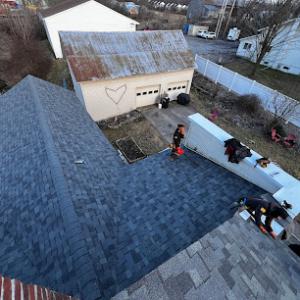
At Five Star Roofing Company, we pride ourselves on our expertise and professionalism in providing top-notch roofing services to our clients. Based in Plattsburg, NY, we specialize in reroofing and roof replacement services for asphalt shingle roofs. Our team is also well-versed in conducting roof inspections, roof repair, and new roof construction. We understand that roofing projects can be expensive and time-consuming, which is why we offer free inspections and estimates to all our clients. Additionally, we provide a unique service using drones to measure and estimate your roofing needs without even having to step on the roof! We also offer lifetime warranties and financing options to make your servicing hassle and stress free!
Farrell Roofing (A.W. Farrell & Son) Plattsburgh
(518) 380-4598 www.awfarrell.com
94 Industrial Blvd., Plattsburgh, New York
3.5 from 4 reviews
Specializing in commercial and industrial roofing only, we bring unparalleled expertise and craftsmanship to every project we undertake. As one of the top 5% safest roofing contractors in the nation, we keep our promises to our customers, our team and our communities. Through four generations of family ownership and having been in business for 78 years, we’ve expanded to six offices in four states. We are proud to mention that we are a veteran-owned company, further reflecting our dedication to service and quality in every aspect of our operations.
CG Family Construction | Roofing Division
(802) 355-4525 cgfamilyroofing.com
Serving
4.9 from 40 reviews
Our team at CG Family Construction will take on all kind of roofs big or small. We work with everything between Roofing & Gutters. Our team won't waste a second on the job site with most of our roofs completed within a day or two. Our work says it all giving you what you envisioned. Our employees at CG Family Construction have shown and given quality work for over 20+ years. If you are in need of the services on our site, give us a call or send us an email.
Rivers Construction
(802) 210-5987 www.riversconstructionllc.us
Serving
4.6 from 25 reviews
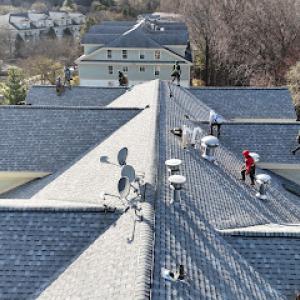
Rivers Construction is a premier, full-service construction company based in Chittenden County Vermont, renowned for its exceptional expertise across a wide range of services, including roofing, siding, flooring, drywall, painting, and full on new builds. With a commitment to quality craftsmanship and unparalleled customer service, we tailor our solutions to meet the unique needs of each project.
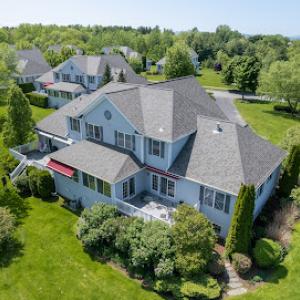
Vermont Construction Company
(802) 200-2684 www.vermontconstructioncompany.com
Serving
4.7 from 226 reviews
Locally owned and operated, Vermont Construction Company has years of experience offering residential and commercial contracting services, including roofing. Our service area extends throughout Vermont, upstate New York, and western New Hampshire. We deliver high-quality roof replacements and repairs, siding, new construction, painting, and drywall services through one contractor. We don’t take a cookie-cutter approach. We are dedicated to understanding every customer's values and circumstances and projects. Contact us today to learn more.
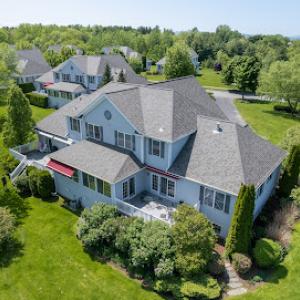
Vermont Construction Company Roofing Division
Serving
4.5 from 82 reviews
Vermont Construction Company - Roofing Division delivers the highest quality in home building, renovations, and maintenance services for your home or business needs. We are expert local roofing contractors providing services throughout Vermont, Upstate New York, and Western New Hampshire. We understand that creating the best possible outcomes requires clear communication, detailed planning, and a thorough understanding of our customer's goals and values. Contact us about your latest roofing project.
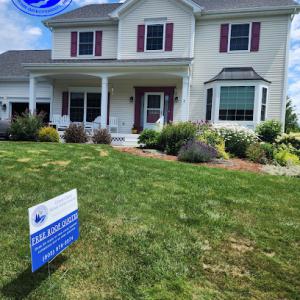
Cedar Creek Home Improvements
Serving
4.8 from 36 reviews
Cedar Creek Home Improvements is a Vermont contracting company providing roofing, siding, windows, doors, additions, spray foam insulation, and more. We've built several small homes, but our specialty is home improvement. We complete approximately 100 to 200 projects per year and all work is completed by our own employees. We hold ourselves to the highest standards possible for every job we take on. We never subcontract our labor or hire other companies. We carry full liability and workers' compensation for all of our employees. We kindly ask you to take this important factor into account when considering pricing, materials, and procedures for your next project.
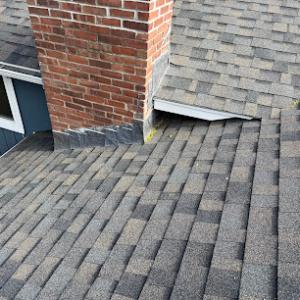
L&M Construction
Serving
4.6 from 10 reviews
We are a locally owned family operated company with over 24 years of experience, we take pride in all of our work no matter how big or small a job may be. “We will beat any competitors written quote
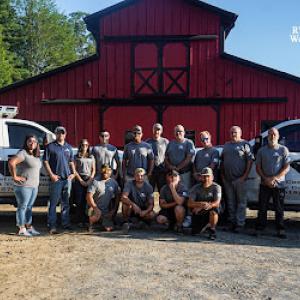
RWS Construction
(518) 570-4321 rwsconstruction.net
Serving
5.0 from 18 reviews
RWS Construction, Inc. is your trusted roofing and carpentry contractor serving Willsboro, NY, and the Adirondacks. We specialize in high-quality roofing solutions—from durable asphalt shingles and sleek standing seam metal to classic cedar shakes and rubber roofing. Our expert team combines precision craftsmanship with premium materials to protect and elevate your home. Beyond roofing, our skilled carpenters deliver exceptional woodwork, from custom cabinetry to detailed trim and structural projects. Whether upgrading your roof or enhancing your interiors, RWS Construction, Inc. ensures lasting beauty, reliability, and value for your property.
Evergreen Roofing
(802) 865-2264 evergreenroofingvt.com
Serving
4.1 from 15 reviews
Evergreen Roofing was founded in 1993 by Stephen C. Smith, commonly known as “Smitty”, until his sudden passing in 2005. After the death of “Smitty” his wife, Sarah Shea-Smith, took over and quickly learned the ins and outs of the roofing business and proudly continued the quality workmanship and professionalism Evergreen Roofing had become known for. Evergreen Roofing strives to ensure that every job completed is above and beyond industry standards and will stand the test of time to provide the highest quality roofing systems while also providing unmatched customer service. Being a family owned business allows Evergreen Roofing to create a welcoming and comfortable environment for all clients.
Prevost Home Improvement
(802) 343-1674 prevosthomeimprovement.com
Serving
4.3 from 12 reviews
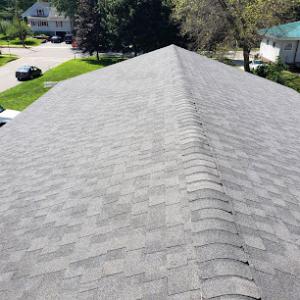
PROFESSIONAL ROOF CONSTRUCTION SERVICES: At Prevost Home Improvement, we are dedicated to delivering your new construction or repairs on time, on budget, and as painlessly as possible. Whether it’s roofing, gutters, skylights, or vinyl siding, we will work with you every step of the way, from quoting to cleanup, to ensure your completed project meets your every expectation. "I started this company to give people the best materials and installations, while being fair and doing exactly what we agree upon!” ~ Steve Prevost
LeClair Bros General Contracting
(802) 860-7179 roofingcontractorvt.com
Serving
4.0 from 4 reviews
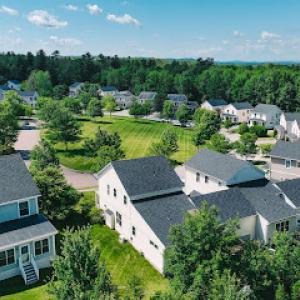
LeClair Bros General Contracting is a trusted general and roofing contractor serving Milton, VT, and surrounding areas. With years of experience, we offer a wide range of services including new construction, renovations, roofing installations, and repairs. Our team of skilled professionals is dedicated to providing high-quality workmanship and exceptional customer service. Choose LeClair Bros General Contracting for all your construction and roofing needs.
Using local average ranges, asphalt shingles run about $350 to $700 per square, metal $600 to $1100, clay tile $1000 to $1800, concrete tile $900 to $1500, wood shingles or shakes $500 to $900, and synthetic or composite shingles $450 to $800. Those figures reflect how the market stacks up when a modest roof change turns into a bigger project-especially after a rough winter reveals damage. In this climate, a project often starts with addressing wind and ice-dam risk, then moves into the asphalt, metal, or tile you've selected.
Plattsburgh costs are shaped by the short practical roofing season in the North Country, when demand compresses into late spring through early fall after winter damage becomes visible. That timing can push scheduling and material availability, which in turn nudges prices upward if your crew is competing with a tight window. If you can plan for shoulder-season work, you may see steadier crews and more predictable pricing, but that window still hinges on snow melt and spring moisture patterns that stress roofs in the Champlain Lake area.
Pricing can rise when roofs need added ice-dam protection, ventilation corrections, or structural consideration for snow loads, which are more consequential in Plattsburgh than in milder New York markets. Ice barriers, extra insulation, and upgraded ventilation can add to the base material costs, but they're prudent upgrades here. A roof replaced without addressing those concerns risks faster wear or recurring damage, especially on roofs facing prevailing lake winds and variable freeze-thaw cycles.
If you're weighing costs, asphalt shingles offer the lowest entry price and decent longevity under typical North Country conditions, while metal roofs provide robust ice-dam resistance and longer life, especially when snow load management is a priority. Tile options (clay or concrete) bring premium durability but also higher installation complexity and cost, which can be worthwhile on certain homes with the right structure. Wood shingles or shakes bring a distinct look but require careful maintenance against moisture and frost. Synthetic or composite shingles balance cost and durability, often appealing for large or complex rooflines where traditional materials would push the budget higher.
A building permit is typically required for a full roof replacement in the City of Plattsburgh, with permits issued by the City of Plattsburgh Building Department. Before any shingle or metal panel goes up, you need to confirm the plan with the building department, and have your contractor pull the appropriate permit. Skipping this step can mean delays, rework, or even fines once a city inspector spots work that isn't aligned with code. In your situation, that permit acts not just as paperwork but as a signal that the project will be checked for the specifics that matter up here-ventilation, flashing details, and how the roof interfaces with attic and crawlspace moisture control.
Plattsburgh inspections occur during and after the roofing project, with attention to code compliance and ventilation requirements rather than only final appearance. That means your project will be reviewed for proper attic ventilation, insulation continuity, and how ice dam and snow-load strategies integrate with the chosen roofing system. Expect inspectors to note how ventilation stops condensation from trapped moisture, how soffit, ridge, and gable vents function in concert, and whether roof ventilation remains effective when snow covers the eaves. If the plan shows a high snow load or an ice-dam mitigation approach, you'll want to demonstrate that those features are in place and functioning during the site checks.
During busy roofing months in Plattsburgh, plan-review delays can affect start dates, which matters more here because the workable season is already compressed by winter. If your project spans late fall or early spring, a permit review can become a bottleneck, pushing start dates into ill-advised weather periods. Coordinate closely with your contractor to map fall shut-downs, expected inspection milestones, and any weather-related contingencies. The city's tighter window means delays are more costly in terms of project momentum and moisture risk, so initiate the process early and maintain steady communication with the Building Department and your crew.
Communicate clearly about ventilation targets, roof-to-wall flashing details, and snow-load strategies as part of the permit package. Have your contractor provide site-specific diagrams showing attic vent placement, insulation continuity around penetrations, and how the new roof will manage meltwater during thaw cycles. When inspections are scheduled, ensure access to attic spaces for vent and insulation checks, and keep clear paths for inspectors to reach critical details without removing finished materials. Missing a ventilation or moisture-control detail at the permit stage can lead to rework and longer timelines-worth avoiding in this climate.
In northern New York, homeowners generally have standard coverage for wind and hail, but insurers often want detailed documentation and before-and-after photos for roof claims. When a claim is filed, keep a clean record of the roof's condition before winter, after heavy snows, and again after the spring melt. Photos dated after each storm cycle help the adjuster see cumulative damage from freeze-thaw cycles rather than a single event.
Some carriers in this region may apply higher deductibles or prefer impact- or wind-rated products in certain zones, which can influence what is chosen at replacement time. If coverage discussions start, ask whether a wind or impact rating would lower risk for the house on Lake Champlain's winter side and which product choices align with the most robust, long-term protection against ice damming and snow load. Keep in mind that the roof's design rating can impact claim acceptance and future premiums.
Because much roof damage develops through winter accumulation and spring thaw rather than a single obvious event, documentation after each storm cycle is especially important. Photograph snow and ice buildup on edges, flashing, and valleys, and log dates of significant thaws and refreezes. Maintain a simple, dated record of any repairs or temporary protections, such as de-icing measures or tarping, to show ongoing damage management.
Coordinate with the insurer early to confirm required proof, then schedule a professional roof inspection focused on ice dam risk points-corners, eaves, and joints between roof planes. If a loss is confirmed, align the claim with an adjuster who understands how repeated freeze-thaw damage accumulates, so the scope of work reflects true condition rather than a snapshot.
Ice damming at eaves is a recurring pattern where long cold spells let meltwater refreeze at the edges and back up beneath roofing materials. In homes along the lake, that backflow can push water under shingles, causing stains, soft edges, and hidden rot that only shows up after a thaw. You may notice gutters pulling away, shingles curling at the eave, or tiny interior drips near ceilings and walls under those eaves. The risk is highest when attic insulation is uneven or sparse, so heat escapes to the roof and creates a persistent freeze-thaw cycle that gnaws at the seal between roof and wall.
Spring leaks are often tied to damage created by the winter season. Damaged underlayment can fail where shingles have lifted or where moisture infiltrates through joints. Flashing around chimneys, vents, and valleys can stress from repeated freeze-thaw movement, so fasteners loosen or seals crack. Sealant breaks down after cycles of contraction and expansion, allowing moisture to find paths into the attic or between ceiling joists. By the time the sun returns and snow melts, you may see patches or streaks that look like normal wear but came from months of hidden stress.
Heavy snow loads and winter moisture can expose weak ventilation design faster here than in warmer parts of the state. If attic vents or soffit vents are blocked or undersized, warm roof sections will sweat and melt, refreezing at the eave and around penetrations. Poor ventilation also magnifies the impact of ice dams by trapping moisture against roof deck and sheathing, accelerating plywood or plank deterioration and inviting mold in the upper rooms. Inconsistent airflow means faster edge deterioration and more opportunities for leaks when spring winds shift those thawing cycles.