
Last updated: Apr 19, 2026
Burlington experiences cold, snowy winters with repeated freeze-thaw cycles that stress shingles, flashing, and roof edges more than steady cold alone. Snow builds up on roofs, then thaws and refreezes, pushing water under shingles and flashing where it can do lasting damage. Warm, humid summers follow winter stress, so roofs in town often show both winter moisture damage and accelerated summer aging in exposed areas. This combination creates a persistent risk that demands proactive attention, not reactive quick fixes.
Ice dam formation is a primary local roof concern because snow accumulation followed by thawing and refreezing can back water up under roof coverings. When attic insulation or ventilation is inadequate, warm attic air melts the snow near the roof's top edge. The meltwater travels downward, refreezes at the colder eaves, and forms an ice dam. The dam traps water behind it, elevating lingering moisture against underlayment, shingles, and edges. In Burlington's climate, steep-pitched roofs and older homes with slate, wood, or asphalt are especially susceptible because these surfaces often have irregularities and edge detailing that encourage water intrusion once a dam forms.
Watch for visible ice along the eaves, icicles that are unusually long or heavy, and stains or dark patches on interior ceilings near exterior walls. If you notice shingles curling, blistering, or loss of protective granules at the roof edge, treated areas may already be compromised. Pay attention to attic signs: warm air leaks, condensation on sheathing, or a musty odor indicating trapped moisture. In Burlington's climate, a single winter event can leave a delayed wake of damage that shows up in summer as accelerated aging or patched leaks around vents, skylights, or dormers.
If you suspect ice dams are forming, clear safe areas around below-roof pathways and avoid chiseling ice from the roof yourself, which can damage shingles and flashings. Use a roof rake from ground level to remove loose snow along the eave, working carefully to avoid contact with the roof surface. Address interior leaks promptly to limit water damage and mold risk. If you have access to the attic, seal obvious air leaks around penetrations and ensure insulation limits warm attic air reaching the roof deck. For persistent damming or obvious damage, call a local roofer with experience in cold-climate systems to assess flashing integrity, underlayment condition, and venting effectiveness.
A robust approach combines insulation upgrades, attic ventilation improvements, and edge detailing that withstands freeze-thaw cycles. Ensure the attic is well insulated with a continuous barrier to minimize warm air reaching the roof deck. Improve soffit-to-ridge venting so cold, dry air sweeps across the underside of the roof sheathing, reducing meltwater production. Edge treatment matters: consider enhanced drip edges, properly sealed eaves flashing, and securing roof-to-wall transitions where ice dams tend to start. For aging or damaged sections, replace compromised shingles or flashing and repair any wood or underlayment rot before it migrates.
Before winter arrives, have a roof professional inspect for loose or damaged shingles, flashing around chimneys and vents, and signs of prior water intrusion. Clean gutters and downspouts to maintain drainage, and ensure ice guards or rigid insulation at critical edge areas are intact. After the last storm, recheck for uneven roof edge moisture, evidence of leaks, and attic ventilation performance. A targeted maintenance plan that addresses edge protection and ventilation will dramatically reduce the risk of both winter damage and subsequent summer aging.
The dominant roofing materials in this market span asphalt shingles, metal, wood shingles or shakes, slate, clay tile, and concrete tile. That mix reflects both newer re-roofing demand and older architectural stock, from steep-pitched slate roofs on historic homes to modern asphalt overlays on newer blends. When choosing, consider how each material handles Lake Champlain's winter weather: deep snow loads, freeze-thaw cycles, and potential ice dam buildup along eaves. The goal is to match a roof that sheds snow predictably while resisting moisture-related damage and staying durable through multi-season freeze-thaw patterns.
Slate remains especially relevant because many older Vermont-area homes retain or replace original slate. The benefits are long-lived durability and a classic look, but the mass of slate requires careful structural assessment. If the existing deck or attic framing isn't rated for heavy loads, a retrofit or selective replacement with lighter options may be necessary. Matching flashing details and providing professional slate repairs are essential to prevent edge leaks that trigger ice dams. When slate is well slated, installation and maintenance routines should emphasize precise fasteners, proper underlayment, and near-flawless transitions at chimneys and skylights.
Asphalt remains a practical baseline for Burlington homes, especially in neighborhoods with mixed-age structures or steeper pitches that ease snow shedding. Their lighter weight and flexible installation allow for straightforward repairs after heavy snow seasons. For ice-dam resistance, pairing good underlayment with venting strategies at attic level helps manage meltwater before it refreezes along eaves. When replacing asphalt, consider architectural or thicker shingles that provide better insulation of the roof plane, while ensuring the roof deck is adequately prepared to handle freeze-thaw stress without trapping moisture.
Metal roofing is locally practical for snow-shedding performance. The slick surface and lighter weight can reduce ice dam formation and facilitate faster snow sliding, which is a real benefit during heavy snowfall years. For full effectiveness, install a metal profile with sufficient overhangs and proper edge detailing to channel meltwater away from gutters. In shaded areas, metal still needs attention to its thermal behavior; consider color and coating choices that minimize ice formation at transitions between roof planes.
Wood roofs add authentic texture that suits many older homes, but shade and leaf-dense falls increase moisture retention and moss risk. In Burlington's climate, sustaining a dry roof surface longer through proper ventilation, seasonal cleaning, and moss management is crucial. If wood is chosen, ensure a robust underlayment and a maintenance plan that responds to moss growth and moisture penetration, especially on east- and north-facing slopes where shade persists into late season.
Clay and concrete tiles bring long-term durability and a distinctive appearance, yet their weight and fragility under freeze-thaw must be weighed. Burlington homes with original tile may require structural checks and careful flashing repairs to prevent leaks where the roof meets walls and chimneys. If replacing with tile, confirm that the supporting structure can handle the load, and plan for meticulous maintenance of ridge and valley transitions to minimize ice dam risk.
Regardless of material, the best choice often hinges on roof pitch, attic insulation, and the ability to manage meltwater before it refreezes. In older neighborhoods, where architectural stock and load histories vary, a site-specific assessment of flashing quality and repair matching remains more important than in many markets. The goal is a roof that resists ice dam development, drains efficiently after storms, and remains serviceable through Burlington's sharp winter swings.
Spring storms in Burlington bring the main local wind and hail risk period, which can damage exposed shingles, ridge components, and metal accessories after winter wear. Once the ice and snow have melted, remaining freeze-thaw cycles and gusty days weaken edges and fasteners, so a sudden gust or pounding hail can snap tabs, lift edges, or bend ridge vent components. Roofs with steep pitches, older shingles, or exposed metal details are especially vulnerable as storms roll in from the Champlain wind corridors. If a storm comes with blowing rain and a rapid drop in temperature, the roof can experience sudden stress that compounds the cumulative winter damage.
Because winter already weakens roof systems here, spring storm damage in Burlington often appears as lifted tabs, flashing separation, and leaks at already stressed penetrations. Look for loose granules in gutters, small shingle edges folded back, and any discoloration around vents, chimneys, or skylights. Metal flashings that were dented or bent by ice can fail under wind pressure, letting water seep into the attic or into living spaces. If you have clay, concrete, or slate on a steep roof, the risk of misalignment or cracked pieces increases with wind-driven hail and shifting temperatures. Early detection matters because even small gaps can become sizable leaks as storms continue through spring.
Local homeowners should document damage quickly with photos because Vermont insurers commonly request roof condition records and adjuster review after wind or hail claims. Photograph the roof from multiple angles, note dates and storm names if known, and keep a simple log of when you first notice changes inside the house. If you see lifted tabs, separated flashing, or new leaks near penetrations, capture close-ups and wide shots to show context. When you file a claim, provide the log and photos promptly to speed up the adjuster's review and to establish a clear timeline of spring damage and deteriorating conditions.
Limit further damage by placing clean, watertight tarps over exposed areas and securing loose components with temporary fasteners. If you're comfortable, gently reseal any small gaps around flashing with approved sealant suited for your roof type, but avoid risky manipulation of steep or slate roofs. Schedule a professional roof inspection as soon as possible after a storm so you can address lifted tabs or flashing separation before more wind or rain arrives.
Find local contractors experienced in assessing and restoring roofs after hail, wind, and severe weather events.
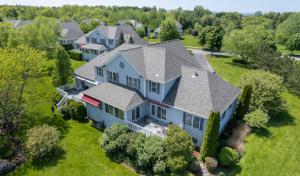
Vermont Construction Company
(802) 200-2684 www.vermontconstructioncompany.com
Serving
4.7 from 226 reviews
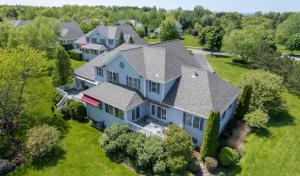
Vermont Construction Company Roofing Division
Serving
4.5 from 82 reviews
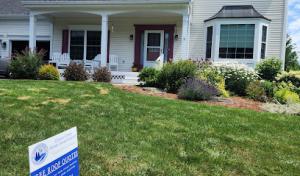
CG Family Construction | Roofing Division
(802) 355-4525 cgfamilyroofing.com
83 Faith St, Burlington, Vermont
4.9 from 40 reviews
Our team at CG Family Construction will take on all kind of roofs big or small. We work with everything between Roofing & Gutters. Our team won't waste a second on the job site with most of our roofs completed within a day or two. Our work says it all giving you what you envisioned. Our employees at CG Family Construction have shown and given quality work for over 20+ years. If you are in need of the services on our site, give us a call or send us an email.
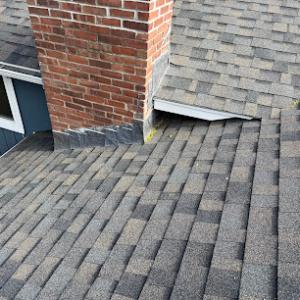
L&M Construction
Serving
4.6 from 10 reviews
We are a locally owned family operated company with over 24 years of experience, we take pride in all of our work no matter how big or small a job may be. “We will beat any competitors written quote
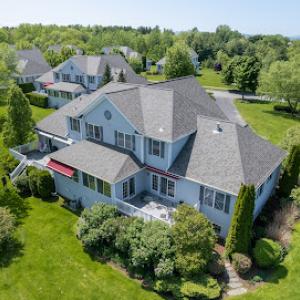
Vermont Construction Company
(802) 200-2684 www.vermontconstructioncompany.com
Serving
4.7 from 226 reviews
Locally owned and operated, Vermont Construction Company has years of experience offering residential and commercial contracting services, including roofing. Our service area extends throughout Vermont, upstate New York, and western New Hampshire. We deliver high-quality roof replacements and repairs, siding, new construction, painting, and drywall services through one contractor. We don’t take a cookie-cutter approach. We are dedicated to understanding every customer's values and circumstances and projects. Contact us today to learn more.
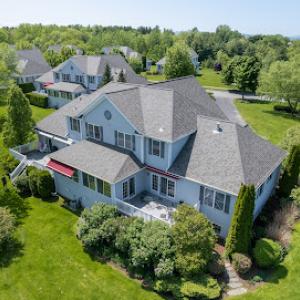
Vermont Construction Company Roofing Division
Serving
4.5 from 82 reviews
Vermont Construction Company - Roofing Division delivers the highest quality in home building, renovations, and maintenance services for your home or business needs. We are expert local roofing contractors providing services throughout Vermont, Upstate New York, and Western New Hampshire. We understand that creating the best possible outcomes requires clear communication, detailed planning, and a thorough understanding of our customer's goals and values. Contact us about your latest roofing project.
Evergreen Roofing
(802) 865-2264 evergreenroofingvt.com
Serving
4.1 from 15 reviews
Evergreen Roofing was founded in 1993 by Stephen C. Smith, commonly known as “Smitty”, until his sudden passing in 2005. After the death of “Smitty” his wife, Sarah Shea-Smith, took over and quickly learned the ins and outs of the roofing business and proudly continued the quality workmanship and professionalism Evergreen Roofing had become known for. Evergreen Roofing strives to ensure that every job completed is above and beyond industry standards and will stand the test of time to provide the highest quality roofing systems while also providing unmatched customer service. Being a family owned business allows Evergreen Roofing to create a welcoming and comfortable environment for all clients.
Cedar Creek Home Improvements
Serving
4.8 from 36 reviews
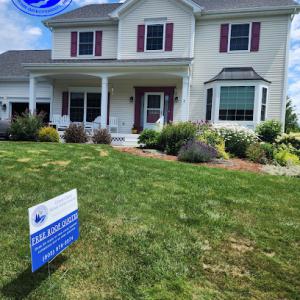
Cedar Creek Home Improvements is a Vermont contracting company providing roofing, siding, windows, doors, additions, spray foam insulation, and more. We've built several small homes, but our specialty is home improvement. We complete approximately 100 to 200 projects per year and all work is completed by our own employees. We hold ourselves to the highest standards possible for every job we take on. We never subcontract our labor or hire other companies. We carry full liability and workers' compensation for all of our employees. We kindly ask you to take this important factor into account when considering pricing, materials, and procedures for your next project.
Five Star Roofing Company
(802) 518-7663 fivestarroofingcompany.com
Serving
4.7 from 20 reviews
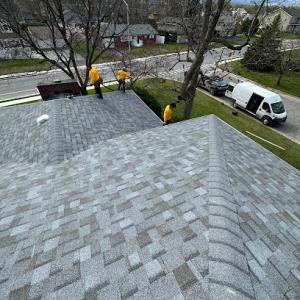
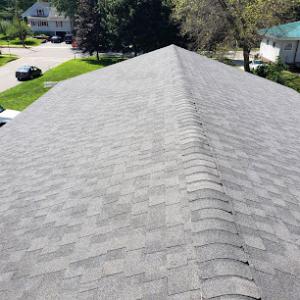
At Five Star Roofing Company, we pride ourselves on our expertise and professionalism in providing top-notch roofing services to our clients. Based in Shelburne, Vermont state, we specialize in reroofing and roof replacement services for asphalt shingle roofs. Our team is also well-versed in conducting roof inspections, roof repair, and new roof construction. We understand that roofing projects can be expensive and time-consuming, which is why we offer free inspections and estimates to all our clients. Additionally, we provide a unique service using drones to measure and estimate your roofing needs without even having to step on the roof! We also offer lifetime warranties and financing options to make your servicing hassle and stress free!
Rivers Construction
(802) 210-5987 www.riversconstructionllc.us
Serving
4.6 from 25 reviews
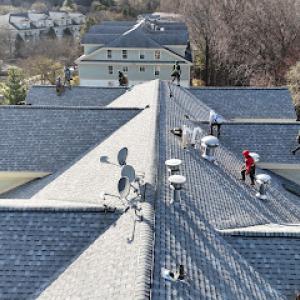
Rivers Construction is a premier, full-service construction company based in Chittenden County Vermont, renowned for its exceptional expertise across a wide range of services, including roofing, siding, flooring, drywall, painting, and full on new builds. With a commitment to quality craftsmanship and unparalleled customer service, we tailor our solutions to meet the unique needs of each project.
RWS Construction
(518) 570-4321 rwsconstruction.net
Serving
5.0 from 18 reviews
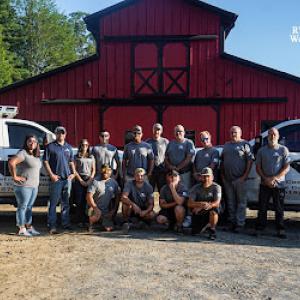
RWS Construction, Inc. is your trusted roofing and carpentry contractor serving Willsboro, NY, and the Adirondacks. We specialize in high-quality roofing solutions—from durable asphalt shingles and sleek standing seam metal to classic cedar shakes and rubber roofing. Our expert team combines precision craftsmanship with premium materials to protect and elevate your home. Beyond roofing, our skilled carpenters deliver exceptional woodwork, from custom cabinetry to detailed trim and structural projects. Whether upgrading your roof or enhancing your interiors, RWS Construction, Inc. ensures lasting beauty, reliability, and value for your property.
Prevost Home Improvement
(802) 343-1674 prevosthomeimprovement.com
Serving
4.3 from 12 reviews
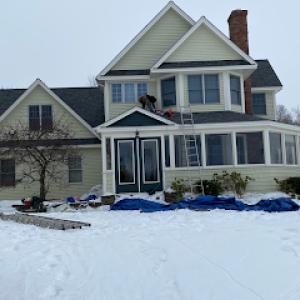
PROFESSIONAL ROOF CONSTRUCTION SERVICES: At Prevost Home Improvement, we are dedicated to delivering your new construction or repairs on time, on budget, and as painlessly as possible. Whether it’s roofing, gutters, skylights, or vinyl siding, we will work with you every step of the way, from quoting to cleanup, to ensure your completed project meets your every expectation. "I started this company to give people the best materials and installations, while being fair and doing exactly what we agree upon!” ~ Steve Prevost
JSS Roofing Contractors
(802) 578-5107 www.jssroofing.com
Serving
5.0 from 33 reviews
JSS Roofing contractors is a roofing company located in South Burlington, VT, servicing all of South Burlington and the surrounding areas. We specialize in roofing services, residential roofing, commercial roofing, shingle roof replacement, roofer services, Here at JSS roofing contractor, our mission is to always provide quality service at an affordable price. The success of our roofing company is due to the dedication we provide to our customers. No matter the job, customer satisfaction is always our number one priority! Don’t hesitate to give us a call and we'll send an expert roofer to you!
Blue Sky Roofing & Custom Exteriors
(802) 862-1500 www.blueskyroofingvt.com
Serving
4.6 from 39 reviews
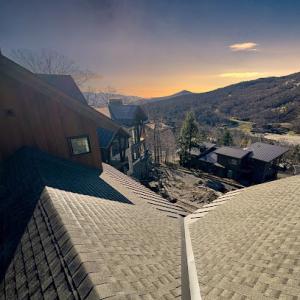
Blue Sky Roofing & Custom Exteriors is a trusted, family-owned company with 22+ years of experience serving Vermont and New England. We go beyond basic roofing — evaluating the entire building envelope for long-term durability and performance. Our expert team specializes in metal, standing seam, slate, steep slope asphalt, skylights, and custom siding. With a crew large enough for commercial jobs and the skill for complex custom builds, we’re equipped to handle projects of any scale. Proudly serving Stowe, Warren, South Burlington, Shelburne, Charlotte, Colchester, Richmond, Montpelier, Essex, and more. For roofing that withstands Vermont winters and integrates seamlessly with your home, choose Blue Sky.
For typical homes in this market, asphalt shingles come in at about $350 to $700 per square. Metal roofing tends to run higher, roughly $800 to $1,400 per square. If clay tile is on the radar, plan for about $1,000 to $1,800 per square, and concrete tile sits between about $950 and $1,700 per square. Wood shingles or shakes generally fall in the $500 to $900 per square range, while slate is the premium option at about $1,500 to $3,500 per square. These numbers reflect Burlington-area pricing and can shift with seasonal demand and crew availability.
Costs in this area can rise on steep older roofs and on homes using slate, wood, or specialty flashing details more common in older neighborhoods than in newer tract markets. Steep pitches complicate both installation and safety measures, often requiring more labor and time. Specialty flashings around chimneys, dormers, and valleys also add complexity, particularly where historic materials or patterns are preserved. If your house has a slate or wood roof, expect crews to quote higher labor components and more precise workmanship to avoid future leaks in freeze-thaw cycles.
Winter damage surges and the short northern roofing season can tighten scheduling in this market, which can affect labor pricing and replacement timing. If a re-roof is needed after heavy snow or ice dam events, crews may book tighter windows or require weather buffers, raising temporary access costs or delaying the project. In practice, plan for a bit more lead time in late fall and early spring when daylight and weather windows are still unpredictable, and be mindful that peak winter demand can compress contractor calendars.
In this climate, asphalt shingles are often the most cost-efficient and quickest to install, with solid performance under freeze-thaw cycles when properly vented and underlayment is chosen to handle moisture. Metal roofs offer strong durability and ice-shedding benefits on steep or modestly pitched roofs, but cost more upfront. For homes with historic charm or slate-like aesthetics, slate or high-end concrete tiles deliver long life but require specialized crews and care to integrate with existing snow barriers and flashing. If weight is a factor on older structures, assess structural support before selecting heavy materials like slate or concrete tile.
1) Inspect the roof pitch and existing flashing around chimneys and dormers. 2) Check attic ventilation and insulation to minimize ice dam risk. 3) Get multiple quotes focusing on crew experience with steep, older roofs and with slate or wood-these details drive both price and long-term performance. 4) Factor winter scheduling into your planning timeline and request a project window that includes potential weather delays. 5) Confirm warranty scope for freeze-thaw resilience and flashing details typical to older Burlington homes.
Get a clear picture of your project costs upfront - no commitment required.
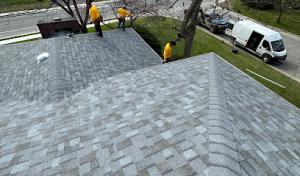
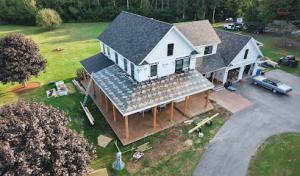
A full re-roof in Burlington typically requires a permit issued by the City of Burlington's Building Department. This isn't just about paperwork; the permit triggers a sequence of inspections that happen during installation and after completion. The aim is to verify that the work meets current code, while also ensuring the roof system is properly designed for the local climate. Relying on contractor discretion alone can leave hidden defects undiscovered, especially when winter conditions are looming.
When you begin planning a re-roof, start with the Building Department to obtain the permit application and any required plan submittals. In addition to standard structural details and material selections, you may need to provide attic ventilation plans, underlayment specifications, and roof deck condition assessments. The permit typically requires at least one on-site inspection during the installation and a final inspection once the work is complete. Timelines can vary with the complexity of the project and the neighborhood, so coordinating early with the inspector can help prevent delays caused by weather or access issues.
Inspections are not optional hurdles; they are integral to ensuring a safe, durable roof. Expect an initial inspection that confirms deck condition, proper nailing patterns, and appropriate underlayment installation. A mid-construction check may review eave details, flashing around penetrations, and any slope-related adjustments. The final inspection verifies that the roof system is fully compliant with current codes and that ventilation and insulation interfaces meet Burlington's expectations. If the inspector notes deficiencies, repairs or replacements will be required before the permit is finalized. Keeping a clear line of communication with the contractor and scheduling proactively around weather windows helps maintain a smooth inspection sequence.
Ventilation and appropriate underlayment are emphasized in Burlington inspections because poor attic airflow can worsen winter ice dam problems. Expect inspectors to look for a balanced ventilation strategy, with adequate soffit intake and ridge or soffit exhaust, as well as uniform attic insulation and sealing to prevent warm rooftop air from migrating into cold attic spaces. Underlayment performance matters too: in this climate, a tested, moisture-resistant membrane beneath the roofing material is scrutinized for continuity and proper coverage at hips, valleys, and penetrations. If you're planning to replace steep-pitched or historic materials like slate or wood, be prepared for additional attention to fastening methods, flashing details, and how the new system integrates with existing ventilation pathways.
Before the permit is issued, assemble product data sheets for the chosen roof assembly, including ventilation components and any ventilation baffles. Have a plan for attic access if the inspector needs to verify airflow, and coordinate window or access timing to minimize outdoor exposure during inspections. On the job site, keep a clean, organized roof and attic area so inspectors can move freely and verify details without delay. This local process, while thorough, helps ensure a durable roof that stands up to Burlington's freeze-thaw cycles and heavy snowfall.
Vermont's homeowners insurance market remains generally stable, so Burlington owners are not dealing with the broad insurer pullbacks seen in some catastrophe-heavy states. That stability matters when a winter storm or a late-season thaw exposes existing weaknesses. If a policy feels tight after a weather event, know that the baseline coverage for typical roof issues tends to hold, but paperwork and documentation still carry the day.
In this climate, roof claims are most likely to involve wind and hail documentation or winter-related leak evidence rather than a single dominant catastrophic peril. A roof that survived a heavy snow year but shows ice dam damage during a spring melt can trigger a chain of small, accumulative claims rather than one blockbuster event. Be prepared to connect roof problems to specific storms, freeze-thaw cycles, or documented ice dam formation rather than attributing everything to a single incident.
Insurers may ask for roof condition reports and photos when filing a claim, making pre-storm and post-storm documentation especially useful. A clear inventory of visible damage, paired with dated photos from before and after storms, helps establish a credible narrative. For older homes with slate, wood, or steep pitches, invest in a professional assessment of roof integrity and vulnerable fasteners. Keep digital copies organized by season so that an adjuster can see the progression from winter's freeze-thaw cycles to spring leaks.
When storms threaten or ice dams form, prompt reporting is wise. Delays can complicate analysis, especially on roofs with mixed materials where leaks appear in unexpected spots. If you notice interior water marks under a dormer or along a chimney line after a thaw, document right away and coordinate with your insurer to outline how the issue aligns with recent weather rather than attributing it to a distant, unrelated event.
Skylight service is notably active in the Burlington market, which aligns with leak risk at penetrations during freeze-thaw cycles and snow buildup. When ice damming forms, the edge of a skylight flange and the surrounding flashing are common failure points. If a skylight is overdue for a seal or flashing check, plan a targeted inspection in late winter or early spring to catch moisture before it migrates into the attic.
Chimney-related work shows up repeatedly among Burlington-area contractors, reflecting the prevalence of older homes where chimney flashing and masonry intersections are common leak points. Flashing around the chimney must ride above any ice buildup, and mortar joints should be checked for cracks that widen with cold. Schedule proactive flashing adjustments and repointing when you notice spalling concrete, cracked brick, or rust stains on the interior ceiling.
On Burlington roofs, penetrations and transitions often fail before the main field of roofing because winter movement and backed-up ice stress joints and flashing. Valleys, vent pipes, and ridge-to-shingle transitions see the most stress from heavy snow loads. When heavy snow piles up, a small misalignment can propagate into a larger leak. Pay close attention to the first line of defense-the intersection between flashing and the roofing material-especially after a thaw or a mid-winter thaw cycle.
In Burlington's climate, schedule seasonal checks targeting penetrations first, then the field. Look for dark staining, damp insulation, or soft spots around skylights, chimneys, and vent stacks after heavy snows melt. Keep a log of freeze-thaw events and inspect soon after, since moisture movement tends to reveal itself when temperatures swing above and below freezing.
If you notice condensation, a damp ceiling, or drafty attic spots near a penetration, call a local roofer with Burlington-area experience. Ask about flashing upgrades that accommodate winter movement, and request a careful assessment of skylight flashing, chimney flashing, and transitions before the next heavy snow season.
Find contractors experienced in skylight installation, flashing, and leak repairs to bring natural light into your home.
CG Family Construction | Roofing Division
(802) 355-4525 cgfamilyroofing.com
83 Faith St, Burlington, Vermont
4.9 from 40 reviews
Split Rock Restoration
(802) 777-1573 splitrockrestoration.com
Burlington, Vermont
5.0 from 11 reviews
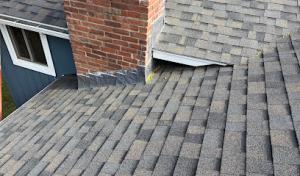
Fall in this climate brings a heavier leaf load that sits on the roof longer and holds moisture, especially on shaded sections and near overhanging branches. That moisture isn't just a temporary nuisance-it raises the chances of moss taking hold and wood components starting to rot on susceptible surfaces like wood shingles or older shake. The result is a slower drying cycle that keeps the attic and roof deck damp longer than you'd expect.
Shaded slopes, particularly those facing north, trap more debris and retain moisture through autumn and into winter. Moss can establish itself on those surfaces, retaining moisture against the shingles or shakes and speeding up decay in vulnerable areas. In homes with wood shingles, the combination of moss, moisture, and freeze-thaw cycles can soon show up as softened edges, cupping, or hairline gaps that invite more water intrusion.
Burlington's mix of steep-pitched roofs and older stock means many roofs have long, shaded nooks where debris sits undisturbed. These micro-environments become hot spots for moisture retention, which concentrates stress on the roof structure during freeze-thaw cycles. Pay attention to valleys, North-facing slopes, and sections under large trees. Those areas often bear the first signs of moss and wood rot after a heavy leaf fall.
Leaves trap moisture that refreezes when temperatures dip, turning soft roof material into brittle edges and lifting shingles or shakes in those already vulnerable spots. This compounds winter wear and ice dam risk, because trapped moisture can extend under flashing and into eaves. If a section already shows moss or rot, the protective barrier weakens and the roof becomes less able to shed meltwater efficiently.
Inspect after peak leaf fall, focusing on shaded, north-facing slopes and older roofing materials. Remove a substantial amount of debris if safe to access, and clean gutters where feasible to reduce meltwater pooling at the eave. If moss appears thicker than a light dusting or if soft wood shows through, consider targeted repair before winter sets in to limit damage from freeze-thaw cycles.
In Burlington, re-roofing is the dominant contractor focus, so you'll encounter many crews whose strengths lie in replacement rather than niche restoration. That means you should expect teams that move quickly from tear-off to weather-tight finish, with a strong emphasis on site protection and debris control. A practical crew will plan for snow load realities, ice dam risk, and steep pitches common on older homes with slate, wood, or steep roofs.
Look for a company that can clearly outline a full replacement plan from sheathing to ridge line, including material matching for visible detail work on historic-appeal roofs. Ask for recent projects with similar roof types and climates, and request a written sequence showing how they'll protect landscaping, gutters, and entryways during a winter-wet season. Prioritize teams that advertise cleanup as part of every job and that respond quickly to leaks or disturbances after a storm.
Ask about their process for dealing with ice dam risk during installation, and whether they offer a dedicated supervisor on site. Seek references from neighbors with comparable homes who can speak to on-time completion, workmanship quality, and how issues were handled after project wrap. If a crew is locally owned or family-operated, request examples of material matching and detail-oriented work on older homes.
Plan a pre-work meeting to map access routes for snow and ice, and confirm that the crew uses edge protection and daily cleanup routines. Ensure there is a clear point of contact for weather-related delays and post-completion walkthroughs to verify proper venting and flashing detail. In this city, timely response after a storm can be as valuable as the roof itself.