
Last updated: Apr 19, 2026
In a Dakota hail and wind claim environment, roof losses are common enough that insurers expect photo sets, inspection notes, and a clear separation of storm damage from older wear. After a severe hail event, look for impact points on shingles, dented flashing, and lifted or cracked surfaces. Wind-driven leaks can appear as damp patches along interior ceilings, especially around skylights and vent flashings. If winter snow hides the signs, prepare for a spring thaw as the first honest read of the roof's condition. Do not assume a small bruise is harmless-document it with timestamps and clear angles.
Spring hailstorms and heavy rains are a primary local trigger for sudden roof replacement decisions, often moving projects up earlier than homeowners planned. When the thaw reveals a pattern of leaks or widespread shingle damage, insurers expect to see a credible storm-damage narrative tied to a specific event. If a homeowner waits through another season, the chain of evidence can blur, and the claim may face a stricter appraisal. Act quickly after the storm to prevent further interior damage and to maintain a precise link between the storm and the roof's current condition.
Because winter snow and ice can hide impact points and active leaks, many homeowners discover storm-related roof issues during spring thaw rather than on the storm date itself. Ice dams, hidden nail pops, and underlayment issues can become obvious only when temperatures rise and moisture moves. Plan for a proactive assessment as soon as the first warm spells arrive. A thorough exterior and attic inspection during the thaw can reveal hidden vulnerabilities before they propagate into expensive interior problems.
To strengthen a timely claim, assemble a clear damage narrative: dated photos from multiple angles, interior water intrusion records, and a log of weather events that correspond to observed damage. Engage a local roofing professional who understands how hail and wind patterns in this area typically leave marks on different roof types, and who can distinguish storm damage from aging wear. If a leak is suspected, prioritize immediate temporary protection-tarps or plywood-while scheduling a professional evaluation. The goal is to build a concise, storm-docused case that stands up when the adjuster arrives.
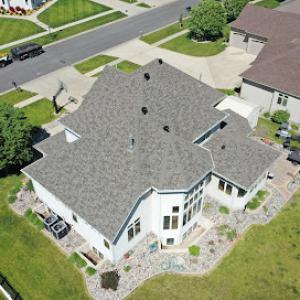
Rolle's Home Improvements
1066 Sheyenne St, West Fargo, North Dakota
4.9 from 55 reviews
I specialize in roofing, siding and remodeling.
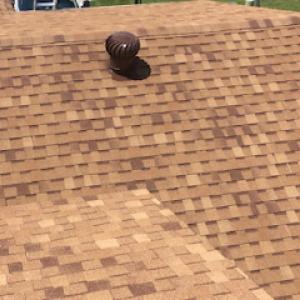
Alpha & Omega Roofing
(701) 781-2021 www.alphaandomegaroofing.net
West Fargo, North Dakota
5.0 from 27 reviews
Christian Based Roofing Company
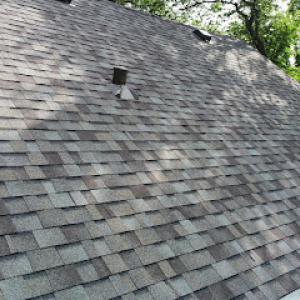
All Around Roofing & Repairs
(701) 269-6903 allaroundroofingrepairs.com
3524 5th St W #206, West Fargo, North Dakota
5.0 from 8 reviews
We take pride in putting our Customers and Employees First! We are MSA certified with CertainTeed as well as Fully Licensed and Insured. NDLIC#46232
M J Dalsin
635 Armour St NW, West Fargo, North Dakota
4.6 from 15 reviews
M J Dalsin provides commercial roofing repairs and services, commercial flat roofing, commercial metal roofing, and more in all of North Dakota and Western Minnesota.
Minn-Dak Roofing & Exteriors
5778 Deb Dr W, West Fargo, North Dakota
5.0 from 3 reviews
Exterior finish company based in the Fargo ND are. We love the look on customers faces after completing there project. The look that a new exterior can bring to your home is indescribable. Let us help you with your next Roofing, Siding, or Gutter Project
Fargo Roofing & Siding
(701) 371-7204 www.fargoroofing.com
Serving
5.0 from 579 reviews
"Fargo Roofing & Siding provides residential and commercial roofing, siding and storm restoration services to Eastern North Dakota and Western Minnesota."
Asset Roofing
(701) 552-2533 www.assetservicesllc.net
Serving
5.0 from 87 reviews
ND Lic 40839 MN Lic RR782465 Whether you have a leak in your roof or you want an update, you’ll be happy you hired Asset Roofing for roofing and roof repair. We’ve been a roofing company serving the Fargo, ND; Moorhead, MN and surrounding areas since 2011. We work with the best roofing products from top-of-the-line manufacturers. Get an estimate as soon as possible by calling 701-552-2533 or submit a roofing service request on our website.
Dodd Roofing & Exteriors
Serving
4.9 from 56 reviews
Dodd Roofing and Exteriors, your premier choice for roofing solutions in Fargo, ND, is committed to excellence in every aspect of our work. Specializing in superior installations and unmatched service, we are dedicated to ensuring your satisfaction. As the Official Roof of NDSU, we bring unparalleled expertise and reliability to every project and back it with the best warranties. Trust Dodd Roofing and Exteriors for all your roofing and exterior needs in Fargo and beyond.
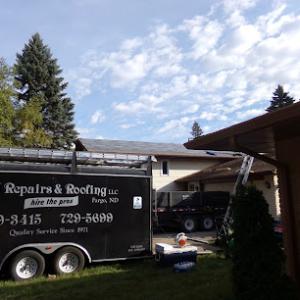
J & J Repairs & Roofing
(701) 476-7528 www.jjroofingfargo.com
Serving
4.6 from 104 reviews
A family-owned and operated business, we are proud to have 4 generations working to deliver a quality service to our customers. Established in 1971 by Dave McCracken, J & J Roofing & Repairs has been dedicated to delivering quality craftsmanship and honest service for over 45 years. We believe our work is a direct reflection of our personal values—that is why we ensure that every project we work on is an example of our finest labor. Built and motivated by a family-first attitude, we bring integrity and honesty to each of our projects.
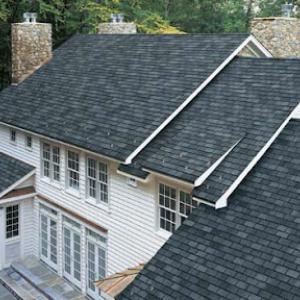
A & B Roofing Improvements
(701) 235-6367 abimprovements.com
Serving
4.7 from 43 reviews
A&B Improvements LTD offers residential roofing services, roofing repairs, and commercial roofing to the residents of Fargo, ND and surrounding areas. We're fully licensed and insured roofing with years of experience providing work that's always guaranteed to last! Call us today for a free estimate!

The Roofing Company
(701) 781-5282 www.theroofingcoinc.com
Serving
5.0 from 21 reviews
The Roofing Company has over 20 years of industry experience in commercial, residential, and specialized roofing. We offer a variety of products and installation services at competitive pricing, and offer manufacturer-backed warranties to guarantee and protect your largest asset. Our team of experts offer roofing inspection, repair, replacement, and new construction services. We currently serve Fargo, Grand Forks, and the surrounding areas. Call for a free quote today.
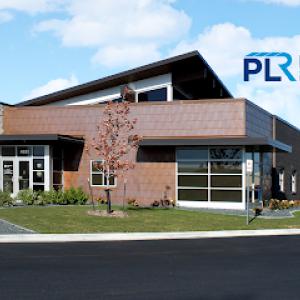
Pierce Lee Roofing & Sheet Metal
(701) 232-7023 www.plroofing.com
Serving
5.0 from 4 reviews
Pierce Lee Roofing is a leading provider of commercial roofing and sheet metal services in the Fargo-Moorhead region, covering North Dakota, South Dakota, and Minnesota. With over 50 years of experience, they specialize in various types of low-slope roofing, restoration, re-roofing, custom sheet metal fabrication, and standing seam roofing. Our commitment to quality and customer service is evident through our dedicated project managers and experienced crews who guide clients through every step of the roofing process.
Cold West Fargo winters create repeated freeze-thaw cycling that stresses shingle seals, flashing joints, and roof penetrations over time. When temperatures swing above and below freezing, every joint and seam expands and contracts. Over the years, those tiny movements can loosen nails, bend flashing, and lift shingles just enough to allow a slow drip or sudden waterfall during a thaw. This isn't dramatic failure overnight; it's a cumulative assault that silently weakens the roof deck and ventilation paths if left unchecked. In practice, you may notice more frequent small leaks after a stretch of warmth followed by a cold snap, or see granules accumulating in gutters as the shingles shed their protective surface seal.
Winter snow and ice buildup in West Fargo can delay replacement work and trap moisture, making prompt repair important when leaks appear before spring scheduling opens up. Snow acts like a dam, holding moisture against the roof while you wait for crews to become available and weather to cooperate. Ice buildup at eaves and valleys can force temporary fixes to extend longer than expected. The result is a larger risk that moisture migrates beneath decking or into attic spaces during a thaw, which compounds insulation and ventilation problems. In practice, the longer a leak sits, the more vulnerable the entire roof system becomes, increasing the chance of hidden rot or warped decking that complicates later replacement.
Moisture-related issues in this climate are closely tied to ventilation and decking condition, which is why local inspections focus on those items during replacement. Proper ventilation helps control attic humidity, reducing the likelihood of ice dams forming and snow melting unevenly on the roof surface. Decking quality determines how well that moisture manages to dry out and vent away after a storm or melt. If the decking shows soft spots, cupping, or delamination, the risk of concealed leaks grows, especially after repeated freeze-thaw cycles. Because framing and insulation are pressurized by cold air and moisture, improper ventilation can amplify the effects of heat loss and lead to faster deterioration of fasteners, seals, and joints. When a roof is inspected for a replacement, expect a careful check of the attic air flow, rafter and plywood condition, and the alignment of flashing at hips, valleys, and penetrations.
During winter, pay attention to fresh water stains on ceilings after a thaw or heavy melt, and to ice forming along eaves or at gutters that persists into the day. If a leak appears in the attic or ceiling, document the date and the weather conditions, then arrange for a temporary dam-proofing fix to minimize further moisture intrusion. When spring arrives and crews are able to schedule, prioritize a comprehensive inspection that includes decking and ventilation, alongside a full replacement if the roof has sustained multiple seasons of freeze-thaw stress. A proactive approach reduces the chance that a lingering problem becomes a larger, more invasive project once the seasonal rush begins.
When you can't wait, these contractors offer fast response times to stop leaks and prevent further damage.
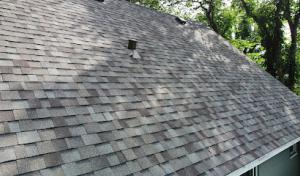
All Around Roofing & Repairs
(701) 269-6903 allaroundroofingrepairs.com
3524 5th St W #206, West Fargo, North Dakota
5.0 from 8 reviews
The preferred replacement season runs from late spring through early fall. Cold-weather installation is complicated by snow, ice, and freeze-thaw cycles, which can loosen window fitments and damage surrounding framing. In this area, planning for a dry, moderately warm period helps crews complete weatherproofing properly and reduces the chance of leaks as temperatures swing. If a project slips into late fall, frost can appear on interior edges before the sealants cure, so aim for that late-spring to early-fall target whenever possible.
Summer heat can affect both scheduling and material handling. High daytime temperatures stress sealants and reduce worker comfort, so crews may shift to early-morning or late-afternoon sessions to keep efficiency high without compromising installation quality. Severe weather interruptions-thunderstorms, hail, and sudden wind-are not unusual in this region and can push projects later into the season. Build a flexible timeline with a couple of backup windows and a plan for protecting opened openings if a storm rolls in unexpectedly.
After major hail events in the Fargo-West Fargo area, contractor demand tends to surge quickly. This surge reduces scheduling flexibility during the prime restoration window. If a hail event occurs, it's common to see a backlog emerge as repairs compete with other urgent projects. The prudent approach is to secure a window as soon as practical after the recovery period, then align the work with crews who are experienced in rapid, weatherproof installations. Delaying too long can leave openings exposed and increase the risk of water intrusion as spring moisture cycles into summer heat.
Certain window materials perform better under West Fargo's climate when installed during the preferred window. Fiberglass and vinyl options stand up well to the freeze-thaw cycles and resist moisture-related warping. Be mindful of heat-sensitive components: installations during peak heat require careful handling of caulks and sealants to ensure long-term airtightness. In the shoulder seasons, protect newly installed assemblies from rapid temperature swings that could stress seals before they cure fully. If a hail event has just occurred, prioritizing a weather-tight install in the earliest available good-weather slot helps minimize exposure risk while the crew completes flashing and sealing details correctly.
Don't let upfront costs delay a critical repair - these contractors offer payment plans to fit your budget.
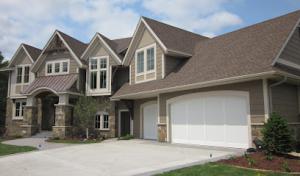
Asphalt shingles are the dominant practical choice for a lot of home styles in this market, balancing affordability with the need to stand up to hail exposure and winter temperature swings. The typical West Fargo home shoulder-wrests through thaw-freeze cycles with renewals and repairs that stay economical when fastened right and vented properly. A shingle system that leaves enough attic ventilation and a solid deck backing it up tends to resist wind-driven leaks after hail impacts. When selecting asphalt, focus on impact-resistant options and ensure that the underlayment and flashing are installed with attention to edge detailing and hip and valley transitions. In many neighborhoods, a well-sealed ridge line and properly sealed roof-to-wall transitions make the difference between a roof that lasts a decade and one that needs earlier attention after storm season.
Clay tile and copper are available in this market, offering distinctive aesthetics and long-term life when installed correctly. These options tend to perform well in terms of durability, especially in hail-prone periods, but their presence in a typical home's roofline often signals a higher level of craftsmanship in installation. The local climate amplifies the importance of precise alignment, secure fasteners, and careful flashing at penetrations. If choosing these materials, work with a contractor who demonstrates a proven track record with your roof pitch, surrounding framing, and attic ventilation strategy. For homes with complex geometry or limited roof space, discuss how tile or copper would be integrated with existing eaves and overhangs to avoid future leaks during spring storms.
EPDM is part of the local material mix for low-slope sections and outbuildings, reflecting that some West Fargo properties need solutions beyond standard steep-slope shingles. For these areas, the emphasis shifts to a continuous membrane that resists hail penetration and wind-driven moisture while maintaining flexibility in cold temperatures. When planning an EPDM installation, ensure edge detailing and termination hardware are compatible with the surrounding roof system to prevent seam failures during rapid temperature changes. Consider how maintenance access will be arranged for gutters, drains, and mechanical penetrations so that membrane integrity is preserved over time.
Winter temperature swings and spring hail drive attention to deck condition, ventilation balance, and flashing integrity. A roof that breathes properly reduces the risk of ice damming and moisture buildup under shingles or membranes. Regular inspections after heavy storms help catch loose flashing, lifted shingles, or small leaks before they become larger issues. For homeowners, a thoughtful approach to material choice-paired with a robust ventilation plan and careful valley and penetration detailing-yields a roof that negotiates the season's extremes with fewer interruptions.
In this market, you'll encounter a clear ladder of costs by material. Asphalt shingles typically run about 350 to 650 dollars per square, which remains the most common entry point for a mid-season replacement after hail damage or wind-driven leaks. Clay tile sits higher, generally from 900 to 1800 dollars per square, and wood shingles or shakes run roughly 600 to 1100 dollars per square. If you're considering copper, plan for the upper end of the spectrum, roughly 1800 to 3500 dollars per square, with fiber cement shingles at about 500 to 900 dollars per square. For those choosing EPDM rubber, expect about 4 to 7 dollars per square foot. These ranges reflect typical local bidding without oversized allowances for unusual repairs.
Spring hail events spike regional demand and tighten crews for weeks. When a storm hits, you'll notice prices tick up and crew calendars compress into a short late-spring to fall window. If your roof is in decent shape but wind and hail have left cosmetic or minor structural damage, a prompt claim and replacement can avoid compounding costs from extended exposure, but beware the rush-season pricing that can tighten the budget. If you're weighing material upgrades, expect the higher material costs to be amplified by labor scarcity during peak season.
Some materials carry unique installation considerations that can push the bottom line higher than base material pricing. Clay tile and copper, for example, demand careful flashing detail and decking assessment during inspection. If decking repairs are needed, or if the project requires special handling for heavy tiles or copper's precise layout, the overall cost can move above the straightforward per-square numbers. Local crews also apply closer scrutiny on ventilation and decking integrity to align with broader quality expectations observed after a full replacement.
Start with a reputable contractor who can translate the hail condition into a covered claim and a clear replacement plan. Gather a few bids to compare not just price but scope of work, warranty terms, and the assumed scope of decking and flashing checks. If you're balancing long-term value, consider the higher-end materials like copper or clay tile only when the house's structure and roof pitch warrant their longevity and performance under freeze-thaw cycles and wind loading.
Don't let upfront costs delay a critical repair - these contractors offer payment plans to fit your budget.
A full roof replacement in West Fargo typically requires a building permit issued by the City of West Fargo Building Department. The permit process is designed to confirm that decking, flashing, ventilation, and the overall installation meet local code expectations and the city's safety standards. Before starting, you should confirm your project scope with the Building Department, especially if the plan involves structural work, upgraded ventilation, or nonstandard materials. An approved permit is not only a regulatory step but also provides a clear trail for any future hail or wind-related claims.
Inspections commonly occur at rough and final stages. At rough inspection, the focus is on whether the roof deck is sound, the underlayment is properly installed, and the flashing details at penetrations are in place. The final inspection checks that all components are correctly installed and function as intended, including proper ventilation to prevent ice damming and moisture buildup. It's helpful to have a clear, accessible attic and roofing plan so inspectors can verify attic vents, ridge vents, and soffit vents align with the permit. Scheduling inspections promptly helps avoid delays that push project timelines into harsher winter conditions.
Certain materials used in West Fargo, including clay tile or copper, may receive added review for code-compliant installation before approval is finalized. These materials can require specialized fastening methods, clearances, and flashing details to resist freeze-thaw stress and high winds. If you're considering premium or nonstandard materials, coordinate with your contractor and the Building Department early in the process to ensure that installation methods meet city expectations and drainage requirements. Remember to keep all manufacturer installation manuals on site for reference during inspections.
West Fargo homeowners face a stricter insurance climate for roof claims, where insurers closely weigh whether damage stems from a recent hail or wind event rather than older deterioration. That careful scrutiny can push claim decisions into longer timelines or partial payouts if the documentation isn't solid. When hail exposure is a known factor, the insurer may apply depreciation or deny parts of a claim unless the condition is clearly tied to a covered event. Being precise about what happened, and when, can directly influence the outcome of a repair or replacement decision.
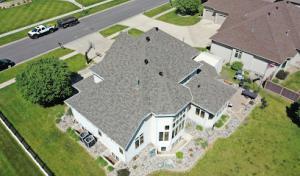
Strong claim files should include date-stamped photos that capture the full slope as well as critical accessories like flashing, vents, and drip edges. Close-ups of damaged or delaminated areas, hail-impact marks, and any misalignment on shingles or metal components help establish a clear link to a recent event. Written inspection findings from a qualified roofer or adjuster, including measurements and a professional assessment of any pre-existing conditions, add credibility to the file. Notes about previous repairs, caulking attempts, or irregular wear can prevent later questions about originality or cause.
Because hail exposure can influence premiums and depreciation in this region, more detailed roof condition records are commonly needed than in lower-claim markets. Your documentation should show a progression: pre-event condition if available, the event itself with timestamped weather context, and post-event condition after any temporary tarps or quick fixes. Maintain a tidy log that cross-references photos to specific roof planes, eaves, and penetrations. In the event of a wind-driven leak, include ceiling spot checks inside the attic and any signs of moisture intrusion into decking or insulation. Clear, organized records reduce back-and-forth with adjusters and speed up the path to a fair settlement.
Connect with contractors who help homeowners navigate the claims process from damage assessment to final approval.
Rolle's Home Improvements
1066 Sheyenne St, West Fargo, North Dakota
4.9 from 55 reviews
All Around Roofing & Repairs
(701) 269-6903 allaroundroofingrepairs.com
3524 5th St W #206, West Fargo, North Dakota
5.0 from 8 reviews
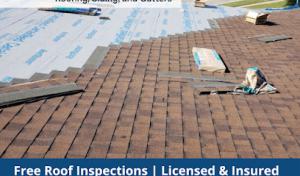
In this storm-prone market, speed matters. The active West Fargo market strongly favors quick response, affordability, and cleanup-included service, which reflects what homeowners here repeatedly prioritize after storms. When hail or wind hits, you want a crew that can pull measurements, tarp exposed surfaces, and schedule full replacement if needed without dragging the process out.
Because re-roofing is a major share of local contractor work, homeowners should expect many bids to focus on replacement rather than only minor repair. Ask bidders to explain whether decking, flashing, and ventilation will be inspected, and whether the proposal is a full replacement or a targeted repair. A clear line of communication reduces storms-related delays.
Look for storm-damage expertise. A meaningful share of storm-damage help, emergency response, and insurance claim assistance is common from area contractors. Choose firms with experience documenting hail impact, wind-driven leaks, and the ability to prioritize paperwork with insurers. This helps keep timelines realistic after a claim is filed.
Vet coordination with adjusters. Have the contractor assist with photos, loss adjuster communications, and scope development. In town, crews know the local hail patterns and wind paths, so they translate that into a dependable scope that supports quick settlement.
Ask about cleanup-included service. Debris removal, cleanup, and a tidy job site matter after a storm. Contractors who routinely finish with a clean, organized roof deck reduce the chance of follow-up leaks and fit well with the city's inspection-focused mindset.
Choose a local anchor. Favor roofers who clearly list a service area, have references from nearby neighborhoods, and show a track record of full replacements rather than piecemeal fixes. A grounded, neighborly approach aligns with how storms reshape the market here. Trust cleanup habits and scheduling reliability.