
Last updated: Apr 19, 2026
Fargo's practical replacement window is typically late spring through early fall because winter cold, snow, and ice limit tear-off, installation, and safe roof access. If a storm hits after freeze-thaw cycles begin, every day pushes the project back and increases the chance of leaks from hidden damage. When spring arrives, crews flood in, but the demand spikes can outpace scheduling, inspections, and material delivery. If you're planning on replacing or repairing after a hail event, set expectations early, lock in a trusted contractor, and secure a priority slot as soon as the weather allows safe work.
Spring hail events in eastern North Dakota can create sudden citywide demand spikes that delay inspections, estimates, and replacement scheduling in Fargo. A fast-moving storm can leave dozens of homes with similar damage. Don't wait for a perfect forecast to pick up the phone-contact a qualified roofer in the immediate aftermath to document damage, protect exposed decking, and secure temporary measures. Because many roofs in the area feature asphalt or metal, the first days after a hailstorm determine how quickly roof lines can be assessed and how accurately damage is documented for insurance purposes. If access is constrained by wind or lingering thaw, ask for a plan that prioritizes safety and minimizes street exposure to crews and equipment.
Long freeze-thaw cycles in Fargo can turn small storm-created openings into active leaks as ice and refreezing work under shingles and flashing. A minor dent or lifted edge might seem inconsequential, but repeated cycles push moisture deeper, compromising underlayment and attic insulation well before a visible drip shows inside. In late spring and early summer, check attics and upper ceilings for warm spots, wet plywood, or musty smells after warm afternoons. If a leak is suspected, do not delay. Photograph the exterior damage across multiple angles and keep a continuous log of any changes-this documentation becomes crucial when insurers review storm claims and contractor timelines.
Develop a rapid-response plan that accounts for Fargo's limited work season and the heavy snow load your roof bears. Prioritize immediate tarp protection or temporary coverings over exposed areas to slow water intrusion while waiting for a crew. Coordinate a pre-season inspection with a trusted contractor to establish a baseline, then schedule post-storm assessments the moment weather permits. If an installer anticipates winter work stoppage, discuss interim shingle resealing or flashing repairs to buy time without compromising long-term performance. The goal is to reduce exposure windows, shorten the path from damage discovery to secure replacement, and maintain a roof that withstands Fargo's brutal hail, wind, and freeze-thaw rhythm.
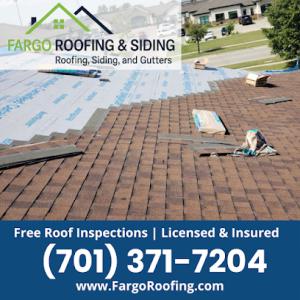
Fargo Roofing & Siding
(701) 371-7204 www.fargoroofing.com
3222 4th Ave S, Fargo, North Dakota
5.0 from 579 reviews
"Fargo Roofing & Siding provides residential and commercial roofing, siding and storm restoration services to Eastern North Dakota and Western Minnesota."
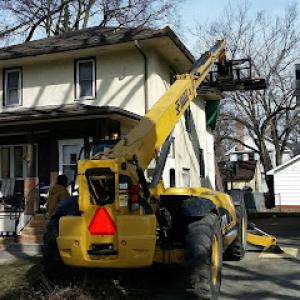
Asset Roofing
(701) 552-2533 www.assetservicesllc.net
3523 45th St S suit 100, Fargo, North Dakota
5.0 from 87 reviews
ND Lic 40839 MN Lic RR782465 Whether you have a leak in your roof or you want an update, you’ll be happy you hired Asset Roofing for roofing and roof repair. We’ve been a roofing company serving the Fargo, ND; Moorhead, MN and surrounding areas since 2011. We work with the best roofing products from top-of-the-line manufacturers. Get an estimate as soon as possible by calling 701-552-2533 or submit a roofing service request on our website.
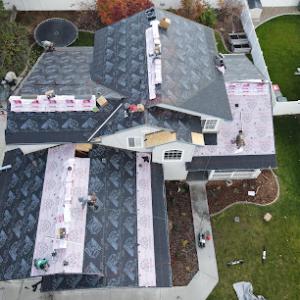
Dodd Roofing & Exteriors
3523 45th St S #156, Fargo, North Dakota
4.9 from 56 reviews
Dodd Roofing and Exteriors, your premier choice for roofing solutions in Fargo, ND, is committed to excellence in every aspect of our work. Specializing in superior installations and unmatched service, we are dedicated to ensuring your satisfaction. As the Official Roof of NDSU, we bring unparalleled expertise and reliability to every project and back it with the best warranties. Trust Dodd Roofing and Exteriors for all your roofing and exterior needs in Fargo and beyond.
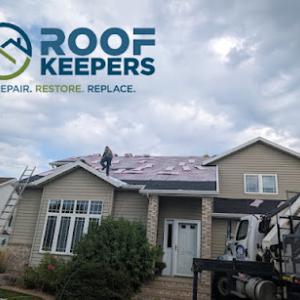
Roof Keepers
(701) 430-8500 roofkeepers.com
9690 42nd St S Unit G, Fargo, North Dakota
4.9 from 36 reviews
Roof Keepers is a trusted roofing company in Fargo, ND, offering expert inspections, shingle repairs, full asphalt roof replacements, and certified Roof Maxx® treatments that extend roof life. We proudly install Owens Corning Duration® and CertainTeed Landmark® shingles — both backed by strong warranties and proven durability. Serving Fargo, West Fargo, Grand Forks, Detroit Lakes, and nearby communities, we deliver honest service and dependable results built for North Dakota’s extreme weather. With 5+ years of local experience, we help homeowners and small businesses protect what matters most. Call today for a free estimate or inspection. A+ Rated and BBB Accredited.
Vita Roofing
(701) 401-1188 www.vitaroofing.com
9690 42nd St S Suite J, Fargo, North Dakota
4.9 from 33 reviews
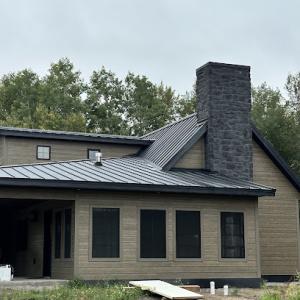
At Vita Roofing (Latin for Lifetime) our team of experienced professionals can provide you with the right product and roofing knowledge to make the process seamless. Whether your looking for one of our various metal styles, our Klaus Roofing System backed by a Transferable 50 year no Leak Warranty, or our wide range of flat roof applications. We have what it takes to service your residential or commercial needs. New roof wasn't exactly in the plans? At Vita Roofing we also offer storm restoration services. After a storm give us a call, we will give you a thorough inspection and also help you file a claim with your insurance so that your are represented by a roofing professional. 24/7 Emergency Response

The Roofing Company
(701) 781-5282 www.theroofingcoinc.com
POB 2187, Fargo, North Dakota
5.0 from 21 reviews
The Roofing Company has over 20 years of industry experience in commercial, residential, and specialized roofing. We offer a variety of products and installation services at competitive pricing, and offer manufacturer-backed warranties to guarantee and protect your largest asset. Our team of experts offer roofing inspection, repair, replacement, and new construction services. We currently serve Fargo, Grand Forks, and the surrounding areas. Call for a free quote today.
J & J Repairs & Roofing
(701) 476-7528 www.jjroofingfargo.com
347 23rd St N, Fargo, North Dakota
4.6 from 104 reviews
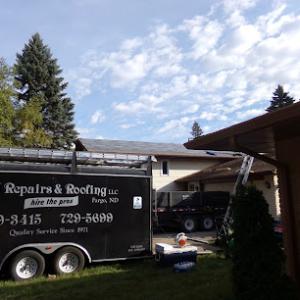
A family-owned and operated business, we are proud to have 4 generations working to deliver a quality service to our customers. Established in 1971 by Dave McCracken, J & J Roofing & Repairs has been dedicated to delivering quality craftsmanship and honest service for over 45 years. We believe our work is a direct reflection of our personal values—that is why we ensure that every project we work on is an example of our finest labor. Built and motivated by a family-first attitude, we bring integrity and honesty to each of our projects.
A & B Roofing Improvements
(701) 235-6367 abimprovements.com
1612 7th Ave N, Fargo, North Dakota
4.7 from 43 reviews
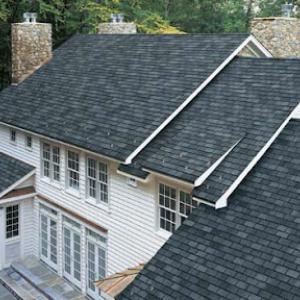
A&B Improvements LTD offers residential roofing services, roofing repairs, and commercial roofing to the residents of Fargo, ND and surrounding areas. We're fully licensed and insured roofing with years of experience providing work that's always guaranteed to last! Call us today for a free estimate!
Elite Roofing
(218) 230-4923 www.eliteroofingnd.com
6279 59th Ave S, Fargo, North Dakota
5.0 from 7 reviews
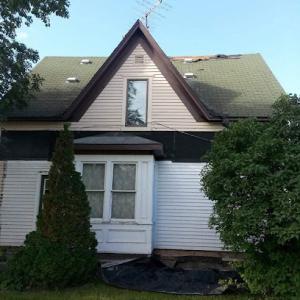
Established in 2015, Elite Roofing formally know as Quality Home Improvements is family owned and has become a trusted expert roofing contractor and home renovations specialist in the Fargo area. Their team of experienced professionals specializes in a wide range of services, from roof repair and replacement to complete home renovations. Whether you’re looking to enhance your curb appeal or improve your home’s functionality, Elite Roofing has the expertise to bring your vision to life.
Pierce Lee Roofing & Sheet Metal
(701) 232-7023 www.plroofing.com
219 23rd St N, Fargo, North Dakota
5.0 from 4 reviews
Pierce Lee Roofing is a leading provider of commercial roofing and sheet metal services in the Fargo-Moorhead region, covering North Dakota, South Dakota, and Minnesota. With over 50 years of experience, they specialize in various types of low-slope roofing, restoration, re-roofing, custom sheet metal fabrication, and standing seam roofing. Our commitment to quality and customer service is evident through our dedicated project managers and experienced crews who guide clients through every step of the roofing process.
Premier Systems Roofing
(701) 888-7663 www.premiersystemsroofing.com
4201 38th St S ste 106, Fargo, North Dakota
5.0 from 1 review
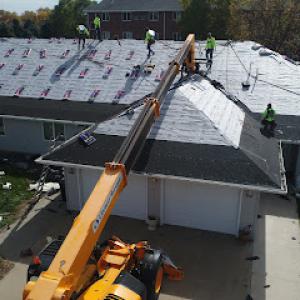
Premier Systems Roofing, established in 2002, is a Fargo roofing contractor specializing in residential and commercial roof replacements. We offer a variety of roofing materials, including asphalt, metal, cedar, composite, and stone-coated steel, ensuring a roof solution for any property. Our certifications with the major asphalt shingle manufacturers like GAF, Owens Corning, Malarkey, CertainTeed and TAMKO guarantee top-quality materials and workmanship on every project we do. Premier Systems Roofing specializes in assisting clients with navigating the hail insurance claim process for a smooth roof replacement experience.
M & J Construction
(218) 233-9273 www.mjconstructionfm.com
Serving
5.0 from 12 reviews
M & J Construction provides interior and exterior remodeling including windows, doors, siding, roofing, and emergency storm damage repairs to Fargo - Moorhead and surrounding areas.
In this climate, long, snowy winters leave snow on your roof for extended periods. That means drainage paths and attic temperature control become central design concerns. When a roof holds a deep, persistent snowpack, any weak spot in the drainage path or insulation becomes a first-rate trouble area. The goal is to keep meltwater moving toward gutters and downspouts, not lingering on the roof edge where it can refreeze and create ice dams.
Repeated freeze-thaw cycles in Fargo raise the risk of ice dam formation at eaves, especially when warm attic air melts roof snow that later refreezes near colder edges. Ice dams push water under shingles, which can lead to deck staining, leaks, and interior damage in spring. The key is to reduce warm roof zones and keep the attic closer to a uniform, cool temperature. If attic venting and insulation aren't doing their job, you get a hot roof with more frequent dam development. Plan for systems that balance shedding snow with preventing interior warmth from driving edge melt.
Your attic should be well ventilated and well insulated to minimize heat loss into the roof framing. In Fargo's climate, the practical target is a roof assembly that discourages snow melt at the eaves while enabling controlled venting for moisture. Insulation should meet regional guidance so that attic temperatures stay low enough to prevent rapid edge melt during the winter storms. Consider baffles or soffit vents that maintain a clear air channel along eaves, and verify attic access and insulation depth to avoid hidden gaps that create cold spots or moist pockets.
Roof designs that prioritize reliable drainage paths help manage Fargo's deep snow. Ensure your gutters and downspouts are sized for heavy winter loads and are kept clear of ice formation footprints. Downspout elbows should direct meltwater away from foundations, and splash blocks or extensions can reduce water tracking along the foundation wall. In winter, consider sacrificial heat cables only where ice buildup is a consistent problem, and install them with careful attention to safety and reliability.
Roof system decisions should account for both deep winter snow retention and spring meltwater management, not heat-only performance. Choose coverings with good snow-shedding behavior and robust edge protection. In practice, shingles and metal provide distinct advantages in Fargo's seasonal cycle: shingles with a dense granule layer and metal roofs with smooth, snow-shedding surfaces can influence how quickly snow moves off the roof. For deeper snow loads, pay attention to edge detailing and underlayment quality, so that edge protection remains intact through multiple cycles of accumulation and melt.
Develop a winter maintenance routine that emphasizes early snow management and post-storm checks. After heavy snows, inspect gutters, downspouts, and roof edge integrity for signs of ice dam pressure or shingle lift. In late winter through early spring, monitor any signs of water infiltration in the attic or ceiling. Address ventilation blockages or insulation gaps promptly, because even small deficiencies can amplify dam risk during rapid thaw periods. Regular, practical checks keep Fargo's winter demands from turning into spring repairs.
In Fargo, the winter are long and brutal, with heavy snow loads piling up and freeze-thaw cycles turning every roof edge into a back-and-forth with the weather. Hail season in our storm-driven climate can alter a roof's life quickly, especially when temperatures swing from bitter cold to sun-warmed afternoons. This city's mix of snow defense, wind exposure, and rapid moisture changes means the best roof systems are those that balance impact resistance with dependable shedding of meltwater and snow. You'll want materials that stay stiff under cold snaps, resist chipping from hail, and tolerate repeated expansions and contractions without tracking leaks along the eaves. A practical approach aligns with what local crews know well: systems that perform reliably over many winter seasons and through spring melt without demanding delicate maintenance during the deep cold.
Asphalt shingles and metal roofing are the dominant practical choices because they align with local contractor specialization and the storm-and-snow conditions. In a market where storm activity and rapid documentation for potential hail damage are part of the routine, asphalt offers straightforward installation, repair, and top-down protection that's easy to match with existing structures. Look for shingles with class 3 or class 4 impact resistance and a generous warranty against hail. Metal roofs, meanwhile, bring strong impact resistance, excellent wind performance, and minimal maintenance in freeze-thaw cycles. When installed properly, metal can shed snow efficiently and resist the pitted damage that hail can cause on softer surfaces. The right underlayment and flashing details are essential for both options, especially at intersections, chimneys, and roof-to-wall transitions where meltwater often concentrates.
Concrete tile and slate are available in Fargo but their higher weight and cost make structure and installation planning more consequential. In homes with older or marginal framing, structural upgrades may be required to stand up to snow loading and freeze-thaw stress. Slate offers exceptional longevity and a classic appearance, yet its brittleness under hail requires careful assessment of impact risk and potential breakage; replace with reinforced support if you pursue it. Concrete tile provides durability and hail resistance, but its mass demands precise fastening and a solid deck. If choosing these, coordinate a thorough structural evaluation and plan for the extra roof load during peak winter periods, when snow and ice are heaviest.
Wood shingles or shakes and synthetic products in Fargo need evaluation for how they handle hail impact, moisture cycling, and winter maintenance demands. Wood products can respond to hail with chipping or surface checking, and moisture cycling can shorten their life in cold, wet springs. Synthetic options often offer good hail resistance and lower maintenance, but performance varies by composition and installation quality. If you lean toward wood, consider enhanced underlayment and more frequent inspections after hail events. For synthetics, prioritize products with proven impact ratings and assemblies designed for cold climates to prevent cracking and swelling during the season. In all cases, plan for timely inspections after major storms and a proactive maintenance routine that targets flashing, vent seals, and edge fasteners.
After a Fargo spring hail event, you can expect storm-driven demand to tighten contractor schedules and labor availability during the city's already short replacement season. This can push lead times and pricing higher, especially for full tear-offs and roof re-venting tasks that surface once crews open up the roof. If you're facing hail damage, plan for potential cost pressure by lining up trusted vetted crews quickly and arranging temporary protection to minimize further damage while you wait. The practical effect is that a project may start later in the season than you'd hope, and prices may reflect the rush to secure skilled labor.
Winter carryover damage in Fargo can expand project scope by the time crews can work, particularly when underlayment, decking, ventilation, or flashing problems are discovered after tear-off. Freeze-thaw cycles stress roof assemblies, so expect investigations beyond the visible surface-felts, ice barriers, vent stacks, and flashing details often reveal additional work once access is gained. Build in a contingency for extended inspections and possible repairs to decking or ventilation routes. This matters because a small initial repair can become a larger, longer-term project if hidden damage surfaces only after work starts.
Material choice matters sharply in Fargo, with provided averages ranging from asphalt shingles at 350 to 550 USD per square up to slate at 1100 to 1800 USD per square. In a climate with heavy snow loads, wind, and hail, the upfront economics should factor long-term performance and replacement frequency. Asphalt is economical but may require more frequent replacements in hail-prone seasons; metal offers durability with better wind resistance; slate and concrete tile provide longevity but come with higher installation complexity in this market. When planning, balance initial cost against expected lifespan, maintenance needs, and how well each option holds up under Fargo's freeze-thaw cycles.
Don't let upfront costs delay a critical repair - these contractors offer payment plans to fit your budget.
Asset Roofing
(701) 552-2533 www.assetservicesllc.net
3523 45th St S suit 100, Fargo, North Dakota
5.0 from 87 reviews
Dodd Roofing & Exteriors
3523 45th St S #156, Fargo, North Dakota
4.9 from 56 reviews
Vita Roofing
(701) 401-1188 www.vitaroofing.com
9690 42nd St S Suite J, Fargo, North Dakota
4.9 from 33 reviews
The city's stance is clear: a full roof replacement is generally treated as a formal project, not just routine maintenance. If you're planning to strip the old roof and install a new layer across the entire surface, expect to pull a permit. Skirting around this step can lead to delays, stop-work orders, or later penalties when a inspector notices the missing paperwork after hail or wind damage has already occurred. In Fargo, a permit isn't a nuisance so much as a safeguard that keeps you from costly missteps when the weather turns and insurance claims get reviewed.
Once the permit is submitted and approved, the process moves into the practical window you'll actually live through on the roof. Inspections typically occur during installation and again after completion. The first inspection checks that the project matches the plan and adheres to safety and material standards, while the final inspection confirms everything is properly finished, sealed, and vented. Expect a building department notice that details what the inspector will look for, and be prepared to coordinate access for the site on scheduled days. Missing or delayed inspections can stall your project and complicate your claim if damage pops up in the meantime.
The city's review often requests specifications beyond just shingle color and product type. Ventilation and underlayment details frequently come into play, so you should have notes or drawings ready that show attic venting, current roof deck condition, and the underlayment choice. Having these documents on hand speeds up the review and helps avoid back-and-forth that can push your schedule into Fargo's shorter roofing season. Think of the permit package as a small, practical filing cabinet: you're documenting compliance in advance to prevent drift and extra visits from inspectors.
Start by calling the building department early in planning to confirm required forms and any local nuances. Gather architectural details, ventilation plans, and underlayment specs before you submit, so the review goes smoothly. Schedule inspections with the contractor and keep a clear log of all dates and communication. If a weather-driven delay hits, contact the inspector promptly to adjust the timeline rather than letting a gap linger. In the end, proper permitting and timely inspections protect your home, your insurance, and your peace of mind during Fargo's harsh winter and storm cycles.
Fargo sits in a high roof-claim environment because hail and wind are common loss drivers across eastern North Dakota. When a storm hits, your insurer will look for a clear link between the damage and the event, and they will compare it to prior claims or wear patterns. Expect a thorough photo record of every visible impact, edging, and flashing, plus notes from an adjuster who will verify the scope of the damage. The focus isn't just on the newly damaged area; they'll consider how freeze-thaw cycles may have affected the overall roof system.
Photo documentation should be comprehensive and timely. After a storm, take wide shots of the whole roof, close-ups of hail marks on shingles or metal panels, and images of any interior signs of leak progression. Keep a dated folder of weather reports, post-storm observations, and any temporary tarping or weather-stripping you add. Insurers serving Fargo typically expect an adjuster inspection and a review of prior damage history before approving full replacement, so having a well-organized file can speed a fair decision.
Material warranties can become part of claim review in Fargo, making it important to keep product records and installation documentation after a roof is completed. Store invoices, installation receipts, and any warranty registrations in a single accessible place. If a hail or wind event disrupts a roof that's still under warranty, you'll want to show that the aging components, fasteners, and flashing meet the original specifications.
The short roofing season in this climate makes timely response critical. Delays in documenting damage or arranging inspections can complicate everything from claim approval to repair sequencing. Keep a running log of storm dates, contractor notes, and any temporary protections you install to limit further damage.
Storms in the Red River Valley can bite hard, so plan ahead with a simple, organized approach to evidence and records. Your future self will thank you when the claim path is straightforward and the repair path is clear, even amidst Fargo's unpredictable winter-to-spring transitions.
During the thaw, shingle damage that was concealed by snow becomes visible. Granule loss, lifted edges, and fragile tabs can reveal themselves once the ice retreats. In this season, inspect where the roof meets the eaves and edges first, because those zones tend to show the first signs of wear after long freezes. Look for asphalt shingle curling or missing granules, and note any areas that feel unusually brittle when touched.
Freeze-thaw cycling in Fargo can worsen minor penetrations around vents, chimneys, and skylights by repeatedly expanding trapped moisture. Pay particular attention to flashing seams around pipe collars, vent boots, and transitions where metal meets shingles. If flashing looks lifted, cracked, or corroded, that is a common trigger for later leaks, especially after heavy snow loads or wind events.
Post-storm inspections should focus on both impact damage from hail and secondary moisture intrusion that appears only after thawing begins. Hail can crack shingles or dent edges without immediately leaking, then water finds the weakest path once temperatures rise. Inspect interior ceilings, attic baffles, and soffit lines for stains or musty smells that emerge with warm-up. Outside, trace any dark streaks or damp patches along the roof deck after snow melts.
Hail-prone seasons can leave bruised or fractured shingles that fail under wind uplift during the next storm. Mark any visibly damaged shingles and verify nearby rows for lifted tabs or loose underlayment. Even small hail impacts can compromise sealant adherence, so treat suspicious spots as likely failure points rather than isolated incidents.
If a leak is suspected, dry the affected area fully and recheck after a warm spell or light rain. Re-assess flashing joints, skylight seals, and vent penetrations before the next storm cycle, and plan for a timely professional evaluation if multiple spots emerge or if water tracks toward the ceiling.
Find contractors experienced in skylight installation, flashing, and leak repairs to bring natural light into your home.
Asset Roofing
(701) 552-2533 www.assetservicesllc.net
3523 45th St S suit 100, Fargo, North Dakota
5.0 from 87 reviews
The Roofing Company
(701) 781-5282 www.theroofingcoinc.com
POB 2187, Fargo, North Dakota
5.0 from 21 reviews
J & J Repairs & Roofing
(701) 476-7528 www.jjroofingfargo.com
347 23rd St N, Fargo, North Dakota
4.6 from 104 reviews