
Last updated: Apr 19, 2026
Grand Forks sits in the Red River Valley, a notably flat former lakebed where winter winds can drive snow across open terrain and create uneven drifting on roof planes. That drifting is not cosmetic; it changes load patterns and leaves unexpected sunken or piled zones that stress shingles, underlayment, and flashing. On a roof without deliberate attention to drifted snow, a misfit between wind-driven mass and design can trigger panel lift, fastener fatigue, and accelerated wear at hips, valleys, and penetrations. Plan for snow that isn't uniform and for wind-driven drift lines that excuse nothing when the temperature swings.
The city endures long, very cold winters with heavy snow and frequent freeze-thaw cycles. Ice damming becomes a central risk when meltwater refreezes at the eaves, backing up under shingles and into soffits or fascia. The pattern is predictable: days above freezing, nights plunging below, and creases where snow restrains drainage. If gutters clog or insulation gaps exist, the dam grows, meltwater penetrates the roof plane, and interior water intrusion follows. The right approach emphasizes continuous heat venting at the eaves, a solid ice barrier along the fascia edge, and a drainage path that remains open through repeated freeze-thaw events. Do not overlook valley flashings, where improper integration multiplies damage during thaw cycles.
Repeated expansion and contraction during daily temperature swings stress fasteners, sealants, and roof-to-wall transitions. In the Red River Valley, that cycle is not an occasional nuisance-it is a daily condition for most winter months. Small gaps become leaks, shingles and sealants crack, and flashing corners loosen. Building science here demands meticulous seam sealing, durable underlayment compatibility, and roof systems chosen for low-temperature tolerance. When planning repairs or replacements, target materials and details that maintain flexibility through deep cold, resisting microcracking and wind-driven moisture ingress. Consider the seasonality of work: the coldest weeks are not a good time to tear off and reseal, while the wet thaw period can complicate sealing. Timing must align with reliable drying conditions.
Drift lines around vents, chimneys, and skylight penetrations create micro-loads that concentrate stress on flashing and edge details. Those zones deserve extra attention: ensure step and counter-flashing are continuous, sealants have proven winter performance, and vent collars are snug but not overly compressed. Valleys deserve proactive maintenance; ice buildup here can travel upward along the fold, bypassing surface protections and letting water find its way under shingles. In high-wall areas, inspect for wind-driven lifting and re-anchor where necessary, especially after heavy snowfall or thaw events.
Replacement timing is typically concentrated from late spring through early fall because winter conditions and spring thaw moisture complicate tear-off, dry-in, and sealing. When evaluating a roof's future, consider how a plan aligned with that window reduces the risk of an in-season failure during an otherwise harsh cycle. A roof built with attention to drift, ice dam zones, and freeze-thaw resilience will stand up better to Grand Forks winters, preserving structure and interior comfort through the most punishing weeks.
Hail and wind events are common in this region, making Grand Forks a frequent roof-claim market rather than a place where claims are occasional exceptions. After a heavy hail or a fast-updraft wind event, the roof is often the first casualty, with dented shingles, loosened flashing, and granule loss showing up quickly. Homeowners should assume that the insurance process will be triggered promptly after a major storm, with urgency to document damage while it's fresh. This isn't a scenario where a "wait-and-see" approach works; the clock on claim windows and the visibility of damage can shift dramatically in the days and weeks that follow a storm.
Insurers typically want a clear, well-documented narrative of pre-loss conditions and post-loss realities. Expect to provide detailed pre-loss photos, recent roof inspections, and notes from any contractors who have already evaluated the scene. After a claim is filed, adjusters will request post-loss photos showing all damaged areas, including the attic if there is visible water intrusion or frost staining on ceilings. Documentation should demonstrate that any replacement or repair followed local code and inspection requirements, and that installation aligns with the roof's structure and the home's ventilation needs. Without thorough documentation, some insurers may push for a smaller settlement or dispute the scope of work.
Summer hail and strong winds can change replacement timing by creating sudden contractor demand spikes after storms. When multiple homes in the neighborhood are damaged within a short window, local crews can be scarce and scheduling becomes a race against time. If a storm hits during peak season, you may see a rapid surge in bids, with some contractors prioritizing the most urgent jobs first. As a homeowner, you should be prepared for potential delays in material delivery, access to qualified crews, and the need to coordinate temporary protection with a trusted roofer while awaiting a scheduled replacement or major repair. Plan for a realistic window rather than assuming immediate action after a storm.
After a hail or wind event, perform a rapid, prioritized assessment of the most vulnerable areas: parapets, valleys, flashing around vent pipes, and edges where wind uplift is strongest. If you notice active leaks or ponding water on the roof, arrange temporary tarping and sealing without delay to limit interior damage. Begin by contacting a licensed local professional who can provide digital documentation of damage, including high-resolution photos from multiple angles and attic observations if accessible. Coordinating an inspection within 24 to 72 hours can make the difference in how smoothly a claim proceeds and how accurately the scope reflects what's necessary to restore the roof to its pre-loss performance.
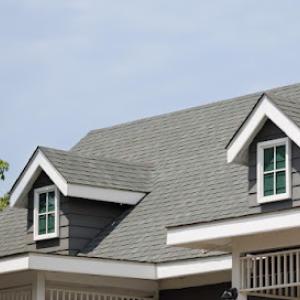
Trinity Exteriors - Grand Forks
(701) 997-7663 www.trinityexteriors.com
3150 Gateway Dr Unit D, Grand Forks, North Dakota
5.0 from 91 reviews
Trinity Exteriors in Grand Forks, ND is your local expert in professional roof replacement, roof repair, and storm damage restoration. Whether your home has suffered hail or wind damage, or you simply need a reliable update to your roofing system, our certified team delivers high-quality results with integrity and efficiency. We specialize in shingle roofing, siding replacement, vinyl siding installation, and energy-efficient window replacement—all designed to protect your home from North Dakota’s extreme seasonal conditions. From free storm damage inspections to seamless insurance claims assistance, we ensure homeowners experience a stress-free process from start to finish. Our exterior remodeling services also include gutter replacemen...
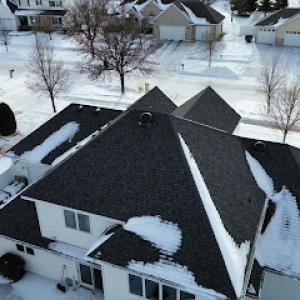
Ackerman Construction
(701) 215-2713 ackermanconstructionandroofing.com
1919 Dyke Ave apt 2, Grand Forks, North Dakota
5.0 from 26 reviews
Ackerman Construction is a trusted local roofing contractor dedicated to providing high-quality roof installations, repairs, and maintenance services with exceptional customer service. Backed by years of experience and a commitment to using top-tier materials, we prioritize protecting your home from the elements, ensuring lasting durability and peace of mind for our clients.

Fayette Roofing & Remodeling
(701) 740-9658 www.fayetteroofing.com
1003 11th St NE, Grand Forks, North Dakota
4.7 from 12 reviews
Welcome to Fayette Roofing and Remodeling Your trusted partner for roofing and remodeling solutions in Grand Forks, ND and the surrounding area. Locally owned and operated, we specialize in top-quality craftsmanship, dependable service, and long-lasting results. Whether you need a brand-new roof, expert storm damage repair, or a home renovation, our skilled team is ready to serve.
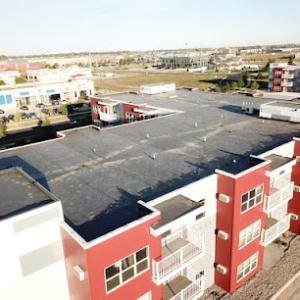
Skinner Roofing
(701) 772-3636 skinnerroofing.com
3013 27th Ave N, Grand Forks, North Dakota
4.0 from 8 reviews
Skinner Roofing has been providing low slope roofing, sheet metal, and waterproofing solutions in the upper Midwest for 50 years. We believe in investing in our employees as well as rewarding hard work and dedication. Skinner Roofing is locally owned and operated serving Minnesota and North Dakota with offices in Fargo and Grand Forks.
Michael Kearney Construction
115 Fenton Ave, Grand Forks, North Dakota
4.0 from 4 reviews
Roofing, Windows, Siding and Remodeling
Structures
(701) 775-0645 structuresincgf.com
Grand Forks, North Dakota
Count on our professionals at our locally owned business to provide you with superior contracting services. With 41 years of experience, we're quick and efficient and work closely with you from design through completion,You can rest easy knowing that Structures, Inc has a team of skilled contractors who will meet all your commercial contracting needs. Whether your commercial property needs to be repaired or built, we've got you covered.
In Grand Forks, the practical reroofing window runs from late spring through early fall because winter freezes and heavy snowfall commonly delay projects and limit site access. If you're scheduling a roof replacement, aim to start after the frost has thawed and the ground is not saturated from meltwater. Clear access routes, staging space, and a dry work surface before any tear-off begins. The short window between thaw and early snow is not your only constraint-finish potential workdays should align with daylight and stable temperatures to keep materials from taking on moisture or becoming misaligned.
When you remove the old roof, moisture can stay trapped in the deck, especially after a long winter. If you're replacing the roof in spring, plan for a dry, multi-day stretch where rain is unlikely and overnight temperatures won't plunge below freezing. Use a tarping strategy that protects the deck and insulation from rapid meltwater and spring showers. If you must pause during the job for weather, keep the deck ventilated and dry so the new underlayment and any decking can dry before the next work window begins. Spring thaw cycles can complicate installation sequencing, so coordinate tear-off, underlayment, and shingle installation to minimize deck exposure time.
Rapid temperature swings in this region can affect nail-sealing performance in some shingle systems, so timing and manufacturer temperature guidance matter more here than in milder climates. Check product data for minimum and maximum installation temperatures and make sure you're within that range for both sealing and adjustment. If morning temps hover near freezing, delay certain steps or use temporary fasteners until temperatures rise. Keep a close eye on the forecast to avoid days when sun exposure could drive surface temperatures beyond the recommended range in a single work session.
Ice damming and snow load aren't just winter problems-they influence how a roof is installed in the warm months, too. Ensure adequate attic ventilation and a solid drip edge during installation to help manage meltwater. The timing of attic venting installation can affect condensation control, so align this with the underlayment and decking sequence. If you're replacing a roof while the ground is still thawing, secure materials on elevated platforms and use edge protection to prevent heat-like drying of fasteners and membranes that could be compromised by sudden freeze-thaw cycles.
Finish the roof in a contiguous sequence of days with predictable weather. A staggered schedule can leave exposed decks vulnerable to moisture ingress and frost risk, undermining the benefits of a well-chosen underlayment. Prioritize a continuous install window when conditions are stable enough to avoid rework. After completion, perform a thorough inspection for any signs of moisture intrusion or nail-head exposure, and address gaps promptly to preserve performance through that next cycle of cold weather.
Asphalt shingles and metal roofing are the most practical mainstream choices for homes in this area. They strike a balance between shedding heavy snow, resisting hail impacts, and enduring repeated freeze-thaw cycles that are common in the Red River Valley. Asphalt shingles are familiar to most houses here and come in coated varieties that help resist moisture in the attic and along eaves. Metal roofs, when installed with correct near-vertical drip edges and appropriate underlayment, offer excellent snow shedding and can reduce ice dam risk by providing a continuous, watertight barrier at the roof edge. In a landscape where roofs face fast-moving meltwater and occasional hail storms, these two options provide dependable performance with manageable maintenance demands.
Clay and concrete tile are listed options, but their weight and cold-climate brittleness concerns make structural load review especially important in a city where snow load is already a major design issue. The extra weight translates into stiffer framing requirements and potentially higher tendencies for fastener corrosion in damp winter air. If choosing tile, ensure the roof deck and supporting members are evaluated by a structural professional for load capacity, and that a high-quality underlayment and ice-dam protection are planned to account for freeze-thaw cycles. In many neighborhoods, lighter modern composites can bridge the gap by offering some tile-like aesthetics with less weight, but still require careful assessment of attic space venting and ridge line loads.
Wood shingles and shakes face added durability pressure here from repeated wet-freeze-dry cycling. They can be appealing for older homes with historic character, yet they respond less predictably to rapid temperature swings and can be more susceptible to moisture-related issues if not properly maintained. If wood is chosen, expect more frequent inspections around flashing, peak lines, and porch eaves, plus proactive treatment against rot and insect exposure. Synthetic/composite shingles are often considered by owners trying to balance impact resistance with cold-weather performance. They can offer good hail resistance and stable performance in cold temps, but verify colorfastness, UV stability, and compatibility with existing flashings and attic ventilation systems.
In the long haul, the best match for a typical Grand Forks roof tends to be asphalt or metal, paired with careful detailing at eaves, valley and ridge lines, and a robust underlayment strategy. Regardless of material, ensure the roof assembly accounts for ice dam potential, provides adequate attic ventilation, and supports a proper snow load design. The goal is a system that behaves predictably through the toughest winters, with minimal risk of leaks during freeze-thaw cycles and spring melt.
In Grand Forks, a building permit is typically required for a full re-roof. This is not just a box to check; it ensures that the work complies with local wind, snow, and load provisions that are central to Red River Valley winters. A full re-roof often involves multiple layers, new underlayment, and upgraded ventilation, all of which affect how the roof handles freeze-thaw cycles and heavy snowfall. If a partial repair is attempted instead of a full reroof, expect different permitting and inspection expectations, but for a full replacement, the permit is essential.
The City Building Department handles permit applications and inspection scheduling for reroof work. Your contractor will typically submit the application on your behalf, but you should verify that the permit is secured before any shingles come off. Ask for the permit number and a copy of the approved plans as soon as they're available. The department can also provide guidance on any specific local requirements, such as ventilation thresholds or attic insulation standards that influence the roofing system's performance in freezing temperatures.
Inspections occur during and after installation. The first inspection usually checks that the roof deck is sound, underlayment is installed correctly, and starter courses are aligned. Subsequent visits verify nailing patterns, shingle alignment, and flashing details around vents and protrusions. In this climate, inspectors pay close attention to the attic ventilation and eave airflow to prevent ice damming and ensure the roof can shed snow effectively. Timely scheduling with the City Building Department minimizes delays, especially in shoulder seasons when weather windows are tight.
A final inspection confirms proper nailing, ventilation, and load considerations. The inspector will look for adequate attic ventilation to prevent condensation and ice damming, as well as fastener spacing suitable for wind and snow loads. Keep a clean job site log and make sure all roof penetrations, skylights, and heat venting are correctly flashed. If any issue is flagged, you'll be guided on corrective steps before the project can be signed off.
Typical installed cost ranges in Grand Forks are about 450 to 750 USD per square for asphalt shingles. In this climate, the lighter weight and straightforward installation can be appealing, but you'll want to ensure the underlayment and ventilation are solid to manage freeze-thaw cycles and ice dam risk. If hail events spike in your neighborhood, crews may be in higher demand, pushing timing and material availability into tighter windows and potentially affecting price.
Metal comes in around 700 to 1200 USD per square installed. The extra weight of some metal systems matters more here because snow loads and local inspections push framing and deck reviews to be more meticulous. A metal roof can shed snow more predictably, which helps reduce ice dam formation, but an improper underlayment layer or inadequate attic ventilation can negate those benefits. Expect price pressure after hail storms as crews and suppliers respond to a surge in demand.
Clay tile lands near 1000 to 1800 USD per square installed. In our freeze-thaw environment, clay's weight and brittle nature require precise structural assessment and robust underlayment. Heavier systems demand careful snow-load calculations and potentially reinforcing the roof deck, which can raise both structural and labor costs. Hail and wind events can further squeeze scheduling and material supply, impacting overall cost and completion time.
Concrete tile typically runs 800 to 1500 USD per square installed. Like clay, its weight and wind resistance matter for Grand Forks roofs, and the deck must be in solid condition to support ongoing freeze-thaw cycles. The impact of hail storms can shift scheduling and material availability, so expect cost variability tied to regional claim volumes.
Wood options average 600 to 1100 USD per square installed. Snow load and ventilation considerations make underlayment and deck review particularly consequential with wood, as moisture handling and seasonal expansion can influence long-term performance. Post-storm demand can push bids higher when crews are scarce or overtime is needed to finish in short windows.
Synthetic or composite shingles run about 500 to 1100 USD per square installed. In this market, a well-ventilated attic and solid deck condition help prevent early wear from freeze-thaw cycles. After hail or wind events, expect price variability as suppliers and crews adjust to heightened demand.
In this area, ice damming and moisture intrusion along eave and edge areas regularly show up after thaw-freeze cycles. Snow on the main roof can melt and refreeze at the colder edges, forcing water to back up under shingles and into soffits, fascia, and attic spaces. You'll notice stained ceilings, peeling interior paint, and warped boards near exterior walls. The pattern is stubborn: even a small edge leak can become a noticeable moisture problem once the meltwater finds framing joints or gaps around vent pipes. Pay attention to any damp spots that appear after a warm spell followed by a freeze, and inspect attic insulation and ventilation for cold spots that invite ice dam formation.
The open-valley setting of the Red River Valley means wind can push snow against certain roof planes more aggressively, creating drifts that concentrate moisture exposure in select areas. This uneven loading accelerates wear on those sections and can stress flashing, edge metal, and underlayment where the wind hammering repeats season after season. Look for unusual ridges of ice and wet patches that form away from the main eave line and along joints where snow tends to drift. Loose or lifted shingles in wind-prone zones signal design or installation gaps that invite further damage once spring sun hits them.
Hail in Grand Forks can bruise shingles and leave the surface compromised enough to trap moisture during rapid temperature swings. After a fast shift from warm to very cold, seals around vents, pipes, and transitions may fail, allowing water to wend its way into the decking. You may notice granule loss, dark spots on the roof, or soft, dented areas that threaten long-term performance. Regular checks after hail seasons help catch early signs of compromised sealant and flashing before interior damage spreads.