
Last updated: Apr 19, 2026
Napa's Mediterranean pattern means most annual roof stress comes from winter rain intrusion followed by long dry summers that bake underlayment and flashings. The winter season brings a higher chance of leaks around penetrations, valleys, and edge details, especially on older roofs or those with aging flashing. After a wet spell, roofing systems are stressed by absorbed moisture and potential timber deck issues, which can quietly worsen over the months before a dry spring allows for detection. A practical approach is to plan for targeted inspections in late winter and again in early spring, focusing on flashings, sealants, and any signs of wood rot or rust on metal components. In between storms, a weekly visual check from the ground can catch developing concerns before they become costly problems.
Spring and fall are often the preferred reroof windows locally because they avoid both the wettest winter periods and the hottest summer installation conditions. A spring schedule lets contractor crews address underlying moisture issues while the weather is mild and predictable, minimizing the risk of water intrusion during work. A fall window enables completion before the winter rains return, reducing the chance of carrying unfinished work into the wet season. If a roof shows advanced deterioration, delaying replacement into a peak heat wave can compromise underlayment performance and adhesion of flashing materials. In Napa, coordinating timing with the dry-season lull helps ensure installation quality and long-term durability. When planning, buffer for a couple of weeks of dry weather, and build in a contingency period for any unexpected moisture during shoulder seasons.
In Napa County, wildfire exposure has become part of the roofing decision itself because insurers may closely review roof age, material type, and replacement timing. This reality translates into two practical considerations. First, consider fire-resistant options that align with the climate and housing stock. Second, recognize that some materials perform differently under Napa's seasonal cycle. Clay and concrete tiles offer durable, long-lived options with solid fire resistance, but they are heavy and require a solid structural assessment and careful installation to prevent water intrusion at changes in slope or roofline. Synthetic or composite shingles can provide a lighter, more flexible solution with good fire resistance in many cases, while also accommodating varying roof pitches common in hillside properties. Slate and copper deliver premium performance and fire resilience but come with higher installation complexity and cost. The choice should balance fire performance with roof geometry, attic ventilation, and the ability to maintain a tight underlayment system. Regardless of material, a high-quality underlayment and properly sealed hips, ridges, and penetrations remain essential, especially in areas with frequent winter moisture.
Given the wet-winter and dry-summer pattern, emphasis on a robust underlayment cannot be overstated. In Napa, a well-installed membrane underlayment that tolerates repeated wetting and drying cycles helps prevent capillary intrusion into decks and walls. Adequate attic or roof-void ventilation reduces heat buildup under roof decks during the long drying season, slowing the deterioration of underlayment and flashings. Edge protection-drip edges, proper drip lead-outs, and secure fascia detail-will minimize water tracking along eaves during winter rain. If the roof has vented soffits, ensure balance with ridge or turbine exhaust to maintain consistent air movement. These elements, when properly executed, help the roof endure Napa's cyclical stress without early failure.
Between reroofs, adopt a proactive maintenance habit. After the wet season, perform a thorough inspection of valleys, flashing joints around chimneys and vents, and any areas where water typically concentrates. Clean debris from gutters and ensure downspouts direct water well away from the foundation. In hillside homes where wind-driven rain can push moisture into upper edges, pay attention to the upper flashing and seam integrity. A well-timed maintenance plan that corresponds with the transition from wet winter to dry summer can extend the life of a roof system, preserve interior dryness, and align with wildfire exposure expectations that insurers scrutinize during renewal discussions.
The wine-country climate that shapes Napa's neighborhoods means more than dry summers and wet winters; it also guides how upscale homes are built and renovated. Clay tile, concrete tile, slate, copper, and premium synthetics are unusually relevant here because Mediterranean-style architecture and hillside estates often pair with durable, visually distinct roofing. When a roof blends into a terracotta or weathered copper palette, it's not just a shield from rain and heat-it's a signature architectural element that affects curb appeal and resale value. The local mix of microclimates, from sheltered valleys to wind-prone ridges, makes the choice of premium roofs more consequential, especially for homeowners who want long-term performance paired with a refined look.
Tile roofs in this area tend to outlast the underlayment, which shifts the focus of leak investigations away from the tile surface and toward the layers beneath. Battens, flashings, valleys, and aged waterproofing layers become the primary troubleshooting targets when leaks appear. The durability story changes because tiles themselves resist UV exposure and weathering, yet the water-shedding performance hinges on the integrity of the underlayment and valley assemblies. For homes with Mediterranean styling, the visual continuity of older, weathered-look tiles or copper accents can also influence decisions about repair versus replacement, since matching aged components is often more challenging than matching the tiles themselves.
Clay, concrete, and slate are heavier roof systems that demand careful planning, especially on older or structurally tilted homes. In these cases, like-for-like replacement often requires structural evaluation and, in some instances, reinforcement to carry the added load. The decision matrix frequently centers on whether the existing roof structure can sustain a premium system without compromising seismic or support details. Homeowners with such roofs commonly weigh long-term durability and aesthetic harmony against the structural realities of a vintage or mid-century envelope. Where a cross-hipped or complex roofline exists, the installation sequence and fastener patterns for heavier materials also become more involved, underscoring the value of a thorough load and framing assessment before any material switch is made.
Clay tile, concrete tile, slate, copper, and synthetic alternatives bring distinct looks and performance profiles. Clay tile offers a classic terracotta character that pairs well with warm interiors and stucco exteriors. Concrete tile provides tougher impact resistance and broader color choices, while slate adds a refined, traditional cadence with excellent longevity. Copper delivers a premium, aging patina that can become a focal point for the home's silhouette, particularly on entry towers or dormers. Synthetic shingles, including high-end composites, attempt to mimic natural textures with lighter weights and easier installation, offering a practical option when weight or structural limits constrain true tile use. The architectural language of Napa-often a blend of hillside luxury and vineyard-adjacent elegance-tends to favor these premium surfaces for their ability to hold value and convey a sophisticated exterior.
With premium roofs, maintenance shifts toward preserving waterproofing continuity rather than simply replacing worn surface material. Inspect around batten lines, flashings at chimneys and valleys, and transitions where the roof meets vents, skylights, or parapets. In the Napa climate, seasonal checks should target the securement of older calcium or lime-based waterproofing layers and any signs of swelling or fatigue in underlayment or sealants. Debris management is key in valley regions where leaves and pine needles can accumulate and impede drainage. When planning preventive care, consider the long horizon of premium components: copper, slate, and tile often reward regular, targeted maintenance that keeps water pathways clear and reduces the likelihood of cascading failures in aging systems.
Find contractors who specialize in clay and concrete tile roofs, known for their durability and curb appeal.

Napa Roofing Replacement & Repair
22 Monez Blvd, Napa, California
5.0 from 11 reviews

Northern California Roofing
(707) 447-5655 northerncaliforniaroofing.com
Serving
4.7 from 113 reviews

Angelo's Roofing
(707) 244-7663 www.angelosroofinginc.com
257 Walnut St STE C, Napa, California
5.0 from 20 reviews
We offer top to bottom residential and light commercial roofing services from new construction, to repairs, to complete re-roofs. We handle shingle and low slope roofing projects with precision and efficiency. We also offer gutter services like repairs, seamless gutter installation, and gutter guards. Call us or visit our website for a free estimate!
Napa Roofing Replacement & Repair
22 Monez Blvd, Napa, California
5.0 from 11 reviews
Keep your home safe and warm with Pros Napa Chimney Sweep, your trusted local experts in chimney care. Located at 22 Monez Blvd in Napa, we provide comprehensive chimney sweeping services to ensure your fireplace is clean and operating efficiently. Our experienced team is dedicated to helping you prevent fire hazards and maintain a healthy home environment. We use top-of-the-line equipment and techniques to deliver exceptional results every time. Trust us to handle all your chimney maintenance needs.
Padilla's Roofing
(707) 265-6304 padillasroofing.com
Napa, California
5.0 from 11 reviews
Osbaldo has over 20 years of experience. He lives in Napa and so he enjoys helping out local citizens. Napa is all about community and small and locally owned businesses like Padilla's Roofing, it's what makes a place like this feel like home. We dedicate our time to our clients making sure that they are always satisfied. A family-owned business helping other families stay safe under their roofs.
CSA Roofing, Painting, General Contracting
(707) 253-8199 www.csanapa.com
2403 Laurel St Suite B, Napa, California
4.8 from 6 reviews
CSA Roofing, Painting, General Contracting, and Heating & Air provides just that. High quality work with materials sourced from top notch vendors.
Modern Method Roofing
(707) 255-8090 modernmethodroofing.com
180 Coombs St, Napa, California
3.9 from 20 reviews
Since 1952, Modern Method Roofing has offered the best roofing solutions to Napa, CA. Our team is committed to professionalism, excellence and perfection in workmanship. Whether you need a new roof, gutters or are considering adding solar panels to your home, call us today and see why we're the best in the bay area!
Roof
(707) 339-2925 www.roofincnapavalley.com
2138 Wilkins Ave, Napa, California
5.0 from 2 reviews
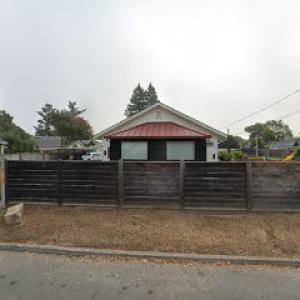
Roof is a Roofing Contractor located in Napa, CA. We offer Metal Roofs, Asphalt Shingle, Composite Shingles, Standing Seams, Flashing, Gutters Insulation, Repairs, and other Roofing Contractor Services. We offer the latest up to date and cutting edge technology in the roofing industry. specializing in all types roofing, offering a variety of options and styles. Contact us today to schedule any roof related needs.
Abel's Roofing
(707) 812-4006 abelsroofing.weebly.com
650 Silverado Trail, Napa, California
5.0 from 1 review
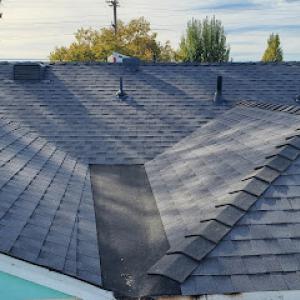
Family own and operated business serving the bay area since 2003 33 years experience.
Advanced Roofing
(707) 254-9574 www.advancedroofingnapa.com
849 Jackson St #6a, Napa, California
3.0 from 2 reviews
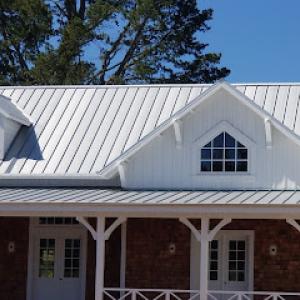
We are professional, prompt and friendly. Our professionals have the experience needed to get the job done in an efficient manner without taking up too much of your time. We understand that your time is valuable, and we don’t intend to waste it.

Roof Doctors Napa County
(707) 266-6377 theroofdoctors.net
Serving
4.9 from 45 reviews
"Nobody inspects, repairs and certifies more roofs or solves more roof leak problems in the SF Bay Region." Over 300,000 roofs inspected. We do complimentary roof inspections with detailed reports that include pictures. Reports sent within 24 hours of inspection. We are a licensed roofing contractor that offer repairs, replacment bids, gutter cleaning bids, gutter guard installs, and general roof maintenance. Service in the following San Francisco Bay Area counties: Alameda, Contra Costa, Marin, Napa, Solano & Sonoma Counties.

Spartan Home Services - Roofing & Solar
Serving
5.0 from 27 reviews
At Spartan Home Services we specialize in premium roof and solar systems. Whether you're in need of roof repair or considering a roof replacement, our team is here to provide comprehensive solutions tailored to your needs. Extending beyond quality, we have a passion for creating lasting relationships with our neighbors, to listen, to hear, and to help. Trust Spartan Home Services for quality work that stands the test of time from a team that will nurture you through your whole project.
Roof Solutions
(707) 449-7663 roofsolutionsca.com
Serving
5.0 from 205 reviews
GAF Master Elite certified. Licensed #1038832, BBB A+, insured, established 2018. Professional roofing contractor serving Residential, Commercial, HOAs & Property managers, throughout Northern California. Live person answers. Written warranties. Schedules honored - no all-day waiting. Free estimates. Insurance claims handled. Your problem→Our solution: Need new roof? Financing available. Leak today? Same-day response when possible. Storm damage? Emergency tarp: 1 hour Solano County, 2+ hours other counties. Insurance claim? We meet adjusters. HOA meeting? Board-ready presentation. Multiple properties? Dedicated project manager. All systems: Shingle, Tile, Metal, Slate, TPO, EPDM, flat. Solano, Yolo, Contra Costa, Napa, Sonoma counties.
Bay Area Affordable Roofers
(707) 506-0312 bayareaaffordableroofers.com
Serving
5.0 from 22 reviews
Bay Area Affordable Roofers is a roofing company serving Fairfield, CA, providing roof repair, roof replacement, roof installation, roof inspections, emergency roof repair, metal roof repair, and shingle installation and repair. Since 2002, Bay Area Affordable Roofers has worked with homeowners across Fairfield, CA and nearby communities to support long-lasting and reliable roofing solutions. Our team understands the roofing needs of homes in the Bay Area and applies experience with local materials and weather conditions to deliver steady, dependable service for a wide range of roofing projects.
When budgeting for a roof replacement, start with the local pricing ranges you'll typically see in the area. Asphalt shingles run roughly $380 to $700 per square (that's a 10-by-10-foot section, standard roofing measurement). Clay tile and concrete tile sit higher, with clay at about $800 to $1,900 per square and concrete at $750 to $1,600. Synthetic or composite shingles are a more affordable premium option, generally $450 to $800 per square. If you're considering high-end materials, slate is typically $1,200 to $2,600 per square, and copper roofing can run from $1,800 to $4,500 per square. Provided local pricing ranges are approximately these figures, and they serve as a practical baseline for Napa projects.
Costs in Napa can rise quickly on tile and other premium roofs because tear-off, underlayment replacement, flashing work, and careful handling of fragile or high-value materials are labor intensive. Tile crews must manage breakage risk, precise spacing, and compatibility with existing flashing and chimney details. The same holds true for slate and copper, where material handling, weight considerations, and detector-sensitive flashings add to labor time. Expect higher bids if your roof has multiple ridges, dormers, or complex details that require extra scouring and resealing around penetrations. These realities mean a straightforward square-footage estimate often understates final cost on a hillside home or a complex gable.
Project timing can affect pricing locally because winter rain delays and post-storm demand can compress schedules, while permit fees are tied to project valuation. In Napa, a wet winter can push work windows and create stacking of jobs, which may influence material delivery timelines and crew availability. If a reroof is scheduled in late fall or after a heavy storm, you may see short-term price shifts due to supply constraints or expedited ordering for specialty materials like clay tile or copper. Longer lead times for premium materials are not unusual if supply chains tighten, so plan ahead and factor potential price bumps into your budget.
For a typical Napa home, asphalt shingles remain the most economical and quickest to install, but they may not align with wildfire insurance scrutiny or long-term aesthetic goals on certain homes. Clay and concrete tiles deliver classic Mediterranean California style and excellent durability in this climate, yet require structural assessment and a heavier roof deck; this can add to both cost and project duration. Synthetic shingles offer a middle ground, balancing appearance and price, while slate and copper deliver the premium look and longevity some homeowners seek-if the budget supports the higher upfront cost. In every case, the choice should reflect not only monthly premiums and resale value but also the local wildfire exposure considerations that insurers increasingly weigh.
Don't let upfront costs delay a critical repair - these contractors offer payment plans to fit your budget.
Stubbs Roofing
(707) 255-6479 www.stubbsroofingnapa.com
1166 London Way, Napa, California
5.0 from 22 reviews

A full reroof in Napa typically requires a building permit through the local City or County Building Department, rather than being treated as a no-paperwork maintenance item. The process reflects the area's elevated exposure to wildfire threats and the need to verify new roofing assemblies meet current safety standards. If the project involves specialty materials or larger surface areas, the permitting pathway can be more involved, so starting conversations with the building department early helps avoid surprises during inspections.
Napa's reroof process commonly includes plan review and inspection at or after installation, with attention to items such as underlayment, venting, and drip edge. Plan reviewers look for proper underlayment alignment, appropriate attic ventilation schemes to prevent moisture buildup in the dry summer months, and a drip edge that directs water away from fascia and into gutters. Inspections typically occur after the roof is laid but before final occupancy sign-off, so scheduling windows should accommodate weather and material curing times. For hillside or valley properties, anticipate some extra scrutiny around roof penetrations and flashing situations that intersect with variable microclimates.
The permit review may consider how chosen materials perform under wildfire exposure. Tile and copper systems, while aesthetically distinctive and durable, often require different detailing and fastening compared with asphalt shingles. Plan reviews can require enhanced sealing around vents and penetrations, as well as precise attic venting to minimize heat transfer and ember intrusion risk. Being explicit about roof venting, underlayment type, and drip edge installations during the plan stage can smooth the process and help ensure the installation stands up to Napa's climate realities.
Permit fees are based on project valuation, so higher-end tile, slate, and copper projects can carry a different permitting cost profile than basic shingle reroofs. Timelines can stretch if plans need revisions to meet local wildfire safety expectations or if weather windows compress scheduling. Access to qualified installers who understand local code interpretations and inspection expectations will reduce the chance of delays and rework.
In Napa, the wildfire risk has made California carriers more selective about roof age, condition, and replacement exposure. The insurance environment can feel stricter in hillside and wildfire-prone pockets of the county, and that reality translates into how a claim is viewed after a storm or fire-related event. You may notice that carriers push for more rigorous documentation and clearer evidence of both previous maintenance and current roof health before any coverage decisions are made.
Because underwriting can be stricter in higher-risk parts of the county, you should expect to assemble thorough records before a loss occurs. Gather recent roof inspections, maintenance logs, and photos that show the roof's drainage, flashing, and any prior repairs. When a storm knocks shingles loose or tiles crack, detailed documentation of the damage from multiple angles helps distinguish sudden damage from long-term wear. If you can, obtain a contemporaneous professional assessment soon after an event, and keep a dated file of communications with your insurer.
Claim decisions can be affected by whether damage is documented as a sudden covered event versus long-term wear from repeated wet winters and summer heat. In a climate with wet winters and dry summers, insurers will scrutinize whether issues arose from an identifiable incident or from cumulative aging. For a sudden event, prompt notification and robust evidence typically improve the likelihood of coverage. For wear, expect a more nuanced review and potentially longer timelines, especially if the roof is older or compromised by weathering.
If you experience storm-related damage or wildfire-related exposure, photograph the scene before any temporary fixes, then document the scope of impact-intersections, ridges, valleys, and interior signs of water intrusion. Notify the insurer promptly and request a written claim reference. Schedule a licensed roofer or a certified inspector to provide a professional estimate that clearly separates emergency temporary measures from permanent repairs. Clear, professional documentation that ties damage to a specific event can help keep the claim on a straightforward track.
When replacement becomes necessary, be prepared for insurers' increased scrutiny of roof age and exposure to wildfire risk. Selecting a roof system with proven fire resistance, appropriate underlayment, and durable fastenings may influence the claim process and future premium considerations. In Napa's mix of hillside and valley microclimates, a plan that accounts for both winter moisture and summer heat-and documents ongoing maintenance-reduces surprises if a claim arises.
Connect with contractors who help homeowners navigate the claims process from damage assessment to final approval.
Stubbs Roofing
(707) 255-6479 www.stubbsroofingnapa.com
1166 London Way, Napa, California
5.0 from 22 reviews
CSA Roofing, Painting, General Contracting
(707) 253-8199 www.csanapa.com
2403 Laurel St Suite B, Napa, California
4.8 from 6 reviews
When winter storms hit, moisture intrusion can spread quickly once underlayment or flashing weakened by prior summer heat. That means a small drip today can become a attic flood tomorrow if not addressed fast. In this market, contractors expect urgent calls and can mobilize for emergency tarping or temporary waterproofing while a reroof is scheduled. In Napa, that urgency is palpable as winter rains arrive.
Quick response matters because the roof isn't the only system at risk-walls and ceilings absorb moisture, insulation loses R-value, and hidden decay starts behind battens. You should call a local roofer the instant you spot a leak, especially after a heavy rain or wind-driven downpour. Ask for a same-day assessment and temporary protection plan.
Tile roofs complicate emergency work. Stopping a leak may require targeted access and temporary waterproofing without causing additional breakage. Your neighborly contractor may need to vent tarps under tiles, reseal flashings, or shim up tiles for a brief seal. Expect meticulous staging to avoid cracking tiles further.
Insurance angle and wildfire scrutiny mean documentation matters. When an emergency repair is underway, ensure photos show the extent of damage and the temporary measures. This helps later reroof decisions and coverage reviews, reducing back-and-forth during a critical window.
After the initial halt, schedule prioritization for reroof quickly when feasible. Winter storms ease but hazard remains; a fast, decisive plan limits secondary damage and preserves the integrity of decking and underlayment.
Immediate temporary measures you can oversee without risking further damage include laying tarps over exposed areas, moving valuables away from drips, and clearing debris from gutters to reduce runoff onto underlayment. If you must wait for a reroof, document everything, keep receipts for emergency materials, and coordinate with your insurer to confirm temporary coverage during this critical window.
When you can't wait, these contractors offer fast response times to stop leaks and prevent further damage.
Stubbs Roofing
(707) 255-6479 www.stubbsroofingnapa.com
1166 London Way, Napa, California
5.0 from 22 reviews
Napa Roofing Replacement & Repair
22 Monez Blvd, Napa, California
5.0 from 11 reviews
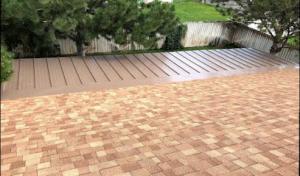
Even when the main roof is tile or shingles, you can have low-slope patio covers, additions, or transitions that behave differently in Napa's climate. These areas are prone to slower drainage, standing water, and hidden leaks if flashed improperly. During reroof timing conversations, treat any low-slope section as a separate system: confirm deck and counter-flashings integrate with the primary roof and plan for proper slope, drainage, and skirting where needed. If the structure includes a parapet or column-supported cover, ensure flashing transitions are continuous and tested under winter rain conditions. Expect more attention to edge details where the slope drops to 2:12 or less, and specify materials and fasteners that resist thermal movement and sun exposure.
Skylight and roof-penetration detailing matters in Napa because winter rain exposes flashing weaknesses that may stay hidden through the long dry season. When reroofing, inspect all skylight flashings, curb connections, and curb-to-roof interfaces with a moisture test or infrared check if possible. Pay particular attention to nail-flange vs. curb flashings, the condition of any sealants, and the continuity around rakes and hips where shadows can hide edge wear. Plan for replacement or upgrading of flashing if the surrounding deck or substrate shows age-related movement. If a skylight or vent is due for replacement, align it with the reroofing window to minimize multiple penetrations and avoid rework that triggers additional tear-off.
Solar-related roof work is a relevant but secondary local specialty, especially when homeowners are coordinating reroof timing with penetrations and mounting details. If mounting rails or penetrations intersect tile or shingle transitions, confirm compatibility with the existing roof profile and flashing kit. In Napa, where dry summers follow wet winters, ensure any new penetrations are sealed to resist seasonal expansion and contraction and that roof-to-solar interfaces are paired with robust sealants and cap flashing. Planning ahead on where to place arrays can reduce the need for later patching at fragile edges and reduce the risk of leaks during the next winter.
Find specialists in TPO, EPDM, and built-up flat roofing systems for residential and commercial properties.

Angelo's Roofing
(707) 244-7663 www.angelosroofinginc.com
257 Walnut St STE C, Napa, California
5.0 from 20 reviews
Napa Roofing Replacement & Repair
22 Monez Blvd, Napa, California
5.0 from 11 reviews
The strongest local hiring pattern is reroofing rather than new construction, so when evaluating contractors you should zero in on tear-off experience, dry-in proficiency, and proven performance with occupied-home replacements. In a hillside and valley climate like this, roofs must be prepared for wet winters and dry summers, so check that crews have a track record coordinating tear-off with weather windows and without leaving the home exposed longer than necessary. Ask for recent jobs with similar roof types-tile, slate, or composite-that required careful edge work, underlayment detail, and integration with gutters and ventilation.
Cleanup is a major local priority in contractor reviews and listings, which matters on properties with landscaping, outdoor living spaces, and driveways that can be affected by tile fragments and tear-off debris. Look for explicit promises on daily cleanup, tarping of landscaping, protection around driveways, and a methodical method for transporting and disposing of debris. Before signing, inspect a current job site if possible to observe how nails and fragments are contained and how waste is staged to prevent damage to mature plantings and outdoor living areas.
Established, family-owned, and locally owned firms are notably present in this market, suggesting homeowners often value continuity and local reputation when selecting a roofer. Favor firms with long local histories, repeat customers, and clear leadership that can stand behind workmanship years after the install. A local desk with a dedicated project supervisor who visits the site during tile or shingle replacements can help navigate hillside access, roof penetrations, and specialty materials that require careful handling.
Wildfire exposure has sharpened insurance scrutiny in reroofs, influencing both timing and material selection. When discussing options, consider fire-rated or ignition-resistant products, such as certain clay, concrete, or metal alternatives, and ensure the underlayment and ventilation details align with modern wildfire-resistant guidelines. Ask about how the contractor coordinates documentation for insurance reviews and how they handle temporary protective measures if dry periods become extended between tear-off and reinstallation.