
Last updated: Apr 19, 2026
In this climate, the dry season is not just a convenience-it's your window for a full reroof before the rains start. The pattern here is unmistakable: wet winters followed by long, dry summers. That sequence makes a complete roof replacement more practical and safer when the sun is high and crews can work uninterrupted by storms. But with that timing comes heightened risk from wildfire season. Late summer into fall brings smoke exposure, ember risk, and utility shutoffs that can interrupt a project mid-progress. For Santa Rosa homeowners, you're balancing a reroof that improves fire resistance with the realities of ongoing wildfire conditions, and you cannot wait until after the first storms hit.
You're not just replacing shingles; you're reestablishing a barrier against ember showers, radiant heat, and wind-driven ignition. A reroof started in late summer benefits from dry materials, open workdays, and safer staging. It also aligns with a period when neighborhoods tend to be evacuated or under precautionary alerts less often than during peak fire activity, giving your crew predictable blocks of workdays. Waiting into the winter rains invites slip hazards, compromised underlayment, and the risk of a partially completed roof that's vulnerable to wind-driven embers from nearby fires. This is especially true in elder suburban homes that show their age in roof penetrations, venting arrangements, and attic access-that's where a well-timed reroof becomes more than aesthetic; it's a critical line of defense.
When the weather window is narrow, you want materials that install efficiently under typical late-summer heat and fall containment conditions. Metal and clay/concrete tile systems can offer robust fire resistance, but you must consider how they integrate with existing roof planes and soffits to maintain airtightness and ember resistance along valleys, hips, and chimneys. If you lean toward synthetic or composite shingles, select options with proven fire-rated performance and a favorable installation cadence to avoid delays that push you into the wet season. The goal is a roof that not only survives a Santa Ana-like day or two during a storm, but remains steadfast through any ember exposure on SW winds.
Start by estimating the scope of replacement while the weather is still predictable and dry. Schedule inspections and a detailed plan while days remain sunny and temperatures are moderate, so crews can complete the critical underlayment, moisture barriers, and sealing steps without rain risk. Communicate your tolerance for potential smoke days and plan for contingency blocks that preserve progress without exposing crews to unhealthy air or unstable conditions. Confirm access routes, staging zones, and material storage so nothing blocks a tight, front-loaded schedule. In neighborhoods with a history of earlier fire events, coordinate with neighbors to share access corridors to reduce street congestion and speed up work windows when fall conditions permit.
As late summer gives way to fall, keep an eye on wildfire alerts and power-shutdown advisories. If a shutdown occurs, your reroof plan should include temporary protective measures-temporary coverings that still meet ember resistance criteria and keep interior spaces dry until crews can resume. Your project will benefit from clear, recovery-conscious communication with the roofing team: you'll know precisely when crews will be on-site, what stages remain, and how to safeguard landscaping and exterior finishes during the critical wind-season transitions. For Santa Rosa homeowners, this approach isn't optional-it's a must for a durable, fire-aware roof that stands up to the pressures of our seasonal extremes.
In this market, asphalt shingles, metal, clay tile, concrete tile, synthetic/composite shingles, and slate all appear in the mix, reflecting a spectrum from tract homes to upscale rebuilds. That variety means you can match both the neighborhood look and your long-term performance goals. Asphalt remains common on older and mid-range homes, while metal rises on newer builds or retrofit projects where fire resistance and solar compatibility matter. Tile options-clay or concrete-frequently show up on custom and higher-end homes where a more aggressive fire defense and a distinct architectural statement are priorities. Synthetic shingles offer a middle ground for those wanting better impact and longevity without the weight of tile, and slate shows up on select premium projects for a long lifespan and classic aesthetic.
Dry summers here can age an asphalt roof quickly if maintenance slips, leaving granules and color fade that mask underlying wear. If you live in a home with a south-facing roof or big overhangs, you'll want to schedule periodic inspections to catch curled shingles or missing granules before winter rains test the flashing. Metal roofs resist moisture and can shed snow and debris efficiently, but you should verify that venting details and flashing transitions are robust-these joints take a beating when damp conditions persist into the shoulder seasons. Clay and concrete tiles bring a long service life, but their weight demands a solid structural check before reroofing, and improper fasteners or brittle underlayment can cause cracking under winter load. Synthetic shingles tend to hold up better against moisture and sun exposure than some older asphalt products, while slate delivers exceptional longevity but presses the structure to handle substantial weight and the need for precise installation to protect flashing and valleys.
Fire resistance is a pivotal consideration in this area. Metal roofs and concrete tiles generally offer good fire performance, while clay also performs well when properly installed. Asphalt shingles can be treated for fire resistance, but the overall system quality-venting, underlayment, and flashing-plays a big part in defensible outcomes during wildfire events. If solar panels are in your plan, metal and concrete tile roofs typically present cleaner, more integrated mounting options with fewer penetrations, though modern underlayment and venting practices can accommodate PV on almost any roof type when done correctly. When choosing materials, you'll want to weigh how the chosen roof type handles embers and radiant heat, especially on longer gefilings prior to the onset of winter rains.
Heavier tile and slate systems can trigger closer structural review during reroof planning, especially when replacing a lighter existing roof. If your home was built with a lighter deck or rafters, a full structural assessment becomes part of the planning process to ensure the framing can bear the load without compromising seismic or wind performance. Clay and concrete tiles, in particular, demand careful support detailing and a reliable underlayment system to keep moisture out around hips, ridges, and eaves. Synthetic alternatives can offer a lighter footprint with close fire and wind performance, while slate, though superb for durability, will require top-tier framing and precise installation workmanship.
Whatever you choose, plan for a proactive maintenance rhythm that aligns with Santa Rosa's climate. Summer inspections to spot aging asphalt and sealant failures, paired with pre-winter checks on flashing and underlayment, help avoid last-minute reroof scrambles. If you anticipate a reroof that prioritizes fire resistance and solar readiness, coordinate a schedule that leaves room for a thorough structural assessment and, where needed, an upgrade of underlayment and ventilation to support the new roof system through the wet months ahead.
When the wet season arrives after a dry season, weaknesses at flashing, penetrations, and aging roof transitions tend to reveal themselves quickly. Valleys, chimney crickets, and vent stacks are common tension points where water finds its path, and the frequent late-season deluges can push any small flaw into a leak. In neighborhoods with older roof lines, a meticulous inspection of all transitions-around dormers, step-flashing along walls, and where roof-to-wall transitions meet the fascia-is essential. Expect that nails and fasteners can loosen from seasonal stress or previous repairs, creating not just a drip, but a lingering interior dampness that damages ceilings, insulation, and attic space. This is not a problem to patch hastily; it demands careful seaming, sealing, and, where needed, more robust flashing upgrades.
North Bay wind events in shoulder seasons are notorious for catching loose shingles and unsecured edge details. Vulnerable edges can lift, allowing air to pry under shingles and push moisture into eaves, rafter tails, and underlayment. Debris tossed by gusts can clog gutters or damage newly installed flashing, undermining a carefully planned tear-off or reroof. If a roof is scheduled during windy periods, plan ahead for secure staging, extra edge protection, and a weather plan that pauses work when gusts exceed a safe threshold. Homeowners should be prepared for temporary tarping that protects vulnerable ridges and skylight curb areas while crews reposition, reseal, and complete critical drip-edge work.
Skylight curb leaks are a recurring homeowner concern in this market. Local contractors frequently see aging skylights that develop poor seal grooves, deteriorated flashing, or misaligned curb flanges. If a skylight is part of a planned reroof, emphasize proper integration with the roofing system: compatible flashing under shingles, continuous sealant placement, and a curb that sheds water rather than pools it. In practice, this means avoiding shortcuts on seams around the skylight, ensuring the surrounding deck is properly flashed, and confirming that any vent channels or flanges are sized to handle winter rainfall without inviting seepage. A careful, coordinated approach between roof material choices and skylight flashing improves long-term performance and reduces the chance of winter leaks after the rains start.
A reroof considered with fire resistance and solar readiness should still prioritize a weather-ready transition around penetrations and skylights. Expect that the early winter cadence-shorter days, cooler air, and intermittent rain-will test any new installation. Detailing around penetrations, as well as the integrity of edging and underlayment where water can funnel toward the interior, deserves strict attention. The season's pressure is real: if a corner or curb shows signs of aging or improper seal, addressing it before the first heavy rain is a practical choice that pays off in the months of wet weather to come.
Find contractors experienced in skylight installation, flashing, and leak repairs to bring natural light into your home.

Crandall Roofing
(707) 340-6633 crandallroofing.com
183 Oceanic Way, Santa Rosa, California
4.8 from 112 reviews
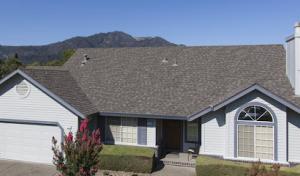
Heritage Roofing Company
(707) 544-4500 www.heritage-roof.com
4701 Old Redwood Hwy Suite 2D, Santa Rosa, California
4.9 from 36 reviews
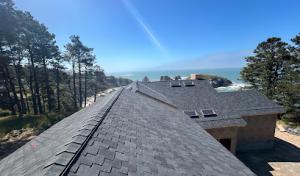
Wine Country Roofing
(707) 578-5969 winecountryroofing.com
2925 Alton Ln, Santa Rosa, California
4.7 from 71 reviews

Crandall Roofing
(707) 340-6633 crandallroofing.com
183 Oceanic Way, Santa Rosa, California
4.8 from 112 reviews
Crandall Roofing, Inc. - Your Trusted Roofing Experts in the Bay Area Since 1984, Crandall Roofing, Inc. has proudly served over 10,000 homeowners in the greater Bay Area with exceptional roofing solutions. Specializing in new roofs, roof replacements, and repairs, we use only the highest quality, Class A fire-rated materials, ensuring durability and safety. Our factory certifications allow us to offer warranties up to 50 years. With expertise in Silicone Roof Coatings for low-slope roofs, our skilled team is the go-to choice for home and business owners. We are dedicated to providing clear pricing and 24/7 availability. Trust Crandall Roofing for unmatched craftsmanship and reliability. Choose excellence for your roofing needs!
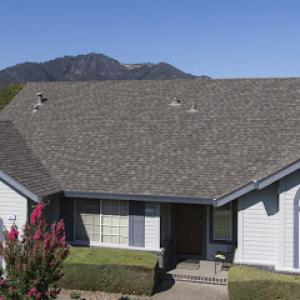
Heritage Roofing Company
(707) 544-4500 www.heritage-roof.com
4701 Old Redwood Hwy Suite 2D, Santa Rosa, California
4.9 from 36 reviews
From emergency roof repair to eco-friendly roofing solutions, our goal is to provide our clients with reliable and efficient services that stand the test of time. We are recognized as the best roofing company in Santa Rosa, thanks to our unwavering commitment to excellence and customer satisfaction. As a reputable roofing contractor, we understand the unique challenges that property owners face when it comes to roof maintenance and installation. That's why we offer affordable roofing options without compromising on quality. Our professional roof inspection services are designed to identify potential issues early on, preventing costly damages and extending the lifespan of your roof. Choose Heritage Roofing for exceptional roofing services
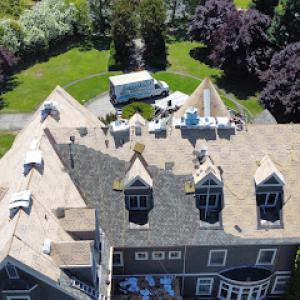
Capstone Roofing
(707) 575-3577 www.capstoneroofing.biz
412 Aviation Blvd, Santa Rosa, California
4.8 from 53 reviews
Nathan DuCharme’s father founded Capstone Roofing in 1989. Nathan learned the business from the ground up and took over the company in 1999. Today, we have nearly 30 years of experience providing quality roofing services in Sonoma, Marin, and Napa Counties, serving clients in Santa Rosa, San Rafael, Napa, and beyond. Nathan and his wife, Rhonda (who heads the administrative office), remain committed to our family values of honest, reliable, and fast service, backed by warranties and the Diamond Certified Performance Guarantee. Our goal is to provide 100 percent satisfaction on every job. Our clients are our number one priority, and it shows in every interaction.
Wine Country Roofing
(707) 578-5969 winecountryroofing.com
2925 Alton Ln, Santa Rosa, California
4.7 from 71 reviews
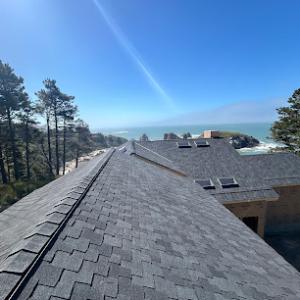
Roofing roofer roofed roof roofing contractor roofs shingles gaf owens cornings Certaianteed reroof reroofing timberline
Efficient Santa Rosa Roofing
(369) 208-6393 efficientsantarosaroofingco.com
2483 Lemur St, Santa Rosa, California
5.0 from 20 reviews
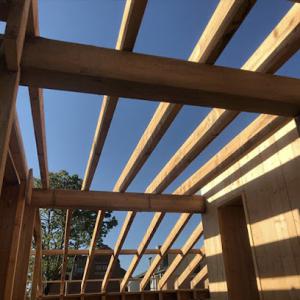
Efficient Santa Rosa Roofing proudly serves the Santa Rosa, CA community with dependable roofing and essential plumbing support, available seven days a week. Our team handles roof inspections, leak detection, roof repair, full roof replacement, gutter services, attic ventilation, and storm-damage solutions that protect your home year-round. We also provide core plumbing services, including leak repairs, drain clearing, pipe fixes, water-heater troubleshooting, and fixture installations. With reliable service, honest communication, and skilled technicians, we deliver long-lasting workmanship that keeps your home safe, efficient, and well-maintained.
Cornerstone Roofing
(707) 546-3547 www.cornerstoneroofs.com
2100 Llano Rd N1, Santa Rosa, California
5.0 from 18 reviews
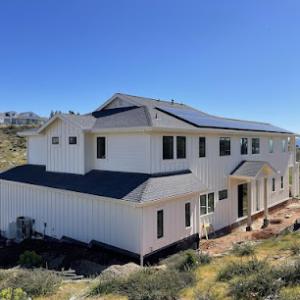
Cornerstone Roofing is a family owned business serving the North Bay and surrounding areas since 2006. We are a highly skilled professional roofing contractor specializing in composition shingle, standing seam metal, TPO, and tile roofing. Give us a call today for a free estimate!
Northbay Roofing & Gutters
(707) 591-9288 www.northbayroofinggutters.com
525 Frazier Ave, Santa Rosa, California
4.6 from 47 reviews
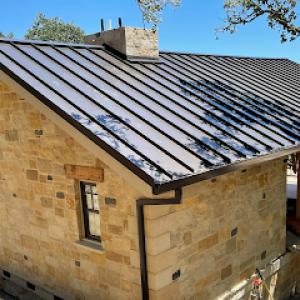
Northbay Roofing & Gutters is a trusted roofing and gutter contractor based in Santa Rosa, CA, proudly serving homeowners and businesses across Sonoma, Marin, Napa, Mendocino, and Lake Counties. With decades of experience, our team specializes in roof replacements, roof repairs, gutter installations, gutter guard systems, and roof inspections. We take pride in quality craftsmanship, honest communication, and long-lasting solutions designed for Northern California weather. Whether you need a small leak repaired or a full roof and gutter system upgrade, Northbay Roofing & Gutters delivers dependable service, premium materials, and competitive pricing — always with customer satisfaction as our top priority. info@northbayrg.com
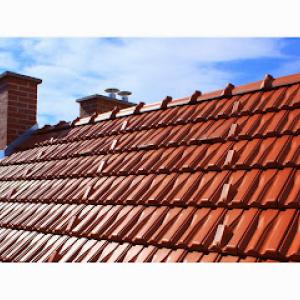
Mario Contreras Roofing
(707) 540-2592 www.roofinstallationsantarosa.com
3455 Hoen Ave, Santa Rosa, California
5.0 from 13 reviews
Mario Contreras Roofing provides high quality roofing services for owners of residential and commercial properties in Santa Rosa, CA and the surrounding areas. We have been in business for 10 years. Our 25 years of experience give us the ability to do many types of roofing jobs. We source our materials from industry leading manufacturers and use the latest equipment and technology to offer the best services. We are licensed and insured for your protection. Our services include roofing, re-roofing, roof repair, roof installation, and composition shingle installation. Before beginning work, we listen to our customers to know their needs and expectations and strive to exceed them at first delivery
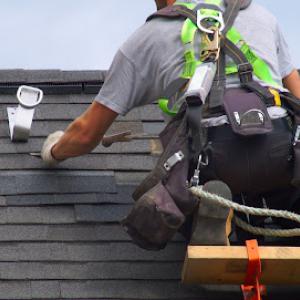
Sutter Roofing Systems
(707) 829-5050 www.sutterroofingsystems.com
4034 Santa Rosa Avenue, Santa Rosa, California
4.7 from 16 reviews
Sutter Roofing Systems, located at 4034 Santa Rosa Ave, is your premier choice for all roofing needs. As a top-rated roofing contractor near you, we specialize in comprehensive roof repair services, expert gutter installations, and metal roof installs. Our skilled team at Sutter Roofing Systems is committed to delivering quality craftsmanship and outstanding customer service. With a strong reputation among local roofing companies, we are a fully licensed roofing company that also offers superior residential roofing services. When searching for a roofer near you, trust Sutter Roofing Systems for reliable and efficient roofing solutions tailored to your needs.

Vasquez Roofing
2218 Nordyke Ave, Santa Rosa, California
5.0 from 5 reviews
Vasquez Roofing | Sonoma County Licensed Contractor (CSLB #1112128) 🏠 Roof Replacements & Installations – Shingle, Metal, & Class A systems built for durability. 🔨 Repairs & Waterproofing – Leak repair, emergency service, and long-term protection. 📑 Insurance Claim Assistance – Helping homeowners navigate claims with ease. 🌎 Service Areas – Sonoma, Marin, Napa, Petaluma, Santa Rosa, San Rafael & more. With 20+ years of combined experience, we use premium materials like PABCO Premier & CertainTeed, ensuring roofs that last and add value. Trusted for integrity, reliability, and results that stand out. Call today for a roof built to protect your home.
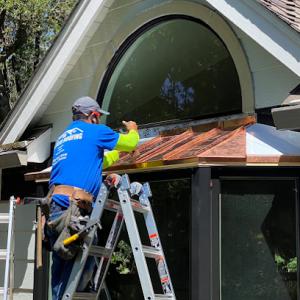
gramajo roofing
(415) 532-9114 www.gramajoroofing.com
819 San Domingo Dr, Santa Rosa, California
4.5 from 8 reviews
Dreaming of a beautiful and durable roof? Gramajo Roofing, located in Santa Rosa, is your answer! We specialize in top-quality roofing services, from the sleek, modern look of standing seam roofing to the classic elegance of tile and asphalt shingles. Tackling low-slope roof systems is also our expertise. And to complete your roofing solution, we offer seamless gutter services, ensuring your home is protected from the elements with style and precision. Discover the perfect roof for your property with Gramajo Roofing!
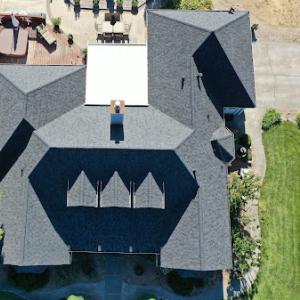
Guardian Roofing
(707) 843-3526 www.guardianroofllc.com
2210 Dennis Ln, Santa Rosa, California
4.7 from 7 reviews
GUARDIAN ROOFING IS A FAMILY OWNED LICENSED ROOFING COMPANY IN SANTA ROSA, CA. WE ARE SONOMA COUNTY’S GO-TO FOR RE-ROOFS, NEW CONSTRUCTION, REPAIRS, AND INSPECTIONS. WE ARE A GAF CERTIFIED INSTALLER OF GAF PRODUCTS AND TRAINED IN GAF SOLAR SHINGLE INSTALLATION. WE KNOW THE IMPORTANCE OF YOUR HOME! THAT IS WHY WE OFFER ENERGY-EFFICIENT, QUALITY INSTALLATIONS, AND TOP OF THE LINE CUSTOMER SERVICE! WE ARE HERE FOR YOU FROM FIRST CONTACT UNTIL YOU ARE SATISFIED WITH YOUR COMPLETED PROJECT!
In this market, reroof pricing is noticeably driven by high demand after storms and wildfire rebuilding surges in the broader North Bay. When a roof needs replacement quickly or during supply-tight periods, crews and crews' schedules can push the per-square price higher, especially for full tear-offs and re-decks. Homes with older underlayment, additional ventilation work, or complex hip-and-valley geometry tend to see steeper quotes. Expect variability between postwar ranches, suburban subdivisions, and hillside properties where access, pitch, and debris disposal logistics differ from driveway to ridge line.
Asphalt shingles remain a practical baseline for many homes, with costs commonly reported from about 350 to 700 USD per square installed. Metal roofing is favored where fire resistance and longevity matter, and its pricing tends to run from roughly 600 to 1100 USD per square, reflecting panel gauge, finish, and interplays with solar equipment. For a Santa Rosa reroof that leans toward a tile aesthetic and higher durability, clay tile projects generally land between 800 and 1800 USD per square, while concrete tile runs about 800 to 1500 USD per square depending on weight class and substrate needs. Synthetic or composite shingles sit around 500 to 900 USD per square, offering a lighter option with decent fire resistance, and slate is a premium path, typically 1200 to 2600 USD per square for material plus installation.
Costs rise when a tile tear-off is required, which adds labor, disposal, and potential structural adjustments to carry the heavier roof. If the existing roof is dated or the structure needs reinforcement to support heavier materials, you'll see higher bids. Coordination with solar equipment-whether retrofits, relocations, or new rooftop arrays-adds another layer of scheduling complexity and cost. In neighborhoods with mixed stock, like postwar blocks and hillside cul-de-sacs, contractors factor variable access, steep pitches, and the need for specialized equipment into the estimate.
Start with a clear scope: confirm whether a full tear-off is needed or if overlay is possible, assess attic ventilation and decking condition, and identify any solar components to accommodate. Compare at least three local bids that detail tear-off, disposal, underlayment, and fasteners. In areas with strong demand, build in a small contingency for lead times and weather-driven delays, particularly as winter rains approach. While choosing, weigh fire resistance and solar compatibility alongside the upfront price per square to arrive at a durable, code-consistent reroof that stands up to the North Bay climate.
Get a clear picture of your project costs upfront - no commitment required.
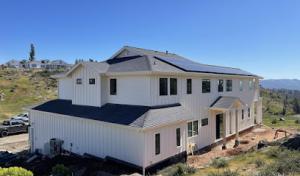
Cornerstone Roofing
(707) 546-3547 www.cornerstoneroofs.com
2100 Llano Rd N1, Santa Rosa, California
5.0 from 18 reviews
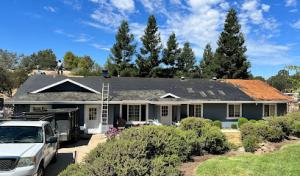
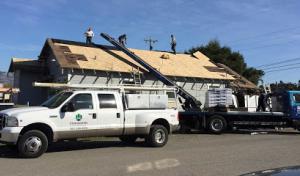
A full reroof project in this area typically requires a building permit from the City of Santa Rosa Building Division before any work begins. This isn't a formality to rush through-the permit sets the project scope, material approvals, and drainage considerations that affect neighboring homes and the street. When you start the permit application, be prepared to provide roof dimensions, proposed materials, and shielding or debris containment plans. The process helps ensure wildfire resistance, proper flashing, and adherence to local wind and seismic provisions that are common around the North Bay climate.
Reroofing work in this market is not treated as paperwork-only. Santa Rosa reroof jobs typically receive inspections during the work and again at final. Expect at least one rough inspection during the tear-off and installation phases, where the inspector verifies nailing patterns, underlayment adherence, and flashing details around vents, chimneys, and transitions. A final inspection confirms that all components meet code and the project aligns with permit conditions. Having a clear schedule with your contractor tied to these inspection milestones helps avoid delays and ensures the roof's performance through wet winters and wildfire-season exposures.
Local permit review may involve added attention when a reroof includes heavy tile systems or solar-related roof work. Heavy tile installations demand exacting structural checks to confirm the existing roof deck can carry the load, plus attention to wind uplift and fastener layouts. If solar panels or a solar roof are part of the plan, expect the permit to include electrical and mounting plans that integrate with the building permit. In some cases, additional documentation or engineering letters are requested to demonstrate wind resistance and fire-safety compatibility. Clear communication with both the Building Division and your contractor reduces back-and-forth and helps keep the project on track during Santa Rosa's wetter months.
Before initiating work, confirm your contractor will pull the permit and schedule inspections. Request the permit number and share it with any neighbors who may be affected by staging or temporary access. Keep a dedicated day-by-day log of inspection appointments and any required sealants or underlayment materials, so the on-site crew can address issues promptly. If the project includes heavy tiles or solar components, bring extra attention to structural reinforcement and fire-safety details in the plan so reviewers see the practical steps taken to meet Santa Rosa's local climate and regulatory expectations.
Find contractors who integrate solar panels or solar shingles into your roof for long-term energy savings.
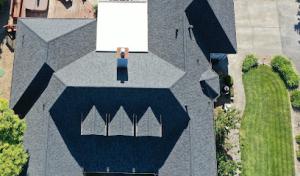
Guardian Roofing
(707) 843-3526 www.guardianroofllc.com
2210 Dennis Ln, Santa Rosa, California
4.7 from 7 reviews


In this market, wildfire and wind exposure can influence coverage availability and underwriting decisions. Santa Rosa sits in a California insurance environment where risk factors shape whether a policy will renew and at what terms. Roof age, material type, and evidence of recent upgrades are central concerns during renewal discussions or after a claim. The outcome can hinge on how clearly a homeowner demonstrates proactive protection and resilience against a fast-moving Santa Rosa wet season and a dry wildfire season.
Insurers scrutinize the roof's age and composition, the presence of fire-resistant features, and whether recent upgrades meet current expectations. If a roof shows older materials, insufficient ignition barriers, or gaps in maintenance, renewals can be harder to secure or come with more restrictive conditions. Conversely, well-documented upgrades that improve wind resistance and fire performance can smooth renewals and expedite claim processing if weather events strike. Documentation matters more when a high-risk period approaches.
Homeowners benefit from keeping a detailed log that travels with the policy into renewal and any claim scenario. Take clear photos of the entire roof before and after work, including close-ups of flashing, vents, and edge details. Store permits, invoices, material specifications, and product data sheets in a known folder or cloud drive. When a claim timeline lengthens in high-risk periods, having organized records speeds communications with adjusters and reduces back-and-forth questions about what was installed and when.
Use a before-and-after photo routine to capture the roof's condition going into autumn rains and the anticipated wildfire season. If upgrades were completed recently, reference the exact product names and installation dates. Build a simple binder with a dated checklist: inspection notes, contractor contact, and warranty information. Prepared documentation supports a smoother process with insurers during renewals or claims, reducing surprises when wind-driven debris or embers threaten vulnerable older homes.
Connect with contractors who help homeowners navigate the claims process from damage assessment to final approval.

ANR Roofing
(707) 548-9576 anrroofinginc.net
2044 Willow Dr, 4077 Stony Point Rd, Santa Rosa, CA
4.3 from 6 reviews
Modern Summit Roofing Contractor
(707) 466-7663 www.modernsummitroofing.com
Serving
5.0 from 47 reviews