
Last updated: Apr 19, 2026
In this part of Sonoma County, the Mediterranean pattern concentrates most weather disruption into the winter rainy season. That means tear-off and dry-in scheduling tends to be more predictable in summer and early fall, but winter storms can still push dry-in timelines back. When rain is forecast, plan for potential interruptions: a roof that's opened up during a wet spell can accumulate moisture quickly from fog drip and mist, even if the forecast calls for only light showers. If you're approaching a tear-off in late fall or winter, build in a buffer for rainfall holes, and make sure the crew has easy access to tarps and edge protection to minimize water intrusion during short, passing showers. The goal is to avoid leaving the deck exposed during peak wet periods, which increases the risk of moisture migrating into underlayment and plywood, especially on older homes with mixed sheathing. If a leak risk exists in winter, the priority is to stage a temporary seal at vulnerable penetrations and to keep a tight window on work days when roofs are dry enough to work without soaking the interior.
Spring fog and humidity in southern Sonoma County slow the drying of roof decks and underlayment compared with hotter inland areas. This can push the dry-in phase longer than a homeowner might expect if they're thinking only in "days of sun" terms. To keep the project moving, coordinate with the contractor to target a stretch of consistently dry days for the key dry-in steps. Inspectors or assignable crews should verify that underlayment is fully adhered and any vented areas are sealed before a rain event moves in. If your roof is already vented, you may notice a cooler, damper feel under the coping or around the ridge lines during spring mornings; use those signs as a cue to avoid rushing the nail-lating or the installation of the first layer of shingles. A cautious approach in spring helps prevent rework caused by moisture-laden decks, which can compromise sealant integrity and shingle adhesion over time. Keep a close eye on guttering during this season, as fog drip can reveal hidden leaks that might otherwise show up later in the dry season.
Hot, dry summer conditions increase UV exposure and thermal aging on exposed roofing components even when rain risk is low. This is when dry-in windows line up most clearly: you want a solid, final seal as soon as possible after a tear-off, but the deck should be dry and warm enough to allow proper adhesive and fastener performance. Plan work for mornings when temperatures are cooler and dew has evaporated, and reserve the hottest part of the day for interior tasks or off-roof phases. If a roof is opened for more than a day or two, cover exposed sheathing with a breathable barrier to prevent sun exposure from drying out wood too quickly or letting dust and pests settle in. In drought-prone zones, you also face cracking and shrinkage of some older underlayment materials; ensure the chosen underlayment is compatible with a longer dry-in period and any related caulking or flashing upgrades. Summer is a practical time to address ventilation: verify ridge and soffit vents are clear so high daytime temperatures don't trap moisture under the deck or in the attic space once the new roof is installed.
As the dry-season edge approaches, autumn offers a favorable window for final roofing phases, provided recent weather has allowed sufficient drying. The key is to tie up loose ends-flashings at chimneys, roof-to-wall connections, and drip edges-before the first real autumn storms. If any section remains unsealed or underlayment is not fully cured, the first significant rain can reveal latent issues. Use the shoulder season to complete any warranty-covered touch-ups and to confirm that all penetrations are properly sealed against the return of fog and mist that can quietly infiltrate gaps. A steady, methodical approach in this period helps prevent a rushed re-coating or resealing that wouldn't hold up once winter weather returns.
In this climate, the practical rhythm is to time tear-offs so the bulk of the dry-in occurs in the warm, low-humidity months, while anticipating foggy springs that slow drying and push some steps closer to the limits of comfort for installers. Keep an eye on the deck's condition long after the final shingles go on: even a well-sealed roof benefits from a post-install inspection after the first winter storms to confirm flashing and sealants are performing as intended. Coordinating with a trustworthy crew who understands the local microclimate and the typical housing stock-especially older, mixed constructions-will pay off in fewer surprises and a more durable roof over the long run.
Petaluma's common reroof mix includes asphalt shingles, metal, clay tile, concrete tile, wood shakes/shingles, and synthetic/composite products rather than a single dominant system. This blend reflects a town with older neighborhoods and a variety of architectural styles, from modest bungalows to vintage two-story homes. Because the roof systems vary in weight, attachment, and fastener needs, the decision is not simply about aesthetics or a single durability metric. Lighter options like asphalt shingles or metal can be advantageous when the underlying structure has limited reinforcement or older sheathing, whereas heavier tile systems may require structural checks or reinforcement to avoid long-term deflection or fastener stress. In practice, the right choice combines how a roof will age with how the attic and eave detailing handle moisture, heat, and intermittent winds.
Fog, winter moisture, and summer heat create a distinctive rhythm for Petaluma roofs. During the wet season, tile valleys can collect moisture and debris, increasing the risk of slow leaks if valleys or flashing are degraded or poorly sealed. Concrete and clay tiles shed water well, but their lap joints and edge flashings demand careful inspection after wet seasons and storm events. Asphalt shingles tend to perform well with consistent maintenance, but the granule loss that comes with aging or windborne debris from wildfire-season periods can accelerate sun-bleached aging and reduce a roof's protective layer. Metal roofs respond quickly to temperature swings, yet fastener security and flashing details matter more in foggy springs when condensation can form along eaves and joints. Wood shakes and shingles relish good ventilation, yet they are particularly sensitive to moisture storage and fungal staining in damp winters, with the potential for surface checking in dry summers if the shade is limited. Synthetic or composite shingles aim to blend lightweight performance with greater impact resistance, but they still require attention to flashing compatibility and edge detailing during seasonal transitions.
Wildfire-era insurance pressures emphasize timely reroofs and thorough documentation, especially for roofs older than a couple of decades or those showing mid-life wear. In a mixed stock area, a heavier tile system can trigger structural and attachment considerations that lighter shingle or metal systems may avoid. If a home has clay or concrete tiles, factor in the risk of tile cracking during cold foggy nights coupled with heat spikes in late summer; such cracks can lead to hidden leaks that only show up after long fog cycles. Asphalt and metal options often provide faster installation with different flashing kits and security details, which can be advantageous when quick, reliable reroofing is prioritized after a weather event. The choice should align with the expected life cycle of the roof, the condition of underlying sheathing, and the ability to manage moisture through the dry season when exterior work is most feasible.
Tile valleys require regular clearance of debris and periodic re-sealing of edge joints to prevent moisture intrusion during winter storms. Shingle granule retention should be monitored after heavy fall winds and fire season debris, with an eye toward attic ventilation to reduce condensation risks in the shoulder seasons. Wood weathering benefits from continued protective finishes and prompt treatment of any surface checking or splitting, particularly on exposed ridges. Metal fastener and flashing details must withstand repeated thermal expansion and contraction, especially where older homes show signs of panel movement or panel-to-flashing gaps. Synthetic products should still receive routine inspection of seams and caps to ensure weather-tight connections through foggy springs and dry summers alike.
Local contractor demand shows meaningful volume for skylight work and flat or low-slope roofing, indicating these assemblies are a recurring service need in Petaluma. The pattern isn't random: the combination of fog-damp mornings, a cool winter, and the dry-hot stretch of late summer conspires to stress seals, flashings, and drainage details that newer roofs often assume will hold up with minimal attention. When a roof replacement comes up, those skylight penetrations and low-slope zones tend to demand the most careful detailing, alignment, and waterproofing. Understanding this helps a homeowner plan not just for uptime, but for the likelihood of repeat visits if the details aren't airtight from the start.
Repeated winter rain events expose flashing weaknesses at skylights more reliably than strong storms do elsewhere. In practice, that means a careful evaluation of the skylight curb, the surrounding roof deck, and the exact transitions where the skylight meets the slope. A small misalignment or an aging seal can become a chronic drip, especially when a roof is older or when a retrofit preserves the original skylight geometry. The same logic applies to roof-to-wall transitions, where a vertical seam meets a horizontal plane; if sealants or flashing have softened or decayed, even modest rainfall can find a path through. The lesson for homeowners is simple: when reroofing, verify that every skylight and transition detail is re-sealed and re-flashed with modern materials that hold up in Petaluma's damp winters.
Homes with mixed roof geometry are common in established neighborhoods, where pitched sections meet lower-slope additions. That mix increases transition-detail complexity during reroofs. The risk isn't just a single leak along a low-slope zone; it's a sequence of potential failure points where differing pitches, deck heights, and flashing materials meet. When planning a reroof, expect to address: the continuity of drainage for flat or near-flat planes, the integrity of edge details along transitions, and the coordination of flashing that bridges multiple roof planes. In Petaluma, the dry season can tempt a rushed detail that looks fine in the sun, but the fog-damp mornings expose any lingering porosity. A thorough, staged approach that treats skylights and low-slope areas as integrated systems reduces the chance of a surprise drip down the line.
Find contractors experienced in skylight installation, flashing, and leak repairs to bring natural light into your home.
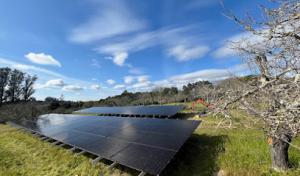
Amy's Roofing & Solar
320 Jewett Rd, Petaluma, California
5.0 from 64 reviews
Modern Summit Roofing Contractor
(707) 466-7663 www.modernsummitroofing.com
Serving
5.0 from 47 reviews


Amy's Roofing & Solar
320 Jewett Rd, Petaluma, California
5.0 from 64 reviews
Amy's Roofing and Solar offers professional roofing and solar installation services to residents of Petaluma, California, and surrounding areas. Our team of experienced roofing contractors and solar technicians works diligently to ensure that both your roofing and solar energy needs are met seamlessly and efficiently. By integrating these services, Amy's Roofing and Solar strives to minimize project management costs and guarantee the utmost quality of the complete system, delivering exceptional results that exceed your expectations while ensuring your property's energy efficiency and aesthetic appeal.
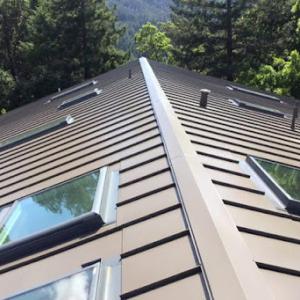
Galvan Roofing & Gutters
(707) 608-8928 galvanroofing.com
Petaluma, California
5.0 from 34 reviews
IN THE MARKET FOR A NEW ROOF? MAKE A ROOFING INSTALLATION APPOINTMENT IN WINDSOR, CA AND THE NORTH BAY AREA If you need a new roof, there's just one company to call for roofing installation services. Galvan Roofing & Gutters provides a wide variety of roof installation services in the Windsor, CA and North Bay for home addition and new construction projects. We also handle roof replacements and repairs. Our services come with manufacturer warranties, as well as a one-year repair warranty. Call a fully licensed, insured and bonded roofing installation technician in North Bay, CA today. We are certified to carry the following products: PABCO, Owens Corning, CertainTeed, GAF, Malarkey, Metacrylics, and IB Roof
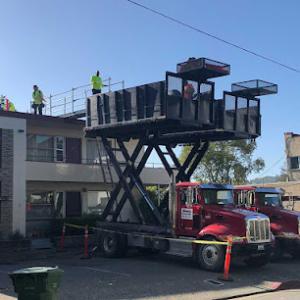
Henris Roofing Company
(800) 775-1968 henrisroofing.com
741 Petaluma Blvd S, Petaluma, California
4.3 from 14 reviews
We install a range of roofing materials, including asphalt shingles, built-up roofing, cold-processes roofing, metal roofing, modified bitumens, fiber-cement roofing, waterproofing, single-ply roof membranes, slate, tile and wood shakes and shingles.
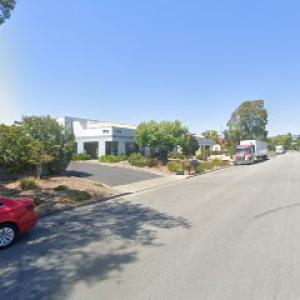
Metal Roof Systems
(707) 529-1847 www.metalroofsystemsinc.com
1309 Ross St, Petaluma, California
5.0 from 4 reviews
Metal Roof Systems, based in Petaluma, California, is a trusted provider of custom metal roofing solutions serving the North Bay Area, including all of Marin, Sonoma, Napa Counties and into all of the East Bay Communities including Oakland, Concord, Martinez, Richmond, San Ramon for over 30 years. They specialize in designing, fabricating, and installing high-performance metal roofs using materials such as copper, steel, aluminum, and zinc. Their services encompass all phases of roofing work, from tear-offs and repairs to carpentry and re-installation. They are known for their "old world" custom fabrication and on-site design capabilities, allowing for unique aesthetics at competitive costs. Their standing seam roofs are Energy Star...
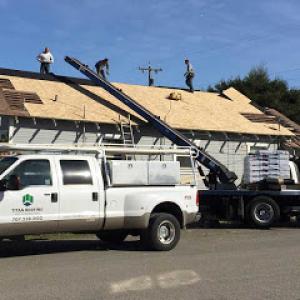
Titan Roofing & Construction
(707) 495-8685 titanroofer.com
Petaluma, California
4.0 from 8 reviews
Welcome to Titan Roofing and Construction — your trusted roofing experts in Santa Rosa, California. We specialize in all types of roofing, including shingle, tile, flat, and metal roofs, as well as roof repair, replacement, seamless gutters, and custom sheet metal work. From storm damage to commercial roofing, we handle every project with integrity and unmatched workmanship. Our mission is to deliver high-quality service at fair prices while building lasting relationships. Every job is treated like our own — because your satisfaction is our top priority. Get in touch today for a free estimate and let the experts take care of your roof with confidence.
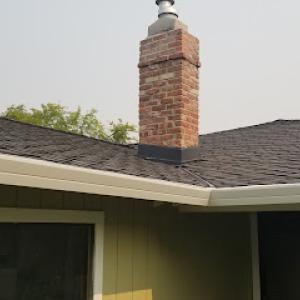
Northern Pacific Roofing - Sonoma - Marin
(415) 456-3482 www.northernpacificroofing.com
829 E Washington St, Petaluma, California
5.0 from 2 reviews
Roofing, Siding and Gutter and Downspout contractor servicing San Francisco and Marin and Sonoma Counties for over 20 years.
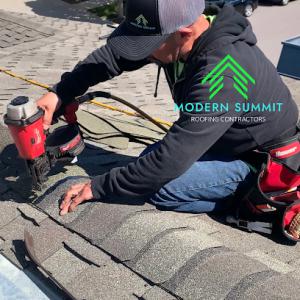
Modern Summit Roofing Contractor
(707) 466-7663 www.modernsummitroofing.com
Serving
5.0 from 47 reviews
Established in 2024 Lic#1117990, Modern Summit Roofing Contractor provides comprehensive residential roofing solutions across Sonoma, Marin, and Napa counties. Their certified experts specialize in various tasks, including emergency repairs, inspections, replacements, and maintenance, using top-quality materials and industry-leading warranties. We offer flexible financing options through WiseTack. Contact us for more information.
Sustainable Living Builders
Serving
4.9 from 81 reviews
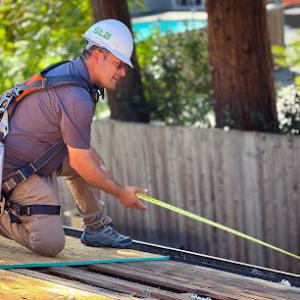
Sustainable Living Builders, Inc., is your premier choice for comprehensive home exterior solutions in Sebastopol. With a focus on sustainable practices since 2019, our expert team provides top-tier roofing, gutter, and waterproofing services. We specialize in metal roofing and installations, ensuring every project meets high eco-friendly standards. From meticulous roof repairs to seamless solar energy system installations, we are dedicated to enhancing the durability and efficiency of your home. Experience the difference that quality craftsmanship and a commitment to a greener future can make for your property. Call Now for Eco‑Friendly Roofing & Solar Solutions!
Roof & Gutter Busters
(707) 584-3010 roofandgutterbusters.com
Serving
4.8 from 16 reviews
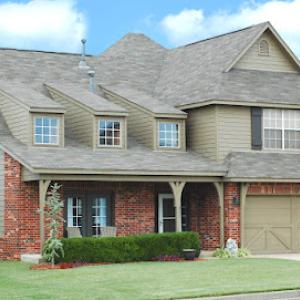
Roof & Gutter Busters, Inc. is your trusted roofing contractor in Sonoma County, dedicated to delivering exceptional roofing services. Specializing in roof repair, roof replacement, new roof installation, and gutters, our experienced team ensures quality craftsmanship for residential roofing needs. As premier Sonoma County roofers, we provide thorough roof inspections to keep your home safe and secure. Whether you require minor repairs or a complete roof overhaul, Roof & Gutter Busters, Inc. stands ready to exceed your expectations with unparalleled service and expertise. Choose us for reliable, professional roofing solutions that stand the test of time.

Crandall Roofing
(707) 340-6633 crandallroofing.com
Serving
4.8 from 112 reviews
Crandall Roofing, Inc. - Your Trusted Roofing Experts in the Bay Area Since 1984, Crandall Roofing, Inc. has proudly served over 10,000 homeowners in the greater Bay Area with exceptional roofing solutions. Specializing in new roofs, roof replacements, and repairs, we use only the highest quality, Class A fire-rated materials, ensuring durability and safety. Our factory certifications allow us to offer warranties up to 50 years. With expertise in Silicone Roof Coatings for low-slope roofs, our skilled team is the go-to choice for home and business owners. We are dedicated to providing clear pricing and 24/7 availability. Trust Crandall Roofing for unmatched craftsmanship and reliability. Choose excellence for your roofing needs!
Second Generation Roofing
(707) 541-7663 secondgenroofing.com
Serving
4.6 from 23 reviews
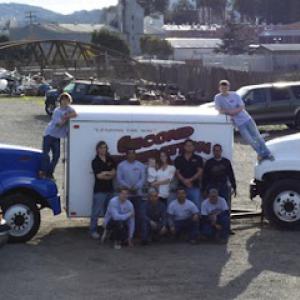
Second Generation Roofing is a family owned and operated roofing company located in Santa Rosa and servicing Sonoma, Marin, and Napa counties for over 25 years. We have become a trusted name in both residential and commercial roofing, a name, a company, and workmanship you can always count on. Since our company’s founding in 1996, we have serviced thousands of properties in our service area with our emphasis being to provide you with exceptional quality and customer service at a fair price.
Apollo Roofing Company
(925) 369-7727 www.apolloroofingcompany.com
Serving
5.0 from 15 reviews
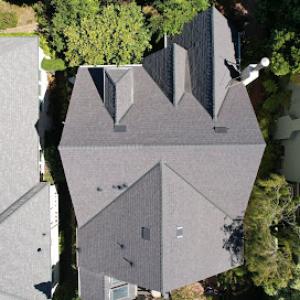
Apollo Roofing Company is a Novato-based roofing contractor providing residential and commercial roofing services in Novato and surrounding areas. The company specializes in roof installation, roof replacement, and roof repair, including flat roofing systems. Apollo Roofing Company serves homeowners and businesses by using durable materials and industry-standard installation practices to deliver weather-resistant roofing solutions suited to local conditions. The business focuses on workmanship, system integrity, and long-term roof performance. Services are provided by appointment only.
During the cool, fog-influenced months and the hot, dry stretch that follows, ash from northern fires drifts onto roofs, into valleys, and into gutters. Even if no flame touches your shingles, that fine debris absorbs moisture, speeds granule loss on asphalt shingles, and can seed microbial growth under wet conditions. In Petaluma's mixed housing stock, flat-vented valleys and metal flashings collect ash differently than steep clay or concrete tile roofs, which means the same storm can produce uneven wear patterns across your roof line. If debris sits for weeks, it seals valleys and eaves, raising the risk of ice damming in shoulder seasons and hidden leaks behind soffits. This is not merely cosmetic; it's a structural signal that your roof is working harder than it should.
Ash and fine debris require more frequent cleaning during wildfire season and after significant wind events. You should plan a proactive sweep of gutters, downspouts, and roof surfaces after each sizable ash fall or plume event, especially before the wet season returns. A staged approach helps: remove surface debris first, then inspect for granule loss or damaged flashing, and finally test drainage paths for any blockages. Pay attention to skylights, chimneys, and vent stacks where debris can accumulate unseen. Document conditions with dated photos after each cleaning cycle; this becomes practical evidence when insurers review post-event condition.
The wildfire environment has reshaped underwriting in this region, so carriers scrutinize roof age, prior damage, and maintenance records more closely. If a roof has visible wear, unusual granule loss, or unaddressed debris buildup, expect heightened questions about age and last service. Keeping a tidy, well-documented maintenance file right before the dry season can help ease the conversation and support timely claim decisions if a later event occurs. And when you're choosing a repair or replacement path, favor roofing systems that weather ash load and wind-driven debris without compromising drainage or rapid drying.
Dry-season reroof timing matters because a delayed replacement can leave you exposed to sudden, costly weather events and tricky post-event documentation. If an ash-rich winter lingers into spring, prioritize projects that restore clear drainage, seal vulnerable flashings, and create a consistent surface for the next dry season. In all cases, ensure that your chosen system offers robust performance against fine debris and stays easy to clean between annual checks. This clarity pays off when insurers request maintenance histories, photos, and a transparent narrative of upkeep.
Connect with contractors who help homeowners navigate the claims process from damage assessment to final approval.
Amy's Roofing & Solar
320 Jewett Rd, Petaluma, California
5.0 from 64 reviews
Modern Summit Roofing Contractor
(707) 466-7663 www.modernsummitroofing.com
Serving
5.0 from 47 reviews
Asphalt shingles remain a common entry point in a city with diverse housing stock. In Petaluma, cost planning should account for the full mix of homes, from affordable asphalt systems to higher-end options. A typical square runs from about $350 to $700, depending on the underlayment, thickness, and warranty. Older houses often need deck repairs or upgraded flashing, which can push costs higher. Winter rain can slow work, and spring fog can stretch scheduling, so plan for potential delays when you're choosing timing.
Metal offers durability suitable for the dry summers and foggy springs, but it's a bigger upfront investment. Expect roughly $600 to $1,100 per square for most installations, with higher-end panels for better energy performance or aesthetics. In longer-standing homes, metal reroofs may trigger deck inspection and flashing upgrades, especially at hips, valleys, and chimneys. Because winter rains interrupt access to the roof and wildfire-season demand tightens crews, you'll want to set a realistic window for completion and select a metal profile that minimizes long-term maintenance in Sonoma County's climate.
Clay tile is a common high-end finish that suits historic and newer homes alike, yet it carries heavier weight and specific install requirements. Costs typically run from $900 to $1,600 per square, influenced by tile profile, underlayment, and roof geometry. Petaluma cost planning should anticipate potential deck repairs and structural checks when heavier materials are considered. Early scheduling helps, as the wet season can stall tile work, and fire-season demand can reduce labor availability, occasionally creating tight lead times.
Concrete tile shares many attributes with clay but often provides a balance of price and performance. Expect $800 to $1,500 per square. Heavier tile and longer spans can necessitate a structural review and reinforced decking. In practice, concrete tile projects in Petaluma benefit from proactive weather contingency plans, since winter precipitation and spring drizzle can slow progress, while summer demand may compress crew availability.
Wood shingles or shakes bring a distinct look but demand precise ventilation and moisture management. Costs range from about $650 to $1,100 per square, influenced by wood species, thickness, and required underlayment. Older homes may require added ventilation corrections and flashing updates, especially where historic detailing is present. The city's dry summers place heavier emphasis on maintaining a sealed roof during wildfire-season pressure, so planning around these periods avoids costly rush orders or rework.
Synthetic or composite options offer lower maintenance perception with decent durability. Budget roughly $500 to $900 per square, depending on the composition and warranty. In mixed neighborhoods, these materials can be a practical alternative where weight or long-term performance matters. Like other materials, ensure deck repairs and flashing upgrades are addressed if the roof is being refreshed on an older structure. Winter rain and wildfire-season demand influence scheduling, so align installation windows with local weather patterns to minimize delays and cost surprises.
Get a clear picture of your project costs upfront - no commitment required.
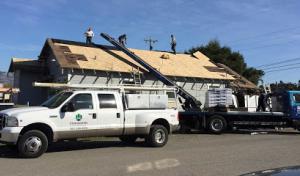
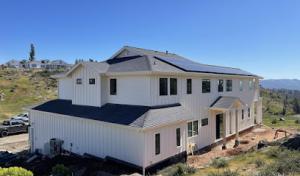
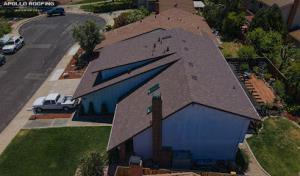
Reroof projects in Petaluma typically require a building permit through the City of Petaluma rather than being handled as permit-exempt maintenance. This means a permit path will be opened and tracked through the city's system, with clear documentation expected from the outset. You or your contractor should plan for a formal review process that ties together structural, drainage, and fire-safety considerations, given the local climate and housing stock. The permit submission signals the project details to the city so inspectors can verify compliance with code and local amendments before work begins.
The local process generally requires contractor information, project scope, and roofing material details before approval. Expect to provide the licensed contractor's contact and license number, a complete description of the reroof scope (layering, stripping, underlayment, and venting changes), and the exact roofing products to be installed. Material specifics should include shingle type or metal profile, underlayment choice, flashing methods, and any ice and water shield or vapor barriers you plan. If the roof has particular constraints-such as a complex vent layout, skylights, or roof-to-wall transitions-have these noted in the submission. The city's review helps ensure compatibility with local wind loads, seismic considerations, and energy code requirements as they apply to your project.
Petaluma inspections occur at required stages and conclude with a final inspection, with some reroofs triggering added review for venting, flashing, or seismic clip requirements depending on roof type and structure. Expect inspection checkpoints for roof deck preparation, underlayment installation, and the final installation of vents and flashings. If the home has a more complex roof structure or uses unusual materials, the city may request a structural review or additional venting verification prior to the final sign-off. Coordinate with your contractor to schedule inspections ahead of time so that the sequence aligns with progress and weather considerations.
Northern California insurer pullbacks and premium pressure make roof condition records more important for homeowners than in lower-risk markets. In Petaluma, the foggy springs and cool, damp winters can mask subtle wear and early failures, while dry summers can stress aging materials suddenly. Having a clear file of roof age, visible wear, and prior repairs helps demonstrate stewardship of the structure when insurers evaluate storms or related damage.
Adjusters in this region may ask for proof of roof age, prior repairs, and pre-loss condition before approving claims tied to storms or related damage. Gather documented dates for any previous reroofs, patch jobs, or shingle replacements, plus notes on problems like loose fasteners or flashing wear. Photos taken across seasons, especially after the wet months, can show moisture intrusion patterns that might influence claim outcomes.
Because wildfire risk influences underwriting across Sonoma County, reroof decisions in Petaluma often involve both repairability questions and future insurability concerns. If a roof shows significant loss of granules, brittle shingles, or widespread cracking, insurers may view it as less insurable or require stronger documentation of mitigations. When contemplating replacements, consider how material choices and installation quality will stand up to seasonal fog, moisture, and potential ember exposure.
Create a simple, organized roof history file: dates of past work, supplier or contractor names, and notes on observed issues. Keep a running log with seasonal observations-moss growth, flashing integrity, and sealant condition-so you can present a coherent story if questions arise after a storm. If you anticipate a policy review or claim, contact your insurer proactively with your organized records to help smooth the process and avoid surprises.
Connect with contractors who help homeowners navigate the claims process from damage assessment to final approval.
Amy's Roofing & Solar
320 Jewett Rd, Petaluma, California
5.0 from 64 reviews
Modern Summit Roofing Contractor
(707) 466-7663 www.modernsummitroofing.com
Serving
5.0 from 47 reviews