
Last updated: Apr 19, 2026
In this local climate, roof replacements are commonly scheduled from late spring through early fall to avoid the wetter winter period and to improve drying conditions. That means timing your tear-off and installation around dry days helps protect exposed decking and minimizes surprises from moisture lingering in the attic or underlayment. The long dry stretches that follow the wet season typically translate to cleaner sheathing, steadier nailing conditions, and more predictable progress from start to finish. When a contractor proposes a mid-year start, use that as a chance to lock in three practical milestones: a dry forecast window, a completion target before the first autumn storms, and a contingency plan for back-up days if heat or wind spikes threaten adhesive and fastening tolerances.
Winter rain season runs roughly November through March and raises the risk of tear-off delays, exposed decking moisture, and rescheduling. If a project must slide into late fall or early spring because of supply or crew availability, build in a buffer for potential moisture-related hold times and tarp or cover strategy to keep the interior dry during a lull. Drying times for any exposed decking extend when air is humid or when recent rainfall has saturated the framing. A practical approach is to set a target for weather-compatible dry spells and to avoid locking in a completion date that would require back-to-back storm coverage or nighttime work. Also, consider the local microclimate: hillside sections can catch more surface moisture and wind-driven drift, while valley pockets may experience shorter dry spells. Your crew should map that nuance into a day-by-day plan so that plan B-quick tarp deployment, rapid material staging, and prioritized sequencing for the most exposed sections-is ready to roll.
Spring fog and humidity in the North Bay can affect adhesive performance and installation tolerances for some synthetic underlayments used during re-roofing. If your project falls in a shoulder month, anticipate slightly slower curing times for sealants and reduced tack for certain membranes. A practical reply is to choose underlayments with proven performance in humid conditions and to coordinate installation of the first rows or starter courses during the warmest, driest part of the day. For composites and synthetics, confirm that the manufacturer's tolerance window aligns with local humidity patterns, and plan for a small window of non-ideal conditions-ideally swapped with interior tasks like attic venting checks or debris removal when morning fog lingers.
Use the dry, late-spring through early-fall corridor to align on a weather forecast-driven start. Coordinate with the crew to verify roof access, material delivery sequencing, and the availability of drying space for any deck moisture tests. Prioritize a schedule that minimizes exposed decking time during the typical November-March rain period, and build in a one- to two-day buffer for any unexpected drizzle without derailing the entire project. If the calendar risks compression due to weather, transition to a plan that completes the most critical sections first-such as the highest ridges and valley flashings-so the interior remains protected even if a portion of the roof must wait for better drying conditions.
In San Rafael, the wet season is when roofing problems that seem minor suddenly become major headaches. Repeated rain events can turn minor flashing or underlayment failures into active interior leaks overnight. If a roof line shows even a small crack around a vent, or a seam in the underlayment lifts during a heavy downpour, water tracks quickly into attic spaces and down interior walls. The trick is to treat any potential weak spot as an active risk, especially after fall storms start to build toward the winter pattern.
Coastal winds in fall can complicate temporary roof protection and staging before the main winter pattern sets in. Windy days push tarps and protective membranes loose, creating a false sense of security that quickly evaporates with the first sustained rain. Before the first big storm hits, arrange a rapid-response plan with a local contractor who can stage a temporary shield over vulnerable transitions-ridge caps, skylights, and vent stacks-without delaying the actual leak repair. Keep temporary covers aligned to resist gusts, and have heavy-duty fasteners ready to minimize wind-driven leakage. If a ladder or access path is required for protection work, clear the route early to reduce risk during a sudden squall.
During the wet-winter re-roof window, the priority is preventing interior damage while you secure a longer-term roof replacement. Active leaks often start where flashing meets siding, around chimney joints, or at transitions between tiles or shingles and underlayment. Do not wait for a leak to widen; address any sign of moisture intrusion the moment it appears. For homes with tile or low-slope roofs, flashing around penetrations should be inspected first, since those areas bear the brunt of winter storms. In San Rafael's climate, underlayment can tear or saturate faster than expected; if you notice damp insulation, dark staining along rafters, or mildew in the attic, call a local pro for a quick assessment rather than waiting for rain to intensify the problem.
The local contractor market shows unusually strong demand for quick-response service and emergency repair, matching homeowner concern about active leaks during storms. That reality means scheduling ahead matters: line up a trusted contractor now, confirm they can respond within hours for emergencies, and establish a priority route for urgent repairs. If a leak begins during a downpour, evacuate the affected area, place containers under dripping spots, and avoid pulling back on tarps or temporary coverings that might release a wall of rainwater into living spaces. A proactive, prepared approach reduces damage and buys time for a full, precise roof replacement when the wet season recedes.

NC Roofing Solution
(415) 687-3636 ncroofingsolution.com
1000 4th St suit 319, San Rafael, California
5.0 from 149 reviews
At NC Roofing Solutions, we know that finding a quality roofing company that fits your budget can be challenging. That's why we offer exceptional roofing services that won't break the bank. With our expert team, you can have peace of mind knowing your roof is in good hands. Don't let roof issues escalate. Choose NC Roofing Solutions for the best roofing services. Contact us today for a consultation and let us take care of your roofing needs!
Apollo Roofing Company
(925) 701-9136 www.apolloroofingcompany.com
584 Las Colindas Rd, San Rafael, California
5.0 from 63 reviews
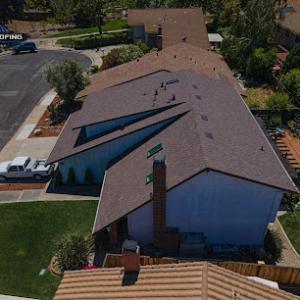
Apollo Roofing Company is a residential and commercial roofing contractor located in San Rafael, CA. We offer roof installation, roof repair, and roof maintenance services for a wide variety of modern and traditional roof types, which includes asphalt shingle roofs, tile roofs, metal roofs, and more. We maintain a high level of safety, honesty, and reliability while giving the same first-class service to all customers regardless of project size. As an expert in the industry, we are dedicated to taking your roofing services to the next level at prices you can afford. "By Appointment Only"

Northern Pacific Roofing
(415) 456-3482 northernpacificroofing.com
1312 Mission Ave, San Rafael, California
4.7 from 30 reviews
We are a full service roofing and siding contractor. We are certified with all of the major manufacturers specializing in GAF, Malarkey, Certainteed, James Hardie siding and more. Family owned and operated for over 20 years in Marin and Sonoma counties.

Roof Doctors Marin County
(415) 223-4100 theroofdoctors.net
San Rafael, California
4.6 from 40 reviews
"Nobody inspects, repairs and certifies more roofs or solves more roof leak problems in the SF Bay Region." Over 300,000 roofs inspected. We do complimentary roof inspections with detailed reports that include pictures. Reports sent within 24 hours of inspection. We are a licensed roofing contractor that offer repairs, replacment bids, gutter cleaning bids, gutter guard installs, and general roof maintenance. Service in the following San Francisco Bay Area counties: Alameda, Contra Costa, Marin, Napa, Solano & Sonoma Counties.
Northbay Roofing & Gutters
(415) 497-1714 www.northbayroofinggutters.com
817 4th St #2, San Rafael, California
5.0 from 10 reviews
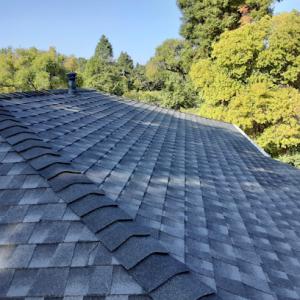
We are a full service Roofing & Gutter Company specializing in Composition Shingles, Standing Seam Metal Roofing, Tar & Gravel, TPO, Torchdown, and Lifetime, Pre-Painted, Galvanized Steel, Seamless Gutters and lifetime seamless copper gutters. We are rated A+ with the BBB. Our customer service and quality workmanship can't be beat! Call us today for a free estimate. We also offer tile roofing, foam roofing, roof restoration, siding, gutter cleaning, repairs, and power washing. Roof Inspections. We are a local family oriented and owned company for over 20 years.
Crown Ridge Roofing
(415) 485-1500 www.crownridgeroofing.com
369 B 3rd St #432, San Rafael, California
5.0 from 8 reviews
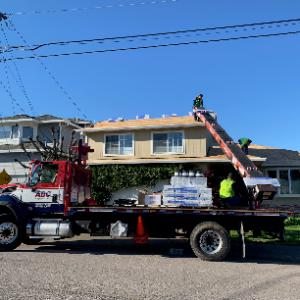
Welcome to Crown Ridge Roofing, experts in roofing with over 25 years of experience, serving customers in Marin County and the East Bay including Berkeley, Corte Madera, Fairfax, Greenbrae, Hercules, Kentfield, Larkspur, Mill Valley, Novato, Oakland, Petaluma, Richmond, San Anselmo, San Rafael, Sausalito, and Tiburon. We install and repair roofs and gutters to prevent leaks.
GBR Roofing
(855) 478-3292 www.gbrroof.com
2175 Francisco Blvd E, San Rafael, California
5.0 from 7 reviews
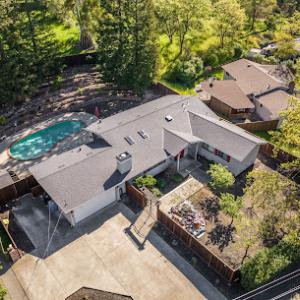
At GBR Roofing, we deliver reliable, high-quality roofing services throughout San Rafael and the northern Bay Area. Specializing in roof installation San Rafael CA and expert roof replacement, our licensed team handles both residential and commercial projects with precision. Homeowners and businesses choose us for superior craftsmanship, transparent communication, and long-lasting results. Whether you need a new roof for a custom build or a replacement for an aging system, we make the process seamless and stress-free. Contact GBR Roofing today to schedule your free estimate and protect your property with a roof built to last.

McLeran Roofing
(415) 456-7663 www.mcleranroofing.com
San Rafael, California
4.5 from 16 reviews
Dependable Roofing Service Since 1929.

San Rafael Roofing
(628) 257-7759 sanrafaelroofrepair.cc
3501 Civic Center Dr 143 #143, San Rafael, California
4.8 from 6 reviews
San Rafael Roofing offers expert residential and commercial roofing services in San Rafael, CA and surrounding areas. We specialize in roof leak repairs, shingle replacement, flat roof repair, storm damage restoration, and preventative maintenance. Our skilled roofing professionals conduct thorough inspections and provide high-quality workmanship to extend the life of your roof and protect your property. Whether you need emergency repairs, minor fixes, or routine roof maintenance, San Rafael Roofing delivers dependable, affordable, and professional roofing solutions designed to keep your home or business safe, secure, and well-maintained year-round.
Aussie Roofing
San Rafael, California
5.0 from 5 reviews
"We are your full-service San Francisco Bay Area roofing installation company located in San Rafael; serving Marin and Sonoma Counties (Petaluma, Cotati, Rohnert Park, Santa Rosa), San Francisco, west Contra Costa County (Richmond, El Cerrito, Kensington, El Sobrante) and west Alameda County (Berkeley, Oakland, Alameda). "
Spotlight Roofing
(415) 233-6082 spotlightroofing.com
1000 4th St suite 320, San Rafael, California
5.0 from 4 reviews
At Spotlight Roofing, we combine expert craftsmanship with a family-first approach. As a licensed, bonded, and insured family-owned business, we’re proud to serve San Mateo with reliable, high-quality roofing services. Whether you need Roof Repair, Roof Restoration, or Emergency Roofing Services, our skilled team is here to help. Using the latest techniques and premium materials, we provide durable, long-lasting solutions tailored to your needs. Your roof is your home’s first line of defense, and we’re committed to keeping it strong and secure. With years of experience, Spotlight Roofing has built a reputation for professionalism, integrity, and exceptional customer care
Figs Roofing & Construction
(415) 342-0443 figsroofing.com
555 Canal St Apt 25, San Rafael, California
5.0 from 4 reviews
Roofing Systems: Modified bitumen, shingles, slate, tile, & metal General Contractor: New construction, remodels or additions.
Roofing in this area features a diverse mix of materials that match San Rafael's hillside and valley microclimates. The dry summers and wet winters push different parts of a roof toward aging at varying rates, so understanding how each dominant material behaves under Marin weather is essential. Asphalt shingles are common for their quick weathering cycles and ease of replacement, but heat and sun exposure can accelerate cupping and granule loss if underlayment protection isn't robust. Metal roofs stand up well to summer heat and rapid drainage during winter storms, yet some coatings can fade or dent with salty coastal winds or heavy hail events. Clay and concrete tiles bring a Mediterranean character and strong durability, but their weight and installation details make proper framing and clear alignment with eave runoff critical in hillside neighborhoods. Wood shingles or shakes offer a traditional look that ages with a distinctive patina, yet require attention to moisture-driven issues and potential mold growth in shaded courtyards or deep roof planes. Synthetic composites blend flexibility with moisture resistance, often resisting cracking in temperature swings while remaining lighter on structural demands. Each option carries its own maintenance rhythm for Marin conditions, so planning around the upcoming wet season helps ensure a longer, leak-free life.
In hillside neighborhoods where Santa Rosa winds and shade corridors prevail, a durable surface with solid underlayment is important. Metal roofs excel in areas that experience quicker summer dryouts, because their reflective properties help limit heat transfer and keep roof decks drier between storms. In warmer microclimates or south-facing elevations, asphalt shingles paired with a high-quality synthetic underlayment can provide reliable protection without exposing the deck to rapid thermal cycling. Tile roofs-whether clay or concrete-perform well in dry heat and can last for many decades, but their weight demands careful structural checks and compatible underlayment; improper installation or a mismatched deck can spell trouble during a heavy winter rain. Wood shingles or shakes bring an aesthetic that suits older, Mediterranean-influenced neighborhoods, yet they demand more regular inspection after wet winters and during humid periods, when moisture can lead to rot if ventilation isn't adequate. Synthetic composites offer a versatile, low-maintenance option that can tolerate Marin's mixed climate, with the advantage of lightweight installation and potential resistance to warping. When choosing, consider the roof's slope, its exposure to sun, and the likelihood of rapid seasonal shifts that stress seals and flashings.
Tile roofs may trigger additional permit review requirements, making material choice a permitting issue as well as a design decision. In practical terms, that means if a tile roof is on a retrofit or replacement plan, anticipate secondary checks that address weight-bearing implications, tile layout, and drainage integration with existing gutters and valleys. This is especially relevant for older homes or remodels where structural members might be closer to their design limits. If the goal is a tile system for a prominent hillside elevation or a courtyard setting, engage a contractor who can coordinate performance, aesthetics, and the permitting realities early in the planning process. For other materials, ensure the chosen system aligns with the roof's exposure-wind-prone ridges, expansive southern exposures, or shaded tiers-so the final assembly remains resilient across Marin's temperature swings and seasonal moisture cycles. In all cases, the objective is to pair the material's intrinsic durability with smart detailing at penetrations, flashings, and eave edges to minimize leak pathways during the next wet winter.
Tile has a strong foothold in Marin County's mix of Mediterranean styling and hillside roofs. In San Rafael, broken tiles and aging underlayment often drive repair strategies that differ from asphalt shingle houses. When a tile roof shows damage, the immediate concern is usually the underlying deck and the battens, not just the visible broken piece. That means inspections should include a careful check of the underlayment condition and potential water intrusion around hips, ridges, and penetrations. If your home features a tile installation, plan for a diagnostic approach that treats the roof as a system rather than a sheet of tiles.
Rainy-season timing matters here. A leak that appears upstairs after a storm might indicate a tile crack, a slipped fastener, or a compromised underlayment. San Rafael homes with clay or concrete tiles benefit from mid-season checks after heavy rains and again before the dry season begins. Pay attention to areas around chimneys, vents, and skylights, where fasteners can loosen and flashing can corrode beneath the tiles. Routine cleaning to remove leaves and debris that trap moisture helps extend the life of the underlayment and the roof deck.
Repairing tile roofs often requires replacing damaged tiles and, in some cases, re-bedding or sealing flashing rather than patching with standard asphalt materials. When a roof is flat or low-slope, the repair approach shifts toward ensuring the membrane over the decking remains continuous and watertight. In San Rafael, flat and low-slope roofs can be more vulnerable to ponding moisture, so attention to drainage and edge detailing is essential. A repair plan should map out tile removal, deck inspection, and targeted underlayment replacement to avoid unnecessary exposure of the structural surface.
Low-slope roofs in older suburban layouts and some mid-century designs introduce different leakage paths than steep tile roofs. The combination of flat profiles and exposed edges means flashing details at eaves and along transitions must be executed with precision. When selecting a material for a low-slope retrofit, consider how the chosen system handles potential expansion and contraction from Marin County temperature swings, as well as how it integrates with existing penetrations and parapet walls. A thoughtful plan prioritizes compatible materials and careful seam work to maintain long-term waterproofing.
If considering a switch into tile or a tile upgrade, expect extra scrutiny and a more detailed review of flashings, underlayment, and roof-to-wall transitions. San Rafael's demand for tile work means inspectors and installers will look closely at the integration with the existing structure and any slope changes. Prepare for a staged approach: verify roof geometry, confirm tile compatibility with the existing deck, and coordinate a sequence that protects the interior while tiles are removed and reinstalled. This helps prevent late-season leaks and ensures a durable, visually cohesive result.
Find specialists in TPO, EPDM, and built-up flat roofing systems for residential and commercial properties.
Apollo Roofing Company
(925) 701-9136 www.apolloroofingcompany.com
584 Las Colindas Rd, San Rafael, California
5.0 from 63 reviews
Northbay Roofing & Gutters
(415) 497-1714 www.northbayroofinggutters.com
817 4th St #2, San Rafael, California
5.0 from 10 reviews

San Rafael Roofing
(628) 257-7759 sanrafaelroofrepair.cc
3501 Civic Center Dr 143 #143, San Rafael, California
4.8 from 6 reviews
For asphalt shingles, expect roughly $350 to $700 per square. If metal roofing is on your radar, budgeting from $700 to $1500 per square is more realistic given Marin County labor nuances. Clay tile and concrete tile sit higher, typically $900 to $1800 and $800 to $1400 per square respectively, reflecting both material heft and careful installation. Wood shingles or shakes run about $600 to $1100 per square, and synthetic or composite shingles land in the $650 to $1100 per square range. These figures reflect the mix of hillside and valley microclimates, plus the common Medina- and mission-style homes that pepper the Marin landscape.
Historically wet winters compress the workable season, pushing scheduling pressure into late spring through early fall. In practice, that means more competition for experienced crews during the preferred re-roof window. When a project gets crowded, you can see both small delays and a quicker path to a higher bid, especially for tile jobs that demand careful, methodical work. Planning ahead, locking in a trusted crew, and coordinating a precise start date can help you avoid a last-minute rush that drives costs up.
Tile roofs are a common feature on Mediterranean-style homes in this area, and labor demands tend to push prices upward. Tile installations may also incur additional time for inspection, layout, and handling, which is reflected in local pricing. In this market, permit review for tile installations can add time and complexity, contributing to total costs beyond material prices alone. If a tile replacement becomes necessary, expect longer timelines and a tighter schedule window, especially when winter rain remains a factor.
Begin with a preliminary walk-through to identify leak-prone areas and determine the approximate square footage of roof area. Compare the local ranges above for your chosen material, factoring in the heavier handling and potential scope creep common with tile or metal. If timing is flexible, target the shoulder season to balance crew availability and weather forecasts, reducing the chance of premium scheduling surges.
Get a clear picture of your project costs upfront - no commitment required.
Apollo Roofing Company
(925) 701-9136 www.apolloroofingcompany.com
584 Las Colindas Rd, San Rafael, California
5.0 from 63 reviews
Northbay Roofing & Gutters
(415) 497-1714 www.northbayroofinggutters.com
817 4th St #2, San Rafael, California
5.0 from 10 reviews
GBR Roofing
(855) 478-3292 www.gbrroof.com
2175 Francisco Blvd E, San Rafael, California
5.0 from 7 reviews
A full re-roof in this area commonly requires a permit from the City of San Rafael Building Division. If you skip it, you risk fines, wasted work, and potential insurance issues when you sell or refinance. The permit application is typically submitted by the contractor with project details and any required plans, rather than handled informally at the jobsite. Make sure your contractor provides stamped drawings for any unusual framing, venting, or roof-line changes, and that the plans show how existing drainage and snow load considerations are addressed. Waiting until a problem becomes clear on the roof can force a rushed submission and complicate the repair window during wet months.
Inspections are commonly scheduled at rough-in and final stages, and you should plan around those dates to avoid delays. Rough-in reviews verify structural integrity, venting, and eave protection before shingles go on. The final inspection confirms that everything was installed to code, with flashings, underlayment, and penetrations properly sealed. If a tile installation is involved, additional review may occur depending on project scope and department workload. Heavy rainfall periods can tighten the inspection calendar, so coordinate with your contractor to keep the project on track and avoid weather-induced hold ups.
Coordinate closely with the contractor to ensure timely submittals. If the project expands beyond a typical replacement-for example, adding skylights, changing roof lines, or altering access to vents-expect extra plan review time. Have your contractor confirm whether any structural reinforcement or seismic bracing is required for a hillside lot. After approvals, keep a copy of all permits and inspection notices on site so you can present them if questions arise during future repairs or at resale. In wet season windows, plan for potential backlogs and communicate clearly about expected inspection dates and deadlines.
San Rafael homeowners are operating within California's tighter insurance environment, where insurer pullbacks and stricter underwriting can affect roof replacement decisions even outside a major catastrophe claim. That reality means planning ahead matters more than ever when a leak season approaches. The choice to replace versus repair is not just about the weather; it can hinge on what the carrier sees in the file when a winter claim is imminent. Staying proactive now helps avoid last-minute disputes that can stall essential repairs.
Older roofs in this market may face closer insurer scrutiny, making pre-loss photos, maintenance records, and contractor notes more important before winter leak season. Gather a clear folder of recent roof inspections, shingle condition notes, and any weather-driven damage from past seasons. Maintain a simple log of maintenance tasks, attic ventilation checks, and any microcrack or flashing issues noted by a profession. When the first storms arrive, the insurer will want to know not just what failed, but what has been tended to over time. A well-organized record set can shorten questions and support timely decisions.
Adjusters handling roof claims in this market may request detailed photos and contractor documentation to support replacement rather than spot repair. Take high-resolution exterior and attic photos that show roof surface condition, penetrations, and any sagging or water intrusion entry points. Include close-ups of shingles, seals around vents, and flashing details. Have a concise contractor note ready describing what would be required for a full replacement, including installation approach and anticipated life of the chosen material. Clear, honest documentation helps prevent delays that can leave you exposed during a wet winter.
In the weeks before wet weather, schedule a professional roof assessment and ask for a written summary tailored to insurance needs. Store copies of all documentation in a weatherproof location and share with your insurer only when asked, keeping a steady, transparent line of communication. This neighborhood understands that preparation today can prevent tomorrow's denial or protracted repair headaches.
Connect with contractors who help homeowners navigate the claims process from damage assessment to final approval.
NC Roofing Solution
(415) 687-3636 ncroofingsolution.com
1000 4th St suit 319, San Rafael, California
5.0 from 149 reviews

Northern Pacific Roofing
(415) 456-3482 northernpacificroofing.com
1312 Mission Ave, San Rafael, California
4.7 from 30 reviews
San Rafael Roofing
(628) 257-7759 sanrafaelroofrepair.cc
3501 Civic Center Dr 143 #143, San Rafael, California
4.8 from 6 reviews
Skylight work is a meaningful specialty in San Rafael, which matters because leak complaints during the rainy season often center on penetrations rather than broad field failure. When a roof is being planned or replaced, prioritize identifying all penetrations early and map out their flashing details before any new shingles go on. This clarity helps avoid last-minute fixes that are weather-sensitive and harder to seal once winter rain starts.
Skylights and any solar components introduce repeated touchpoints to the roof deck. For homes with existing skylights, confirm that curb flashing, flashing pans, and sealant transitions are clean and that any aging seals are replaced during the dry window. If solar is being considered, coordinate with the installer to align rafter space, flashing orders, and conduit routing with the newest roof layer, so there's a single, continuous waterproof path rather than piecemeal patches after the fact.
On projects being re-roofed in the dry season, document penetrations that will remain after the work-vent stacks, plumbing vents, chimney details, and attic access hatches. Plan the ordering and placement of all flashing pieces so final lapping directs water away from vulnerable joints. Avoid stacking multiple penetrations in a single valley or low-slope run without reinforced flashing; that area is where issues tend to show up after the first winter storms.
If adjustments or corrective work on skylights or solar penetrations are needed after the roof is installed, arrange for those tasks to be completed before the wetter months. Late fixes are more weather-sensitive, and a quick, targeted reflash or seal can prevent a cascade of leaks once storms begin. In practice, this means tying any warranty or punch-list items to the first window of dry weather rather than waiting into winter.
Find contractors experienced in skylight installation, flashing, and leak repairs to bring natural light into your home.
Apollo Roofing Company
(925) 701-9136 www.apolloroofingcompany.com
584 Las Colindas Rd, San Rafael, California
5.0 from 63 reviews

San Rafael's contractor market is notably re-roof focused, so homeowners here are often comparing replacement experience and response speed more than niche new-construction capability. You'll notice crews that show up with containment, tarps, and a practiced cleanup routine-traits that matter when winter leaks threaten an occupied home. A nearby installer with plenty of local reroof projects tends to know which underlayments and ventilation setups hold up best through Marin County winters.
You want a team that can confidently size your project, schedule around weather windows, and protect landscaping and driveways from mess. Ask for a portfolio of recent re-roofs on similar roof types and pitches, plus a clear plan for temporary protection during storms. Check that they document leak-prone zones-valleys, edges, and penetrations-and that their crew understands the nuances of hillside homes and limited-access sites common here.
Local hiring priorities strongly favor quick response and cleanup, which is especially relevant in a market where winter leak calls and occupied-home re-roofing are common concerns. Confirm a realistic response timeframe after you call, and insist on daily cleanup during active work. A contractor that treats adjacent siding, windows, and landscaping with care reduces post-project headaches and moisture problems.
Warranty offerings are present in the San Rafael market but not universal, so homeowners should verify what is contractor-backed versus manufacturer-backed before signing. Obtain written details on coverage for workmanship, installation methods, and material defects, and ask who handles warranty claims and how service calls are managed if a leak appears after rain. A clear path to post-install support matters as much as the roof itself.