Last updated: Apr 19, 2026
In this area, the Mediterranean pattern of long dry spells punctuated by winter rain creates a preferred dry-season replacement window. Summers are typically dry and hot, with UV stress on shingles and underlayment, while winter brings the main rain exposure that can test roof transitions. Plan your re-roof to complete before the wet season arrives, so you don't face weather-induced delays that push projects into the heart of the rain season.
Begin by mapping the year into windows you can rely on. The dry-season window usually runs from late spring through early fall, with a comfortable work pace and fewer weather-related interruptions. Target a minimal tear-off exposure during the wet months to reduce the risk of leaks; this means coordinating with crews to stage underlayment and ventilation ahead of any delayed or split-schedule work. In practice, this translates to finishing roof removal, decking checks, and initial underlayment in the dry stretch so that final flashing and surface installation can be wrapped before winter storms arrive.
Watch for known seasonal risks as you schedule. Winter rain delays are common, so have contingency plans with your contractor for weather days and tarping. Summer heat and UV stress speed up aging of roof decks and underlayment, which can shorten the window for compliant installation and drying times between coats. Fall brings wind-driven debris and uplift concerns, so aim to close the project before prevailing winds pick up, and ensure that rafter work, fastener patterns, and sealants are set during calmer periods. Spring hail is a variable risk; if you expect a volatile season, discuss the possibility of additional protective measures or temporary coverings during any mid-project gaps.
Project sequencing matters here because tear-off exposure during the wet season raises leak risk more than in consistently dry inland markets. Coordinate the sequence so the most vulnerable steps-deck inspection, underlayment, and final roof covering-occur when rain is least likely. A practical approach is to front-load the deck check and water management plan while the forecast looks clear, then progress through the weatherproofing stages, with the final surface installed and sealed before the first significant storm cue. If a late-season shower window opens, ensure that the crew can rapidly complete flashing details, ridge venting, and edge protection to minimize days of exposure.
Prepare a realistic schedule that accounts for typical climate fluctuations. Allow extra time around the transition months-late spring and early fall-when weather can swing, and house maintenance crews may encounter material delivery or access challenges. Maintain clear communication with the contractor about anticipated rain events and how they impact material staging and waste removal. And factor in a built-in buffer for any unforeseen deck repairs or insulation checks that often surface once old roofing is removed.
If you're pursuing a replacement in a suburban pattern of homes, consider the local microclimate of your neighborhood. Some blocks face more afternoon sun, others collect shade from tall trees; these microconditions affect drying times for underlayment and sealants. When planning, align the schedule with your contractor's realistic lintel and sealant cure times, so the new roof reaches its full, weather-ready condition before the next winter pulse arrives.
The hot, dry summers and the wet winters in this area put a premium on roof systems that handle prolonged UV exposure without fading or cracking, while also resisting water intrusion during seasonal rain. The way a roof ages here isn't just about initial installation; it's about how the underlayment, flashing, and fasteners behave through long dry spells followed by quick, heavy storms. A roof that tolerates heat and sun exposure over many years will typically outlast one that relies solely on aesthetics or a single-season performance. For a homeowner, that means prioritizing underlayment quality, venting strategy, and corrosion-resistant flashing alongside the primary roofing material.
In this market, the dominant local material mix includes asphalt shingles, metal roofing, clay tile, concrete tile, wood shingles or shakes, and synthetic or composite shingles. Each category brings its own strengths to a Vacaville home, and the best choice often hinges on alignment with house design, roof slope, and anticipated maintenance cycle. Asphalt shingles remain a common, versatile option that pairs well with many home styles and can handle the sun-drenched days here when paired with a robust underlayment and proper attic ventilation. Metal roofing offers excellent longevity and reflectivity, which can reduce heat buildup in attic spaces and help with energy efficiency on steeper roofs. Clay and concrete tiles bring a timeless look and strong weather resistance, especially on mid- to high-slope roofs, but require careful integration with flashing and lattice details to prevent seasonal leaks. Wood shingles or shakes provide a classic aesthetic but demand diligent maintenance against UV wear and moisture, while synthetic or composite shingles bring a modern balance of durability and styling flexibility.
Tile remains locally relevant enough to stand out in contractor specialization, reflecting the city's suburban housing stock where tile and shingle re-roofing are common. If you're considering a re-roof, tile can offer extended life under the sun and strong weather resistance when properly installed with watertight underlayment and corrosion-resistant fasteners. However, tile roofs benefit from precise substrate preparation and high-quality flashing details around chimneys, vents, and at transitions with walls. For homes that already have a tile or clay look, continuing with tile can preserve curb appeal and resale value while taking advantage of the material's long-term durability. If you opt for tile, pay close attention to the edge details and spillover protection where roof meets fascia and gutter systems.
Your decision should balance climate performance with roof geometry and existing structure. In hot-dry summers, materials with strong UV resistance and color stability help limit pigment fade and surface wear. In cool-wet winters, focus on a layered protection approach: high-quality underlayment, properly sloped decking, and well-sealed flashing around penetrations. For steep pitches, clay or concrete tiles can be an excellent choice, provided the framing and support systems are prepared for the additional weight and wind loads. On lower-slope roofs, asphalt, or metal offerings with effective sealants and reliable edge detailing can deliver dependable performance. Consider color choices that optimize heat management-lighter tones reflect more sun and can reduce attic heat gain, contributing to longer roof life and more comfortable interior temperatures.
Regardless of material, routine inspection after the wet season helps catch underlayment wear, flashing gaps, and nail pops early. Tile roofs should be checked for cracked or displaced units after storms, while metal roofs benefit from periodic inspection for loose panels and rust-prone seams. Asphalt and synthetic shingles require attention to shingle lifting and granule loss in year-round sun exposure. A thoughtful maintenance plan that aligns with Vacaville's seasonal patterns-brief, targeted checks following the wet months and pre-summer inspections for UV exposure-will help preserve performance and curb appeal over time.
The inland heat and intense sun in the dry months take a toll on roofs that many locals think of as a normal part of year-to-year wear, but the reality is harsher than it looks. Exposed roofing materials bake under high temps and UV rays, which can accelerate aging of the shingle surfaces, seals, and flashing. Underlayment components, especially those that are partially exposed or poorly tucked at edges, ridges, and transitions, can break down sooner than expected, increasing the risk of slow leaks after the first semi-annual storm cycle. If a roof already shows curling edges, granule loss, or chalky surfaces, the hot season will magnify those weaknesses. A practical move is to keep a careful eye on the attic vents and attic insulation; heat buildup here often mirrors surface wear, and addressing it before a fall wind event can reduce the chance of interior leaks when a storm hits.
As the calendar turns, fall winds can bring unexpected debris up onto the roof and into the eaves. Debris loading around edges and at vulnerable transitions-where the roof meets walls, dormers, or skylights-can create pressure points that amplify uplift during a gusty day. The wind can also lift or wrinkle under shingles and tiles that are already stressed by the summer heat, allowing moisture to find its way into the fascia or sheathing. A proactive approach is to inspect for loose or damaged fasteners, reseal compromised flashing, and ensure valley and apron details are clear of leaves and twigs before the first big wind event. Paying close attention to ridge lines and transitions after a windy spell helps catch problems early and reduce the chance of a sudden leak after a storm.
Spring hail is not the city's dominant weather story, but it is significant enough to justify planning contingencies. A brief hail surge can dent, crack, or dislodge surface materials and create micro-leaks that only reveal themselves after a few storms. After any hail event, a thorough roof inspection is essential-look for softened edges, adhesive separation, pocked surfaces, or granule loss. If damage is found, addressing it promptly can prevent accelerated wear in the following hot season. Even without obvious impact, a proactive check of rain gutters, downspouts, and rooftop penetrations helps maintain the integrity of the overall drainage and signaling systems that protect the home from winter leaks.
Find local contractors experienced in assessing and restoring roofs after hail, wind, and severe weather events.
Roof Solutions
(707) 449-7663 roofsolutionsca.com
4599 Pace Ln, Vacaville, California
5.0 from 205 reviews
Frontline Roofing
(707) 471-5249 www.frontlineroofing.com
419 Mason St STE 102, Vacaville, California
4.7 from 41 reviews

Asphalt shingles in this market typically run per square from about 350 to 550 USD, reflecting the common re-roofing projects where tear-off and disposal are expected. If metal roofing is on the table, anticipate 600 to 1200 USD per square, since metal jobs often include more extensive underlayment and panel work that's valued in this climate. Clay or concrete tile tends to land between 800 and 1500 USD per square, with higher end for larger, more complex layouts or underlayment considerations. Wood shingles or shakes sit around 900 to 1700 USD per square, driven by the premium appearance and the need for careful installation over solid roof decks. Synthetic or composite shingles are generally 650 to 1100 USD per square, offering a middle path between longevity and cost. In all cases, a "square" is 100 square feet of roof area.
The housing mix here favors full re-roofing projects, so tear-off, disposal, and cleanup are routinely expected by homeowners in this market. That means your quoted price typically includes removal of old roofing material and hauling away debris, not a separate line item. The dry, hot summers and wet-winter repair window influence scheduling and crew availability, so timing can shift price modestly if labor markets tighten or weather creates delays. In practical terms, a project delayed by a late-winter storm or a busy spring can push start dates into tighter windows, potentially affecting material delivery and crew calendars.
Because summers run hot and dry, many homeowners opt to complete replacement before the peak heat of midsummer to avoid heat-related handling challenges and to finish before the wet season erodes interior protection. If a project starts in winter, be aware that storm-related demand may compress scheduling, while the need for rapid leak protection may justify expedited timelines. A typical replacement timeline includes thorough underlayment checks, proper ventilation adjustments, and attention to flashing at valleys and skylights, all of which influence final cost and long-term performance.
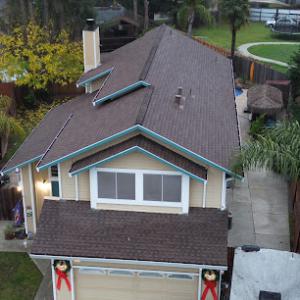
Roof Solutions
(707) 449-7663 roofsolutionsca.com
4599 Pace Ln, Vacaville, California
5.0 from 205 reviews
GAF Master Elite certified. Licensed #1038832, BBB A+, insured, established 2018. Professional roofing contractor serving Residential, Commercial, HOAs & Property managers, throughout Northern California. Live person answers. Written warranties. Schedules honored - no all-day waiting. Free estimates. Insurance claims handled. Your problem→Our solution: Need new roof? Financing available. Leak today? Same-day response when possible. Storm damage? Emergency tarp: 1 hour Solano County, 2+ hours other counties. Insurance claim? We meet adjusters. HOA meeting? Board-ready presentation. Multiple properties? Dedicated project manager. All systems: Shingle, Tile, Metal, Slate, TPO, EPDM, flat. Solano, Yolo, Contra Costa, Napa, Sonoma counties.
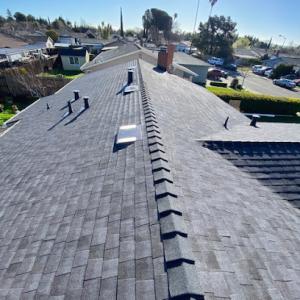
N. American Roofing
(707) 624-5836 namericanroofing.com
42 Union Way, Vacaville, California
5.0 from 37 reviews
North American Roofing is a local family-owned business ready to serve our community. We are fully insured and bonded. We specialize in new roofs, repairs, and gutter systems. Our pledge is to get the job done right. Contact us today!
Northern California Roofing
(707) 447-5655 northerncaliforniaroofing.com
859 Cotting Ct Suite A, Vacaville, California
4.7 from 113 reviews
Northern California Roofing Company has been serving our neighbors throughout the Northern California area since 1990. We specialize in all phases of the roofing process: from roof repairs to roof replacements, as well as maintenance programs and complete roof overhauls. Our professionals are dedicated to serving your needs in a timely manner, with an emphasis on quality craftsmanship, as well as a commitment to customer service excellence. We pride ourselves in being a “one-stop contractor” in the roofing industry. Call us today to get your free estimate
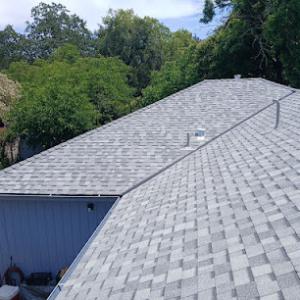
Frontline Roofing
(707) 471-5249 www.frontlineroofing.com
419 Mason St STE 102, Vacaville, California
4.7 from 41 reviews
Located at 419 Mason Suite 102, Frontline Roofing is your local expert roofing contractor, specializing in roof replacement, repair, and installation for both residential and commercial properties. As a top-rated "roofing company near me," we offer exceptional services including metal roofing, flat roof services, shingle roofing, and comprehensive commercial roofing solutions throughout California. Our team is dedicated to ensuring durability and energy efficiency for every project. Choose Frontline Roofing for reliable protection and enhanced aesthetic appeal. Contact us today for competitive pricing and personalized consultations, and experience why our clients rate us so highly.
Crowson Roofing
(707) 451-2041 www.crowsonroofing.com
7301 Summerwood Ln, Vacaville, California
5.0 from 7 reviews
When it comes to roofing and more, no one compares to Crowson Roofing. With years of combined experience, Crowson Roofing has worked hard to build the trust of our clients in Vacaville and surrounding areas. Visit our website to learn more or better yet, call us today!
Above All Roofing & Seamless Gutters
(707) 446-8819 aboveallroofingnorcal.com
495 Willamette Dr, Vacaville, California
4.3 from 19 reviews
Above All Roofing is a family owned and operated business that has serviced the community for over 25 years. We’re here to work with you from start to finish of any job we do. Our family is committed fully to our customers. -Family owned for over 25 years -BBB Accredited Business -CertainTeed Master Shingle Application -Owens Corning Preferred Contractor -Licensed, Bonded and Insured
Trademark Roofing
(707) 455-7663 www.trademarkroofingco.com
313 Kendal St Suite C-4, Vacaville, California
3.7 from 14 reviews
Trademark Roofing is a 24 hour emergency service family owned company. Our quality of service is valued in every costumer we serve.
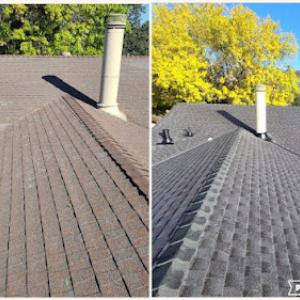
Virtue Roofing
(707) 628-2488 www.virtueroofinggroup.com
821 Atchison Dr, Vacaville, California
5.0 from 2 reviews
EMERGENCY calls on weekends are welcome, roof repairs, roof replacements, roof maintenance, and gutters,
Bay Area Affordable Roofers
(707) 506-0312 bayareaaffordableroofers.com
Serving
5.0 from 22 reviews
Bay Area Affordable Roofers is a roofing company serving Fairfield, CA, providing roof repair, roof replacement, roof installation, roof inspections, emergency roof repair, metal roof repair, and shingle installation and repair. Since 2002, Bay Area Affordable Roofers has worked with homeowners across Fairfield, CA and nearby communities to support long-lasting and reliable roofing solutions. Our team understands the roofing needs of homes in the Bay Area and applies experience with local materials and weather conditions to deliver steady, dependable service for a wide range of roofing projects.

Roof Doctors Solano County
(707) 674-5775 theroofdoctors.net
Serving
4.7 from 84 reviews
"Nobody inspects, repairs and certifies more roofs or solves more roof leak problems in the SF Bay Region." Over 300,000 roofs inspected. We do complimentary roof inspections with detailed reports that include pictures. Reports sent within 24 hours of inspection. We are a licensed roofing contractor that offer repairs, replacment bids, gutter cleaning bids, gutter guard installs, and general roof maintenance. Service in the following San Francisco Bay Area counties: Alameda, Contra Costa, Marin, Napa, Solano & Sonoma Counties.

Spartan Home Services - Roofing & Solar
Serving
5.0 from 27 reviews
At Spartan Home Services we specialize in premium roof and solar systems. Whether you're in need of roof repair or considering a roof replacement, our team is here to provide comprehensive solutions tailored to your needs. Extending beyond quality, we have a passion for creating lasting relationships with our neighbors, to listen, to hear, and to help. Trust Spartan Home Services for quality work that stands the test of time from a team that will nurture you through your whole project.
Roofmasters
(707) 447-7663 www.roofmasters.org
Serving
4.7 from 42 reviews
Since 1993, Roofmasters, a family-run business for four generations, has been providing exceptional roofing services in the counties of Solano, Napa, Yolo, Contra Costa, and Sacramento. They specialize in all aspects of roofing, from tile to sunrooms, and even offer insulation, solar energy systems, and commercial real estate inspections. With a dedication to high-quality work, Roofmasters guarantees customer satisfaction and is proud to be a trusted community partner.
Full roof replacements generally require a building permit from the City of Vacaville Building Division. This is not optional paperwork for a project of this scale, and starting work without the permit can lead to delays and penalties. The city's climate-hot, dry summers and wet winters-means the permit review process helps ensure the chosen materials, flashing details, and ventilation meet local standards for long-term performance and leak resistance.
The local process includes plan review and scheduled inspections. During plan review, you'll submit project details such as roof type, underlayment, venting, and any structural changes. For a new roof in communities with a mix of shingles and tiles, the plans should show roof penetrations, skylights, and any retrofit work to ensure roof lines drain properly and resist wind uplift. A rough-in inspection is conducted during tear-off to verify temporary safety measures, waste containment, and that framing or deck exposure aligns with the approved scope. After the roof is installed, a final inspection confirms that the work matches the plans and that all components meet code requirements.
Expect multiple touchpoints: the rough-in inspection typically occurs while the old roof is being removed and the deck is exposed, and a final inspection follows completion of the installation. Scheduling is important, particularly in the wet season when inspections can be delayed by weather or scheduling backlogs. The Building Division often coordinates inspections with utility checks when mechanical or venting changes are involved, so staying aligned with the inspector's calendar helps avoid project holds. Clear, accurate paperwork and a clean job site streamline the process and reduce revisit risk.
Prepare a complete set of submission documents ahead of time, with details on materials, underlayment, and fasteners that meet Vacaville's standards for performance in hot, dry summers and wet winters. Common pitfalls include missing plan details for ventilation, improper flashing around chimneys and vents, and insufficient temporary containment during tear-off. Before work begins, verify that permit status is active with the contractor and that the project address, scope, and contractor licenses are correctly listed. If plans change mid-project, request an amended review to avoid compliance gaps during inspections.
Coordinate with the contractor to align tear-off scheduling with permit approvals and inspections. Keep a copy of the permit placard and inspection confirmations on-site during work. If any issues arise during rough-in or final inspection, address variances promptly and maintain open communication with the Building Division to minimize delays.
Californias wildfire-prone regions have driven carriers to tighten underwriting, and some aren't opening new policies or renewing existing ones as freely as before. In the Valley's hot-dry summers and punctuated wet winters, insurers are watching roof integrity closely. If a carrier sees gaps in documentation or questions about roof age and replacement history, you may face delays or a need to upgrade before coverage is approved again. Being proactive with records now helps you avoid surprises when a claim looms or a renewal comes due.
When you pursue a re-roof, expect requests for clear proof of age, previous replacements, and the current condition. In practical terms, organize inspection reports, prior contractor notes, and photos from recent checks. Keep a simple, chronological folder that tracks the roof's life-from last inspection to any repairs, plus a summary of material type and workmanship. This is especially important if your shingles or tiles have weathered the Solano County heat, or if a winter leak test revealed vulnerabilities.
When reporting damage after a wind gust, hail strike, or a leak, adjusters will look for both pre- and post-damage documentation and installer contacts. Having pre-repair photos and post-work completion records can speed the process and reduce back-and-forth. In Vacaville's climate, storm timing often tests the roof near the wet season's start, so keeping a running set of easily accessible images and notes minimizes guesswork about what happened when.
Build a light but reliable filing habit: label files by year, note the contractor's contact details, and store digitally if possible. A straightforward log of inspection dates, what was found, and what was repaired helps you respond quickly to any insurer questions. This approach supports stability during seasonal shifts-hot, dry days followed by sudden storm risk-and makes it easier to demonstrate a roof's resilience when a claim is necessary.
Connect with contractors who help homeowners navigate the claims process from damage assessment to final approval.
Roof Solutions
(707) 449-7663 roofsolutionsca.com
4599 Pace Ln, Vacaville, California
5.0 from 205 reviews
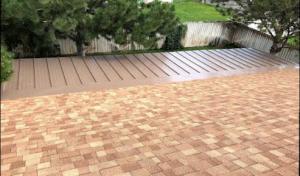
In Vacaville, solar-related roofing work is active, and homeowners often need a plan that tightly coordinates penetrations, flashing, and future panel access. The hotter inland climate means penetrations must be treated as part of the roof assembly rather than as afterthought add-ons. When a contractor surveys a roof designed for solar, confirm that the rafter layout, nail lines, and starter/edge details align with future panel mounting. Ask for diagrams that show where roof vents, exhausts, and skylights intersect with mounting rails, and request a single, continuous flashing boot around any penetrations to minimize heat-accelerated wear. If you anticipate re-roof timing, insist on a plan that leaves clean, accessible flashing transitions so the panel system can be integrated later without tearing up new work. In practice, you want a seam-to-seam approach: no mismatched cutouts, no gaps where moisture can travel, and a surface that tolerates elevated sun exposure without warping or accelerated granule loss.
Flat and low-slope roofing appears often enough among local contractor specialties to merit separate planning from the city's more common pitched shingles and tiles. In these assemblies, the slope and drainage play a pivotal role in long-term performance. For a Vacaville home, expect seasons of intense sun followed by winter moisture; you must evaluate drain locations, edge details, and how flashing transitions are sealed at parapets and transitions to vertical walls. A practical approach is to map every edge, scupper, and terminations before any material choice. Ensure the chosen low-slope material has compatible bonding and surface preparation for the region's sun exposure and occasional winter rain events. Sealant selection should favor products with proven UV resistance and movement capability to accommodate the typical thermal cycling here.
In the hot summer climate, low-slope assemblies and rooftop penetrations need careful detailing because heat exposure and winter moisture create different failure patterns than standard steep-slope re-roofs. Look for a layered detail that prioritizes high-temp compatibility between deck, underlayment, flashing, and the top membrane. Check that joints at penetrations are engineered with ample overlap, proper fastener density, and drainage continuity. Consider a ventilated roof deck strategy where feasible to reduce heat buildup beneath the membrane, which helps extend seal life. Finally, insist on a plan that ensures future panel access won't compromise existing low-slope seals, converting potential leak paths into robust, maintainable details unique to this market.
Find contractors who integrate solar panels or solar shingles into your roof for long-term energy savings.