Ultimate Guide to Roof Restoration Services
Last updated: Feb 28, 2026
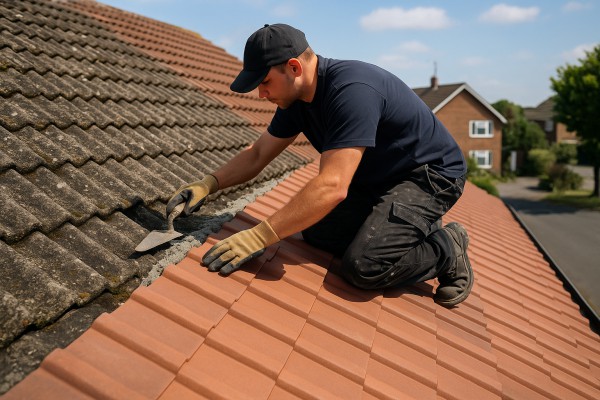
Introduction to Roof Restoration Services
Roof restoration helps you extend the life of an aging roof without the cost of a full tear-off. It's a practical, proactive option when the deck is sound, but the surface shows wear, leaks, or worn coatings. Below is a homeowner-friendly guide to what restoration involves, how to tell if it's right for you, and what to expect from the process.
What roof restoration covers
- Cleaning and moss/algae removal to restore surface health and appearance
- Re-sealing loose sealants, fasteners, and flashing to stop leaks
- Minor repairs to the roof surface and flashing if the deck is still solid
- Application of protective coatings or membranes that restore waterproofing
- Optional refresh of vents, ridges, and other penetrations for a complete seal
A restoration typically focuses on the top layer and near-surface components. If the underlying decking is compromised or there's structural damage, a full replacement may be the more durable long-term choice.
When to consider restoration vs replacement
- If the roof shows wear but the deck and structural components are solid, restoration is often cost-effective.
- If leaks are localized and the overall roof age is within the coating or membrane's expected life, restoration can restore performance.
- If there's widespread rot, sagging, or extensive flashing failure, replacement may be the better long-term investment.
- If your climate accelerates wear (heavy sun, freeze-thaw cycles, or salty coastal air), discuss durability and warranty options with your roofer.
Key decision factors:
- Roof material type and age
- Extent of visible wear and leaks
- Condition of attic insulation and ventilation
- Budget and return on investment
Our approach to quality restorations
1. Inspect and assess the entire roof system
2. Clean and prepare the surface, removing organic growth and debris
3. Repair damaged flashing, vents, and fasteners as needed
4. Apply appropriate coatings or membranes designed for your roof type
5. Inspect the finished work and provide a maintenance plan for longevity
This step-by-step approach keeps the project organized, minimizes surprises, and helps you understand what you're paying for.
Techniques and materials you'll encounter
- Soft washing to clean without damaging coatings
- Algae/moss treatments that are compatible with your roofing material
- Elastomeric or silicone/acrylic coatings for flexible, long-lasting waterproofing
- Re-sealing and resealing of seams, fasteners, and penetrations
- Optional UV-reflective or cool-roof finishes to improve energy efficiency
Material choices depend on your roof type (asphalt, tile, metal, etc.), climate, and desired durability. A quality restoration uses products compatible with existing materials and backed by manufacturer warranties.
What to expect during the project
- Duration: most restorations span 1–3 days, depending on roof size and complexity
- Noise, dust, and access: plan for a few hours of disruption and safe work zones
- Safety measures: fall protection, ladder safety, and debris containment are standard
- Protection of landscaping and belongings: tarps or barriers are usually used
- Final walkthrough: review of work performed and any touch-ups needed
Choosing a restoration contractor
- Verify licenses and insurance, including liability and workers' compensation
- Ask for references and recent project photos similar to your roof type
- Request a detailed, written scope of work and a transparent cost breakdown
- Confirm coatings/materials, expected lifespan, and warranty terms
- Discuss maintenance recommendations and a return visit schedule
Quick homeowner tips
- Schedule an upfront roof inspection after restoration to catch issues early
- Track your warranty and know what is covered and for how long
- Keep gutters clear and ensure proper drainage around your home
- Document the project with photos for future reference
- Maintenance: plan annual inspections and address any small issues promptly to maximize the life of your restored roof.
What Roof Restoration Services Include
Comprehensive definition
Roof restoration is a coordinated set of proven repairs, protective measures, and surface treatments designed to extend the life of an aging roof without a full tear-off. It blends targeted fixes (like replacing damaged shingles and sealing leaks) with preventive care (such as coatings and coating priming) to restore functionality, waterproofing, and curb appeal. The goal is to stabilize the structure, stop current leaks, and slow future deterioration while preserving as much of the existing roof as possible.
Core components of a roof restoration
- Thorough cleaning and debris removal to expose all problem areas
- Moss, algae, and lichen removal to prevent underlying damage
- Inspection and repair of damaged or missing shingles/tiles
- Flashing inspection and repair around chimneys, vents, and hips
- Deck and underlayment inspection; replacement of damaged sections
- Sealant, waterproofing, and protective coatings appropriate to roof type
- Gutter and downspout checks to ensure proper drainage
- Ventilation and attic accessibility review to reduce moisture buildup
- Surface prep for coatings, including repair of loose granules or cracked surfaces
When it's typically needed
- Age and wear: asphalt shingles commonly show need after 15–25 years; other materials have varying timelines
- Visible leaks or water stains on ceilings and walls after rain
- Curling, buckling, or missing shingles/tiles, or significant granule loss
- Moss, algae, or mold growth that compromises waterproofing
- Wind damage, hail impact, or storm-related shingle displacement
- High-energy bills due to poor insulation or attic venting that accompanies roof wear
- Prior to a major resale to maximize curb appeal and buyer confidence
Step-by-step restoration process
1) Initial inspection and documentation
- Comprehensive roof assessment, photo records, and measurements
- Identify structural issues beyond cosmetic damage
2) Scope, materials, and cost planning
- Create a detailed plan with material choices, warranty info, and timeline
- Agree on temporary protections and access needs
3) Site protection and surface preparation
- Cover landscaping, seal openings, and remove loose debris
- Safely access difficult areas with fall protection in place
4) Repairs and replacements
- Replace damaged shingles/tiles and repair flashing
- Address deck or underlayment damage; reinforce weak spots
5) Cleaning and priming
- Remove moss, algae, and mineral buildup
- Prime porous surfaces if required by the coating system
6) Coating, waterproofing, and final checks
- Apply appropriate roof coating or sealant and perform waterproofing tests
- Reinstall or repair gutters, vents, and flashing as needed
- Final walkthrough and a written maintenance plan
Materials and methods by roof type
- Asphalt shingles: asphalt or silicone-based coatings; careful surface prep to avoid adhesion issues
- Metal roofs: corrosion-resistant coatings; seam sealing and panel edge protection
- Clay/Concrete tiles: cementitious coatings or penetrating sealants; tile repair or replacement as needed
- Wood shakes/shingles: breathable coatings; treat for rot and insect resistance; ensure ventilation
- Flat roofs: protective membranes, elastomeric coatings, and drainage optimization
Maintenance after restoration
- Schedule annual inspections to catch early signs of wear
- Clean gutters and downspouts regularly to prevent water backup
- Monitor flashing, seals around vents, and penetrations for signs of wear
- Address moisture buildup in the attic with proper ventilation
- Keep trees trimmed to minimize debris and roof impact
Quick indicators you may need a restoration
- Recurrent leaks after storms despite minor repairs
- Persistent stains or damp patches on the ceiling
- Noticeable granule shedding on shingles and in gutters
- Visible algae growth or persistent moss
- Moving or curling shingles that expose underlayment
Practical tips for homeowners during restoration
- Ask for a written warranty on workmanship and materials
- Request a written maintenance plan with a dry-weather follow-up schedule
- Ensure access to proper safety equipment for crews and clear signage for you and neighbors
When You Need Roof Restoration Services
Signs this service is needed
- Water stains on ceilings or walls, especially after rain.
- Missing, curling, buckling, or cracked shingles.
- Excessive shingle granule loss in gutters and downspouts.
- Dark streaks, mold, or moss growth on the roof surface.
- Attic signs: damp insulation, mold, or daylight visible through the roof.
- Sagging roof deck or noticeable roof movement.
- Damaged or loose flashing around chimneys, vents, or skylights.
- Ice dams forming and recurring leaks during winter.
- Roof material nearing the end of its expected life for its type.
- Multiple leaks or patchy repairs that keep returning after rainfall or wind events.
If you notice one or more of these issues, restoration work may be needed to restore performance, protect structure, and extend life without a full replacement.
Ways you can confirm yourself as a homeowner
- Gather documentation: installation date, roofing material, warranty terms, and records of prior repairs.
- Do a ground-level exterior check: look for missing, curling, or damaged shingles, lifted flashing, or areas that look worn or pale. Use binoculars to inspect hard-to-see sections without climbing.
- Inspect the attic (do this safely): look for new or mysterious wet patches, dark stains, damp insulation, or light shining through gaps in roofing.
- Check gutters and downspouts: note any heavy concentrations of shingle granules, exposed underlayment, or debris that signals aging material.
- Document changes over time: take dated photos from multiple angles and compare year-to-year.
- Consider weather patterns: leaks that occur only during heavy rain or wind-driven rain may indicate penetration points or wind-damaged flashing.
- Refrain from risky roof work: avoid walking on a steep or slick roof. If you must inspect closer, contact a professional for safety-first evaluation.
When to get a professional assessment
- You have an active leak or interior water intrusion after rain.
- The roof shows visible sagging, pronounced deformation, or widespread shingle loss.
- There was a severe storm, hail, or high-wind event that could have damaged concealed components.
- The roof is older than its expected service life and you see signs of wear beyond routine aging.
- You're unsure about the extent of damage or the best restoration path.
- After a weather event, you want a professional evaluation to determine if restoration, repair, or replacement is most appropriate.
What to expect from a professional assessment
- Exterior inspection focusing on shingle condition, flashing, vents, valleys, and fascia.
- Interior checks for signs of moisture, attic ventilation issues, and insulation impact.
- Non-destructive moisture tests or measurements to locate hidden issues.
- Identification of underlying problems, such as decking damage, poor ventilation, or improper drainage.
- A restoration plan with recommended tasks, material options, timelines, and ballpark costs.
- Documentation you can use for insurance, warranties, or contractor bids.
Preparing for the assessment
- Gather all roof-related documents and recent repair records.
- Photograph problem areas from ground level and inside the attic.
- Note dates when leaks or stains were first noticed and any related weather events.
- Have a list of questions ready about maintenance, ventilation, and long-term solutions.
What Roof Restoration Services Include
What is typically included
A typical roof restoration focuses on extending life and protecting the existing roof system without a full tear-off. Here's what you can expect in a standard restoration package:
- Comprehensive on-site inspection and a written scope of work outlining tasks, priorities, and timeline
- Safety planning and site protection: tarps, walkways, ladder stabilization, and debris containment to protect your yard and landscaping
- Roof cleaning using a soft-wash method to remove moss, algae, lichen, and surface dirt without damaging shingles
- Moss and algae treatment with approved biocides to inhibit regrowth
- Surface preparation: removal of loose debris, nail-head sealing, and minor shingle or flashing touch-ups to tighten up vulnerable seams
- Minor repairs to flashing, vent boots, ridge caps, and loose or cupped shingles to restore watertight performance
- Sealing and resecuring: resealing loose nails and re-fastening edges where needed (without a full tear-off)
- Underlayment inspection and limited repairs if accessible; major replacement not included
- Application of roof coatings (elastomeric or acrylic) to restore waterproofing, reflectivity, and curb appeal
- Gutter and downspout checks with debris removal to prevent drainage backups near the fascia
- Ventilation and attic space assessment; resealing or adjusting vents to improve moisture control
- Ridge-line inspection and resealing or replacement of compromised ridge caps as needed
- Thorough debris removal and final site cleanup, including nail sweep and waste disposal
- Documentation: before/after photos and a written summary of work performed and maintenance recommendations
- Warranty options: workmanship warranty and applicable product warranties, with details provided for each package
Process outline
1) Plan and assessment: a lead technician reviews roof condition, notes areas needing attention, and prepares the written scope
2) Protect and prepare: perimeter protection, tarps, and safety equipment setup to minimize risk
3) Clean, treat, and repair: moss removal, biocide treatment, and patching of minor defects
4) Coat and seal: apply the chosen roof coating, ensure even coverage, and observe cure times
5) Final inspection and cleanup: walk-through with you, provide photos, and document maintenance needs
What is not typically included
- Full tear-off and replacement of the roof unless it's specified as part of a larger project
- Major structural repairs to decking or framing; those are outside the restoration scope
- Complete replacement of underlayment, flashing systems, or vent boots beyond minor resealing
- New skylight installation, vent relocation, or adding roof-mounted equipment
- Electrical, plumbing, or solar installations tied to the roof system
- Landscaping repair or exterior modifications beyond standard cleanup
- Permits, engineering reports, and code upgrades are typically not included, though we can help coordinate them for an added fee
- Insurance claims processing, deductible handling, or claims liaison services
Common Roofing Materials Used in Roof Restoration Services
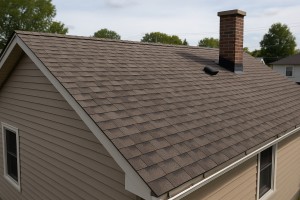
Asphalt shingles are the workhorse of many homes, and restoration here centers on longevity, watertightness, and appearance. You'll commonly see issues like granule loss, algae or moss growth, curling edges, and minor flashing gaps. A restoration plan aims to clean, protect, and extend life without compromising warranty.
- Common issues addressed: granule loss, surface staining, moss buildup, loose or damaged flashing, nail-head exposure.
- Why restoration helps: targeted cleaning, minor repairs, and compatible coatings can restore water resistance and curb appeal without a full roof replacement.
- Material-specific notes: avoid heavy waterproof coatings that trap moisture or void underlying shingles' warranty; use breathable, asphalt-specific sealants when advised.
1) Inspect for curling, missing granules, and flashing gaps.
2) Clean surface to remove debris and growth.
3) Repair damaged shingles, reseal edges, and address flashing.
4) Apply a compatible coating or sealant only if approved for asphalt systems.
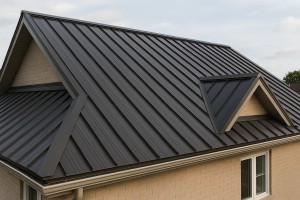
Metal roofs respond well to restoration when corrosion, loose fasteners, and weathered coatings are addressed. Issues like rust, panel movement, and oxidization can shorten life if neglected. Proper restoration can restore reflectivity and extend service life.
- Common issues addressed: surface rust, loose or damaged fasteners, worn sealants, seam leaks, and chalky coatings.
- Why restoration helps: rust treatment, re-sealing seams, and renewing protective coatings reduce leaks and slow further deterioration.
- Material-specific notes: coatings must be compatible with standing-seam or corrugated profiles; options include elastomeric coatings, ceramic-based paints, or powder-coat refinishing.
1) Inspect fasteners, seams, and flashing for looseness and leaks.
2) Clean corrosion and re-seal seams and penetrations.
3) Recoat with a metal-specific coating or paint system.
4) Re-tighten or replace fasteners and recheck for ponding or panel movement.
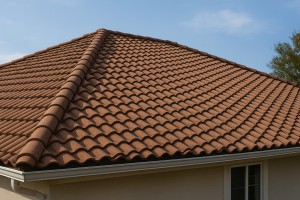
Tile roofs demand careful handling: tiles can crack or shift, and underlayment may be compromised. Restoration emphasizes preserving the tile system while correcting leaks and reducing growth of moss and lichens.
- Common issues addressed: cracked or loose tiles, moss buildup, degraded mortar or bedding, and underlayment exposure.
- Why restoration helps: cleaning and selective tile replacement with breathable, compatible sealants or coatings can improve waterproofing without sacrificing tile structure.
- Material-specific notes: coatings must be breathable to avoid trapping moisture; some coatings are not appropriate for all tile types—confirm compatibility.
1) Inspect tiles for cracks, voids, and substrate gaps.
2) Replace broken tiles and reseat loose ones; check ridge lines.
3) Remove moss and debris; treat for biological growth where safe.
4) Apply a breathable sealant or coating if endorsed for tile roofs.
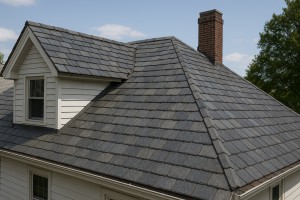
Slate roofs are durable but delicate to work on. Restoration focuses on preserving slates, restoring flashings, and addressing any underlying decking issues. Proper care avoids brittle breakage and preserves natural beauty.
- Common issues addressed: cracked or displaced slates, degraded flashing, and potential underlayment exposure.
- Why restoration helps: careful replacement with matching slate and minimal topical coatings can extend life without compromising aesthetics.
- Material-specific notes: avoid aggressive coatings that dilute slate's porosity; use slate-approved sealants and lime-based repointing where required.
1) Inspect slate integrity and check for loose or broken pieces.
2) Replace damaged slates with matching pieces; repair flashings.
3) Clean and treat for moss; avoid heavy coatings unless recommended.
4) Repoint ridges with appropriate material and ensure proper drainage.
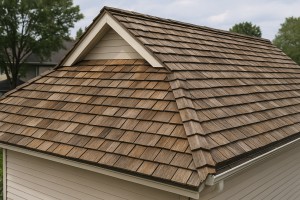
Wood roofs benefit from restoration that targets moisture intrusion, insect activity, and surface finishes. Expect issues like UV wear, rot, and warping.
- Common issues addressed: surface fouling, mold or rot, insect damage, and worn finishes.
- Why restoration helps: cleaning, staining/finishing, and selective replacement preserve the roof's character while restoring weather resistance.
- Material-specific notes: use water-repellent, UV-stable finishes; some coatings can affect breathability and warp, so follow manufacturer guidance.
1) Inspect for rot, cracks, and insect damage.
2) Clean to remove growth; treat affected areas.
3) Re-stain or seal with a compatible, protective finish.
4) Replace severely damaged shakes and reseal fasteners.
Synthetic/Composite
Synthetic or composite shingles mimic natural materials but respond differently to coatings and wear. Restoration focuses on cleaning, color refresh, and addressing any delamination or fading.
- Common issues addressed: color fading, seam separation, and pulp or core exposure in damaged areas.
- Why restoration helps: appropriate cleaners and sealants can restore appearance and water resistance without full replacement.
- Material-specific notes: use products labeled for composites to avoid staining or swelling; verify warranty compatibility before applying coatings.
1) Inspect for delamination, fading, and seam issues.
2) Clean with non-abrasive cleaners; remove organic growth.
3) Repair or replace failing panels; seal seams where advised.
4) Apply a compatible coating or finish if approved for the material.
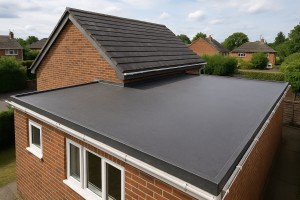
Flat roofs rely on seamless membranes. Restoration concentrates on seam repair, puncture sealing, and protective coatings to extend service life.
- Common issues addressed: seam splits, punctures, ponding, and aging of surface granules or ballast.
- Why restoration helps: patching and coatings can restore water-tightness and UV resistance without a full roof replacement.
- Material-specific notes: coating compatibility varies by membrane type; ensure you use a product approved for EPDM, TPO, or modified bitumen.
1) Inspect seams, patches, and drainage paths.
2) Repair punctures and reinforce vulnerable seams.
3) Clean surface and apply a compatible elastomeric coating.
4) Re-evaluate drainage and perform any additional maintenance to prevent ponding.
Understanding the Cost of Roof Restoration Services
Typical average costs for Roof Restoration Services
Prices for roof restoration vary by roof size, roof type, and the current condition of the roof. Here are practical ranges to guide planning:
- Light restoration (cleaning, moss/algae removal, sealing/coating, minor repairs): 0.75–2.50 per sq ft
- Moderate restoration (more substantial repairs, multiple areas resealed, better coatings, debris removal): 2.00–4.00 per sq ft
- Heavy restoration (extensive repairs, decking work, premium coatings, complex roof): 4.00–8.00 per sq ft
For a typical home roof:
- A 1,200–1,500 sq ft roof: roughly $2,000–$6,000 for light to moderate restoration; $4,800–$12,000 for heavier work
- An 1,800–2,000 sq ft roof: roughly $3,000–$9,000 for light to moderate work; $7,200–$16,000+ for heavy restoration
These figures cover cleaning, coating, minor repairs, and basic debris removal. If the project involves substantial decking replacement, extensive lead or asbestos concerns, or premium coatings with longer warranties, expect higher costs.
What factors influence the price
Several practical elements drive the final bill:
- Roof size and pitch: larger areas cost more; steeper roofs require extra safety equipment and time.
- Material type: asphalt shingles, metal, tile, or wood shakes each have different preparation needs and coating compatibility.
- Condition and scope: the more damaged or rotten decking, flashing, or vents that require attention, the higher the cost.
- Accessibility: difficult access (lots of landscaping, gated neighborhoods, elevated heights) raises labor time and equipment needs.
- Coating type and warranty: premium coatings (silicone, fortified elastomerics) and longer warranties cost more upfront but may save money long-term.
- Permits and disposal: local permit requirements and hauling away old materials add to the price.
- Climate and location: regional labor rates and weather windows can push pricing up or down.
Ways to keep costs down
- Choose standard coatings and avoid premium finishes unless your roof needs the extra protection.
- Schedule in shoulder seasons when crews are more available and may offer better pricing.
- Maintain a clean, accessible work area to reduce setup and teardown time.
- Get multiple bids and ask for itemized quotes to compare exactly what's included.
- Tackle small prep tasks yourself (clear debris, trim nearby branches) if you're comfortable and safe.
What can push costs up
- Complex roof design (multiple slopes, dormers, skylights) and steep pitches
- Extensive damage to decking or flashing that needs replacement
- Specialty coatings or reflective/energy-saving options
- Required permits, inspections, or working within tight weather windows
- Hiring highly experienced contractors or those offering long warranties in high-cost markets
Quick notes to plan your budget
- Ask for a breakdown: removal, disposal, prep, coating, and any repairs
- Confirm whether the quote includes gutters, downspouts, or flashing work
- Check warranty terms on both workmanship and materials
- Schedule a pre-project assessment to identify hidden issues and avoid surprise charges
Quick steps to estimate your project cost
1. Measure your roof area or have your contractor measure it accurately.
2. Have a professional assess the roof's condition and note any required decking or flashing repairs.
3. Decide on coating material and warranty level you want.
4. Gather 3–4 written bids with detailed scopes of work.
5. Add a 5–15% contingency for unknowns and weather-related delays.
How the Roof Restoration Process Works
Step 1: Schedule and In-Home Consultation
A friendly, no-pressure visit to assess your roof's condition and your goals. We listen first, answer questions, and explain practical options. You'll get a clear sense of what restoration can achieve and what it may entail.
- Prepare a short list of concerns (leaks, stains, wind damage, energy bills).
- We agree on a convenient time and confirm the scope and rough timeline.
- You receive an outline of proposed work, materials, and a ballpark cost range.
Step 2: Thorough Roof Inspection
Our expert technician climbs up with safety gear to inspect every corner of the roof and attic. We look beyond visible wear to identify hidden issues that could affect performance.
- Check shingles or tiles for cracking, curling, or missing pieces.
- Inspect underlayment, flashing, vents, and gutters for leaks and integrity.
- Examine attic insulation and signs of moisture, mold, or condensation.
- Document findings with notes and photos to guide the plan.
Step 3: Damage Assessment and Restoration Plan
We translate findings into a practical restoration plan tailored to your roof and budget. The plan explains what to repair, what to restore with coatings, and what to replace.
- Decide between targeted repairs, full surface restoration, or a protective coating system.
- Select materials and finishes (colors, coatings, sealants) that suit climate and home style.
- Set a realistic timeline and milestones, plus any access or safety considerations.
Step 4: Prep and Safety Measures
Preparation protects your home, the crew, and the roof surface. We lay out a safety plan and protect surrounding areas.
- Erect stable access, tarps, and containment to keep debris from neighboring property.
- Move or shield outdoor furniture, plants, and vehicles as needed.
- Seal work zones to minimize dust and noise disruption and prepare the surface for treatment.
Step 5: Surface Repairs and Cleaning
Before any coating or sealant goes on, we repair and clean the surface to ensure long-lasting adhesion.
- Patch or replace damaged shingles/tiles and repair flashing and ridge lines.
- Remove loose granules, debris, and vegetation that can trap moisture.
- Clean and degrease the roof surface to create a uniform bonding surface.
Step 6: Application of Sealants, Coatings, and Protective Layers
We apply the chosen restoration system in carefully planned steps, with attention to curing times and weather windows.
- Apply primer or bonding agents where needed to improve adhesion.
- Install the protective coating system (elastomeric, silicone, or acrylic, depending on your roof type and climate).
- Use multiple coats as specified, ensuring uniform coverage and proper drying between passes.
- Address joints, seams, and penetrations with compatible sealants for water-tight performance.
Step 7: Final Inspection and Clean-Up
A thorough check confirms the job is complete to spec, with a clean, finished look.
- Inspect for uniform coating, proper flashing contact, and drainage alignment.
- Remove all debris, sweep the roof surface, and magnet the ground around the work area for nails.
- Conduct a walk-through with you to review results and address any questions.
Step 8: Project Review and Warranty Details
We close the project with a clear review of warranty coverage, maintenance tips, and care recommendations.
- Explain what the warranty covers (materials, workmanship) and its duration.
- Provide a simple maintenance plan to extend performance and life of the restoration.
- Schedule a follow-up check if needed to ensure continued performance through season changes.
Residential vs. Commercial Considerations for Roof Restoration
Residential vs Commercial Considerations of Roof Restoration Services
- Scale and scope
- Residential jobs are typically smaller, faster to complete, and involve fewer crews. Commercial projects can cover large areas and may require phased work to keep operations running.
- Roof type and drainage
- Homes usually have pitched roofs with shingles, tiles, or metal. Commercial roofs are often flat or low-slope with membranes like EPDM, TPO, or PVC. This affects repair methods, coatings, and drainage details.
- Access and equipment
- For houses, ladders, roof brackets, and lighter equipment are standard. Commercial sites may need cranes, scaffolding, traffic controls, and on-site material storage. Plan for noise, logistics, and safety zones.
- Safety, codes, and permits
- Permits apply to both, but commercial work often triggers additional code reviews, fire-life-safety considerations, and ADA concerns. Ensure the contractor has proper insurance, fall-protection plans, and a site-specific safety plan.
- Materials and systems
- Homes use shingles, tiles, or metal panels. Commercial roofs use built-up membranes, single-pply systems, or metal; some coatings work well on flat roofs but not on steep slopes. Consider UV exposure, thermal performance, and foot traffic.
- Warranties and guarantees
- Manufacturer warranties depend on the system and installation conditions. Ask about workmanship warranty length, coverage details, and transferability if you sell or lease the property.
- Timeline and disruption
- Home projects usually fit daytime schedules with minimal disruption. Commercial restorations may require after-hours work, weekend shifts, or phased access to minimize downtime.
- Budgeting and procurement
- Residential bids are often per square foot with itemized materials. Commercial bids may separate removal, insulation, coatings, and installation. Confirm debris removal, staging, and weather-related contingencies.
- Maintenance implications
- After restoration, homeowners benefit from regular inspections and simpler maintenance (gutter care, resealing). Commercial systems may require ongoing membrane checks, ponding management, and periodic re-coatings.
- Decision factors at a glance
- When choosing between residential-leaning and commercial-grade options, align the project scope with system compatibility, expected lifespan, and how the space is used daily. Your goals for energy efficiency, aesthetics, and downtime should drive material and method choices.
Steps to evaluate and decide
1) Identify roof type and current condition
- Note slope, surface material, age, and any visible damage or leaks.
2) List top priorities
- Longevity, appearance, energy savings, downtime, and budget.
3) Gather side-by-side bids
- Ensure each bid has the same scope: removal, repair, flashing, insulation, coatings, and waste disposal.
4) Check warranties
- Document product and installation warranties, transferability, and what voids coverage.
5) Confirm permits and approvals
- Verify local permits, HOA or building-management requirements, and any accessibility or safety constraints.
6) Schedule logistics with the contractor
- Agree on work hours, access routes, noise expectations, and contingency plans for weather.
Notes for homeowners
- Ask about hidden costs and how changes in scope are handled.
- Request a written scope for both residential and light commercial-grade options if upgrading to a higher-performance system.
- Ensure the chosen system suits your roof type, climate, and maintenance capacity.
How Roof Restoration Services Vary by Location
Regional Climate and Roof Materials
The climate you live in largely drives what a restoration project looks like, from material choices to coating systems and maintenance needs. In hot, sun-drenched regions, sun exposure and heat can accelerate coating wear, so you'll see emphasis on reflective, elastomeric coatings and proper ventilation. In humid or coastal areas, moisture, salt spray, and mold or algae growth shape cleaning methods and moisture barriers. Freeze-thaw cycles in the Northeast and Midwest create different crack-repair and sealant needs than milder climates.
Regional material mixes also vary:
- Asphalt shingles are common nationwide, but the local mix of underlayment, ventilation, and roof pitch changes restoration requirements.
- Clay and concrete tiles show up more in the Southwest and parts of California, with weight considerations and specialized sealants.
- Metal roofs are prevalent in coastal, mountainous, and rural areas for durability and longevity.
- Slate and wood shakes remain common in certain historic or high-end homes in the Northeast and Northwest, requiring specific restoration products and adhesion methods.
What this means for your project
- Expect different coating products and application methods by region.
- Expect specialized fasteners, underlayment types, and curing times that fit local temperatures and humidity.
Local Codes and Permits
Code requirements, licensing, and permitting vary by state, city, and even homeowners association rules. Some regions mandate contractor licensing or structural inspections for roof work, while others leave more to local practice. HOA covenants may restrict certain materials or colors.
What to plan for
- Check permit requirements and whether your project needs a structural engineer or weatherproofing verification.
- Verify your contractor holds the necessary licenses and insurance for your area.
- Review HOA rules early to avoid rework or conflicts later.
Weather-Driven Scheduling and Accessibility
Weather windows dictate when restoration work can safely proceed. Regions with heavy winter snow or monsoon seasons will have shorter, more precise scheduling, while arid areas may tolerate longer windows but require heat-sensitive products to acclimate properly.
Step-by-step planning
1) Check the regional forecast for a clean, dry stretch of days.
2) Schedule work in a period with moderate temperatures to maximize coating cure and material performance.
3) Coordinate with crews for access during daylight and favorable wind conditions.
Regional Roofing Problems and Solutions
Certain problems are more common in specific parts of the country, so a good restoration plan targets regional risks.
Examples by region
- Northeast/Midwest: ice dams, freeze-thaw cracking, snow load concerns. Solutions: thorough moisture assessment, compatible sealants, insulation and ventilation upgrades.
- Southeast: high humidity, mold, moss or algae growth, hurricane-related debris. Solutions: moisture barriers, antimicrobial cleaners, UV-stable coatings.
- Southwest: intense sun, heat expansion, desert dust. Solutions: reflective coatings, heat-resistant sealants, proper ventilation.
- Great Plains: hail damage, wind uplift. Solutions: impact-resistant coatings, hail-resistant repair techniques, robust sealants.
- Pacific Northwest: moss, mildew, and wet conditions. Solutions: bio-friendly cleansers, breathable underlayments, anti-moss coatings.
- Coastal regions: salt spray and corrosion. Solutions: corrosion-resistant fasteners, moisture barriers, sealed penetrations.
Availability of Materials and Local Expertise
Local supply chains shape product availability and cost. Some regions have ready access to elastomeric coatings, reflective white coatings, and corrosion-resistant fasteners; others rely on specialty distributors for tile or slate products.
What to expect
- Local pros often know the best products for your climate and building type.
- Longer lead times can occur for specialty materials in some regions, especially for historic or high-end replacements.
- Warranties may vary by region due to environmental exposure, product availability, and installation tolerances.
Cost and Warranty Variations by Location
Labor rates, material costs, and warranty expectations differ across the country. A region with high demand and limited skilled labor may see higher prices, while areas with abundant local workers can offer more competitive rates. Warranty coverage may be tied to product type and regional climate challenges.
Tips to navigate pricing
- Compare apples-to-apples: same material, same coating system, same warranty terms, across multiple local contractors.
- Ask how regional weather and material availability affect your warranty and anticipated service life.
- Clarify what condition must be met for warranty coverage to remain valid in your climate zone.
