Last updated: Apr 19, 2026
When the Valley heat builds and the marine layer swirls in, the dry stretch between June and September becomes the clear, practical reroof window. Vallejo's summer days are long, but the roofs heat up quickly, so debris and dust can accumulate on decks and in gutters. A layup that happens in late spring or early autumn can catch the bulk of the sunny weather, giving crews a predictable sequence: teardown, deck checks, underlayment, and counter-flashing before any interior moisture risk can surge again. If a tear-off is rushed during the peak of heat, asphalt shingles or metal may expand differently than the existing substrate, increasing the chance of nail pops or poor sealing around penetrations. Plan for a start on a stretch of days with low humidity and minimal marine interference so the roof dries consistently from deck to ridge.
Vallejo's exposure to the Carquinez Strait and San Pablo Bay means fog and coastal humidity linger in the mornings and evenings, often well into midday. This dampness can keep roof decks and underlayment areas within reach of moisture longer than inland Solano County locations. That moisture matters because it delays adhesive cures, slows flashing priming, and extends the time underlayment sits in a ready-but-wet state. Schedule critical steps-underlayment install, drip-edge securement, and flashing set-during the warmer, drier pockets of the day. If a weather window opens with fog thinning to a light mist, acknowledge that the deck may still feel damp to the touch; avoid forcing adhesive or sealant cures that require a consistently dry surface. Allow a buffer between tear-off and shingle installation so you don't rush into a high-humidity finish that could compromise wind uplift performance or seal strength on the first batt of shingles.
As autumn approaches, the North Bay corridor can bring gusty afternoons and brisk coastal winds. If a project lingers in a dried-in state, those open sections become vulnerable to debris blowing in and to uplift forces during wind events. The practical takeaway: finish as close to the dry, mild period as possible, and avoid leaving open eaves or vent penetrations exposed for extended stretches. If a late-season delay is unavoidable, implement rapid-sheathed protection-temporary tarps secured with weighted edges and fasteners rated for uplift-so you don't invite stray leaves, pine needles, or dust into vulnerable valleys of the roof deck. When the job resumes after a wind event, inspect for loose nails, misaligned flashing, and any moisture trapped in underlayment pockets before proceeding with final shingle overlay.
Before a single shingle is laid, the deck should be sound, clean, and dry. Vallejo's climate makes this especially important: lingering fog and marine humidity can keep plywood or OSB subtly damp for longer stretches than inland areas. The preferred sequence is to establish dry surface conditions first-scrape away mildew, power wash when the forecast calls for a dry spell, and allow ample sun exposure on the day planned for underlayment. If the deck shows any signs of moisture, extend the drying period rather than pushing ahead. Confirm that fasteners and sealants in the flashing zones are ready for consistent exposure to sun and breeze, which helps them cure in a timely fashion once the roof is fully closed.
A Vallejo reroof benefits from a clear forecast-led plan: align tear-off to days with low rain probability, target mid-summer to early fall for the bulk of installation, and reserve any remaining finishing work for windows with modest marine influence. Build in a contingency for fog banks and late-season storm fronts, with a plan to pause and cover vulnerable areas if heavy moisture returns before the final seal has cured. By following these season-specific cues, the project stays resistant to moisture exposure, reduces rework, and preserves the integrity of the roof through Vallejo's unique bay-weather rhythm.
Roofs here endure more than heat and solar glare; they contend with marine moisture from the nearby San Pablo Bay and the Carquinez Strait. That damp air lingers against flashing details and vent penetrations, where an imperfect seal can invite slow drips and hidden rot. In practice, the most persistent problems show up not as dramatic failures after a sunlit afternoon, but as subtle seepage around penetrations, skylights, and where roof-to-wall transitions meet the deck. The message is simple: expect the moisture to test the seams, and give extra attention to those connection points during any reroofing plan.
Vent stacks, soffit vents, and roof louvers sit at the mercy of constant humidity swings. When foggy mornings meet afternoon heat, condensation can condense along the underside of decking and run toward the eaves or gables if baffling and intake vents are undersized or poorly located. Flashing at chimneys, skylines, and chimney-to-flashing junctions faces repeated wet-season cycles that can bend, lift, or corrode over time. Each of these areas acts like a leak-prone hinge: if one rotates slightly loose, the entire neighborhood of leaks follows. During inspection, verify that countersunk fasteners are square, sealants remain pliable, and metal flashing has clean laps and proper end closures.
In wet mild winters, failures often reveal themselves at transitions-where roof planes meet walls, where dormers join main roofs, or where a vent line crosses through decking. Vallejo homes with older substrates commonly show that infiltration travels from the surface into the decking through small gaps, nail holes, or compromised underlayment. The risk is not always a dramatic leak but slow soaking that leads to cupping shingles, soft spots, or discoloration on ceilings. The takeaway: treat each transition with heightened scrutiny, and plan for extra flashing and a robust underlayment in those zones, especially on homes with a history of repeated damp seasons.
Older housing stock in established neighborhoods often carries years of wet-season wear on a tired substrate. Plywood, oriented strand board, or older roof decks may exhibit uneven boards, soft spots, or delamination after repeated exposure to rain and fog. Reroofing becomes as much about assessing the substrate as about selecting shingles or tiles. Moisture damage can hide beneath the surface, waiting for a single dry stretch to reveal itself with a sudden puncture or a sag in a corner. A prudent plan anticipates substrate remediation before installing a new roof, avoiding the cycle of rapid, moisture-driven failures that follow a hurried project.
When planning a reroof, prioritize areas that handle the most moisture: flashing laps, step-and-counter flashing around transitions, and all penetrations. Ensure ventilation aligns with the deck layout so that dry air can circulate and reduce condensation behind the underlayment. If the last few winters left suspicious staining or unusual dampness on ceilings, treat those zones with extra underlayment protection and consider upgrading to a more water-resistant deck material where feasible. The aim is a roof that resists the bay's temperamental blend of fog, humidity, and storms long after the last winter rain has fallen.
Find contractors experienced in skylight installation, flashing, and leak repairs to bring natural light into your home.
G&T Brothers Roofing
Vallejo, California
5.0 from 24 reviews
G&T Brothers Roofing has 15 years experience working with residential roofing bringing our clients the best quality work. We are trained for quality workmanship to do the best job possible.
NewCap Roofing
(707) 712-1968 newcaproofing34.com
385 Cotta Wy, Vallejo, California
4.8 from 4 reviews
All types of roofing and gutters
Complete Roofing Services
539 Tennessee St, Vallejo, California
5.0 from 1 review
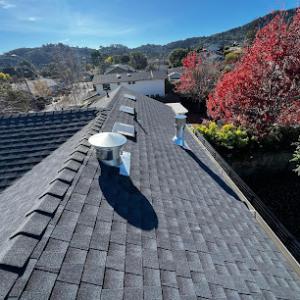
Complete Roofing Services is a full-service roofing contractor serving Vallejo and the surrounding North Bay region. We offer new roof installations replacements repairs and maintenance for residential and commercial properties. Our team specializes in composition shingles tile roofing flat roof systems and metal roofing. Fully licensed and insured we deliver quality craftsmanship honest estimates and strong warranties on all completed work.
California Premier Roofing
(707) 209-9390 californiapremierroofing.com
Serving
5.0 from 18 reviews
Your roof is an integral part of your home or business that protects it from the elements, so don’t choose just anyone as your preferred Vallejo & Benicia roofing company. After all, a roof & gutter inspection, roof & gutter repair, roof & gutter installation is only as good as the company you hire. California Premier Roofing is one of California's most respected roofing repair and installation companies. In our 25 years of service we’ve earned our reputation through hard work, quality customer service, and unbeatable savings! From small single-family homes to large restaurants and offices, no job is too complex or large for us. So if you’re ready to hire the best roofers in the business, contact California Premier Roofing today.
Roof Maxx of Vallejo, CA
(707) 914-1959 www.roofmaxx.com
Serving
5.0 from 8 reviews
Roof Maxx® is a scientifically formulated and 100% safe, plant-based roof rejuvenating spray treatment that was developed by renowned scientists from the world’s largest private research and development company.
Escalante & son roofing
1160 Bush Ave, Vallejo, California
3.0 from 2 reviews
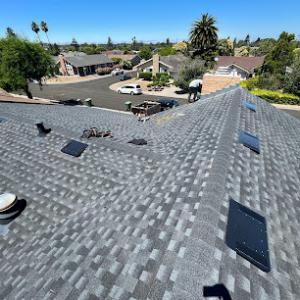
Hi there, we’re a small family owned roofing company that has been serving the greater Bay Area for over 3 generations. We have always took pride in our work, and will continue to do so for the years to come. And as always free estimates on complete roof projects.
Cowan Roofing
(707) 333-4660 www.cowanroofinginc.com
Serving
4.2 from 5 reviews
Cowan Roofing is a family-owned business with five generations of roofing expertise. We offer a wide range of roofing services for both homes and businesses. Our team is skilled in various roofing materials and techniques, ensuring durable and high-quality work on every project. Trust us for reliable roofing solutions backed by five generations of experience.

Atlas Roofing
(415) 625-4567 atlasroofingpro.com
Serving
5.0 from 83 reviews
Atlas Roofing is your trusted roofing expert in the San Francisco Bay Area. We specialize in new roof installations, roof replacements, roof repairs, and re-roofing services. Our team of skilled professionals is dedicated to providing top-quality craftsmanship and exceptional customer service. Whether you need a new roof for your home or a repair to extend the life of your existing roof, we have the expertise to get the job done right. At Atlas Roofing, we use only the highest quality materials to ensure your roof stands the test of time. Contact us today for a free estimate!

Advanced Roofing El Cerrito Works
(341) 230-1042 advancedroofingelcerritoworks.com
Serving
5.0 from 36 reviews
Advanced Roofing El Cerrito Works proudly serves El Cerrito, CA with reliable roofing and professional plumbing solutions, available 7 days a week. We handle roof inspections, leak repair, new roof installations, and long-term maintenance to keep homes protected. Alongside our roofing expertise, we provide complete plumbing services, including leak detection, pipe repair, drain cleaning, water heater service, faucet and fixture work, and full system troubleshooting. Our team focuses on honest service, quality workmanship, and fast response, helping local homeowners stay safe, comfortable, and stress-free. If you need trusted roofing or plumbing in El Cerrito, we’re here to help.
Pablo Restorations Roofing
(510) 671-6161 pabloroofingca.com
Serving
5.0 from 23 reviews
Pablo Restorations Roofing is your trusted roofing contractor serving Richmond, CA, and surrounding areas. Specializing in asphalt shingle roofs, flat roofing, and metal roofing, we provide tailored solutions to meet your roofing needs. Whether you need expert roof leak repair, a thorough roof inspection, or a full roof installation, our experienced team delivers exceptional craftsmanship and reliable results. Committed to quality and customer satisfaction, we ensure durable, long-lasting roofs that protect your home or business. With Pablo Restorations Roofing, you can expect prompt service, competitive pricing, and peace of mind. Contact us today to secure your property with a roof built to last!

Pinole Roofing
(341) 348-8847 pinoleroofing.site
Serving
4.8 from 6 reviews
Pinole Roofing is a professional roofing service company located in Pinole, CA. We focus on roof repairs, inspections, and ongoing roofing maintenance for residential and commercial properties. Our experienced team handles roof leaks, damaged materials, and age-related roofing issues using proven methods and quality materials. We are committed to clear communication, reliable workmanship, and prompt service from start to finish. Proudly serving Pinole and surrounding California communities, we help property owners protect and maintain their roofs with trusted roofing solutions.
Angelo's Roofing
(707) 244-7663 www.angelosroofinginc.com
Serving
5.0 from 20 reviews
We offer top to bottom residential and light commercial roofing services from new construction, to repairs, to complete re-roofs. We handle shingle and low slope roofing projects with precision and efficiency. We also offer gutter services like repairs, seamless gutter installation, and gutter guards. Call us or visit our website for a free estimate!
Asphalt shingles remain a dominant fit in Vallejo because they balance cost with performance in a climate that combines summer heat and winter rain. The layered composition handles the heat well enough to resist rapid degranulation on many homes, while modern impact- and algae-resistant varieties help combat moisture-driven staining common in foggy conditions. When you consider replacing an aging roof, asphalt shingles offer practical compatibility with a wide range of existing deck and attic configurations. In homes with shallow eaves or limited overhangs, asphalt can be installed to optimize drainage without adding excessive weight. Seasonal care matters: ensure good attic ventilation to wick away humidity during marine fog; otherwise, warm, moist air can lift shingles or accelerate curl in marginal products. If your roof is already slated for replacement after several decades, verify your underlayment and flashing are upgraded together with shingles to stand up to Vallejo's winter storms. In neighborhoods with mixed ages of construction, asphalt remains the most forgiving option for retrofits and patches, as long as the deck is sound and the roof's slope supports effective water shedding.
Clay and concrete tile are common in Vallejo and nearby Bay Area architecture, but their weight and moisture-sensitive underlayment details make replacement planning more complex than simple patching. These tiles deliver a long lifespan and a distinct aesthetic, yet they require structural assessment to ensure the supporting frame can handle the load. In hillside settings or older homes, a full roof replacement should include a structural calc and possibly reinforced framing. Moisture sensitivity is not about the tile itself but the underlayment and flashing systems that must cope with winter rains and marine moisture intrusion. Tile roofs demand careful attention to drainage at valleys and hips, where improper slope or clogged gutters can precipitate leaks behind the tiles. Additionally, installation quality matters greatly: if tiles are loose or misaligned from cycles of wind-driven rain, you may face both leakage and costly patchwork. For homes with irregular roof lines or complex elevations, engage installers who understand how tile systems integrate with existing roof-to-wall transitions and chimney flashings. Regular inspection after heavy winter storms helps confirm that the underlayment stays dry and the fasteners remain secure.
Metal roofing is increasingly relevant in Vallejo for homeowners comparing longevity and fire-conscious material choices in California's insurance environment. Metal systems provide a bright option when you want a roof that sheds heat efficiently during dry summers and resists heavy rain impact through resilient panels. Fire resistance is a practical consideration in California, and many local insurers view metal as a favorable factor. In this location, the long span of metal panels can be an advantage on steeper slopes or homes with multiple roof pitches, reducing the number of seams that can leak. However, metal requires careful attention to flashing details at penetrations, valleys, and eaves, where marine moisture can settle and promote corrosion if not properly treated. A metal roof also benefits from a well-ventilated attic and a robust underlayment choice designed to handle intermittent condensation. When planning a metal roof, ensure the chosen profile and coating are compatible with the local climate's cycles of heat, fog, and rain, and verify that fasteners and sealants are rated for corrosion resistance. For homes with older decking, a professional assessment of substrate integrity is essential, since metal's minimal flex can reveal deck vulnerabilities that would otherwise be concealed with other roof types.
When planning a reroof, you'll see Vallejo-specific ranges that reflect the local mix of homes and access to the Carquinez Strait. Typical Vallejo reroof pricing runs about $450-$800 per square for asphalt shingles, $700-$1100 for metal, $900-$1700 for clay tile, $800-$1500 for concrete tile, $700-$1100 for wood shingles or shakes, and $600-$1000 for synthetic or composite shingles. Those figures assume standard tear-off and disposal, plus underlayment and basic flashing. In older neighborhoods and hillside streets, expect the upper ends if the roof has complex geometry or steep pitches that complicate removal and reinstallation. Tile roofs, in particular, tend to lean toward the higher end because tear-off, disposal, and underlayment work are more labor-intensive here.
Costs in Vallejo can rise when winter demand spikes after storm leaks, especially in a market where emergency repair and reroofing are both highly active. That means a dry, summer window becomes your most reliable planning lane. If storms threaten later in winter, crews may introduce a premium to secure scheduling and material availability. For a homeowner, the practical takeaway is to align reroof work with the late spring to early fall portion of the year, when moisture is lower and crews have consistent access to materials and space on the roof.
Tile reroofs in Vallejo often cost more because tear-off, disposal, and underlayment work are more labor-intensive than standard asphalt replacement. Clay and concrete tiles add weight and require careful handling to avoid breakage, which can push costs up further. If your home has a tile roof, factor in potential additional charges for scaffold setup on multi-story or hillside properties and for extra roof penetrations or parapet work. In all cases, obtaining a few written quotes that itemize tear-off, waste disposal, underlayment, and flashing helps keep surprises at bay.
Get a clear picture of your project costs upfront - no commitment required.

A full reroof in Vallejo usually requires a permit through the City of Vallejo Building Department. Before any shingles come off, verify that the project is on the permit plan and that the contractor pulls the correct structural and roofing permits. In this coastal-influenced climate, a permit helps ensure that underlayment, flashing, and roof decking are addressed to handle winter storms and the sea breeze without compromising drainage. Hillside and older neighborhoods often require additional attention to flashings at chimney penetrations and attic venting, since exposure to marine fog can condense on metal and fasteners. Verify whether any structural upgrades are needed to support heavier winter loads on slopes, and confirm how the permit package addresses hillside drainage and erosion controls.
Vallejo roofing inspections are typically scheduled after installation, with final sign-off used to verify underlayment, flashing, and ventilation compliance. Plan for a multi-step process: rough inspection after deck replacement, moisture barrier placement, and a final where the inspector walks the entire roof and attic. Scheduling around the wetter months can help, since clearing gutters and ensuring visible flashings are ready for review reduces delays caused by foggy marine moisture and winter rain. The timing of inspections should also align with the contractor's calendar and any material deliveries that could be delayed by coastal weather, so you don't end up waiting mid-project for a missed window.
Homeowners in Vallejo should confirm permit closure because final approval matters for future sale disclosures and insurer documentation in California's tighter underwriting environment. A valid final sign-off signals that the city has reviewed and accepted the workmanship, and that the roof is compliant with current codes for wind, seismic ties, and vented ventilation. Without it, future disclosures during sale may raise questions, and some insurers may request proof of permit closure as part of coverage verification. Note that the building department may issue a temporary certificate of completion as an interim step, but final clearance is what truly finalizes the project.
Keep a copy of the permit cards and inspection reports in a dry location. If a contractor fills out any optional "reinspection" requests, respond promptly to avoid gaps between installation and sign-off. When scheduling, ask the roofer to coordinate a final inspection date that follows the last ventilation and flashing checks. Given Vallejo's exposure to the Carquinez Strait and San Pablo Bay, ensure the attic has proper ventilation during the sign-off to prevent moisture buildup and temperature extremes that stress underlayment. Store digital copies of all permit documents and inspection reports, and share them with your insurer and mortgage lender as part of the project record.
Vallejo sits in a market where insurers are tightening review of age, condition, and material as policies come up for renewal or rewrite. The combination of coastal moisture, fog, and winter rainfall means storms can test aging roofs quickly, and carriers are paying closer attention to what sits under the first line of defense. When a policy is renewed, a roof that once seemed serviceable may be re-evaluated for risk, and that can influence coverage options or even trigger a need for improved resilience before a new term begins.
Because wildfire risk informs statewide underwriting, reroof decisions may be accelerated even if the immediate concern is rain leakage rather than fire damage. The same material and flashing choices that stop leaks can also influence a carrier's long-term risk assessment. A roof upgraded with more durable underlayment, better ventilation, and proven fire-resistant components can help preserve coverage, but that conversation usually happens in advance of a renewal rather than after a leak becomes a claim.
Vallejo homeowners should keep dated photos, permit records, inspection sign-off, and material documentation because insurers may request detailed proof after storm-related claims or during underwriting review. Visual proof of roof age, condition, and installed materials, kept in an organized file, eases the claims process and supports any necessary updates. Maintaining a simple timeline of storms, repairs, and changes helps counter surprise inquiries and demonstrates proactive maintenance.
After a heavy storm, expect insurers to review prior condition versus current status. Having a clear record readily available-photos of tiles or shingles, flashing around hips and valleys, and dates of professional inspections-can help protect coverage options if a claim is filed or if a renewal is looming. The more you document, the smoother the conversation when parameters shift with a carrier.
Connect with contractors who help homeowners navigate the claims process from damage assessment to final approval.
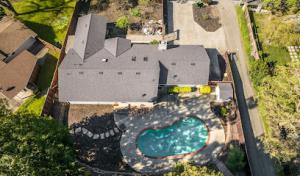
Flat and low-slope roofing is an active specialty in Vallejo, reflecting the mix of residential additions, multifamily buildings, and commercial structures. In the wet winter pattern, drainage backups are more likely when debris accumulates before storms, turning gutters and scuppers into bottlenecks. Prolonged moisture exposure can seep into the membrane edge and seep channels, especially where older flashings meet transitions. Plan for increased inspections as the rainy season approaches and after heavy rains when debris from yards and trees can wash onto roofs.
Marine moisture keeps low-slope assemblies damp longer, so coating condition, seams, and penetrations deserve closer attention. Fog and salty air accentuate corrosion on metal flashings and fasteners, even on seemingly sound membranes. If coating edges appear lifted or dull, or if seams show hairline cracks, address them before the next front approaches. Vallejo's climate means membrane laps and detailing around penetrations should be checked for micro-ponding that can invite water infiltration over time.
A practical routine starts with a clear roof surface before storms. Remove loose debris under dry, calm conditions, then inspect for standing water after light rains. Clean gutters and downspouts to maintain positive drainage, and verify scupper and drain outlets are free of blockages. Inspect penetrations and flashings along walls and transitions for signs of age or spider cracks in the sealant. When moss or algae appear, treat carefully to avoid harming the membrane.
Schedule a mid-winter inspection to document any storm-related damage and again in late spring to catch issues caused by seasonal dampness and sun exposure. Focus on drainage paths, edge details, and coatings that show signs of wear. In neighborhoods with older roofs, prioritize resealing and reseaming near vents, curb flashings, and parapets to prevent moisture intrusion during Vallejo's wet tests.
Find specialists in TPO, EPDM, and built-up flat roofing systems for residential and commercial properties.
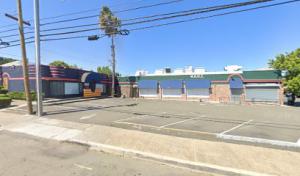

Advanced Roofing El Cerrito Works
(341) 230-1042 advancedroofingelcerritoworks.com
Serving
5.0 from 36 reviews
Vallejo's sunny dry season creates a narrow but dependable window for roof work. Plan reroofing during the late spring to early fall when moisture is low and days are predictable. If solar installation is already planned or underway, schedule the roof replacement to start after the solar mounts are onsite or once the system wiring can be temporarily left protected. This helps avoid back-to-back access interruptions caused by coastal fog and marine moisture that can slow materials and sealant curing.
Because reroof permits and final inspection are part of the Vallejo process, ensure solar detach-and-reset timing aligns so roofing details remain inspectable. Coordinate code-compliant attachment points for the solar rails with the new underlayment and flashing. A staged approach where the solar array is detached, then reroofed, and finally reinstalled can reduce risk of hidden leaks and ensure inspectors can verify flashing continuity.
Penetration flashing quality matters in Vallejo's winter rain cycle, so solar-mounted roofs need careful leak documentation before and after work. Photograph all flashing transitions around mounting feet, penetrations through the deck, and any edge details. Maintain a clear record of sealant types and application dates. If winter rain arrives during reroof, prioritize temporary weather protection and verify that valleys, kickouts, and drip edges shed water toward proper drainage. After reroof, perform a targeted leak test around solar penetrations during a light rain event or garden hose run-off test, and have a plan to address any incidental staining or moisture concerns quickly.
Vallejo homes range from asphalt overlays to metal or tile. When solar is in mix, consider the roof's material and flashing because some substrates need longer curing times for sealants or different fastener profiles to avoid corrosion from marine moisture. If a reroof overlaps with a planned solar upgrade, discuss a unified sequencing plan with the contractor so the final inspection captures both reroof and solar integrity in a single pass. Keep a simple on-site log of dates, test results.
Find contractors who integrate solar panels or solar shingles into your roof for long-term energy savings.