Last updated: Apr 19, 2026
Fairfield homeowners typically schedule full replacement work in the dry season because the city has dry summers and mild, wet winters. That pattern reduces the risk of rain delaying a tear-off or soaking the underlayment before the new roof is tied in. Plan the project for a window when little to no rain is forecast for at least the first 24 to 48 hours after the new sheathing and underlayment are in place. If a tight schedule is needed, build in a contingency day or two at the end of the dry spell to cover any hot-summer surprises, like a late heat spike or an unanticipated dust storm from nearby construction.
Winter rainfall and storms in Fairfield can interrupt tear-off and expose homes to leak risk if projects are not tightly sequenced. The most practical approach is to deploy a staged plan: remove the existing roofing in dry windows that come between rain fronts, secure the roof deck quickly, and cover with a roof underlayment promptly. If a storm spins up, use temporary waterproofing measures and protect interior spaces by sealing attic penetrations. Have a clear, day-by-day sequence with the crew so that critical steps-deck inspection, underlayment, then the first row of shingles or tiles-happen in rapid succession once dry weather returns. This minimizes exposure time and reduces the chance of water intrusion during a wet spell.
Summer heat and UV exposure in Fairfield affect both roof aging and daily installation pace, making early-day work windows more important. Start work at or before first light to avoid the peak heat and glare. Midday rests aren't just about comfort; they protect adhesives, sealants, and some tile connections from heat-induced deformation. If the roof is unusually shallow or has multiple slopes, ensure the crew schedule extra time for safety checks and to keep adhesive products within their recommended temperature ranges. Consider temporary shading for the job site or reflective lighting for early morning tasks to maintain steady progress without compromising quality.
Create a season-focused calendar that aligns with local patterns. In the dry season, target a continuous tear-off-to-sheathing-to-underlayment sequence, with a back-up window in late fall for contingency if an early-winter rain surge threatens the schedule. If a spring project slips into early summer, lock in a plan to accelerate the early steps so underlayment can proceed before the hottest portion of the day. A well-timed reroof in Fairfield compresses the critical phases into predictable blocks, enabling the crew to maintain quality while managing heat, glare, and exposure risks.
Work with the contractor to define a clear, day-by-day sequence. Ensure the plan includes deck inspection, removal, underlayment installation, and the first course installation on consecutive days during dry periods. Have a weather-based fallback ready, with confirmed alternate dates that preserve the integrity of the new roof. For homes with tile or heavy materials, confirm that enough crew members are available to prevent idle time caused by weather quirks or heat-related slowdowns. In all cases, prioritize airtight overlaps and secure edge detailing so that a sudden wind event or unexpected shower won't undo the progress already made.
The area sees hot, UV-intense summers that bake roof surfaces and can speed aging, followed by wet winters that test seals and flashing. In this climate, a roof is more than curb appeal; it's a lifespan decision. The mix of suburban tract homes and tile-heavy neighborhoods means you'll see a broad range of materials in daily life, from asphalt shingles to Mediterranean-influenced clay and concrete tiles. The best choice balances heat resistance, water shedding, and long-term durability so you don't fight season after season with maintenance and premature wear.
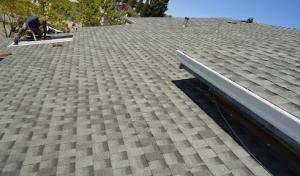
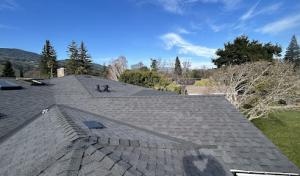
Asphalt shingles remain a practical, widely available option for many Fairfield homes. They handle the heat reasonably well and are easy to repair if a storm or fallen branch hits a section. Look for high-quality, cool-complaint asphalt with upgraded granules to resist UV degradation during the longest days of summer. For homes with limited attic ventilation or shallow roof pitches, ensure the shingle product you select has good wind resistance and a warranty that covers reflective or cooling features. In Mediterranean- or Spanish-influenced layouts, asphalt can be adapted with color choices that still align with the neighborhood's aesthetic while staying within practical performance limits.
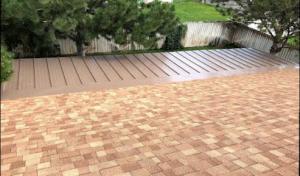
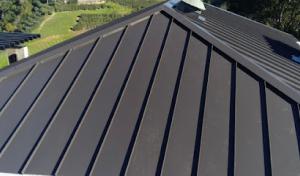
Metal roofs perform well under the stress of Fairfield's dry summers and occasional heavy rains. Their reflective surface helps reduce heat transfer into the attic, which can keep cooling costs and wear on interior materials lower when summer sun is relentless. Metal is especially appealing on newer homes or additions that favor clean lines and a modern look, yet it also sits comfortably on more traditional forms if color and profile are chosen to complement the tile neighbors. When selecting metal, prioritize panels with proven weatherability, adequate sealant systems, and a finish that resists chalking from sun exposure over decades.
Tile roofing has a meaningful local presence in Fairfield, matching the area's large stock of Mediterranean- and Spanish-influenced suburban homes. Clay tiles shed water well and provide excellent long-term durability, but they require a sturdy roof deck and proper installation to handle Santa Rosa-style storm events and freeze-thaw cycles that occasionally occur in the valley climate. Their weight means a structural check is essential, and mismatches in underlayment or flashing can lead to leaks in the wet season. If budgeting allows, clay tile can deliver a timeless look that ages gracefully while standing up to heat and rain when installed and maintained correctly.
Concrete tile offers a robust alternative to clay with similar weather-tested performance. It tends to be a bit more affordable and can be shaped to mimic clay's appearance while still delivering strong water shedding and UV resistance. As with clay, ensure the roof structure can handle the weight and that the underlayment and fasteners are matched to the local climate's moisture patterns. Concrete tile systems benefit from professional, climate-aware installation that accounts for expansion and contraction during mild winter snaps and hot, dry spells.
Wood shingles or shakes bring a distinctive character that can harmonize with older neighborhoods and certain Spanish-influenced streetscapes. They demand steady maintenance to prevent moisture-related issues and warping during wet winters. Synthetic or composite shingles provide a more consistent performance with lower maintenance needs and a wider range of looks, offering a compromise between the warmth of wood and the durability of modern composites. When choosing wood or composite, inspect for a moisture sealant system, proper underlayment, and a finish that resists UV damage over time, especially in the peak sun months.
During Fairfield's hot, UV-intense summers, roofing materials endure repeated expansion and drying. Come the first meaningful winter rains, those baked-and-hardened surfaces often fail to shed water the way they did after a cooler season. The result is not always a dramatic roof collapse, but small, persistent leaks that show up around eaves, in low spots, or along transitions where moisture has found a channel. The key consequence is that a minor drip can hide a larger problem behind flashing, underlayment, or the roof deck. Early signs-streaks on ceilings after a good storm, damp attic insulation, or musty odors-should trigger a careful inspection before the next wet season. In practice, that means focusing on how the roof handles moisture after months of heat, rather than waiting for an obvious water breakthrough.
Tile roofs are common in this region, and their failures often show up as targeted weaknesses rather than wide-field surface collapse. Flashings at joints, terminations, and transitions are frequent culprits; underlayment beneath the tiles can degrade where heat has dried it out or where movement has stressed it over time. Isolated broken tiles or cracked tiles create entry points that widen with each storm, especially during winter rains when water finds any available seam. The practical takeaway is to inspect for missing or damaged tiles after the dry season ends and before the first heavy rain, and to test the integrity of flashings around valleys, chimneys, and roof-to-wall connections. A tile system that seems sound on the surface may still conceal creeping leaks if the underlayment has dried out and lost its protective seal.
Local contractors report a steady stream of skylight repairs because this is where water seeks an easy path into the attic. Leaks can originate at the skylight curb, the flashing that surrounds it, or the sealant that loses elasticity after heat cycles. In Fairfield, the combination of sun exposure and winter rain makes skylight penetrations a high-risk area. Closely inspect skylight flashings, curb fasteners, and sealant beads after summer to catch early signs of deterioration. If a leak appears near a skylight during a storm, don't assume it's the glass or the frame alone-check surrounding flashings and shingles for mismatches or lifted edges that let water reach the decking.
After multiple dry summers, roofing materials can age unevenly, leaving age-related gaps that reveal themselves at the worst moments. Look for granule loss on shingles, browning or soft deck areas, and staining along eaves or around penetrations. Plan checks and potential reroofing around the transition from dry season to the first heavy rain, so small problems don't compound into costly failures. In neighborhoods with tile-heavy roofs, prioritize seasonal inspections after summer and before winter storms, focusing on flashings, underlayment, and any known problem penetrations.
Find contractors experienced in skylight installation, flashing, and leak repairs to bring natural light into your home.

Spartan Home Services - Roofing & Solar
Fairfield, California
5.0 from 27 reviews
At Spartan Home Services we specialize in premium roof and solar systems. Whether you're in need of roof repair or considering a roof replacement, our team is here to provide comprehensive solutions tailored to your needs. Extending beyond quality, we have a passion for creating lasting relationships with our neighbors, to listen, to hear, and to help. Trust Spartan Home Services for quality work that stands the test of time from a team that will nurture you through your whole project.

Roof Doctors Solano County
(707) 674-5775 theroofdoctors.net
Fairfield, California
4.7 from 84 reviews
"Nobody inspects, repairs and certifies more roofs or solves more roof leak problems in the SF Bay Region." Over 300,000 roofs inspected. We do complimentary roof inspections with detailed reports that include pictures. Reports sent within 24 hours of inspection. We are a licensed roofing contractor that offer repairs, replacment bids, gutter cleaning bids, gutter guard installs, and general roof maintenance. Service in the following San Francisco Bay Area counties: Alameda, Contra Costa, Marin, Napa, Solano & Sonoma Counties.
Bay Area Affordable Roofers
(707) 506-0312 bayareaaffordableroofers.com
3443 Palo Alto Ct, Fairfield, California
5.0 from 22 reviews
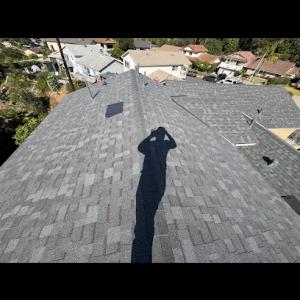
Bay Area Affordable Roofers is a roofing company serving Fairfield, CA, providing roof repair, roof replacement, roof installation, roof inspections, emergency roof repair, metal roof repair, and shingle installation and repair. Since 2002, Bay Area Affordable Roofers has worked with homeowners across Fairfield, CA and nearby communities to support long-lasting and reliable roofing solutions. Our team understands the roofing needs of homes in the Bay Area and applies experience with local materials and weather conditions to deliver steady, dependable service for a wide range of roofing projects.
Lumpville roofing
(925) 273-4575 lumpvilleroofing.com
351 Arlington Cir, Fairfield, California
5.0 from 5 reviews
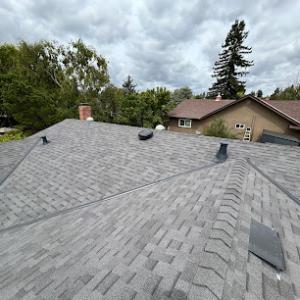
Roofing contractor, all type of roofing applications, including asphalt shingles, torchdown application, roof coatings. Lumpville Roofing also prepares and preforms roof inspections. Roof repairs an emergency leak calls Fully licensed and insured.
Roofmasters
(707) 447-7663 www.roofmasters.org
Serving
4.7 from 42 reviews
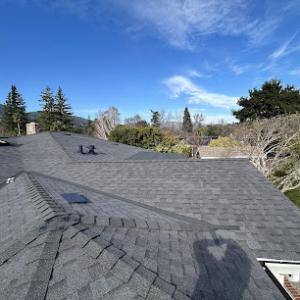
Since 1993, Roofmasters, a family-run business for four generations, has been providing exceptional roofing services in the counties of Solano, Napa, Yolo, Contra Costa, and Sacramento. They specialize in all aspects of roofing, from tile to sunrooms, and even offer insulation, solar energy systems, and commercial real estate inspections. With a dedication to high-quality work, Roofmasters guarantees customer satisfaction and is proud to be a trusted community partner.
Affordable Roofing
(707) 429-9460 www.affordableroofing.biz
Serving
3.2 from 9 reviews
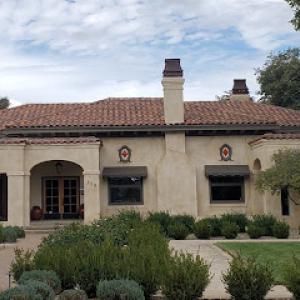
We are a family-owned and operated small business that was established in 1980. We provide a wide range of roofing services and products for residential and commercial clients in Solano county, Our company has experience with all types of roofing materials, including tile, cedar shakes, and dimension shingles. Affordable Roofing inspects and repairs existing roofs, provides free estimates, it's fully insured, and installs seamless gutters, downspouts, skylights, and ventilation.
Frontline Roofing
(707) 471-5249 www.frontlineroofing.com
Serving
4.7 from 41 reviews
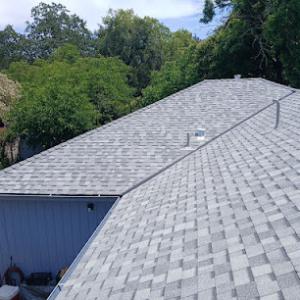
Located at 419 Mason Suite 102, Frontline Roofing is your local expert roofing contractor, specializing in roof replacement, repair, and installation for both residential and commercial properties. As a top-rated "roofing company near me," we offer exceptional services including metal roofing, flat roof services, shingle roofing, and comprehensive commercial roofing solutions throughout California. Our team is dedicated to ensuring durability and energy efficiency for every project. Choose Frontline Roofing for reliable protection and enhanced aesthetic appeal. Contact us today for competitive pricing and personalized consultations, and experience why our clients rate us so highly.
N. American Roofing
(707) 624-5836 namericanroofing.com
Serving
5.0 from 37 reviews
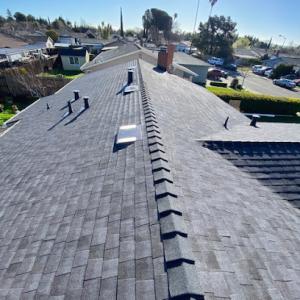
North American Roofing is a local family-owned business ready to serve our community. We are fully insured and bonded. We specialize in new roofs, repairs, and gutter systems. Our pledge is to get the job done right. Contact us today!
Above All Roofing & Seamless Gutters
(707) 446-8819 aboveallroofingnorcal.com
Serving
4.3 from 19 reviews
Above All Roofing is a family owned and operated business that has serviced the community for over 25 years. We’re here to work with you from start to finish of any job we do. Our family is committed fully to our customers. -Family owned for over 25 years -BBB Accredited Business -CertainTeed Master Shingle Application -Owens Corning Preferred Contractor -Licensed, Bonded and Insured
Northern California Roofing
(707) 447-5655 northerncaliforniaroofing.com
Serving
4.7 from 113 reviews
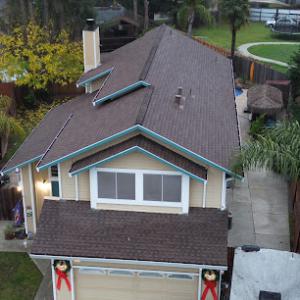
Northern California Roofing Company has been serving our neighbors throughout the Northern California area since 1990. We specialize in all phases of the roofing process: from roof repairs to roof replacements, as well as maintenance programs and complete roof overhauls. Our professionals are dedicated to serving your needs in a timely manner, with an emphasis on quality craftsmanship, as well as a commitment to customer service excellence. We pride ourselves in being a “one-stop contractor” in the roofing industry. Call us today to get your free estimate
Roof Solutions
(707) 449-7663 roofsolutionsca.com
Serving
5.0 from 205 reviews
GAF Master Elite certified. Licensed #1038832, BBB A+, insured, established 2018. Professional roofing contractor serving Residential, Commercial, HOAs & Property managers, throughout Northern California. Live person answers. Written warranties. Schedules honored - no all-day waiting. Free estimates. Insurance claims handled. Your problem→Our solution: Need new roof? Financing available. Leak today? Same-day response when possible. Storm damage? Emergency tarp: 1 hour Solano County, 2+ hours other counties. Insurance claim? We meet adjusters. HOA meeting? Board-ready presentation. Multiple properties? Dedicated project manager. All systems: Shingle, Tile, Metal, Slate, TPO, EPDM, flat. Solano, Yolo, Contra Costa, Napa, Sonoma counties.
Angelo's Roofing
(707) 244-7663 www.angelosroofinginc.com
Serving
5.0 from 20 reviews
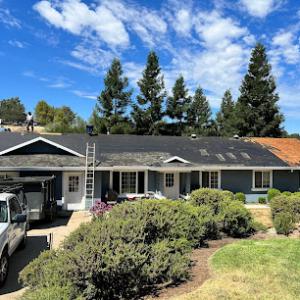
We offer top to bottom residential and light commercial roofing services from new construction, to repairs, to complete re-roofs. We handle shingle and low slope roofing projects with precision and efficiency. We also offer gutter services like repairs, seamless gutter installation, and gutter guards. Call us or visit our website for a free estimate!
Typical pricing runs about $350 to $700 per square for asphalt shingles, $800 to $1500 for metal, $900 to $1800 for clay tile, $700 to $1200 for concrete tile, $800 to $1200 for wood shingles or shakes, and $500 to $900 for synthetic or composite shingles. In neighborhoods with tile systems, costs can drift higher because repairs and replacement involve heavier materials and more labor-intensive handling than a basic shingle reroof. That factor often shows up in both labor rates and the need for enhanced equipment or crew size during the job.
Material choice matters here more than you might expect. Asphalt shingles stay the most budget-friendly option, but Fairfield's dry-summer heat and occasional high UV exposure can shorten their life if attic ventilation isn't adequate or if asphalt granules wear quickly under intense sun. Clay and concrete tiles bring longer service life in hot, sunny seasons, yet they demand a stronger roof deck, bigger crew, and careful handling to prevent breakage. Metal roofing resists heat and can shed water well, but installation specifics and flashing details drive the final price. Wood shingles or shakes offer a classic look but are less common in modern Fairfield reroofs due to fire codes in some zones and maintenance needs. Synthetic or composite shingles provide a middle ground in price and durability, with varying performance in heat and dampness.
Project timing affects Fairfield pricing because demand concentrates in the dry season when homeowners try to avoid winter leak exposure and weather delays. Reroofs scheduled for late spring through early fall often run smoother and can dodge winter labor slowdowns, yet you'll typically see more competition and tighter scheduling during that window. If a roof is nearing end-of-life and shows widespread flashing, rot, or de-lamination, planning ahead for the dry season can save both time and cost.
To plan, pinpoint your preferred material, assess attic ventilation, and map a realistic window that avoids peak weather disruption. When you've selected a material, get at least three detailed bids that break out deck reinforcement, underlayment, flashing, and waste disposal, since those line items frequently shift total costs in this market.
Get a clear picture of your project costs upfront - no commitment required.
Northern California Roofing
(707) 447-5655 northerncaliforniaroofing.com
Serving
4.7 from 113 reviews
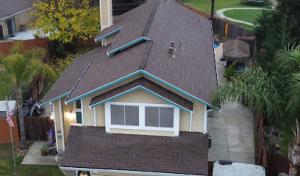
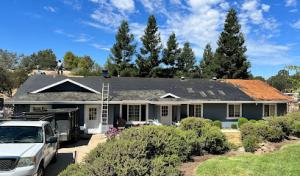
In Fairfield, most full reroofs require a building permit from the City Building Division. Before any deck, truss, or roof assembly is removed, check with the permit desk to confirm what plans and documents are needed. Typical requirements include a scope of work, roof replacement details, and site access for inspections. Accompanying drawings should show underlayment type, flashing transitions, and venting details. The permit process helps ensure that installation meets local wind, seismic, and fire codes that are particular to this area's hot summers and wet winters.
Fairfield inspections are commonly performed at tear-off, underlayment installation, flashing, and final completion. The tear-off inspection confirms the old roof is fully removed and the deck surface is sound. The underlayment inspection checks that the chosen material is correctly installed, properly overlapped, and sealed around penetrations. The flashing inspection focuses on wing walls, skylights, vents, chimneys, and roof-to-wall transitions to ensure water is directed away from those junctions. The final completion inspection verifies the system is ready for weather exposure and that all components meet code and permit approvals. Scheduling timing is often tight, so align the contractor's work plan with available inspection windows.
The local inspection sequence means Fairfield homeowners should confirm that contractors do not bury underlayment or flashing stages before required signoff. In practice, this means you should see visible progress at each milestone and receive approval stamps or notes before the crew proceeds. If a contractor wants to skip a stage or pour ahead without permit-confirmed signoffs, pause and verify with the Building Division. Retain all inspection notices, permits, and revised plan approvals in a dedicated project folder. If an issue arises after an inspection, request a corrective action item in writing and watch for a re-inspection date.
Coordinate your schedule so the tear-off happens in a window with dry weather ahead of the wet season. Plan around the timing of weatherproofing steps, since delays can affect the sequencing and the required inspections. Communicate clearly with the contractor about which stages require signoff and keep a written log of all inspection dates and numbers. This proactive approach helps ensure the reroof progresses smoothly and complies with local requirements.
California's insurance landscape is shifting, and Fairfield homeowners may notice carrier appetite changing with wildfire-risk maps and evolving property conditions. In practice, that means the drawbridge can tighten unexpectedly if a roof shows aging signs, leaks, or prior damage. A policy that seemed straightforward last year might require closer inspection or additional documentation this season. Understanding how assessors weigh heat-related wear in the attic and decking, along with tile or shingle aging, helps set realistic expectations when a claim is filed.
Even though roofing concerns here are often driven by rain leaks and aging rather than hail, insurers still expect a clear paper trail. Detailed photos from across seasons, maintenance notes, and recent inspections provide a convincing context for post-storm claims. When a leak first appears after heavy winter precipitation or a sequence of cool, damp days, having a dated record helps show progression rather than a sudden event. This is especially important if the roof uses clay or concrete tile, where cracked or displaced tiles can silently worsen over time.
Because some California carriers tighten terms in higher-risk areas, Fairfield homeowners benefit from a well-organized file before winter. Build a concise log that pairs dated images with notes on any superficial repairs, weather-related impacts, or prior damage that has been addressed. A pro-grade inspection that notes flashing condition, vent seals, and the overall deck health can make the difference between a smooth claim process and a dispute. In practice, having this information ready reduces friction when a carrier asks for evidence of condition prior to the last severe storm season.
Given the town's hot, UV-intense summers and wet winters, it's wise to align roof upkeep with insurance expectations. Keep the file current, and ensure any visible wear-especially around penetrations or tile edges-is documented before winter storms roll in. A well-kept roof and organized records set a realistic, safer path through the claims process.
Connect with contractors who help homeowners navigate the claims process from damage assessment to final approval.

Spartan Home Services - Roofing & Solar
Fairfield, California
5.0 from 27 reviews
Your roof endures long, hot summers and a reliably wet winter. Solar installations add a finite window where panels and racking must be installed or re-seated without compromising an aging roof. In practice, that means finishing the roof replacement first-or at least achieving a truly solid, weather-tight roof-before any panel work resumes. Fairfield homeowners often prefer to avoid the labor and intrusion of reinstalling solar onto an aging roof, so coordinating reroof and panel work upfront helps prevent a late-life reroof just to accommodate future solar.
Solar roofing in this area has an active but smaller specialty presence, so plan with a contractor who understands the local rhythm of dry spells and wet-season testing. If panels are already in place, arrange a reroof during a dry stretch and schedule panel work after the new roof is fully sealed. If the roof is approaching the end of its life, complete the reroof first, then bring in the solar crew during the same rebuild window. Clear communication about rafter access, flashing details, and roof plane changes reduces the back-and-forth and keeps the project on a realistic timeline.
Penetration management matters because leak risk often shows up when winter rains test mounts, flashings, and prior roof work. In Fairfield, where the sequence between dry summers and rainy winters is pronounced, ensure all penetrations are flashed with integrated systems that accommodate thermal movement and UV exposure. Verify that curbs, boot flashings, and sealants are compatible with the chosen roofing material and that any old hardware is removed or upgraded. A well-planned approach minimizes cold-weather surprises and keeps the roof and any solar hardware performing through the season.
Find contractors who integrate solar panels or solar shingles into your roof for long-term energy savings.
Spartan Home Services - Roofing & Solar
Fairfield, California
5.0 from 27 reviews