
Last updated: Apr 19, 2026
Danville homeowners face both spring hail and heavy rain exposure and winter freeze-thaw stress, so roof problems often develop in more than one season rather than from a single weather event. A shingle that seems fine after a winter storm can crack or lose granules during a spring hail episode, and a roof that survived a mild winter can show leaks after rapid thawing and late-season freezes. The pattern here isn't "one big hit" but a year-long cycle of impact, wear, and stress. Expect that inspection results might reveal different issues across seasons, and plan for a repair or replacement approach that accounts for damage accumulating over time rather than a single event.
The local replacement window is typically late spring through early fall because hot summers stress shingles during installation and cold winters complicate tear-off, sealing, and inspection scheduling. In practical terms, that means you should be ready to mobilize planning in late winter, with contractors prioritizing a tear-off when temperatures are reliably above freezing at night and during the day. Scheduling flexibility matters: the window can shift based on storm activity and supply chain delays, so lock in a timeline as soon as a problem is identified. Proper sealing and ventilation checks during full replacements are emphasized by the region's experience with wind and hail, so anticipate coordinated inspections as part of a complete roof upgrade rather than a quick patch.
Hail exposure creates pocked or dented metal flashings, bruised shingles, and potential granule loss, while wind can lift edges and expose underlayment. Freeze-thaw cycles stress the roof deck and sealants: repeated freezing expands small cracks, turning hairline openings into active leaks. Look for attic signs of moisture after rain, irregular shingle edges, and dark streaks along valleys and ridge lines. In tight-knit neighborhoods with similar roof lines, small patterns of damage can point to regional stress rather than isolated incidents. Because damage can be incremental, document everything with photos and notes after every winter and spring, and compare year-to-year changes to determine whether repairs remain surface-level or indicate deeper replacement needs.
Regional hail and wind claim activity is high enough that roof damage documentation and insurer review are central to roofing decisions in Danville. Start early with a thorough, dated report of visible damage, including shuttered gutters, compromised flashing, and vent soffit wear. When filing claims, align your documentation with seasonal patterns: early spring hail may coincide with wind-driven leaks; mid-summer heat can exacerbate existing weaknesses; fall inspections after a winter with thaw cycles can reveal newly developed issues. A professional roof evaluation that flags whether problems stem from hail impact, wind uplift, or freeze-thaw stress helps insurers decide the scope of coverage and the necessary scope of work. If a dispute arises, precise photos, dated observations, and dated reports from a licensed roof inspector strengthen your position.
Throughout the year, schedule proactive inspections after major spring storms and again after the thaw-to-wreeze transition in late winter. Prioritize sealing and ventilation improvements when a full replacement is planned, ensuring the project addresses ventilation needs that are central to durable performance in this climate. When contacting contractors, insist on a full diagnostic that separates deck, underlayment, flashing, and shingle performance, so the team can target repairs without missing latent issues. Keep an emergency tarp on hand for rapid response to sudden leaks during heavy rain events, and have a trusted local contractor lined up before the busiest season hits. The goal is to minimize surprise leaks and extend roof life by treating the year as a cycle of risk, not a single moment of damage.
Danville sits in east-central Illinois, where summer heat can linger and winter snow and ice spell out the cold season. This push-pull of temperature extremes narrows the safest replacement window compared to milder markets. Hail, wind, and the freeze-thaw cycle all combine to challenge roof systems in different ways as seasons shift. In practical terms, you want to plan replacements so the new roof can ride out the peak heat without overheating the attic and ensure it has solid performance through the cold, wet months. That means choosing materials and installation approaches that handle rapid temperature swings, wind uplift, and the stress of repeated freeze-thaw cycles without excessive movement or membrane failure. If a roof is scheduled too early in spring or too late in fall, the daily temperature swings can compromise sealants and ventilation adjustments, so a well-timed project aligns with typical mid-season weather patterns rather than cramming work into extreme heat or deep winter.
This market doesn't lean on a single roof type. Asphalt shingles are common, but metal, clay tile, concrete tile, wood shingles or shakes, and synthetic or composite shingles all show up in Danville neighborhoods. That diversity matters because material choices behave differently when faced with hail brashness, high winds, and freeze-thaw loading. Asphalt shingles can handle seasonal variability when installed with attention to flashing and attic ventilation, but in areas with pronounced hail exposure, their surface protection and nail-down pattern matter for long-term performance. Metal roofing brings excellent wind resistance and rapid shedding of hail impacts, yet requires careful flashing at transitions and penetrations to avoid leaks in freeze-thaw cycles. Clay and concrete tiles offer durability and a distinctive look, but their weight and installation tolerances demand solid structure and precise underlayment details to withstand cold snaps and snow loads. Wood shingles or shakes provide a classic appearance but can be vulnerable to moisture and wind if not properly detailed. Synthetic or composite shingles aim to blend the best of several worlds, but performance still hinges on seam integrity, flashing quality, and the ability to tolerate humidity and temperature swings. In Danville, the choice should be guided by local weather realities, roof pitch, existing structure, and how the selected material handles wind uplift and hail contact, as well as the expected life cycle under freeze-thaw stress.
City inspections for full replacements emphasize flashing, ventilation, and installation workmanship-areas where details matter in this market. A roof that looks solid from the ground can still hide critical weaknesses at intrusions, valleys, skylights, and penetrations if flashing wasn't integrated with the overall system. Proper ventilation is essential to manage attic temperatures in hot summers and to reduce condensation risks during the winter heating season. Ventilation choices should align with the roof design and the chosen material to ensure the attic stays near equilibrated temperatures, which helps prevent ice dam formation and related leaks. The installation quality question isn't cosmetic here; it directly translates to performance under hail impact, wind gusts, and the stress of repeated freeze-thaw cycles. Expect crews to pay meticulous attention to attic ventilation pathways, the continuity of underlayment, fastener patterns, and sealant choices at penetrations. For homeowners, that means asking for a comprehensive installation plan that details flashing transitions, valley configurations, nailing patterns, and ventilation calculations, plus a clear walkthrough of the roof's critical stress points before work begins. A well-documented handoff between the contractor and the inspection authority helps ensure the finished roof not only looks right but performs reliably through Danville's seasonal extremes.
Asphalt shingles are the dominant practical choice for most homes in the area. They hold up well against midwest hail and wind, and they're familiar to local contractors who know how to seal and vent for freeze-thaw cycles. Summer heat can accelerate aging, especially on darker colors, so choose a reflective or lighter blend if you're aiming to reduce surface temps. Tabs and seal strips need solid installation to resist wind uplift, and penetrations should be well flashed to prevent leaks during rapid thaw and freeze events. If a shingle roof is already aging, expect faster wear in the sun-drenched mid-summer days, which can shorten service life without timely maintenance.
Metal roofs are relevant in Danville for their snow-shedding and storm-durability benefits. A metal panel roof can shed snow quickly and resist perforation from hail when installed with the right gauge and profile. The critical factor here is the installation around flashing, since the city's inspection emphasis targets flashing integrity in full replacements. You'll want accurate panel alignment, sealed joints, and well-seated edge details. In practice, a metal roof that's well flashed and vented can provide excellent long-term performance, but a poorly sealed valley or chimney boot can become a weak point after a strong hail season or freeze-thaw cycle.
Clay tile is available locally, and it offers a distinctive look and strong durability when kept dry. The trade-off is higher weight, which means structural suitability must be confirmed before choosing this route. In a city pattern marked by hail and wind, tile can resist impact if the underlayment and battens are properly configured, but cracking during a severe hail event is a real possibility. Insurance documentation often focuses on the roof's risk profile, so keeping tiles intact and promptly replacing cracked units helps maintain eligibility and coverage clarity.
Concrete tile shares many of the same advantages and drawbacks as clay, with slightly different weight and cost dynamics. It provides solid hail resistance when installed with a robust underlayment and correct fastener spacing. Freeze-thaw cycles still require attention to proper installation around penetrations and roof-to-wall transitions. Given the local storm history, anticipate heavier loads and ensure the structure can carry them without sacrificing ventilation or flashing reliability during replacements.
Wood brings natural aesthetics and decent wind performance when well-maintained, but it has a steeper maintenance curve in this climate. Hail can gouge softer edges, and freeze-thaw cycles stress the seals where shakes meet. Annual inspection is prudent, especially after severe weather, to catch cupping, splitting, or nail back-outs before water work, and to verify proper ventilation beneath the roof deck to slow moisture-related issues.
Synthetic or composite shingles offer good hail resistance and can mimic other materials without the same weight burden. They perform well in heat and can handle freeze-thaw cycles with proper installation and ventilation. For a Danville home, choose a product with a proven UV resistance and a warranty that covers temperature-related aging, so the membrane and color stay stable through hot summers and cold winters.
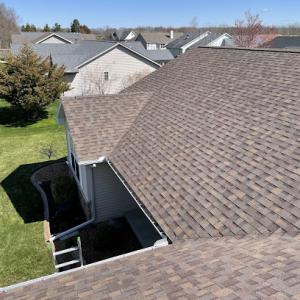
Freeman Exteriors
(217) 442-2281 www.freemangeneralcontracting.com
200 W Williams St, Danville, Illinois
4.9 from 224 reviews
Freeman Exteriors is the leading Roof contractor in Danville, IL & the surrounding areas. We proudly offer Siding, Window, and Gutter Contractors in Danville, IL! Get in touch with us if you need Roof Estimates. Freeman Exteriors specializes in roofing and commercial renovations. We are the best roofing services around. We have been providing new roofing and re-roofing services for many years. We serve Danville, IL, and surrounding areas. Our goal is to be the general contractor of choice through our pledge to maintain the highest quality of standards and artistry. We educate our customers along the way. Reach out to Freeman Exteriors to learn more about our Roof Services in Danville, IL, Today.
Hoover Contracting
(217) 597-5391 www.hoovercontractinginc.com
616 N Jackson St, Danville, Illinois
4.3 from 38 reviews
Hoover Contracting is a family owned roofing company providing residential and commercial roofing services throughout the East Central Illinois and West Central Indiana areas. Whether you need your roof inspected, repaired, or completely replaced, we have the experience and skill to get the job done right the first time. We’re proud partners with GAF Materials Corporation, the leading manufacturer of roofing materials that stand the test of time. You can rest assured that we won’t leave until you’re satisfied with the results. Contact us today to request a quote!
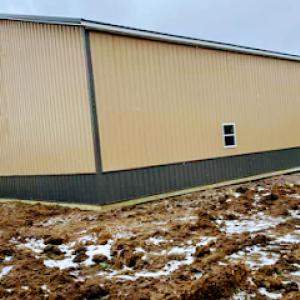
Rudys construction
3606 N Vermilion St, Danville, Illinois
5.0 from 1 review
Wee specialist on metal roof shingles roof siding post frame building and repair doors and windows drywall and flooring
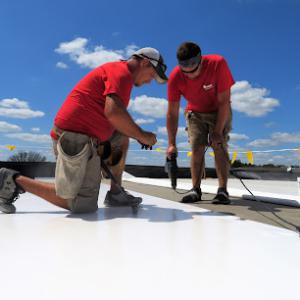
Sentry Roofing
(217) 446-2133 www.sentryroofing.com
Serving
4.9 from 34 reviews
Sentry Roofing delivers expert commercial and industrial roof inspections, repairs, replacements, installations, and maintenance for flat, metal, and low-sloped roofs. Since 1984, our award-winning team serves Danville, Champaign, Urbana, Paris, St. Joseph, Oakwood, Hoopeston, Monticello, Bloomington, Decatur, Mattoon, Effingham, Peoria (IL); Indianapolis, Lafayette, Terre Haute, Carmel, Brownsburg, Avon, Plainfield, Crawfordsville, Greenwood, Shelbyville, Muncie, Covington, Veedersburg, Greencastle, Lebanon (IN). We excel in custom solutions, safety, energy-efficient roofing, reliable project management and long-term relationships. 75% of sales are from repeat clients. Request your no cost, no obligation roof evaluation today!
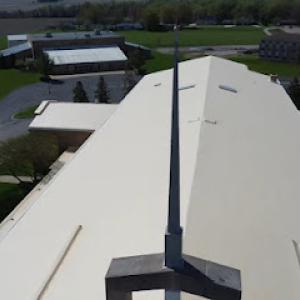
Lock Roofing
(217) 504-9813 lockroofing.net
Serving
5.0 from 8 reviews
Lock Roofing is a roofing contractor located in Oakwood, Illinois. They specialize in residential and commercial roof repair and replacement. Licensed, bonded, and insured.
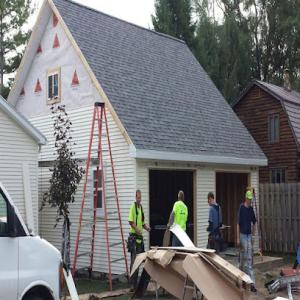
Moreman's Home Improvement
(217) 446-5661 moremanshomeimprovementil.com
Serving
3.3 from 28 reviews
Moreman's Home Improvements have been serving the areas of Danville, Batestown, Belgium, Catlin, Fairmount, Fithian, Georgetown, Grape Creek, Hillery, Humrick, Indianola, Midway, Muncie, Oakwood, Olivet, Ridge Farm, Tilton, Vermillion Grove and Westv
Econ-O-Way Construction
Serving
5.0 from 3 reviews
Econ-O-Way Construction provides roofing, siding, windows, and flooring installation to Fairmont, IL and surrounding areas.
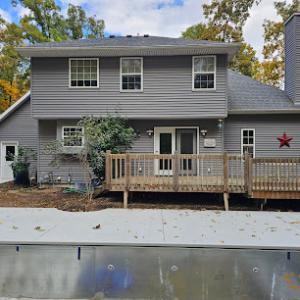
PSR Home Improvements
(217) 840-9294 psrhomeimprovements.com
Serving
4.3 from 15 reviews
We provide home remodeling and construction services for commercial and residentail customers in the Champaign County area

555 Custom Carpentry
Danville, IL
1.0 from 1 review
Your home is likely the largest investment you'll ever make, so you should love the way it looks. If you want to make major changes, you've come to the right place. 555 Custom Carpentry has exactly what you need and more. From remodeling to reroofing, we can do it all in the Danville, IL area. With over 28 years of experience, we have the skills needed to treat your property with care. You can hire us for: Roof services Deck services Siding services Window services New construction services Interior remodeling services Exterior remodeling services When you choose our roof replacement contractors, you can expect superior craftsmanship and top-quality customer service.
When you're pricing a roof in this area, you'll hear readers talk about asphalt shingles at about $350 to $550 per square, metal around $600 to $900, clay tile from $900 to $1500, concrete tile roughly $850 to $1300, wood shingles or shakes near $450 to $800, and synthetic or composite shingles in the $480 to $800 range per square. These figures reflect the way Danville homes are built and the typical quality you'll see in local neighborhoods. Asphalt shingles are the most common, and you'll often see metal used on garages or bungalows where a lighter weight or longer life is preferred. Heavier systems like clay or concrete tile push up both material and structural considerations, which shows up in the overall price per square. For a practical gauge, plan for these ranges as you compare bids and think through your project scope.
Danville experiences midwest storm patterns that drive pricing swings, especially after hail and wind events. Region-wide claim volume increases contractor demand and can stretch scheduling during the late-spring to early-fall window. After a storm, you'll often see bids come in a bit higher or with tighter scheduling margins, simply due to higher demand and limited crews. If a chosen material is prone to impact damage or requires more robust flashing and ventilation due to the local climate, those costs can rise further. In practice, that means your project may cost more during and right after major weather events, even if the material itself sits in its standard price band.
Projects can run higher when homeowners opt for heavier systems like clay or concrete tile, or when installation details around flashing and ventilation need extra attention to satisfy city inspections. Clay and concrete tiles demand a stronger roof deck and careful underlayment, which adds labor and sometimes structural prep. Even with lighter materials, the weather-driven schedule can compress lead times, so budgeting a bit of contingency helps. If you expect multiple inspections or if the ventilation plan needs upgrading to meet higher performance standards, you'll see those costs reflected in the final tally. In short, material choice sets the baseline, while local weather patterns and task-specific details push the total beyond the sticker price.
Danville generally requires a building permit for a full roof replacement through the city building department. Before any shingles start flying, your contractor should file the permit package with plan details that show flashing, venting, and underlayment plans. In practice, approval is commonly completed within about 1-2 weeks when plans are complete, but deficiencies can delay the start date. A common delay is missing vent calculations or inadequate flashing details, so expect to address those quickly to keep the process moving.
Plan documentation should include a clear roof layout, product selections, and a note on how flashing around chimneys, valleys, and vent pipes will be installed. In addition, demonstrations of proper attic ventilation and intake/exhaust balance help satisfy reviewers. Have your contractor provide updated details if the inspector requests refinements. If any structural elements or roof-to-wall connections are altered, include notes on those changes as well. The more complete the plan packet, the less back-and-forth with the city.
Inspections in this market are scheduled during and after the work, not solely on the finished look. A typical sequence begins with an initial inspection to verify permit placement, safety measures, and subroof components. Another inspection is arranged as the crew completes critical tasks such as flashing at all penetrations, valley intersections, and skylight or chimney interfaces. The final inspection focuses on the overall installation quality and compliance with flashing, ventilation, and secure fastening, ensuring the system will hold up through the region's hail, wind, and freeze-thaw cycles. Having the roofing crew present for the inspection window helps address any issues in real time.
The city's focus is on the functional aspects of the roof rather than cosmetic finishes. Expect inspectors to check that flashing transitions are properly integrated with siding, that ridge and soffit ventilation is adequate, and that attic access and baffles are properly installed. Missing or improperly sealed penetrations are common reasons for a reinspection, so keep the attic area tidy and accessible. If weather windows compress, be prepared for short-notice inspection slots and confirm with the contractor how they will notify you of any changes to the schedule. Once a passing final inspection is recorded, the permit is closed and your new roof can stay protected under local compliance.
Danville sits in a relatively high-claim hail and wind environment, so insurers often expect stronger roof condition documentation than in lower-loss markets. When a storm passes, a quick photo album is not enough; adjusters look for material specifications, installation details, and evidence of hail impact on valleys, flashings, and edge metals. Keep a record of the exact roof type, shingle granule loss patterns, and any prior repairs. Homes with asphalt shingles or metal roofs tend to draw closer scrutiny because the underlying substrate and fasteners matter to coverage decisions.
Local adjusters commonly perform on-site reviews and pay close attention to material specifications, which affects how homeowners should document existing roof type and storm damage. Have copies of product sheets from the shingle or panel manufacturer, plus installation dates and any changes to ventilation or flashing. Damage documentation should include angles of hail strikes, shed granules in gutters, and photos that show the roof edge and chimney flanges. If a roof has mixed materials or recent replacements, highlight those transitions so the adjuster can assess wind uplift and water intrusion risk accurately.
A new roof in this area may affect premiums, but insurers may also require updated condition assessments because regional storm frequency keeps underwriting scrutiny elevated. Be prepared for a follow-up inspection after installation to verify venting, flashing, and underlayment meet current standards. Having a clear, organized file of the old condition alongside the new one helps demonstrate durability and compliance during the claim process.
After a hail event, note the time, dimensions of damage, and any nearby property impacts. Keep copies of contractor notices and receipts, and maintain a photo log showing seasonal changes in sun exposure and shingle wear.
Late spring through early fall is the normal replacement window in Danville because winter cold and snow make tear-off and sealing less predictable. If you're planning a full roof replacement, aim to start after the risk of a deep freeze has passed and before the first hard rain of late fall. Mild days help shingles seat properly, and crews can complete venting and flashing checks without frozen fittings. In practice, you'll see homeowner approvals and material deliveries peak in late spring, with production modules running through late summer. Keep an eye on warm afternoons when asphalt shingles softens; plan ventilated work hours so attic temps don't bake crews into long days.
Spring projects carry added moisture risk from hail and heavy rain if the roof is opened during unstable weather conditions. Have tarps ready and confirm a robust drip edge and flashing plan before any tear-off begins. If a storm track looks active, delay nonessential work and coordinate with your contractor for a window with stable conditions. Short, frequent rain breaks can stall sealing and ventilation work, so schedule in chunks and avoid weekend shifts that expose exposed deck sections to humidity.
Autumn installations in Danville can be slowed by wind, which affects fastening reliability and daily production before winter arrives. Expect higher gusts as storms travel across Vermilion County; secure all ridge caps and hip tiles first, and use temporary fasteners where necessary. Shortening daylight reduces production hours, so align crews for efficient full days and ensure roof openings are safely covered overnight. After a windy week, recheck seals and attic ventilation to prevent snow-driven moisture buildup.