
Last updated: Apr 19, 2026
In Bloomington, hail and wind claims are common enough that insurance documentation and roof condition assessments are a routine part of replacement decisions. The mix of spring storms, autumn wind events, and a winter that follows with freeze-thaw cycles makes early documentation and timely stabilization essential to avoid bigger problems down the line.
Spring storms bring heavy rainfall and hail potential that can punch through attic ventilation and cling to shingle edges, while autumn winds levy uplift and crack brittle components before winter sets in. By late fall, you'll notice wind-driven damage around ridge caps and flashing if a storm slips past the initial roof seal. Those conditions create openings that may not leak immediately but can become several-leak problems once the ground dries and the temperature swings begin. Treat these as warnings rather than isolated incidents.
If you suspect damage, start with a quick, focused exterior check while safety remains the priority: look for lifted tabs, cracked shingles, bruising on hail-exposed edges, and damaged flashing around chimneys, vents, and skylights. Do not delay securing loose pieces or tarping exposed areas-small openings can widen dramatically once the freeze-thaw cycle hits. If you can safely document the scene, take clear photos from multiple angles, including close-ups of edges and any interior staining visible from attic access. Schedule a same-week roof inspection if heavy rainfall or wind just occurred; timing matters for preventing interior damage and for credible insurance documentation.
A thorough record package should include dated photos of exterior roof surface, attic insulation or drywall staining, and any interior water marks. Note the storm date, wind speeds if you have them, and any immediate protective measures you applied (tarps, temporary patches). Keep a list of observed problem spots, including flashing around vents and chimneys, as well as a sketch or photo-marked map of affected areas. Insurers rely on this documentation to determine whether the damage is storm-related and how soon stabilization was pursued after the event.
Choose a local contractor who understands how Bloomington's winters compound roof weaknesses. Ask for a written assessment that identifies vulnerable areas, such as flashing joints, shingle tabs, and edge detailing, plus a concrete stabilization plan for the first 48 hours after a significant storm. When you file with the insurer, submit the inspection report, the documentation package, and the contractor's stabilization plan to establish a clear, timestamped record of damage and the steps taken to prevent further leakage. If a full replacement is warranted, expect an in-depth review that looks at both weather-tightness and structural readiness before proceeding.
Find local contractors experienced in assessing and restoring roofs after hail, wind, and severe weather events.
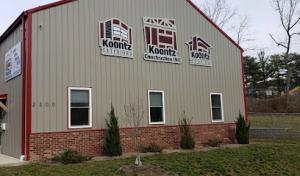
Koontz Roofing & Exterior Construction
(812) 876-2722 www.koontzconstruction.com
2300 Fountain Dr, Bloomington, Indiana
4.9 from 391 reviews
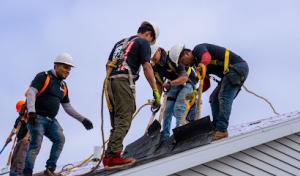
Kingdom Roofing Systems - Bloomington Roofer
(812) 468-9530 kingdomroofingsystems.com
2310 S Hickory Leaf Dr, Bloomington, Indiana
4.9 from 257 reviews
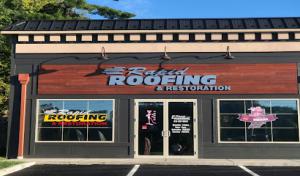
Rapid Roofing & Restoration
(812) 837-9654 www.rapidroofs.com
4055 Centennial Dr, Bloomington, Indiana
4.9 from 116 reviews
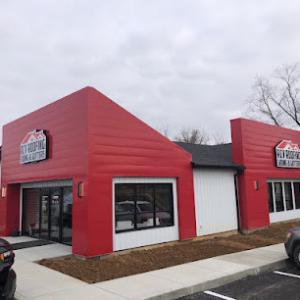
RCV Roofing, Siding & Gutters
5264 W Vernal Pike, Bloomington, Indiana
4.9 from 757 reviews
RCV Roofing, Siding & Gutters has been a trusted name for homeowners across the greater Bloomington area for more than 35 years. As a family-owned and locally operated company, we deliver expert roof repairs and replacements, each backed by our 25-Year Craftsmanship Warranty. Our commitment goes beyond installing quality roofs—we focus on providing a seamless, stress-free experience. From the initial consultation to project completion, every job is handled with clear communication, careful attention, and reliable follow-through. That’s what defines The RCV Roofing, Siding & Gutters Experience. Trusted by thousands throughout Bloomington, we take pride in protecting your home and your peace of mind. Contact us today.
Koontz Roofing & Exterior Construction
(812) 876-2722 www.koontzconstruction.com
2300 Fountain Dr, Bloomington, Indiana
4.9 from 391 reviews
For over 20 years, Koontz Construction has provided Bloomington and surrounding areas with quality workmanship backed by a local contractor. Our staff is friendly and knowledgeable because we know what it’s like to be in your shoes. We strive to do our very best to ensure that customers always come first. We specialize in roofing, skylights, windows, siding, and gutter replacements. We will come to you to provide free estimates.
Kingdom Roofing Systems - Bloomington Roofer
(812) 468-9530 kingdomroofingsystems.com
2310 S Hickory Leaf Dr, Bloomington, Indiana
4.9 from 257 reviews
The #1 contractor in Bloomington for any exterior remodeling projects. Your professional choice for roofing, siding, gutters, windows, and more. We are the premier choice for all of your roofing and exterior remodeling projects in Bloomington. Our crews are experienced in commercial and residential work so we are ready to tackle any project that you send our way. Customer satisfaction is our paramount concern. If you are happy, then we are happy and our focus on customer satisfaction is what drives our pursuit of perfection and top-notch work. We never cut corners and the job isn’t finished until the customer is happy!
Rapid Roofing & Restoration
(812) 837-9654 www.rapidroofs.com
4055 Centennial Dr, Bloomington, Indiana
4.9 from 116 reviews
Trust your local residential & commercial experts for all your roofing, siding & gutter needs. For over 28 years we've provide top-quality results & customer satisfaction matters to us!
4 Good Reasons Roofing
(812) 360-4469 4goodreasons.com
205 N College Ave Suite 440, Bloomington, Indiana
5.0 from 45 reviews
4 Good Reasons Roofing is a family-owned roofing contractor serving Bloomington and the surrounding areas. We handle roof repairs, replacements, and storm-damage claims with a commitment to honesty, clear communication, and dependable workmanship — backed by our 10-year labor warranty. As a locally run company, we keep overhead low and standards high to deliver strong value without compromising quality. Homeowners count on us for honest assessments, free inspections, and service built on integrity. With highly rated customer care and a reputation for reliability, we’re here to protect your home and give you peace of mind.
Cornerstone Roofing
611 W 11th St #5, Bloomington, Indiana
4.8 from 169 reviews
Welcome to Cornerstone Roofing, your trusted roofing specialists nestled in the heart of Gosport, IN. At the helm of our operations is Jose Reyes, a seasoned expert who has dedicated over 30 years to mastering the art and craft of roofing. Under his visionary leadership, Cornerstone Roofing has risen as a beacon of reliability and excellence in the roofing industry. Our commitment at Cornerstone Roofing is to provide unparalleled service and workmanship to the residents and businesses of Gosport and the surrounding areas. With Jose Reyes steering our course, we bring a wealth of knowledge, experience, and passion to every project we undertake.
Indiana Roof Source
(812) 327-4620 www.indianaroofsource.com
Bloomington, IN
5.0 from 36 reviews
At Indiana Roof Source, we are proud to provide quality craftsmanship, straight talk, great customer service, and the best workmanship and material warranties in the industry. Our professional and work reputations are important to us. Our goal is to establish long-term working relationships with our customers. We believe our past and current customers are our best referrals. When you work with us, you become family.
Equity Builders Roofing
(812) 650-2424 equitybuildersroofing.com
5951 S Glenview Dr, Bloomington, Indiana
4.8 from 147 reviews
Equity Builders Roofing is your trusted Bloomington, Indiana roofing company for all your home protection needs. We provide comprehensive roofing solutions, from new roof installations to expert roof repairs, gutter installation, and siding replacement. Our experienced roofing contractors are dedicated to delivering exceptional service, using superior materials and offering price matching. Choose Equity Builders Roofing for reliable, on-time service and a satisfaction guarantee. Protect your Bloomington home today!

Rojas Roofing
(812) 558-5972 rojasroofing.com
205 N College Ave Suite 010A, Bloomington, Indiana
4.9 from 47 reviews
At Rojas Roofing, we pride ourselves on being the leading roofing contractor in the Bloomington area, committed to exceptional craftsmanship and customer satisfaction. Whether you're in need of a new roof, roof replacement, or roof installation, our expert team specializes in all roofing types, including asphalt and metal roofing. We also provide top-notch commercial roofing services and are renowned as a trusted local roofer for siding, gutters, and roofing solutions. Choose Rojas Roofing for reliable, high-quality roofing services that ensure lasting protection for your property. Contact us today to schedule your consultation!
Still Waters Roofing & Construction
(812) 361-6957 stillwatersroofing.com
113 W 7th St, Bloomington, Indiana
5.0 from 29 reviews
Still Waters Roofing and Construction is your reliable roofing contractor in Bloomington, IN. We provide high-quality roofing services, including roof repair, installation, and maintenance, to ensure your home or business stays safe and protected. With a focus on customer satisfaction, our team is dedicated to delivering dependable service with attention to detail. At Still Waters Roofing and Construction, we take pride in serving the Bloomington community, offering personalized solutions tailored to your specific needs. Trust us to handle your roofing projects with care and professionalism. Visit our website to learn more about how we can help with your next roofing project.
Modern Roof
2620 N Walnut St Suite 870, Bloomington, Indiana
4.9 from 33 reviews
Modern Roof is a roofing contractor in Bloomington serving Ellettsville, Bedford, Unionville, New Unionville, Nashville and nearby areas. Our roofing company offers residential roofing, commercial roofing, metal roofing, asphalt shingle roofing, and more. We specialize in Vinyl Siding and Gutter Installation. Customers love us because of our comprehensive roof warranties and our affordable roof financing options. We are Malarkey Certified Residential Contractor. If you want to experience how your most trusted Bloomington roofing company, call us now for a free estimate!

Harding & Sons L.L.C. Home Improvement
Bloomington, Indiana
5.0 from 12 reviews
Whether the paint on the walls of your bedroom is fading or you're ready to give your bathroom a face-lift, Harding and Sons Home Improvement can help. We offer professional home remodeling and interior painting services throughout Bloomington, IN. We're known for our strict attention to detail and exceptional customer service. Plus, we have over 30 years of industry experience. Discuss your next project with our home remodeling and interior painting professionals today.
In this town, the best replacement window often runs from late spring through fall. That period tends to offer dryer days, milder temperatures, and less risk of deep freezes that complicate sealants and installation. If you're planning a full roof replacement, you'll usually see crews work more efficiently when the weather cooperates, and you'll have fewer days lost to cold snaps or snow delays. When a storm window opens in spring, aim to lock in a start date soon after the last major storm passes and the forecast shows a stretch of stable weather. Waiting into late fall can still be workable, but schedules tighten as the season slides toward winter.
Cold winters stress shingles, flashing, and seal points through repeated freezing and thawing. That cycle can shorten service life and expose older roofs after storms. If hail or high winds occur during the winter, the priority is to document damage while temperatures allow safe access. Freeze-thaw cycles also mean you should expect longer project timelines if crews must address concealed damage or verify structural components after a heavy storm. A prudent approach is to stage repairs that address any obvious leaks first, then plan a more comprehensive re-coated or resealed plan during the milder months, when attic condensation and interior temperature swings are less disruptive to workers and materials.
Warm summers bring additional UV exposure and thermal expansion, which affects shingle performance and the pace of replacement work. After spring damage, you face a balance: address urgent leaks quickly, but avoid piling on work during peak summer demand when crews are busiest and material stock can run thin. If you're weighing urgency versus timing, use the late spring window to start evaluating options, obtain assessments, and line up a reputable crew. Scheduling earlier in the season can help you avoid the hottest stretch while still keeping enough margin to complete before autumn storms.
Bloomington experiences storm-driven leaks and hail that can reveal hidden damage. The best practical response is to inspect after a storm to identify any new or worsened leaks, fallen granules, or damaged flashing. If a leak is suspected, prioritize a quick, temporary fix to protect interior spaces, then arrange for a follow-up diagnostic before the next season's heavy demand. Keep a simple photo log of any hail impact or wind damage, dating each image and noting the affected area. This reduces back-and-forth later and helps you communicate clearly with your insurer and contractor.
If a roof has endured multiple freeze-thaw cycles or repeated storms, you may need to consider upgrading materials or reinforcing underlayment to improve resilience. In practice, this means discussing the benefits of more robust flashing systems, higher-quality underlayment, and venting improvements with a trusted local roofer. Planning ahead for these upgrades in the late spring through fall window can avoid scheduling bottlenecks and help ensure the new system is properly integrated with your existing structure. The aim is to have a robust, weather-ready roof that can handle Bloomington's seasonal extremes while minimizing disruption during the most demanding months.
Asphalt shingles dominate the local replacement market, and for good reason. In Bloomington, the typical homeowner faces repeated freeze-thaw cycles, spring hail, and wind-driven leaks after storm events. Asphalt shingles offer predictable performance, straightforward installation, and budgeting practicality after weather-related wear. When choosing this option, focus on heavier tab types or architectural profiles that handle temperature swings without excessive chipping or curling. A good installation and proper attic ventilation matter more here than chasing novelty, because the local climate pushes previously installed shingles to reveal age-related weaknesses sooner than in milder regions.
Metal roofing has a meaningful specialty presence and often pairs well with Bloomington's rainy seasons and seasonal temperature swings. Metal panels resist wind uplift well and shed rain quickly, which helps after severe storms. They're also more responsive to rapid temperature changes that occur across a Bloomington winter, reducing the chance of sheet ice buildup along eaves. For homeowners considering metal, pay attention to panel seams and fastener seals, and choose profiles that help minimize noise during heavy downpours. While metal can have a higher upfront cost, the long-term durability and reduced maintenance in a storm-prone climate frequently suit homeowners seeking resilience against hail and gusting winds.
Clay tile, concrete tile, and slate exist in Bloomington's housing mix, but they carry additional considerations. These heavier systems can demand structural review during the city's permit process, and in practice that means potential framing reinforcement and a careful assessment of roof load. If your home is in a market where these materials are common, plan for a structural evaluation early in the decision process. Tile and slate deliver distinctive aesthetics and excellent longevity, but their weight requires precise installation and compatible roof decking. In a climate with freeze-thaw cycles, ensure that the chosen tile or slate is rated for freeze resistance and that proper underlayment and drainage detail are in place to mitigate ice dam formation.
Regardless of material, the recurring Bloomington weather pattern means that annual inspections after storm seasons pay off. Look for moisture intrusion near penetrations, flashing integrity, and the condition of attic ventilation to prevent rapid ice dam development. If a hail event occurs, document the damage thoroughly with photos, and keep a record of any unusual granule loss or denting. Insurance documentation becomes part of a practical post-storm workflow, so align your material choice with a plan for timely assessments and, if needed, a measurable upgrade to a more robust system that can tolerate future severe weather without frequent maintenance. The best choice balances local weather resilience, structural compatibility, and long-term performance aligned with the home's design and budget.
Explore specialists in steel, aluminum, and standing seam metal roofs built to last 50 years or more.
Cornerstone Roofing
611 W 11th St #5, Bloomington, Indiana
4.8 from 169 reviews

Rojas Roofing
(812) 558-5972 rojasroofing.com
205 N College Ave Suite 010A, Bloomington, Indiana
4.9 from 47 reviews
Still Waters Roofing & Construction
(812) 361-6957 stillwatersroofing.com
113 W 7th St, Bloomington, Indiana
5.0 from 29 reviews
Your budgeting should start with the local material ranges: asphalt shingles at 350 to 550 USD per square, metal at 650 to 1100, clay tile at 1200 to 2500, concrete tile at 900 to 1800, synthetic or composite shingles at 400 to 900, and slate at 1800 to 3000. In practice, a typical Bloomington home with standard-roof geometry won't always follow the higher end of a line, but weather-driven planning does. For a quick mental map, if you're comparing bids, every square helps: a 10-square section of asphalt is roughly 3,500 to 5,500 USD, while a metal roof lands in the 6,500 to 11,000 USD range. Heavier tile choices push the project into 9,000 to 18,000 USD per 10 squares, and slate sits well above that. When the storm season hits, those sticker prices can shift a bit, but the underlying ranges stay the same for Bloomington crews who understand the climate and local housing stock.
Storm-driven demand spikes in Bloomington can affect scheduling and pricing after hail and wind events, especially for fast leak response and full re-roofing crews. After a severe hail event, the urgent leaks may push crews into tight windows, which can raise short-term labor costs and reduce option flexibility. If you're planning a quick response, expect expedited timelines and potential surcharge considerations for emergency access, debris removal, and after-hours inspections. In typical years, you'll see a gradual ramp-up after storms as crews balance new work with existing projects; in peak season, a backlog can push both start dates and completion times. Staying in close communication with a contractor about arrival windows and milestone checks helps keep costs predictable even when weather disrupts the schedule.
Costs in Bloomington can rise when a project involves tear-off requirements or structural review for heavier tile or slate assemblies. If the existing roof deck shows signs of moisture intrusion, rot, or framing concerns, you'll accumulate extra charges for reinforcement, framing adjustments, or temporary shoring. Hail-damaged underlayment and damaged sheathing also add labor hours and waste disposal. Expect higher bids when more square footage requires full removal rather than overlay, and when access is restricted by landscaping, driveways, or tight alleyways. In all cases, a clear line-item estimate helps you compare bids and spot where price differences come from-material choice, removal work, or the added structural considerations tied to heavier roofing systems.
Get a clear picture of your project costs upfront - no commitment required.
Koontz Roofing & Exterior Construction
(812) 876-2722 www.koontzconstruction.com
2300 Fountain Dr, Bloomington, Indiana
4.9 from 391 reviews
Modern Roof
2620 N Walnut St Suite 870, Bloomington, Indiana
4.9 from 33 reviews
Pritchett Brothers Roofing & Exteriors
(812) 275-3185 www.pritchettbros.com
Serving
4.5 from 66 reviews
In Bloomington, permits are required for most full re-roofs, and the City of Bloomington Building Department handles the process. You will want to line up your contractor early so the permit path doesn't slow your project mid-tear-off, especially after a storm when crews are busy and inspectors have tight schedules. A permit isn't just a form to sign; it's a formal record that your roof work meets local standards for wind, drainage, and ventilation.
The roofing contractor typically files the permit in Bloomington, and inspections are scheduled at key milestones after tear-off and after installation. The first inspection usually happens soon after the old roof is removed and the deck is exposed, ensuring the sheathing, underlayment, and any required, code-compliant ventilation are in place. The second inspection typically occurs once the new roof is installed and ready for final review. Expect a third check if the project includes structural work or unusual materials. If an inspector finds deficiencies, work must pause until corrections are completed and re-inspected, which can delay weather-sensitive timelines.
A Bloomington roofing permit is not complete until the final inspection closes it. That means even if all the roofing components look sound to the untrained eye, the inspector must sign off to mark the job as officially closed. If the final inspection is missed, you could face penalties, and more importantly, your warranty and any potential insurance claims could be affected. Plan for the final walkthrough with the inspector and have ready any documentation of shingles, underlayment, flashing details, and attic ventilation that the permit requires.
Heavier roof systems such as tile or slate may trigger added structural review. In practice, that means the update might require a structural engineer's input or additional framing verification to prove the home can carry the load. If trades are pressed to accommodate a tile or slate installation, be prepared for longer lead times and possibly more pervasive inspections. A careful contractor will preemptively address these concerns with the Building Department to avoid last-minute hold-ups that complicate storm-season timelines.
Coordinate with the roofing crew to align tear-off, underlayment, and metal or tile accessories so inspections can be scheduled promptly. Keep all permit documents organized and accessible, since the inspector may request amendments or clarifications during the process. If a weather event interrupts work, contact the Building Department to understand whether an inspection window remains valid or if re-inspection is required.
Indiana's property insurance market remains relatively stable, but Bloomington homeowners still face pricing pressure tied to recent hail and wind activity. That mix makes documentation and timing critical when a storm hits. A calm, well-documented claim process can help separate the legitimate storm damage from preexisting wear, reducing back-and-forth with the adjuster.
Bloomington claim success often depends on thorough photo documentation, contractor estimates, and a clear roof condition assessment because adjusters commonly request verification of storm damage. After a hail or high-wind event, photograph the entire roof from multiple angles, plus close-ups of any granule loss, dented flashing, or cracked shingles. Keep dated records of every contractor evaluation and any temporary fixes. A concise summary of the roof's condition, tied to specific observed damage, helps the adjuster see the claim's scope without chasing partial explanations.
Because hail and wind claims are common in Bloomington's market, homeowners often need to separate sudden storm damage from older wear that developed through freeze-thaw exposure. Freeze-thaw cycles can conceal or mimic storm damage, so a professional assessment should note which issues align with the most recent event and which show progressive deterioration. When possible, time-stamp comparisons with prior photos or previous inspection notes. Clear labeling of damage origin reduces disputes and speeds processing.
Choose a local contractor who regularly handles Bloomington-area roofs and understands how storms interact with typical local materials and attic ventilation. Ask for a written, itemized scope of work tied to observed damage, plus a preliminary repair plan that includes temporary protective measures. Communicate with the insurer through the contractor's documentation to ensure the claim aligns with both your roof's actual condition and the adjuster's expectations. This coordinated approach helps protect the roofing system during the inevitable cycles of melt and freeze Bloomington experiences.
In Bloomington, flashing and roof penetrations are particularly vulnerable because repeated winter freeze-thaw movement can open pathways for water after storms. That movement can slowly widen seams around vents, chimneys, and skylights, turning a minor drip into a noticeable leak thread. Regular inspection of step and counter-flashing where the roof meets walls or dormers helps prevent ice-dam-driven leaks that show up only after a heavy thaw or a late-season storm.
Regular rainfall makes small installation defects more visible, especially after spring storm sequences that test valleys, transitions, and exposed fastener areas. Valleys are the primary channels for melt and rainwater, so any loose shingles, damaged underlayment, or shifting fasteners can create a ripple effect of leaks along those critical lines. Pay attention to seemingly minor lift near valleys and along transitions where shingles meet dormers or skylights, because those spots often reveal trouble first after a deluge.
Local contractor signals show meaningful demand for skylight work and emergency repair, indicating that leak-prone penetrations and sudden water entry are recurring homeowner concerns. Skylight flanges, curb seals, and surrounding flashing deserve proactive checks after any hail or wind event. If a sudden drip appears around a skylight or curb, address it promptly; delayed repairs tend to escalate into larger interior damage and longer outage days.
Seasonal checks for loose nails, damaged sealant around penetrations, and moss or debris buildup in valleys help keep water moving where it should. After storms, look for dark spots on the ceiling near exterior walls, fresh staining around flashing, or damp attic insulation. If any of these appear, a quick professional assessment can prevent a small issue from becoming a costly repair.
Find contractors experienced in skylight installation, flashing, and leak repairs to bring natural light into your home.
Koontz Roofing & Exterior Construction
(812) 876-2722 www.koontzconstruction.com
2300 Fountain Dr, Bloomington, Indiana
4.9 from 391 reviews
4 Good Reasons Roofing
(812) 360-4469 4goodreasons.com
205 N College Ave Suite 440, Bloomington, Indiana
5.0 from 45 reviews
Cornerstone Roofing
611 W 11th St #5, Bloomington, Indiana
4.8 from 169 reviews
When a hail or wind event hits, you need a crew that answers promptly and handles debris removal and temporary protection as part of the service. In this market, reliable responders keep driveways clear, tarp exposed areas, and coordinate emergency assessments without delaying essential repairs.
The mix of long-established, locally owned and family-run companies means homeowners often prioritize accessibility, familiar faces, and a trusted phone call when storms blow through. Look for contractors with a steady local service footprint, clear communication, and a track record of honoring warranties after storm-related work.
Manufacturer-certified or warranty-focused firms exist, but they are less common than general storm-response teams. Compare warranty terms carefully: what is covered after hail damage, how long the coverage lasts, and what maintenance tasks trigger or void coverage. In practice, you'll find many solid options that emphasize responsive service over premium certifications.
Start with two practical references: recent storm repairs and a current job site visit. Ask for before-and-after photo proof, the timeline from inspection to repair, and paperwork that documents material choices and storm-related scope. Confirm the crew's insurance coverage and whether cleanup is included in the contract.
Consider the typical Bloomington stock of roofs and the freeze-thaw cycle. Prioritize crews that will walk you through shingle or sheeting concerns, provide weather-aware scheduling, and coordinate with insurance adjusters so cleanup and temporary protection stay front and center during the process.