
Last updated: Apr 19, 2026
Spring hailstorms and strong winds are a predictable annual beat in this market, and they don't wait for a convenient calendar. A roof that survived last season's hits can look fine on a sunny afternoon and still be structurally compromised under the next wind gust or hailstorm. The risk is compounded by the freeze-thaw cycle, which pushes water into any tiny crack and then expands as temperatures swing below and above freezing. If you ignore new leaks or granule loss, you're letting latent damage develop into a full replacement need just as the next storm season begins, potentially delaying a proper fix and exposing your home to further interior damage, mold, or attic air leaks.
Indiana is a fast-moving wind- and hail-claim market, and Indianapolis replacements often start with solid documentation rather than guesswork. After a severe weather event, you should photograph every affected area from multiple angles, date-stamping the images to establish a clear timeline. Keep a log of where you notice lifted shingles, bruise marks, or granule buildup in gutters. If an adjuster or engineer visits, have your photos ready and organized, along with any previous repair notes or contractor bids. The faster you present a complete, organized picture of the damage, the less back-and-forth and the quicker a fair scope can be written. Remember: storm-damaged roofs left exposed in late spring through early summer can deteriorate quickly, so timely documentation isn't just helpful-it's essential.
When a roof is damaged, the cold months ahead punch extra urgency into the decision-making timeline. Freeze-thaw cycles can convert tiny, almost invisible flaws into obvious failures after a harsh winter. If a roof dries out from a sunlit afternoon and then is caught by a reprieve and rain, you're simply letting risk accumulate. The window for an ideal replacement is narrow in this climate: late spring through early fall offers better weather for tear-off, wind protection, and proper ventilation work. If you delay, you risk more extensive interior damage from attic condensation, ice damming, or compromised underlayment. A proactive approach in the aftermath of a storm helps you avoid rushed decisions when the next bad weather front rolls in.
Storms don't line up with your schedule, but your replacement timeline can align with realistic seasonal conditions. In practice, that means kicking off the process as soon as the claim is filed and the damage is confirmed in writing or through photos, while also coordinating with your insurer's adjuster's visit. Expect multiple visits for a comprehensive scope, especially if hail sizes varied or wind damage is widespread. The goal is to lock in a coherent plan that minimizes exposure to further weather during tear-off and replacement, without waiting for a perfect stretch of days that may not arrive. Your preparation should include ready-to-go contractor options, a clear scope of work, and a timetable that prioritizes safety and speed.
Late spring through early fall is typically the preferred replacement window in this market because dry, mild conditions help installation quality and long-term roof performance. That sequence minimizes rain interruptions, reduces the risk of cold-related shingle brittleness during setup, and allows crews to complete several progress milestones in a single stretch. If you're coordinating with insurance adjusters or scheduling around storm activity, aim for a mid-spring to early-summer timeline when temperatures are comfortable and moisture is relatively predictable. This window also better aligns with typical homeowner calendars-before the busy early-fall home improvement surge and after the winter fatigue on roofing crews.
Winter installations can be delayed by freezing temperatures, which stiffen materials and slow adhesive or sealant curing. Short daylight hours in the cold season also compress work time, pushing crews toward longer completion windows and increasing the risk of weather-induced pauses. If a hail or wind event hits late fall or early winter, the window for proper post-storm repairs can spill into the first half of the year, but you'll lose some installation efficiency when frost, ice, or snow linger on the roof deck. If winter is your only open window, plan for a true cold-weather readiness checklist: roof-cleaning of debris before cold snaps, and allowing for extra drying time for any underlayment or ventilation adjustments once temperatures rise again.
Autumn and spring both bring storm interruptions in central Indiana, so homeowners often face scheduling bottlenecks immediately after regional weather events. That means you may encounter tight timelines when a line of severe storms rolls through, or when a late-season hail event triggers a surge in claims. The practical move is to set a realistic target range for start dates, then buffer your plan with a couple of flexible days to accommodate unexpected wind or rain delays. If you can, align your project to avoid the peak storm gap-the small, stubborn weather windows that form when a warm day follows a quick cold snap. Having a contingency plan with your roofing crew helps: confirm tarp protection for any interim days, and ensure the crew can stage materials safely if a storm rolls in mid-project.
First, check long-range forecasts for extended dry spells, not just short-patch sunshine. A week of steady mild weather is often better than several random dry days sprinkled with rain. Next, coordinate your contractor's crew availability around typical local storm patterns: early-week starts often avoid weekend peak demand and allow catch-up time if a midweek storm arrives. Third, prepare the property for a smoother process: trim nearby trees away from the roof, clear gutters to minimize overflow during installation, and designate a dry, accessible area for material staging on non-intrusive parts of the property. Fourth, have a plan for post-storm documentation with your insurer so you can quickly process any weather-related adjustments that might come up after the initial inspection. Finally, as a storm season approaches, maintain open contact with your roofer about expected push periods and any anticipated delays, so you're not left scrambling when the weather breaks.
Keep communication tight with your roofing team, and treat the seasonal shift as a shared calendar during storm season. You'll get smoother progress if you're flexible, prepared, and clear about preferred windows while understanding how mild springs and dry falls line up with the realities of central Indiana weather. In this market, the best season is the one you've planned for-with a clear path through the storm interruptions and a realistic post-storm recovery plan. Indianapolis homeowners know that timing a roof replacement around hail and wind demands patience as the weather does most of the scheduling for you.

Indy Rooftops - Roofing Repair Contractor
(317) 617-3928 indyrooftops.com
4254 N Raceway Rd, Indianapolis, Indiana
5.0 from 420 reviews
Indy Rooftops is a leading roofing contractor serving Indianapolis, IN, known for delivering high-quality, reliable roofing services. Whether you need roof repair, replacement, or installation, their expert team offers top-notch solutions tailored to your needs. With years of experience and a commitment to customer satisfaction, Indy Rooftops ensures that every job is completed to the highest standards. They specialize in residential and commercial roofing services, using only the best materials and industry-leading techniques. Trust Indy Rooftops for all your roofing needs in Indianapolis.
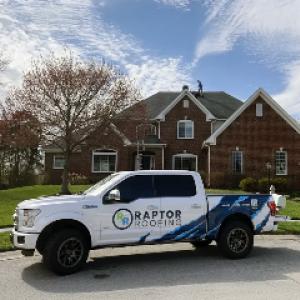
Raptor Roofing
(317) 961-7832 raptorroofing.com
5145 S Meridian St Suite B, Indianapolis, Indiana
5.0 from 586 reviews
Raptor Roofing, serving the Indianapolis area since 2016, offers top-rated roofing, siding, gutter, insulation, and window services. We specialize in roof replacements, repairs, and gutter installations made from top-quality materials to ensure durability. Our expert siding and attic insulation services enhance your home's durability, aesthetic appeal, and energy efficiency. We also provide commercial roofing services tailored to withstand harsh weather and daily wear. Raptor Roofing is committed to delivering reliable, timely, and efficient service, ensuring your property remains protected through every season. Trust us for your roofing needs and witness the peace of mind that comes with knowing your home or business is in expert hands.

Imperial Exteriors Roofing
(317) 207-9642 callimperial.com
8211 Brookville Rd, Indianapolis, Indiana
4.9 from 329 reviews
Imperial Exteriors Roofing is a trusted, top-rated roofing company based in New Palestine, serving Indianapolis, Greenwood, Carmel, Fishers, and surrounding areas. We specialize in residential and commercial roofing, including full roof replacements, hail and storm damage restoration, insurance claim assistance, roof inspections, gutter installation, gutter guards, and seasonal gutter cleaning. We also offer professional Christmas and holiday light installation for homes and businesses. Our licensed and insured team is known for dependable service, quick turnarounds, honest communication, and exceptional craftsmanship. We deliver lasting results with integrity and take pride in every job we complete.
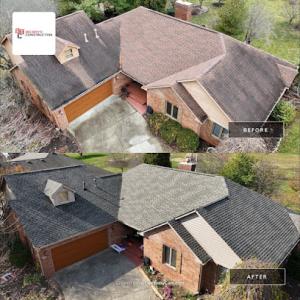
Big Boy's Construction
(317) 548-0275 bigboysconstructioninc.com
241 S State Ave Suite B, Indianapolis, Indiana
4.9 from 835 reviews
Seeking a top-tier roofing contractor for your residential or commercial project? Look no further than Big Boy's Construction, an Indianapolis-based company with over a decade of experience and a reputation for excellence. From roofing installations and repairs to siding work and insurance claim assistance, we handle every aspect of your roofing needs with professionalism and dedication. Our commitment to quality and customer satisfaction is reflected in our prestigious GAF Master Elite certification, awarded to only the top 2% of roofing contractors nationwide. Contact us today for a free estimate and let our expert team transform your roof into a shield against the elements.
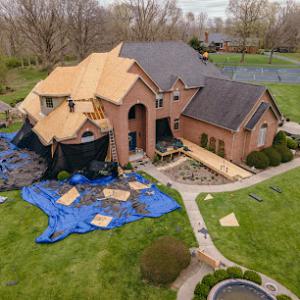
Indy Roof & Restoration
(317) 886-7436 www.indyroofandrestoration.com
5240 Elmwood Ave suite 200, Indianapolis, Indiana
4.9 from 2040 reviews
Indy Roof & Restoration is the trusted choice for roofing, exterior renovation and property restoration. Serving Central Indiana for over 6 years, we install high-quality roofs, gutters, siding, and windows, and provide fast, professional water damage and flood restoration services. From emergency cleanup to full exterior upgrades, we offer free estimates and reliable service focused on protecting homes, restoring damage, and strengthening our community.

OpenBox Roofing
(317) 659-6443 openboxroofing.com
8040 Castleway Dr, Indianapolis, Indiana
5.0 from 226 reviews
OpenBox Roofing is a locally owned and operated contractor specializing in Roofing, Siding, Gutters & Full exterior. Our promise is to provide Quality products and services with transparency & integrity no matter how big or small the job. Our approach is always honest, professional, and with our customers’ best interests in mind. Customer Service and Satisfaction is at the forefront of our company.
Watergate Roofing
(317) 807-6637 www.watergateroofing.com
2201 E 46th St Ste 114, Indianapolis, Indiana
5.0 from 188 reviews
Watergate Roofing is a woman-owned and operated general contractor serving the Indianapolis, IN area. We offer free estimates for home improvement projects, as well as free inspections if you have suffered storm damage. Watergate Roofing has long-standing relationships with every crew and values quality craftsmanship. Our signature services include roof replacement and repair, gutters, siding, and more! We are licensed, bonded and insured, and offer a 5 Year Workmanship Warranty on roof replacement. Contact us today to request a free roof inspection!

Amos Exteriors
(317) 359-3414 www.amosexteriors.com
7301 E 46th St, Indianapolis, Indiana
4.9 from 2982 reviews
Amos Exteriors is a trusted name in exterior remodeling, serving homeowners and businesses across Central Indiana since 1971. As a family-owned and -operated company, we bring more than 50 years of experience to every project—whether it's roofing, siding, windows, doors, gutters, or storm restoration. Our team is professionally trained, certified, and ready to deliver lasting solutions tailored to your needs. We take pride in helping our neighbors protect and enhance their homes with quality craftsmanship and reliable service. With 24/7 emergency support and a 100% satisfaction guarantee, Amos Exteriors is the clear choice for all your exterior remodeling needs.
GRC Roofing & Restoration
(317) 406-4488 www.grcindyroofing.com
2457 Madison Ave, Indianapolis, Indiana
5.0 from 89 reviews
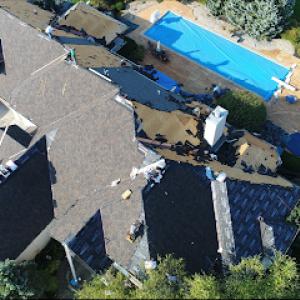
GRC Roofing & Restoration | Trusted Indianapolis Roofing GRC is trusted, locally owned roofing company serving Indianapolis, Carmel, Fishers, Greenwood, and all of Central Indiana along with Ohio, Michigan, and Kentucky. We specialize in residential roofing, commercial roofing, roof repairs, storm damage restoration, and insurance claim assistance. Our licensed and insured team delivers high-quality roof replacements and repairs using top-grade materials and expert workmanship. Whether you're dealing with hail damage or need a full roof installation, GRC provides honest estimates, fast service, and reliable results without the greedy sales pitch! Call today for a free roof inspection from your local Indianapolis roofing experts!
Metal Roofing Indianapolis
(463) 231-3049 www.metalroofingindianapolis.net
4826 W 34th St, Indianapolis, Indiana
5.0 from 71 reviews
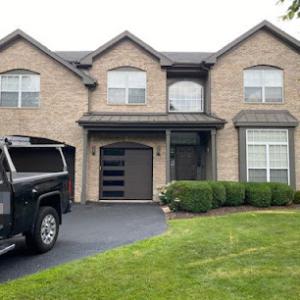
Here at Metal Roofing Indianapolis, we install, repair, replace, restore, rejuvenate, and inspect all types of metal roofs: aluminum, copper, corrugated, standing seam, steel, simulated shake, simulated shingle, simulated tile, zinc, stone coated steel, Galvalume, galvanized, sheet metal, etc. Plus, we also do metal roof coatings. Whether it is for residential, commercial, or industrial buildings in the whole state of Indiana, our roofers are ready to help you. While we specialize in metal roofs, we can also work on other roofing systems like flat and low sloped roofs, EPDM, membrane, PVC, rubber, torch down, TPO, asphalt shingle, composite, cedar shake, spray foam roofing, and many more. Call us now for your free estimate!
Bone Dry Roofing
(463) 220-3810 www.bonedry.com
7735 Winton Dr, Indianapolis, Indiana
4.8 from 2364 reviews
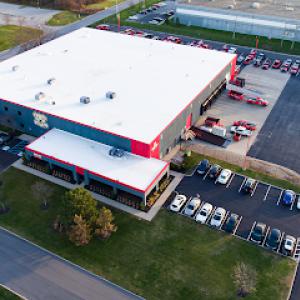
Family owned and locally operated, Bone Dry Roofing has proudly served the greater Indianapolis area for over 35 years. We specialize in roof replacement and roof repairs, providing dependable workmanship backed by our 25 Year Craftsmanship Warranty on all new roofs. While we are known for installing a great roof, what truly sets us apart is our commitment to the customer experience. Every project is handled with care, communication, and follow through, reflecting our promise to deliver The Bone Dry Roofing Experience. Trusted by thousands of homeowners throughout Indianapolis, we take pride in protecting what matters most, your home and your peace of mind. Call today to schedule your free estimate.
Indianapolis Roofing
(317) 800-1308 indianapolisroofing.com
450 E 96th St, Indianapolis, Indiana
4.9 from 141 reviews
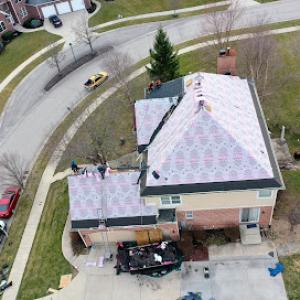
Indianapolis Roofing is a locally owned and licensed roofing contractor providing residential and commercial roofing services throughout Indianapolis and Central Indiana. We specialize in roof replacement, roof repair, storm damage restoration, insurance claim assistance, and seamless gutter installation. Our team installs asphalt shingle, metal, flat, and low-slope roofing systems using premium materials designed to withstand Indiana weather. We deliver thorough inspections, detailed estimates, and expert guidance to ensure long-lasting protection for your home or commercial property. Serving Indianapolis, Carmel, Fishers, Noblesville, Westfield, Zionsville, and surrounding communities, we are committed to honest service.
In Indianapolis, asphalt shingles are the dominant choice for traditional pitched residential roofs. The stock of conventional rooflines across the city makes asphalt a practical, familiar option for homeowners facing storm repair timelines and the two-step rhythm of hail season followed by quick replacements when needed. Shingles install relatively quickly, which helps keep disruption low during storm-related work, and the broad repair ecosystem makes finding a local crew easier after a wind event. Look for shingles with good wind resistance ratings and a solid nailing pattern to weather freeze-thaw cycles, while keeping in mind that the lightweight nature of standard shingles tends to balance performance with ease of repair after hail impact. When choosing, consider color and granule retention, since sun exposure and aging can alter appearance and perceived condition as repairs accumulate over years.
Metal roofing stands out as a robust option for homeowners who want improved performance through freeze-thaw cycles and repeated storm exposure. In this market, metal tends to hold up better against hail impact and high wind gusts, and it resists the rapid temperature shifts that can stress underlayment and sealants. The trade-off is a higher installed cost and a different weight profile that may affect existing roof geometry. For a home facing frequent wind events, metal can translate into longer intervals between major repairs, less interior disruption after storms, and a more durable surface that sheds hail with less denting than conventional shingles. If considering metal, pay attention to panel grade, fastener types, and the roof deck's ability to support a somewhat different load distribution. A professional assessment helps confirm suitability for the home's structure and ensures flashing, gutters, and penetrations align with the chosen system's design.
While heavier systems such as slate and concrete tile appear in parts of the city, they are less common overall and require careful planning. Structural suitability becomes more critical when considering these materials, as their weight can demand reinforcement or a re-evaluation of the attic and support beams. Beyond the weight, these options demand specialized labor for accurate matching of repairs and replacements when hail damage or wind events occur. For homes already fitted with wood or concrete decks capable of carrying heavier loads, slate and concrete tile can offer long service life and a distinct architectural character, but the installation, maintenance, and repair workflow will differ from standard shingle work. If exploring these paths, engage a contractor with concrete tile or slate experience to ensure that storm-related repairs remain compatible with the roof's original design and anticipated performance.
In Indianapolis, asphalt shingles typically run about 350 to 550 USD per square, metal about 700 to 1100, concrete tile about 900 to 1300, synthetic/composite about 450 to 700, slate about 1000 to 2200, and fiber cement shingles about 550 to 800. These numbers reflect a practical range homeowners see when storms aren't burning the market hot, and they give a baseline for budgeting without chasing every one-off estimate.
Pricing can rise after major central Indiana storm events, when demand surges for re-roofing, emergency dry-in work, and insurance-related replacements. If a hail season or a string of damaging wind events hits, you'll see quicker turnover in schedules and may encounter higher crew availability costs and material surcharges. Planning ahead and securing reasonable timelines can help you avoid the worst of the surge, while still coordinating with insurance timelines.
Costs in this area vary with the city's mix of straightforward suburban rooflines and older homes that may require more tear-off labor, decking repairs, flashing work around chimneys, or specialty material matching. A simple, clean asphalt shingle job on a modern roof likely lands toward the lower end of the range, while an older home with a full tear-off and decking checks will push toward the higher end or beyond. Concrete tile and slate bring premium to the project, largely due to weight considerations and stricter substructure needs, which are common in Marion County neighborhoods with vintage buildouts.
When you're evaluating bids, ask how much labor will be required for tear-off, decking repair, and chimney flashing-these line items often swing total cost in this market. If insurance is involved, request a line-by-line breakdown that aligns material choices with the scope of damage. For timing, target the lull between storm surges when possible, but stay prepared to move quickly if a claim is approved and crews are available.
Don't let upfront costs delay a critical repair - these contractors offer payment plans to fit your budget.
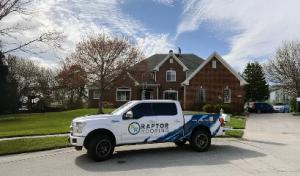
Raptor Roofing
(317) 961-7832 raptorroofing.com
5145 S Meridian St Suite B, Indianapolis, Indiana
5.0 from 586 reviews
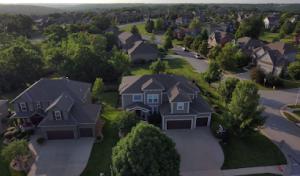
Watergate Roofing
(317) 807-6637 www.watergateroofing.com
2201 E 46th St Ste 114, Indianapolis, Indiana
5.0 from 188 reviews
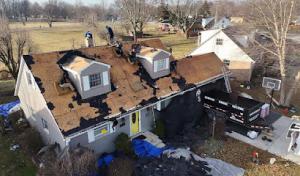
Everyday Restoration
5855 W Morris St, Indianapolis, Indiana
4.9 from 134 reviews
A full re-roof in Marion County is not treated as simple maintenance. The City of Indianapolis/Marion County Building Department typically requires a formal permit for major roof work. Rushing ahead without the proper paperwork can lead to delays, fines, or a stop-work order if inspectors discover non-permitted work after a storm claim. Treat this as a necessary step tied to safety, longevity, and future insurance considerations.
Roofing work in this area is generally subject to inspections during and after installation. The process often culminates in final approval before occupancy where applicable. Missing or mismatched inspections can complicate claims, disrupt timelines, and affect the validity of warranties. Expect a review of ventilation, flashing, and structural integrity, with inspectors checking that materials and installation meet local codes and county requirements. If a problem surfaces, it can extend the project and complicate storm-damaged timelines.
Because permitting is handled at the consolidated city-county level, homeowners should confirm permit responsibility up front rather than assuming a contractor can proceed without Marion County review. Some contractors may advocate handling permits themselves, but it remains your obligation to verify who is accountable for securing approvals and scheduling inspections. Clarify whether the contractor will pull permits, coordinate inspections, and provide approved documentation, or whether you must initiate the permit application in person. Document all approvals in writing to avoid disputes should insurance documentation or future resale issues arise.
Begin by contacting the Marion County Building Department or your local inspector to confirm current permit requirements for a roof replacement, including any storm-damage exception procedures. Request a written checklist of required inspections and a clear timeline tied to weather and storm-season windows. When interviewing contractors, ask specifically how they handle permit acquisition, permit fees, scheduling, and the sequence of inspections. Keep digital copies of all permit documents, inspection notices, and final approvals, and hold them with your project records for insurance and future maintenance reference. A careful, upfront approach helps you avoid delays and ensures your replacement aligns with local expectations and code requirements.
Over the course of a year, your roof endures repeated expansion and contraction from hot summers followed by cold winters. This cycle accelerates wear at shingles, flashings, sealants, and roof penetrations. In Indianapolis, that stress is not just cosmetic: small gaps or lifted edges can become pathways for moisture during the next freeze, especially after a storm-wide impact. The result is a gradual thinning of protective layers and a higher risk of accelerated deterioration in critical areas around vents, chimneys, and skylights.
Storm damage in Indianapolis is often followed by moisture intrusion during freeze periods. Wind-lifted shingles or displaced granules can trap water against the decking, and then a sudden drop in temperature locks that moisture in place. That sequence-wind damage, water intrusion, then freezing-can turn minor issues into larger leaks and hidden deck rot. A roof inspection after a significant hail or wind event should focus on any lifted edges, cracked sealant around penetrations, and signs of moisture intrusion inside the attic near the eave line and along rafters.
Material choice is not just upfront price; it also affects how well a roof handles hail exposure, winter cold, and seasonal swings. In this climate, consider shingle families that resist impact and maintain flexibility across temperature shifts, and pay attention to flashing and sealant compatibility with rapid temperature changes. A well-chosen material helps slow the progression of micro-damage and reduces the chance that a small, wind-lifted area becomes a larger, harder-to-detect problem once cold weather returns.
Find specialists in TPO, EPDM, and built-up flat roofing systems for residential and commercial properties.
Watergate Roofing
(317) 807-6637 www.watergateroofing.com
2201 E 46th St Ste 114, Indianapolis, Indiana
5.0 from 188 reviews
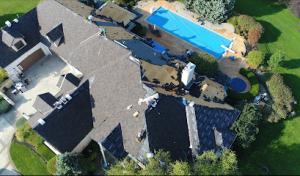
GRC Roofing & Restoration
(317) 406-4488 www.grcindyroofing.com
2457 Madison Ave, Indianapolis, Indiana
5.0 from 89 reviews
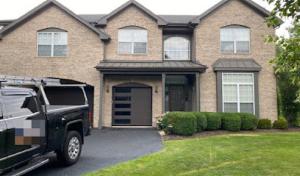
Metal Roofing Indianapolis
(463) 231-3049 www.metalroofingindianapolis.net
4826 W 34th St, Indianapolis, Indiana
5.0 from 71 reviews
You'll notice in this market that wind, hail, and broader storm events drive roof claims more than aging shingles. In practice, a roof may be perfectly sound for years, yet a storm leaves enough visible or hidden damage to trigger an insurance review. If you're weighing a replacement, prepare for a process shaped by storm activity rather than a simple timeline.
Insurers serving Indiana commonly expect detailed documentation before they approve a full replacement. That means clear photos from multiple angles, close-ups of damaged flashing, shingles, and vent areas, and notes about the date and severity of the storm. An on-site adjuster or engineer review is often required to substantiate the claim before approval. Missing or inconsistent documentation can stall decisions and push timelines into the next storm season.
Start with a rapid, methodical photo log as soon as you can safely access the roof. Include gutters, chimneys, and attic moisture indicators if visible. Create a simple damage map that correlates observed issues to specific hail or wind events you experienced. Contact your insurer promptly to initiate the claim and request an on-site adjuster appointment, not just a remote assessment. If the claim moves slowly, consider a professional roof consultant who understands how Indiana storms shape damage patterns, to provide a concise, inspector-friendly report.
The state has not seen a broad statewide insurer pullback, but claim activity remains common enough in Indianapolis that documentation quality can directly affect claim outcomes and project timing. Storm windows, storm season planning, and the timing of repairs matter. If a full replacement is approved, you'll want a clear schedule from your contractor that aligns with weather gaps between hail bands and wind surges, so you aren't holding a roof repair through another round of damaging weather.
Connect with contractors who help homeowners navigate the claims process from damage assessment to final approval.

Indy Rooftops - Roofing Repair Contractor
(317) 617-3928 indyrooftops.com
4254 N Raceway Rd, Indianapolis, Indiana
5.0 from 420 reviews
Raptor Roofing
(317) 961-7832 raptorroofing.com
5145 S Meridian St Suite B, Indianapolis, Indiana
5.0 from 586 reviews

Imperial Exteriors Roofing
(317) 207-9642 callimperial.com
8211 Brookville Rd, Indianapolis, Indiana
4.9 from 329 reviews
Chimney transitions are a frequent trouble spot in this market, especially on older homes with aging flashing. Indianapolis contractor signals show meaningful local demand for chimney-related roof work, which matters because flashing transitions often become leak points on older houses. When inspecting, focus on the step flashing where the chimney meets the roof, the vertical flashing behind counter-flashing, and any gaps around the chimney crown. Look for rust-colored staining, loose shingles at the base, and hairline cracks in the mortar joints that can push water into the deck during a storm. A practical fix path includes resealing with compatible materials, re-flashing as needed, and installing a proper chimney cap to shed wind-driven rain. Routine checks after major storms can catch loose flashings before they fail.
Skylight repair is a recurring specialty in the Indianapolis market, indicating that penetrations and curb details are a real maintenance issue rather than a rare add-on service. When a skylight leaks, start with the curb area and the seal between the skylight frame and the roof deck. Inspect the gasket or glazing bead for wear, especially after freeze-thaw cycles, and test drainage around the skylight to ensure water moves away from the flashing. If the skylight is old or the curb is compromised, consider a curb rebuild or unit replacement with a design that improves slope and weather sealing. Pay attention to the flashing detail at the intersection of the skylight and the surrounding shingles, and verify that the drip edge and underlayment extend properly beneath the skylight installation.
On homes repeatedly exposed to storms and freeze-thaw movement, leak diagnosis centers on transitions and penetrations rather than field shingles alone. Begin with the low-slope roof interfaces, pipe and vent penetrations, attic access hatches, and furnace/air handler boots. Check for movement in the joint where the roof meets the wall to catch flashing failures at side walls or dormers. Use a flashlight at dusk to spot moisture trails, and trace any staining back to the fastest water entry point, not the nearest visible wet spot. A targeted repair plan often combines flashing replacement, improved sealants, and ensuring proper shingle overhang to shed water away from critical joints.
Find contractors experienced in skylight installation, flashing, and leak repairs to bring natural light into your home.
Watergate Roofing
(317) 807-6637 www.watergateroofing.com
2201 E 46th St Ste 114, Indianapolis, Indiana
5.0 from 188 reviews
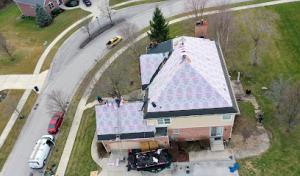
Indianapolis Roofing
(317) 800-1308 indianapolisroofing.com
450 E 96th St, Indianapolis, Indiana
4.9 from 141 reviews
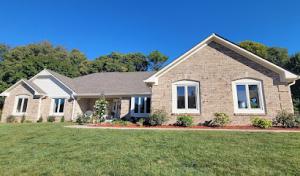
Beeson Construction
(317) 788-9353 www.beesonconstruction.com
5401 S East St Ste 204B, Indianapolis, Indiana
4.9 from 78 reviews