Roofing in Illinois
Last updated: Feb 28, 2026
Here in Illinois, a roof has to do more than shed rain; it must stand up to blistering July heat, deep-freeze winters, thaw-freeze cycles, and spring hail that can surprise even seasoned homeowners. From Chicago's windy winters to the wide-open prairies of central Illinois, homeowners juggle energy efficiency, snow load, and weather-driven wear. A well-kept roof isn't a luxury here — it's an essential, budget-smart part of protecting your home, your comfort, and your family. The right choices start with understanding our climate, which swings from hot and humid summers to cold snaps and gusty storms. With the right plan, a roof can perform reliably for decades.
This Illinois page offers practical, trustworthy guidance rooted in local conditions. You'll get a clear read on how our climate informs material choices and installation approaches, which roofing styles echo our architectural landscape, and the typical costs you're likely to encounter here. You'll also find how permits and local regulations work, plus common problems we see in Illinois weather and straightforward solutions. Seasonal maintenance routines that fit Illinois seasons are included, along with guidance on when to repair versus replace and when hiring a professional makes sense. It's neighborly, actionable advice you can put to work right away.
All guidance is tailored to Illinois' unique climate, codes, and cost realities, and it's backed by local resources you can actually reach. We reference weather patterns and region-specific challenges drawn from Illinois roofing projects, local supplier options, and trusted contractors across the state. If you're unsure about a hail-resistant upgrade, a permit, or a maintenance schedule, you'll find Illinois-focused notes and links to the right resources, not generic templates. Think of this as guidance from a knowledgeable neighbor who also happens to be a roofing professional, talking you through practical steps you can take this season.
With that foundation, let's begin by looking at Illinois' local climate and how it shapes your roof across the state. In the next section, we'll dive into Local Climate in Illinois and its impact on roofing decisions.
Local Climate & Its Impact on Roofs
Seasonal climate in Illinois
Illinois spans a wide range of weather: cold, snowy winters in the north and central parts, to hot, humid summers in the south. Spring and fall bring rapid temperature swings and storms. This variability accelerates wear on roofing and can increase the risk of leaks if the roof and attic aren't prepared.
- Freeze-thaw cycles crack and slowly degrade shingles, underlayment, and flashing.
- Humidity and attic moisture can lead to mold, wood rot, and accelerated aging of materials.
- Spring storms bring hail, high winds, and heavy rain—events that test flashing, gutters, and ridge lines.
Snow, ice dams, and ventilation
In Illinois, snow loads and ice dams are common winter concerns. Ice dams form when attic heat melts snow at the eaves, which refreezes and creates a dam that forces water under shingles.
- Risks: interior leaks, ceiling stains, damaged insulation, and mold growth.
- Prevention and protection:
- Improve attic insulation and air sealing to keep more heat in the living space and less in the attic.
- Install continuous ice-and-water shield along eaves and in roof valleys (typical practice is to extend the shield up the roof line and into valleys; follow local code and manufacturer guidelines).
- Ensure adequate attic ventilation: a balance of soffit intake and ridge or power vents helps keep the roof cold in winter.
- Keep gutters clear of leaves and debris so meltwater can flow away freely.
- After heavy snowfall, use a roof rake carefully from the ground to remove the buildup on the eaves (avoid climbing on the roof).
- In areas with recurring ice damming, discuss with a licensed contractor about heated cables or other solutions—only install according to code and electrical requirements.
Hail and wind considerations
Central and northern Illinois can see hail events in spring, and strong winds can occur with thunderstorms or tornadoes.
- Roof materials and rating matter: consider impact-resistant asphalt shingles (Class 4), or metal roofing for durability in hail-prone zones.
- After storms:
- Inspect for missing, cracked, or dented shingles; check flashing around chimneys, vents, and skylights.
- Look for granule loss in shingles, which can shorten their life and reduce solar protection.
- Verify that gutters and downspouts remain securely attached and free of dents or leaks.
- Wind safety:
- Ensure proper fastening of shingles, underlayment, and flashing; strong winds can lift edges if not properly installed.
- Secure nearby trees and branches that could damage the roof during a wind event.
Maintenance and preventive measures
A proactive approach helps Illinois roofs weather seasonal stress.
- Do a biannual roof and attic check: look for soft spots, sagging, missing granules, damaged flashing, and water staining.
- Clean gutters twice a year, and after storms, to prevent ice dams and water backing up on the roof.
- Trim overhanging branches that could shed ice, leaves, or branches onto the roof during storms.
- Upgrade underlayment and ventilation during any roof replacement to improve long-term performance in Illinois' climate.
Choosing the right roof and retrofits for Illinois
- Asphalt shingles: opt for impact-resistant Class 4 shingles where hail risk is moderate to high.
- Metal roofs: durable in wind and hail, but require proper installation and ventilation.
- Underlayment: a high-quality synthetic or rubberized underlayment provides better protection against ice damming and moisture intrusion.
- Ventilation and insulation: prioritize a well-insulated, tightly sealed attic with balanced ventilation to minimize heat transfer to the roof during winter and reduce moisture buildup year-round.
- Snow guards or snow retention systems: in areas with heavy snowfall, these can help manage snow release and protect gutters and walkways.
Warnings and official resources
- Local risks: expect winter ice dams, spring hail, and spring thunderstorms with strong winds; preparedness reduces damage and temporary leaks.
- Official resources:
- National Weather Service – Winter weather safety and preparedness:
- Illinois Emergency Management Agency – Severe weather awareness and preparedness:
- For weather- and safety-related guidance during severe events, refer to federal and state resources when planning roof work or assessing storm damage.
Recommended Roofing Materials for Illinois
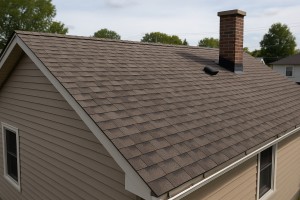
A practical default choice for many Illinois homes. Modern architectural (dimensional) shingles offer better wind resistance and a more substantial look than basic 3-tab styles.
- Pros:
- Cost-effective and widely available
- Wide color and texture options
- Easy to repair and replace individual shingles
- Cons:
- Typical lifespan 15–30 years depending on quality and climate
- Performance can drop in severe ice dam conditions without proper underlayment
- Susceptible to moss/algae in humid areas
- Best practices for Illinois:
1. Select architectural shingles with a high wind rating (130 mph or higher where winds are common).
2. Use a full ice and water shield along eaves, valleys, and penetrations in climate zones with freeze–thaw cycles.
3. Ensure good attic ventilation and adequate insulation to minimize ice dam formation.
4. Choose a reflective or light-colored option in hot-summer zones to reduce cooling loads.
5. Schedule regular inspections after winter storms to catch loose or damaged shingles early.
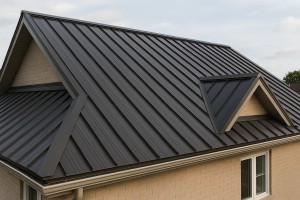
A durable, long-lasting option that handles Illinois winters and snow well, with a modern aesthetic.
- Pros:
- Longevity often 40–70 years
- Excellent snow shedding and strong wind resistance
- Lightweight and recyclable; energy-efficient with reflective coatings
- Cons:
- Higher upfront cost
- Can be noisy in heavy rain without proper attic insulation
- Dents from hail are possible on thinner panels
- Best practices for Illinois:
1. Consider steel or aluminum panels with a durable coating (galvanized, galvalume, or PVDF coatings).
2. Use proper fasteners and flashing to prevent leaks in heavy rainfall and snow.
3. Pair with solid attic insulation to minimize noise and temperature swings.
4. Ensure roof slope meets the manufacturer's minimum for the chosen profile.
5. Plan for impact resistance in hail-prone areas when selecting panel thickness.
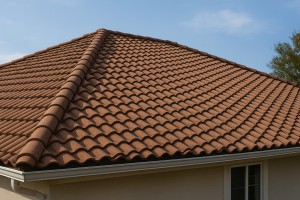
Nice curb appeal and long life, but heavier and more structure-dependent.
- Pros:
- Excellent fire resistance and durability
- Great for hot months due to thermal mass and color options
- Resistant to rot and insect damage
- Cons:
- Very heavy; may require structural reinforcement
- Higher installation cost and specialized labor
- Susceptible to cracking under hail or heavy impacts
- Best practices for Illinois:
1. Have a structural engineer verify deck support for the tile weight.
2. Favor concrete tiles (heavier but stronger impact resistance) over clay if snow load is a concern.
3. Use reinforced underlayment and ice barriers in cold zones.
4. Ensure proper slope (typically 4:12 or steeper) for best performance.
5. Regularly inspect for cracked or loose tiles after storms.
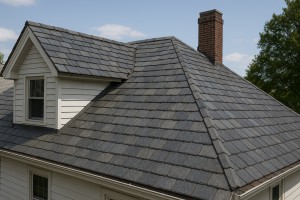
Premium, long-lasting option with a refined look, but not for every home.
- Pros:
- Exceptional durability and beauty; very long lifespan
- Fireproof and moisture resistant
- Cons:
- Very high cost and heavy; requires experienced installation
- Limited availability and potential for broken pieces during hail
- Best practices for Illinois:
1. Only install if the structure can support the weight (often requires structural reinforcement).
2. Use synthetic slate as a lighter alternative where appropriate.
3. Work with an experienced slate roofer to minimize waste and ensure proper fasteners and flashing.
4. Plan for periodic inspections to monitor for cracked pieces.
Wood Shingles and Shakes
Timber-inspired aesthetic, but they demand more maintenance in Illinois' climate.
- Pros:
- Natural, warm appearance that ages gracefully
- Moderate weight and good insulation when well installed
- Cons:
- Prone to moisture-related rot, mold, and insect damage in humid regions
- Higher maintenance and fire risk depending on treatment and local codes
- Best practices for Illinois:
1. Choose pressure-treated or fire-treated wood if permitted by code.
2. Maintain with periodic cleaning and resealing to extend life.
3. Ensure adequate clearance from vegetation and proper ventilation to reduce moisture buildup.
4. Consider switching to a wood-look synthetic option if maintenance is a concern.
Synthetic Roofing Materials
A broad category including synthetic slate, rubber (EPDM/TPO) for low-slope sections, and composite shingles.
- Pros:
- Varied looks with often lighter weight than natural stone or clay
- Consistent warranties and good impact resistance
- May be less maintenance than organic materials
- Cons:
- Quality varies by manufacturer; research is essential
- Long-term performance data can be uneven
- Best practices for Illinois:
1. Look for products with proven performance in freeze–thaw and wind-prone areas.
2. Choose options with reflective coatings to improve energy efficiency.
3. Verify compatibility with existing flashing and underlayment systems.
Underlayment, Ventilation, and Climate-Specific Tips
- Ice and water shield is essential at eaves and in valleys in most Illinois climates.
- A well-ventilated attic and proper insulation reduce ice dam formation and energy costs.
- Choose a roofing material with a good warranty and a local installer experienced with our winter conditions.
Popular Roof Styles & Architectural Trends in Illinois
Popular Roof Styles for Illinois Homes
- Gable roofs: The workhorse of Illinois homes. Great for snow shedding and clear second-story space, but require proper bracing and moisture management in wet springs.
- Hip roofs: Excellent wind resistance, a smart choice in Chicago's wind corridors and storm-prone areas. Slightly more complex to build, but they hold up well to Midwest weather.
- Cross-gabled and dormered designs: Common on Craftsman, Prairie, and bungalow styles. Dormers add usable attic space and light without sacrificing rain runoff.
- Mono-pitch and shed roofs: Modern look and good for sunrooms or additions. Simple to install, but ensure adequate attic ventilation and insulation for energy efficiency.
Materials Making Sense in Illinois
- Asphalt shingles (architectural/class 4): The most common, affordable, and versatile choice. Look for a high wind-resistance rating and algae-resistant granules for hot summers and humidity.
- Metal roofing: Steel or aluminum panels or shingles. Excellent hail resistance, longevity, and energy efficiency. Noise can be a consideration; proper insulation helps. Ideal for rural properties, modern homes, or structures with metal accents.
- Clay or concrete tiles: Durable and classy, but heavy. Best on homes with existing reinforced framing or proper structural support. More common in warmer, southern-leaning Illinois styles; requires careful installation to handle freeze-thaw cycles.
- Slate and synthetic slate: Premium option for historic or high-end homes. Very long-lasting but heavy and costly; requires structural assessment and a qualified installer.
- Wood shingles/shakes: Aesthetic favored by craftsman-style and bungalow homes. Requires regular maintenance and fire-rated considerations in some neighborhoods.
- Low-slope roofing: If you have flat or nearly flat sections (often in urban townhomes or accessory structures), choose dedicated flat-roof materials with proper drainage, insulation, and UV protection.
Architectural Trends by Region in Illinois
- Chicago metro areas: Focus on durable, wind- and hail-resistant options, with strong underlayment and reinforced fasteners. Energy-efficient upgrades and larger overhangs are popular to reduce cooling loads in summer.
- Suburban neighborhoods: Craftsman, Prairie, and bungalow silhouettes with broad overhangs, knee walls, and dormers. Asphalt architectural shingles or metal roofs pair well with brick, stone, and earth-toned siding.
- Historic districts and older neighborhoods: Slate or synthetic slate, fiber-cement or brick-compatible roofing options that respect historic aesthetics while delivering modern performance.
- Southern Illinois and rural areas: Metal roofing gains traction for durability on outbuildings and homes alike; clay or concrete tiles on Mediterranean-inspired homes when structural support exists or for a distinctive look.
- Modern/new builds: Clean lines, larger roof planes, and mixed materials (metal with high-contrast trim or dark shingles) are common. Solar-ready designs and integrated drainage/ventilation are increasingly standard.
Maintenance & Durability Tips for Illinois Roofs
- Ice dams and ventilation: Ensure attic insulation is up to code and that soffit vents, ridge vents, or an attic fan provide continuous airflow. Use ice-and-water shield in eaves and valleys in colder zones.
- Hail and wind resistance: In hail-prone areas, consider Class 4 impact-resistant shingles or metal. Confirm wind-rated warranty and proper nailing patterns per manufacturer specs.
- Snow load and drainage: Slope and gutter maintenance matter. Keep gutters clear and verify roof pitch supports expected snow loads for your region.
- Moisture control: Check for condensation in attic spaces, especially with newer, tighter homes. Use proper vapor barriers and ensure flashing around chimneys, skylights, and vents is intact.
- Roof lifespan planning: Typical asphalt shingles last 15–30 years; metal roofs 40–70 years; clay/concrete tiles 50–100 years with proper maintenance. Budget for periodic inspections, especially after severe weather.
Quick Style and Material Pairings for Common Illinois Home Types
1) Brick ranch or bungalow: Asphalt architectural shingles paired with broad overhangs; consider a hip roof for wind resilience.
2) Craftsman or Prairie-style: Low-slope gables or hipped roofs with architectural shingles or metal; exposed rafter tails and earth-toned colors.
3) Modern new build: Metal roofs or dark architectural shingles with clean lines and integrated solar readiness.
4) Historic homes: Slate or synthetic slate if structurally feasible; coordinated flashing and flashing colors to match original charm.
Average Roofing Costs in Illinois
Typical cost ranges by material
- Asphalt shingles: installed cost about $3.50–$5.50 per sq ft (roughly $350–$550 per 100-sq-ft square) for architectural shingles; 3-tab shingles sit on the lower end. Expect small increases for thicker, 50-year warranties or designer colors.
- Metal roofs: $7–$12 per sq ft (about $700–$1,200 per square). Standing-seam panels are common and durable in Illinois' climate, but price varies with metal type and roof complexity.
- Concrete or clay tile: $8–$15 per sq ft ($800–$1,500 per square). Heavier tiles may require structural checks and possible added reinforcement.
- Slate: $15–$30 per sq ft ($1,500–$3,000+ per square). Premium craftsmanship and weight/structural considerations drive the cost.
- Flat roofs (EPDM, TPO): EPDM $4–$8 per sq ft; TPO $5–$9 per sq ft ($400–$800 per square). Added flashing, insulation, or roof penetrations can shift pricing.
Regional differences within Illinois
- Chicago metro: higher labor costs and stricter weather windows can push prices toward the upper end of material ranges. Expect additional charges for elevated work, long lead times, or heavy snowfall considerations.
- Downstate and rural areas: typically closer to the lower end of the ranges, with some savings on labor but similar material options.
- Hail-prone pockets: areas with frequent hail can increase material upgrade costs (impact-resistant shingles or additional underlayment) and insurance considerations.
What drives price in Illinois homes
- Roof pitch and complexity: steeper pitches or multi-level structures require more time and equipment.
- Old roof removal: disposal and recycling fees add to the project, especially if hazardous materials or multiple layers exist.
- Flashing, intersections, chimneys, skylights: more penetrations mean more flashing and higher labor.
- Ventilation and insulation: proper attic ventilation and insulation upgrades improve performance in winter and summer and may be bundled into the job.
- Permits and code updates: some towns require permits or code-compliant upgrades, adding to the cost.
- Warranties and workmanship: longer and more comprehensive warranties add to the upfront price but can save money over time.
Style and architecture considerations in Illinois
- Historic districts or Victorian-era homes: ornate eaves, dormers, and decorative trim increase labor time and material complexity.
- Ranch and Colonial houses: simpler layouts can reduce installation time, but unusual roof angles or multiple additions still raise costs.
- Newer, energy-efficient designs: may favor higher-quality underlayment, ventilation, and reflective or cool-roof coatings, adding modest premium but improving winter performance and cooling costs.
Local climate considerations that affect pricing
- Ice dam risk and snow load: northern Illinois homeowners often invest in better attic insulation, ventilation, and temperature-differential controls, which can influence overall project scope.
- Winter scheduling: weather windows can delay work; some crews charge premium for rapid winter installation or after-storm repairs.
- Energy efficiency: reflective coatings and insulation upgrades tailored to Illinois summers and cold winters can raise upfront costs but may lower long-term bills.
Quick estimate worksheet (how to start your own estimate)
1) Measure your roof area in square feet, then convert to squares (1 square = 100 sq ft).
2) Choose a material and warranty level.
3) Add removal and disposal for the existing roof.
4) Include underlayment, flashing, ventilation, and drip edge.
5) Add permits, site protection, and cleanup.
6) Include contingencies for incidental repairs (pipes, vents, or rot).
7) Get at least 3 local bids and check references before signing.
Permits & Local Regulations
Do you need a permit?
- Most roofing projects in Illinois require a permit from your local building department, even for full replacement. Some minor repairs or cosmetic fixes may be exempt in specific towns, but you should verify with your jurisdiction.
- Permit requirements are highly local. Even within the same county, neighboring towns can have different rules.
- If you're in a historic district or under a homeowners association, additional approvals may be needed beyond the city or county permit.
Who issues permits in Illinois?
- Permits are issued at the local level: city, village, or county building departments. Some areas route roof permits through a single municipal office; others require county-level review for larger projects.
- A licensed contractor often handles the permit application, but many jurisdictions allow homeowners to apply directly. Check your local rules.
- Expect to provide contact information, project description, contractor details, and a rough scope of work when you apply.
What typically requires a permit for roofing?
- Full roof replacement or removal and reinstallation of roof sheathing or underlayment.
- Changes to roof structure, ventilation, or flashing that affect safety or drainage.
- Installation of skylights, roof vents, exhaust fans, or satellite dishes that involve roof penetrations.
- Work affecting load-bearing components, chimneys, or flues.
- Any work in historic districts or protected zones that triggers additional approvals.
Licensing and contractor rules
- Statewide roofing licenses are not universal in Illinois; licensing often occurs at the local level. Some towns require contractors to be registered or licensed, while others do not.
- Many jurisdictions require the permit to be pulled by a licensed contractor, or at least by someone who can demonstrate authority to work on the property.
- If you're working with a contractor, ask for their license or registration proof and their permit number. Keep copies for inspections.
The permit process (step-by-step)
1) Contact your local building department to confirm permit requirements for your project.
2) Gather basic project details: scope, materials, square footage, ventilation plan, and any structural notes.
3) Have your contractor (or you, if allowed) complete the permit application and provide required documents.
4) Submit plans or drawings if required (simplified roof plan, venting/underlayment specs, and material types).
5) Pay the permit fees and schedule inspections.
6) Receive permit approval and post the permit at the job site.
Inspections you'll likely see
- After roof removal and decking inspection (if decking work is involved).
- Framing/underlayment inspection to verify fasteners, nailing pattern, and ventilation.
- Roofing installation inspection after shingles or other coverings are installed.
- Final inspection to confirm compliance with codes and filed plans.
Special cases worth checking
- Historic districts or landmark properties: You may need approvals from a historic preservation commission or planning department, even if a generic roofing permit is already approved.
- Zoning or setback considerations: Some roof alterations (like extensive skylight additions or large dormers) can trigger zoning checks.
- HOA rules: If you're in an HOA, ensure your project complies with association covenants; HOAs can require architectural reviews or additional approvals parallel to permits.
- Weather-related allowances: In some areas, extended weather windows or emergency repairs might have temporary permit provisions; confirm with your department.
Common Roofing Problems in Illinois & Solutions
Ice Dams and Winter Moisture
Illinois winters bring freeze-thaw cycles that can push water under shingles and into the attic. Ice dams form when the roof is warmer at the eaves than at the peak, causing melting snow to refreeze at the edge.
- Signs to watch for: icicles along gutters, browned fascia, damp spots on ceilings, brown rings on interior walls.
- Solutions (step-by-step):
1) Improve attic insulation to reduce heat transfer from living spaces into the attic.
2) Seal air leaks around attic hatch doors, plumbing vents, and light fixtures.
3) Ensure proper attic ventilation with a balanced system of soffit intakes and ridge or roof vents.
4) Install an ice-and-water shield along eaves and up the slope in vulnerable areas.
5) If needed, consider heated roof cables in critical zones, installed by a pro and used per code.
Wind & Hail Damage
Spring and summer storms in Illinois bring strong winds and hail that can lift shingles, dent metal, or tear flashing.
- Common indicators: missing or curled shingles, granule loss in gutters, dented metal flashing, lifted vent boots.
1) After a storm, inspect the roof or have a contractor inspect for damage.
2) Document damage with photos for insurance claims.
3) Hire a licensed roofer with hail-damage experience; avoid DIY repairs on a damaged roof.
4) Consider upgrading to impact-resistant shingles (Class 3-4) and a wind-rated underlayment for future storms.
5) Ensure proper nailing patterns and sealing around penetrations to resist uplift.
Aging Shingles, Flashing Failures, and Leaks
Most Illinois roofs will show wear as they approach the end of their lifespan. Curling shingles, granule loss, or flashing failures around chimneys and vents are common culprits.
- What to look for: bare or missing granules, bald patches, dark streaks on the roof, water stains near penetrations.
1) Assess roof life expectancy with a pro; if replacement is more cost-effective than patching, plan accordingly.
2) Replace damaged shingles and reseal compromised flashing around chimneys, vents, and skylights.
3) Re-flash exposed joints and install proper step flashing to channel water away from the deck.
4) Inspect boot vents and seal around penetrations to prevent leaks.
Moss, Algae, and Moisture Intrusion
Shaded, damp conditions in Illinois foster moss and algae growth, which can lift shingles and trap moisture.
- Indicators: visible moss patches, dark streaks, softened shingles in affected areas.
1) Gently remove moss with a soft brush and a gentle cleaning solution (oxygen bleach mixed with water).
2) Trim overhanging branches to increase sunlight and airflow.
3) Install copper or zinc strips near the ridge to inhibit regrowth.
4) Maintain proper attic ventilation and ensure adequate insulation to reduce condensation.
Gutter, Downspout, and Drainage Problems
Clogged or poorly pitched gutters lead to water backing up against the fascia and potentially seeping under shingles.
1) Clean gutters and downspouts at least twice a year; remove debris after storms.
2) Verify proper slope (about 1/16 inch per foot) so water drains away from the house.
3) Install protective gutter guards if desired, and ensure downspouts terminate at least 4–6 feet from the foundation.
4) Inspect for fascia rot and repair damaged sections promptly.
Poor Attic Ventilation and Condensation
Inadequate venting leads to heat buildup and moisture, accelerating shingle aging and promoting rot.
- Signs: attic heat, attic mold, and attic rafters feeling warm to the touch.
1) Check and maintain a balanced vent system with intake soffit vents and roof vents.
2) Install baffles behind attic insulation to maintain airflow.
3) Seal attic leaks around recessed lights, chimneys, and pipe chases.
4) Add insulation or weatherize attic hatch doors to minimize heat transfer.
General Maintenance and Proactive Checks
- Schedule seasonal roof inspections to catch issues early.
- Keep trees trimmed away from the roof to reduce shedding debris and limb damage.
- Use licensed contractors for repairs and replacements to ensure code-compliant work and proper warranties.
Maintenance & Repair Tips for Illinois
Seasonal Overview
- Illinois homes face hot summers, freezing winters, and spring thaws. A proactive plan helps prevent leaks and costly repairs.
- Inspect after big storms or heavy snow, and at least twice a year for general upkeep.
Spring Maintenance Checklist
- Inspect for winter damage: look for lifted shingles, loose flashing, and signs of water intrusion in attic or ceilings.
- Clean gutters and downspouts: remove debris, leaves, and nests; ensure downspouts extend 3–4 feet from the foundation.
- Trim overhanging branches: reduce branches rubbing against the roof and gutters during storms.
- Check vent openings: louvers, attic vents, and roof vents should be free of obstructions.
Snow, Ice, and Ice Dam Prevention
- Insulate and air-seal the attic: aim for an effective R-value (Illinois homes commonly benefit from R38 or higher) and seal gaps around chimneys, pipes, and electrical chases to slow warm air reaching the roof.
- Improve ventilation: ensure soffit and ridge vents work together to keep the roof cool during melt cycles.
- Use a roof rake safely: remove fresh, compacted snow from the ground and prevent ice dam buildup; never strike shingles with force.
- Monitor ice dams: if you see icicles plummeting from edges or water back up behind dammed ice, call a pro to assess flashing and insulation.
Gutter, Roof Edge, and Drainage Care
- Clean gutters at least twice a year: after leaves fall in autumn and again in spring; flush with water to confirm flow.
- Secure fasteners and check for gaps: tighten loose hangers and repair sagging sections.
- Direct water away from the house: ensure downspouts discharge away from the foundation; add extensions or splash blocks if needed.
- Clear roof edges of debris: keep valley areas free of pine needles, leaves, and other blockages to prevent potential leaks.
Flashing and Penetrations
- Chimneys, vents, skylights, and chimney flashing: look for loose or corroded metal, gaps, or deterioration. Re-seal or replace as needed.
- Re-seal around skylights: check sealant for cracking; replace if you see gaps or dryness.
- Check step flashing at walls and roof intersections: ensure it's intact and properly sealed to prevent leaks.
Attic Ventilation and Insulation
- Inspect attic baffles and soffit vents: confirm unobstructed air intake to prevent warm roof zones.
- Verify insulation coverage: gaps or compression reduce efficiency; add insulation as needed to maintain a consistent attic temperature.
- Look for moisture signs: staining, mold, or musty smells indicate ventilation or moisture problems needing attention.
Materials and Common Illinois Issues
- Asphalt shingles: frequent in Illinois; look for cupping, curling, or missing granules after hail storms.
- Metal roofs: inspect fasteners and seals for rust or wear; ensure coatings are intact to prevent leaks.
- Tile or slate (less common): check for cracked or loose pieces, which can cause leaks around penetrations.
- Hail and wind damage: after severe weather, schedule a professional roof inspection even if you don't see obvious damage.
When to Repair vs. Replace
- Small issues (peeling flashing, minor shingle lifting): usually repairable and cost-effective.
- Widespread damage or age-related wear: consider replacement. Asphalt shingles typically look at 20–30 years depending on quality and climate; metal may last longer with proper maintenance.
DIY vs Hiring a Pro
- Safe practices: don't climb wet or icy roofs; use proper fall protection if you must inspect.
- Simple tasks you can handle: cleaning gutters, clearing debris from roof edges, resealing readily accessible penetrations.
- When to call a pro: missing flashing, suspected structural damage, major leaks, hail damage, or if you're unsure about the roof's condition.
Quick-Tip Maintenance Routine
- 1) After major storms, do a quick visual from the ground for missing shingles or bent flashing.
- 2) Biannual gutter cleanup: spring and fall.
- 3) Annual attic check: insulation levels, moisture, and vent operation.
- 4) Prior to winter: ensure attic is well sealed and ventilated to minimize ice dams.
Pro-Tointerpretation Codes (Illinois-Specific)
- In freezing zones, prioritize ice dam prevention and attic ventilation to protect roof edges.
- For storm-prone regions, document visible damage with photos and contact a licensed roofer promptly for an assessment.
Pro-Quality Inspection Questions
- Ask about: credentials, warranty coverage, recent local storm experiences, and a detailed written estimate outlining materials, scope, and guarantees.
When to Repair vs. Replace
Quick rule of thumb for Illinois roofs
In Illinois, your roof's age and the extent of damage should guide the choice. If the damage is localized and your roof is relatively young, repair is usually the smarter, cheaper route. If the roof is nearing the end of its life, or the damage covers large areas or the decking, replacement often saves more in the long run and prevents recurring leaks.
When to repair
- Localized issues only: a few missing shingles, a small leak around a vent, or damaged flashing in a concentrated spot.
- Good deck condition: no soft, rotted, or sagging sections detected in the attic or along the rafters.
- Mild wear for a young roof: under 15–20 years old (varies by material) with minor granule loss, shallow curling, or isolated hail dents.
- Seasonal constraints: repair can be completed in the same season without exposing the attic to multiple freeze–thaw cycles.
- Budget considerations: a single problem area that can be fully corrected for a modest cost without risking adjacent components.
- Insurance or warranty alignment: the issue is clearly isolated and covered by a warranty or policy rider, making a targeted repair sensible.
When to replace
- Aging roof: asphalt shingles nearing the end of their 20–30-year range (many Illinois homes fall in this window), or other materials showing obvious wear and fading, curling, or widespread granule loss.
- Widespread or repeated leaks: multiple leaks across large sections despite prior repairs; signs of moisture intrusion in the attic; sagging decking.
- Structural concerns: soft or mushy decking, visible rot, or noticeable sag nearby—these indicate deck replacement is necessary to restore safety.
- Ice dam and winter performance issues: persistent ice dams, heavy attic condensation, or inadequate ventilation that undermines long‑term performance.
- Frequent repairs becoming costlier: when patching keeps failing and the cumulative repair cost nears or exceeds a sizeable portion of replacement price.
- Upgrading or upgrading durability: you're moving to a more durable material (e.g., transitioning from traditional shingles to metal or upgraded architectural shingles) to improve longevity and energy efficiency.
- Energy and insulation goals: replacement allows you to upgrade underlayment, ventilation, and insulation to better control moisture and heat loss, which can pay off in Illinois' cold winters and hot summers.
Practical decision checklist
1) Assess age and condition: note roof material, estimated age, and visible damage patterns.
2) Inspect the decking: look for soft spots or water staining in the attic; have a pro confirm deck health.
3) Get multiple opinions: obtain at least 2–3 professional assessments with written damage reports and scope of work.
4) Calculate costs and values: compare repair costs to replacement cost, factoring warranties and anticipated lifespan.
5) Review warranties and insurance: verify what's covered, deductible amounts, and whether hail or wind damage claims apply.
6) Plan for timing: if replacement is chosen, aim for milder weather windows to minimize cold exposure; ensure proper moisture control during installation.
Replacement considerations specific to Illinois climate
- Ventilation and insulation: ensure the attic has adequate ventilation and insulation to mitigate ice dams and heat loss.
- Underlayment and moisture control: install a durable, weather-appropriate underlayment and consider self-sealing roof membranes in vulnerable areas.
- Material choice: asphalt remains common, but metal or premium architectural shingles can offer longer life and better wind resistance in Illinois storms.
- Snow loads and wind uplift: verify that the chosen system meets local snow load and wind uplift requirements for your township.
- Hail resilience: in hail-prone zones, select impact-resistant shingles or metal with proper nailing patterns and fasteners.
When to Hire a Professional
Early warning signs
- You see widespread missing, buckled, or curling shingles after a storm.
- Leaks appear in ceilings or walls, especially after rain or snowmelt.
- Attic moisture, mold, or musty odors develop from poor ventilation or hidden leaks.
- Flashing around chimneys, dormers, or vents is loose or damaged.
- Metal flashings or gutters are bent, torn, or pulling away from the roof deck.
- Ice dams form along eaves during winter, causing water backflow into the attic.
- Structural sagging or visible gaps at the ridge line.
Seasonal considerations in Illinois
- Winter politics: Freezing temperatures, snow, and ice damming can hide leaks. Avoid waiting for a warm spell to address cold-weather damage—damage can worsen quickly.
- Spring storms: Hail and driving rain are common; rapid assessment helps prevent interior damage.
- Summer heat: High temps affect shingle flexibility and installation conditions. Scheduling during milder windows helps ensure proper sealing and warranty compliance.
- Local code and permit requirements: Most Illinois towns require a building permit for a roof replacement. A reputable pro will pull permits and coordinate inspections.
- Active leaks or ceiling stains after a rain.
- Visible damage from recent hail or wind gusts.
- Damaged or missing flashing exposing joints to water.
- Fallen gutters or significant shingle loss near the edges.
- After a severe storm, suspect widespread damage rather than a few shingles.
How to evaluate a roofing contractor in Illinois
- Credentials and licensing
- Confirm local permit requirements and whether the contractor will obtain permits for you.
- Ask for a valid business license, physical address, and local references.
- In Illinois, licensing is often city- or county-specific; a reputable pro should clarify what's required in your area (Chicago, Cook County, suburban towns, etc.).
- Insurance and safety
- Request current liability insurance and workers' compensation coverage.
- Verify certificates with the insurer and ensure the policy includes enough coverage for the project size.
- Check if the crew uses fall protection and follows basic OSHA standards.
- References and experience
- Ask for recent installations in your climate, ideally within 25 miles.
- Talk to past customers about timeliness, cleanup, and how issues were handled.
- Warranties and workmanship
- Get written manufacturer warranties for shingles, underlayment, and flashing.
- Ensure there's a clearly stated labor warranty with terms and duration.
- Proposals and materials
- Obtain at least 3 detailed bids with scope, materials, underlayment type, ventilation plan, and debris disposal.
- Compare shingle types (asphalt architectural vs. 3-tab, metal options) and underlayment choices suitable for Illinois weather.
- Permits, inspections, and timelines
- Confirm who pulls permits, coordinates inspections, and manages debris containment.
- Ask about typical start-to-finish timelines and weather-related delays.
- Red flags
- High-pressure sales, cash-only terms, or huge upfront deposits.
- No written estimate or vague scope.
- “Storm chasers” without local references or a permanent address.
Illinois-specific permits and regulations
- Most municipalities require a building permit for roof replacements; a qualified contractor will usually handle the permit process.
- Some areas (including Chicago and certain suburbs) have additional code mandates around underlayment, ventilation, and wind-rated shingles—verify the installer follows local code and code-compliant flashing.
- Request a pre-project inspection or diagnostic report when dealing with suspected hail damage to support an insurance claim.
Questions to ask during a contractor interview
- Do you pull permits and arrange inspections for Illinois projects?
- Can you provide current liability and workers' comp certificates?
- How will you protect landscaping and minimize interior disruption during work?
- What is your timeline, and how do you handle weather-related delays?
- Do you offer a written estimate with a detailed scope and a clear warranty?
Quick hiring steps (follow these to move efficiently)
1. Gather a rough estimate and references from at least 3 contractors.
2. Verify licensing, insurance, and local permitting requirements.
3. Compare bids for scope, materials, and warranties; ask for a written contract.
4. Check references and recent Illinois projects; visit at least one completed job if possible.
5. Confirm start date, cleanup plan, and contingency terms.
What to expect from a professional job in Illinois
- A properly ventilated attic and correct underlayment suited to Illinois climate.
- Correct installation around chimneys, vents, and flashing to resist ice damming.
- Clean worksite and disposal, with a post-installation inspection to verify proper sealing and drip edge alignment.
Putting A Lid On It: Roof Maintenance, Repair, and Replacement in Illinois
Illinois swings from hot, humid summers to cold, snowy winters, with thaw-freeze cycles that stress shingles, flashing, and underlayment. That environment makes proactive roof care essential for preventing leaks, preserving energy efficiency, and protecting your home's value. A little regular attention now goes a long way when hail, wind, and seasonal shifts come through.
A simple maintenance rhythm keeps your roof resilient year after year. By staying ahead of damage, you'll reduce the odds of major repairs and extend the life of your investment. Think of it as a small, steady effort that pays off in comfort, savings, and peace of mind.
Maintenance at a glance
- Inspect after winter and after major storms for loose or damaged shingles, flashing gaps, and signs of leaks.
- Clean gutters and downspouts at least twice a year; ensure water can drain away from the foundation.
- Check shingles for cracks, curling, or missing granules; replace damaged pieces promptly.
- Inspect flashing around chimneys, vents, skylights, and transitions; reseal or repair as needed.
- Ensure attic insulation and ventilation are up to par to prevent ice dams and heat loss in winter.
- Trim overhanging branches and remove debris from the roof to reduce moisture traps and impact risk.
- Clear snow safely in winter and avoid climbing on icy roofs; use a roof rake from the ground when possible.
Repair vs. replace: reading the signs
- Minor leaks or a few damaged shingles often point to repairable issues.
- Frequent leaks, widespread shingle loss, curling, or sagging indicate a more serious problem.
- Shingle life expectancy varies by material; asphalt commonly lasts 15–25 years, metal longer, and tiles or shakes can span decades with proper maintenance.
- If a repair would be recurring or patchwork, consider replacement to protect structure and efficiency in the long run.
Choosing help you can trust
- Look for licensed, insured local contractors with solid references.
- Ask for written estimates and detailed scope of work.
- Check that they handle flashing, underlayment, and ventilation appropriately.
- Request before-and-after photos of similar projects in your area.
A warm, shared thanks to neighbors who keep their roofs strong—you're part of a community that looks out for one another. With a thoughtful maintenance plan and wise, timely repairs, you can enjoy a durable, beautiful roof that protects your home for years to come. Here's to planning, patience, and pride in your sturdy Illinois roof.
