
Last updated: Apr 19, 2026
Hail and wind claims are a common reality for homes in this market. Carriers in Indiana often require an adjuster review before approving a full replacement, which means your roof's fate hinges on timely documentation and a solid narrative of damage. The window between a damaging storm and an insurer's decision can shrink quickly if the claim gets bogged down in paperwork, so understanding how the process unfolds on a typical Carmel storm cycle is essential. When a hail event punctures shingles, or a gust rips up rows of edges, the clock starts ticking on your ability to mobilize a reliable crew before regional demand spikes again. Delays aren't just inconvenient; they can expose your home to further weather exposure and ladder-assisted hazards while you wait for authorization.
Pre-storm and post-storm photos are more valuable than you might think. In this market, carriers often ask for dated documentation to verify hail or wind damage. Start collecting high-quality images of your roof from multiple angles after every significant weather event, and keep a dated log of the dates you captured them. The ideal sequence is to have clear images that show any hail hits on shingles, hail damage on gutters and vents, and any granule loss or curling edges. As soon as you suspect damage, photograph the surrounding conditions-trees, your lot's debris, and nearby properties-to demonstrate the event's intensity and community-wide impact. If you've got a prior roof with visible wear or patchwork, document that as well; insurers will weigh both new damage and preexisting conditions in their assessment. The goal is to create a concise, timestamped portfolio that mirrors what an adjuster will review when they walk the property with you or inspect remotely.
In this market, the adjuster review is a pivotal step before any replacement is approved. You want to be ready with a concise damage narrative, a current roof layout, and any warrantied components that may support your case. If your claim is large or complex, an experienced local roofer can help you prepare a pre-assessment package that aligns with what the adjuster is likely to look for-without inflaming the process with speculative or extraneous requests. Keep a single, organized file of all communications, photos, and contractor notes so nothing gets lost in transit between you, your insurer, and any third-party adjuster. When the adjuster arrives, walk them through the visible damage, point out granule loss, lifted tabs, or weathered flashings, and reference your dated photo series to anchor your claims in real events rather than recollections.
Spring storm activity in central Indiana can create sudden scheduling backlogs in Carmel, so damage assessment timing directly affects whether you can secure crews before regional demand surges. If you delay in submitting documentation or in communicating with the adjuster, you risk missing a window where a preferred contractor can place your project ahead of a crowded market. Proactively coordinating with a trusted local roofing partner who has experience dealing with insurer timelines can help you navigate the surge. They can assist with ready-to-file documentation, an approved mitigation plan, and a precise scope of work that aligns with insurer expectations. In practice, that means mobilizing crews early after a high-activity storm, while the insurer is still evaluating your claim, to reserve preferred slots and avoid a Friday-after-storm rush that pushes response times into the following week. If you anticipate a big front moving through, setting expectations with your contractor about potential backlogs now can help stabilize the process later.
You should act quickly after a storm: photograph thoroughly, log dates, and assemble a simple damage narrative that aligns with what the adjuster will review. Schedule a professional evaluation only after you've captured a solid photo record that demonstrates the event's impact, and ensure your chosen contractor understands the insurer-driven timing so that your project can begin promptly when the claim is approved. The aim is to align documentation, adjuster review, and crew availability in a sequence that minimizes exposure and maximizes the chance of a timely, quality roof replacement.

Locke & Ladder
(463) 298-9989 lockeladder.com
3077 E 98th St Suite 275, Carmel, Indiana
5.0 from 154 reviews
Locke and Ladder in Carmel, IN provides expert roof replacement and roofing services tailored to protect homes from Indiana’s unpredictable weather, including heavy rain, hail, and seasonal temperature changes. Our team focuses on delivering durable, energy-efficient roofs that improve curb appeal and long-term protection for residential properties. We take pride in using skilled craftsmanship to handle every stage of the replacement process with precision and care. Homeowners throughout Hamilton County count on Locke and Ladder’s trusted roofing contractors for reliable service, professional results, and roofs built to withstand local conditions year after year.
Myers Roofing & Exteriors
(317) 942-0883 www.myersexteriors.com
13295 Illinois St Suite 315, Carmel, Indiana
5.0 from 132 reviews
Myers Roofing & Exteriors is a residential and commercial exterior contractor established in Carmel, Indiana. Our core services include Roofing, Siding, Gutters, and Exterior Painting. We are also HAAG Certified for storm damage. We use upgraded Class 3 impact-rated architectural shingles as our base shingle and correct roof ventilation for every roofing project at no additional cost. We started this business because of our own personal experiences and seeing a significant need for improved integrity, honesty, and value.
Beard Roofing & Exteriors
(317) 689-7663 beardroofing.com
1730 E 156th St, Carmel, Indiana
5.0 from 190 reviews
Located at 1730 E 156th St, Carmel, IN, Beard Roofing & Exteriors is your go-to roofing contractor for top-notch roof repair, roof replacement, and comprehensive roofing services. Specializing in both commercial and residential roofing, our expert team of 20 professionals, with decades of experience, ensures quality craftsmanship and customer satisfaction. From roof leak repairs to metal roofing and shingle repair, we handle it all. Looking for "roofing near me"? We've got you covered! We also offer gutter installation services, using cutting-edge technology and eco-friendly practices to protect your home. Contact us today for reliable, professional roofing solutions.
UHQ Construction
(317) 661-2991 unrushedhonestquality.com
600 E Carmel Dr Suite 102, Carmel, Indiana
5.0 from 171 reviews
Specializing in Siding, Roofing, Gutters & More since 2015, UHQ Construction has been delivering effective solutions for every kind of siding, window, roofing, and gutter issue. We are a family-owned and -operated exterior remodeling company that doesn’t believe in skimping on either materials or workmanship. Because of our dedication to our craft, UHQ Construction has received the prestigious Owens Corning® Preferred Contractor status, meaning that we only use the best products around – from asphalt shingle roofing to James Hardie fiber cement siding.
Chapman Neil Property Solutions
(317) 808-4902 www.chapmanneil.com
12409 Old Meridian St, Carmel, Indiana
5.0 from 66 reviews
We are licensed, bonded, and insured general contractor servicing all of central Indiana. We specialize in roofing, siding, gutters, and insurance claims. Our warranties are second to none and we use only the best products in the business while staying conscious of our customers' goals and budgets. We work with individual homeowners, commercial property owners, developers, as well as HOA and COAs. We also have partnership programs available for our commercial and property management clients to help maximize your benefits while delivering results.
Jax Roofing Company
(317) 441-4479 jaxroofingindiana.com
337 Gradle Dr, Carmel, Indiana
5.0 from 120 reviews
Jax Roofing Company handles all your home's roofing needs. Whether you’re looking for help with an insurance claim, roof replacement, roof repair, or gutters, Jax is ready to answer the call.
Red Bird Roofing
(317) 593-9742 www.redbirdroofing.com
356 Ridge Pointe Dr, Carmel, Indiana
4.9 from 188 reviews
At Red Bird Roofing, we understand that a roof is a significant investment, and our aim is to provide you with the knowledge and assistance needed to make the best choice for your home. Our team values hard-work, integrity, passion, and honesty, ensuring that you receive a service that’s not only high-quality but also transparent and tailored to your specific requirements, wants, and needs. Choose Indiana’s favorite local roofers at Red Bird Roofing for a dependable roofing experience that puts you first.

The Roof Squad
(317) 743-7329 theroofsquadindy.com
1033 3rd Ave SW Suite 201, Carmel, Indiana
4.9 from 207 reviews
The Roof Squad, we are your trusted roofing contractor in Carmel, IN. Whether it's a roof replacement or exterior work, we handle everything with care and transparency. Our team is committed to delivering high-quality roof replacements, gutters, siding, and more, ensuring that each project meets your expectations. We take pride in changing the narrative of the roofing industry, offering honest and stress-free services to homeowners. With over 500 satisfied clients, we guarantee satisfaction and value in every job. Need a roof replacement Carmel? Contact The Roof Squad today for reliable service and peace of mind.
Robert Stevens Roofing
(317) 722-1844 www.rdstevensroofing.com
13295 Illinois St Suite 131, Carmel, Indiana
4.9 from 57 reviews
We've served Central Indiana since 1996. As the trusted roofer in your area we honestly assess your roof. We are the premier roof replacement team in the Indianapolis and surrounding area! Our business is built on referrals and repeat clients. Having your roof installed is no easy endeavor. We are here to help you along the way to understand the importance of a reputable contractor, a quality process with quality products. Most roofs are installed in 1-2 days. Please reach out to us to learn more about how easy and painless we can make the process. Improving your roof is also an investment in your home. The roof has a major impact on value of your home and insurability. We treat your home as we would ours!
Elevated Exteriors
(317) 500-3154 www.elevated-roofs.com
220 N Rangeline Rd, Carmel, Indiana
5.0 from 28 reviews
Elevated Exteriors is a locally owned and operated company specializing in roofing, siding, gutters, windows, painting, flooding and storm restoration work. With over 20 years experience, let us help protect your home from the elements. Give us a call today!

Mister Quik Home Services
(317) 480-4012 mrquikhomeservices.com
1010 3rd Ave SW # 209, Carmel, Indiana
4.6 from 200 reviews
Since our inception in 2000, we have proudly served the community with a commitment to excellence. Our extensive range of services includes furnace repairs, plumbing solutions, electrical services, drain cleaning, air duct cleaning, air conditioning installation, home rewiring, AC tune-ups, and much more! Being a one stop shop for nearly all home services. What sets Mister Quik apart is our unwavering dedication to providing prompt solutions without compromising on quality. We understand that your time is valuable, and that's why we take pride in being the fastest service provider in Indianapolis. Whether it's a malfunctioning furnace, a plumbing emergency, or electrical issues, our team of experts is just a call away, ready to help.
Stay Dry Roofing
(317) 688-1526 staydryroofing.com
600 E Carmel Dr Suite 304, Carmel, Indiana
4.8 from 40 reviews
Stay Dry roofing Carmel In is a local Carmel residential roofing contractor handling roof replacement and commercial roof repair near you. There are a myriad of different roof types to choose from as well as many coatings and topical applications. We handle EPDM, TPO, Modified Bitumen, PVC, Spray Foam, Metal, Asphalt, and Roof Coatings. Residential roofing systems come in many forms, which each material specified according to the needs and budget of the owner. Depending on your current roof materials and the time it was first installed will play a vital role in whether you choose roof repair or roof replacement. Your location and surrounding environment/weather will have the biggest impact on the life of the roof.
In this climate, cold winters push moisture into the smallest gaps, then temperatures swing back below freezing. Those repeated freeze-thaw cycles act like tiny jabs along the edges of shingles, at flashing transitions, and around penetrations like vent pipes and skylights. Over time, that man-made ice action can loosen granules, lift edges, and create micro-cracks that let in more moisture. Because shingles are layered, you'll often notice edge curling or a chalky, worn look that doesn't match the rest of the roof's age. If you see granules in gutters after a thaw or a persistent dark staining near flashing, that's a signal to check for deeper wear before a next storm hits. The goal is to catch this wear early, when it's easier to seal or replace vulnerable edges rather than addressing widespread saturation later.
Snow and ice in winter can delay roof access in this area, which often pushes non-emergency replacements into later seasonal windows. If a roof shows signs of active leakage or significant shingle loss, do not wait for the "quietest" week to call for help; delayed access can complicate repairs and heighten interior damage. In practice, plan for a storm-damage evaluation in late fall and again in early spring. Those windows tend to align best with crews' schedules and safer access paths, reducing the risk of weather-induced scheduling gaps. When the forecast looks clear for a few days, a temporary fix or protective tarp can prevent additional moisture intrusion while a full assessment of the roof's structure is underway. Keep in mind that interior insulation and attic ventilation also respond to winter moisture, so addressing roof integrity early helps downstream indoor comfort and energy use.
Autumn temperature swings and wind exposure in this part of central Indiana can reveal aging roofs before winter moisture intrusion becomes more severe. You may notice more pronounced shingle curling, lifted tabs, or blown-off granules after a windy, chilly spell in October or November. These cues are clues that the roof is nearing a tipping point, especially if the attic shows signs of uneven insulation or condensation. Conduct a spot check of the ridge lines, around dormers, and along any valleys or knee walls. If the flashing shows discoloration, corrosion, or movement when you tap it gently, it's a prompt to bring in a professional for a closer look. Proactive attention in the fall helps prevent unexpected leaks during the first heavy snows, when access becomes rare and interior damage costs rise.
Set a routine to inspect the most exposed roof areas after major storms, especially after hail events or strong winds. Pay attention to any granule loss in gutters and downspouts, gaps around vent pipes, and any daylight visible from the attic. If you do find damaged shingles or suspect compromised flashing, document with clear dates and photos, as this documentation will help when communicating with a contractor or insurer. Keep a simple log of weather conditions on weeks following noticeable wear, so you can correlate changes to freeze-thaw cycles and wind exposure. Regular, targeted inspections in this climate save time, reduce interior risk, and help maintain the roof's protective shield through freeze-thaw season.
Asphalt shingles form the backbone of most Carmel neighborhoods, especially in the suburban single-family stock that lingers on after big hail events and wind-driven damage. They're familiar to local crews, relatively quick to install, and repair cycles align well with the town's storm-driven replacement pattern. If a roof needs to be torn off for a full replacement, asphalt shingles keep replacement logistics straightforward: you'll find broad contractor availability, standard warranties, and steady scheduling within the high-demand re-roofing market. For homeowners weighing balance between cost, reliability, and ease of service, asphalt remains the most predictable path when storm damage is a factor.
Metal roofing has established a meaningful niche in the Carmel area, appealing to homeowners who want stronger performance against recurring hail, wind, and snow-shedding concerns. Metal can resist impact better than many traditional shingle options, and its fast shedding of moisture and debris can help venues that endure heavy spring storms. A local installer network with metal experience is common, which translates into more informed diagnosis after a hail claim and potentially faster return-to-service timelines. For those planning a roof upgrade or replacement after severe weather, metal is a contender worth evaluating, especially if long-term durability and a distinctive curb appeal align with the home's architectural style.
Tile roofs-whether clay or concrete-sit in Carmel's higher-end housing segments, as do cedar shakes and some synthetic/composite renditions. These choices bring a unique aesthetic and exceptional longevity when maintained, but they come with practical caveats. Fewer specialty installers operate in this market, which can influence scheduling, replacement timing after storm damage, and the availability of compatible underlayment and ventilation solutions. If a tile or shake roof shows damage or requires replacement after a storm, expect a longer lead time for the right crew, soil- and weight-related considerations for the structure, and careful assessment of how the weight-bearing mechanics interact with the existing attic ventilation and insulation. For new builds or remodels aiming for a distinctive look, these options offer strong long-term appeal, provided planning accounts for installer availability and the attendant logistics.
Synthetic or composite shingles offer a middle ground between traditional asphalt and high-end tile or cedar in Carmel's market. They can mimic the appearance of more expensive materials while delivering improved impact resistance and sometimes easier maintenance. The local installer landscape for synthetics is growing, which can translate into more options for scheduling and restoration after a storm. If the goal is a roof with a contemporary aesthetic, enhanced hail performance, and a potentially smoother replacement process when damage occurs, synthetics are worth a careful evaluation alongside the more established asphalt and metal routes.
In a city shaped by freeze-thaw cycles and frequent hail, the ability to document damage quickly and coordinate a timely replacement matters. Asphalt and metal roofs typically offer faster, more predictable post-storm repair timelines thanks to wider local contractor networks. Higher-end materials-tile, cedar shake, and certain synthetics-can deliver long-term visual and functional benefits but may require more planning around installer availability and integration with existing attic insulation, ventilation, and roof decking. When evaluating options after a storm, aim for a balance between immediate repair practicality and long-term performance, with an eye toward the home's architectural style and the local market's installer footprint.
Asphalt shingles run roughly 320 to 520 USD per square in this market, while metal roofing sits between 600 and 1150 USD per square. Tile systems (clay or concrete) sit well above those, often in the higher end of the spectrum, especially for intricate layouts or premium profiles. In practice, upmarket homes with steep pitches, multiple dormers, or large skylight arrays push the per-square price higher. You'll typically see the widest variance from material choice, but complexity of the roof also matters a lot in Carmel's upscale housing stock.
Spring hail and wind events drive a spike in demand, and that makes scheduling and quote consistency less predictable. After a major hailstorm, crews and material suppliers can be stretched thin, which may compress availability for a few weeks and can push lead times longer than usual. If you're reconciling an insurance claim, expect some variability in contractor start dates even after an agreed scope. Staying flexible with start windows, while keeping a tight line of communication with your chosen roofer, helps minimize delays.
Costs in Carmel ride on the architecture you're working with. Features like skylights, chimneys, or complex rooflines add wraparound labor and detailing that raise the price per square, particularly with tile or metal. A 2:12 or steeper pitch compounds this, requiring additional safety equipment and longer installation times. If your home has extensive attic ventilation or integrated solar arrays, accounting for those connections early in pricing helps avoid surprise changes later. Ask for a breakdown: material costs, waste removal, roof edge flashing, and any specialty items. For insurance-driven replacements, demand a line-by-line estimate so you can verify charges against your claim documents.
Begin with a documented damages list and photos from multiple angles, then secure at least three local bids to gauge consistency in scope. Prioritize roofers with experience in high-demand suburban markets and clear communication timelines. If a chosen contractor cannot commit to a credible start window after a hail event, consider scheduling a pre-event hold or discuss standby pricing to protect your place in line. With the right documentation and a realistic window, pricing reflects the true job scope rather than rushed, last-minute decisions.
Get a clear picture of your project costs upfront - no commitment required.
Heartland General Contractors
(317) 778-7857 heartlandgeneralcontractors.com
Serving
5.0 from 23 reviews
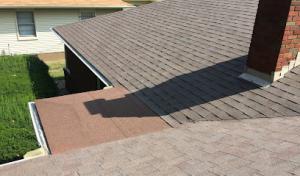
Full roof replacements in Carmel generally require a building permit from the Carmel-Clay Township Building Department. The process is not just an afterthought or an informal step; it ensures the work meets local codes and storm-damage repair standards you rely on when weather throws another challenge. Before any shingle fly-off starts, confirm who is pulling the permit. If the contractor isn't handling the permit, you risk delays, fines, or a stretched timeline that complicates the project during a busy re-roof season.
A final inspection is required after the roofing work is completed, and a mid-project inspection may occur if the scope changes or if inspectors request it. In practice, this means the inspector will want to verify proper nailing patterns, venting, and flashing details that matter when Indiana winters flex their muscles. If the scope changes-perhaps a larger area is revealed or additional structural work is found-expect an interim check to ensure the revised plan still complies with code before proceeding. Missing an inspection window can trigger rework or hold up the occupancy of the home.
Because permit handling runs through the local building department rather than being treated as an informal contractor-only step, Carmel homeowners should confirm who is pulling the permit before work starts. A clear point of contact helps avoid miscommunications about milestones, required documentation, and inspection appointments. If a storm-damaged roof is involved, the department may request documentation of wind or hail impact and contractor notes. Keeping a steady line of communication with both the contractor and the building department reduces the chance of delays that stretch into the peak re-roof season.
Ensure the contractor provides a copy of the permit application, a confirmed inspection schedule, and interim paperwork for any scope changes. Store all approvals and inspection notices in a convenient folder. When planning around weather windows, ask for a written timeline that includes permit-related milestones so you know what to expect as spring storms or winter thaw approach. A well-documented permit path helps protect your investment and keeps the project moving on schedule.
Indiana's weather pattern creates a high-claim roofing environment, and Carmel homeowners often need a clearly documented contractor scope to support claim adjustments. When a storm rolls through, insurers commonly want a precise record: a detailed scope of work from the contractor, matches to the damage observed, and a clear link between what was damaged and what is being replaced. A trustworthy contractor will provide itemized notes that map each repair item to specific areas of the roof and corresponding interior or exterior symptoms.
Insurers serving Carmel commonly expect photo documentation, damage notes, and adjuster verification before replacement proceeds. Take comprehensive photos from multiple angles, including close-ups of compromised shingles, flashing, vents, and any granule loss. Date every image and label it by location on the roof. Keep a campground of weather-related context-strokes of hail, wind-pelted shingle edges, and corroborating signs on exterior walls or gutters. Written damage notes should accompany photos, noting when the damage first appeared and how it aligns with a documented weather event.
Because claim outcomes can hinge on whether damage is attributed to a recent storm versus age-related wear, you need inspection records and dated photos tied to specific weather events. Collect a concise history of recent storms, with dates and observed impacts on the roof. If a prior inspection exists, include it and highlight any changes since then. A third-party inspection report that references nearby weather reports can strengthen the link between storm activity and observed damage, which matters when negotiating a settlement.
Prepare to share the contractor's scope of work with the insurer early in the process, and request written adjuster verification for any replacements or repairs. If the adjuster disputes items, you'll want the ability to show the exact, event-tied basis for each repair, supported by dated photos and on-site notes. In this market, timely, transparent documentation can be the difference between a smooth replacement and a protracted, frustrating process.
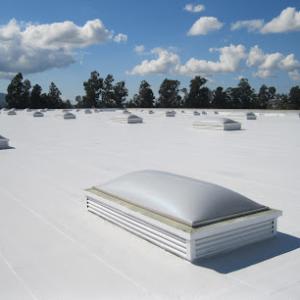
In this market, skylights are a frequent source of leaks after hard freezes. Small gaps around the flashing can widen with repeated winter cycling, so pay close attention to the transition areas where curb-flashings meet the roof deck. Inspect seams where the skylight frame sits on the felt or underlayment, and check for hairline cracks in the integrated sealant. When flashing appears aged or flexible sealant has puckered, plan for targeted resealing or flashing replacement rather than a full skylight retrofit. In practice, treat every skylight as a potential pressure point: if the surrounding roof surface looks sound but the flashing shows wear, address the flashing first before widening repairs to the field.
Low-slope sections can hide drainage or sealant flaws until a severe summer storm hits. Even if the main roof field looks serviceable, pooled water near the parapet or around scuppers can reveal underlying issues. Inspect the drip edge transitions and the seam between the low-slope membrane and any adjoining vertical surfaces. Look for failed caulk lines, hinge seals, or weathered intersection tabs where water can back up and seep into the substrate. In practice, test drainage by observing water sheens after a quick, localized storm and then trace any discoloration or soft spots back to their source. Prompt attention to marginal seams often prevents larger flat-roof repairs later in the season.
Carmel's contractor market shows active demand for both flat-roof and skylight work, indicating recurring leak concerns at low-slope sections and roof openings on local homes and mixed-use properties. For these structures, prioritize comprehensive edge and corner detailing where roofs meet vents, scale stacks, and HVAC curb penetrations. Develop a simple repair plan that sequences skylight flashing, edge flashing, and membrane seams from top to bottom, so any follow-up work can be isolated without reopening large areas. Regular inspections after major storms help catch aging sealant and flashing before substantial interior damage develops.
Find specialists in TPO, EPDM, and built-up flat roofing systems for residential and commercial properties.
Chapman Neil Property Solutions
(317) 808-4902 www.chapmanneil.com
12409 Old Meridian St, Carmel, Indiana
5.0 from 66 reviews
Stay Dry Roofing
(317) 688-1526 staydryroofing.com
600 E Carmel Dr Suite 304, Carmel, Indiana
4.8 from 40 reviews
When a storm churns through Hamilton County, the local market shifts to fast action. You'll notice crews that can start within days rather than weeks, and you'll see strong emphasis on getting the old roof off and the new one on before the next freeze or hail event. Look for a crew that can provide a clear start window, daily progress updates, and predictable on-site arrival times.
In dense suburban neighborhoods with driveways, landscaping, and neighboring homes, cleanup is a top priority for Carmel homeowners. The right crew will protect landscaping, cover parked cars if needed, and remove debris in a single pass at the end of each day. Ask for a written plan detailing tarping, nail pickup, and a final debris sweep to avoid stray nails in driveways or yards.
Established and family-run companies maintain a visible presence in the local market, which matters when warranty follow-up is needed after storm-season installations. Favor crews with a steady local presence, a dedicated project manager, and a straightforward process for handling post-install questions or service calls. A locally rooted company tends to show up reliably if a warranty issue arises.
Expect precise, photo-backed documentation of pre-existing damage and the exact scope of work. The crew should provide a written project plan, a daily progress log, and a single point of contact for questions. In Carmel, homeowners value transparent communication that keeps neighbors informed and avoids surprises during and after the re-roofing process.