
Last updated: Apr 19, 2026
In a northern Illinois corridor where wind and hail claims are common, the reroof decision often hinges on insurance documentation and how the adjuster reviews damage. Your roof isn't just a weather-facing shell-it's a claim ecosystem. When a hailstorm or a strong wind event hits, storms leave more than visible dings; they seed moisture paths, loosened granules, and micro-cracks that can quietly threaten interior space. In Joliet, that means you should treat post-storm assessment as time-sensitive and decision-driven, not optional or cosmetic. If your neighbor's claim moved quickly through the adjuster's desk, yours can too-with the right documentation and timely actions. The key is to prepare for the moment when the insurance conversation becomes the real driver of replacement planning.
The four-season pattern in this city makes spring hail or wind events the trigger, but the actual replacement window tends to run from late spring through early fall. Why? because installation in the heat of summer is easier to coordinate than battling ice or deep freezes, and the market availability for crews and materials improves as the season progresses. If you've just weathered a damaging storm in April or May, do not assume you have months to wait. Early assessment, expedited claim documentation, and aligning with a contractor who understands the insurance review timeline can shave weeks off the process. The goal is to capitalize on a window where you can schedule a full replacement without being stalled by winter conditions or supply bottlenecks.
After a storm, small shingle or flashing damage might seem inconsequential. In Joliet, those minor issues rarely stay minor for long. Freeze-thaw cycles can turn hairline leaks into measurable water intrusion, and those intrusive cycles can spawn ice-dam problems that complicate repairs. If a storm has left you with even a few lifted tabs, micro-cracks, or loose flashing, those vulnerabilities are likely to expand as temperatures swing. By the time you're ready to reroof, you could be facing interior damage, rotten sheathing, or accelerated wear on fasteners. The practical takeaway: treat even minor storm damage as a forward-looking risk, and document it promptly.
First, photograph the roof from multiple angles, focusing on any lifted shingles, dented metal, damaged flashing, or granule loss. Next, collect weather history for the storm-date, severity, and any hail size if available from local reports. Then, contact a knowledgeable local contractor who can walk you through a pre-claim evaluation that aligns with Joliet's adjuster expectations. If you file a claim, stay on top of it: ask for a clear scope of work, a timeline, and documentation that substantiates your roof's age, damage, and replacement feasibility. Ensure your contractor can meet the late-spring to early-fall installation window and has a plan for handling potential interior moisture during replacement. The insurance adjuster will rely on this information to determine whether a full roof replacement is warranted or if a patch-and-repair approach could be a temporary bridge-yet in Joliet, a full replacement is often the prudent path when sustained damage and recurring freeze-thaw risk are present.
Insurance documentation in this market is a regular feature of home upkeep after a severe weather event. Expect an adjuster to request access to the attic or crawl space, a review of existing underlayment, and a careful inspection of flashing along roof-to-wall transitions. If there is evidence of prior repairs, disclose it honestly; history matters when the hail pattern of the season and the roof's age intersect. Your readiness-clear photos, a precise damage timeline, and a contractor who understands Joliet's weather-driven realities-can shorten inspection cycles and move you toward a durable result before the next rare storm rearranges your roof's risk profile again.
TrueRoof
(312) 885-8558 www.trueroof.direct
3340 Mall Loop Dr Space 1230, Joliet, Illinois
5.0 from 156 reviews
TrueRoof is a customer-focused roofing company that specializes in roof replacement and repair services for residential and commercial properties. Our new and free instant roof quote service, you can get an online roof estimate in seconds. Every roofing project needs our customized roofing solutions to suit any design preference and budget, including financing options. In addition to our roofing services, we offer a range of complementary products and services, including gutter, skylight, siding installation, and roof inspections. Get your instant quote today.
Great Roofing
(708) 649-1302 greatroofingllc.com
20620 Burl Ct Suite 101A, Joliet, Illinois
4.9 from 189 reviews
Great Roofing is a roofing contractor based in Joliet, proudly serving New Lenox, Mokena, Manhattan, and surrounding communities. We provide a full range of services including residential and commercial roofing, roof repairs, and more. In addition to our roofing expertise, we also offer professional siding and gutter solutions. We work with top-quality materials such as CertainTeed products, LP SmartSide, Veriform siding, and hold VSI certification to ensure exceptional results. Homeowners appreciate our comprehensive roof warranties and our strong industry affiliations, including our status as an IKO Roof PRO contractor. Experience “Great Roofing at Affordable Pricing” contact us today for a free estimate!

Trusty Roofing Joliet
(779) 260-5263 trustyroofingjoliet.com
1118 Houbolt Rd, Joliet, Illinois
5.0 from 43 reviews
At Trusty Roofing Joliet, we specialize in delivering reliable roof repair services for homeowners and businesses throughout Joliet, IL. A damaged or aging roof can lead to leaks, energy loss, and costly structural problems if not handled quickly, which is why our experienced roofing team provides fast, effective, and long-lasting solutions. We handle all types of repairs, including shingle replacement, leak detection, storm damage repair, and flashing fixes, using durable materials and proven techniques. From small residential repairs to large-scale commercial roofing projects, Trusty Roofing Joliet is committed to providing quality craftsmanship, dependable service, and peace of mind with every job we complete.
H&H Roofing
(815) 791-8432 www.hhroofinginc.com
111 S Midland Ave, Joliet, Illinois
4.9 from 59 reviews
Roofing License Contractors #104-003015. In business for 45 years, we specialize in Roofing Installations and Repairs, Roofing Tear-Offs, Re-Roofing , Flat Roofing, Shingle Roofing, Shingle Replacement, Shingle Repair & more! Contact us for a free quote today!! Whether you need to repair or replace your existing roof, rely on us to handle it all. H & H Roofing is licensed, bonded, and insured for your complete protection. You don't pay us a single dollar until you're 100% satisfied with our work. We use architectural shingles from top brands like CertainTeed and more. Call us at 815-725-0451 to get your FREE roofing estimate. You'll also get a 5-year GUARANTEE on labor. Let Us Handle Your Re-Roofing Project

Construction by Timco
370 Houbolt Rd STE 202, Joliet, Illinois
5.0 from 38 reviews
General Contractor specializing in storm restoration. We have been in business since July of 2016. We are fully insured and licensed. Locally owned and family operated.
Joliet Roofing
(224) 318-1005 jolietroofings.com
1000 Essington Rd, Joliet, Illinois
5.0 from 17 reviews
Joliet Roofing provides a wide range of roofing services Joliet, IL. With years of experience in the industry, we offer both roofing contracting services and consulting to ensure that our clients receive the best possible outcome for their roofing needs. We handle all types of roofing, including asphalt shingles, metal roofing, flat roofing, and more. Our experts are committed to providing high-quality roofing solutions that meet the unique needs of each client. We offer various services, including roof installation, repair, and maintenance. If you are in the Joliet community and are in need of roofing services, We’re the go-to contractor for all your roofing needs. Contact us today for all your roofing needs and see the difference.
R.E. Duchene Roofing & Siding
(815) 722-2821 www.reduchene.com
Joliet, Illinois
4.3 from 35 reviews
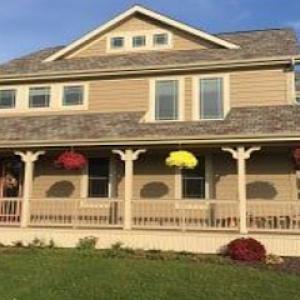
R.E. Duchene Roofing & Siding is a family owned and operated business dedicated to providing you with the highest quality workmanship in the area. Since 1977, we have proudly served customers throughout Joliet, Grundy County, and Will County, IL. With a focus on residential roofing, siding and vinyl windows. Our highly knowledgeable crews know how to get the job done properly, in a manner that is both timely and economical. Some of our areas of expertise include Tear-offs, Re-roofs, Siding, Soffit, Fascia, Vinyl replacement windows. Our skilled crews provide you with the quality work you demand and are thoroughly supervised. We do the small details right so that you are satisfied with your project.
Low Cost Roofing
(815) 955-8794 www.lowcostroofingllc.com
1020 W Jefferson St, Joliet, Illinois
4.4 from 15 reviews
For over 20 years, Low Cost Roofing has been providing the residential clients with impeccable service.
Elens Maichin Roofing & Sheet Metal
(815) 727-2689 www.emroofing.com
1621 Manhattan Rd, Joliet, Illinois
4.5 from 8 reviews
Welcome to Elens & Maichin Roofing Company, Inc.We've been proudly serving the community since 1956 and we hope to serve you in the future! Our full-service roofing company is ready to impress. Our dedicated team looks forward to handling your roof and answering any questions you may have about our services. We cater to both commercial and industrial customers. If you've been looking for first-rate work at affordable prices, you've come to the right place. We'd be glad to assist you with a variety of roof types and projects, including: Single-ply Tear-offs Flat roofs Metal roofs Maintenance And so much more!Need sheet metal? No problem!
GTZ Remodeling & Roofing
(815) 710-9193 gtzroofinginc.com
1197 New Lenox Rd, Joliet, Illinois
4.1 from 9 reviews
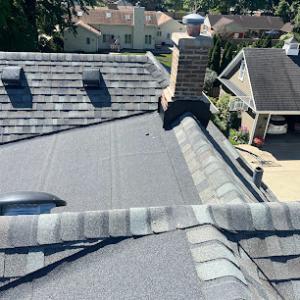
At GTZ Remodeling & Roofing we provide you with quality work for all your Residential & commercial roofing needs. We also offer other services such as gutter, siding, skylights, storm damage including insurance work.
Savage Roofing
Serving
4.9 from 814 reviews
At Savage Roofing, we know how important your roof is. You need a strong, weather-resistant roof to keep your property dry, healthy, and safe no matter the season. That's why we offer efficient and effective repairs and lasting roof replacements. We'll keep your roof in tip-top shape. Additionally, we also offer free, no-obligation estimates for all our services, from siding installation to roof replacements. We proudly serve Aurora, Joliet, Naperville, and nearby.
Tommy Tripolis Roofing
(815) 485-1900 tripolisandsonsroofing.com
Serving
4.9 from 34 reviews
At Tommy Tripolis Roofing, we are proud to be your trusted residential roofing contractor in Homer Glen, IL, and surrounding areas. Since 1982 our team has delivered top-quality roofing solutions with a commitment to excellence and customer satisfaction. Based in Crest Hill, we serve Plainfield, Homer Glen, Orland Park, and nearby communities. Our services include comprehensive roofing services, hail and storm damage roof repair, exterior services, and all types of roofs. With decades of experience, we specialize in protecting your home with durable, reliable craftsmanship tailored to your needs. Trust the experts who put your home first. Contact us today to schedule your roofing service and experience the difference.
Asphalt shingles dominate local reroofing because they fit the area's housing stock and price expectations. In Joliet, they are a straightforward, budget-friendly choice that crews can install quickly after a storm. The key to long life is proper ventilation and flashing, especially in a climate with repeated winter expansion and contraction. If attic air is too stagnant or vents are blocked, shingles can crack or lift during freeze-thaw cycles. A well-ventilated attic and properly sealed edges keep asphalt performing close to its best.
Metal roofing is a meaningful local upgrade option because it handles snow shedding and hail resistance differently than shingles. It sheds snow more reliably and can reduce ice dam risk, which is a common concern after heavy snows. When choosing metal, pay close attention to how penetrations are detail-ed, since freeze-thaw conditions can drive leaks if flashing around vents, attic vents, and skylights isn't meticulous. In Joliet's weather pattern, a robust underlayment and accurate panel-to-fastener layout make the most difference over time.
Tile, cedar, and synthetic systems exist in the market but are more specialized in Joliet, where installer availability is thinner than for standard shingle reroofing. Clay and concrete tiles offer excellent durability in a hail-prone climate, but their weight, fastening methods, and substrate requirements demand skilled crews and precise structural checks. Cedar and synthetic options bring unique aesthetics and potential longevity, yet they require careful maintenance for sealing, moisture migration, and decay resistance in freeze-thaw cycles. If chosen, ensure the installer has recent Joliet-area job experience.
Synthetic or composite shingles aim to blend the familiarity of asphalt with enhanced impact resistance and longer life. They can tolerate freeze-thaw stress better than some traditional shingles when properly vented and flashed, and they often come with warranties that align with an active storm-prone season. In this market, the edge comes from a contractor's ability to integrate a solid ventilation plan and weather-resistant transitions at edges, valleys, and chimneys. A well-executed installation helps prevent early wear from repeated thawing and freezing.
Across all materials, the installation sequence matters, particularly around storm-season timing and next-winter readiness. Ensure the roof deck is dry and structurally sound before any overlay or removal, then verify attic ventilation is balanced with outside intake and exhaust. In a city with a high storm-claim environment, your chosen system should prioritize a conservative, well-sealed perimeter, with attention to flashing at dormers, step-flash, and rain diverters. A cautious, quality-focused crew often yields the best long-term resilience against Joliet's freeze-thaw weather.
In Joliet, storm season drives a lot of the cost conversation for a roof replacement. After a harsh round of hail and strong winds, days can feel like a relay race: contractors sprint to clear backlogs, suppliers tighten up, and the insurance-driven demand across Will County and the southwest Chicago suburbs pushes quotes higher. That means the window between damage and a finished, weatherized roof can tighten quickly, sometimes squeezing out early-season discounts and forcing homeowners to move ahead with a tighter schedule.
Typical local pricing runs about 350 to 550 USD per square for asphalt shingles, 600 to 1100 for metal, 1000 to 1800 for clay tile, 900 to 1500 for concrete tile, 700 to 1200 for wood shingles or shakes, and 600 to 1000 for synthetic or composite shingles. Those ranges are a practical starting point in this market, but a few Joliet-tinged realities can nudge them higher or lower. After a major hail event, contractor schedules tighten and insurance-funded reroof demand surges across Will County and the southwest Chicago suburbs, which often translates into shorter bidding windows and slightly higher unit costs. If your area sheltered by mature oaks or a multi-story footprint, some crews may quote a small premium for additional safety or access concerns.
Material choice affects labor availability locally. Standard shingle crews are common in Joliet, keeping asphalt and basic synthetic jobs relatively straightforward. Tile systems-clay, concrete, or specialty options-usually involve a smaller pool of contractors and can mean longer lead times. If you're weighing clay tile or concrete tile, plan for potential weeks-long scheduling gaps between order and install. Cedar or specialty systems also tend to require more careful scheduling and can push completion dates further into a busy spring or fall window. In practice, that means your preferred material can not only change the price per square but also the speed at which work progresses once the storm season passes.
When hail storms strike, the clock on your project starts ticking differently. Insurance-funded reroof demand surges, and the influx of claims across the county can influence both the timing and the pace of material delivery and crew assignment. If your claim is approved, the ramp-up to project start can compress a few weeks, especially if the weather holds and crews are juggling multiple jobs in the same week. If the weather cooperates but your insurer delays, you may face a stutter-step where the budgeting remains fixed but the install date slides. Stay in close contact with your contractor about anticipated start dates, and confirm the expected sequence: removal, inspection, decking checks, underlayment, new roofing material, and flashing.
Start with a clear quotes package that itemizes per-square cost and any disposal or tear-off fees. Ask about lead times for your chosen material, particularly if you're considering tile or cedar. Confirm the expected crew size and how many days the project will typically take, factoring in Joliet's winter freeze-thaw cycles that can slow progress. If timing matters for insurance reimbursement, coordinate with your adjuster to align inspection and scope approval with your contractor's proposed start window. And keep a short, written line of communication for weather-related delays so you're not surprised by a sudden shift in schedule or a revised quote for overtime or weekend work.
Get a clear picture of your project costs upfront - no commitment required.
TrueRoof
(312) 885-8558 www.trueroof.direct
3340 Mall Loop Dr Space 1230, Joliet, Illinois
5.0 from 156 reviews
Great Roofing
(708) 649-1302 greatroofingllc.com
20620 Burl Ct Suite 101A, Joliet, Illinois
4.9 from 189 reviews
H&H Roofing
(815) 791-8432 www.hhroofinginc.com
111 S Midland Ave, Joliet, Illinois
4.9 from 59 reviews
A full roof replacement in Joliet typically requires a building permit handled through the Joliet Building Department. This permit is not a formality; it keeps your project aligned with local codes, historical considerations in older neighborhoods, and the region's freeze-thaw realities. The practice in Joliet is for the contractor to file the application, describe the scope of work, and coordinate required inspections rather than leaving the homeowner to manage the process alone. Having the contractor own the permit path reduces missteps and helps ensure the project stays on schedule, especially when weather windows shrink during the spring hail season or the fall debris cleanup period.
Before any shingle or underlayment is lifted, the contractor should conduct a thorough pre-work walkthrough with you and document the exact scope of work. In Joliet, this includes confirming roof deck condition, ventilation, attic insulation considerations, and snow- and ice-damming mitigations that are particularly relevant after harsh winters. The permit application will reflect these elements, so it is essential you receive a copy of the scope and plans. If the home is part of a historic district or a building with unique architectural features, expect additional notes or adjustments in the documentation to satisfy local preservation requirements.
Inspections are scheduled at key milestones and are a regular part of the Joliet process. Typical milestones cover ground-breaking work, structural or framing adjustments if needed, underlayment and flashing installations, and shingle application progress. A final inspection upon completion completes the permit closeout and verifies that the reroof meets code, ventilation, and moisture-control standards. The contractor should coordinate all inspection dates and ensure access for the building inspectors. Do not let an inspection slip, as missed milestones can delay permit closeout and complicate storm-season timing when hail claims and weather windows are pressing.
After the final inspection, the permit must be closed out with documentation showing compliance. This is not just a bureaucratic step; it confirms the roof was installed according to Joliet's local codes and the specific scope approved at the outset. Keep all permit-related paperwork together in your project file, including any variations agreed to during construction. If a storm-event claim is involved, having orderly permit records can smooth the interaction with insurers and support a timely, compliant reroof.
Because northern Illinois is a frequent wind and hail claim market, Joliet homeowners often need photo documentation, date-of-loss details, and an adjuster review before settlement decisions are made. Start by taking clear photos of all affected areas right after the storm-shingles curled or missing, granules in the gutters, dents on metal edges, and any interior evidence like ceiling stains. Keep daily notes on when the damage appeared, who you spoke with, and what was promised. Your backup binder should include receipts for temporary protectors, if used, and any neighborhood or street-level variations that might affect the claim. This documentation can shape how quickly a contractor can move and what the insurer will authorize later.
Policy terms may include hail deductibles or coverage limits tied to the insurer's damage assessment, which can affect whether a homeowner chooses repair, partial replacement, or full reroofing. In practice, that means an adjuster's report can drive decisions that ripple through material ordering, scheduling, and even the scope of work. If the adjuster suggests a smaller repair, you may still need a professional roofer to advocate for a comprehensive view of the storm's impact, especially when visible damage on the ridge, valleys, or vent flashing hints at broader substructure concerns.
In Joliet, the insurance timeline often controls contractor scheduling because approval, scope agreement, and supplement discussions can delay material ordering and permit filing. Contractors will align their sequencing with the insurer's review windows, so a response delay can push start dates by several weeks. Expect weather pauses and winter considerations to compound timing, since freeze-thaw cycles can complicate temporary tarps and decking assessments. Plan for a staggered workflow rather than a single-burst replacement, to avoid gaps that could invite secondary damage.
Communicate openly with your insurer about the intended scope and any concerns you have about hail-related damage extending beyond the most obvious impact areas. Request a written itemization of what the adjuster considers covered and what remains as a supplement. If a hold occurs, ask for a documented timeline and a re-inspection window. When you select a contractor, ensure their proposal aligns with the adjuster's scope and that you receive a detailed, itemized work plan that accounts for potential weather-driven delays.
Connect with contractors who help homeowners navigate the claims process from damage assessment to final approval.
TrueRoof
(312) 885-8558 www.trueroof.direct
3340 Mall Loop Dr Space 1230, Joliet, Illinois
5.0 from 156 reviews
Great Roofing
(708) 649-1302 greatroofingllc.com
20620 Burl Ct Suite 101A, Joliet, Illinois
4.9 from 189 reviews

Trusty Roofing Joliet
(779) 260-5263 trustyroofingjoliet.com
1118 Houbolt Rd, Joliet, Illinois
5.0 from 43 reviews
Cold Joliet winters create recurring ice-dam risk at eaves when attic heat loss melts rooftop snow and refreezes near the roof edge. That thick ice layer then pushes water back under shingles and into attic ventilation gaps, soffits, and ceiling drywall. If your attic lacks proper insulation or the bathroom vent and exhaust run through the attic, the problem compounds quickly. Act fast when you see a damp spot below.
Homes that make it through summer without obvious leaks can still show problems in Joliet during winter thaw cycles, when flashing gaps and older shingle systems are stressed by repeated freezing. A tiny gap in the flashing flashing around chimneys, vents, or skylights becomes a serious leak path as ice expands and contracts. In older roofs, granule loss or curling becomes a doorway for water intrusion once meltwater finds those weak points.
Leak complaints in this market often become urgent in winter because temporary repairs are harder to perform safely and full replacement may need to wait for better weather. Ice-laden gutters, slippery scaffolds, and freezing temperatures all limit what you can do from the ground or ladder. If you notice active dripping, damp ceilings, or frost on interior walls, prioritize safe temporary containment and scheduling a professional assessment as soon as conditions permit.
Inspect and seal attic gaps where warm air escapes toward the roofline. Ensure insulation depth meets local climate needs, and verify attic baffles prevent warm air from melting snow near eaves. Consider upgrading flashing and sealing around vents and chimneys during a dry spell to reduce meltwater entry during thaw cycles. Regular, early-season checks help prevent winter damage from spiraling.
When you can't wait, these contractors offer fast response times to stop leaks and prevent further damage.

Mueller Roofing
(815) 726-0730 www.muellerroofinginc.com
2827 Manhattan Rd, Joliet, Illinois
4.4 from 197 reviews
ROOFX Roofing Company & Gutters
(815) 293-8015 lockportroofingcompany.com
Serving
5.0 from 39 reviews
In Joliet, older housing stock and long-established neighborhoods mean chimney flashing is a recurring roof detail homeowners need checked during reroofing. The combination of brick chimneys with modern roofing materials creates joints that age differently and can show up as slow leaks after a hard winter. When a roofer peels back the old covering, look for deteriorated step flashing, sealant cracks, and rusted counter-flashing where the brick meets the roof line. If you spot hairline cracks in the mortar or metal flashing that's lifted, plan for a flashing refresh as part of the replacement.
Local contractor signals show meaningful skylight repair activity, indicating that skylight curb and flashing work is a real service need in this market rather than a fringe add-on. Skylights in Joliet homes are frequently older models with degraded seals. During reroofing, your contractor should inspect the curb, flashing joints, and the caulk around the base. Replace any failed gasket materials and ensure the skylight is square and properly fastened. If the curb shows corrosion or warp, plan on re-flashing or replacing the unit's flashing pieces to reclaim a dry interior.
In a freeze-thaw city like Joliet, penetrations such as skylights and chimneys are common leak points because sealants and flashing joints are repeatedly stressed through winter. Inspect all penetration points for membrane lift, sealant gaps, and cracked asphalt around the base of the skylight or chimney. After a harsh season, even minor gaps can widen. A thorough reroofing plan should include resealing, re-flashing, and, if necessary, replacing the skylight curb or chimney counter-flashing to restore a continuous water barrier. Regular maintenance checks in spring and fall help catch shifting flashing before leaks begin.
Find contractors experienced in skylight installation, flashing, and leak repairs to bring natural light into your home.
TrueRoof
(312) 885-8558 www.trueroof.direct
3340 Mall Loop Dr Space 1230, Joliet, Illinois
5.0 from 156 reviews
Great Roofing
(708) 649-1302 greatroofingllc.com
20620 Burl Ct Suite 101A, Joliet, Illinois
4.9 from 189 reviews
Trusty Roofing Joliet
(779) 260-5263 trustyroofingjoliet.com
1118 Houbolt Rd, Joliet, Illinois
5.0 from 43 reviews
In this area, flat-roof work is a common specialty because many additions, porches, garages, and commercial or industrial buildings rely on low-slope surfaces. A practical Joliet approach centers on durable membrane choices, careful edge detailing, and proactive flashing where older structures meet new sections. When selecting materials, prioritize systems with proven resistance to hail impact and a strong track record in freeze-thaw cycles. A flat roof installed with proper slope toward drains helps prevent ponding that invites damage during wet springs and rapid temperature swings.
Low-slope sections are especially vulnerable to freeze-thaw stress. Standing water, snow retention, and slow drainage can accelerate membrane or flashing failure. In practice, inspect seams, edge flashing, and any penetrations after heavy storms. Look for peeling, blisters, or small cracks that could become leaks. When repairs are needed, target the most vulnerable zones first-around penetrations, transitions to steeper sections, and along parapets. A maintenance routine that clears debris from scuppers and downspouts helps keep drainage efficient and reduces ice dam risks in late winter.
Homes in Joliet often feature a mix of steep-slope reroofing and low-slope transitions on the same property. This requires a contractor who can coordinate membrane work with shingle or metal replacements without creating weak points at transitions. In practice, plan for a single crew or closely synchronized crews to manage flashing continuity where flat and steep sections meet. Confirm that flashing details at those junctions incorporate proper termination bars, sealants, and backer materials to withstand seasonal temperature changes and hail exposure.
Storms can strike quickly, and hail damage may not be immediately visible on flat surfaces. Establish a post-storm inspection routine that focuses first on edges, corners, and penetrations. If a leak appears after a hail event, prioritize a temporary waterproofing measure to bridge to a formal repair window, then schedule a full replacement or membrane repair during the next dry, mild period when temperatures permit proper adhesion and sealant cure.
Find specialists in TPO, EPDM, and built-up flat roofing systems for residential and commercial properties.
H&H Roofing
(815) 791-8432 www.hhroofinginc.com
111 S Midland Ave, Joliet, Illinois
4.9 from 59 reviews

Joliet Roofing
(224) 318-1005 jolietroofings.com
1000 Essington Rd, Joliet, Illinois
5.0 from 17 reviews
After a storm in this industrial corridor, the local market fills with quick-response roofers. The practical risk is that not all crews are equal in cleanup thoroughness or in how they manage the sequence from tear-off to final closeout. You'll want to be wary of contractors who push straight to shingles without a careful assessment of roof framing, flashing, and ventilation. The long-term durability you rely on hinges on whether the crew does a complete inspection and explains what needs attention beyond cosmetic fixes.
In Joliet, cleanup-included options are common, so you'll likely see sales pitches highlighting affordability and fast turnarounds. Before you sign, ask exactly what debris removal covers, whether a magnetic nail sweep is included, and how any change orders are handled if the scope shifts after the roof comes off. A thorough contractor will spell out these details in plain terms, with a plan for avoiding stray nails and minimizing disruption to your yard and driveway.
Long-established and family-owned firms are a visible part of the market, and that matters when storms churn through town season after season. Warranty follow-through can matter as much as the initial install, especially when severe weather exposes new vulnerabilities in a roof assembly. Look for a company with a track record of honoring warranties, returning for inspections if needed, and providing reliable service long after the last shingle is laid. This is the kind of reliability that survives the next freeze-thaw cycle.