Last updated: Apr 19, 2026
Spring hail and strong storms in Lafayette increase claim activity and can push roof replacement schedules back as contractors and adjusters get booked at the same time. When a storm hits, the email inbox and voicemail fill up fast, and the first week after the last hail event is crucial for protecting your home. If the crew is tied up with multiple insurance claims, you may see delays in starting repairs, temporary protections, or material deliveries. The risk is not just weather delay-it's also the compounding effect of back-to-back storms that saturate your local roofing market. You need to act with a plan, not a wait-and-see approach, so you don't lose a spot on a scarce calendar.
Indiana insurers commonly request detailed documentation of prior damage and the exact scope of work, making photo records and date-stamped leak history especially important for Lafayette homeowners after storms. Start collecting evidence immediately after any event: wide shots of the roof, close-ups of dented or lifted shingles, granule loss in gutters, and any visible interior staining. Create a simple chronology: date of the storm, date you first noticed leaks, and dates when you documented each problem. Smart photographers will include a timestamp and maintain a fixed sequence so adjusters can follow the trail. Keep a digital folder organized by event, with receipts for temporary coverings, if used, and any prior roof work. When you meet an adjuster, show the timeline with objective photos rather than relying on memory. Clear, dated records prevent back-and-forth on scope and help distinguish new hail or wind damage from older wear.
Because Lafayette also faces winter ice-related damage, homeowners may need to separate older freeze-thaw wear from new hail or wind damage during claim review. Freeze-thaw cycles create hairline cracks and granule loss that look similar to storm damage at a glance, but the underlying cause and repair scope can be different. Focus on recent, well-documented events-especially post-storm water intrusion paths, damaged flashing, and panel lift-while noting areas that show long-term wear from repeated freeze-thaw cycles. If there is a chance the claim could mix old and new damage, request an independent roof inspection as part of the claim package. A clear, event-based map of damage helps keep the adjuster focused on the current risk, not legacy wear.
The timing hinges on how quickly you can secure a professional assessment and a documented scope of work that aligns with the insurer's expectations. In practice, this means scheduling a storm damage assessment promptly, ensuring the contractor's estimate explicitly ties each line item to observed damage, and avoiding any gaps between the adjuster's notes and the contractor's proposal. When communication becomes tight, you'll benefit from a single point of contact who can translate insurance language into actionable repair steps. That focused coordination minimizes back-and-forth and reduces the chance of material shortages or scheduling bottlenecks that would otherwise extend exposure to the elements. Stay proactive: once the claim is opened, push for a defined timeline and wired confirmation of approved scope so the crew can lock in a start date and a steady workflow.
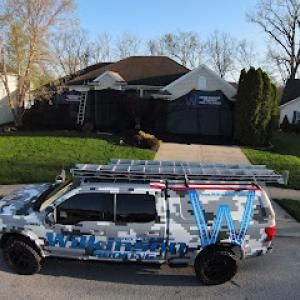
Wilkinson Roofing
(765) 771-9455 www.wilkinsonroofs.com
100 Farabee Dr S Suite A, Lafayette, Indiana
4.9 from 352 reviews
Since 1996, Wilkinson Roofing has been providing the highest quality roofing jobs to the entire Lafayette, IN region. Whether your home has been damaged after a storm, or age has begun to take its toll on your roof, our professional contractors are here to help. Throughout our years of service to the Lafayette, IN community we’ve built a trustworthy and reliable reputation we’re proud of.
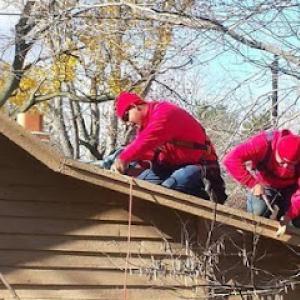
Bone Dry Roofing
(765) 523-8685 www.bonedry.com
1250 S Creasy Ln Suite B, Lafayette, Indiana
4.9 from 909 reviews
For over 35 years, Bone Dry Roofing has been a trusted choice for homeowners across the greater Lafayette area. Family owned and locally operated, we’re proud to provide expert roof repairs and replacements backed by our 25-Year Craftsmanship Warranty. But our reputation is built on more than great roofs—it’s built on great service. From start to finish, we focus on clear communication, attention to detail, and dependable follow-through. That’s The Bone Dry Roofing Experience. Trusted by thousands in Lafayette, we’re here to protect your home and your peace of mind. Contact us today for your free estimate.
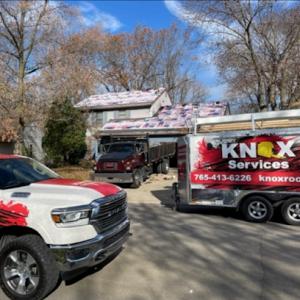
Knox Services
2632 N 9th St Rd Ste A, Lafayette, Indiana
4.9 from 417 reviews
Knox Services is a full services contractor in Lafayette Indiana specializing in roofs since 1966. Their main services include roofing, siding, gutters, and masonry. We service the Tippecanoe and surrounding areas.

Thayer's
1717 Schuyler Ave, Lafayette, Indiana
4.9 from 239 reviews
Thayers is a leading construction company specializing in a wide range of home improvement services, including roofing, siding, gutters, and painting. Our expert team excels in enhancing kitchens and bathrooms, offering custom construction projects tailored to your vision. With a rich history and family-driven ethos, Thayers is committed to delivering outstanding craftsmanship and customer satisfaction. Whether you're planning a major remodel or a small upgrade, trust us to bring your ideas to life with precision and care. Explore your home's potential with Thayers, where quality meets innovation.
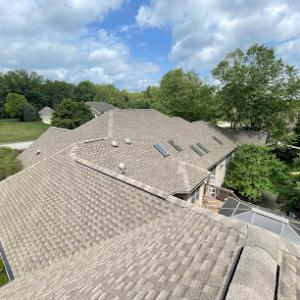
PR Company
(765) 427-9334 prcompanyllc.com
Lafayette, IN
5.0 from 56 reviews
PR Company specializes in residential exteriors. Contact our team for all roofing, siding, gutter, window, and door needs.
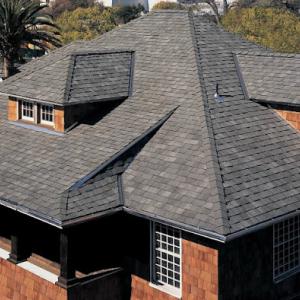
Loy-Quinn Roofing
(765) 474-4543 loyquinnroofs.com
680 N 36th St, Lafayette, Indiana
4.9 from 52 reviews
Loy-Quinn Roofing has provided the Lafayette, IN region with quality roofing and exteriors since 1910. The professionals at Loy-Quinn Roofing will provide you with comprehensive solutions to keep your home and business safe and dry! Whether you need a roof replacement, siding, windows, gutters & downspouts or custom masonry, Loy-Quinn Roofing is where you know your investments will be protected. *CertainTeed Select ShingleMaster *GAF Certified Contractor
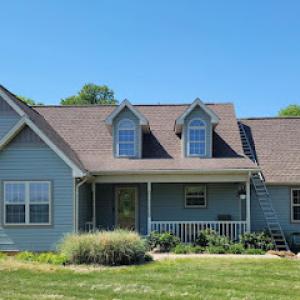
Wabash Valley Exteriors
(765) 838-0882 www.wvexteriors.com
231 Chestnut St, Lafayette, Indiana
4.9 from 100 reviews
Wabash Valley Exteriors provides residential and commercial roofing, siding, and gutter services to Lafayette, IN; West Lafayette, IN; and the surrounding areas.
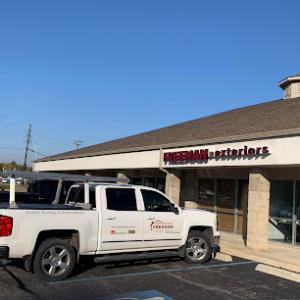
Freeman Exteriors
(765) 267-1352 www.freemangeneralcontracting.com
2529 Schuyler Ave STE 200, Lafayette, Indiana
4.9 from 54 reviews
Freeman Exteriors is the leading Roof contractor in Lafayette, IN, & the surrounding areas. We proudly offer Siding, Window, and Gutter Contractors in Lafayette, IN! Get in touch with us if you need Roof Estimates. Freeman Exteriors specializes in roofing and commercial renovations. We are the best roofing services around. We have been providing new roofing and re-roofing services for many years. We serve Lafayette, IN, and surrounding areas. Our goal is to be the general contractor of choice through our pledge to maintain the highest quality of standards and artistry. We educate our customers along the way. Reach out to Freeman Exteriors to learn more about our Roof Services in Lafayette, IN, Today.
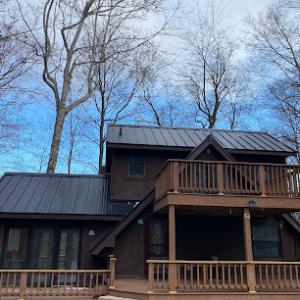
Sullivan & Fortner Roofing
(765) 447-3155 sullivanfortner-roofs.com
580 N 36th St D, Lafayette, Indiana
4.8 from 60 reviews
Sullivan & Fortner Roofing has been Lafayette’s trusted roofing partner since 1910. Backed by more than a century of industry expertise, we provide reliable, high‑quality services including roofing, siding, and window installation for homes and businesses across Lafayette, IN, and surrounding communities. We’re committed to using top‑tier products, delivering exceptional craftsmanship, and ensuring every project combines long‑lasting durability with curb appeal. As we continue to grow, our focus remains on offering dependable service, competitive pricing, and results you can count on. When you choose Sullivan & Fortner Roofing, you’re choosing a team of experienced professionals who get the job done right the first time.
Boni Roofing
(765) 607-8628 boniroofingservices.com
415 Park Ave, Lafayette, Indiana
5.0 from 21 reviews
Boni Roofing is a locally owned and operated roofing contractor with over 18 years of experience. We are dedicated to providing our customers with the highest quality roofing services at a fair price. We offer a wide range of roofing services, including new roof installation, roof repair, roof maintenance, as well as siding and windows. We are also fully insured and bonded, so you can be confident that your project will be completed to your satisfaction. Contact us today for a free consultation!
Ready Restoration & Roofing
(765) 246-9292 readyrestoration.org
101 N 4th St Suite# 212, Lafayette, Indiana
5.0 from 17 reviews
Ready Restoration & Roofing is a locally owned and operated family business serving the Lafayette area. Specializing in residential roofing, gutter, siding, painting, and interior remodeling. Offering both replacement and repair services to cater to our customer's needs. No project is too big or too small. With a strong focus on quality workmanship and customer satisfaction, Ready Restoration & Roofing is dedicated to helping clients improve and maintain their homes. Every free initial consultation will come with a on site inspection, photo report, and detailed proposal. #ALWAYSREADY
Rhino City Construction
(765) 586-1608 rhinocityco.com
1023 Roberts St, Lafayette, Indiana
5.0 from 14 reviews
At Rhino City Construction, we're more than just a roofing company; we're your partners in protecting your home investment. With a dedication to excellence, we bring over 20 years of combined experience to every project. Our services include roof inspections, roof installations, roof replacements, siding installations, and gutter services. When you choose Rhino City Construction, you choose quality craftsmanship, reliability, and peace of mind. Our Rhino Tuff warranty ensures that your roof remains weatherproof and leak-free for a decade, covering installation errors and water intrusion. Protect your largest investment with Rhino City Construction. Schedule a consultation today and experience the Rhino Tough difference firsthand!
Lafayette's cold winters and repeated freeze-thaw cycles can open up vulnerable shingle tabs, flashing joints, and fastener penetrations over time. That means a roof that looks solid in late fall might have microscopic weaknesses that grow after several rounds of ice and thaw. In practical terms, a small soft spot or a lifted tab today can become a noticeable leak next spring if hidden under snow and ice. Paying attention to shingle alignment, exposed fasteners, and flashing integrity after winter is not overreacting-it's prudent, especially on families' older or outbuilt roofs that have faced decades of Indiana weather.
Winter ice damming is a stated local seasonal risk, so roof replacement planning has to account for attic heat loss, ventilation balance, and eave protection details. When heat rises to the attic underside, snow sitting on the roof can melt at the eaves too quickly, refreeze, and form dams that back up water under shingles. The consequence isn't only a staining stain on ceilings; it can force water into fascia boards, soffits, or even attic insulation. If the attic is poorly vented or insulated, the problem worsens, and costly repairs multiply over a few seasons. The right approach blends a tight ceiling envelope with balanced soffit and ridge ventilation and eave protection that stops meltwater before it routes under the shingles.
Damage that begins in winter may not become obvious until spring rains, which is why many roof inspections happen after snow season rather than only after visible storm events. Residual ice, shingle curling, or loose flashing can hide under a snowpack, then reveal themselves as roof leaks once temperatures rise and rain returns. In Lafayette, property owners benefit from scheduling a thorough post-winter inspection that focuses on the drip edge, step flashing along walls, and penetrations around chimneys or vent pipes. A careful look at attic spaces for condensation patterns, frost buildup, or unusual warmth indicators will reveal whether heat loss is driving damage, rather than a single storm event. If signs are found, address them promptly to prevent rapid deterioration once spring storms arrive.
Plan preemptive checks that align with Lafayette's climate patterns: walk the roof from ground level with binoculars after the last deep freeze to spot lifted tabs or curling edges; inspect flashing joints around chimneys, vents, and skylights for signs of corrosion or loose sealant; and assess attic insulation depth and ventilation pathways in the living space below. If there are indications of winter-induced issues, prioritize fragile areas near eaves and along perimeter walls, where ice dams tend to initiate and water damage often first appears. Regular maintenance-clean gutters, ensure downspouts discharge away from foundations, and keep exterior scuppers clear-helps lessen the winter-to-spring cascade of problems. In this market, where storm-driven timing and insurance considerations shape decisions, a measured, evidence-based approach to repair timing protects both the roof and the home's interior from the misalignment of seasons.
When you can't wait, these contractors offer fast response times to stop leaks and prevent further damage.
Knox Services
2632 N 9th St Rd Ste A, Lafayette, Indiana
4.9 from 417 reviews
Boni Roofing
(765) 607-8628 boniroofingservices.com
415 Park Ave, Lafayette, Indiana
5.0 from 21 reviews
Lafayette's housing stock reflects a broad mix of asphalt shingles, metal roofing, clay tile, concrete tile, wood shingles or shakes, and synthetic or composite shingles. That variety means your choice should be guided less by trend and more by how each option handles the Wabash River valley humidity, winter freeze-thaw cycles, and the storm-driven re-roof market. Asphalt shingles remain a common, practical choice for many homes, but metal, clay, and concrete tiles each offer advantages in hot summers and seasonal moisture movement. Wood shingles and shakes bring a distinctive curb appeal, yet require careful maintenance to resist moisture intrusion and freeze-thaw stress. Synthetic or composite shingles provide a balance of performance and ease of installation in varied Lafayette conditions. In short, the best fit aligns with roof slope, expected storm exposure, underlayment compatibility, and your long-term plans for insurance-driven repairs.
Hot, humid summers affect installation conditions more than in cooler markets. When planning a replacement or major repair, work around peak heat hours to protect sealants and fasteners from rapid expansion and potential tear-off lag. For asphalt and synthetic shingles, ensure the underlayment has adequate exposure time and is not prematurely exposed to direct sun, which can cause accelerated drying and buckling risk on steep pitches. Metal roofing generally installs faster and tolerates higher daytime temperatures, but edge details and rooftop penetrations still demand steady, shaded progress to avoid thermal expansion gaps. Clay and concrete tiles demand careful handling in heat to prevent cracking during set and setting, especially on sloped roofs. Schedule crews for early starts and plan shade breaks to maintain adhesive performance and material integrity.
Lafayette's humidity levels amplify the importance of moisture management across seasons. Choose underlayment and flashings rated for high moisture environments and compatible with your chosen roofing material. For asphalt shingles, synthetic underlayment often outperforms traditional felt in humid summers and freeze-thaw cycles, improving long-term wind uplift resistance and moisture protection. Metal roofs benefit from properly sealed fastener patterns and high-quality sealants that tolerate thermal cycling. Clay and concrete tiles rely on solid deck preparation, breathable but moisture-resistant underlayment, and careful tile spacing to accommodate seasonal movement. Wood shingles or shakes demand diligent treatment against moisture absorption and drying shrinkage; consider engineered wood options if you prioritize dimensional stability. Synthetic or composite shingles may offer favorable moisture handling and easier maintenance in Lafayette's climate, balancing sealing performance with seasonal expansion.
Seasonal movement is a real factor here. Expect some degree of expansion and contraction with the heat of summer and the cold of winter. Roof assemblies should allow for movement at ridges, hips, and along transitions without compromising shingles or tiles. Ensure roof ventilation is appropriate for your chosen material and attic insulation level; good airflow reduces heat buildup and preserves sealant life, which matters for long-term performance across humid summers and freeze-thaw periods. For clay or concrete tile, confirm adequate purlin spacing and a solid substrate to accommodate thermal expansion without stressing the tiles. Asphalt and synthetic shingles benefit from properly rated underlayment that remains stable through temperature swings. Wood shingles require precise nailing patterns and moisture control to prevent cupping and splitting as seasons shift.
Given Lafayette's storm-driven re-roof market, adopt a proactive approach to hail documentation and insurance-driven timing. After a hail event or strong wind, conduct a careful exterior inspection focusing on lifted edges, granule loss, and damaged flashing. Photograph damage from multiple angles, note approximate hail size, and document any breakthrough leaks or missing granules. When consulting a roofer, prioritize materials and installation methods that maximize wind uplift resistance and moisture seal in the local climate. If a replacement is triggered by storm damage, insist on a detailed roof plan showing underlayment, fastener type, and targeted steps for handling seasonal movement, to ensure the chosen material performs reliably through Lafayette's humid summers and winter freeze-thaw cycles.
Typical Lafayette pricing runs about $350 to $600 per square for asphalt shingles, $700 to $1100 for metal, $900 to $1800 for clay tile, $800 to $1500 for concrete tile, $600 to $900 for wood shingles or shakes, and $500 to $900 for synthetic or composite shingles. These ranges reflect the region's mix of storm-driven re-roof demand, humidity from the Wabash Valley, and the winter freeze-thaw cycle that stresses existing roofs. When you're estimating, remember that the per-square figure is the standard measurement in the trade (one square equals 100 square feet of roof), so costs scale with the roof's size and complexity. Shingle choices that lean toward higher wind or impact resistance will sit toward the upper end of these ranges, particularly after a hail event when crews are booking out across Tippecanoe County.
Costs in this area can rise after spring hail and wind events when demand surges and re-roof crews are booked out. If your roof is damaged and your insurer approves a replacement, you may see pressure to move quickly, which can tighten available labor and push prices upward for a short window. In practice, that means your choice of material can influence not just upfront cost but also the scheduling window. If you're weighing asphalt versus metal or tile, the wider price bands above help map expected outcomes under storm-driven demand, with metal typically mid-range to high-end and tiles skewing higher when labor and installation time grow due to roof shape, deck conditions, and underlayment choices required by the storm-damage workflow.
Full tear-off pricing in Lafayette is affected by the sequencing of inspections after tear-off and at final, which can influence project pacing and labor coordination. In a storm-rebuilt market, crews may stagger starts to align with material deliveries and insurance-approved scope, extending the timeline more than a straightforward re-roof. For a typical homeowner, that means you'll want a realistic schedule that accounts for weather delays, material lead times, and the potential for temporary leaks during transition periods. Align materials and expected crew availability with your roof's complexity to avoid sticker shock if you're caught in a surge period.
Don't let upfront costs delay a critical repair - these contractors offer payment plans to fit your budget.
Bone Dry Roofing
(765) 523-8685 www.bonedry.com
1250 S Creasy Ln Suite B, Lafayette, Indiana
4.9 from 909 reviews
Wabash Valley Exteriors
(765) 838-0882 www.wvexteriors.com
231 Chestnut St, Lafayette, Indiana
4.9 from 100 reviews
In this area, a full re-roof in Lafayette typically requires a permit through the Lafayette or Tippecanoe County Building Department, and either the contractor or homeowner can apply. If you're coordinating through an insurer after hail or wind damage, you'll want to start the permit process as soon as you have contractor selection and agreed scope. The building department usually requires basic project details, the type of roofing material, and structural notes from the installer. If you've chosen a contractor with ongoing storm repair experience, they can handle most of the paperwork, but you still need to be listed as the permit holder or have a designated agent on file. Keep copies of any correspondence, and be prepared to provide access to attic spaces and roof line measurements if the plan reviewer requests them.
Local inspections generally occur after tear-off and again at final, rather than only at project completion. The early post-tear-off check confirms that the roof deck is sound, any necessary repairs are documented, and the chosen underlayment and ventilation plans match the approved scope. The final inspection verifies the roof is installed per code, with all penetrations sealed, valley and chimney terminations properly flashed, and a complete, weather-tight finish. Scheduling can hinge on weather and inspector availability, so coordinate with your contractor and the building department early to avoid a delay that could affect insurance timelines or permit validity.
Inspectors in this area verify underlayment, ventilation, and proper nailing patterns for code compliance before the job is considered complete. Expect a close look at underlayment type and installation seams, ridge and soffit ventilation balance, and nail placement along rafters and through the deck for each material type. If a hail or wind claim is involved, the reviewer may request confirmatory notes on lot-specific exposure and roof slope, so having a clear project plan and photos from the tear-off stage helps. Any deviations from the approved plan typically require a variance or addendum, so it's wise to keep the permit set of drawings accessible on site.
Picture your project timeline around inspections: plan for a pre-installation inspection if the deck shows moisture concerns, and ensure your contractor uses storm-grade materials and fasteners appropriate for the region's freeze-thaw cycles. Maintain open lines of communication with the building department, especially if scopes shift due to storm damage or insurance adjustments. Have documentation ready for inspectors: proof of contractor licensing, material specifications, an installation schedule, and a summary of any structural repairs. By staying proactive in the permit and inspection process, homeowners reduce the risk of a hold-up that could complicate post-storm restoration and insurance coordination.
In Lafayette, storm-driven roof decisions hinge on precise documentation of when hail or wind events occurred. When an event is confirmed, gather storm-date photos showing blowing debris, dented shingles, granule loss, and any interior evidence of roof leaks. Insurers may request proof distinguishing recent covered damage from older wear, so organize a clear timeline that pairs photos with dates and notes from witnesses or neighbors.
Adjuster coordination can directly affect project timelines, especially during storm-heavy periods when inspections, supplements, and approvals stack up. Schedule inspections promptly and keep the insurer's notes aligned with the contractor's scope. If a supplemental item is flagged, request written guidance on what documentation backs the repair, and provide updates as soon as additional measurements or material changes are known.
Homeowners should keep documentation of prior repairs, interior leak evidence, and storm-date photos because insurers may ask for proof distinguishing old wear from recent covered damage. Compile repair receipts, contractor notes, and any warranty information related to the roof or related attic components. A concise folder of these documents helps prevent disputes about preexisting conditions versus new damage.
Indiana's seasonal hail and wind claim environment affects roof replacement decisions more than in markets with fewer claims. Expect fluctuating inquiry rates, possible delays, and extended waiting periods during peak storm seasons. Having a prepared file with dated photos, a repair history, and clear damage descriptions can keep reviews focused and reduce back-and-forth with the adjuster.
Create a dedicated storm file on a labeled drive or cloud folder, including a dated overview of events, event-specific photos, interior leak spots with dates, and any correspondence with the insurer. Share this with your roofer early to align the replacement scope with what the insurer is likely to approve, minimizing surprises later in the process.
Connect with contractors who help homeowners navigate the claims process from damage assessment to final approval.
Knox Services
2632 N 9th St Rd Ste A, Lafayette, Indiana
4.9 from 417 reviews
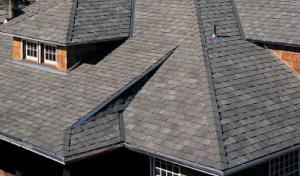
Loy-Quinn Roofing
(765) 474-4543 loyquinnroofs.com
680 N 36th St, Lafayette, Indiana
4.9 from 52 reviews
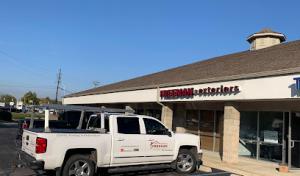
Freeman Exteriors
(765) 267-1352 www.freemangeneralcontracting.com
2529 Schuyler Ave STE 200, Lafayette, Indiana
4.9 from 54 reviews
In the moments after a storm, emergency repair signals a Lafayette contractor response, and you need rapid tarping or leak control. A roof that starts dripping or shows daylight through shingles can escalate quickly as spring moisture arrives. Do not wait for a full crew if a leak threatens attic damage or electrical systems; a quick tarping stops water intrusion and buys you time. Keep exterior walls inspected for wet sheathing after the first rain.
Fast response matters because spring storm damage can be followed by additional rain before full replacement crews are available. Place heavy-duty tarps and screws to secure edges, but avoid climbing on a wet roof. Keep gutters clear to prevent ice dams later, and stash buckets in the attic under the highest drips. A homeowner's Quick Patch may be necessary while you await a licensed pro.
Emergency leaks often trigger insurance-driven urgency, so document damage promptly. Take wide photos of hail impact, missing granules, and interior staining after each shower. Note dates, weather conditions, and any temporary repairs done. If a claim review drags, temporary protection remains essential to limit further loss. Coordinate with your roofer on a realistic timeline to avoid gaps in protection.
Choose a local contractor with Lafayette storm experience and a clear plan for moving from tarps to permanent repair once crews are available. Expect weather windows to shift, and keep your line of communication open. You deserve a response that respects the risk of further rain and the need for rapid, organized action.
When you can't wait, these contractors offer fast response times to stop leaks and prevent further damage.
Knox Services
2632 N 9th St Rd Ste A, Lafayette, Indiana
4.9 from 417 reviews
Boni Roofing
(765) 607-8628 boniroofingservices.com
415 Park Ave, Lafayette, Indiana
5.0 from 21 reviews
Chimneys show up frequently in Lafayette contractor signals, and homeowners should treat these intersections as high-risk zones for leaks. The joint where chimney masonry meets the roof deck is a common target for dry-rot, cracked mortar, and shifting flashings after winter thaw cycles. Over time, mortar joints can settle and lift, opening gaps that let moisture migrate into the attic or ceiling. When a contractor flags chimney flashing as part of a repair, expect a thorough inspection of step and counter-flashing, the base metal, and any mortar integrity around the chimney base. If flashing is aged or poorly seated, plan for a complete resoldering or re-flashing along with careful resealing of the masonry to reduce creeping moisture during freeze-thaw cycles.
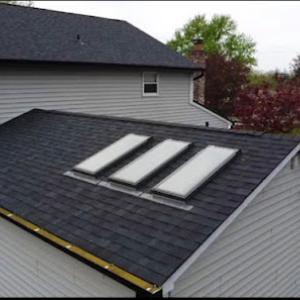
Skylight service appears as a local specialty signal, making penetrations and curb details a relevant issue in roof replacement planning. The curb or flashing around a skylight is an exposed seam that bears the brunt of wind-driven rain and snow. In Lafayette's humidity and seasonal temperature shifts, a skylight corner can loosen or warp, creating micro-gaps that invite moisture intrusion. When a roof is replaced, expect providers to evaluate curb integrity, fastener corrosion, and sealant health around the unit. If a skylight is irritated by aging sealants or improper flashing, the risk of interior staining rises quickly after a heavy rain or thaw.
In a freeze-thaw climate like Lafayette's, roof details around chimneys and skylights are common places for moisture intrusion when flashing ages or movement opens gaps. Even small gaps can become pathways for water that backs up under shingles during rapid temperature swings. A proactive approach focuses on reinforcing flashing, replacing compromised sealants, and verifying that vent and chimney vents are properly coved to shed water away from the joints. If movement is detected in the flashing during seasonal shifts, address it sooner rather than later to avoid cascading damage into underlying decking.
Find contractors experienced in skylight installation, flashing, and leak repairs to bring natural light into your home.
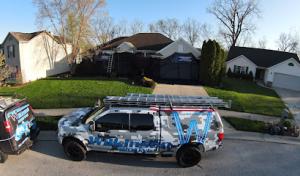
Wilkinson Roofing
(765) 771-9455 www.wilkinsonroofs.com
100 Farabee Dr S Suite A, Lafayette, Indiana
4.9 from 352 reviews