
Last updated: Apr 19, 2026
Hutchinson sits in a Kansas hail and wind claim environment where spring severe thunderstorms are a primary trigger for sudden roof replacement decisions. That pattern isn't just weather lore here - it drives how homeowners view risk, how soon a replacement becomes realistic, and how quickly contractors sprint from door to door after the first hail report. When a severe thunderstorm rolls through, the pressure to act ramps up fast. A damaged roof isn't just cosmetic; it becomes a potential pathway to water intrusion, attic condensation, and accelerated deck or decking corrosion if left unrepaired. Your timing matters, because a storm surge can rewrite what's affordable, what's prudent, and what the insurer considers reasonable for a claim.
Local claim handling is shaped by frequent regional storm losses, so insurers often scrutinize roof age, prior damage, and whether shingle wear pre-dated the latest storm. In practical terms, that means a fresh hail hit may not automatically trigger a full replacement if the roof shows substantial life left or if previous damage patterns exist. If the shingles are near the end of their expected life, or if prestorm wear is evident, the adjuster may view the claim differently than a homeowner expecting a full new roof. This scrutiny isn't about being tough; it's about documenting what's truly damaged by the latest event versus what's aging out from years of exposure to hot, dry summers and Kansas winds. The result is a careful, sometimes painstaking, line-by-line assessment that affects what the insurer covers and how much of the project is billed as storm-driven versus maintenance-driven.
Because contractor signals in Hutchinson heavily cluster around storm damage and insurance claims, homeowners here are especially likely to encounter claim-assisted sales after major weather events. That can create a surge in quick-quote pitches, same-day assessments, and "limited-time" offers that tie into the impression of urgency. The risk is real: pressure to replace entirely on the spot, with little opportunity to compare products, ventilation needs, or long-term performance. Approach these conversations with a calm, documented plan. If a contractor pushes a full replacement before a fair assessment, step back. Request a written scope that includes attic ventilation, underlayment, and a clear rationale for replacing components beyond the damaged topside shingles. If a claim is involved, insist on seeing the insurer's damage report and ensure that the scope aligns with the documented findings and your own inspection notes.
After a storm, you should perform a careful inventory of visible damage and note any interior signs of leakage. Photograph affected areas, especially around penetrations, valleys, and edges, and keep a dated log of what you observe and when. Contact your trusted local roofer for a no-pressure inspection that focuses on drainage, ventilation, and the integrity of the roof deck. If you're working with an insurer, request a detailed estimate that distinguishes storm-damage replacement from aging wear, and make sure you understand how much of the scope depends on the latest event versus preexisting conditions. The goal is a durable roof that withstands the next spring wind and hail cycle, not a knee-jerk replacement that leaves you exposed to future weather.
Your documentation must tell a precise story: what was damaged by the latest hail or wind, what existed before, and what must be replaced to meet current performance standards. Engineers or roof consultants can provide a written validation of ventilation needs and underlayment requirements, which play a central role in durable installation after weather events. In this climate, timing an insurance-driven replacement without sacrificing long-term performance requires a sharp eye for details, a solid scope, and a plan that prioritizes proper attic ventilation, appropriate deck remediation, and correct shingle selection to resist the next round of spring storms.
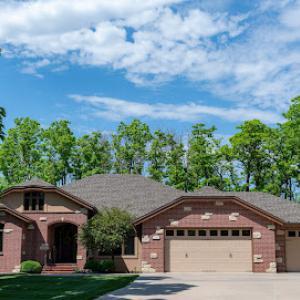
Eaton Roofing & Exteriors
(620) 669-0600 www.eatonroofing.com
1320 E 11th Ave, Hutchinson, Kansas
4.8 from 25 reviews
***If you have storm damage, give us a call*** Eaton Roofing & Exteriors is celebrating 30 years in business and enjoys a reputation as one of Kansas's largest residential re-roofing contractors. Since 1993, we have repaired and installed thousands of roofs across Kansas. Our exteriors business is focused on window, doors, siding & decks. We have offices in Wichita, Topeka, Salina and Hutchinson and are proud to work in numerous communities throughout the state. We are Here For The Life of Your Home. We're fully licensed and insured- State Registration #19-007451.
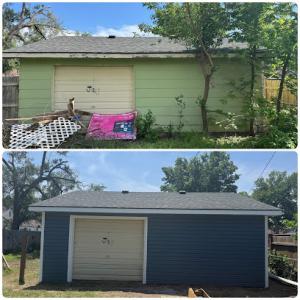
Above & Beyond Home Improvement
(620) 200-9735 www.abovebeyond.one
808 W 23rd Ave, Hutchinson, Kansas
4.7 from 29 reviews
Your Kansas roofing, siding, windows, and gutter contractor, specializing in wind and hail damage insurance claims. Our team of experts will ensure that your home becomes up to code and styled to your specifications. Call us today or book online to schedule a free estimate.
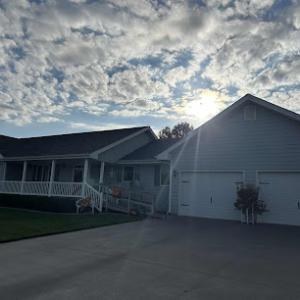
Elite Roofing & Guttering | Wichita, KS
(620) 664-0541 eliteroofingandsons.com
1824 E 4th Ave, Hutchinson, Kansas
4.4 from 42 reviews
Wichita’s Trusted Family Owned Roofing Provider Serving Wichita, McPherson, Hutchinson, Valley Center, Moundridge, Garden Plain, Salina and surrounding Kansas areas for over 10 years.
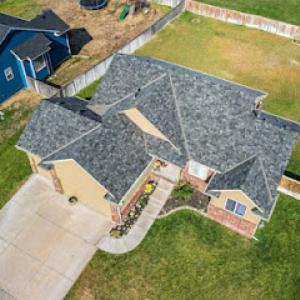
Great Plains Roofing & Exterior
(620) 899-4801 www.greatplainsroofing.biz
1212 W 4th Ave, Hutchinson, Kansas
5.0 from 6 reviews
We take pride in providing quality service and craftsmanship, including proper installation using manufacturer installation and international building codes. Our customer service, sales team, & production team have 20+ years combined experience. Our insurance specialists work directly with your insurance company from start to finish to ensure your roof is to your satisfaction.

Crown Roofing & Solar Company of Hutchinson
(316) 844-8064 www.crownroofingwichita.com
Hutchinson, Kansas
5.0 from 1 review
Crown Roofing & Solar Company of Hutchinson is a locally based, full-service roofing and solar contractor in Hutchinson, Kansas. Crown Roofing specializes in a wide array of roofing materials, and can help with asphalt shingles, metal, slate, tile or even commercial roofing! Whether you have a small leak repair, or are in need of a full roof replacement, Crown Roofing & Solar can help! When you hire Crown Roofing, you're getting skilled, passionate technicians who take pride in their craft. We take pride in offering some of the best warranties in the industry! Let us help you crown your kingdom!
Buck Roofing
(620) 663-5403 buckroofinginc.com
Serving
4.9 from 19 reviews
Buck Roofing is locally owned & operated. Serving the South Hutchinson and surrounding areas for over 30 years. We offer Free Estimates, quality roofing, competitive pricing and professional service. Rely on our expert service and experience and c
Vision Construction
(888) 360-8474 www.buildwithvisionllc.com
Serving
5.0 from 58 reviews
At Vision we believe in being your trusted consultant. We believe in giving you all the information so you can make the best decision for your home. We believe it is our privilege to serve you. We start with a free 21-Point Inspection with photos and go one step at a time.
G1 Company
(620) 899-3168 g1companyllc.com
Serving
5.0 from 2 reviews
Our home improvement and roofing specialists are among the most preferred in Hutchinson, KS. Reach G1 Company and get the service you deserve! Always helping improve your beautiful home!
Hamilton Roofing & Exteriors
(620) 662-4451 hamiltonroofingandexteriors.com
1525 W 4th Ave, Hutchinson, Kansas
We are a respected roofing company that looks forward to taking care of your roofing or repair needs!
M & N Watertite Metal Roofing
(620) 543-3003 www.m-nwatertite.com
7005 N Summers Rd, Hutchinson, Kansas
M & N Watertite Metal Roofing Provides Roofing Contractor, Residential Roofing, Commercial Roofing, Sheet Metal Roofing, Metal Roofing, Hail Resistant Shingles, Tile, Wood Shingles, EPDM Rubber Systems and Truco Coatings, Steel Roofing, Roofing Installation Services to the Hutchinson, KS Area.
Spring hail in central Kansas is a fact of life, and the timing of damage often drives the right moment for a roof replacement. In this area, hail tends to arrive in bursts, sometimes with strong winds that loosen granules and bend edges before you notice leaks. The practical takeaway is to inspect after a storm, not after the dust settles. A few missing shingles or granules on the lawn can signal edging damage that will worsen with every wind-driven shower, so expect to act once a test reveals deeper concerns. Hot, dry summers in the area accelerate shingle aging, which means late-life roofs become more vulnerable to spring impacts. That dynamic matters for deciding when to replace rather than patch.
Winters bring freeze-thaw cycles that test underlayment and shingles, particularly on older roofs. In this climate, the daily temperature swings can create micro-cracks and lift at the edges, which complicates full tear-offs and installations scheduled for spring. If a replacement is planned, the season-to-season stress should be evaluated carefully: a roof that has endured a harsh winter may not tolerate a rushed tear-off and immediate re-cover, especially if there are signs of compromised underlayment or ice dam risk on overhangs. The workable window for a full replacement is defined by both ground conditions and the ability to maintain a dry installation zone, so waiting for a dry spell in late spring may be the more prudent approach when margins are tight.
Spring in central Kansas brings transitional winds that can slam edges and create flutter on exposed vents and flashing. Even when rain stays away, those gusts can complicate tear-off and installation sequencing. The practical plan is to time removal during a stretch with steady, moderate winds and no forecast of imminent severe weather. If a storm window opens with high winds, a phased approach may be necessary: secure the most vulnerable sections first, protect any exposed areas, and schedule the remainder for a follow-up block when conditions ease. This approach reduces the chance of wind-driven debris causing further damage to a fresh roof or to nearby structures.
Damage from hail and wind is rarely uniform across a roof. Edges may show early wear, while the center remains intact. In this market, the decision to replace hinges on overall shingle condition, underlayment health, and the likelihood of continued storm exposure. If multiple areas show signs of aging, granule loss, or curling, a full replacement often yields better long-term performance than piecemeal repairs. When a replacement is chosen, plan for a window that maximizes dry installation days, minimizes the time the roof sits exposed, and allows ventilation considerations to be integrated from the start. This alignment helps ensure the new roof holds up to the next cycle of hail and wind without accelerating labor or distress.
When you can't wait, these contractors offer fast response times to stop leaks and prevent further damage.
Elite Roofing & Guttering | Wichita, KS
(620) 664-0541 eliteroofingandsons.com
1824 E 4th Ave, Hutchinson, Kansas
4.4 from 42 reviews
In Hutchinson, asphalt shingles are the dominant practical choice for a reason: they handle a practical mix of central Kansas hail, hot dry summers, and winter winds in a way that balances performance with a reasonable install pace for most homes. The key to getting the most out of asphalt in this climate is treating impact resistance and attic ventilation as core design decisions, not afterthoughts. A shingle with a higher impact rating can dramatically reduce the chance of denting or cracking during spring hail, while a well-vented attic keeps decking cooler and reduces the pace of shingle aging in peak summer heat. Look for upgraded underlayment and a roof deck that's properly dried in before sealing shingles to weather the rapid temperature swings typical of the season. Good nailing patterns and a quality starter course matter more here than they might in milder markets, because wind uplift can test the edges in spring storms. In practice, you'll want to pair asphalt with a ridge vent strategy that moves hot air efficiently and a sealed hip-and-valley detail that resists wind-driven rain. This combination minimizes heat buildup, which in turn stabilizes the color and longevity of the shingles while preserving attic comfort and indoor humidity control.
Metal roofing is present in the Hutchinson market and can appeal when wind performance and long service life are priorities. A metal roof tends to shed wind loads more cleanly than many other materials, which translates to less risk of loosening tiles or shingles after a severe gust. Storm noise, however, is an attribute to set expectations for, especially on exposed eaves or in attic spaces without generous insulation and sound-dampening, so planning for sound control is part of the job. Detailing quality becomes critical in a hail-prone regime: correctly spaced fasteners, weatherproof sealant at joints, and ridge caps that actually seal against driving rain and wind are non-negotiables. Look for aluminum or galvalume finishes that resist chalking and fading under Kansas sun, and ensure the install includes careful integration with your ventilation strategy to prevent heat buildup in attic spaces. When the right details are in place, metal can deliver a strong return in terms of wind resilience and a noticeable step up in curb appeal with a modern profile.
Wood shakes, slate, fiber cement, and synthetic products exist as options, but in Hutchinson they are niche choices compared with the storm-repair-driven asphalt market. Wood shingles and shakes can offer a traditional look but require diligent maintenance to resist hail bruising and surface checking under intense sun. Slate provides exceptional longevity and a distinct appearance but demands a heavy structural support and careful installation to avoid cracking under freeze-thaw cycles and hail impact. Fiber cement and synthetic alternatives provide good resistance to impact and fire, while offering different aesthetics and weight profiles. If choosing a niche option, the critical focus should be on impact resistance, proper ventilation integration, and a roof deck that can handle the material's weight and expansion needs. In any case, ensure the installation detail supports reliable flashing around penetrations and skylights to minimize storm-driven leakage during springtime events.
In Hutchinson, material price ranges are a real anchor for planning a re-roof after a spring hail event or a fast moving wind hit. Asphalt shingles run roughly from $350 to $700 per square, which is the majority of quick-turn projects for average homes here. If you're weighing metal, expect roughly $600 to $1200 per square, which buys a longer-lived roof but tightens your budget window. Wood shingles or shakes sit higher, around $700 to $1500 per square, reflecting installation complexity and the aging condition many homes face after hail. Synthetic or composite shingles land in the $500 to $900 per square band, a middle-ground option that balances durability and cost. For the occasional high-end or design-focused project, slate can run from $1200 to $2500 per square, while fiber cement shingles sit at about $600 to $1000 per square. These ranges reflect typical local labor and material variability rather than national averages.
Storm-driven demand spikes after spring hail and severe thunderstorms tend to tighten contractor availability. That translates into longer wait times and, on some weeks, higher interim pricing as crews juggle multiple re-roof jobs in the area. If your roof is damaged and you're aiming to align with a faster insurance-driven replacement window, plan for potential scheduling challenges. It helps to have a handful of preferred contractors who understand local conditions-wind exposure, hail impact patterns, and how attic ventilation interacts with overhanging eaves here.
When you're evaluating options, start with the baseline material cost and then layer in potential extra charges that often appear locally. Inspections sometimes require corrective work for ventilation or installation details that go beyond raw material pricing; that can add to the bill even if the underlying shingles are a standard choice. If storm damage is confirmed, you'll want a clear plan for the sequence: temporary protection, immediate tarping if needed, and a transparent scope for replacement that accounts for attic ventilation alignment, underlayment integrity, and flashing where chimneys or vents intersect the roof deck. Keep a short list of concerns to discuss with the estimator so you can compare apples to apples across bids.
Get a clear picture of your project costs upfront - no commitment required.
Above & Beyond Home Improvement
(620) 200-9735 www.abovebeyond.one
808 W 23rd Ave, Hutchinson, Kansas
4.7 from 29 reviews
Re-roof projects in Hutchinson require a permit through the City Building Division. That isn't just a formality to check a box; it sets the foundation for safe ventilation, proper installation, and long-term performance under central Kansas hail and wind. The permit process signals that this is a project with real consequences for your home's structure, attic air quality, and energy efficiency. Skipping it can bite back later with delays, fines, or the need to undo work that doesn't meet local standards.
Applicants or contractors submit plans and pay permit fees before work proceeds. Plans should show roof slope, vent placement, and any changes to existing ventilation or attic access. In Hutchinson, the city expects a clear outline of how the new roof will integrate with soffit, ridge, and gable vents, not just an aesthetic upgrade. Submitting workmanship details up front helps prevent a restart or redesign because a vent comes up short or a structural detail was overlooked. If a project is delayed for missing documentation, it can stretch out timelines during a critical storm recovery window.
Inspections are scheduled during construction and again after completion. The city checks installation practices and ventilation as part of the process. That means the crew must follow approved plans, use the correct underlayment and shingles for the chosen material, and ensure attic ventilation is balanced and functional. During the process, inspectors look for secure fastenings, proper flashing around chimneys and skylights, and adherence to local wind-resistance expectations. After completion, a final inspection confirms the roof is weather-tight and that ventilation remains adequate to prevent moisture buildup, which is especially important in the hot, dry summers and spring hail cycles Hutchinson faces.
Spring hail season often compresses schedules, so coordinating with the Building Division early helps avoid last-minute permit rushes that could stall a storm-recovery timeline. Contractors who bring complete plans and readiness for the city review tend to move more smoothly through inspections, reducing the risk of rework. Remember, the permit is not just a hurdle-it's a roadmap that guides you toward a safer, properly ventilated roof that stands up to Hutchinson's unique climate and housing stock.
Because Kansas is a high hail and wind claim state, storm damage evidence can fade quickly as temporary repairs, wind-blown debris, and weathering blur the facts. In the spring swirl of hail events, you want a clear trail of what happened and when, not a blurred memory faded by the next storm. The goal is to preserve a precise sequence of events that links damage to a specific storm rather than long-term wear.
Insurers serving this market may request roof age, prior claim history, and proof that damage is tied to a specific storm. Your documentation should help establish that link, so gather records that show the storm date, wind speeds, hail size reports if available, and immediate surrounding weather conditions. Keep in mind that gaps in documentation can lead to questions or protracted delays in recovery.
Detailed photo sets of slopes, soft metals, interior leaks, and emergency tarping are especially important in Hutchinson's claim-heavy environment. Photograph entire roof faces from multiple angles, close-ups of missing granules or dented metal, and the attic or ceiling beneath affected areas. Take interior photos of any leaks near seams, vents, or chimney lines. If temporary tarping is used, capture both the tarp installation and any water intrusion patterns. Time-stamped images and notes help create an undeniable trail.
Create a simple timeline on paper or a phone note: storm date, observed damage, any temporary repairs, and the date you contacted your insurer. Save all correspondence, contractor estimates, and weather reports in one accessible folder. In a heavy-claim environment, a well-organized file can reduce back-and-forth and keep your roof recovery moving forward without unnecessary delays.
The local contractor mix leans toward quick response, cleanup, affordability, and residential re-roofing, reflecting a market shaped by storm events rather than luxury specialty work. When spring hail comes through, the emphasis is on getting a solid roof over the house quickly and with a straightforward process. That means you'll often see crews that can start within days of an assessment, prioritize debris removal, and keep logistics simple so the project fits a standard residential frame. In this environment, a familiar, dependable crew that communicates a clear plan tends to outpace a firm that promises everything but delivers little in the first week.
Look for a locally rooted business with a record of responsive scheduling after weather events and a track record on typical Hutchinson homes-smaller, straightforward roofs with standard ventilation needs. Long-established, family-owned, and locally owned firms are present, but the market also includes many contractors competing on speed after weather events. Ask for recent storm-repair projects in the neighborhood, verify that crews are trained in typical shingle configurations your home uses, and request a detailed timeline. A solid candidate will provide a phased plan: assessment, temporary protection if needed, material delivery window, tear-off sequence, installation, and a concise post-installation walkthrough. Prioritize firms that can demonstrate orderly job sites and a predictable cleanup approach, since storm work often compresses schedules and can leave debris if not managed carefully.
Because permit inspections check installation and ventilation, homeowners should favor roofers who are comfortable with city inspection scheduling and correction workflows. A capable contractor will pre-arrange a rough-in for ventilation and stack measurements, then coordinate a pre-inspection walkthrough with you. Confirm that the crew will address any required corrections promptly, and that documentation of the venting layout, underlayment, and attic access remains clear and available for the inspector. In practice, choosing a roofer with a calm, documented process reduces the risk of delays once the city steps in for final approval.