
Last updated: Apr 19, 2026
Spring hail storms and heavy rain are the primary triggers for roof leaks and full-roof insurance claims in this central Kansas corridor. The pattern is predictable enough to plan around: a burst of hail that leaves small cracks and bruising, followed by rain that finds those weaknesses and accelerates leakage. When a storm rolls through, assume you'll be facing a claim window soon after, not months later. The timing matters for strategy: documenting damage quickly while the memory of the storm is fresh helps you stand on solid ground when insurers review your roof's condition.
In a high-claim storm environment, insurers expect photo documentation, damage mapping, and adjuster review after major weather events. You should capture clear, dated photos from multiple angles of every damaged area: shingles curled or missing granules, metal flashing lifted, signs of interior water intrusion on ceilings and walls. Create a simple map on paper or on your phone that marks every affected section of the roof. If you have visible damage on adjacent structures like gutters or soffits, photograph those too, because adjusters often assess overall storm impact. When contacting your insurer, present the damage map and photos together with your claim-this reduces back-and-forth and speeds the process.
Because central Kansas also sees strong autumn winds and freeze-thaw swings, crews and adjusters must distinguish fresh hail impacts from older wind creasing and winter cracking. Acknowledge that some texture on older roofs can mimic new damage under bright sunlight, but you can tell the story by timing. If a wind event rattled your area in late fall, many marks may already exist. Keep weather calendars handy: note when the storm happened, when you first noticed leaks, and when you commissioned a roofer's inspection. This sequence helps you argue whether current leaks stem from the latest hail or pre-existing wear, and it informs whether a full replacement is warranted or a targeted repair suffices.
Start with a same-day or next-day inspection after a hail event. If you can, arrange a professional roof assessment within 72 hours when possible; insurers often expect a diagnostic report that aligns with the storm date. Request a written damage assessment that itemizes hail impacts, wind effects, and potential interior damage. Ask whether the adjuster will require a drone or aerial imagery, and confirm the scope of their review to avoid surprises. Maintain a record of all communications, including the names of representatives, dates, and what was discussed. If you encounter a delay or dispute, contact your insurer with the storm date and the damage map to advocate for timely action.
Spring hail and heavy rains are not one-off events in this corridor; they set a pattern for the year. Prepare your roof proactively by keeping up with shingles' condition, sealing valleys, and ensuring flashing is intact before the peak season. When a major storm hits, be ready to document promptly, coordinate with your insurer, and engage a roofer who can translate the adjuster's notes into a clear repair or replacement plan. The goal is to move from claim to solution quickly, so your home stays dry as the winds build again.
Lucky's Roofing MHK
(785) 844-0145 www.luckysroofs.com
Junction City, KS
5.0 from 26 reviews
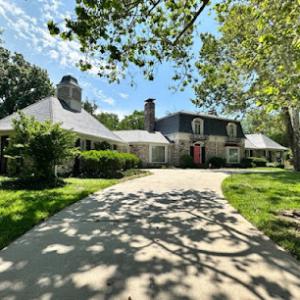
Lucky's Roofing and Construction provides residential and commercial roofing including asphalt shingles, metal, tile, flat roofs, TPO, mod-bit roofing, storm damage emergency roofing, roof repairs, and gutter installations in the Manhattan, KS and surrounding area.
Grandview Roofing
120 Castle St, Junction City, Kansas
5.0 from 13 reviews
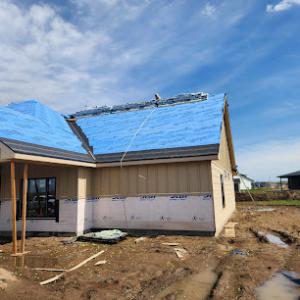
At Grandview Roofing, located in Junction City, KS, we take pride in delivering top-quality roofing and general contracting services to our local community and the surrounding areas. Whether you need roofing repairs, home improvement, or snow removal, our skilled team is here to handle all your needs with precision and care. We specialize in everything from storm damage repair and emergency roofing services to new construction and siding replacement. With our commitment to excellence and customer satisfaction, we ensure your home or business is protected and looking its best. Contact Grandview Roofing today to schedule your consultation and let us exceed your expectations!
Skyview Roofing
859 S Washington St, Junction City, Kansas
4.2 from 20 reviews
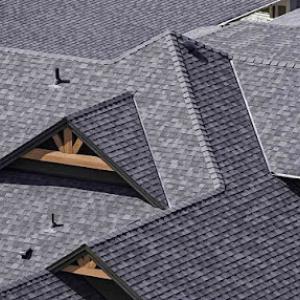
CLOSED. Whether you’re looking for a roof replacement or repair, our team has you covered. We are experienced in residential & commercial roofing, gutter protection and solar installation. Family owned & operated. We offer financing to fit any budget without checking your credit. Get started today!
Weddle & Sons Roofing
(785) 532-8347 www.weddleandsons.com
Serving
4.9 from 463 reviews
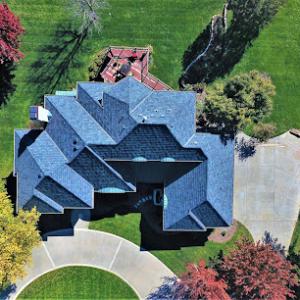
At Weddle & Sons, we believe that our clients deserve the best the industry has to offer. That’s why we offer a full range of roofing and exterior services that make us a one-stop-shop for all your needs. Weddle & Sons, Inc. is a Certified Solar Roof Installer and is accepting orders for new installations in Kansas, Colorado, and Nebraska. Learn more about this amazing product being offered directly to you by Weddle & Sons! Our Manhattan branch services the following areas: Manhattan, Kansas; Wamego, Kansas; Junction City, Kansas; Ogden, Kansas; Milford, Kansas, Randolph, Kansas; Westmoreland, Kansas; and other cities in this region.
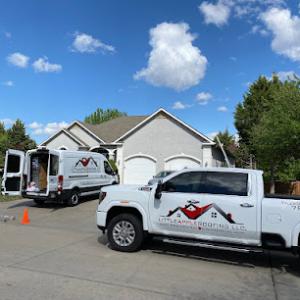
Little Apple Roofing
(785) 706-8140 littleappleroofing.com
Serving
4.8 from 85 reviews
Little Apple Roofing offers a variety of roof replacement and repair options. We can install metal, tile, flat and rubber roofs. Consult our roofing contractors to find out which material is best for your home or business. If you need roof repairs, turn to us for emergency services.
Superior Roofing
(785) 537-8777 superiorroofing.biz
Serving
4.5 from 54 reviews
Roofing, siding and window Experts Superior Roofing is dedicated to providing the highest quality roofing, siding and windows. We offer the best product and price for your home's needs, whether that be cleaning, inspection, repair, or replacement. Our mission at Superior Roofing is to work with honesty, dedication and integrity while serving our local communities with the most qualified, uncompromising workmanship and service. We utilize the latest technologies and newest products to provide you the homeowner with the longest lasting value in roofing for the least amount of money. Whether you need a roof replacement or roof repair you will always receive our best work, and that's a promise.
Ozone Roofing, Inc. - Manhattan Branch
(785) 789-9234 www.ozonerfg.com
Serving
5.0 from 21 reviews
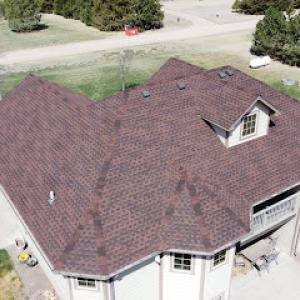
We are a professional roofing company that specializes in helping with roof storm damage. Ozone Roofing always puts you, the homeowner first. Customer satisfaction is our top priority. We will help you through the entire process, and install a new quality roof on your home. We are a company that cares and we want to see your damaged home made whole again.
Danker Roofing
(785) 776-9128 www.dankerroofing.com
Serving
4.7 from 41 reviews
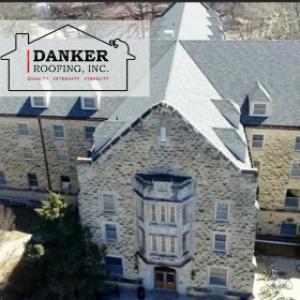
Since 1969, we have been providing trustworthy roofing contractor services in much of Northeast Kansas. The roof on your house or business needs to be in tiptop shape all the time. What do you do if a leak starts or shingles go flying? Rely on our expert team at Danker Roofing, Inc. to repair or replace your roof. Danker Roofing, Inc. offers a wide variety of services designed to suit all your needs. With decades of experience, we have both the skill and the resources necessary to complete any roofing project.
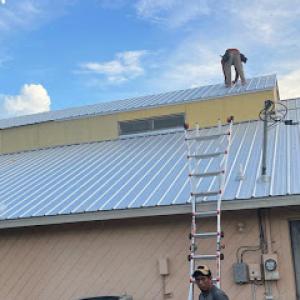
Smart Choice Roofing
(785) 317-3835 smartchoiceroofingllc.com
Serving
4.1 from 9 reviews
We manage your roof’s installation, repair, replacement, and insurance claims with honesty and full transparency. Reach out and get a free estimation today.
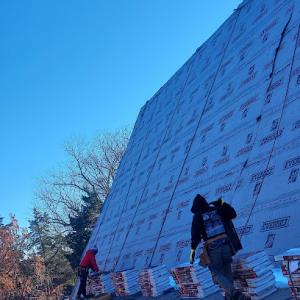
EDI Remodeling & Roofing
(785) 340-0792 ediremodelingandroofing.com
Serving
5.0 from 6 reviews
Edi Roofing and Remodeling is your trusted partner for exceptional roofing services tailored to meet all your needs. We offer expert installation and repair for a diverse range of roofing options, including metal propane roofs, classic shingles, and robust metal roofing systems. Our team is also skilled in addressing storm damage, ensuring that your property remains secure and resilient against severe weather. At Edi Roofing and Remodeling, we are committed to providing high-quality workmanship and reliable service, making sure every project is completed to the highest standards of durability and performance.
Gevock Roofing
Serving
5.0 from 1 review
Residential roofing services including inspections, estimates, repairs, roof replacements, new construction, and additions

Wildcat Guttering & Exteriors
(785) 205-0348 www.wildcatguttering.com
Serving
Wildcat Guttering & Exteriors provides gutter installation, repair, and protection systems as well as remodeling including siding, doors, windows, and decks in Manhattan KS, and surrounding areas.
Asphalt shingles are familiar on many Junction City homes, and they hold a practical appeal for local storm cycles. In hot central Kansas summers, granule loss accelerates and sealing performance can shorten after installation. To ride out the heat, choose shingles with a high impact resistance rating and a long asphalt sealant warranty, and focus on a well-sealed starter course and proper attic ventilation to reduce heat buildup under the deck. When opting for asphalt, pair dark colors with reflective granules or consider cooler-shade gradient options to mitigate heat buildup on long, sunny days.
Metal roofing stands out as a resilient option against hail and wind exposure in this region. It behaves differently from shingles, shedding impact and reducing the chance of widespread blow-off during storms. The key emphasis for Junction City homes is flashing and fastening. Metal panels need precise ridge and edge flashing to prevent wind-driven leaks, and fasteners must be correctly sealed and spaced to accommodate wind loads and temperature shifts. If the existing decking shows signs of moisture damage after a hail event, address that first, since metal's performance rests on a dry, stable underlayment. Metal can be a longer-term solution in storm-prone years, but it rewards meticulous installation and confirmable flashing details during inspections.
Clay and concrete tiles offer a distinctive look and durable surface, yet their application here requires careful evaluation. The weight of these tiles is higher, demanding a structural check to ensure the roof framing can carry the load, especially on older or lighter-framed homes. Brittleness under hail is a concern; certain regional tiles can crack or break with severe impacts, which makes storm resilience a priority in decisions. If choosing tile, insist on a reinforced framing plan, a high-quality underlayment, and a detailed assessment of how the system behaves under wind uplift. In some neighborhoods, retrofit options or lighter tile profiles can balance aesthetics with performance.
Start with an honest assessment of the roof deck and attic ventilation. A damaged underlayment or insufficient ventilation can undermine any roof type in this climate. For asphalt, ensure proper alignment of starter courses and a sealed perimeter around chimneys and vents. For metal, verify that flashing sections at eaves, gutters, and transition points meet local wind-load expectations and that fasteners are corrosion-resistant and correctly spaced. For tile, secure a structural evaluation and select tiles with impact resistance appropriate to spring storm activity. In all cases, work with an installer who can demonstrate wind-rated components, proper reseal strategies after storms, and a plan for post-storm inspections to catch issues early.
In Junction City, spring is the highest-risk damage season because hail and heavy rainfall can turn aging roofs into active leak problems quickly. If a spring storm leaves new dents, granule loss, or uneven shingle edges, you should treat the roof as a potential candidate for replacement rather than a simple repair. The goal is to prevent interior damage from sudden downpours and to avoid escalating repair bills from multiple hail events that may hit the same roof over a short period. After a severe spring storm, perform a careful, daylight-dry inspection from the ground and, if needed, on a climbed ladder with a partner, looking for impacted shingles, lifted tabs, or shingle granule buildup in gutters.
Summer heat in central Kansas can affect shingle aging and sealing, so replacement timing matters more here than in milder climates. If a roof shows widespread curling, cupping, or accelerated granule loss as heat intensifies, postponing repairs into a cooler window can extend the life of the new roof and help the sealants set properly. For a roof that's near the end of its serviceable life, a well-planned replacement during a cooler stretch of late spring or early fall often yields better shingle adhesion and fewer heat-related installation issues. If an HVAC or attic venting retrofit is on the table, coordinating it with a replacement in a mild-weather window reduces the number of hot-work days and improves ventilation during installation.
Fall and winter freeze-thaw cycles around this area can worsen existing shingle cracks and contribute to ice-dam-related edge damage on vulnerable roofs. If you notice hairline cracks widening after a late-season freeze, or repeated ice dams forming at the eaves with meltwater backing up under shingles, replacement is a practical choice to restore continuous water shedding. Edge damage from ice dams tends to propagate inward, so addressing the roof as a complete system-underlayment, flashing, and likely venting-before the season's worst freezes helps minimize water intrusion during the inevitable thaw and refreeze cycles.
Review the roof's overall age, hail history, and storm damage patterns with a trusted local contractor. If multiple seasons of hail claims have already taxed the same roof, and the shingles show widespread deterioration beyond isolated patches, replacement rather than piecemeal repairs often delivers the most reliable protection. In spring, prioritize quick assessment and triage to prevent leaks from advancing, while remaining mindful of the harsher heat of summer and the crack-prone fall-winter transition.
When a roof needs replacement after a central Kansas storm, the job is typically treated as a permitted project rather than a no-permit maintenance task. That distinction matters because the city expects a documented scope of work and a clear path for approval before any shingle lift or vent reseal begins. In practice, a proper permit signals that the work has been reviewed for compatibility with local zoning, roof heights, and the surrounding structures, which helps avoid later stress from unexpected code issues or rework.
The local process usually unfolds with the contractor preparing a set of plans and a defined scope of work and submitting them to the city for review. The plans should spell out materials, anchor points for flashing, ventilation strategy, and any roof-access requirements. This is not a formality to rush through; it's the city's way of confirming that the project aligns with current wind and hail considerations typical of central Kansas. If plans are incomplete or vague, expect delays or a request for clarifications, which can stall replacement timelines and complicate insurance coordination.
Inspections are a built-in part of the process and occur both during and after the roofing work. Mid-project checks often focus on critical steps such as underlayment installation, proper nailing patterns, and flashing around chimneys and vents. A final inspection concentrates on installation quality and flashing details to ensure wind-driven rain or hail damage won't compromise the roof edge or attic integrity. If anything isn't up to code, the inspector will require corrective work before the permit is cleared and the project is considered complete.
Skipping permits or rushing through submissions increases the risk of inspection failures, rework, or city-imposed hold orders that can leave a home exposed to weather windows during storm season. A properly permitted project tends to align with insurance expectations after storm damage and reduces the likelihood of post-install disputes about workmanship. Contract conversations should include clear milestones tied to permit approvals and inspection readiness to avoid surprises when storms tighten the schedule.
Typical local pricing ranges are about $350 to $650 per square for asphalt shingles. In practice, you'll see pricing clustered near the middle of that band, but once spring hail storms sweep through central Kansas, scheduling pressure can push prices and timelines higher. Asphalt remains the default choice for many homes in the area because it blends with the existing low-slope to moderate-slope roofs found on a lot of Junction City housing stock. If a hail event comes through, expect call-backs and expedited replacements to tighten up the window from contract to install.
Metal roofing typically runs from $900 to $1,500 per square. In the wake of central Kansas hail, metal can become an attractive option for those seeking longer-term performance and quicker installation windows, but it still faces the same surge in demand that other materials feel. If you're weighing metal, consider expansion and contraction over Kansas winds, paint or coating erosion over a decade, and the potential for higher upfront costs versus asphalt. The faster you move from decision to ordering, the more you'll benefit from the shorter project timeline when crews are in high demand.
Clay tile sits in the higher end at $1,800 to $3,200 per square. It delivers a distinctive look and excellent longevity, which can be appealing in areas with harsh sun and temperature swings. In Junction City, storms and hail can challenge tile roofs more than smooth asphalt, so you'll want to evaluate impact resistance, weight support, and underlayment upgrades. Expect longer lead times for material pull and installation when storms push local projects onto the calendar.
Concrete tile ranges from $900 to $1,800 per square. It's heavier than clay and can withstand Kansas weather well, but installation requires structural consideration and qualified crimping on fasteners. After a spring storm, you may see higher demand for concrete tile as homeowners seek durable, hail-resilient options. Work with a contractor who understands local wind uplift requirements and roof deck assessment.
Wood shingles or shakes run from $800 to $1,500 per square. They offer a distinctive aesthetic but may react differently to hail impact and moisture. In Junction City's spring storms, ensure you discuss underlayment choices and potential maintenance needs to avoid early wear. If you value rustic curb appeal, wood can still be a viable option with the right backing materials and protective finish.
Synthetic or composite shingles range from $600 to $1,200 per square. They often balance hail resistance with installation flexibility and can be a practical middle ground in storm-driven periods. In busy springs, choosing a proven composite with a solid warranty can help stabilize costs and timing when demand spikes.
In all cases, plan for a period of higher scheduling pressure after central Kansas hail events, and expect that replacement timing may stretch a bit longer than during calmer years.
You know the central Kansas hail-and-wind corridor brings storm-driven roof claims that shape replacements more than snow loads. After a severe spring downpour, homeowners see how quickly a claim can steer material choices and timing. In practical terms, your shingle or metal decision may hinge on what the carrier considers a justified repair versus total replacement, especially when a neighborhood hits with multiple losses.
Carriers in this region may tighten underwriting or adjust premiums after large storm losses, making claim history more relevant than in lower-severity markets. A track record of hail damage or multiple claims can change what the insurer views as acceptable risk. That means your neighbor's approval pattern might look different from yours, even if the roof looks the same to the eye.
Homeowners in Junction City should keep date-stamped photos, interior leak evidence, contractor findings, and adjuster communications because insurers commonly request detailed storm documentation in this region. Photos before and after, plus notes from a trusted contractor about visible hail hits or wind-driven damage, help tell the full story if a dispute arises or if a supplemental claim is needed. Documentation becomes a leverage point during negotiations.
When a storm hits, think in terms of a coordinated record rather than a single inspection. A fast, organized dossier can prevent gaps that delay payment or influence coverage. If you are unsure how your claim might evolve, consider aligning with a reputable local contractor who understands how area adjusters typically assess damage. Keep the lines of communication open and documented to protect your roof investment in the long run. This is about preventing surprises when storms return again.
A common failure pattern in this area involves hail bruising on asphalt shingles, which can be tricky to spot right after a storm. Damage often looks minor at first-dimples or bruises on the surface-but those impacts can compromise the shingle's granules and adhesive seal. When a later heavy rain hits, water can find paths through those compromised spots and begin seeping into the attic. In this climate, spring storms bring both hail and heavy downpours, so the sequence of damage may unfold over weeks rather than minutes. Pay attention to dark stains on ceilings after storms and to new moisture spots around penetrations, gutters, or along the ridgelines. If a roofer spots bruising during a post-storm inspection, consider a careful patch or full shingle replacement rather than waiting for a leak to form, since delayed failures can surprise you after several more months of volatile weather.
Central Kansas experiences brisk, gusty winds that can lift or crease shingles, especially on roofs that are already past their prime. Summer heat can soften the asphalt and make edges more vulnerable, while winter cracking creates micro-fissures that winds can exploit. On older roofs, those gusts can move shingles enough to loosen fasteners or expose end-of-row edges. This not only raises the risk of wind-driven leaks but also accelerates granule loss, which reduces solar reflectivity and speeds up aging. If you notice shingles fluttering during a windy day, or you see bare patches where granules have shed, the roof should be evaluated for possible re-seaming, re-fastening, or partial replacement to prevent larger problems after the next storm cycle.
Because local final inspections verify flashing details, flashing-related defects are especially important in re-roof projects where workmanship quality can determine pass/fail outcomes. Improperly sealed step and counter flashing around chimneys, skylights, andVent pipes invites water intrusion with any heavy rain. In Junction City, concrete and clay tiles may accompany other materials, but flashing remains a critical weak point if installed hastily or weathered by heat and cold cycles. A thorough inspection should focus on whether flashing joints are tight, seals are intact, and metal surfaces show no corrosion. If flashing shows even slight signs of movement or lifting after storms, address it promptly with a professional that can reseal and reseat the flashing to meet inspection expectations.