
Last updated: Apr 19, 2026
Salina sits in a Kansas market where hail and wind claims are common enough that replacement timing is often driven by storm events rather than simple age. When a major hail event hits, the switch from "wait for age" to "repair or replace now" happens quickly as insurers respond to visibly damaged decking, flashing, and venting. Homeowners must recognize that the clock starts ticking the moment the storm passes. If a roof shows significant impact, waiting for an insurance decision to drift by can turn a manageable project into a rushed, high-stress repair that misses critical components. The risk is real: a delayed decision can leave gaps in decking or underlayment exposure, inviting leaks during the next thaw or freeze cycle.
Local insurers commonly expect detailed photo documentation, damage reports, and close review of replacement scope and workmanship during claim adjustment. Before calling in a claim, you should photograph every visible impact mark, dented flashing, loose or lifted shingles, granule loss, and interior signs of moisture. After the adjuster tallies hail impact, you must be prepared to present a coherent narrative: when the hail occurred, the extent of surface damage, and any observed leaks or attic moisture. The adjuster will scrutinize decking, underlayment, flashing, and venting on a full re-roof, so anticipate questions about nail patterns, shingle alignment, and attic ventilation. Having a detailed, organized packet can keep the process from stalling and reduce back-and-forth repairs.
Spring storm season in central Kansas can interrupt inspections and production schedules, so many homeowners face a surge-driven backlog after major hail events. If the weather turns foul, crews get delayed, and appointment calendars fill up weeks in advance. Expect delays in material delivery, staged roofing windows, and extended drying times if there is moisture in the attic. During a backlog, timing decisions become a pressure point: insurers may push for accelerated scopes, while contractors push for a complete, code-compliant install. The best approach is to secure a clear inspection window, confirm the exact scope with your adjuster, and stay in constant contact with your contractor to prevent miscommunication from turning into costly rework.
Working with an adjuster who understands the local climate realities is essential. Look for an adjuster who will review decking integrity, underlayment choice, and flashing detail with a fine-tooth comb, because these elements are critical for a long-lasting seal against Kansas wind-driven rain. When selecting a contractor, prioritize those with proven experience on full-replacement jobs, documentation-heavy workmanship, and familiarity with the town's typical roofing stock. A well-coordinated team will respond to storm-driven scheduling quirks, keep crews aligned with the permit-driven expectations, and maintain a transparent line of communication about progress, setbacks, and needed paperwork.
First, document thoroughly and promptly after a storm-photos, dates, and notes on attic moisture or ceiling stains. Second, file the claim and request a detailed scope itemization that matches decking, underlayment, flashing, and venting components. Third, line up a reputable contractor early, with the ability to begin work quickly once the adjuster approves the scope. Fourth, establish a realistic inspection and production cadence that accounts for potential spring delays, asking for written confirmation of any schedule changes. Finally, keep a single point of contact-either the contractor or a dedicated insurance liaison-to prevent fragmented communications from derailing the project timeline.
Find local contractors experienced in assessing and restoring roofs after hail, wind, and severe weather events.
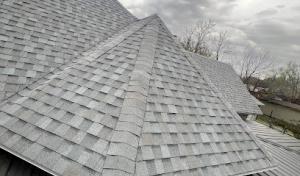
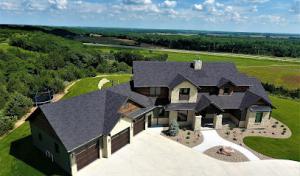
Weddle & Sons Roofing of Salina
(785) 829-5400 www.weddleandsons.com
504 Francis St F1, Salina, Kansas
5.0 from 106 reviews
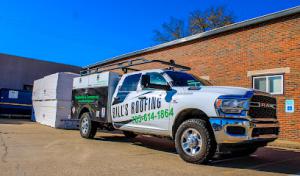
Bill's Roofing
(785) 614-1864 www.billsroofingllc.com
210 W Woodland Ave, Salina, Kansas
5.0 from 70 reviews
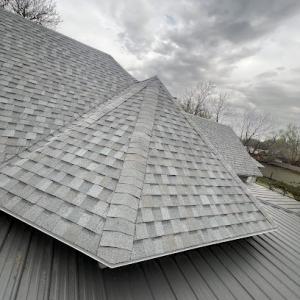
Shull Roofing
(785) 833-2007 shullroofing.com
364 E Ave A, Salina, Kansas
4.9 from 179 reviews
Shull Roofing, a reputable local roofing contractor, offers unparalleled expertise in both residential and commercial roof installation and repair. We specialize in installing durable step slope roofs for an aesthetically pleasing and robust finish. Certified as a Platinum partner with Tamko, a leading roofing manufacturer, customers can count on Shull Roofing for superior, warranted work. Whether you require traditional shingles, metal roofing, or the durability of stone-coated steel, our comprehensive services cover gutters, soffit, and fascia too. Committed to quality and customer satisfaction, our knowledgeable roofing professionals will take care of it all when your roof needs an upgrade or repair. We travel to you for free estimates!
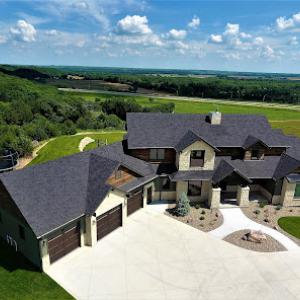
Weddle & Sons Roofing of Salina
(785) 829-5400 www.weddleandsons.com
504 Francis St F1, Salina, Kansas
5.0 from 106 reviews
We're a local family-owned roofing company with over 20 years of experience. We exist to build better lives in the communities we serve and the people we employ. We specialize in residential roofing, roof repairs, insurance claims, roof inspections, seamless-gutter installation, and Tesla Solar Roof and solar panel installation.
Bill's Roofing
(785) 614-1864 www.billsroofingllc.com
210 W Woodland Ave, Salina, Kansas
5.0 from 70 reviews
When you are in need of a residential or commercial roof replacement or repair, we are here! Whether it is wind, hail, or storm damage or it needs replaced purely due to its age, give us a call! We are licensed, experienced and qualified. We can pass a background test and are honest enough to guarantee our workmanship 100%. We are BBB accredited with an A+ rating; Tamko Mastercraft Pro, GAF and Malarkey certified: We are members of the Kansas Roofing Association. You can find us on FB, Twitter, Instagram, Tik Tok and we even just started a YouTube channel.
Legacy Roofing
(785) 838-8604 www.legacyroofingks.net
437 N Ohio St, Salina, Kansas
5.0 from 53 reviews
We are a family owned roofing business located in Salina Kansas with over 10 years experience in the roofing and construction industry. We offer full roof and gutter replacements, also while helping you work through your insurance claim from any storm damage. Give us a call to schedule your free inspection and estimate.
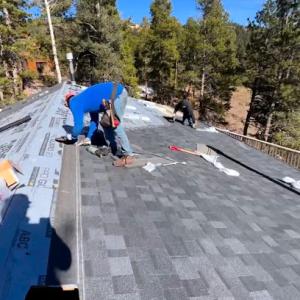
Kape Roofing & Exteriors
(785) 826-2577 kaperoofing.com
315 W Pacific Ave, Salina, Kansas
4.9 from 57 reviews
At Kape Roofing & Exteriors in Salina, KS, we bring over 76 years of combined experience and good old-fashioned Midwest grit to every job. We’re family-owned, locally trusted, and ready to tackle any size roofing or exterior project. From roof repairs to full replacements, gutters, siding, and windows—we’ve got your back. Need help with an insurance claim? Our team will guide you through it, step by step. We serve Salina and most of Kansas with pride. Call today to schedule your inspection.
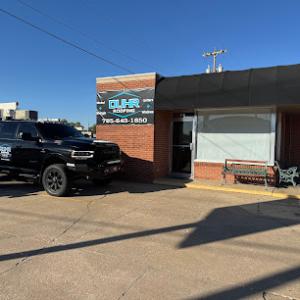
Duhr Roofing
676 S Ohio St, Salina, Kansas
5.0 from 13 reviews
Duhr Roofing specializes in high-quality residential roofing services, including roof replacements, repairs, and upgrades to impact-resistant shingles. We pride ourselves on exceptional communication, attention to detail, and ensuring every project is completed with professionalism. Serving Salina, Kansas, and the surrounding areas, we use top-quality materials to deliver long-lasting results. With a focus on customer satisfaction, Duhr Roofing stands apart by providing personalized service and a commitment to getting the job done right the first time.
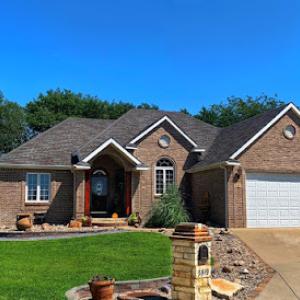
Duramax Construction & Roofing
(785) 452-9160 duramaxconstructionandroofing.net
2819 Argonne Ct #1620, Salina, Kansas
4.6 from 22 reviews
Duramax Construction & Roofing offers high quality construction and roofing services in residential construction, multi-family construction, and commercial construction. We're a licensed contractor that serves Salina, KS, Kansas City, Wichita, KS, Dallas, TX, Austin, TX, Houston, TX and more. Our services include: Roofing, TPO Roofing, Gutter Installation, Fences, Kitchen Remodeling, Bathroom Remodeling, Home Additions, Porches, Painting, Custom Home Building. Duramax is your one-stop contractor with competitive pricing in the construction and remodeling market.
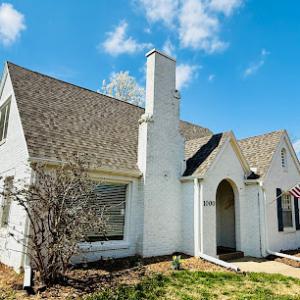
Bird Contracting
721 N Santa Fe Ave, Salina, Kansas
4.6 from 18 reviews
Roofing, remodeling
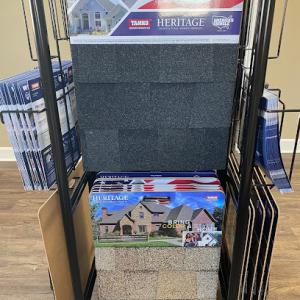
Ryan Roofing
(785) 825-0475 www.ryanroofingks.com
430 N Santa Fe Ave, Salina, Kansas
4.8 from 13 reviews
Commercial roofing and residential roofing in Central Kansas: Salina, McPherson, Concordia, Abilene, Lincoln, Minneapolis, Ellsworth, and Lindsborg and surrounding areas. We provide commercial roofing systems that include: PVC, TPO, Duro-Last, and metal retrofit roofing systems for flat and slope roofs of commercial buildings. Home roofing including shingles or metal roofing for new or roofs damaged by hail. Prompt quotes for your roof replacement after a hailstorm. In addition to home roofing, we also provide home siding, window replacement and gutters. Apartment complexes, duplexes and commercial buildings are our specialty.

Spartan Roofing & Exteriors
609 S Eleventh St, Salina, Kansas
5.0 from 1 review
Spartan Roofing & Exteriors is a Salina, KS based company offering full Residential and Commercial Roofing, Siding, and Guttering service to the surrounding areas. Having more than 15 years of experience in the construction field let the professionals at Spartan Roofing & Exteriors help you with your next project!
Winter in central Kansas brings cold snaps that bite through fasteners and lingering snow that can stall progress. In Salina, tear-offs may be delayed when roofs are snow-covered or when ice forms on the deck, drip edge, and eaves. If the weather closes in mid-project, exposed underlayment and decking can be vulnerable to moisture intrusion and wind-driven exposure, so scheduling becomes a sequence of short, safe windows rather than long daily pushes. Your crew will prioritize keeping decking dry during any uncovered days and protect vulnerable areas with temporary coverings where practical. If a mid-winter thaw briefly exposes work areas, expect a quick, focused push to finish sections, then a pause until temperatures recover or snowfall stabilizes. When winter weather does cooperate, keep communication clear about planned teardown, roof exposure times, and the need to re-check ice dams and ventilation once temperatures rise. You should plan for occasional temporary shingle staging near eaves during brief warm breaks, with extra precautions to prevent damage from cold snaps returning.
Spring in Salina can bring fluctuating moisture, with warm spells followed by rain events. The challenge is keeping the deck dry and preventing mud from migrating into the home as soils soften and the ground gets saturated. In practice, that means timing tear-offs around forecasted rain and using ground protection to minimize soil tracking onto the project. Underlayment must be inspected for any minor moisture staining and dried thoroughly before shingles go on. Expect crews to adjust their rhythm to avoid morning dew or overnight dampness on the roof, which can slow the deck-application process. Spring also tests ventilation performance, as rising exterior temperatures meet lingering cool nights; ensure the attic space is appropriately vented to avoid condensation under the new shingles. If a stretch of wet days interrupts work, plans shift to temporary weathered covers and expedited re-entry once the forecast stabilizes, with attention to re-sealing any exposed underlayment edges.
Summer heat in Salina accelerates shingle aging on exposed bundles and tightens the pace of installation. High temperatures demand careful handling of materials to prevent premature curling or thermal distortion, and crews naturally adjust to the hottest parts of the day by focusing on core fastening tasks during the late morning to early afternoon lull, then pausing during peak heat. Thunderstorm patterns can trim daily windows, so crews often plan for shorter days with more frequent breaks to protect both workers and materials. You may notice more frequent tarps and temporary shading around the worksite to mitigate heat buildup and keep adhesive products at proper temperatures. Coordination with siding and gutter protection becomes crucial when sudden storms roll through, as downdrafts can lift unsecured edges. Expect daily targets to be practical rather than ambitious, with readiness to halt work and cover exposed areas if lightning approaches.
Fall brings wind events and sharp temperature swings that influence how fast and how well materials settle. Salina experiences gusty days that can lift loose shingles or push debris into vulnerable spots, so wind controls become a priority during teardown and reinstallation. Temperature fluctuations between cool nights and warmer days can affect adhesive and sealant performance, as well as asphalt shingle flexibility or the seating of metal components. Your crew will monitor edge fastener security and flashing alignment as conditions shift, adjusting the sequence to avoid overexposure of underlayment while minimizing call-backs. Expect installation windows to narrow on highly windy days or when temperatures swing rapidly, and plan for additional fasteners or temporary edge protection as needed to maintain warranty-quality results. As the season progresses, routine inspections of venting and flashing continuity help ensure long-term performance through Salina's transitional weather.
In Salina, the mix of central Kansas hail and wind shapes what you pay for a new roof after a strong season. Asphalt shingles typically run about $350 to $800 per square, while metal roofing sits roughly at $600 to $1200 per square. If clay or concrete tile is on your house, expect about $900 to $1700 per square, and synthetic or composite shingles come in around $450 to $750 per square. Slate is the premium path, ranging from $1400 to $2800 per square. Those ranges reflect our area's heavier weather exposure, the demand for timely replacements, and the variety of homes that line the streets here.
Storm-driven demand spikes in Salina push scheduling pressure and labor availability after hail events, especially during the main re-roofing season. After a hail storm, you'll likely see a rush of contractors and a crowded calendar at local suppliers. If your roof is near the end of its expected life or shows wind-caused flashing misalignment, you may be tempted to move quickly. Quick decisions can feel right, but a measured plan helps you avoid rushed choices that could backfire on long-term performance. If you're reviewing bids, check each contractor's proposed start date and the sequence they plan to work in. A staggered plan that allows proper moisture management, flashing checks, and underlayment assessment often translates to fewer callbacks once a project begins.
Costs in Salina can rise when inspections uncover decking, flashing, or venting corrections. The city reviews those components as part of the permit process on full re-roofs, so if the decking has soft spots or the flashing isn't integrated properly around chimneys and vents, the estimate can climb. To avoid surprises, request a line-item breakdown that separates decking repairs or replacements, flashing around valleys and penetrations, and venting updates from the base roof installation. If a contractor flags decking issues, you'll want a plan for replacement before shingle installation starts, because lingering moisture or wood damage can compromise the new roof system and its warranty. In practice, you'll find that a well-documented, upfront assessment with photos and notes from a trusted crew shortens the back-and-forth during the rebuild and helps keep the project moving through Salina's typical spring-to-fall window.
Get a clear picture of your project costs upfront - no commitment required.
Legacy Roofing
(785) 838-8604 www.legacyroofingks.net
437 N Ohio St, Salina, Kansas
5.0 from 53 reviews
In Salina, most full re-roofs require a building permit rather than being handled as permit-free maintenance. You'll want to start with the permit office early, because the permit process can set the project timeline, especially in winter when inspections can stack up after snow and ice. Winter storms in this region can tighten schedules, so plan with a buffer in your permit timeline.
The city typically issues permits after a short plan-check and then inspects decking, underlayment, flashing, and venting during the project. During plan-check, expect the reviewer to look for proper decking condition, adequate underlayment ventilation, and flashing continuity around chimneys and skylights. Inspections occur at key milestones, not just at finish. The inspector will check flashing around penetrations and ensure drip edge continuity. They may review attic ventilation to prevent condensation.
A final inspection is required in Salina at project completion, so closeout and scheduling matter before the job is considered finished. Plan on coordinating the final inspection with weather windows and ensuring all penetrations are sealed and vents are functional. A final inspection is often the trigger that moves the project from "in-progress" to officially complete. The final inspection will cover insulation edge details and attic access hatches to ensure no gaps. Keep a calendar reminder for the city finalizing date.
Concrete notes about climate: Hail and wind events prompt rapid insurance-driven timelines; a re-roof that fails the plan-check can delay and trigger rework. Ensure decking is solid, underlayment rated for local wind uplift, and flashing integrated with gutters. In the heat of hail season, expect documentation to accompany readiness checks, and be prepared to show wind-rated products suitable for Central Kansas. Any hail-damaged components should be photographed and referenced in the permit notes.
Practical steps: Before tearing off, confirm the roof line and attic venting align with city expectations; keep a calendar of permit milestones; arrange for clean access and debris containment for the final inspection. Closeout requires final lien waivers and documentation. Document sunrise-to-sunset work hours so inspectors can verify daylight access. Keep digital backups of permits, inspection approvals, and contractor correspondence, and arrange a final walkthrough with your insurer if a claim drove the project.
Asphalt shingles remain the dominant choice in this market because they fit the large re-roof cycle that homeowners face after hail and wind events. In this climate, a shingle roof must stand up to frequent storms and cold-snow winters. Look for impact-resistant options and dual-tab or architectural profiles that improve wind resistance. When you're comparing brands, ask about a higher wind rating and a robust underlayment system, since the local demands focus on decking protection and venting during full re-roofs. In practice, a practical route is to pair upgraded underlayment with well-sealed flashing and careful nail placement to reduce the chance of wind-driven leaks after a hail event.
Metal is a meaningful local specialty if wind resilience and longer replacement cycles are priorities. Panels with a solid sealant system and accurate fastening are essential, because high wind pressure can test seams and edge detailing. For Salina's exposure, a standing-seam or through-fastened panel with a corrosion-resistant coating tends to perform reliably through multiple seasons. The trade-off to consider is the weight and the potential need for structural checks when upgrading from older roofs. If the goal is long service life with fewer mid-life repairs, metal can be a straightforward option, but ensure the roof deck and venting follow a meticulous replacement plan so storm damage doesn't become a recurring issue.
Tile and its synthetic counterparts are present in the local mix, offering strong hail resistance in some configurations but bringing weight and cost considerations into play. If hail forms dents or cracks in traditional shingles, heavier tile or slate can still be a viable path, but the weight adds stress to framing and reroof procedures. Synthetic or composite shingles often blend hail resistance with easier installation and a lighter footprint than real tile or slate, making them a practical middle ground in areas with sharp storm activity. Real slate delivers premium durability and a classic look, yet it requires careful structural assessment and a longer, more involved installation process, especially on homes not originally built for heavy roofing materials. In practice, these options are most effective on specific house designs where the roof framing already supports the extra load and where you want a longer service life between major replacements.
Begin with a quick assessment of your current roof's deck and venting condition after a hail season, then map the local wind exposure to the roof line. If the goal is quicker recoveries and lower mid-life repair frequency, asphalt with upgraded underlayment remains the most predictable path. For wind-centric homes, metal offers a compelling cycle length, provided installation details are executed with attention to flashing and sealing. If the house already has a strong architectural statement or if weight is manageable, explore tile, synthetic, or slate as targeted upgrades rather than universal replacements. Never rush the decision after a storm-use a trusted local pro to verify deck integrity, flashing continuity, and proper venting as you plan the next roof.
Explore specialists in steel, aluminum, and standing seam metal roofs built to last 50 years or more.
Ryan Roofing
(785) 825-0475 www.ryanroofingks.com
430 N Santa Fe Ave, Salina, Kansas
4.8 from 13 reviews
In a market where hail and wind leave behind telltale signs, you want a clear, ready-to-show record of your roof's condition. Capture every slope, elevation, soft-metal impact, and interior leak sign with dates and locations. Photos should include close-ups of missing shingles, dented flashing, and any water stains on ceilings or attic insulation. A simple, organized gallery helps avoid debates about whether damage matches what the insurer observes, and it supports a faster, fairer adjustment process.
Insurers serving storm-prone areas expect consistency between observed damage and the proposed replacement scope. They will compare revealed issues-like hail-dented metal vents, wind-driven edge damage, and any interior signs of rain intrusion-with the planned work. If adjacent areas show signs of impact but the scope omits them, expect questions or adjustments. Keep your documentation handy for the adjuster to review on-site, and be prepared to explain how each observed condition was addressed in the replacement plan.
The central Kansas climate tests durability year after year. When damage is extensive enough to warrant replacement, the insurer will want assurance that every critical detail is addressed: decking integrity, underlayment quality, flashing around chimneys and vents, and proper venting throughout the attic. Having independent notes or photos that show these elements, especially where there are signs of prior weather exposure, can help validate a comprehensive repair or replacement strategy. In Salina, such thoroughness aligns with how insurers assess storm-related claims and may influence the final adjustment outcome.
Because Salina is a high-claim hail and wind market, homeowners benefit from documenting every slope, elevation, soft-metal impact, and interior leak sign before adjuster visits. In Salina, permit and inspection records can help support that the completed roof included required decking, underlayment, flashing, and venting work. After the claim, maintain a file with the final inspection report, the contractor's scope letter, and photos showing how the finished roof matches or exceeds the approved plan. This repository can become a decisive reference should questions arise during any post-claim review.
Connect with contractors who help homeowners navigate the claims process from damage assessment to final approval.
Weddle & Sons Roofing of Salina
(785) 829-5400 www.weddleandsons.com
504 Francis St F1, Salina, Kansas
5.0 from 106 reviews
Bill's Roofing
(785) 614-1864 www.billsroofingllc.com
210 W Woodland Ave, Salina, Kansas
5.0 from 70 reviews
After a hail event or a strong wind storm, you should inspect transitions where roof materials meet chimneys, vents, and skylights. In many homes, leaks surface first at flashing corners, step flashing along dormers, and where shingles bend around roof penetrations. If a wind-driven rain begins before a permanent repair can be completed, these areas are the most vulnerable to water intrusion. Look for dark staining near vents, and any feel of dampness or warm spots along ceilings that extend from attic areas.
The local pattern shows flashing and venting details become the primary failure points on re-roofs. Cracked or lifted flashing, improper sealant around vent collars, and inadequate ventilation routes create pathways for water. Pay particular attention to the valleys where multiple roof planes meet, and the perimeter joints where old flashing can pull away during a wind event. A small misfit here can become a major leak weeks later when storms roll in again.
Shingles that have peeled back or lifted edges leave exposed underlayment vulnerable to hail impact and driving rain. Inspect the rake edges and eaves, where wind exposure is strongest. If shingles show cupping, cracking, or creasing after a storm, treat these as urgent indicators of potential water intrusion, especially at transitions and around vents.
When thunderstorms or wind-driven rain hit, act fast. Temporary tarps or roof boots can contain active leaks, but planning for a permanent fix should begin immediately. Document damage with photos, prioritize flashing and vent areas, and coordinate with the contractor to protect attic spaces from further moisture while repairs are scheduled.
Salina homeowners commonly hire for re-roofing, storm damage work, and cleanup, so post-job site protection and debris removal are major local hiring priorities. When a hailstorm or brisk wind hits, the market shifts fast, and you will see crews offering to start the next day. Quick response is not just about starting sooner; it signals a contractor who can stay on top of storm-related chaos, coordinate with adjusters, and keep inspections and punch lists moving. A roofer with a habit of delaying visits after a storm can leave you with exposed decking or a pile of debris longer than necessary, especially during freeze-thaw cycles in winter.
The local contractor mix includes both family-owned outfits and long-established companies, which matters in a market where claim follow-through and final inspection closeout can stretch beyond the initial sale. Family shops may offer a personal touch and tighter communication, but bigger, more methodical firms can provide systematic follow-through on insurance paperwork and warranty service. In practice, you want a company that assigns a dedicated point person for the claim and that keeps a documented trail of every step from tarp to final inspection. Ask for a timeline that includes debris removal, protection of landscaping and vehicles, and a clear plan for flashing, venting, and decking inspection.
A prudent Salina roofer will walk the property with you, point out vulnerable decking and any prior patches, and explain how storm damage might affect underlayment and ventilation. Avoid teams that promise overnight miracles or skip documenting pre-existing conditions. Insist on written notes about damage severity, the sequence of repairs, and a realistic schedule for cleanup and final closeout. If a contractor cannot provide a clear, line-by-line plan, treat it as a red flag.
Get a clear picture of your project costs upfront - no commitment required.
Legacy Roofing
(785) 838-8604 www.legacyroofingks.net
437 N Ohio St, Salina, Kansas
5.0 from 53 reviews