Roofing in Kansas
Last updated: Feb 28, 2026
Kansas roofs face some of the toughest weather in the country—from end-of-spring hail that can leave dents and cracks, to blazing summer heat that test shingles, to icy winter snaps that freeze and thaw. Whether you're in Wichita's wide-open plains, catching breezes in Topeka, or tucked along the Flint Hills, your roof has to endure rapid temperature swings, strong winds, and sudden storms. It's not just about looking up at the sky—it's about choosing materials, shapes, and maintenance habits that hold up year after year in our climate.
This page is your practical, neighborly guide to keeping a Kansas roof healthy and affordable. You'll find practical guidance on local climate considerations, recommended roofing materials for Kansas, popular roof styles and architectural trends in the state, typical costs you can expect, permits and local regulations to know, common roofing problems and proven fixes, maintenance and repair tips tailored to Kansas, and clear guidance on when to repair versus replace and when to hire a professional. It's all written with homeowners in mind—straight talk, no hype, and plenty of real-world examples.
Advice here is tailored to Kansas's conditions and backed by local resources—from supplier options and code considerations to insights from nearby Kansas contractors and building departments. You'll get context that helps you ask the right questions, estimate the right budget, and plan for seasonal upkeep so your roof lasts longer and performs better.
So, to begin, let's explore how Kansas weather, wind, hail, and seasonal shifts shape the roofs we see across the state.
Local Climate & Its Impact on Roofs
Kansas climate snapshot
Kansas sits in the heart of the country with a continental climate: hot summers, cold winters, and weather that can flip quickly from calm to severe. Spring and early summer bring the biggest storm risk, including hail, high winds, and tornadoes. In practice, this means your roof has to cope with temperature swings, moisture, and the occasional extreme weather event.
- Summer highs often push into the 90s and can reach 100°F in many areas, accelerating aging of roofing materials and increasing attic heat.
- Winter temperatures regularly dip below freezing; subzero spells happen in the northern half of the state.
- Spring and early summer bring thunderstorms, heavy rain, and hail; drought can follow or precede intense storm cycles.
- Wind is a constant factor—strong gusts can come from a passing thunderstorm or a tornado outbreak, especially in central and western Kansas.
- Hail is a frequent threat in many counties and can cause hidden damage that shows up as leaks years later.
Weather-driven roof risks
Severe weather shapes the practical care your roof needs. Paying attention to these risks helps you choose materials and maintenance plans that last.
- Hail damage: dents, punctures, and granule loss reduce protection and can shorten roof life.
- Wind uplift: high winds can loosen fasteners, tear shingles, and expose flashing.
- Freeze–thaw cycles: water in small cracks freezes and expands, widening gaps and increasing leakage risk.
- Ice dams: less common but possible in colder northern zones; meltwater may back up and seep under shingles.
- Lightning and thunderstorms: power surges can affect rooftop equipment; ensure proper grounding and surge protection for attic devices and wiring.
- UV and heat exposure: long summer sun accelerates aging, fading, and brittleness of certain shingles.
- Snow accumulation: while not the Rockies, Kansas can see significant snow in cold snaps; heavy snow adds weight and may cause ice damming at eaves.
Material considerations for Kansas
Choosing the right roofing system for Kansas means balancing durability, cost, and local risks.
- Asphalt shingles: modern 30–50 year shingles with Class 3–4 impact resistance offer a good balance of cost and durability; ensure proper wind-rated nailing.
- Metal roofs: standing-seam or architectural metal can excel against hail and wind if installed with proper underlayment and ventilation; consider color and heat reflectivity for attic comfort.
- Clay/concrete tiles: strong but heavy; weight and wind uplift can be a concern; use reinforced decking and competent installation.
- Synthetic options: composite shingles or synthetic slates can resist hail better than some traditional materials while keeping weight reasonable.
- Underlayment: opt for a high-quality, moisture-resistant synthetic underlayment suitable for Kansas moisture patterns.
- Ventilation: adequate attic ventilation reduces heat buildup and helps prevent ice dam formation and moisture issues.
- Gutters and drainage: ensure solid drainage paths; misrouting can worsen water infiltration during heavy spring rains.
Maintenance & inspection schedule
A proactive routine saves you from costly surprises.
1) After any severe storm (hail, high wind), perform a careful visual check or hire a professional to assess for hidden damage.
2) Do a semi-annual inspection (spring and fall) to identify lifted shingles, granule loss, damaged flashing, or clogged gutters.
3) Keep gutters clear and ensure downspouts direct water at least 3–4 feet from the foundation.
4) Check flashing around chimneys, vents, and skylights; re-seal as needed.
5) If you suspect damage, contact a licensed roofer for a professional assessment and document findings for insurance.
Warnings & official resources
- Never climb on a roof during or immediately after a severe storm; wet or damaged surfaces are hazardous.
- Avoid working on high-wind days; hail can cause sudden deck compromise and injury.
- After a suspected roof impact, get a licensed roofer to assess, then notify your insurer if claims are involved.
- Official resources:
- National Weather Service: (storm safety and local alerts)
- NOAA Storm Prediction Center: (severe weather outlooks)
- Kansas Mesonet (state climate data):
Recommended Roofing Materials for Kansas
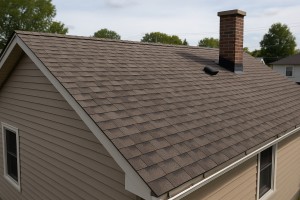
Most Kansas homes rely on asphalt shingles for a balance of cost, availability, and performance. In our climate—hot summers, cold winters, frequent hail, and gusty winds—look for shingles with strong wind uplift ratings and solid impact resistance. Architectural (laminated) shingles tend to outperform 3-tab options in high-wind areas. For Kansas, select shingles with UL 2218 impact ratings Class 3 or 4 if possible, and pair with a quality underlayment and properly vented attic to manage heat and moisture.
- Pros:
- Affordable upfront cost and easy to install
- Wide color and style options
- Easy patching and replacement after damage
- Cons:
- Shorter lifespan than metal or tile (roughly 20–30 years, depending on quality and conditions)
- Granule loss and potential wind uplift with older or lower-quality products
- What to look for:
- UL 2218 Class 3 or 4 impact rating
- Adequate wind uplift resistance for your county
- A robust warranty (manufacturer and workmanship)
- Maintenance notes:
- Inspect after hail events and repair any damage promptly
- Keep gutters clear to prevent ice damming and water backing up under shingles
These are often asphalt shingles with enhanced impact resistance and sometimes extended wind warranties. They're especially helpful in Kansas' hail-prone areas and can qualify for insurance discounts in some cases.
- Pros:
- Better hail protection than standard shingles
- Similar installation and appearance to regular asphalt shingles
- Cons:
- Slightly higher cost
- Still susceptible to wind damage if improperly installed
- Best practice:
- Verify UL 2218 Class 3 or 4 rating and confirm proper installation per manufacturer guidelines
- Ensure the roof deck and underlayment support the chosen product for your climate
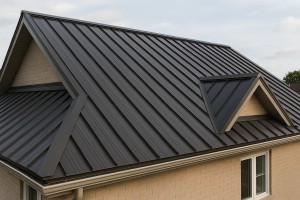
Metal roofs (standing seam or metal shingles) are a standout option for Kansas, especially in high-wind and hail zones. They offer excellent durability, long service life, and strong hail resistance when properly installed. They're also highly reflective, which can reduce cooling loads in hot summers.
- Pros:
- Very durable, excellent hail and wind performance
- Long lifespan (40–70+ years) and low maintenance
- Lightweight and can be installed over existing decks in many cases
- Cons:
- Higher upfront cost
- Potential for denting with severe hail on some profiles; proper panel design minimizes this
- Noise can be a concern without adequate attic insulation and decking
- What to choose:
- Standing-seam or concealed-fastener systems for better wind performance
- PVDF/Kynar finishes for color longevity and chalking resistance
- Proper underlayment and attic ventilation to maximize efficiency and comfort
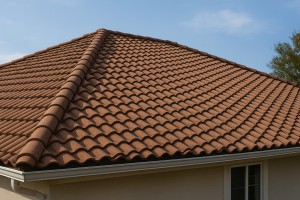
Clay and concrete tiles have longevity and excellent fire resistance, and they can be appealing in certain Kansas settings. However, they're heavy and can be brittle in hail; wind uplift can be a concern, and the roof structure must be engineered to handle the load.
- Pros:
- Long lifespan and strong fire resistance
- Good thermal mass and curb appeal
- Cons:
- Very heavy; may require structural reinforcement
- Prone to cracking in hail and high wind areas
- Higher installation cost
- When to consider:
- If your roof structure is reinforced and you value longevity and aesthetics, and you're in a region with milder hail exposure
Cedar Shakes and Wood Shingles
Wood products offer a unique look but require more maintenance and are less forgiving in Kansas' hail and heat. They're more susceptible to fire concerns and weathering, and longer-term maintenance costs can add up.
- Notes:
- Not typically recommended as the default Kansas choice
- If used, require proper treatment, higher maintenance, and careful hail risk assessment
Flat or Low-Slope Options (Garages, Extensions)
For flat or low-slope sections, consider EPDM, TPO, or built-up roofing systems. These can handle hail with proper detailing but require careful seam work and UV protection. White or reflective coatings can help reduce cooling loads.
- Pros:
- Effective for non-hipped sections or additions
- Good wind and hail performance when properly installed
- Cons:
- Different maintenance profile than shingles or metal
- Seams and flashing require attentive workmanship
How to choose for Kansas (Steps)
1. Assess climate specifics for your county (hail history, average wind speeds, temperature range).
2. Check local building codes and warranty requirements, plus any potential insurer discounts for impact-resistant or wind-rated products.
3. Evaluate roof structure: weight, deck condition, and ventilation; ensure underlayment and insulation are up to the task.
4. Compare life expectancy, maintenance needs, and total cost of ownership (installation + replacement costs).
5. Hire a Kansas-licensed roofer with local experience, solid references, and warranties that cover both materials and workmanship.
Popular Roof Styles & Architectural Trends in Kansas
Common Roof Styles You'll See in Kansas
- Gable roofs: The classic Kansas look—simple, cost-effective, and easy to repair. Great for shedding rain and snow, but can take more wind uplift in extreme storms.
- Hip roofs: A solid choice for strong Kansas winds and tornado-prone areas. They distribute uplift around the perimeter, offering better wind resistance.
- Dutch gable and Dutch hip: A stylish blend that adds character while maintaining good drainage and wind performance.
- Flat or low-slope roofs: Popular for modern homes, garages, and outbuildings. Require precise drainage and quality underlayment to handle rain and snow melt.
- Shed roofs: Modern, space-efficient additions or standalone structures. Work well with solar or rain capture, but flashing and edge details matter in windy conditions.
Materials Trending in Kansas
- Asphalt shingles (architectural/laminate): The workhorse for Kansas homes. Look for impact-resistance (Class 3–4) to handle hail and temperature swings.
- Metal roofing: Standing-seam or metal shingles. Excellent hail resistance, long life, and energy savings; a popular upgrade on new builds and storm-damaged homes.
- Clay/Concrete tiles: Less common due to weight and cost, but used in specific neighborhoods or for a distinctive look. Needs structural verification and proper attic ventilation.
- Stone-coated steel and other composites: Provide durable, hail-friendly options with varied aesthetics.
- Ice and wind considerations: In northern and western Kansas, choose materials with good wind uplift ratings and strong sealant systems to minimize leaks.
Architectural Trends by Neighborhood
- Ranch-style homes: Wide footprints, low-to-mid pitch roofs, and broad eaves. Easy to retrofit with modern insulation and ventilation.
- Craftsman bungalows: Characterized by generous eaves, exposed rafter tails, and moderate slopes. Pairs well with mixed materials like brick, wood, and stone.
- Farmhouse and modern farmhouse: Gable or low-slope roofs with practical lines, metal accents, and durable materials chosen for weather resilience.
- Contemporary and urban: Standing-seam metal, flat sections, or mixed rooflines that emphasize solar-readiness and energy efficiency.
- Historic districts: Sometimes preserve steeper pitches or decorative details; structure and materials should align with local guidelines while maintaining performance.
Climate-Specific Considerations for Kansas Roofs
- Wind uplift and tornado resilience: Choose shapes with favorable wind performance (hip or reinforced gables) and strong fasteners, plus quality flashing.
- Hail resistance: In hail-prone areas, opt for impact-rated shingles (Class 3–4) or metal roofing; inspect after storms for damage.
- Temperature swings: Expand/contract cycles affect sealants and shingles; ensure proper attic insulation and ventilation to minimize ice dams and condensation.
- Snow and rain management: Adequate slope, reliable drainage, and well-sealed joints prevent water intrusion during thaws and freezes.
Practical Tips for Kansas Homeowners
- Post-storm checks: After hail or high winds, inspect for dented shingles, lifted edges, or granule loss; address promptly to prevent leaks.
- Ventilation and insulation: Ensure the attic is vented and insulated to reduce heat buildup in summer and ice dam risk in winter.
- Solar readiness: If you're considering solar, plan for roof orientation and shading; metal or light-colored shingles can improve efficiency.
- Gutter and drainage care: Keep gutters clear and ensure downspouts direct water away from the foundation; add gutter guards where feasible.
Maintenance & Longevity
- Maintenance routine: 1) Inspect shingles for curling or missing granules; 2) Check flashing around chimneys, skylights, and vents; 3) Clear gutters; 4) Look for moss or algae in damp areas; 5) Examine roof edges after storms.
- Inspection cadence: Twice a year (spring and fall) and after severe weather.
- Replacement signals: Widespread curling, significant granule loss, recurring leaks, or persistent shingle movement indicate replacement may be more cost-effective than repeated repairs.
Average Roofing Costs in Kansas
Material costs (installed)
- Asphalt shingles (standard 3-tab): roughly $3.75–$5.50 per sq ft installed.
- Asphalt shingles (architectural/top-tier): roughly $4.75–$7.50 per sq ft installed.
- Impact-resistant Class 4 asphalt shingles: add about $0.25–$0.60 per sq ft for the upgrade.
- Metal roofing (steel or aluminum): roughly $7–$12 per sq ft installed; high-end coatings or premium metals can push to $12–$15 per sq ft.
- Concrete tile: roughly $9–$12 per sq ft installed; heavier installs may require structural adjustments.
- Clay tile: roughly $12–$18 per sq ft installed; very durable but heavier and often costlier to install.
- Cedar shingles/shakes: roughly $6–$9 per sq ft installed.
- Flat or membrane roof (EPDM, TPO) for low-slope sections: roughly $4–$8 per sq ft installed.
Notes
- Prices assume standard roof with typical pitches and no major structural changes.
- A tear-off or disposal of old material adds $1–$2 per sq ft, plus possible disposal fees in some regions.
- Upgrades (better underlayment, upgraded flashing, attic ventilation improvements) can add to the base price.
How Kansas climate and hail affect pricing
- Hail-prone areas (Kansas City metro, Wichita corridor) push costs up due to more frequent inspections, higher likelihood of material upgrades (Class 4 shingles, impact-resistant metal), and extra workmanship considerations.
- Severe temperature swings (hot summers, cold winters) increase the need for proper underlayment and ventilation, which can raise labor time and materials.
- Local code requirements and HOA rules (if applicable) may require specific materials or set-backs, affecting overall cost.
Roof style, pitch, and architecture in Kansas
- Ranch-style and brick homes with shingles: typical ranges listed above.
- Steeper pitches (2:12 to 8:12 or higher) require more labor and safety measures, often adding 10–25% to the base cost.
- Complex or multi-angled roofs, numerous dormers, or intricate fascia lines increase labor and material waste, boosting total price.
- Some Kansas homes have chimneys, skylights, or vents that add flashings and detailing work.
Regional cost ranges you can expect
- Small to mid-sized, simple asphalt roofs (1,200–1,800 sq ft): roughly $5,000–$11,000.
- Average suburban home (1,800–2,400 sq ft) with architectural shingles: roughly $9,000–$16,000.
- Larger homes or upgrades (2,500–3,500 sq ft) with metal or tile: roughly $18,000–$40,000.
- Note: numbers vary by city, contractor, and project specifics. Always get multiple written estimates to compare scope and materials.
Quick start cost estimation steps
1) Determine roof area in squares (1 square = 100 sq ft). Most homes fall between 15–40 squares, but verify your numbers.
2) Pick a material category (e.g., architectural asphalt, metal, tile).
3) Add tear-off and disposal for old roofing; factor in debris removal charges.
4) Consider upgrades: underlayment, ventilation, flashing enhancements, and hail-resistant features.
5) Factor roof complexity: steep pitches, dormers, multiple ridges, or skylights raise labor time and cost.
6) Get at least 3 local bids that break out materials, labor, tear-off, and permit/disposal fees, and compare warranty terms.
Permits & Local Regulations
Do I need a permit for a roof in Kansas?
- In Kansas, most roof replacements require a building permit from your city or county. Some smaller towns may have different rules, but plan on obtaining a permit before work begins. Even changes that involve underlayment, flashing, or venting can trigger permit requirements in many jurisdictions.
Where to apply
- Your first stop is the local building department—typically at city hall or the county office that handles building permits.
- Many jurisdictions now offer online permit portals to file applications, upload plans, and pay fees.
- If you're in a larger city (e.g., Wichita, Topeka, Kansas City metro), check the city's planning or building division website for permit steps and required forms.
What you'll typically need to apply
1) Property address, parcel or legal description of the property.
2) A clear description of the work: roof type, materials, underlayment, ventilation, and any structural changes (new decking, skylights, dormers).
3) Contractor information: licensed/registered business, proof of liability insurance, and workers' comp coverage where applicable.
4) Plans or drawings if required: some jurisdictions want a simple sketch or a more formal set of diagrams showing deck replacement, nailing pattern, and attic vent locations.
5) Estimated project value and fee estimate; payment at the time of application.
6) Ownership verification: proof you own the home or authorization if you're handling the permit for the owner.
Contractor licensing and eligibility
- Kansas does not have a universal state roofing license. However, many cities require a contractor registration or business license, and proof of insurance.
- Work with licensed or properly registered contractors to protect you from liability and ensure code compliance.
- If your city requires a licensed contractor for roofing, the permit may be invalid if the contractor isn't properly registered.
Inspections
- Typical inspection milestones:
- After removal of existing roofing and installation of underlayment (if applicable).
- After installation of flashing, vents, and final shingle or metal installation.
- Final inspection to verify compliance with local codes and permit scope.
- Schedule these inspections as you progress; most jurisdictions require notification or online scheduling.
Special considerations in Kansas
- Wind resistance and roof assemblies: Ensure chosen materials and install methods meet local wind requirements for your area, especially in plains regions prone to storms.
- Historic districts or local overlays: If the home is in a historic district or subject to a local design review, additional approvals may be needed.
- HOAs and covenants: Some neighborhoods have rules about materials, colors, and rooflines; obtain HOA approvals if required before permit submission.
- Floodplain or drainage concerns: In flood-prone zones, inspections may cover drainage and runoff to prevent damage to neighboring properties.
Expiration and extensions
- Permits typically require that work begin by a certain date after issuance, and many jurisdictions allow extensions if work is delayed.
- If work stalls beyond the allowed timeframe, you may need to renew or reapply for the permit.
Common Roofing Problems in Kansas & Solutions
Hail Damage & Shingle Wear
Kansas springs bring hail season, and you can see the effects on asphalt shingles long after the storm. Look for dented shingles, bruising, granule loss, curling edges, and damaged ridge caps. Deterioration can speed up leaks and age the roof prematurely.
What to do:
- Inspect from the ground after a storm, but don't climb on a damaged roof. Note any obvious damage.
- Document with clear photos (shingle bundles, gutters, vents, and the ridge line).
- Schedule a professional roof inspection to assess hidden damage and potential moisture intrusion.
- If damage is confirmed, file an insurance claim promptly. Save receipts and photos.
- Consider upgrades: impact-resistant shingles (Class 4) can reduce future hail risk and may qualify for discounts.
Wind Damage & Uplift
Kansas winds can lift shingles, loosen flashing, and bend vents or pipes. You may notice missing tabs, lifted edges, or shingle granules blown into gutters. Damaged flashing around chimneys and vents is a common leak point after strong gusts.
What to do:
- Do a ground-level check for loose shingles and flashing edges; avoid stepping on a damaged roof.
- Replace missing or cracked shingles and re-nail loose ones with the correct fasteners.
- Re-seal or re-flash around chimneys, vents, skylights, and dormers to stop water intrusion.
- Have a roofer verify the numerous fasteners and ensure proper nailing patterns for wind resistance.
- Consider wind-rated shingles or upgraded underlayment if your area faces frequent strong winds.
Ice Dams, Ventilation & Insulation
Winter freeze-thaw cycles can create ice dams that back your roof water into the attic and ceilings. Inadequate attic insulation or poor ventilation makes this problem worse, especially on sun-exposed or poorly vented roofs.
What to do:
- Check attic insulation; aim for a continuous layer without gaps. Ensure the R-value meets Kansas climate recommendations.
- Seal air leaks between the living space and attic to stop warm, moist air from melting snow on the roof.
- Improve soffit and ridge ventilation so warm air doesn't stagnate at the top of the attic.
- Clear roof snow carefully with a plastic scoop (not metal) to prevent dam formation during storms.
- If ice dams persist, consult a roofer about heat cables or professional dam removal; avoid DIY solutions that can damage the shingles.
Aging Shingles & Wear
Shingle aging is accelerated by UV exposure, temperature swings, and heavy rainfall. Signs include curling edges, excessive granule loss in gutters, and darker, worn patches. A roof may reach the end of its life in 15–25 years depending on material and climate.
What to do:
- Schedule regular roof inspections, especially after severe weather.
- If multiple areas show wear, plan a timely replacement rather than patching many spots.
- When replacing, consider architectural or impact-rated shingles for longer life and better wind resistance.
- Maintain proper attic ventilation and an intact underlayment to extend the new roof's life.
Flashing, Vents & Leak Points
Flashing around chimneys, vents, skylights, and wall penetrations is a top source of leaks. In Kansas, temperature swings and moisture stress can cause flashing to pull away or corrode.
What to do:
- Have flashing inspected during every major roof check.
- Replace corroded or cracked flashing with corrosion-resistant metal and sealant.
- Reseal or re-flash around pipe collars and chimneys with manufacturer-approved materials.
- Ensure sealant joints are clean, dry, and free of prior failed coatings before resealing.
Gutter, Drainage & Debris
Storm debris and clogged gutters can back up water, causing fascia damage and roof leaks at eaves. Poor drainage can also lead to moss growth in shaded areas.
What to do:
- Clean gutters and downspouts at least twice a year and after heavy storms.
- Ensure downspouts discharge at least 4–6 feet from the foundation and away from walkways.
- Install guards or screens to reduce debris buildup, and verify proper slope to promote drainage.
- Check for loose hangers or detached sections and re-secure or replace as needed.
Attic Condensation & Water Intrusion
Inadequate ventilation and insulation can cause condensation in the attic, leading to moisture staining on ceilings and potential mold growth.
What to do:
- Inspect attic vents, baffles, and soffits to ensure unobstructed airflow.
- Seal interior air leaks between living spaces and the attic.
- Add insulation where gaps are found to meet recommended Kansas standards.
- Address any signs of moisture promptly with a professional assessment to prevent long-term damage.
Maintenance & Repair Tips for Kansas
Kansas weather swings—from hot summers to icy winters, with frequent hail and strong winds—make proactive roof care essential.
Seasonal maintenance plan
- Spring: inspect for winter damage, clean debris from shingles and valleys, and clear gutters and downspouts. Look for loose granules, lifted shingles, or flashing gaps after storms.
- Summer: trim trees away from the roof, check for sun damage on exposed edges, and ensure attic vents are clear for good airflow.
- Fall: clean gutters again, remove leaves and twigs, recheck flashing around chimneys and vents, and reseal any visible gaps before winter.
- Winter: monitor for ice dams in valleys and along eaves, keep a path clear for emergency venting, and avoid walking on the roof during ice or heavy snow.
Common Kansas roof problems
- Hail damage and wind uplift: pocked shingles, granule loss, or punctures can sneak up after a severe storm.
- Faulty flashing and vent boots: high winds can loosen metal flashing around chimneys, skylights, and vents.
- Clogged gutters and downspouts: blocked drainage leads to standing water and ice buildup in cold snaps.
- Ice dam risk (seasonal): melting snow refreezing at eaves can force water under shingles.
- Attic ventilation issues: poor airflow increases heat and moisture, accelerating shingle wear.
Proactive maintenance tasks
- Gutter care: remove debris, flush with water, and ensure downspouts drain at least 5–6 feet from the foundation.
- Roof surface checks: after heavy storms, look for lifted shingles, bare granules, or exposed felt.
- Flashing and boot inspections: run a quick visual along chimneys, skylights, and vent pipes; press gently to confirm secure seating.
- Ventilation health: confirm soffit, ridge, or gable vents aren't blocked by insulation or debris.
- Tree management: keep branches at least 10 feet away from the roof to minimize hail impact and debris buildup.
- Sealant touch-ups: reseal any exposed nails or fasteners with compatible roof sealant or asphalt cement in dry conditions.
Quick repair steps for minor leaks
1. Pinpoint the approximate source of the leak from above or inside the attic.
2. Clear debris around the area and protect the area with a tarp if rain is imminent.
3. Clean the area around the leak and apply roofing cement or sealant under the flap of a loose shingle.
4. If a shingle is creased or lifted, re-lay or replace it with a matching shingle; secure with roofing nails, then seal the nail heads.
5. For small flashing gaps, apply a bead of sealant along the edge and press the flashing to reseat it.
6. Monitor the area; if water persists, place a temporary patch over the leak from above until a professional can assess.
Materials and durability for Kansas
- Asphalt shingles: choose high-impact or Class 3/4 shingles for better hail resistance in Kansas zones.
- Metal roofing: durable against hail and wind; consider a standing-seam option for long life.
- Underlayment: high-quality synthetic underlayment with a good self-sealing capability helps in freeze-thaw cycles.
- Ice and water shield: install along eaves, valleys, and any low-slope sections to deter water intrusion during melt/refreeze cycles.
- Fasteners: use corrosion-resistant nails or screws designed for roofing, with proper spacing per shingle type.
When to call a pro
- After a severe hailstorm or for widespread shingle loss.
- If flashing around chimneys, skylights, or vents appears lifted or corroded.
- If you notice persistent leaks, interior staining, or multiple roof areas show damage.
- For insurance claims: document damage with photos, list affected areas, and verify coverage.
Safety tips for Kansas roof care
- Always use a sturdy ladder, with a spotter if possible; wear non-slip footwear and eye protection.
- Avoid roof work in high winds, rain, or icy conditions.
- Never crawl or walk on damaged, warped, or very steep roofs without professional fall protection.
When to Repair vs. Replace
Kansas climate at a glance
- Kansas weather wears on roofs: hot summers, freeze–thaw cycles, and frequent hail. Damage can be hidden until leaks show up.
- Repairs are often doable after isolated incidents, but widespread wear or repeated damage screams replacement.
Signs you should repair
- Localized leaks or drips around flashing, vents, or chimneys.
- A handful of damaged shingles or minor flashing gaps.
- Patches that stop leaks for a season or two but don't address the root cause.
- Damaged sealant around flashing or vents that's intact elsewhere.
- Small areas of sagging decking are absent or limited to a tiny section.
Signs you should replace
- Extensive shingle damage: curling, cupping, or widespread missing granules across most of the roof.
- Multiple leaks or recurrent leaks after temporary fixes, especially after storms.
- Soft or rotted decking revealed during inspection.
- Sagging sections or structural concerns that require framing work.
- A roof nearing the end of its expected life span (see material lifespans below) and showing age-related wear.
- Poor ventilation or insulation issues that would require major work to fix with a repair alone.
Rough lifespans by common Kansas materials
- Asphalt shingles: typically 15–25 years in this climate.
- Metal roofs: generally 40–70 years, depending on coating and installation.
- Clay/concrete tiles: often 25–50 years, with durability in hail-prone areas if properly supported.
- Composite/synthetic options: 30–50 years, varying by product.
A practical decision guide (step-by-step)
1) Assess age and damage: If your roof is older than the typical lifespan for its material or has widespread damage, replacement is more likely to pay off long-term.
2) Do a damage inventory: Count the number of damaged areas. If more than a third of the roof shows significant issues, replacement often wins out.
3) Get a professional assessment: Have a licensed roofer evaluate decking condition, flashing, underlayment, and ventilation. They can reveal hidden costs you can't see from the ground.
4) Compare repair vs. replacement costs: If a repair would exceed 20–30% of a full roof replacement, replacement is usually the smarter choice, considering future performance and warranties.
5) Consider insurance and warranties: hail and wind damage may be covered. Older roofs may have limited coverage; check product warranties on materials and workmanship.
6) Weigh long-term benefits: Replacement can improve energy efficiency, curb appeal, and resale value, and it may better withstand Kansas storms.
Kansas-specific considerations
- Hail resistance matters: choosing impact-resistant shingles or metal with proper underlayment can reduce future repair costs.
- Wind uplift: Kansas wind patterns require secure fasteners, proper overhangs, and clean flashing details to prevent future leaks.
- Ventilation and insulation: a well-ventilated attic reduces heat load and prolongs roof life, especially in hot stretches.
- Seasonal timing: aim for installing new roofs in mild seasons to avoid extreme heat or cold, which stresses both workers and materials.
Quick decision snapshot
- If damage is isolated and the roof is relatively young: repair.
- If damage is widespread, decking is compromised, or the roof is near or beyond lifespan: replace.
- If you're unsure, get two bids: one for repair, one for replacement, and factor in warranty differences and energy efficiency gains.
When to Hire a Professional
Signs you need a professional now
- Missing, curling, or buckling shingles, exposed underlayment, or visible flashing damage.
- Water stains on ceilings or in the attic, moldy insulation, or persistent dampness.
- Structural concerns like sagging sections, creased decking, or significant wind damage.
- After a severe Kansas hailstorm, derecho, or heavy wind event—damage may be widespread even if it isn't obvious from the ground.
Kansas weather realities and timing
- Kansas experiences rapid weather swings: hail, high winds, summer heat, and winter freeze-thaw cycles. Repair work in extreme heat or during ongoing storms is risky and can affect material performance.
- The most reliable windows to schedule major roof work are spring and fall when temperatures are milder and precipitation is less likely. If you must work in winter, plan for ice dams, snow load, and limited access.
After a major storm: hail, wind, and insurance
- If you suspect storm damage, contact your insurer first to understand coverage and claim steps, then reach out to a local, licensed contractor to assess the roof.
- Be wary of out-of-area “storm chasers” who descend after storms. Favor locally established companies with a permanent Kansas address, local references, and a proven track record.
- Always insist on a written damage assessment and a detailed, itemized estimate before any work begins.
How to evaluate a Kansas roofing contractor
- Licensing and insurance: Verify the contractor has any required city or county licenses and current general liability insurance. If workers are employed, confirm workers' compensation coverage.
- Local references: Ask for recent Kansas projects (preferably in your city or nearby) and contact those clients about timeliness, quality, and cleanup.
- Manufacturer credentials: Look for certifications from shingle and underlayment manufacturers (for example, certain programs tied to Owens Corning, GAF, CertainTeed, etc.) that reflect proper installation techniques.
- Warranties: Ensure both workmanship and materials warranties are clearly defined in writing, including what's covered, by whom, and for how long.
- Clear written proposal: Request a detailed contract with scope of work, materials, product specifications (shingle type, underlayment, flashing), timeline, cleanup, disposal, permit responsibilities, and lien waivers.
- Local presence: Prefer contractors with a physical Kansas address, local phone number, and a cancellation-friendly plan if issues arise.
Step-by-step: the hiring process (numbers)
1) Gather at least 3 local referrals from neighbors, HOA notices, or insurer recommendations.
2) Check licensing and insurance through the contractor and your city/county if required.
3) Request written bids from 3 contractors and compare material specs, warranties, and timelines.
4) Call at least 2-3 references and, if possible, visit a nearby completed job.
5) Review the contract carefully for permits, project timeline, payment schedule, cleanup, and warranties.
6) Confirm who will obtain the necessary permits and how inspections will be handled.
What to expect during a pro inspection
- A thorough assessment includes shingles, flashing around chimneys and vents, underlayment, attic ventilation, decking condition, and potential ice dam or moisture issues.
- Expect diagnostic photos and a written report with a recommended plan, estimated costs, and an installation timeline.
- The inspector should explain any photography or tests used to determine damage and the rationale behind recommended repairs or replacement.
Permits, warranties, and Kansas specifics
- Many Kansas municipalities require building permits for roof replacement; confirm who files for and obtains the permit and how inspections will align with city codes.
- Manufacturer warranties often require professional installation and adherence to installation guidelines—ask for documentation showing compliance.
- Discuss wind-rated shingles appropriate for Kansas wind zones and snow load considerations to ensure the selected system meets local requirements.
Red flags and questions to ask
- High-pressure sales tactics, requests for large upfront deposits, or “cash-only” arrangements.
- Lack of a local business address, incomplete licenses, or vague contracts.
- Questions to ask: license number and state/city, proof of insurance, expected project length, cleanup and disposal plan, who will supervise crews, and whether subcontractors will be used.
Putting A Lid On It: Roof Maintenance, Repair, and Replacement in Kansas
Kansas's climate is a roof's long test. Hot, dry days can bake shingles, while freezing snaps and spring storms push materials to expand and contract. Hail and strong winds add another layer of stress, often leaving damage that isn't obvious from the ground. Regular maintenance helps you spot problems early, protect insulation, and keep leaks at bay so your home stays comfortable year-round.
A practical maintenance plan treats your roof as part of an entire system: shingles, flashing, gutters, attic insulation, and ventilation all work together to shed water and resist weather. A simple, seasonal routine plus timely professional checks after major storms goes a long way toward a durable, good-looking roof that lasts.
Seasonal maintenance at a glance
- Spring: Do a visual check after winter and any hail events. Look for cracked or missing shingles, lifted edges, and granule buildup in gutters. Clear debris from gutters and downspouts; ensure exterior flashings around chimneys and vents are intact.
- Summer: Keep trees trimmed away from the roof to prevent branches damaging shingles. Clean gutters and leaders regularly; inspect flashing around vents and skylights for any signs of wear or loosening.
- Fall: Prepare for winter by deeper gutter cleaning, resealing penetrations, and ensuring proper attic insulation and ventilation. Check for ice dam risk in high-precipitation periods and make sure attic moisture is under control.
- Winter: Be cautious on icy days; avoid climbing a slick roof. Monitor for ice dams and leaks from thaw cycles. If you suspect damage, a professional assessment is safer than a DIY cam result.
Common Kansas roof issues
- Hail and wind damage: Bruising, granule loss, and edge lifting can occur even if leaks aren't obvious. Schedule a pro inspection after severe hail or wind events.
- Flashing and penetrations: Vents, chimneys, and skylights are high-risk spots for leaks if flashing corrodes or seals fail.
- Attic ventilation and insulation: Poor ventilation can cause condensation and energy loss; proper airflow and insulation help your roof perform year-round.
- Longevity and material wear: Asphalt shingles life varies with sun exposure and climate; metal roofs handle wind well but require proper flashing and sealants.
Repair vs. replacement: quick guide
- Consider repair if damage is localized (a few shingles, isolated flashing) and the overall roof age is reasonable.
- Replacement becomes more sensible if there's widespread shingle deterioration, widespread leaks, persistent structural sag, or underlayment/roof deck concerns.
Hiring a Kansas pro
- Verify license and insurance, ask for local references, and request a written estimate and warranty details.
- Look for recent local projects, manufacturer certifications, and a clear scope of work.
- Choose a contractor who emphasizes proper ventilation, weather-rated installation, and compliance with Kansas codes.
A community note
You're part of a resilient Kansas roofing community. With thoughtful maintenance, you can protect your home, support neighbors in shared storm recovery, and enjoy a roof that looks good and performs well for many seasons to come. Here's to keeping your home dry, comfortable, and proudly yours for years ahead.
