
Last updated: Apr 19, 2026
Spring in this city arrives with brutal hail storms and high-wind events that hammer steep-slope residential roofs. The pattern is relentless: a major storm period sweeps through, then a scramble of bids, crews, and rapid decisions as homeowners race to repair or replace before the next round hits. Because severe thunderstorms and high winds can both damage roofs and overwhelm contractor schedules, planning your roof work around the spring window is not optional-it's essential. Have a trusted, licensed contractor on standby for inspections, and keep a short, clearly defined scope ready to go after a storm. The goal is to strike while the damage is fresh, yet avoid a rushed job that leaves ventilation, nailing, or underlayment gaps exposed.
In Wichita, the insurance environment is shaped by frequent hail and wind claims, making storm documentation and timing especially important after major spring events. Start a simple damage log the moment you notice telling signs of trouble: missing shingles, granule wash, dented gutters, and dented flashing. Take dated photos from multiple angles, including close-ups of hail impact on roofing metals and vent openings. If an adjuster visits, keep notes on the visit-what was photographed, what was promised, and any gaps between assessment and recommended work. When a storm hits, delays in filing can complicate coverage decisions, so align your documentation with the insurer's preferred timelines and keep copies of all correspondence. Quick, thorough records can prevent fights over what was or wasn't reported, and they can keep your project moving outside the busiest post-storm weeks.
In Wichita, full replacements are often timed to avoid both peak summer heat and the most active spring storm window. That means crews target late spring or early fall for complete overhauls, avoiding the brutal heat that saps drilling power and stretches the life of underlayment, as well as the height of storm season when schedules are maxed out. If you're facing a full-replacement decision after a major hail event, push for a plan that pairs a thorough ventilation check with proper nailing for a full roof deck recovery. Contractors should evaluate attic ventilation balance, ridge and soffit intake, and proper nail spacing to meet the city's expectations for a complete re-roof. This isn't about a quick patch; it's about a durable, properly vented roof that stands up to the next spring windstorm and preserves your home's energy efficiency. Stay proactive: align your weather window, coordinate with your adjuster, and secure a timeline that keeps your roofer on track through the peak demand period. If a storm hits mid-spring, have a contingency schedule ready for a fall follow-up cutover so the project isn't left in limbo when the season turns again.
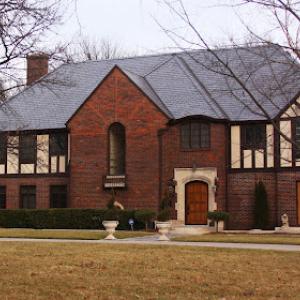
Rhoden Roofing
(316) 925-7956 rhodenroofing.com
6601 E Kellogg Dr, Wichita, Kansas
4.9 from 1013 reviews
Rhoden Roofing is a roofing contractor in Wichita, KS that services Sedgwick County, Haysville, Wichita and nearby areas. Our roofing company offers residential roofing, commercial roofing, asphalt shingle roofing, storm damage repair and many more. What make us standout is our affordable financing options plus our insurance claims assistance. We also have industry certifications such as GAF Master Elite, Malarkey Emerald Premium Contractor. If you want to experience how your most trusted Wichita roofing company embrace our motto “We Stand Behind our Work for the Lifetime of your Roof”, call us now for free estimate!
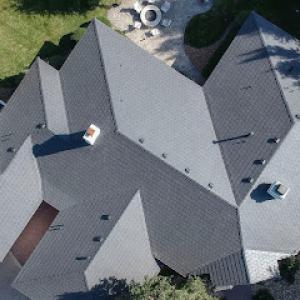
Eaton Roofing & Exteriors
(316) 943-0600 www.eatonroofing.com
3821 W Bounous St, Wichita, Kansas
4.9 from 887 reviews
***If you have storm damage, give us a call*** Eaton Roofing & Exteriors is celebrating 30 years in business and enjoys a reputation as one of Kansas's largest residential re-roofing contractors. Since 1993, we have repaired and installed thousands of roofs across Kansas. Our exteriors business is focused on window, doors, siding & decks. We have offices in Wichita, Topeka, Salina and Hutchinson and are proud to work in numerous communities throughout the state. We are Here For The Life of Your Home. We're fully licensed and insured- State Registration #19-007451.
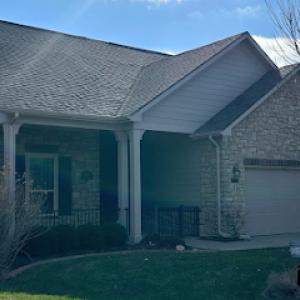
A-R Roofing & Exteriors
4010 W Irving St, Wichita, Kansas
4.9 from 434 reviews
A-R Roofing & Exteriors is Wichita’s trusted, family-owned roofing and exterior team since 1995. We provide residential and commercial roof replacement, new installation, and prompt leak and storm-damage repairs with inspections and insurance assistance. Our exterior pros also install seamless gutters, durable siding, and energy-efficient windows, backed by licensed, insured crews and quality materials. Visit our Wichita office on W. Irving St. or schedule a free estimate online. Proudly serving Greater Wichita and nearby communities with honest pricing, clear communication, and craftsmanship that lasts. Call today to get started.
Farha Roofing
(316) 831-7510 farharoofing.com
620 N Edgemoor St, Wichita, Kansas
4.9 from 518 reviews
Farha Roofing is your expert residential and commercial roofing contractor serving Wichita and surrounding communities. Our local Wichita roofing contractors concentrate on high-quality work with affordable pricing. Rest assured that our Wichita roofers will complete all your roofing projects on time and with professional-level craftsmanship. We are licensed and registered to help you handle any storm damage or other insurance-related claims. Our focus is to build a lasting relationship with our customers and provide a seamless experience when looking for Wichita roofers. Wichita, KS is where Farha's award-winning roofing services began and we are still providing excellent customer service, and top-notch craftsmanship over a decade later.
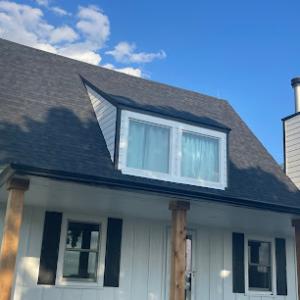
Keeter Roofing & Remodeling
(316) 201-4098 keeterroofingremodeling.com
4094 N Hoover Rd, Wichita, Kansas
4.9 from 241 reviews
Keeter Roofing & Remodeling is a locally owned roofing company located in Wichita, Kansas. With more than 20 years of industry experience, we’re a licensed roofing contractor and affiliated with the Better Business Bureau. In addition to roof inspections, replacement, installation and repair, we provide exterior home services including siding installation, gutter installation and repair, and screened in decks. We offer free roof inspections and estimates.
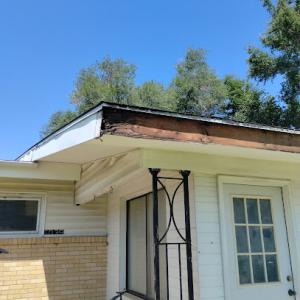
Dolphin Roofing & Remodeling
(316) 210-9543 www.dolphinroofs.com
10300 W Central Ave, Wichita, Kansas
5.0 from 76 reviews
Dolphin Construction & Remodeling is your go-to roofing contractor in Wichita, KS, specializing in Roof Repair, Roof Replacement, and New Roof Installation. Located at 10300 W Central Ave, our expert team offers top-tier Residential Roofing and Asphalt Roofing solutions tailored to withstand Kansas weather. We provide comprehensive Roofing Services, including thorough Roof Inspections, Storm Damage Roof Repair, and quick Emergency Roof Repair. Trust us for precise Roofing Estimates and seamless project execution. Our commitment to quality and customer satisfaction sets us apart, making us the trusted choice for all your roofing needs. Contact us today for exceptional service!
Shamrock Roofing & Construction Wichita
(316) 600-0480 shamrockroofer.com
1617 S Laura Ave, Wichita, Kansas
5.0 from 64 reviews
We’ve been in business since 1977, bringing nearly 50 years of roofing experience to homeowners and businesses across Wichita. We specialize in roof replacement, roof repairs, and storm damage restoration caused by hail and wind—backed by proven processes and long-term accountability that short-lived contractors can’t match. Our team provides free roof inspections, clear estimates, and hands-on insurance claim support to make the process simple and stress-free. Fully licensed, bonded, and insured, we deliver quality craftsmanship, strong warranties, and reliable service from start to finish.
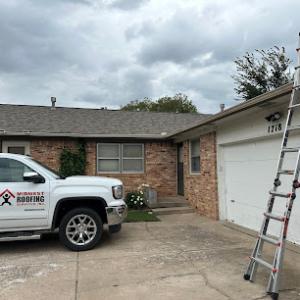
Midwest Roofing Services
(316) 368-3883 www.midwestroofingservices.com
2209 W Harry St, Wichita, Kansas
4.9 from 178 reviews
Midwest Roofing Services, Inc. is a family-owned roofing contractor based in Wichita, Kansas, serving the community since 1955. We provide reliable roof replacement services for both residential and commercial properties, including roof replacement Wichita. Our skilled team installs a variety of roofing systems, such as PVC, TPO, EPDM, Modified Bitumen, and Built-Up Roofing (BUR). Additionally, we offer gutter installation and repair services. We also handle hail damage and storm repairs, ensuring your property stays safe and protected. Trust Midwest Roofing Services,Inc. for all your roofing needs—contact us today to learn more about our affordable and efficient solutions!
Roofing Freund
(316) 655-0563 roofingfreund.com
Wichita, Kansas
5.0 from 61 reviews
Roofing Freund is your friend in roofing. Providing an exceptional experience from start to finish - specializing in roof replacement and repair. Free consultations.
Better Solutions Roofing & Construction
(316) 531-9087 bettersolutionsconstruction.org
Wichita, Kansas
5.0 from 90 reviews
Better Solutions Construction is a trusted name in residential and commercial exterior construction, proudly serving the community with over 20 years of hands-on experience. We specialize in roofing, siding, concrete, and fencing, with a strong focus on quality craftsmanship and long-lasting results. Whether you're in need of a full roof replacement, precise siding installation, durable concrete work, or a custom cedar fence, our team is committed to delivering solutions that are built to last. Every project is approached with care, professionalism, and a dedication to doing the job right the first time.

Monarch Roofing & Construction
(316) 223-3575 monarchroofingks.com
200 N Broadway Ave 6th Floor suite 611, Wichita, Kansas
5.0 from 51 reviews
Monarch Roofing and Construction, based in Wichita, KS, stands out as a beacon of reliability and quality in the roofing and general construction industry. Renowned for their unwavering commitment to attentiveness to detail, Monarch ensures that every project is executed with precision and care. The company takes pride in fostering trust among clients, building lasting relationships through transparent communication and delivering on promises. Monarch’s strong work ethic is the backbone of their success, with a dedicated team that goes above and beyond to meet and exceed customer expectations. For roofing and construction needs in Wichita, Monarch is the trusted partner for excellence.
1st Priority Roofing - Wichita
(316) 448-5768 1stpriorityroofing.com
515 N Ridge Rd Suite 100, Wichita, Kansas
4.9 from 74 reviews
“Improving Lives” is a motto we live by at 1st Priority Roofing. Providing lifetime value and comprehensive warranty coverage for your roofing gives peace of mind to you and knowledge of a job well done to us. Improving Lives and serving people with Excellent Roofing Service 1st Priority Roofing offers quality roofing craftsmanship. Award-winning and distinguished as one of GAF Master Elite Roofing Companies, we make you our first priority! We guide you through the entire process from color and material selection, to ordering, scheduling, and installing your roof. And we don’t stop there. We use quality products and guarantee our workmanship, so you can have full confidence in your new roof!
When a big hail season hits, carriers in this market often expect photo documentation of roof conditions before and after storms. In practice, that means you may be asked to provide clear, dated pictures that show shingles, flashing, vents, and any visible damage from multiple angles. Local claim reviewers tend to connect the dots between dented or punctured shingles, lifted granules, and possible leaks down the line. If a roof shows age-related wear in addition to storm impact, expect the adjuster to separate the two and focus attention on whether storm-related damage is likely the primary cause. This is not a theoretical exercise; the reviewer will scrutinize whether the evidence supports a direct link to the hail and wind event or if deterioration from years of exposure is the bigger factor. The result can influence what part of the roof the insurer will cover and how much protection sits behind deductibles and policy limits. The practical takeaway is to approach the process with organized, time-stamped documentation and a clear narrative of storm timing and severity, especially after successive hail episodes.
In this market, a strong photo and report package can be the difference between a smooth claim and a drawn-out process. Start with wide shots of the whole roof to establish the general condition, then move to close-ups of hail hit patterns, edge damage, and flashing around chimneys or skylights. Keep a dated record of every storm event and note any observed leaks inside the home, even if they seem intermittent. If a leak shows up after a rain, take interior photos of the affected ceiling and attic insulation, and capture attic ventilation and ridge vent areas. Insurers will look closely at whether leaks correspond to specific storm impacts or seem to arise from age-related deterioration or prior, untreated damage. For best reliability, coordinate with a contractor or roofer to provide an independent assessment that explicitly separates storm damage from wear. In Wichita, where spring events are a recurring theme, a well-timed assessment immediately after a hail event helps anchor the claim in a concrete, storm-related context rather than speculation.
Some insurers serving Wichita have tightened wind and hail coverage in recent years, increasing the importance of checking deductibles, exclusions, and roof-age rules before filing. This means you should understand exactly what your policy says about hail damage and wind-driven impacts, as well as how age or prior repairs could affect coverage decisions. It is not unusual for insurers to request recurring documentation if hail events occur in consecutive seasons, so establish a routine for ongoing photo logs and notes on any new issues that arise after each storm. If a dispute arises, base your position on the alignment between the storm timeline, the observed impact patterns, and the interior signs of water intrusion. In a community with frequent hail and wind, staying organized and proactive with documentation reduces the chances of a drawn-out, frustrating process and increases the likelihood that the claim reflects the storm's true footprint rather than an accumulation of wear.
Connect with contractors who help homeowners navigate the claims process from damage assessment to final approval.
Rhoden Roofing
(316) 925-7956 rhodenroofing.com
6601 E Kellogg Dr, Wichita, Kansas
4.9 from 1013 reviews
Eaton Roofing & Exteriors
(316) 943-0600 www.eatonroofing.com
3821 W Bounous St, Wichita, Kansas
4.9 from 887 reviews
A-R Roofing & Exteriors
4010 W Irving St, Wichita, Kansas
4.9 from 434 reviews
After a severe plains storm, a leaking roof is not a matter of if but when. Fast-moving hail and wind-driven rain can push water through tiny gaps in flashing, shingles, or joints, and a single thunderstorm can turn a minor issue into a gushing leak within minutes. The danger is real because another round of storms can roll in before a permanent fix is in place, so acting fast is essential. Look for fresh water marks on ceilings, dark streaks along interior walls, or damp insulation in attic spaces. If you notice a sag in the ceiling or a musty odor, treat it as an urgent sign of hidden damage behind the visible surface.
In Wichita, emergency roof calls often follow hail, wind-driven rain, and fast-moving severe thunderstorms rather than long-duration coastal storm systems. When a leak is spotted, your first move is to minimize further intrusion. Move occupants and valuables away from affected areas, place a sturdy bucket or container under active drips, and clear the attic or crawl space of loose debris that could fall or shift in wind gusts. Temporarily tarping or covering exposed areas with thick plastic sheeting can buy time, but use caution to avoid creating a wind-catching sail that may tear off the covering. Secure the edges with weight like roof nails, bricks, or heavy boards so wind doesn't lift it again. Do not climb onto a wet or brittle roof during a thunderstorm window; wait for clear, dry conditions if possible, but never ignore active water intrusion.
Wind damage in this area often starts small-loose flashing, lifted shingles, or displaced nails-that seem benign until a thunderstorm re-enters the forecast. Flashing around chimneys, vents, and valleys is a common weak spot. If flashing looks peeled back or shingle tabs are torn, water can track along the underlayment and drip from unexpected interiors. A seemingly minor tear in a valley or a lifted corner can become a full leak after the next round of rain, especially when the attic is poorly vented or the roof deck has softened from prior moisture.
Document every leak with photos and notes, including the date, time, and weather conditions at the moment a leak was observed. Contact a licensed roofer experienced with local hail and wind impacts to evaluate the roof's integrity as soon as practical. If you must delay a permanent repair, prioritize sealing off the most active leak points and replacing or reinforcing damaged flashing to reduce interior damage. Keep utility rooms and electrical panels dry and avoid running heavy repairs during a storm window. Once the weather clears, schedule a thorough evaluation of the entire roof, interior attic ventilation, and the overall roof-to-wall interface to prevent recurring interior leaks during the next thunderstorm.
When you can't wait, these contractors offer fast response times to stop leaks and prevent further damage.
Dolphin Roofing & Remodeling
(316) 210-9543 www.dolphinroofs.com
10300 W Central Ave, Wichita, Kansas
5.0 from 76 reviews
Kihle Roofing & Construction
(316) 202-6859 www.kihleroofing.com
8181 W Kellogg Dr, Wichita, Kansas
4.8 from 101 reviews
Flawless Roofing
(316) 730-0301 flawlessroofingcousa.com
928 S Broadway, Wichita, Kansas
5.0 from 20 reviews
Asphalt remains the dominant choice in this market, but the combination of spring hail, summer heat, and winter cold makes impact resistance and installation quality especially important. When you're evaluating shingles, look for rated Class 3 or higher impact resistance and a stout fire rating. In practice, that means asking your roofer for shingles with higher impact resistance, and checking the installer's experience with Wichita-style hail cycles. Pay attention to wind uplift ratings too, since gusts from spring storms can push edges loose if nailing and underlayment aren't solid. In a typical Wichita home, a quality installation with proper nailing pattern and adequate attic ventilation will help prevent premature blow-offs after hail events. If you're replacing a roof in a hail-prone year, plan for a thorough inspection of soffits and roof edge details to avoid future moisture traps.
Metal is relevant in this market because repeated hail and wind exposure pushes some homeowners to compare durability and insurance implications against standard shingles. Standing-seam or through-fastened panels with a careful sealant strategy tend to resist impact better than many asphalt options, and metal can shed hail more predictably. In practice, prioritize a roof system with concealed fasteners or a robust sealant system at panel seams, plus a high-quality underlayment. The slope and alignment of seam lines matter for long-term performance, especially after severe wind storms. A metal roof can also influence insurance discussions, but compatibility with attic ventilation and proper nailing through solid deck remains non-negotiable here. If you consider metal, include a plan for bleed-through from heat into attic spaces and verify compatibility with existing ventilation strategies.
Tile, wood shake, and synthetic products exist in the Wichita market, but their suitability depends heavily on how they handle hail exposure, freeze-thaw stress, and local structural conditions. Clay and concrete tiles offer durability under hail when installed with reinforced decking and proper underlayment, yet weight and wind-driven damage risk must be weighed against structure and cost. Wood shakes bring a distinctive look but can be vulnerable to hail chips and rapid weathering, requiring careful maintenance and more frequent inspections after storm season. Synthetic shingles can balance impact resistance and weight, but local performance varies by product and install quality. In all cases, ensure the roof deck and ventilation setup match the chosen material's needs, so that air can flow and moisture can exit during Wichita's volatile seasons.
After a major hail event, expect Wichita roof pricing to spike as replacement demand surges and contractor calendars fill fast. Local crews can be booked weeks out, and suppliers trim lead times for materials that fly off the shelves. That means a quick response to hail damage can carry a premium, especially for full re-roofs rather than quick repairs. If your roof is weathered and the insurance clock is ticking, you may face higher quotes just to secure a bid and a reliable crew. Planning ahead during the lull between storms helps keep costs from jumping.
Material choice matters locally because asphalt shingles are common, while metal, tile, wood, and synthetic systems carry wider cost swings tied to specialized labor and repair complexity. Asphalt remains the most economical path, but hail can shorten its lifespan and push you toward a full roof replacement sooner, increasing overall cost. Metal roofing often commands higher upfront pricing, with broader swings if thicker panels or concealed fasteners are used. Tile and wood carry premium labor needs, particularly for steep slopes and detailing, which translates to bigger swings in the final bill. Synthetic options can land in between but still depend on crew familiarity and warranty considerations.
Seasonal timing affects costs because summer heat can slow production and spring storm backlogs can raise scheduling pressure for full replacements. In heat, shingles can become less forgiving to install, equipment runs slower, and warranties on workmanship may be more scrutinized as crews chase deadlines. Spring and early summer backlogs can compress scheduling, causing peak-day pricing and rescheduling costs. If your project stretches across hot weeks, expect longer timelines and potential temperature-related adjustments to installation methods.
When storm season lingers, start with a documented assessment from a reputable roofer and ask for a phased plan that aligns with your insurance window. Compare bids not only on total price but also on material type, expected warranty, and estimated crew days. If your roof is due for replacement, securing a firm schedule early in the spring or late summer can help maintain a steadier price and minimize unexpected uplifts from last-minute demand surges.
Don't let upfront costs delay a critical repair - these contractors offer payment plans to fit your budget.
Rhoden Roofing
(316) 925-7956 rhodenroofing.com
6601 E Kellogg Dr, Wichita, Kansas
4.9 from 1013 reviews
Shamrock Roofing & Construction Wichita
(316) 600-0480 shamrockroofer.com
1617 S Laura Ave, Wichita, Kansas
5.0 from 64 reviews
A full re-roof in Wichita typically requires a permit through the city's Building Permits Division. Before pulling a permit, confirm whether the project needs structural or ventilation updates in addition to replacing the shingles. The permit process helps ensure the work aligns with local wind and hail considerations and that materials meet Wichita's climate expectations.
Wichita projects commonly require scheduled rough-in and final inspections rather than treating roofing as a no-inspection trade. Plan for an initial rough-in check often after decking and underlayment are installed, followed by a final inspection after shingles and finish details are in place. This scheduling helps catch issues early and reduces the risk of rework close to the permit deadline.
Local inspection quirks include verifying proper attic ventilation and code-compliant nailing patterns on re-roof projects. Expect inspectors to confirm that ridge and soffit vents are adequately paired with a balanced air intake and that fastener spacing and nailing patterns meet code for the chosen roofing type. A poorly vented attic or incorrect nailing can trigger permit hold-ups or required corrections.
Coordinate with the contractor to submit roof measurements, product specifications, and ventilation details with the permit application. Schedule rough-in inspection after decking, underlayment, and starter courses are in place, then plan for the final once the field shingle installation is complete and all flashing, vents, and penetrations are sealed. Keep site access clear for the inspector and have a copy of the approved plan on site during each visit.
Spring in Wichita brings the highest disruption risk because hail and wind can both damage roofs and delay active jobs. That means the window to complete a full re-roof often shifts around as storms pop up and insurance adjustments play out. If your shingles show granular loss, dented edges, or lifted tabs after a hail event, start the conversation with a contractor early, so a sequence from tear-off to installation can ride out the busy spring schedule rather than get stuck in a weather delay. Expect crews to pause when sudden hail or high wind returns, and plan for a potential second swing of work once the storms pass and clear access to the attic and ventilation pathways is regained.
Summer heat in Wichita accelerates asphalt aging and can make adhesive performance and crew working conditions more challenging. If a full replacement becomes necessary, you'll notice coating and sealant products working best during cooler mornings or late afternoons, with interior temperatures closely monitored to protect underlayment and decking. A well-sequenced plan anticipates material storage on-site and proper ventilation during the install to manage heat buildup. Proactive communication with the contractor about crew breaks, shade, and drying times helps maintain quality while keeping the schedule on track in peak season.
Winter freeze-thaw cycles and occasional snow load can stress roofing components and complicate replacement scheduling. In colder spells, decking can contract and fastener performance shifts, so a precise installation window matters. If a replacement spans the end of the year, consider the potential for supply delays or temporary weather holds. A thoughtful plan builds in buffer days for cold snaps and ensures that attic ventilation and insulation work are coordinated with the roof install so temperature and humidity conditions don't compromise the new roof's long-term performance.
Beyond weather patterns, look for signs that the roof system is aging beyond repair: widespread curling, repeated felt lift, or persistent leaks despite patching. When those indicators converge with a history of severe spring storms, a planned replacement-timed to minimize exposure to peak wind and hail windows-tends to yield the most reliable outcome. The best approach keeps you ahead of the next inevitable Wichita season, with a durable, well-ventilated roof that supports your home's existing structure.
In this climate, attic airflow isn't just about comfort. City reviewers commonly expect proper ventilation on full re-roofs, and poor airflow can show up as faster shingle wear in heat and condensation during cold swings. Wichita's hot summers and cold winters magnify these issues, turning neglected soffit-to-ridge flow into visible aging, warped decking, and accelerated wear around penetrations.
Hot Kansas days push attic temperatures well above living spaces, baking roof edges and stressing underlayment and shingles. When ventilation falters, heat buildup dries out shingles unevenly, creating micro-cracks and reduced wind resistance. In colder months, moist air condenses on cooler sheathing, inviting mold, wood rot, and potential rust around metal components if there's insufficient exhaust.
If you notice attic insulation packing up near vents, or you see staining and musty odors during fall, those are signals to check airflow paths. Look for blocked soffits, bent baffles, or any signs of vent gaps around penetrations. Even small deficiencies can bleed into the roof system over a single storm season, especially after a hail event or strong winds.
Plan for a balanced venting scheme that includes intake and exhaust paths sized for the roof area. Consider how attic insulation interacts with airflow, ensuring it doesn't seal off vents. If the attic feels uncomfortably warm in July or shows moisture in shoulder seasons, address those gaps before the next heating or cooling cycle begins.
When hail, wind, and rapid temperature swings hit a steep-slope roof, skylights and their surrounding flashing become exposed fault lines. In Wichita claim situations, adjusters may scrutinize flashing and leak points closely after hail and wind events. The outcome is often a leaky skylight before the field shingles visibly fail, so early attention to penetrations matters.
Skylights introduce inherent corners and transitions that weatherblackouts of a storm can exploit. Look for loose or degraded seals around curb mounts, thinning sealant joints, and nails that protrude or back out from vibration. Flashing around the skylight-the metal under the shingles that directs water away-can loosen, pinch, or split where it meets deck or siding. In these conditions, even small gaps become water pathways during the next hail-driven rain.
On Wichita roofs, repeated severe weather makes penetration detailing more important than in markets without frequent hail and wind claims. Ensure step flashing along the skylight integrates smoothly with the adjacent shingles and that the valley of the flashing is not compromised by storm debris. Mechanical nail lines must be clean, with proper spacing and no nail heads exposed to lift during wind gusts. Consider reinforcing with compatible sealant or flashing materials at high-stress corners, but avoid over-application that can trap moisture.
After a hail event, inspect for water staining near skylights and any expedited wear on surrounding shingles. If a leak path forms at a penetration, it often signals a broader issue in the flashing assembly that will worsen with the next storm. Targeted, no-nonsense repairs early in the cycle can prevent larger damage later on.
Find contractors experienced in skylight installation, flashing, and leak repairs to bring natural light into your home.
Keeter Roofing & Remodeling
(316) 201-4098 keeterroofingremodeling.com
4094 N Hoover Rd, Wichita, Kansas
4.9 from 241 reviews
Ashbrook Roofing & Contracting
(316) 402-8470 ashbrookroofs.com
101 S Martinson St, Wichita, Kansas
5.0 from 38 reviews
That Roof Dude
(316) 669-4665 thatroofdudeks.com
5025 E Kellogg Dr, Wichita, Kansas
4.9 from 48 reviews
In Wichita, storm season tests roofs quickly, and homeowners often hire based on fast response after hail and wind events. When a leak appears, a contractor who can be at the door within 24 hours becomes a strong signal of reliability. Quick triage on the roof-patching or sealing, tarping if needed-buys time for temporary containment while the insurance process moves forward.
Cleanup quality matters here because tear-offs and insurance-funded re-roofs create a busy worksite. A contractor that leaves the yard and driveway clear, safely stacks debris, and hauls away torn shingles earns trust. Look for crews that show organized tarping, containment of debris, and clear disposal routes. A neat job site reduces complaints from neighbors and speeds up inspections.
The market blends long-established, locally owned firms with storm-focused operators that swing through after big hail events. Local tenure often signals steadier crews and better warranties, while storm-focused outfits may offer rapid mobilization. Weigh both: consider a contractor's local reputation, responsiveness during non-emergency times, and the ability to coordinate with nearby suppliers to limit delays.
Ask for a nearby office or shop address and a dedicated local phone number. Request references from recent Wichita projects and confirm a physical crew presence rather than a single out-of-town supervisor. Confirm they document communication with the insurer, provide clear timelines, and maintain a daily site log. A contractor who can demonstrate organized weather-related scheduling earns practical credibility.
Trust is built through observable details: punctual site visits, transparent progress updates, and visible cleanup. Insist on a written plan outlining tarp placement, staged debris removal, and a predictable teardown-to-completion schedule. In an active storm market, choosing a contractor who combines local roots with reliable responsiveness will help weather the turnover after the next big hail event.