
Last updated: Apr 19, 2026
Greenville homeowners face a recurring mix of spring thunderstorms, heavy rain, and hail events that can create both obvious shingle loss and less-visible bruising that later turns into leaks. The Delta climate means you should treat any strong storm as a potential trigger for water intrusion. After a storm, walk the roof with care, noting torn or lifted shingles, bruised edges, and granule buildup in gutters. If you see damp spots on ceilings or walls, don't wait for a drip to appear-assume moisture has found a path and act quickly.
Mississippi is a high roofing-claim environment for wind and hail, so Greenville owners benefit from dated photo records before and after storms to support insurer review. Start a storm photo log the moment skies clear: close-up shots of shingles, flashing, and valleys; wide angles that show roof exposure and tree impact; and timestamps on every shot. Keep a simple calendar of storm dates, and store copies of all communications with neighbors, contractors, and the insurance carrier. Clear before/after images reduce back-and-forth and help insurers see where damage originated versus what may have been preexisting wear.
Because severe weather can trigger local surges in roofing demand, claim handling and contractor scheduling often become intertwined after storm periods. Plan for longer wait times if a big front of storms hit the Delta. When calls stockpile, knowledgeable crews will prioritize insureds who have well-documented cases with current contact information and access to the damaged area. If you're shopping for a contractor, verify they can provide a rapid, photo-backed assessment and a transparent scope of work. Avoid anyone pressuring you into unnecessary work or dry-in expeditions-storm season can tempt quick, low-quality fixes that fail once the next round hits.
Coordinate with your insurer for an initial inspection as soon as safely possible. Schedule a licensed roofing professional to perform a thorough roof evaluation and provide a written scope with photos showing each area of concern. Keep a personal rain plan: cover exposed areas only if it's safe and avoid tarp-only fixes that don't address underlying damage. If you must tarp, secure it with timber supports and monitor for wind displacement. Stay organized: compile all receipts, contractor notes, and correspondence, so when a claim is reviewed, the file tells a precise, dated story of the storm's impact.
Greenville's hot, humid summers and frequent rainfall accelerate wear patterns tied to trapped moisture, especially where ventilation or drainage is weak. Shingles and underlayment absorb moisture, then dry slowly, which speeds up granule loss, warping, and edge curling. In homes with shallow roof pitches or crowded eaves, moisture sits longer and creates micro-rot in sheathing. Keep an eye on areas around vents, dormers, and old chimney flashings, where moisture tends to linger after storms. A practical check is to look for dark streaks or soft spots after a heavy rain, and to notice if attic temperatures spike unusually, signaling ventilation gaps.
The city's favored replacement window is typically the drier, milder fall and winter period, when crews can work with fewer rain interruptions than in spring and summer. Planning work for that season helps you avoid repeated wet cycles that can compromise installation quality. If a storm season is looming, stage work in a way that critical components-such as underlayment and flashing-can be completed before the first hard freeze or sustained cold snaps. Scheduling around longer dry spells also reduces exposure of exposed decking to quick back-to-back deluges.
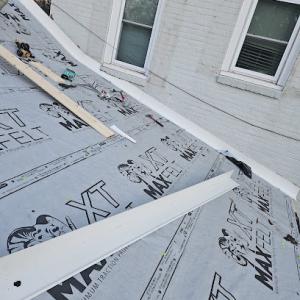
Repeated wetting cycles in the Delta climate make underlayment condition and flashing integrity especially important during replacement planning. Underlayment should lie flat without creases, and flashing should seal cleanly around chimneys, vents, and valleys. In Greenville, where heavy downpours can hit with little warning, pay special attention to valley installations and step flashing along rake edges. If the old roof has uplift-prone metal details or corroded flashing, plan for reinforced metal or high-grade alternatives that resist wind-driven rain. A meticulous inspection of the drip edge and gutter intersections helps prevent water from backing up into fascia and soffits.
Ventilation controls moisture in crawlspaces and attics, which directly affects roof longevity. Ensure soffit vents, ridge vents, and attic baffles are clear, allowing air to circulate freely during humidity peaks. Inadequate ventilation invites condensation that trickles down into the decking, accelerating rot. Check gutter alignment and downspouts for clear paths to discharge water away from walls. Clogged or misdirected drainage creates puddling on the roof plane, inviting membrane wear and ice-dam-like risks during rare cold snaps.
In this climate, material selection matters for long-term resilience. Favor products with robust moisture resistance and reliable flashing details. For steeper sections with strong sun exposure, consider coatings or reflective granules that limit heat buildup, reducing expansion and contraction cycles that can loosen joints over time. On flatter, delta-facing sections, enhanced underlayment and continuous edge protection can be the difference between a roof that breathes and one that traps moisture.
Crossroads Roofing
2858 MS-1, Greenville, Mississippi
5.0 from 24 reviews
At Crossroads Roofing, we pride ourselves on delivering top-notch roofing services to the residents of Greenville, MS, and all of Washington County. Our team of experienced professionals is dedicated to providing high-quality workmanship and exceptional customer service. Whether you need a new roof installation, roof repair, or routine maintenance, we have the expertise to handle all your roofing needs. We also specialize in gutter installation, flashing, flat roofs, and siding, ensuring your home is protected from the elements. Don't wait until it's too late—contact Crossroads Roofing today for a free consultation and let us help you safeguard your home!
Asphalt shingles remain a common Greenville choice because they fit the local price range, but they are vulnerable to wind uplift, hail bruising, and faster aging under prolonged summer heat. For homes here, the key is a sturdy, wind-resilient installation with sealed edges and proper nailing patterns. In a region prone to strong thunderstorm gusts, a ridge vent paired with a good underlayment can help manage moisture that sneaks in during heavy rains. When choosing asphalt, look for a shingle with good impact resistance and a warranty that acknowledges delta conditions, not just general defects. Regular inspections after severe weather are essential to catch lifted tabs or minor leaks before they become wall- or attic-related problems.
Metal roofing is well suited to Greenville's heavy-rain pattern because it sheds water quickly, reducing prolonged surface saturation. In this climate, a metal roof can perform well for decades if details around fasteners, seam placements, and penetrations are engineered with storm exposure in mind. The delta humidity magnifies the need to seal around vents, chimneys, and skylights, so the installation must emphasize corrosion-resistant flashing and proper sealants that hold up to both heat and moisture. An overlooked factor is color and finish: lighter tones reflect heat, and factory coatings should resist chalking in humid air. If hail is a concern, choose a metal system with a recognized impact rating and ensure the contractor uses reinforced backing at vulnerable edges.
Clay and concrete tile can perform well, but require attention to structural support and impact vulnerability, while wood products face added moisture-related maintenance pressure in a humid climate. In delta weather, tile roofs benefit from a robust substructure and careful weight calculations, because the material's heft demands a strong frame. Pay attention to fastener sizing and roof deck condition to prevent tile cracking during hail events. Warranties should address freeze-thaw cycles and repeated soaking from heavy spring storms. For a tile system, ensure drip edge details and valley insulation are up to spec, since moisture tracking behind tiles can erode sheathing if not properly managed.
Wood products offer distinctive curb appeal but require proactive moisture management in this humid climate. Sherpa-like moisture fluctuations-from soaking rains to dry sun in late summer-can cause warping, cupping, and accelerated aging. When selecting wood, look for treated, rated options designed for high-humidity areas, and plan a more frequent maintenance schedule. Regular cleaning of gutters and inspection for splitting edges will help keep the roof performing longer. In storms, wood shingles can be more susceptible to wind uplift, so a precise nailing pattern and edge protection are essential.
Synthetic or composite shingles blend durability with flexibility, often handling both heat and moisture better than traditional asphalt. In this climate, look for products with proven impact resistance and good color stability to resist the delta's sun exposure. Installers should still pay attention to fasteners and flashing, ensuring a continuous seal around penetrations. Composite options can offer extended life with lower maintenance, but assess the product's performance record under prolonged humidity and severe weather sequences common in the Delta.
A full re-roof typically requires a permit through the city or county building department rather than being treated as a no-paperwork job. In this Delta climate, where storms and moisture push the roof to its limits, getting the permit lined up early helps avoid delays that can stall work during a wet season. Before any tear-off begins, confirm with the contractor that the permit is opened and that the project scope matches the approved plan. If the project plan changes-such as shifting from asphalt to a metal roof-double-check that the permit reflects the new materials and any required code updates.
Inspections in this area are commonly staged around three milestones: material delivery or receipt, underlayment application, and final completion. That sequencing matters because contractors often use these visits to verify that the work is proceeding correctly and that moisture controls are in place before the next phase begins. Because inspections occur during the project rather than only at the end, you should anticipate that the schedule will briefly pause during each visit. Have a clear line of communication with the contractor about which party is coordinating each inspection and what documents or access are needed.
Before work starts, confirm who is responsible for scheduling each visit. The contractor should handle the initial permit validation and the inspection requests tied to tear-off and underlayment, but it's wise to verify the timing expectations with both the contractor and the local building department. If a storm impacts the timeline, confirm how extensions are requested and who communicates those changes to the inspector. In practice, a typical sequence runs with the contractor coordinating material delivery and the first inspection, then awaiting a second inspection after underlayment is laid, and finally a last check upon completion. You'll want to have access ready for the inspectors and a clear path for moving through the yard, especially during times of high humidity and potential rain.
Keep tight notes of every inspection date, the inspector's name, and any deficiencies noted. Request written confirmation of each inspection outcome and any required follow-up. If moisture or wind damage is observed during teardown, ask the contractor to flag it immediately so the permit file reflects any needed repairs prior to dry-in. Ensure that the work area stays accessible for inspectors and that the roof deck is ready for the final acceptance. By coordinating permit and inspection timing upfront, you reduce the risk of weather-driven setbacks and keep the project on track for a durable, weather-resilient roof.
When you price a replacement, Greenville material pricing typically runs about $250 to $450 per square for asphalt shingles, $700 to $1100 for metal, $800 to $1600 for clay tile, $750 to $1300 for concrete tile, $600 to $1100 for wood shingles or shakes, and $500 to $900 for synthetic or composite shingles. Those bands cover the common roof types you'll encounter on Delta-area homes, from long-lasting metals on a workshop or workshop-style home to the more common asphalt on mid-century bungalows. In practice, your choice will hinge on slope, existing roof carries, and how the attic breathes during a Mississippi August. If you're replacing a large, steep, or tile-supported roof, expect to land toward the upper end of the range and plan for a tighter margin in the third-party bids you receive.
Storms reshape timing more than you'd expect. After a hail or high-wind event, labor pools tighten and crews can be booked out weeks, not days. That means even if the material price is stable, the total project price can rise a bit as crews chase shorter windows and tighter logistics. On a Delta roof, you'll notice this more during late spring through early summer when the weather pattern shifts into more frequent thunderstorms. If a contractor quotes a start date during a dry spell after a storm, lock it in with a firm timeline and a contingency for minor weather delays that happen when pop-up storms roll through.
Spring rain and summer heat don't just slow the crew; they influence moisture management and ventilation needs during replacement. The risk of moisture intrusion rises if a roof is torn too aggressively in a downpour or if deck-level humidity remains high during installation. Expect some staging costs or protective measures in the bid if the project spans multiple days with high heat or unsettled weather. In practice, preparing for a window of several days with reliable dry conditions helps keep both cost and schedule closer to the initial estimate.
This Delta climate keeps insurers alert to recurring wind and hail events. When a roof is repeatedly stressed by storms, claim scrutiny can tighten and requests for documentation grow heavier. You may encounter closer review of weather records, damage timelines, and the age of your roof, even if the visible damage seems straightforward at first glance. The pattern in Greenville is clear: storm loss history shapes how quickly and how smoothly a file moves toward resolution.
Because insurers may question whether damage is storm-related or age-related, prudent homeowners keep a robust file. Pre-loss roof photos taken on calm days serve as a baseline, and notes on storm dates help anchor the timeline when a claim lands. Contractor inspection summaries that clearly distinguish between current storm damage and existing wear are valuable, as are post-installation records if a roof has been replaced or repaired in recent years. Store these documents in a place you can access quickly after a weather event, not buried in a desk drawer.
In a market with frequent roofing claims, delays can occur not only from the carrier but also from local contractor backlogs after major weather events. Greenville's area crews get booked up fast after a significant hail or wind event, and scheduling may stretch out while crews triage demand. That can extend timelines for inspections, approvals, and repairs. A practical approach is to have ready a short, organized summary of the claim purpose, the storm date, and any independent inspection notes to share with both your insurer and the contractor. Being proactive with documentation helps prevent miscommunication and keeps the process moving, even when the local pace is slowed by weather-driven demand.
Spring in Greenville often brings thunderstorms and heavy rain that can interrupt tear-off schedules and expose homes to weather risk if timing is poor. If a replacement plan hinges on dry stretches, a mid-to-late spring window is ideal only when long, steady dry spells are forecast. Fall behind schedule due to a late storm and spring rains can leave exposed roof decks, increasing the chance of wind-driven damage or moisture intrusion. A practical approach is to target partial tear-off only when forecasting reliability is high, and to build contingencies for sudden downpours that can stall progress.
Summer heat and humidity in this area stress crews and can affect how materials are handled and installed during the hottest periods. Asphalt shingles and synthetic options behave differently when temperatures rise, and nail guns, sealants, and underlayments can be compromised if workers push through peak heat. If a replacement spans several hot days, arrange shaded staging, plan early starts, and have breaks aligned with peak sun to protect both materials and crew. Consider shorter daily goals and a clear sequence to minimize wind exposure of open decking during the hottest hours.
Fall and winter are generally the preferred replacement seasons locally because conditions are drier and milder, though passing fronts can still disrupt work. Scheduling in late summer into early fall can provide a solid window before the busiest holiday season, but beware of late cold fronts that bring wind and sudden rain. Winter work is feasible on milder days with careful staging and temporary weather protection, but heavy fronts can quickly shut projects down. The practical rule is to align replacement windows with predictable drier stretches, while keeping a flexible plan for quick pauses during passing storms.
The Delta setting brings high humidity, heavy afternoon rainfall, and frequent severe convective storms. That combination makes the roofing profile skew toward moisture management, drainage reliability, and durable fasteners more than extreme cold or year-round freeze-thaw cycles. Roofs in this area are shaped by the need to shed sudden downpours quickly, resist leak paths from wind-driven rain, and maintain surface integrity under prolonged wet conditions. Expect roofs to emphasize continuous underlayment, vented attic spaces, and well-sealed penetrations to minimize moisture ingress over decades of service.
Homeowners here are not chasing exotic systems; the focus is on dependable, field-proven assemblies that tolerate repeated wet weather and storm exposure. Favor roofing structures and coverings that pair a robust water barrier with reliable wind uplift resistance. Valley and rake details deserve extra attention, with corrosion-resistant fasteners, proper sealants, and continuous drip edge to direct water away from fascia. Consider underlayment choices that resist moisture migration, and ensure that penetrations-chimneys, vents, skylights-receive upgrades like integrated flashing transitions and reinforced sealants to prevent later leaks after a hail or thunderstorm event.
Storm damage in this climate often centers on impact vulnerability, ripped shingles, and hidden moisture behind failed flashings. Build a plan that prioritizes rapid inspection after heavy rain events, documentation of any suspected damage, and a clear path for temporary weatherproofing if interior moisture becomes measurable. Insurance readiness hinges on timely, well-documented assessments and swift mitigation steps that demonstrate proactive protection of the home. When choosing materials and details, prioritize long-term moisture resilience and ease of post-storm repair, so recovery can begin with minimal delay and disruption.