Roofing in Mississippi
Last updated: Feb 28, 2026
Mississippi summers are a long, sticky test for any roof—hot days, sudden downpours, and the ever-present possibility of moss creeping in where shingles meet shade. Our roofs here aren't just about keeping the rain out; they're about handling heat, humidity, pine debris, and the occasional storm with confidence. Think of your roof as a neighbor you rely on year after year: sturdy, easy to maintain, and money well spent when it's done right.
This Mississippi page is here to help you make practical, trustworthy decisions. You'll find Mississippi-focused guidance that speaks to our climate and landscape, from materials that stand up to heat and rain to styles that fit our architectural vibe. It also offers a clear sense of cost ranges, permit and regulatory basics, and the kinds of maintenance that save you headaches later. And because realities on the ground matter, you'll get advice that's backed by local resources and real-world references.
What to expect here, in a quick preview: local climate considerations, recommended roofing materials for Mississippi, popular roof styles and architectural trends across our neighborhoods, typical roofing costs you're likely to encounter, permits and local regulations you'll need to know, common roofing problems seen in our area and practical solutions, maintenance and repair tips tailored to Mississippi conditions, guidance on when to repair versus when to replace, and guidance on when to hire a professional. We'll keep things concrete with steps you can actually take, whether you're a DIY-minded homeowner or you're building your plan to talk with a contractor.
We tailor every recommendation to Mississippi's conditions—heat and humidity, heavy rain and storms, and moss-friendly climates—while cross-checking with local resources like county permit offices, area suppliers, and the Mississippi Roofing Contractors Association. That local grounding helps ensure you get advice that fits our neighborhoods, code expectations, and budget realities.
With that foundation, we'll start by looking at how Mississippi weather and our built environment influence your roof decisions, so you can approach the next steps with confidence.
Local Climate & Its Impact on Roofs
Climate snapshot
Mississippi's hot, humid subtropical climate means long, blistering summers and mild winters. High humidity and strong summer sunshine accelerate wear on roofing materials, especially if attic ventilation is poor. The state also gets frequent thunderstorms and heavy rainfall, with more active storm seasons along the Gulf Coast. These conditions shape every homeowner's roof maintenance plan.
Weather patterns that stress Mississippi roofs
- Heavy rain and tropical systems: Sudden downpours can overwhelm gutters and cause leaks if flashings or seals are compromised.
- High heat and humidity: Prolonged heat speeds up aging of shingles and can soften roof linings if ventilation is insufficient.
- Strong winds and hail: Thunderstorms and nearby tropical storms can lift fasteners, peel back edges, or inflict denting on softer shingles.
- Tornado risk: Spring and early summer bring bursts of intense wind that test roof integrity even on well-built homes.
Material choices that stand up to Mississippi weather
- Asphalt shingles with good wind resistance: Look for products rated for higher wind speeds and solid sealants to resist uplift.
- Metal roofs: Standing-seam or corrugated metal can excel in heat and rain, but require proper flashing and professional installation to avoid leaks.
- Cool roofs and light colors: Reflective coatings or lighter shades reduce cooling loads and heat absorption.
- Underlayment and ventilation: High-quality synthetic underlayment plus adequate soffit and ridge ventilation helps control moisture and temperature under the deck.
- Termite- and rot-resistant framing: In humid environments, proper venting and moisture control are essential to slow wood rot and discourage termites.
Maintenance & inspection routine
- Biannual roof checks: Do a spring and fall inspection, plus after big storms, for loose shingles, curled edges, or damaged flashings.
- Gutter and drainage care: Keep gutters clean and ensure downspouts are directing water away from the foundation to prevent ponding near the roof edge.
- Attic ventilation and insulation: Ensure soffit, ridge, and attic vents aren't blocked; aim for sufficient insulation to minimize condensation and heat transfer.
- Quick fixes after storms: If you notice lifted shingles or peeled sealant after a wind event, schedule a professional inspection promptly to prevent leaks.
- Ponding water on low-slope roofs: Improve drainage, check slopes, and clear obstructions; if necessary, consult a roofer about upgrading drains or adding scuppers.
- Moss, algae, and mildew: In shaded areas, clean debris and consider a treatment plan to deter growth; ensure roof surfaces dry out between treatments.
- Wind uplift and loose fasteners: Have a pro reseal edges, re-nail loose shingles, and replace missing granules after heavy winds.
- Wood rot and termite risk: Maintain moisture control in eaves and soffits; address any soft or spongy decking quickly.
Warnings about local risks & official resources
- Hurricane season and Gulf Coast exposure: June 1 through November 30 bring elevated risk of high winds and water intrusion. Stay alert to alerts and evacuations when storms approach.
- Flood risk along rivers and near floodplains: Prolonged heavy rain can overwhelm drainage and impact roofs with water intrusion.
- Severe weather preparedness: Thunderstorms and tornadoes can develop rapidly; secure loose roof items and inspect after events.
Official resources:
- FEMA Hurricane Preparedness:
- NOAA National Weather Service:
- National Hurricane Center:
- Mississippi Emergency Management Agency (MEMA):
Recommended Roofing Materials for Mississippi
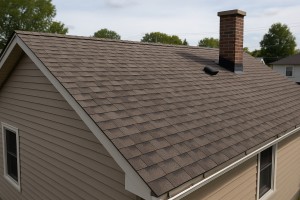
Mississippi homeowners often start with asphalt shingles for good reason. They're affordable, easy to install, and available in durable, weather-ready options. For Mississippi's hot summers and heavy afternoon storms, pick architectural (laminate) shingles with a high wind rating and algae resistance. Light-colored shingles help reflect heat and keep attic temperatures down, especially on the southern-facing slope.
- Pros:
- Cost-effective and widely available
- Easy to repair and replace individual shingles
- Class A fire ratings and strong wind resistance options
- Algae- and mildew-resistant versions available
- Cons:
- Lifespan typically 15-30 years depending on climate and quality
- Can suffer from hail damage and heat aging in our humidity
- Requires good attic ventilation to prevent heat buildup
- Steps to maximize lifespan:
1. Choose architectural shingles with a strong wind rating and a reputable warranty.
2. Use a high-quality synthetic underlayment and ensure proper attic ventilation.
3. Maintain gutters, trim vegetation, and have annual inspections after major storms.
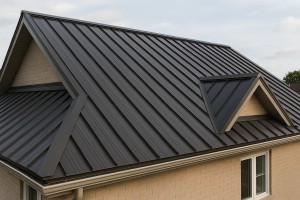
Metal roofs, especially standing-seam steel or aluminum, are a strong choice for Mississippi storms. They resist high winds, shed heavy rain quickly, and reflect heat to help curb cooling costs. While the upfront cost is higher, the long life (40-70 years with proper care) and low maintenance pay off.
- Pros:
- Excellent wind and hail resistance when installed correctly
- Very long lifespan and low maintenance
- Lightweight; fast installation
- Wide color options and high reflectivity
- Cons:
- Higher upfront cost
- Can be noisy in rain without proper insulation
- Dents are possible with severe hail; thicker gauges help
- Steps to maximize performance:
1. Choose a standing-seam system or tightly sealed panels with proper sealant around penetrations.
2. Install with a moisture barrier and vented soffits to reduce condensation.
3. Select light-colored, reflective coatings to minimize heat gain.
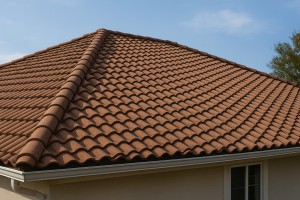
Clay and concrete tile offer a long lifespan and excellent fire resistance, with a southern aesthetic many Mississippi homes embrace. They excel in heat resistance but are heavy, so structural assessment is essential before installation.
- Pros:
- Very long lifespan; durable in heat and sun
- Excellent fire resistance
- Good insulation properties with proper underlayment
- Colors stay relatively true; resistant to UV fading
- Cons:
- Heavy; requires reinforced roof structure and possibly retrofits
- Higher cost and more complex installation
- Susceptible to breakage from hail; usually requires careful matching underlayment and professional install
- Steps to maximize performance:
1. Have a structural engineer confirm the deck can support tile weight.
2. Use a continuous underlayment and proper flashing to prevent leaks.
3. Schedule inspections after hail events and keep gutters clear.
Synthetic or Composite Shingles
Engineered shingles mimic the look of slate or wood with improved durability and often lower weight than natural materials. They handle Mississippi weather well when rated for high wind and impact.
- Pros:
- Weather resistant; less prone to cracking in heat
- Lightweight and easy on existing structures
- Often come with long warranties
- Cons:
- Varies by brand; check wind- and impact-resistance ratings
- Some installers require specialized tools or familiarity with products
- Steps to maximize performance:
1. Verify warranty details and service coverage in Mississippi.
2. Ensure proper underlayment and venting.
3. Use a reputable installer with local climate experience.
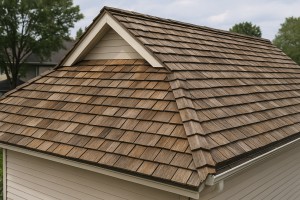
Wood offers timeless beauty but is less forgiving in Mississippi's humidity and termite-prone environment. If you choose wood, select pressure-treated or naturally durable species, and plan for more frequent maintenance.
- Pros:
- Rich, natural appearance
- Good insulation when well maintained
- Cons:
- High maintenance; rot, mold, and insect risk
- Moderate to low wind resistance unless properly installed
- Not ideal for areas with heavy rainfall and termites
- Steps to maximize performance:
1. Use treated cedar or redwood and install with a solid underlayment.
2. Apply protective finishes and schedule regular inspections.
3. Consider annual cleaning and resealing; monitor for rot.
Popular Roof Styles & Architectural Trends in Mississippi
Common roof styles you'll see in Mississippi
- Gable roofs: The classic, easy-to-build profile that works well with many Mississippi vernacular homes. Great for attic ventilation and cost-conscious projects. In high-wind areas, tie-downs and bracing matter to resist uplift.
- Hip roofs: A favorite on coastal and southern homes for their wind resistance and stability. They shed rain from all sides and pair nicely with wraparound porches and brick or stucco facades.
- Cross-gable and multi-gable designs: Popular on larger, Craftsman, and Traditional styles. They create interesting silhouettes and porch framing but demand solid framing and precise flashing to handle rain and humidity.
- Shed (single-sloped) additions: Often used for modern accents or sunrooms. They're simple to shed water toward downspouts but may require careful flashing at transitions.
- Rare but historic options (for character homes): Mansard or Dutch-gable profiles appear on some Vintage/Second Empire and Colonial Revival houses, offering architectural charm but higher maintenance.
- Asphalt architectural shingles: The workhorse for many Mississippi homes. They offer good wind resistance, color options, and reasonable cost. Look for models with 110–130 mph wind ratings in exposed areas and 50-year warranties for longevity.
- Standing-seam metal roofs: Extremely durable, lightweight, and excellent for heat reflection. They shine in humid climates, resist impact and fire, and can last 40–70 years with proper maintenance. Good for coastal regions and storm-prone neighborhoods.
- Clay or concrete tile: Stylish and long-lasting in hot sun, but heavier and more expensive. Best on sturdier structures with appropriate framing and a solid underlayment. Not ideal if you have frequent high-wind events without a reinforced roof deck.
- Cedar shakes: Offer rustic curb appeal but require extra maintenance in humid Mississippi (rot, insects, and staining). Suitable for certain historic renovations with proper sealing.
- Synthetic/composite shingles: Lightweight, wind-resistant, and often backed by durable warranties. A flexible option when real stone or tile isn't feasible.
Architectural trends shaping Mississippi homes
- Energy-smart and cool-finish choices: Light, reflective colors for shingles or metal reduce heat gain and can lower cooling costs in hot Mississippi summers.
- Expansive porches and low-slung profiles: Many Mississippi homes emphasize outdoor living. Roofs with broad overhangs or veranda-supported design help protect exteriors from rain and sun.
- Integrated solar readiness: Modern Mississippi homes often plan for solar or microinverters, especially with roofs that have clean, uninterrupted planes and solid flashing details.
- Mixed materials: Combining brick, wood siding, and metal or tile accents is common, producing durable, weather-ready exteriors with varied textures.
- Historic revival elements: In older neighborhoods, you'll see updated versions of traditional profiles (hipped roofs, dentil trim, dormers) that preserve character while upgrading to modern underlayments.
Practical considerations for Mississippi homeowners
1) Wind and hail preparedness: In coastal and storm-prone areas, prioritize wind-rated underlayment, secure fasteners, and robust flashing at chimneys, vents, and skylights.
2) Ventilation and attic insulation: Ensure adequate soffit intake and ridge or turbine ventilation to combat heat buildup and humidity.
3) Underlayment choices: Synthetic underlayment generally performs better in moisture-heavy climates than organic felt; consider high-quality underlayment for extended life.
4) Maintenance cadence: Inspect after heavy storms for loose granules, lifted shingles, or compromised flashing. Clean gutters and downspouts to prevent water damage.
5) Color and longevity: Lighter colors reflect heat and fade less quickly in strong sun; darker colors may show heat stains but can hide dirt longer with proper coatings.
Quick reference steps for deciding on a Mississippi roof
1) Assess roof slope and wind zone for your ZIP code to choose a suitable profile (gable vs hip).
2) Match material to your home style, budget, and structural readiness (underlayment, deck, and ventilation).
3) Plan for weather-ready features: strong flashing, proper drainage, and UV-reflective finishes.
4) Consult a local roofer about code requirements and hurricane-season upgrades in your area.
5) Choose a color and finish that balances heat control, curb appeal, and maintenance needs.
Average Roofing Costs in Mississippi
Materials and installed price ranges
- Asphalt shingles (3-tab): $3.50–$5.50 per sq ft installed.
- Architectural/asphalt shingles: $4.50–$7.50 per sq ft installed.
- Metal roofing: $7.50–$12.00 per sq ft installed.
- Clay or concrete tile: $9.00–$18.00 per sq ft installed.
- Cedar/shake: $6.50–$9.50 per sq ft installed.
Note: these estimates typically include removal of the old roof, disposal, underlayment, flashing, ventilation, and basic cleanup. Local labor costs, roof complexity, and material choices can push totals higher or lower.
Typical project costs for common Mississippi home sizes
- Standard 1,200–1,800 sq ft roof (often a ranch or bungalow): asphalt shingles commonly run about $6,000–$12,000 installed for 3-tab or architectural shingles.
- Mid-size 1,800–2,400 sq ft roof: asphalt shingles usually range $9,000–$16,000 installed. Architectural shingles tend to be toward the upper end of that range.
- Larger or complex roofs (2,400–3,500 sq ft): asphalt with upgrades can reach $12,000–$22,000; metal or tile options typically start higher, often $20,000–$40,000+ depending on specialty materials and roof features.
Local considerations that affect price
- Roof pitch and complexity: Steeper pitches or multiple angles, hips, valleys, and protrusions (chimneys, skylights) add material waste and labor time, increasing cost.
- Old roof removal: Full tear-off usually costs more than a roof-over. Removal of damaged decking or rotten sheathing adds to the total.
- Ventilation and insulation: Mississippi's heat and humidity mean good attic ventilation and a proper underlayment are important, which adds to cost but saves long-term energy and moisture issues.
- Wind and hail considerations: Gulf Coast counties demand wind-resistant features and higher fastener counts; higher wind-rated shingles translate to higher upfront costs but better performance.
- Local codes and permits: Permit fees and code-compliance requirements vary by city/county; factor in a small administrative cost.
- Accessibility: Tight lots, landscaping, or limited driveway access can slow work and raise staging costs.
- Aesthetics and style: Colonial, Craftsman, rural farmhouses, and brick-veneered exteriors influence flashing details and finish choices, affecting price.
Style and architecture impact on price
- Simple gable roofs on ranch homes: generally more affordable per square foot.
- Complex rooflines on historic or modern multi-peak homes: higher labor time for precise flashing, valleys, and transitions.
- Historic Mississippi homes: extra care for preserving appearance and dealing with potential deterioration of underlying decking.
- Coastal homes with vinyl siding or brick accents: matching color and finish requires careful coordination but typically adds only modestly if standard materials are used.
Step-by-step quick estimate
1) Measure or verify roof area (in squares, where 1 square = 100 sq ft). Include all projections and porches if they share the same roofline.
2) Choose material: asphalt (budget-friendly) vs. metal or tile (higher upfront, longer life).
3) Account for removal and decking: remove old roof and repair any damaged decking as needed.
4) Get multiple written quotes from local, licensed roofing contractors and confirm wind-rating, warranty, and permit costs.
Permits & Local Regulations
Do I need a permit to re-roof in Mississippi?
In most Mississippi jurisdictions, a permit is required for roof replacement, especially when shingles, underlayment, flashing, or structural components are involved. Regulations vary by city or county, and some areas also require permits for related work like decking, ventilation, or hail-damage repairs. Always check with your local building department before starting any roofing project to avoid fines or forced uncovering of work.
Find your local authority
- Contact your city or county building department to confirm permit requirements.
- Look up the jurisdiction online for permit applications, fee schedules, and inspection times.
- If you live in a town with an HOA, verify any additional rules beyond municipal permits.
What to gather for a permit
- Property information: exact address and parcel identification.
- Project description: scope, materials, and any structural changes.
- Contractor details: company name, license number (if required locally), and contact information.
- Plans or specs: roof layout, materials, underlayment, ventilation, and any changes to load or structure (if applicable).
- Insurance evidence: general liability and workers' compensation coverage for anyone performing work.
- Wind or weather considerations: some Gulf Coast areas have wind-resistance requirements or endorsements; check if applicable.
The permit process in Mississippi (steps)
1. Submit the permit application with all required documents to the local building department.
2. Wait for plan review (if required). Some jurisdictions approve by simple permit intake; others may request more detail.
3. Pay the permit fees and receive your permit карточка (permit card) or digital authorization.
4. Schedule inspections at key milestones (before underlayment, after installation, and final).
5. Obtain final approval and close the permit once the project passes all inspections.
Inspections you can expect
- Pre-installation or framing/structural inspection if there are changes to deck or supports.
- Roofing installation inspection: underlayment, flashing, ventilation, and shingle installation checks.
- Final inspection: confirms completed work matches permit scope and complies with code requirements.
- Be prepared for possible re-inspections if a deficiency is found.
Licensing & contractor checks
- Verify your contractor's license status with the Mississippi State Board of Contractors or your local licensing authority.
- Ensure the contractor has current liability insurance and workers' compensation coverage.
- Request and keep lien waivers and receipts tied to permit work.
- If you're a DIY homeowner pulling your own permit, confirm you're allowed to perform the work and that you understand safety and code requirements.
HOA and neighborhood rules
- Many Mississippi HOAs require approval for exterior changes, including roof color, type, or material.
- Even with a permit, HOA approvals can delay or affect allowable materials and aesthetics.
- Contact the HOA early to align on guidelines and avoid rework.
Post-permit steps and documentation
- Keep the permit card, inspection approvals, and any signed compliance documents on site or in a safe file.
- Maintain all contractor invoices, product warranties, and proof of insurance.
- If storm damage prompted the reroof, retain documentation tying work to claims and regulatory compliance.
Common Mississippi-specific reminders
- Gulf Coast areas may have wind-resistance or wind-load requirements; verify if your project triggers any special provisions.
- Local pace and weather can affect permit timelines; plan accordingly, especially after storms or in busy seasons.
- If you're unsure about a code detail, ask the inspector during pre-inspection queries—most jurisdictions welcome proactive questions.
What to do if you run into trouble
- If a permit isn't pulled, contact your building department to discuss retroactive permitting options and any required inspections.
- For delays, ask about typical review times and whether expedited review is available.
- If a contractor misses milestones, reference your permit conditions and file a record with the department if needed.
Common Roofing Problems in Mississippi & Solutions
Leaks from storms and wind
Mississippi's storm season brings heavy rain and gusty winds that push water into vulnerable spots—around flashing, at roof penetrations, and along roof edge transitions. Rapid inspection after a storm is key to limiting damage.
Steps to address promptly:
1) Do a quick post-storm roof and attic check for lifted shingles, missing granules, or gaps around the chimney and vent pipes.
2) In the attic, look for damp insulation, dark spots, or musty odors indicating hidden leaks.
3) Use a tarp or heavy-duty plastic over the affected area to slow water intrusion until repairs can be made.
4) Hire a licensed roofer to reseal flashing, replace damaged shingles, and ensure penetrations are properly sealed.
Shingle wear and failure
Heat, humidity, and occasional hail take a toll on asphalt shingles in Mississippi. Look for curling, cupping, blistering, or missing pieces as early warning signs of failure.
What to do:
- Inspect for curling edges, buckling, or granule loss; replace damaged shingles promptly to prevent leaks.
- Improve attic ventilation and insulation to reduce heat buildup that accelerates shingle aging.
- If the roof is approaching the end of its expected life (often 20–25 years for asphalt), plan for replacement rather than frequent repairs.
- Consider higher-w wind-rated or impact-resistant shingles for better resilience in storm seasons.
Algae, moss, and staining
Year-round humidity and shade encourage algae and moss growth, which retain moisture and can shorten a roof's life.
What helps:
- Clean using a non-pressure roof cleaner or a mild bleach solution applied with a soft brush; rinse gently and avoid high-pressure washing that can damage shingles.
- Install zinc or copper strips along the ridge to slow regrowth on many roofs.
- Trim overhanging branches and improve drainage so moisture doesn't linger on the roof.
Flashing around chimneys and vents leaks
Leaking at flashing is a common problem where roof planes meet walls or around penetrations.
What to do:
- Inspect chimney and vent flashing for gaps, rust, or loose fasteners; look for staining inside the attic around these areas.
- Reseal or replace worn flashing with compatible metal and ensure it integrates properly with shingles.
- If leaks persist, have a roofer re-flash the joints and verify proper slope and sealant between flashing and shingles.
Attic condensation and ventilation
High humidity and warm roofs can cause condensation, mold, and wood rot if ventilation isn't balanced with insulation.
What to fix:
- Ensure a balanced system: adequate soffit intake vents plus ridge or gable exhaust vents.
- Add or upgrade attic insulation to reduce heat transfer to the roof deck.
- If humidity remains high, consider a professional assessment for vent placement or a dehumidification solution in the attic.
Gutter and drainage problems
Clogged or sagging gutters can back up water onto the roof and fascia, accelerating rot and leaks.
What to maintain:
- Clean gutters and downspouts regularly; ensure each section slopes toward the downspout for proper drainage.
- Re-secure loose hangers and consider gutter guards to cut down on debris buildup.
- Direct water at least 3–4 feet away from the foundation; ensure splash blocks or grading steer water away from the home.
Tree damage and debris
Falling limbs and branches can puncture shingles or overload gutters during storms.
What to do:
- Trim back overhanging branches and remove any dead wood near the roof line.
- After storms, inspect for punctures, torn shingles, or displaced flashing caused by debris impact.
- Clear leaves and needles to prevent moisture retention and mold growth on the roof surface.
Hail damage assessment
Hail can bruise shingles and loosen granules, sometimes without obvious daylight leaks.
What to check:
- Look for visible bruising, cracking, or accelerated granule loss after hail events.
- Photograph any suspicious damage for insurance claims and contact your insurer if needed.
- Have a qualified roofer evaluate the roof for hidden damage to the decking or flashing and replace damaged shingles as needed.
Maintenance & Repair Tips for Mississippi
Seasonal checklists
- Spring
- Clear debris from the roof and gutters after winter storms. Remove leaves, sticks, and pine needles that can trap moisture.
- Inspect for loose or curling shingles, damaged flashing around chimneys, vents, and skylights.
- Trim overhanging branches to reduce impact during storms and sun exposure on shingles.
- Summer
- Check attic ventilation and insulation; hot humid air can accelerate wear and encourage mold.
- Look for algae or moss growth on shaded sections; treat with a gentle cleaner and rinse, avoiding high-pressure washing.
- Verify seam sealant and roof penetrations are intact after severe afternoon thunderstorms.
- Fall
- Re-clean gutters and downspouts; ensure water is directed away from walls and foundations.
- Inspect the roof edge and fascia for signs of wind uplift or damage from recent storms.
- Prepare for hurricane season: confirm drainage around the home and secure loose edging or vents.
- Winter
- Inspect for ice dam risk in colder pockets; in Mississippi this is less common but can occur after cold snaps.
- Check attic for signs of moisture intrusion, such as staining or a musty odor.
- Keep ladder and safety gear on hand; winter winds can be unpredictable.
Storm readiness and post-storm repairs
1) Prioritize safety—do not climb onto a damaged roof during or after a storm if trees are down or electrical hazards are nearby. 2) From the ground, look for obvious damage: missing shingles, torn flashing, dented metal, or sagging sections. 3) If shingles are loose or torn, cover the area with a tarp secured with boards on the edges to prevent further water intrusion. 4) Photograph the damage for insurance claims and contact a licensed roofer for a professional assessment. 5) Schedule prompt repairs to prevent interior leaks, especially during rainy Mississippi seasons. 6) Check gutters and downspouts after repairs to ensure proper drainage.
Common Mississippi-specific issues
- Algae, moss, and fungal staining due to high humidity; address promptly to prevent granule loss and moisture retention.
- Tree-related debris and limb impact during storms; regular trimming reduces damage risk.
- Heat-related wear on asphalt shingles: accelerated granule loss can lead to UV exposure and curling.
- Metal roofs prone to loose fasteners and sealant wear; check around penetrations and seams.
- Coastal or gulf-adjacent areas may experience higher salt exposure and wind-driven debris; inspect fasteners and corrosion on metal components.
- Wood components in older homes can suffer from rot if moisture is trapped; check for soft spots and replace damaged sections.
Roof materials and maintenance tips
- Asphalt shingles
- Look for curling edges, cracked shingles, or granule loss in gutters.
- Clean debris with a soft broom; avoid high-pressure washing that can lift shingles.
- Replace damaged shingles promptly; ensure flashing around valleys and chimneys is sealed.
- Metal roofs
- Inspect for loose screws or fasteners; reseal penetrations every few years or as needed.
- Check for scored or dented panels; consider repainting to protect against corrosion in coastal areas.
- Keep gutters clear so water flows freely off the roof.
- Tile or concrete (clay/concrete)
- Look for cracked or slipped tiles; replace broken pieces to prevent leaks.
- Do not walk on tiles unless necessary; distribute weight carefully to avoid cracking.
- Check underlayment and flashing where tiles meet roof penetrations.
- Flat or low-slope roofs
- Inspect for blisters or ponding water after storms; ensure proper drainage.
- Pay attention to seals around vents and drains; reseal as needed to prevent leaks.
- Keep drains clear of debris and check flashing seams.
Quick maintenance checklist
- Inspect after major storms and at least twice a year.
- Keep gutters and downspouts clean and directed away from the house.
- Trim trees with branches overhanging the roof.
- Use safe ladder practices and wear non-slip footwear.
- If in doubt, hire a licensed roofer for a professional inspection and repairs.
When to Repair vs. Replace
When to repair
- Localized damage: A few missing or curled shingles, isolated granule loss, or a small leak can often be fixed with a targeted repair rather than a full replacement.
- Fresh-looking patch areas: If damage is recent and the underlying deck and underlayment are sound, patching may restore the roof without touching the rest.
- Minimal lifespan impact: If the roof is relatively young (roughly less than half of its expected life) and the damage is not spreading, a repair can extend service life at lower cost.
- Accessible, intact underlayment: If the felt or synthetic underlayment is still in good condition and the decking shows no rot, repairs tend to be straightforward and durable.
- Quick fixes for weather windows: In a calm, dry stretch, a repair can buy time until a planned replacement becomes more convenient or affordable.
- Minor flashing or valley issues: Leaks caused by flashing seams, vent boots, or small valley gaps can often be sealed or resealed without a full roof lift.
When to replace
- Widespread damage: If damage covers a large portion of the roof (roughly 30% or more of the surface) or multiple leaks appear across different areas, replacement is usually more cost-effective.
- Aging system: Asphalt shingles typically reach their lifespan around 20–25 years; in Mississippi's heat and humidity, expect closer to 15–20 years in some homes. If your roof is near or past that threshold, plan for replacement.
- Deck deterioration: Soft, sagging, or rotted decking beneath shingles signals underlying structural risk that repairs alone won't fix.
- Failing underlayment or flashing: Widespread underlayment failure, widespread rusted flashing, or multiple vent/penetration issues indicate replacement is the prudent option.
- Frequent repairs: If you're patching multiple spots in a short period, the cumulative cost and labor often exceed replacement and offer better long-term performance.
- Energy and moisture concerns: If you notice attic condensation, poor ventilation, ice-damming risk (in exposed pockets), or significant heat gain, a full roof replacement with proper ventilation and reflective options can improve comfort and efficiency.
- Storms and hail history: Mississippi storms, hail, and wind can create unseen damage that escalates over time; replacement may be safer and more durable than ongoing repairs.
Mississippi-specific considerations
- Climate impacts: The hot, humid summers and heavy rainfall accelerate wear on asphalt shingles and can promote algae growth and granule loss. Replacement materials with algae-resistant features perform better here.
- Material choices: Asphalt shingles remain common and affordable in MS, but metal roofs can tolerate heat and storms well and have long service lives if installed with proper underlayment and ventilation.
- Insurance and storms: If you've had repeated storm damage claims, you may weigh replacement against ongoing patchwork and potential premium changes.
- Ventilation matters: Mississippi homes benefit from good attic ventilation to prevent moisture buildup, which affects both repair longevity and replacement decisions.
- Maintenance window: Plan replacements in drier, milder months when possible to avoid weather-related delays and moisture intrusion.
Quick decision framework
1. Assess scope: Is damage confined or widespread? If uncertain, get a professional assessment.
2. Check age: Is the roof near the end of typical life spans for its material?
3. Inspect deck health: Any signs of rot or sagging decking? If yes, replace.
4. Compare costs: Get quotes for repair vs. full replacement, including potential future repairs after installation.
5. Consider climate benefits: A replacement may offer better energy efficiency, moisture control, and wind resistance in Mississippi.
Maintenance tips to extend life
- Schedule regular inspections after major storms and during spring/fall seasons.
- Clean gutters and downspouts to prevent water backup and fascia damage.
- Trim overhanging branches to reduce impact and debris accumulation.
- Treat and mitigate algae or moss growth appropriate to your roof type.
- Ensure adequate attic ventilation and insulation to curb heat and moisture buildup.
When to Hire a Professional
- Active leaks, dripping during rain, or visible water stains on ceilings and walls
- Sagging, creaking, or warped roof decking
- Missing or severely damaged shingles, curling edges, or heavy granule loss
- Damaged flashing around chimneys, vents, skylights, or roof edges
- Noticeable denting, rust, or punctures after a storm (hail or high winds)
- Electrical hazards or musty odors coming from the attic after rain
Mississippi-specific weather cues
- After tropical storms and during hurricane season (roughly June 1 through November 30), wind-driven damage is common along the Gulf Coast and southern Mississippi. If you've had a strong storm, have a pro inspect for lifted shingles, loose flashing, and dented metal.
- Humidity and shade foster moss, algae, and rot. A professional can safely remove growth and assess roof deck integrity without causing further damage.
- Coastal salinity and heat can accelerate corrosion on metal roofs. Rust spots, loose fasteners, or water streaks warrant a site visit from an experienced roofer.
- In the Delta and central MS, frequent heavy rainfall can reveal slow leaks that aren't obvious from the ground. A pro can perform controlled testing to locate hidden leaks and determine if decking needs replacement.
Permits, licensing, and insurance in Mississippi
- Most MS cities require a permit for roof replacement. Check with your local building department before starting and verify who pulls the permit.
- Hire a licensed and insured contractor. Ask for their license number, the insurer, and proof of workers' compensation coverage.
- Be wary of storm-chasing contractors who descend after a major storm. Prefer locally established Mississippi roofers with a verifiable local address and a track record in your area.
- Insist on a written contract that clearly states scope of work, materials, color choices, start/end dates, cleanup, disposal of old material, permit handling, and warranty details.
How to evaluate a roofing contractor in Mississippi
- Credentials: verify license and insurance; request references from recent local projects.
- Estimates: obtain 3 written bids with the same scope and material specs; ensure tear-off and disposal are included if applicable.
- Warranties: ask about manufacturer warranties on materials and the contractor's workmanship warranty; aim for robust coverage (labor warranties of multiple years).
- Process and reliability: ask who handles permits, inspections, and lien waivers; confirm a realistic timeline and clear payment milestones.
- Local fit: prefer teams familiar with Mississippi's climate, wind uplift considerations, and typical roof types used in your area.
Questions to ask during bidding (numbered)
1) Do you pull permits and coordinate inspections? 2) What exactly is covered by the warranty and who backs it? 3) How will you protect landscaping and property during work? 4) How do you address attic ventilation and insulation in Mississippi's climate? 5) What are the payment terms and how are change orders handled? 6) Will you provide lien waivers upon payment?
Red flags and scams to watch for
- High-pressure sales tactics or demands for large upfront payments
- No local address, limited contact information, or a recently started operation
- Requests to sign over your insurance check or to pay subcontractors directly
Quick steps to take today
1) Document damages with photos and notes from recent storms. 2) Call your local building department to confirm permit requirements. 3) Verify the contractor's license and insurance; request copies. 4) Collect 3 bids and compare scope, materials, and timelines side by side.
Putting A Lid On It: Roof Maintenance, Repair, and Replacement in Mississippi
Mississippi's hot, humid summers, heavy rainfall, and thunderstorm activity put real stress on roofs. Regular maintenance helps you catch small issues before they become costly leaks, preserves energy efficiency, and keeps your home comfortable year-round. A well-kept roof also holds its value longer and reduces the chance of interior water damage during the next big storm.
Mississippi roofs face unique challenges—from algae on southern-facing surfaces to wind-driven shingle lift and termite risk in wooden structures. A practical, proactive approach goes a long way: a quick yearly walk, a few targeted cleanups, and timely repairs can extend life and minimize surprises when the weather turns rough. Think of roof care as part of your home's overall health: small, steady maintenance pays dividends.
Maintenance Checklist
- Inspect after major storms for lifted, damaged, or missing shingles and for gaps around flashing, vents, and chimneys.
- Clean gutters and downspouts at least twice a year; ensure water flows away from the foundation.
- Clear leaves, branches, and debris from the roof and valleys; trim overhead limbs to reduce debris buildup.
- Check attic ventilation and insulation; look for moisture, condensation, or unusual warmth that could signal poor airflow.
- Check for algae or moss, especially on southern exposures; treat with approved cleaners and avoid high-pressure washing that can harm shingles.
- Examine flashing and seals around chimneys, vents, skylights, and other penetrations; reseal as needed to prevent leaks.
- Look for soft spots, sagging, or visible mold or wood damage; if you see signs of rot or termites, call a pro.
Seasonal Tips
- Spring: after storms, do a quick roof and gutter check; clear debris and look for suspicious damage.
- Summer: ensure good attic ventilation to reduce heat buildup; watch for curling or granule loss on shingles.
- Fall: perform a thorough gutter cleaning; trim overhanging branches; ensure drainage paths are clear before the heavy rains begin.
- Winter: in colder pockets of the state, monitor for ice dams and icicles; remove ice safely or call a professional if water backup is suspected.
DIY vs. Professional
- Minor, isolated issues may be manageable for confident, careful homeowners, but most roof work—especially flashing, structural concerns, or widespread damage—benefits from a licensed roofer.
- When in doubt, consult a pro to assess roof condition, estimate remaining life, and perform repairs safely. They can also help with proper flashing, ventilation checks, and warranty considerations.
Looking ahead with confidence
With thoughtful maintenance and timely repairs, your Mississippi roof can continue to protect your family through seasons of sun, rain, and storm. A well-kept roof is a quiet source of pride for the whole neighborhood—steadfast, durable, and beautifully aging with your home. You've got this, and your roof will thank you for it.
