
Last updated: Apr 19, 2026
In Madison, spring hail and blistering thunderstorm bursts are a near-annual reality, and impact damage plus wind-lifted shingles show up quickly on steep-slope roofs. The moment the storm passes, do a quick safety check: avoid stepping on loose shingles, watch for soaked decking, and keep gutters clear so water can drain away from the eave line. Skipping tarps or delaying a proper dry-in invites interior leaks once those summer afternoon storms roll back in. If any area is actively leaking, place sturdy, weatherproof tarps over the most vulnerable zones and secure them with heavyweights or fasteners that won't blow loose in a gust. Time matters: fast temporary protection reduces interior damage and buys you leverage when meeting an adjuster or contractor.
Mississippi insurers commonly require photo documentation, roof-condition notes, and contractor estimates after hail or wind events. Madison homeowners need to have solid records before any temporary repairs and before debris is removed. Photograph the entire roof from multiple angles, especially any hail hits, lifted shingles, and granule loss in the gutters or on the ground. Include close-ups of damaged flashing, vent tails, and skylights if present. Take wide shots of the roof line, then compare with pre-storm photos if they exist, so the adjuster can see the change clearly. Note the date, time, and weather conditions when the storm occurred, and keep a concise log of every contact with the insurer, including who you spoke with and what was said. When you obtain contractor estimates, ensure they document the scope of work, shingle types, and any deck or underlayment concerns observed during inspection. These records prevent back-and-forth delays and help ensure a fair assessment when the claim is filed.
Because summer afternoon storms are frequent in this area, small storm-created openings can turn into repeated interior leak events if tarping and dry-in are delayed. A delayed dry-in can transform a minor weather breach into a substantial interior problem by the time a claims adjuster arrives. Prioritize securing a watertight temporary fix that lasts through the interim period until permanent repairs can begin. If a strong wind gust tears shingles or lifts sections, document the exact location and extent of the damage so the contractor can address it with patchwork that doesn't undermine the overall roof performance. Make sure tarps are properly fastened and checked after storms to prevent a repeat of the exposure.
When the claim is opened, maintain a steady stream of information: share the photos, the log, and the contractor estimates with the insurer promptly. Insurers expect organized documentation that demonstrates the scope of damage and the necessary repairs. Be prepared to discuss the age of the roof, previous repairs, and any signs of moisture intrusion beyond the visible damage. A local contractor who understands the common storm patterns and the typical components used in the region can provide a detailed, line-by-line estimate that aligns with insurer expectations. If a dispute arises, request a second opinion or a re-inspection, and keep your own records handy to support your case. The goal is a seamless transition from assessment to repair, with minimal downtime and a roof that can weather the next round of spring weather without recurring leaks.
Choose a storm-experienced contractor who can demonstrate a track record with steep-slope re-roofing and has familiarity with the City's preferred installation practices. Verify credentials, insurance, and references, and insist on a written dry-in plan that protects interior spaces during the transition from temporary protection to permanent roofing. A practical approach is to align the contractor's scope with the insurer's documentation: the contractor should be able to translate your adjuster's notes into a precise, repair-minded replacement plan, minimizing back-and-forth and speeding up the project timeline. In this environment, timing is as critical as the quality of the repair, so align expectations quickly and proceed with decisive, well-documented action.
Find local contractors experienced in assessing and restoring roofs after hail, wind, and severe weather events.

Pro-Shield Roofing & Construction
(601) 265-1790 pro-shieldroofs.com
347 Distribution Dr, Madison, Mississippi
5.0 from 338 reviews
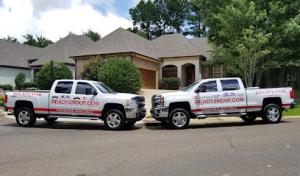
Ready2Roof
(601) 573-1160 www.ready2roof.com
1888 Main St #159, Madison, Mississippi
4.9 from 386 reviews
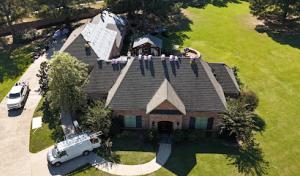
Key Roofing
(601) 942-3667 www.key-roofing.com
111 Depot Dr Suit A, Madison, Mississippi
5.0 from 65 reviews

Pro-Shield Roofing & Construction
(601) 265-1790 pro-shieldroofs.com
347 Distribution Dr, Madison, Mississippi
5.0 from 338 reviews
Roof problems aren’t always easy to spot—but when something feels off, you want a roofing company that knows exactly what to look for. At Pro-Shield, we’ve been providing expert roof repair and replacement services across Madison, MS and surrounding areas for years. Whether you need a minor roof repair or a full roof replacement, we bring quality craftsmanship and honest service to every job. We also handle siding and other exterior repairs to keep your entire property in shape. As a local, licensed, and insured roofing contractor in Madison, we keep the process straightforward—no upsells, no runaround, just solid work that speaks for itself. If you’re searching for a trusted roofer in MS, give us a call!
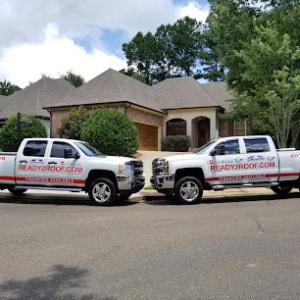
Ready2Roof
(601) 573-1160 www.ready2roof.com
1888 Main St #159, Madison, Mississippi
4.9 from 386 reviews
Ready2Roof, established in 2001, has earned a reputation for excellence in residential and commercial roofing services. Specializing in roof replacements and repairs, they have cemented their commitment to quality with a lifetime warranty. Their team, from staff to installers, undergoes rigorous factory training to deliver exceptional roofing systems. With their dedication to craftsmanship and expertise, Ready2Roof is the roofing contractor of choice for those seeking the ultimate protection and aesthetic enhancement for their properties. Servicing Madison, Brandon, Meridian and the Gulf Coast ( Bay St. Louis, Gulfport, Ocean Springs, Biloxi, Long Beach and Diamondhead ). Family owned and operated.
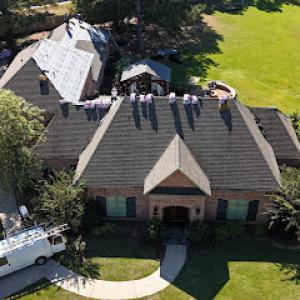
Key Roofing
(601) 942-3667 www.key-roofing.com
111 Depot Dr Suit A, Madison, Mississippi
5.0 from 65 reviews
Welcome to Key Roofing, your trusted partner for all your roofing needs. We are a team of experienced and skilled professionals dedicated to delivering high-quality roofing solutions that meet your specific requirements. From installation to repair and maintenance, we provide a comprehensive range of services to keep your roof in top condition. Our commitment to customer satisfaction and top-notch workmanship has earned us a reputation as one of the leading roofing companies in the area. Contact us today to schedule a consultation and let us take care of all your roofing needs.
Ridge-Pro Roofing & Construction
(601) 720-6331 services.ridgeproroofingms.com
101 Lone Wolf Dr suite B, Madison, Mississippi
5.0 from 45 reviews
At Ridge-Pro Roofing and Construction, we have been providing top-quality roofing services for many years. Our team of experts has the knowledge and experience necessary to handle any roofing project, no matter how big or small. We offer a wide range of roofing services, including roof repair, roof replacement, and roof installation. We also provide gutter cleaning, siding repair, and attic insulation services to ensure that your home is protected from top to bottom.
River Oaks Roofing
(601) 286-1755 riveroaksconstructionms.com
105 Lexington Dr suite j, Madison, Mississippi
4.9 from 59 reviews
River Oaks Roofing remains to be one of the most reputable roofing contractors in Central Mississippi. We handle the three major roofing services, retail roof replacements, roof repair services, and storm damage restoration claims. As a GAF Master Elite certified contractor, River Oaks Roofing is able to provide Mississippi homeowners with the best warranty options to make your next roof your last!
Mississippi Roofing Pros
(601) 837-4737 mississippiroofingpros.com
81 Old Rice Rd, Madison, Mississippi
5.0 from 26 reviews
Local Veteran owned and operated Roofing contractor.
American Roofing & Construction
(601) 856-5153 americanroofingms.com
1345 Rice Rd, Madison, Mississippi
4.4 from 16 reviews
American Roofing and Construction is a full service roofing company that replaces roofs , performs roof repairs , replace or repair chimney flashings , we replace skylights , Install ridge vent, replace power vents or whirlybirds, any thing on a roof we know what we are doing. We also replace soffit & fascia, painting and sheetrock repairs. We replace gutters and downspouts too. We are preferred contractor with Owens Corning and we have an A+ rating with BBB.

Watkins Construction & Roofing
(601) 708-9774 watkinsconstructioninc.com
Serving
5.0 from 540 reviews
When you have a roof leak or storm-related roof damage, you need a local roofing contractor you can trust. Watkins Construction & Roofing has been a trusted Ridgeland, Mississippi roofer for over 20 years. With services such as: roof repair, roof replacement, residential and commercial roofing, skylight repair and replacement, and even roof cleaning services, Watkins is Owens Corning Platinum Preferred and wants to be your go-to Ridgeland, MS roofing company. At Watkins Construction & Roofing our #1 goal is customer experience-- we always put customers first. Contact Watkins Construction & Roofing today for your complimentary inspection!
Strength Roofing & Siding
(601) 373-7254 www.strengthroofingandsiding.com
Serving
5.0 from 75 reviews
For over 45 years, Strength has been serving central Mississippi providing the highest quality service and industry leading materials. We've recently opened the Ridgeland office to better serve our customers in the are. Our showroom is located in Byram, MS and we are always happy for folks to stop by.

Weather-Roof Roofing & Construction
145 Republic St, Madison, Mississippi
5.0 from 1 review
Roofing Contractor Specializing in Insurance Based Roof Replacement..
Renova Roofing & Construction
(601) 647-3433 renovaroofing.com
Serving
5.0 from 225 reviews
Renova Roofing & Construction is a roofing contractor servicing areas such as Madison and Rankin County, MS. We are a local business licensed by the state and fully insured, have maintained an A+ rating on the Better Business Bureau for years. If you are looking for residential, commercial, asphalt shingle or metal roofing services in the Central, MS and nearby areas, Renova Roofing & Construction will be more than ready to assist you. Call us for a free estimate today!
Christian Construction
(844) 360-7663 www.christianconstruction.us
Serving
4.8 from 28 reviews
Christian Construction is a full service residential exterior restoration company. We specialize in restoring storm damaged properties. Our trades include, but are not limited to roofing, windows, gutters and siding.
Spring in this area brings a rapid shift from cold snaps to thunderstorm activity, which means you want to time a replacement so you're not fighting lingering ice dam risk or late-season wet debris. The window right after the thaw, when afternoon storms haven't yet become daily, invites a smoother tear-off and deck work. In practice, align a replacement to start soon after the last hard freeze, with on-site coordination that keeps weather delays to a minimum. If nature pushes a sudden storm, you'll be glad you scheduled a contingency day rather than forcing work during a downpour. Contractors in this period will be watching the daily forecast closely, so expect tighter scheduling, but also a shorter total project duration when crews can move consistently.
Hot, humid Madison summers can slow tear-off and installation schedules and make same-day weather windows harder to trust because of frequent afternoon storms. Plan for early starts to avoid the peak heat, and build in a few contingency days for pop-up storms. A practical approach is to stage materials under shade or in a shaded area, and to coordinate with the crew to stagger tasks so decking and underlayment aren't exposed to full sun longer than necessary. If a storm cancels the day, use the time to verify attic ventilation and interior notes so crew time isn't lost on re-tearing sections. Keep close contact with the project lead for real-time updates on roof access and material deliveries.
Fall replacement windows work well because they generally avoid the worst heat while reducing winter installation issues tied to freezes and temperature swings. Weather in September and October offers longer dry spells and cooler temperatures, which helps with adhesive curing for underlayment and shingle installation. The key is to lock in a schedule that allows for a stable dry day stretch, since evening humidity can still rise and create a deceptive surface for decking checks. Fall crews often perform a final inspection and cleanup before the first frost, which can prevent storage of leftover materials and minimize risk of moisture intrusion as days shorten.
Storm damage demands a prepared plan, especially when hail and high winds have compromised shingles or flashing. The practical sequence is to document visible damage from ground level and on the attic floor, then contact a trusted local roofer for a temporary covering if necessary. Quick documentation helps an insurer review claims without delays, so keep photos dated and organized. In Madison, the pace of replacement work tends to accelerate once a window opens, but that pace hinges on weather and the ability to dry-in decking effectively. If hidden leak damage shows up during tear-off, the fall timing becomes crucial for ensuring proper drying and underlayment detail before winter. Maintain clear lines of communication with the crew about weather holds, material protection, and the sequence of deck drying checks to avoid surprises once work restarts.
Asphalt shingles dominate the suburb's roofscape for good reason: they fit the typical low- to mid-pitch homes with straightforward replacement paths. In Madison, spring hail and thunderstorm bursts are a real concern, and asphalt shingles bear the brunt of that weather, especially in terms of bruising, granule loss, and wind-tab damage after a strong storm. When you're evaluating a replacement or a repair, pay close attention to shingle granule retention and the integrity of the wind tabs along the eaves and ridge lines. If you're seeing missing granules after a storm or shallow bruises that expose the underlying mat, the long-term performance will suffer. Look for impact-rated options within the asphalt family and make sure the shingles are properly nailed and sealed to resist the tug of gusts common in quick thunderstorm passages. In practice, the right choice balances a resilient asphalt product with a meticulous installation that seals against moisture migration during the humid Mississippi summers.
Metal roofing has a meaningful local specialty presence and is often considered for improved wind performance and reduced maintenance in a storm-prone climate. When evaluating metal, focus on the sound and structural pairing: metal panels perform best when they're properly fastened and underlayment systems control condensation and moisture movement beneath the panels. Noise can be a factor with heavy rain or hail, but modern decking and insulation can dampen that impact if the system is chosen with comfort in mind. Flashing quality matters as much as the panels themselves; improper flashing around chimneys, vents, and transitions invites leaks after intense storms. In humid seasons, metal's sheen of easy cleaning can be appealing, but ensure the coating system is rated for frequent moisture exposure and potential salt exposure from road spray or seasonal humidity. A well-chosen metal roof can offer strong wind resistance and a lower-maintenance profile when paired with careful seam detailing and a robust drip edge.
Clay tile, concrete tile, wood shakes, and synthetic/composite products appear in the market, but each brings its own cautions. Clay and concrete tiles are heavy and require a reinforced structural support plan; their impact performance can vary with thickness and glaze, and moisture behavior in Madison's humid climate matters for long-term cracking and lattice movement. Wood shakes offer character and natural insulation, yet they demand vigilant maintenance to prevent moisture absorption and rot in a climate with high humidity and heavy storm exposure. Synthetic or composite options may provide favorable impact resistance and lighter weight, but ensure the proprietary materials and fasteners respond well to repeated hail impacts and expansion-contraction cycles with temperature swings. For any non-asphalt choice, consider how weight, impact performance, and moisture behavior interact with your home's structure and local weather realities to keep a roof that stands up to Madison's spring hail and humid summers.
Explore specialists in steel, aluminum, and standing seam metal roofs built to last 50 years or more.
Strength Roofing & Siding
(601) 373-7254 www.strengthroofingandsiding.com
Serving
5.0 from 75 reviews
Madison cost planning should use the local per-square ranges provided for asphalt shingles, metal, tile, wood, and synthetic/composite systems rather than national averages. In practical terms, a square (100 square feet) is the standard measurement you'll see on bids, so translate your project's size into square counts, then apply the midpoints of the local ranges to estimate ballpark pricing. Asphalt shingles typically run from the low 350 to the high 750 per square, metal from 600 to 1200, clay tile from 800 to 1500, concrete tile from 750 to 1300, wood shingles or shakes from 500 to 900, and synthetic or composite shingles from 450 to 850. Those figures reflect the market you'll actually encounter for a steep-slope suburban roof in this area.
Storm-driven demand spikes in Madison and the surrounding central Mississippi market can push scheduling and labor pricing upward after hail or severe thunderstorm events. After a hail storm, contractors may encounter shorter production windows and tighter material availability, which can shift bids upward even for the same roof design. When you're comparing bids, note not only the price per square but also the expected lead times, material options, and the contractor's ability to mobilize quickly for a post-storm window. In practice, a buyer who can book a crew within a few days of a hail event often keeps costs closer to the lower end of the local range, whereas extended delays can contribute to higher overall project costs due to labor availability and weather-related contingencies.
Costs in Madison can also move based on steep residential roof pitches, the amount of decking replacement found after tear-off in a humid leak-prone climate, and administrative steps tied to full replacements. A steeper pitch requires more labor and safety measures, which tends to raise per-square pricing across all material types. If the tear-off reveals extensive deck damage or rot, expect a material and labor add-on to address the damaged decking, as well as potential insulation or ventilation upgrades to manage humidity and leaks. In a humid climate, leak-prone areas can hide structural issues that aren't visible from the ground, so an accurate assessment often leads to adjustments in the scope and cost that won't appear in a simple material-only quote.
Begin with the local per-square ranges and size up the roof in squares to get a usable starting point. Obtain at least three detailed bids that break out material type, tear-off, decking replacement, and waste disposal. Ask for a clear schedule, including mobilization date, delivery of materials, and projected installation days, so you can gauge how weather delays might affect your cost trajectory. If you're weighing options, consider the long-term value: metal or tile can offer different lifespans and maintenance costs compared with asphalt, influencing the total cost of ownership over time.
Don't let upfront costs delay a critical repair - these contractors offer payment plans to fit your budget.
Pro-Shield Roofing & Construction
(601) 265-1790 pro-shieldroofs.com
347 Distribution Dr, Madison, Mississippi
5.0 from 338 reviews
Strength Roofing & Siding
(601) 373-7254 www.strengthroofingandsiding.com
Serving
5.0 from 75 reviews
For a full roof replacement, this work is not treated as ordinary maintenance or a mere over-the-counter refresh. A building permit is typically required, and skipping that step can bite you later with compliance issues or failed inspections. The City of Madison Building Department is the local authority that handles the permit applications and coordinates inspections for roofing work in the city. Knowing this upfront helps you plan around the timeline rather than chase surprises after a storm.
The permit process in this area is not a done-by-you checklist with a single signature. The Building Department manages submissions, but the responsibility for scheduling each inspection rests with you and your contractor. After the permit is issued, there are milestones to hit, and someone needs to be the point person for booking those visits. If you're juggling contractors, confirm early who will coordinate the inspections and how you'll receive confirmations or notices. A breakdown in communication can stall a project and invite procedural delays that linger into the rainier months.
Inspections occur at key milestones after permit issuance. Typically, there is an initial inspection to verify the framing, deck, or roof deck condition and to ensure the project plan aligns with what was permitted. As the project progresses, another inspection checks installed components, underlayment, and ventilation strategy. A final inspection confirms completion and code compliance before the job is signed off. In practice, delay often comes from missing an appointment window or rescheduling, so mark the critical dates and keep a clear contact path with the contractor.
Document all communications with the Building Department and keep a written record of inspection dates and outcomes. If weather or supply issues threaten timelines, inform the department promptly to avoid hold-ups. Ensure that someone is available to accompany inspectors to confirm on-site conditions and to address any questions about materials or installation methods. Adhering to the county's sequence of approvals reduces the risk of rework and ensures your roof replacement proceeds with fewer surprises.
In Madison, Mississippi, hail and wind are not occasional guests but regular events that shape how roofs are evaluated after storms. Damage can hide under shingles, in attic soffits, or along the flashing, and insurers may scrutinize a roof's pre-storm condition more closely than in calmer climates. Approaching the aftermath with a clear record helps prevent surprises when a claim lands on the desk of a local adjuster.
Adjusters in this market often ask for detailed roof-condition documentation, photos, and contractor drawings or estimates. Before any repair begins, assemble a thorough photo library: wide shots of the entire roof, close-ups of hail hits, and notes on any sagging, curling, or missing granules. Include measurements, roof geometry, and evidence of prior repairs. Contractor estimates should reflect square-foot measurements, product type, and a step-by-step repair plan. When possible, have drawings that map vent locations, valleys, and skylights to accompany the estimate. A well-organized folder speeds review and reduces back-and-forth with the carrier.
State market dynamics in Mississippi can influence premium changes after claims, so weigh repair timing carefully. If a claim is filed, document the storm date, wind speeds, and hail size from reputable local weather sources. Delaying a start past the insurance decision can complicate adjuster assessment, while rushing a replacement may miss better shingle options suited to Mississippi summers. Balance urgency with accuracy, ensuring the chosen materials and installation methods align with both the roof's exposure and long-term durability.
Select a contractor who understands the local storm cycle and the pressure of carrier review. Request a detailed written scope, color-approved shingle samples, and a sequence of workmanship steps. Verify that the contractor will provide a post-installation report, including photos of the completed work, a description of underlayment and flashing choices, and a note on attic ventilation. A robust paper trail protects both quality and claims integrity when the carrier reviews the work later.
Keep all correspondence, adjuster notes, and calendar entries tied to the storm and repair process. Save final warranties and inspection reports, and store them in a weatherproof location. This careful documentation can smooth future insurance interactions and support durable performance through the next Mississippi season.
Repeated thunderstorm exposure in Madison makes flashing transitions, penetrations, and valley details common leak investigation points after wind-driven rain. When you're inspecting after a storm, start at the most exposed transitions: where dormers meet the field, at chimney flashings, and around vent pipes. If a roof has multiple valleys, pay extra attention to the intersection where two slopes meet, since wind-driven rain can pool and push water into the valley seam. Look for staining along interior ceilings near these areas and test the suspected spots with a flashlight from the attic to spot hairline drips quickly. If you find moisture at a flashing corner, clean and reseal with the right butyl tape and compatible sealant, then monitor during the next big rain event.
Skylight repairs have a visible specialty presence in the market, which matters because curb and flashing failures often show up during heavy rain events rather than during dry inspections. Inspect skylight curb seams on overhangs and the flashing against the curb. A slow drip at a skylight often traces back to the shingle-to-flashing interface or to sealant aging around the curb. In Madison, a quick field check after a storm helps you separate a skylight issue from a roof surface issue. If you see condensation inside the glass after a hard rain, consider the flashing and the sealant around the skylight first, then verify the surrounding shingles for proper bed and alignment.
Although the market is primarily steep-slope, some local contractors handle flat and low-slope sections, which is relevant for porches, additions, and mixed-roofline homes. Examine any flat or near-flat transitions where a porch roof meets the main structure; these can harbor water ingress even when the main roof appears sound. Check for membrane wear at edge details, and test the intersection between the low-slope section and vertical walls for any signs of dampness in the wall framing. For additions, verify that flashing steps and step-flashing transitions align with the original roof system to avoid unseen leaks behind siding or gutters.
Find contractors experienced in skylight installation, flashing, and leak repairs to bring natural light into your home.
Key Roofing
(601) 942-3667 www.key-roofing.com
111 Depot Dr Suit A, Madison, Mississippi
5.0 from 65 reviews
American Roofing & Construction
(601) 856-5153 americanroofingms.com
1345 Rice Rd, Madison, Mississippi
4.4 from 16 reviews

Watkins Construction & Roofing
(601) 708-9774 watkinsconstructioninc.com
Serving
5.0 from 540 reviews
In this market, quick response and cleanup after a storm are priorities for homeowners who are already living in occupied spaces. Look for a contractor who shows clear experience with full roof replacements, not just general construction. A firm that routinely handles steep-slope re-roofs and can show recent projects in residential neighborhoods similar to yours will be more reliable when weather-climate demands spike.
No single contractor profile dominates Madison's market, so prioritize documentation and a detailed scope. Ask for a written project plan that outlines deck protection, tear-off procedures, underlayment choices, flashing details, and a complete cleanup protocol. Expect a thorough damage assessment that notes hail impact, wind-related lift, and any decking or sheathing concerns. Insist on itemized materials lists and a measurable timeline from start to finish.
Storm work often involves insurance processes. Your chosen roofer should be comfortable with providing clear, clocked photographs and a concise supplement plan that aligns with insurance requirements. Verify they can compile an after-storm report package you can present to your insurer, including projected timelines for temporary protections and final replacement steps. This clarity helps avoid delays when the claim is opened or adjusted.
Established, licensed, insured, family-owned, and manufacturer-certified signals all appear in the local market, but no single profile dominates. Check references from nearby neighbors who faced similar spring hail events. Confirm workmanship warranties, material warranties, and a clear point of contact for project updates. The emphasis should be on consistent communication and documented scope, not branding alone.
For Madison's storm-prone season, a practical roofer minimizes disruption by sealing off the work area, protecting landscaping, and removing debris promptly. Ask about a daily cleanup routine and a final inspection checklist to confirm everything is sealed and weather-tight before the crew leaves.