
Last updated: Apr 19, 2026
Spring thunderstorms, hail risk, and hurricane-season wind events shape the roof-repair rhythm in this area. The city sits in the Jackson metro weather pattern, where severe convective storms can whip up wind-driven rain and debris impacts even without a named tropical storm making landfall. That combination means shingles can fail suddenly, fascia and underlayment can suffer unseen damage, and attic moisture can accumulate quickly. Homeowners must treat a mid-spring gust or a hail spike as a potential whole-roof risk, not a single-day event to watch pass. The pattern pushes back-to-back repair needs as storms collide with busy contractor schedules, creating a backlog that can extend weeks when every other roof is in the same boat. Expect the cycle to repeat year after year, with risk rising during hot, humid summers and again in the cold, rainy late fall and early winter.
Direct damage from a hailstorm or a fierce gust can strip granules off shingles, crack surfaces, or shear edges away from ridge lines. Even when visible signs seem minor, moisture intrusion can take hold behind the scenes-underlayment lifting, deck swelling, or windowed attic condensation that only shows up after a few warm days. In Ridgeland, that means a roof that looks fine from the ground may still be at risk for sudden leaks after the next storm, especially if gutters are clogged or drip edges are compromised. Because the city sits in a broader weather pattern, patterns of wind-driven rain can strike suddenly, so a cautious homeowner treats any new roofing material exposure as a potential floodgate issue to address before a major event hits. This is not a "wait and see" situation; it is a prompt, proactive assessment that keeps minor problems from becoming large, costly repairs.
Replacement timing in Ridgeland often depends as much on storm recovery demand and drying windows as on the roof condition itself. Late fall and early winter bring rainy spells that can stall installations, while summers bring heat and humidity that complicate adhesive cures and material handling. When a severe storm has just passed, crews may be backed up for weeks dealing with emergency tarping, debris removal, and insurance-driven claims. If a roof has sustained structural or deck damage, scheduling becomes contingent on when the site can dry out, when crews can safely work in heat and humidity, and when weather fronts allow for steady, uninterrupted work. In practice, a damaged but stable roof may wait through a busy seasonal push, while a less compromised roof might be more adaptable to a shorter, targeted replacement window during a lull in storm activity. The key is aligning a repair plan with realistic drying windows and crew availability rather than chasing a perfect weather day that never truly arrives.
Drying windows are not just about sun and wind; they are about humidity, interior moisture, and the ability to reseal against new rain. Post-storm, the roof needs an opportunity to dry before tear-off and re-roofing begin, to reduce the risk of trapped moisture that can rot decking or undermine shingles' adhesion. This means prioritizing a sequence: emergency tarping if necessary, claim documentation, then a controlled window for removal and installation that minimizes exposure to the next front. In hot, humid months, ventilation and moisture management become even more critical to avoid mold growth and interior condensation. In short, the weather pattern here makes timing a strategic asset-move fast on obvious failures, but pace with drying and crew availability to prevent avoidable delays.
For spring storms and hurricane-season events, gather and organize every bit of storm documentation: dates, wind estimates, hail sizes, and any interior water intrusion reports. Photograph both exterior damage and interior moisture spots, especially along ceilings and attic spaces. Keep records of any temporary repairs, tarp placements, and communications with insurers. When a contractor visits, request a clear, staged plan that accounts for storm backlogs and a realistic timeline tied to drying windows. The priority is to prevent further damage and to secure reliable, timely completion once the weather and market dynamics allow. This sequence-identify, document, stage, and schedule-helps Ridgeland homeowners navigate the storm-damage cycle with fewer delays and stronger outcomes.
Mississippi is a high-claim roofing market, and Ridgeland homeowners should expect insurers to scrutinize whether damage is storm-related or pre-existing wear. The distinction matters because it can determine what the carrier covers and how quickly a claim progresses. When the skies finally quiet after a severe weather event, the insurance company will look for a clear line between sudden damage caused by that storm and normal aging or prior issues that existed before the event. That reality shapes every conversation you have with your adjuster and every photo you submit. Being prepared to defend that line with solid, event-specific documentation helps protect your roof's repair or replacement outcomes.
Carriers routinely require photo documentation, adjuster inspections, and records showing the roof condition before and after severe weather events affecting the area. In practice, this means building a simple, organized file you can share quickly: photos taken from multiple angles during the storm's aftermath, timestamped if possible; a concise log of any suspected leaks, missing shingles, or visible sagging; and notes on prior roof issues that were unresolved or repaired. If there was a professional assessment before the storm, those dates and findings should be readily available. A clear before-and-after narrative can prevent questions that stall a claim, especially when the roofer's scope of work overlaps with long-standing wear. The goal is to provide the insurer with a straightforward, verifiable progression that links damage directly to the storm event rather than to deferred maintenance.
After major regional storms, coverage terms and claim handling can tighten, making prompt documentation especially important for owners deciding between repair and full replacement. The timing of your claim can influence not only whether a repair is approved, but whether your carrier will approve a full roof replacement if the damage is widespread. In practice, that means acting quickly to photograph and report the damage, contacting your insurer early in the process, and coordinating with a reputable local contractor who can provide a professional assessment that aligns with your insurer's expectations. Delays can complicate the narrative of damage origin and lead to more disputes about scope and liability. If the storm left visible signs of forceful wind or hail on multiple elevations, be prepared to demonstrate how those indicators correlate with the claimed areas of damage.
You can reduce friction by establishing a straightforward, neighborhood-specific approach. Start with a weather-forward timeline: note the storm dates, the particular neighborhoods affected, and any known hazards like downed trees or power outages that coincided with roof impacts. Capture both the gross view of the roof and close-ups of shingles, flashing, and gutters, and then request an adjuster's on-site inspection as soon as feasible to anchor the claim in verifiable findings. Maintain a shared folder you can give to both the insurer and the contractor, ensuring everyone uses the same baseline photos and dates. Above all, keep your expectations realistic: the interplay between storm-driven damage and pre-existing conditions can be a nuanced judgment, and having precise, well-documented evidence is your strongest ally in navigating this process.
Connect with contractors who help homeowners navigate the claims process from damage assessment to final approval.

Watkins Construction & Roofing
(601) 708-9774 watkinsconstructioninc.com
218 N Wheatley St Suite C, Ridgeland, Mississippi
5.0 from 540 reviews
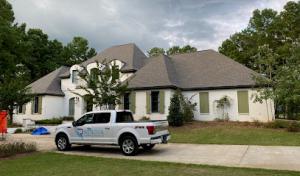
Renova Roofing & Construction
(601) 647-3433 renovaroofing.com
710 Ridgewood Rd, Ridgeland, Mississippi
5.0 from 225 reviews
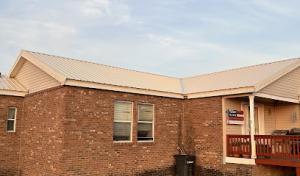
Strength Roofing & Siding
(601) 373-7254 www.strengthroofingandsiding.com
1000 Highland Colony Pkwy BUILDING 5000, Ridgeland, Mississippi
5.0 from 75 reviews

Watkins Construction & Roofing
(601) 708-9774 watkinsconstructioninc.com
218 N Wheatley St Suite C, Ridgeland, Mississippi
5.0 from 540 reviews
When you have a roof leak or storm-related roof damage, you need a local roofing contractor you can trust. Watkins Construction & Roofing has been a trusted Ridgeland, Mississippi roofer for over 20 years. With services such as: roof repair, roof replacement, residential and commercial roofing, skylight repair and replacement, and even roof cleaning services, Watkins is Owens Corning Platinum Preferred and wants to be your go-to Ridgeland, MS roofing company. At Watkins Construction & Roofing our #1 goal is customer experience-- we always put customers first. Contact Watkins Construction & Roofing today for your complimentary inspection!
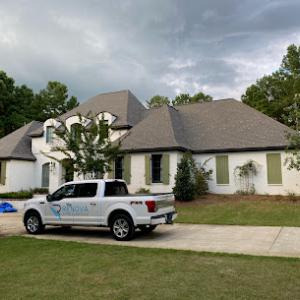
Renova Roofing & Construction
(601) 647-3433 renovaroofing.com
710 Ridgewood Rd, Ridgeland, Mississippi
5.0 from 225 reviews
Renova Roofing & Construction is a roofing contractor servicing areas such as Madison and Rankin County, MS. We are a local business licensed by the state and fully insured, have maintained an A+ rating on the Better Business Bureau for years. If you are looking for residential, commercial, asphalt shingle or metal roofing services in the Central, MS and nearby areas, Renova Roofing & Construction will be more than ready to assist you. Call us for a free estimate today!
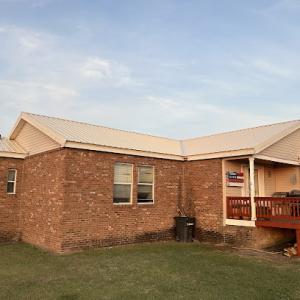
Strength Roofing & Siding
(601) 373-7254 www.strengthroofingandsiding.com
1000 Highland Colony Pkwy BUILDING 5000, Ridgeland, Mississippi
5.0 from 75 reviews
For over 45 years, Strength has been serving central Mississippi providing the highest quality service and industry leading materials. We've recently opened the Ridgeland office to better serve our customers in the are. Our showroom is located in Byram, MS and we are always happy for folks to stop by.
Key Roofing
(601) 942-3667 www.key-roofing.com
Serving
5.0 from 65 reviews
Welcome to Key Roofing, your trusted partner for all your roofing needs. We are a team of experienced and skilled professionals dedicated to delivering high-quality roofing solutions that meet your specific requirements. From installation to repair and maintenance, we provide a comprehensive range of services to keep your roof in top condition. Our commitment to customer satisfaction and top-notch workmanship has earned us a reputation as one of the leading roofing companies in the area. Contact us today to schedule a consultation and let us take care of all your roofing needs.
Ready2Roof
(601) 573-1160 www.ready2roof.com
Serving
4.9 from 386 reviews
Ready2Roof, established in 2001, has earned a reputation for excellence in residential and commercial roofing services. Specializing in roof replacements and repairs, they have cemented their commitment to quality with a lifetime warranty. Their team, from staff to installers, undergoes rigorous factory training to deliver exceptional roofing systems. With their dedication to craftsmanship and expertise, Ready2Roof is the roofing contractor of choice for those seeking the ultimate protection and aesthetic enhancement for their properties. Servicing Madison, Brandon, Meridian and the Gulf Coast ( Bay St. Louis, Gulfport, Ocean Springs, Biloxi, Long Beach and Diamondhead ). Family owned and operated.

Elite Roofing & Gutters
(601) 589-9410 www.eliteroofer.com
206 W Hamilton St, Ridgeland, Mississippi
4.0 from 4 reviews
Elite Roofing Services, acquired in January 2025, is now part of Elite Roofing & Gutters—Mississippi’s trusted leader in residential and commercial roofing. As a GAF Master Elite Contractor and back-to-back GAF Triple Excellence Award winner, we deliver top-tier craftsmanship, materials, and service. From shingles and metal roofing to TPO systems and seamless gutters, our licensed crews operate under the Elite Standard—precision, ownership, and client-first care. With expanded reach across Central MS, the Pine Belt, Gulf Coast, and Oxford, we’re known as “The Roofer’s Roofer,” called in to fix what others get wrong. Expect more. Choose Elite.
American Roofing & Construction
(601) 856-5153 americanroofingms.com
Serving
4.4 from 16 reviews
American Roofing and Construction is a full service roofing company that replaces roofs , performs roof repairs , replace or repair chimney flashings , we replace skylights , Install ridge vent, replace power vents or whirlybirds, any thing on a roof we know what we are doing. We also replace soffit & fascia, painting and sheetrock repairs. We replace gutters and downspouts too. We are preferred contractor with Owens Corning and we have an A+ rating with BBB.
Mississippi Roofing Pros
(601) 837-4737 mississippiroofingpros.com
Serving
5.0 from 26 reviews
Local Veteran owned and operated Roofing contractor.
South Breeze
(601) 749-6449 southbreezellc.com
Serving
5.0 from 95 reviews
South Breeze is a premier Roofing and Construction company specializing in providing top-notch services across Flowood and Central Mississippi. As industry leaders in roofing, construction, and restoration, we deliver quality craftsmanship and durable solutions tailored to our clients' specific needs. Established as the go-to experts in commercial and residential projects, our commitment is to ensure excellence. With our experienced team, latest technology, and adherence to the highest safety standards, South Breeze guarantees customer satisfaction, performance, and reliability to enhance and protect your investment.
Pro-Shield Roofing & Construction
(601) 265-1790 pro-shieldroofs.com
Serving
5.0 from 338 reviews
Roof problems aren’t always easy to spot—but when something feels off, you want a roofing company that knows exactly what to look for. At Pro-Shield, we’ve been providing expert roof repair and replacement services across Madison, MS and surrounding areas for years. Whether you need a minor roof repair or a full roof replacement, we bring quality craftsmanship and honest service to every job. We also handle siding and other exterior repairs to keep your entire property in shape. As a local, licensed, and insured roofing contractor in Madison, we keep the process straightforward—no upsells, no runaround, just solid work that speaks for itself. If you’re searching for a trusted roofer in MS, give us a call!
Best Choice Roofing
(601) 688-7311 bestchoiceroofing.com
Serving
4.8 from 262 reviews
Best Choice Roofing is your trusted roofing expert and the Best Choice when it comes to choosing a roofing company with a commitment to impeccable customer service. In business since 2009, Best Choice Roofing’s industry-leading contributions to the roofing industry include a customer-first mentality, a dedication to top-quality products and a leadership team focused on the growth of its people. Because of this framework, we have created a loyal base of customers all over the United States.
Pinnacle Roofing
(601) 669-8491 pinnacleroofingms.com
Serving
4.8 from 26 reviews
At Pinnacle Roofing, we deliver excellence in all projects. Commercial and residential roofing systems increase property safety and protect it from seasonal temperature extremes and inclement weather. Additionally, roofing systems provide space within your building for essential systems like HVAC ductwork, electrical wiring, plumbing, and insulation. Without healthy roofing, you could risk damaging your property or your family’s safety.
Asphalt shingles are the backbone of most Ridgeland homes because they fit the common residential silhouette found in the Jackson suburbs. They offer straightforward installation and a familiar look, which helps when you're budgeting for replacement after a storm. In this climate, wind uplift, granule loss, and heat aging become recurring concerns after repeated storm seasons. When you're evaluating asphalt, prioritize a shingle layer with a stout nailing pattern and a reinforced underlayment. After a severe storm, inspect for lifted edges or missing granules, and plan timely resealing or reseaming to keep the roof performing through the next heat wave and wind gust.
Metal roofing has carved a strong niche for homeowners who want longer service life and lower maintenance in a humid Mississippi climate. Metal performs well against driving wind and can shed moisture efficiently, which matters after consecutive storm seasons. If you're considering metal, focus on a robust underlayment system and carefully matched flashing, because humidity can attack fasteners and expansion joints over time. In crowds where wind exposure is high, metal's wind resistance can be a meaningful upside, but the installation quality of flashing and seals matters just as much as the material itself. You'll want a reputable local installer who understands Ridgeland's typical storm cadence and the way metal panels behave under heat and humidity.
Tile, wood, and synthetic products appear in smaller numbers and tend to sit on higher-end homes where the weight, underlayment durability, and flashing quality matter more than the surface material alone in Mississippi humidity. Clay and concrete tiles carry impressive longevity when the structure is prepared for the weight and when underlayment is correctly integrated with waterproofing details. Wood shingles or shakes demand careful maintenance in Ridgeland's humidity to prevent warping and rot, especially after heavy rains. Synthetic composites can offer a more forgiving weight profile and decent resistance to wind, but they still rely on solid flashing and proper attic ventilation to avoid moisture-related issues. For these options, expect a more meticulous upfront assessment of attic structure, roof deck integrity, and long-term flashing strategy.
When choosing between these materials, align your pick with the home's exposure to severe weather and the existing roof structure. Start with a critical look at wind exposure, then assess the underlying deck and flashing quality. If storm history shows frequent wind and hail, prioritize systems that tolerate uplift and maintain waterproofing through rapid temperature swings. For high-humidity periods, ensure the chosen material is complemented by ventilation and a thorough sealing plan to reduce moisture intrusion around penetrations.
Ridgeland roofing costs are affected by storm-driven demand spikes, especially after regional hail or wind events when scheduling pressure can raise labor and material pricing. Those spikes play out in both heavy rain seasons and after hurricane-season gusts, so homeowners should plan for price movements that don't align with the calendar. Local crews often front-load work in the immediate aftermath of a major wind event, and material suppliers may limit stock, pushing costs upward for a few weeks.
Most local homes use sloped residential roof systems rather than dense urban flat-roof stock, so pricing often turns on tear-off complexity, decking repairs from moisture exposure, and flashing replacement rather than unusual access constraints. A typical Ridgeland roof job starts with removing the old shingles, inspecting the decking for rot, and replacing damaged plywood or sheathing where needed. In humid Mississippi weather, moisture exposure can hide underlayer problems, so the inspection needs to be thorough and documented for any insurance claim or contractor bid.
Material ranges in this market run about $350 to $700 per square for asphalt shingles, $700 to $1200 for metal, $900 to $1800 for clay tile, $800 to $1500 for concrete tile, $900 to $1800 for wood shingles or shakes, and $550 to $1100 for synthetic or composite shingles. Asphalt remains the most common budget option, especially in storm-impacted periods when quick turnarounds matter. Metal, clay, and concrete options tend to hold value longer in high-wind or hail-prone years, but require careful installation to prevent wind-driven issues such as panel lift or flashing failure. Wood shingles and shakes bring a distinct look but can drive up costs in areas with heavier moisture exposure due to needed maintenance and potential rot.
Timing around severe-weather cycles matters. If a storm is forecast, discuss temporary protective measures with the contractor to minimize interior exposure and to stabilize the roof deck before wind-driven rain arrives. When insurance documentation is part of the project, ensure that the bid includes a clear scope of tear-off, decking repair, flashing replacement, and any underlayment upgrade. This clarity helps align expectations with the insurer and reduces the chance of change orders later, which are common after a big weather event when crews are stretched thin and pricing is less predictable.
In summary, expect cost swings driven by demand after hail or wind events, and tailor bids to address tear-off complexity, decking condition, and flashing needs rather than just the visible shingles. The local material ranges provide a practical framework for budgeting, with asphalt offering the lowest entry point and wood or tile options presenting higher upside costs, especially in moisture-rich conditions.
Get a clear picture of your project costs upfront - no commitment required.
Renova Roofing & Construction
(601) 647-3433 renovaroofing.com
710 Ridgewood Rd, Ridgeland, Mississippi
5.0 from 225 reviews
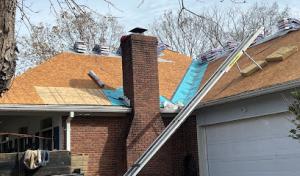
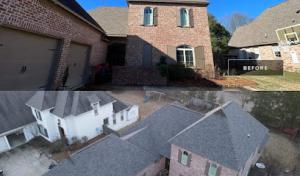
Most roofing projects in this area require a building permit from the city, including typical re-roofing work that isn't a major structural alteration. The permit process is designed to ensure that the work meets local wind-resistance expectations and flashing standards, which matter when severe storms and hurricane-season winds are part of every season. When a project starts, you should expect to move beyond merely replacing shingles to showing that the installation will hold up to Ridgeland's exposure to gusts and driving rain. The city's review looks at details that influence long-term performance, not just the cosmetic surface.
The local process centers on submitting a clear project scope, paying the required fee, and coordinating inspections as the work progresses. Your scope should specify the roofing materials, attic ventilation if relevant, underlayment type, flashing around chimneys and vents, and any roof deck work. A well-documented scope reduces back-and-forth with the permit office and helps keep the project on schedule, especially if weather windows become tight. Expect to provide contact information for the contractor and, if applicable, the roofing supplier's product specifications. The city may require plans or drawings for more extensive upgrades, but for standard re-roofs, a straightforward outline with product types and replacement methods typically suffices.
Inspections occur during installation and again at final completion to close the permit. The intermediate inspection ensures that the roof deck, underlayment, flashing details, and fastener patterns align with the approved plan and code requirements. The final inspection confirms that the project has been completed in accordance with the permit and applicable codes, and that the roof's wind-resistance details are properly integrated. Inspections can be a pivotal point if a storm-damage claim is involved, so coordinating them with your contractor ahead of time helps prevent delays that could push you past storm-season windows.
A key focus in this area's building review is wind-resistance details and flashing compliance. Proper nailing patterns, fastening schedules, and corner/valley flashing need to stand up to high winds and blowing rain. If your roof includes chimneys, skylights, or vent stacks, pay extra attention to flashing transitions and sealants-these are common failure points after a severe wind event. Your inspector will look for continuous, well-sealed flashing and properly integrated underlayment that resists uplift. Discuss these details with your contractor early, and ensure the chosen materials meet or exceed the local wind design requirements.
Keep a copy of the permit and approved plan on site throughout the project, and schedule inspections in advance with both the contractor and the building department. If a storm is forecast, coordinate with your roofer to complete critical flashing and edge details before high-wind conditions arrive, if possible. Document the project with clear photos of each stage-this can help with insurance documentation and any future questions from inspectors. Finally, verify that the contractor pulls the permit under the correct address and that the final inspection is scheduled promptly to close the permit once the work is complete.
Ridgeland's long hot season and high humidity can accelerate shingle aging, soften adhesives during peak heat, and expose weak flashing details during sudden thunderstorms. That combination means a roof that looks fine at a glance can hide accelerated wear under the surface. Shingles may curl, lift, or prematurely granulate, and metal edges can pucker where heat cycles are most intense. The result is a roof that leaks not just after a storm, but gradually as daily sun and humidity erase the protective bonds.
Repeated wet-dry cycles in central Mississippi make small penetrations around vents, chimneys, and roof-wall transitions more consequential than they first appear. Flashing that seemed solid after a dry spell can sag or pull loose when the next storm hits, creating pathways for water to travel laterally under the covering. In a climate where moisture moves in and out with the weather, a tiny, hidden seam can become a big problem over months if left unaddressed.
Homeowners often need leak diagnosis that distinguishes storm-created openings from longer-term moisture deterioration hidden beneath otherwise serviceable-looking roof coverings. A seep near a vent may be a fresh storm issue, but a broader dulling of underlayment or truss-level staining can signal aging that won't fix itself with simple resealing. Look for soft decking, dark staining around penetrations, or musty attic smells that linger after the rain stops. Address leaks promptly, and prioritize targeted repairs that restore both surface integrity and long-term dryness.
Regular attic inspections after heavy storms help catch hidden moisture before it worsens. When inspecting, focus on joints, transitions, and any signs of adhesive failure near heat-exposed zones. Remember that quick, accurately documented repairs reduce the chance of a minor issue turning into a major roof-risk event when severe weather swings back through.
Find contractors experienced in skylight installation, flashing, and leak repairs to bring natural light into your home.
Watkins Construction & Roofing
(601) 708-9774 watkinsconstructioninc.com
218 N Wheatley St Suite C, Ridgeland, Mississippi
5.0 from 540 reviews
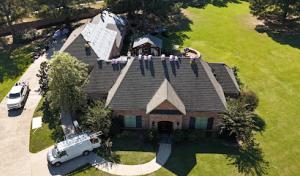
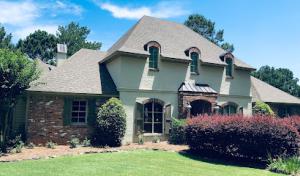
While Ridgeland is primarily a pitched-roof residential market, low-slope sections commonly appear on additions, porches, and some mixed-use or commercial properties. These areas are often overlooked during a main roof replacement, but they age differently under Mississippi sun and standing-water exposure. In heavy storms after heat buildup, drainage and flashing details become more critical than the field material alone.
You should treat additions and porches as separate roof systems that intersect the primary roof. Start with the basics: verify that the slope is appropriate for drainage, confirm a robust underlayment, and check that transitions from rough-sawn framing to finished surfaces are flashed correctly. Look for ponding water near transitions to walls, around skylights, and at parapet edges, and plan for a dedicated drip edge and edge details that guide water into gutters or scuppers.
In Ridgeland's humid, storm-prone cycles, metal flashing around low-slope areas must be integrated with the main roof's system to prevent leaks at seams and penetrations. Ensure step flashing at wall interfaces remains tight, with sealant where appropriate, and that metal counter-flashing is continuous over joints. Gutters and downspouts should be sized to handle sudden downpours, and scuppers must be clear of debris and properly flashed to the interior drainage plane.
Don't neglect low-slope additions during seasonal checks. Clean debris from drains and flashings after heavy rain, inspect for ice dams in shoulder seasons, and address any signs of moisture intrusion promptly to prevent framing damage.
Find specialists in TPO, EPDM, and built-up flat roofing systems for residential and commercial properties.
Strength Roofing & Siding
(601) 373-7254 www.strengthroofingandsiding.com
1000 Highland Colony Pkwy BUILDING 5000, Ridgeland, Mississippi
5.0 from 75 reviews
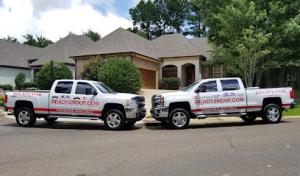
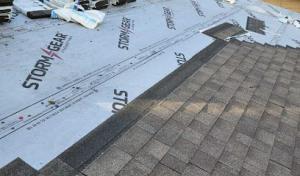
In Ridgeland, storm work often starts under urgent leak conditions with yard debris already present. You should expect contractors who can arrive promptly after a storm, secure the site quickly, and set up a safe containment area for debris and damaged materials. A clear plan for tarping, temporary leaks control, and protected entryways helps minimize interior damage while repairs are arranged. The right roofer treats cleanup as part of the job, not an afterthought.
The local market includes many re-roofing-focused residential contractors, so proof of licensing, insurance, and a clear permit-closeout process matters more than broad service menus. Look for a company that presents a straightforward scope of work, a defined sequence from assessment to completion, and a written commitment to finish with a thorough cleanup report. If a contractor cannot articulate a project timeline and a method to manage waste, consider alternatives. A credible team will also verify weather windows and schedule work to minimize exposure to the next storm.
Because insurance-related roofing is so prevalent in this market, Ridgeland homeowners should favor contractors who document damage carefully and can separate legitimate storm work from unrelated wear. Expect a detailed damage assessment with photos, a dated report, and a written estimate that distinguishes between emergency measures and permanent repair. Ask for a line-by-line explanation of what will be replaced, what will be repaired, and what materials will be used. The contractor should be able to demonstrate how they differentiate storm-induced damage from aging components, so the claim review process stays clean.
Start with referrals from neighbors who had recent storm work followed by verification of licenses and insurance. Request a short, staged inspection plan that includes a weather contingency, a documented scope of work, and a proposal with fixed milestones. Ensure the contractor commits to a thorough cleanup protocol, including removal of debris, proper disposal, and final site inspection with you. Confirm they will provide written communication about progress, delays, and any changes to the plan. A dependable storm roofer keeps you informed and protects your home from further weather exposure during the repair window.