
Last updated: Apr 19, 2026
Clinton homeowners deal with frequent thunderstorms and substantial rainfall year-round, making wind-lifted shingles and leak tracing a first-order roofing issue rather than a seasonal exception. A tired aluminum gutter, a curled edge on shingles, or a small blister on the roof surface can become a larger problem quickly when rain arrives with high wind gusts. The roof in this area carries a constant tug-of-war against moisture, and a single storm can expose vulnerabilities that were barely noticeable during calmer weeks. Watching for unusual roof sounds, suddenly damp attic insulation, or fresh staining on interior ceilings after a windy night is not overkill-it's practical risk management you cannot afford to ignore.
Mississippi's weather-driven claim activity means carriers often want detailed photo documentation and may scrutinize whether damage came from a specific storm event versus long-term wear. When a severe gust rips shingles or lifts flashing, immediate and precise records matter. Take timestamped photos from multiple angles: a wide shot of the roof, close-ups of missing or curled shingles, and any signs of lifted drip edge or damaged flashing. Keep a dated sequence of images after each major storm, not weeks later when the evidence has faded. If there is interior water intrusion, photograph attic and ceiling stains with the date visible in the frame to establish a connection to a recent wind event. Type up a concise storm log noting wind speeds, direction, and the exact time the damage appeared or was first noticed. This sort of detail helps separate storm-driven damage from preexisting wear, a distinction that often determines how a claim is processed.
After a significant wind event, perform a careful exterior inspection from ground level and, if safe, from the roof edge. Look for torn or missing shingles, lifted tabs, and exposed nail heads along ridges and eaves. Pay attention to flashing at chimneys, valleys, and corners-these are common failure points when wind forces bend or loosen metal. If leaks appear inside, locate the highest point of water entry and trace it to a visible source on the roof deck. Document any shingle granule loss in gutters or downspouts, which signals edge deterioration even before a leak shows up. Do not delay a professional assessment; early detection can prevent a small issue from turning into significant interior damage during the next heavy rain.
Choose a contractor who understands Clinton's roofing realities: wind-driven damage, reliable flashing, and proper nail patterns during full replacements. When coordinating with an insurer, present the storm log, dated photos, and a clear narrative of what occurred during the specific event versus ongoing wear. If a claim is narrowed to "long-term aging," you'll need to reinforce the storm connection with your documented storm dates and the condition of exposed deck areas. Insurers often request a professional roof inspection as part of the validation process; arranging this promptly can speed up the claim review. Be prepared to explain why a particular area looked damaged immediately after a storm and why that same issue did not exist before the event.
Autumn remnants of tropical systems can bring windy conditions into the Jackson-area market, so roofs in Clinton can take storm damage outside the peak spring thunderstorm season. Mentally map out how you would respond if a late-season wind event strikes: keep a current set of photos, a ready-to-share log, and a dependable local roofer who can mobilize quickly. Having these pieces in place reduces the uncertainty that insurers and adjusters often face when wind-driven damage shows up after a long dry spell. In this climate, proactive documentation paired with timely professional evaluation is the difference between a patchwork fix and a durable, code-resilient repair.
Find local contractors experienced in assessing and restoring roofs after hail, wind, and severe weather events.
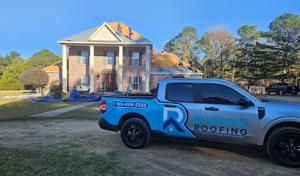
Rushing Roofing
(601) 906-3333 rushingroofing.net
703 Whitaker St, Clinton, Mississippi
5.0 from 15 reviews
A1 Roof Savers
(601) 488-4400 a1roofsavers.com
8071 McRaven Rd, Clinton, Mississippi
4.9 from 14 reviews
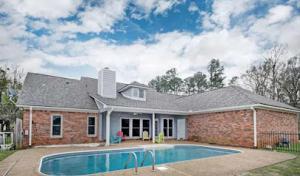
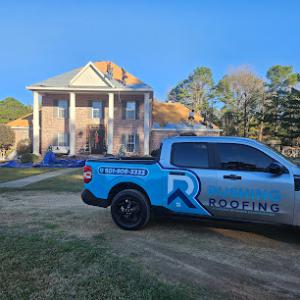
Rushing Roofing
(601) 906-3333 rushingroofing.net
703 Whitaker St, Clinton, Mississippi
5.0 from 15 reviews
Local roofing company specializing in roof replacement. Will work with your insurance company
A1 Roof Savers
(601) 488-4400 a1roofsavers.com
8071 McRaven Rd, Clinton, Mississippi
4.9 from 14 reviews
A1 Roof Savers, Inc. is a trusted, family-owned roofing company that has proudly served Mississippi for almost 20 years. Based in Clinton, MS, we specialize in affordable, high-quality roof repair, maintenance, and restoration, extending the life of your existing roof and saving you thousands on unnecessary replacements. Whether it's storm damage, leaks, or general wear and tear, we deliver honest assessments, expert workmanship, and dependable service. We are fully licensed, bonded, and insured, so you can have peace of mind knowing your property is protected. Let us help safeguard your biggest investment, your home or business, with reliable roofing solutions backed by decades of hands-on experience. Call today for a free estimate.
No Drip Roofing & Construction
Serving
4.6 from 47 reviews
Since 2005, No Drip Roofing & Construction has been the leading roofing contractor serving Jackson, MS, and surrounding areas. We specialize in commercial and residential roofing, including TPO roofing, shingles, and metal roofing, as well as expert roof repairs. Our services also cover storm and hail damage repair, termite damage repair, painting, and carpentry. With a strong commitment to quality workmanship and customer satisfaction, we provide durable roofing solutions designed to protect your property. Contact No Drip Roofing & Construction today for a consultation and experience excellence in every project.
G.T. Construction
Serving
4.9 from 56 reviews
We are your local, trusted roofing contractor in Mississippi. Schedule an appointment with one of our experts today! As your local, licensed, bonded, and insured general contractor, we are experts in roofing repairs and replacements. We also provide residential gutter replacements, siding repairs, and more.

Watkins Construction & Roofing
(601) 708-9617 watkinsconstructioninc.com
Serving
4.9 from 940 reviews
When you have a roof leak or storm related roof damage you need a local roofing contractor you can trust. Watkins Construction & Roofing has been a trusted Jackson MS roofer for 20-years. With services like roof repair, new residential roof replacement, commercial roofing, leaky skylight repair and replacement, and even roof cleaning services, Watkins wants to be your go-to Jackson MS roofing company. At Watkins Construction & Roofing our #1 goal is customer experience. Watkins Construction always puts customers first. Call Owens Corning Platinum Preferred roofing contractor, Watkins Construction & Roofing, today if you have a roof leak or need a new roof on your home anywhere in greater Jackson MS.

Guaranteed Roofing Company
(601) 939-2848 getoveranything.com
Serving
5.0 from 21 reviews
Guaranteed Roofing specializes in residential and commercial roofing. We are family owned and operated and have been in business for over 50 years.
Gerardo's Construction
(601) 896-3983 www.gerardosconstruction.com
Serving
4.9 from 124 reviews
Gerardo’s Construction is your reliable construction and roofing specialist in Terry, MS, offering high-quality residential roof repairs and roofing system repairs. As a locally owned and family-operated business, we deliver superior home improvement and remodeling, exterior services, and seamless gutters, all backed by strong warranties. Our team is licensed and fully insured and includes a Haag-certified roof inspector. With transparent pricing, financing options, and a Better Business Bureau A+ rating, you can count on craftsmanship with high-quality materials. Enhance your home. Contact Gerardo’s Construction today to schedule your free estimate!
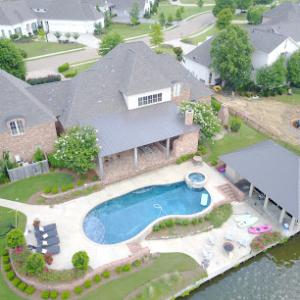
Strength Roofing & Siding
(601) 721-5876 strengthroofingandsiding.com
Serving
4.9 from 427 reviews
Strength Roofing & Siding is a locally owned family business. We specialize in roofing, siding, windows, storm damage repair, and much more. We lead the industry with the strongest workmanship warranty and more than 40 years experience. Averaging 400 jobs per year, Strength Roofing & Siding has the experience needed to make your home improvement dreams come true! Give us a call today for your free in-home consultation.
Pitch Perfect Roofing & Construction
(601) 502-3842 pitchperfectms.com
Serving
5.0 from 31 reviews
Pitch Perfect Roofing is a full service residential roofing company dedicated to providing customers with the highest standard of service and workmanship. Founded in 2019, Pitch Perfect Roofing has been serving Jackson’s Metro Area one customer at a time. Our goal is not only to meet the roofing needs of our customers but to make the process as painless as possible.
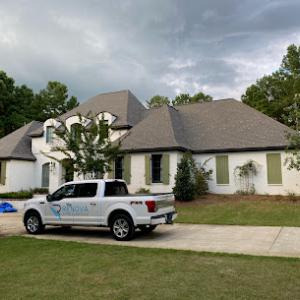
Renova Roofing & Construction
(601) 647-3433 renovaroofing.com
Serving
5.0 from 225 reviews
Renova Roofing & Construction is a roofing contractor servicing areas such as Madison and Rankin County, MS. We are a local business licensed by the state and fully insured, have maintained an A+ rating on the Better Business Bureau for years. If you are looking for residential, commercial, asphalt shingle or metal roofing services in the Central, MS and nearby areas, Renova Roofing & Construction will be more than ready to assist you. Call us for a free estimate today!
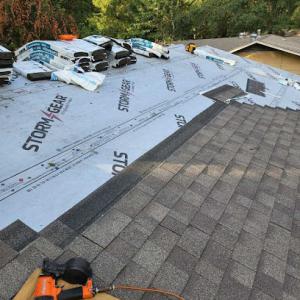
Value Roofing Solutions
(601) 826-8310 valueroofingsolutions.com
Serving
4.4 from 36 reviews
"We Value Your Business". We provide roof replacements and repairs, for asphalt shingle, metal, flat and TPO roofing systems for residential and commercial properties. Free roof inspections. Licensed with the MS Board of Contractors and fully insured professionals. Serving Jackson, Madison, Ridgeland, Brandon, Pearl, Richland, Florence, Clinton, Raymond, and Vicksburg Mississippi.
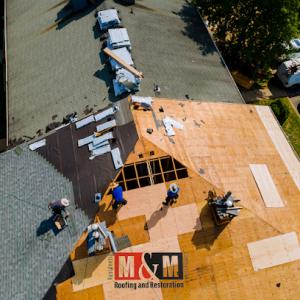
M&M Roofing & Restoration
(601) 850-2659 mmroofingandrestoration.com
Serving
5.0 from 8 reviews
M&M Roofing and Restoration offers expert residential and commercial roofing services in Mississippi. We specialize in roof repairs, replacements, siding, gutters, and mold removal. Trusted for quality, fast service, and free inspections—your reliable local roofing company.
A dry fall window is especially valuable in Clinton because hot, humid summers and frequent rain increase leak risk during tear-off and can slow installation schedules. Start planning tear-off and installation for mid-September through early November if the weather cooperates. Avoid early October when strong fronts can bring gusty winds and sudden rain. If a fall window opens late, target a brief dry spell of two to three days for the bulk of the work, with crews ready to cover and seal quickly if any showers threaten. Ventilation and flashing checks should be treated as high priority during the tear-off, since long heat exposure can worsen deck warping and nail pattern alignment. Have tarping and temporary fasteners on site so a rain cell won't stall progress.
Winter freezes and rapid temperature swings in this part of Mississippi can affect brittle materials and seal-down performance, making timing more important than in milder coastal or desert markets. Plan to complete critical stages of the project during consistently above-freezing daylight hours. If a cold spell hits mid-teardown, expect setbacks and adjust by prioritizing fastener installation and underlayment adhesion during the warmest part of the day. Winter work requires close inspection of seal-down points to prevent micro-leaks once temps rise. Short daily targets help crews maintain quality without exposing open decking to repeated frost cycles. Ensure interior spaces remain protected, especially where attic ventilation changes are part of the replacement strategy.
Spring storms in central Mississippi commonly disrupt production calendars, so homeowners in Clinton often face weather delays even after materials are ordered and crews are scheduled. Begin the project as soon as a reliable stretch of 3-5 days without heavy rain appears. Build a contingency plan for weekend rainbackups and be ready to reorder small components that may be delayed by supply chain hiccups typical of spring. Ventilation considerations should be baked into the plan early, since high humidity can affect attic conditions and the effectiveness of new venting configurations. If a late spring cold snap arrives, coordinate with the crew to keep underlayment and starter courses aligned before temperature swings complicate sealants.
Summer brings the heaviest sustained rainfall and the most wind-driven risk, which can push a routine tear-off into an emergency window. Schedule the primary phase of replacement for after a series of storms passes and winds die down, typically in a lull between late morning and early afternoon. If a thunderstorm line approaches, have pre-cut, labeled bundles to limit on-site handling time and reduce exposure. Adequate nail patterns and flashing work are crucial here due to frequent wind-driven damage incidents. Maintain a clear plan for rapid tarping and quick securement of vulnerable edges to prevent leaks during the hottest days when asphalt and synthetic shingles expand more quickly.
Coordinate closely with the roofing crew to align a realistic timetable with the region's typical thunderstorm patterns. Build in buffers for weather delays common to central Mississippi, and prioritize tear-off windows that minimize exposure of the roof deck to rain. Use a well-ventilated, thoroughly flashed roof to maximize long-term performance after a storm-damaged replacement. Keep an accessible contingency list of trusted local crews and rapid-response suppliers to reduce downtime when a weather system interrupts progress.
Asphalt shingles dominate the local re-roofing market because they fit most typical homes and the quick turnaround that many residents need after a storm. In this climate, humidity and repeated thunderstorm exposure can accelerate granule loss and seal-strip failures, especially on older roofs. That means shingles may show aging faster in Clinton's wet seasons, and replacement timing can shift from a routine refresh to a more urgent project after a damaging wind event. When you're evaluating asphalt, look for thicker products with good granule adhesion, and plan for attention to ventilation and attic airflow during installation to protect long-term performance. Proper nailing patterns, especially near edges and valleys, become critical to prevent blow-off in heavy winds.
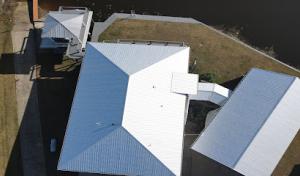
Metal roofing has strong local traction because it tends to shed rain quickly and handle wind-driven debris with fewer edge failures. In storms, metal can offer a more resilient option if the roof deck and underlayment are prepared for it. If you're considering metal, check for concealed fasteners and a well-sealed ridge line to reduce the risk of leaks after driving rain. The payoff for wind performance is most reliable when installation includes careful assessment of roof slope, substrate condition, and proper sealing around penetrations. A qualified installer who understands the area's thunderstorm patterns will often emphasize proactive maintenance to catch sealant or panel edge issues before they become leaks.
Clay tile, concrete tile, synthetic/composite shingles, and slate are available choices, but they require more attention to structure and installer's experience in this market. Clay and concrete tiles bring excellent weather resistance and long life, but they add substantial weight and may require structural reinforcement on older homes. Synthetic or composite shingles provide a balance of resilience and ease of installation, yet still rely on compatible underlayment and accurate nail patterns to resist wind uplift. Slate offers timeless appearance and durability, but installation demands high skill and precise detailing, especially around hips, valleys, and penetrations. In a storm-prone area, the key to any of these options is matching the product's weight and performance with the existing roof structure and ensuring the installer can execute a wind-conscious, fully flashed, and vented system. All of these choices should be evaluated not just for appearance, but for how the roof breathes, how the flashings integrate with venting, and how well the system stands up to frequent gusts and heavy rain in this climate.
Explore specialists in steel, aluminum, and standing seam metal roofs built to last 50 years or more.

Watkins Construction & Roofing
(601) 708-9617 watkinsconstructioninc.com
Serving
4.9 from 940 reviews
Storm-driven demand spikes in the Jackson metro area push wait times and labor pressure for re-roofing crews. In peak thunderstorm seasons, you may see longer lead times and higher crew rates, even for straightforward jobs. In Clinton, those shifts show up as tighter scheduling windows and the need to secure timing a bit farther in advance than you might expect.
Costs in Clinton can rise when repeated rain events stretch project timelines, require extra dry-in protection, or force crews to return between weather windows. Each additional rain delay adds days of rental equipment, potential moisture handling, and possibly expedited material delivery charges. Plan for a few contingency days and a built-in buffer for weather-driven pauses.
Material choice matters sharply here: asphalt shingles are the entry point, while metal often commands a premium tied to specialized installation that is visibly active in Clinton's contractor market. Asphalt shingles typically land in the lower end of the price spectrum, with metal, tile, and slate representing the higher end. For a standard 1,500-square-foot roof, expect asphalt in the lower range and metal or tile pushing toward the upper end as labor intensity and material price increase.
Asphalt Shingles: 350 to 550 USD per square. Metal Roofing: 600 to 1100 USD per square. Clay Tile: 1000 to 2000 USD per square. Concrete Tile: 900 to 1800 USD per square. Synthetic/Composite Shingles: 450 to 800 USD per square. Slate: 1700 to 3500 USD per square. In practice, the exact figure depends on roof pitch, existing decking, and the level of waterproofing and ventilation required for Clinton's climate.
Get a clear picture of your project costs upfront - no commitment required.
A1 Roof Savers
(601) 488-4400 a1roofsavers.com
8071 McRaven Rd, Clinton, Mississippi
4.9 from 14 reviews
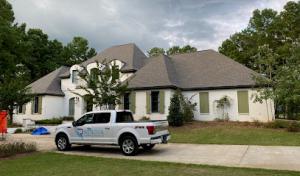
A full roof replacement requires a permit handled through the City of Clinton Building Department, and contractors usually submit the application on your behalf. That permit trail isn't just paperwork for show; it signals that the work will be reviewed for proper ventilation, flashing, and nail patterns, which are critical in this climate. If a contractor skips the permit step, the risk isn't just a citation-it can slow or derail insurance claims and future repairs. Start by confirming your contractor's license, then ask for the permit number and the department contact. Keep a copy of the permit paperwork in your files; it helps when storm season rolls back around and the county inspector asks for documentation.
Inspections in Clinton commonly occur during and after installation, with attention to ventilation, flashing, and nail patterns rather than just the finished appearance from the street. That means a project isn't "done" simply because the shingles look good from the curb. Expect at least a mid-project check to verify venting and attic airflow, and a final inspection to confirm that flashing around chimneys, vents, and valleys is properly integrated with the existing roof geometry. If you've had prior wind damage or a roof with inadequate underlayment, the inspector may ask for adjustments to ensure water can't seep into vulnerable spots.
Inspection timing can vary with department workload and weather, which matters in a city where rain interruptions already complicate scheduling. Heavy rain or extended heat waves can push inspections to the next business day or delay a review window entirely. If a weather system rolls through, it's common for inspections to be postponed or moved to the following week. Communicate clearly with the contractor about expected inspection dates, and have a plan for temporary protection if a delay pushes progress into a new storm cycle. If an inspector flags ventilation or nail pattern concerns, address them promptly to avoid reminders or a second inspection pass that can extend the project duration and complicate downstream moisture management.
After a major thunderstorm rolls through, take stock of every slope, valley, flashing area, and interior sign of moisture. In this neighborhood, where wind-driven damage and sudden deluges are common, the smallest roof irregularity can become a claim sticking point. Photograph both the exterior roof lines and any interior leaks as soon as visibility allows-ceiling stains, warped boards, and attic condensation all count. The goal is to build a clear, time-stamped record that can ride out the inevitable post-storm inspection questions.
Because carriers may adjust coverage after major weather events, Clinton homeowners should keep inspection reports, date-stamped photos, and notes on temporary mitigation such as tarping. Store copies of any contractor or adjuster visit summaries, and track the progression of damage over time with fresh photos after each round of weather. If tarps or boards are used, document the date, area covered, and the weather conditions that prompted the temporary fix. This paper trail can be the difference between a smooth claim and a drawn-out dispute.
Independent inspections can be especially useful in Clinton when repeated storms make it harder to separate fresh wind damage from older moisture-related deterioration. A neutral assessment helps distinguish what is new versus what has been hiding under shingles for years. When you suspect multiple sources of damage, a third-party expert can provide clarity that supports your claim and avoids confusion during adjuster reviews. Keep the results organized alongside your photos and notes for easy reference.
Flat-roof specialization is present but secondary in Clinton, reflecting a market where residential steep-slope work dominates but some homes, additions, and commercial properties still need low-slope expertise. The year-round rainfall and frequent thunderstorm-driven wind events mean drainage performance and ponding prevention are more consequential here than in drier Mississippi submarkets. Homes with low-slope sections should not be treated as afterthought areas; a small ponding issue can become a leak rapidly if flashing or edge detailing isn't up to par.
On low-slope sections, ensure proper slope toward the drainage outlets with clear runoffs and unblocked scuppers. In Clinton, even modest standing water can accelerate surface wear and pressure-plate flashing failures. When inspecting, look for flat seams, edge metal, and roof penetrations that show signs of water tracking between layers. For resealing or replacement, prioritize membranes or flexible roof systems that tolerate temperature swings and wind-driven rain without brittle failure. Regularly check during storm season for new ponding hotspots and address them promptly before the next rainfall.
Transitions between low-slope areas and steep-slope shingle roofs deserve extra scrutiny because repeated rain exposure can expose flashing weaknesses quickly. Inspect step and counter-flashings around chimneys, vents, and skylights where the two roof types meet. In Clinton, movement from a flat or near-flat plane into a steeper plane creates a seam path that water can exploit if misaligned or poorly sealed. A detailed transition assessment during replacement helps avoid hidden leakage paths that only show up after a heavy rain.
Establish a post-storm inspection routine focused on junctions, drains, and flashing at low-slope sections. After thunderstorms, check for hail impact on membrane surfaces and around edges, then verify that the drainage system remains clear. Create a simple seasonal checklist: confirm slope integrity, confirm flashings remain sealed, and verify that any newly exposed fasteners hold, especially where low-slope and steep-slope areas meet. Regular preventative attention minimizes the risk of wind-driven leaks and extends the life of the roof system in this climate.
Find specialists in TPO, EPDM, and built-up flat roofing systems for residential and commercial properties.
A1 Roof Savers
(601) 488-4400 a1roofsavers.com
8071 McRaven Rd, Clinton, Mississippi
4.9 from 14 reviews
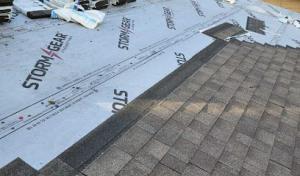
In Clinton, storm season means rapid responses matter. When a contractor can protect landscaping, remove debris promptly, and stabilize leaks after storms, you gain practical peace of mind. Because Clinton's market shows strong demand for quick response and cleanup-included service, homeowners often judge contractors on how well they protect landscaping, remove debris, and stabilize leaks after storms.
The local market includes many residential-focused and re-roofing contractors, so homeowners should verify who regularly handles full replacements under Clinton's permit and inspection process. Established, family-owned, licensed, and insured firms stand out in Clinton's contractor mix, which matters when storm seasons create a rush of short-term operators.
To move fast, start with a local recommendation, then ask for written scope, photos of current roof conditions, and a clear plan for temporary stabilization and permanent repair. Ask who will coordinate cleanup, protect plants, and remove nails and shingle scrap so you can reopen spaces quickly. In the rush, verify they hold current licenses and provide references from recent Clinton projects, not just glossy sales pitches, honestly stated.
When a full replacement is needed, ask the contractor to document all affected areas, including flashing, ventilation, and nail patterns, since Clinton's weather amplifies wind-driven damage and moisture intrusion. Clear photos and a written assessment help with insurance documentation. Then confirm a staged work plan that shows how leaks are stabilized immediately, how tarps or boards are used during heavy rain, and how crews secure the site at the end of each day to limit further damage. Storms in this area can create a fast-moving need for temporary repairs and long-term replacement, so the ability to sequence crews, order materials promptly, and coordinate with insurers is a practical advantage.