
Last updated: Apr 19, 2026
Storm damage in this market arrives hard and fast. Spring severe storms and hurricane-season remnants drive roof losses across the Jackson area, shaping the way insurers look at every claim. The climate's long, humid summers amplify hail impact on shingles and valleys, while high heat can stress underlayments and attic ventilation. That combination means a roof problem today can quickly become a weather-accelerated restoration project tomorrow. The risk is real, and the timing of a response matters as much as the repair itself.
Homeowners in this market often need photo documentation, a written scope, and contractor estimates because insurers commonly scrutinize wind and hail claims in Mississippi. When a storm hits, take wide and close-up photos that show overall roof condition and specific damage to shingles, flashing, and vents. Document any interior signs of water intrusion, stains, or attic moisture, since these details support the claim's scope. A clear, itemized written scope describes the anticipated repairs, materials, and sequences, so the insurer understands what is needed and why. Contractor estimates should be attached as independent corroboration of the scope. In this environment, third-party assessments can help resolve questions quickly and reduce back-and-forth delays.
Demand spikes after regional storm outbreaks can delay inspections and replacements across the Jackson metro, making early tarping and documentation especially important. If the property is exposed to ongoing risk, tarping or temporary coverings can protect the interior and prevent further damage while the claim is processed. When a claim is filed, expect inspections to be scheduled with a careful eye toward the weather window and the insurer's workload. Proactive communication with the adjuster-sharing photos, the written scope, and the contractor estimates-can keep the process moving even as storms threaten the area. Delays aren't unusual, but they are more manageable with organized, timely documentation and a clear, actionable plan for the repair.
In the wake of a Jackson storm, act quickly but thoughtfully. Capture the damage as soon as safely possible, prioritizing exterior damage that could allow water intrusion. Gather your paperwork: a concise written scope, clear contractor estimates, and a direct point of contact who can coordinate with the insurer. If a first inspection is delayed, keep your notes organized and maintain open lines of communication with both the insurer and the contractor. When the weather turns, prioritize tarping over rushed interior work; securing the site reduces further risk and supports a smoother claim process. If the claim moves into a loss-repair phase, insist on a defined schedule and milestone checks so that the project progresses without gaps caused by weather or supply constraints.
Find a contractor who understands this climate's particular pattern: rapid onset of wind and hail, variable spring outages, and hurricane-season remnants. A local partner who has navigated Jackson claims before will be able to anticipate insurer expectations, coordinate efficient inspections, and manage immediate protective measures. The right team can translate the storm's impact into a practical restoration plan, ensuring that the roof is restored to withstand the next round of winds and rain rather than merely patched for the moment. In this market, preparedness, precise documentation, and timely action are the best defense against prolonged exposure and fragile settlements.
Find local contractors experienced in assessing and restoring roofs after hail, wind, and severe weather events.

Watkins Construction & Roofing
(601) 708-9617 watkinsconstructioninc.com
1425 Lakeland Dr Suite 100B, Jackson, Mississippi
4.9 from 940 reviews
Pitch Perfect Roofing & Construction
(601) 502-3842 pitchperfectms.com
Jackson, MS
5.0 from 31 reviews
No Drip Roofing & Construction
5625 MS-18, Jackson, Mississippi
4.6 from 47 reviews

Watkins Construction & Roofing
(601) 708-9617 watkinsconstructioninc.com
1425 Lakeland Dr Suite 100B, Jackson, Mississippi
4.9 from 940 reviews
When you have a roof leak or storm related roof damage you need a local roofing contractor you can trust. Watkins Construction & Roofing has been a trusted Jackson MS roofer for 20-years. With services like roof repair, new residential roof replacement, commercial roofing, leaky skylight repair and replacement, and even roof cleaning services, Watkins wants to be your go-to Jackson MS roofing company. At Watkins Construction & Roofing our #1 goal is customer experience. Watkins Construction always puts customers first. Call Owens Corning Platinum Preferred roofing contractor, Watkins Construction & Roofing, today if you have a roof leak or need a new roof on your home anywhere in greater Jackson MS.
Pitch Perfect Roofing & Construction
(601) 502-3842 pitchperfectms.com
Jackson, MS
5.0 from 31 reviews
Pitch Perfect Roofing is a full service residential roofing company dedicated to providing customers with the highest standard of service and workmanship. Founded in 2019, Pitch Perfect Roofing has been serving Jackson’s Metro Area one customer at a time. Our goal is not only to meet the roofing needs of our customers but to make the process as painless as possible.
Guaranteed Roofing Company
(601) 939-2848 getoveranything.com
3540 I-55 South Frontage Rd, Jackson, Mississippi
5.0 from 21 reviews
Guaranteed Roofing specializes in residential and commercial roofing. We are family owned and operated and have been in business for over 50 years.
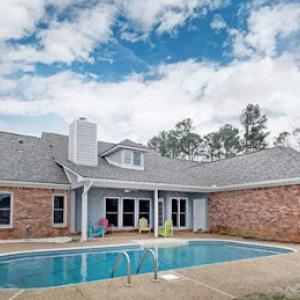
No Drip Roofing & Construction
5625 MS-18, Jackson, Mississippi
4.6 from 47 reviews
Since 2005, No Drip Roofing & Construction has been the leading roofing contractor serving Jackson, MS, and surrounding areas. We specialize in commercial and residential roofing, including TPO roofing, shingles, and metal roofing, as well as expert roof repairs. Our services also cover storm and hail damage repair, termite damage repair, painting, and carpentry. With a strong commitment to quality workmanship and customer satisfaction, we provide durable roofing solutions designed to protect your property. Contact No Drip Roofing & Construction today for a consultation and experience excellence in every project.
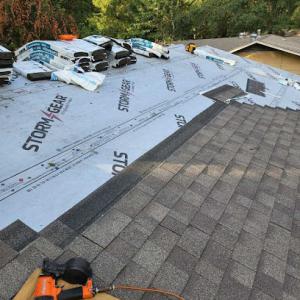
Value Roofing Solutions
(601) 826-8310 valueroofingsolutions.com
1840 S West St Suite 2, Jackson, Mississippi
4.4 from 36 reviews
"We Value Your Business". We provide roof replacements and repairs, for asphalt shingle, metal, flat and TPO roofing systems for residential and commercial properties. Free roof inspections. Licensed with the MS Board of Contractors and fully insured professionals. Serving Jackson, Madison, Ridgeland, Brandon, Pearl, Richland, Florence, Clinton, Raymond, and Vicksburg Mississippi.
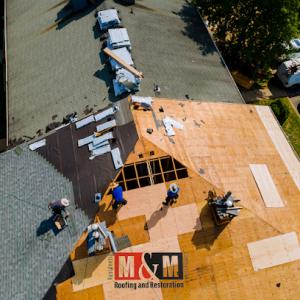
M&M Roofing & Restoration
(601) 850-2659 mmroofingandrestoration.com
210 E Capitol St Suite 1040, Jackson, Mississippi
5.0 from 8 reviews
M&M Roofing and Restoration offers expert residential and commercial roofing services in Mississippi. We specialize in roof repairs, replacements, siding, gutters, and mold removal. Trusted for quality, fast service, and free inspections—your reliable local roofing company.
NELA Roofing
(601) 780-7680 www.nelaroofing.com
1880 Lakeland Dr suite f, Jackson, Mississippi
5.0 from 7 reviews
Welcome to NELA Roofing, your go-to experts in Jackson for top-notch roof repair and replacement services. Renowned as one of the best roof repair companies nearby, we offer affordable and efficient solutions, including metal roof installations and emergency repairs. Need to know if your roof needs replacing or how to handle insurance claims for roof repairs? Our team provides expert guidance and swift service. Specializing in residential roofing, we handle everything from leak detection to hail damage repair. Trust us for reliable, round-the-clock roofing solutions tailored to Jackson's unique needs. Contact NELA Roofing for excellence in roofing services
R&W Roofing
Jackson, Mississippi
5.0 from 5 reviews
At R&W Roofing we are proud to be locally owned and operated, and one that’s dedicated to delivering quality residential roofing in the Central Mississippi area! It’s really that simple. We are dedicated to providing free estimates, quality roof replacement and roof repair, gutter installation and repair, storm damage restoration, and insurance claim assistance. We are proud to say we are Owens Corning Certified and GAF Certified, allowing us to provide some of the best warranties to our customers. We'll make you proud of your new roof!
Trinity Roofing Contractors
(601) 564-0206 trinityroofing316.com
333 Decelle St, Jackson, Mississippi
5.0 from 4 reviews
We’re a member of the Better Business Bureau with a 5 stare A+ rating. We are also a (V.O.S.B.) Veteran Owned Small Business. We’re HAAG certified through HAAG Engineering for residential roofing. We hold a Insurance Adjuster Certificate through Adjuster Pro. We know and understand the insurance claim process.
Pathway Residential & Commercial Building
1700 Terry Rd, Jackson, Mississippi
5.0 from 1 review
Pathway Residential and Commercial Building offer Roofing & Flooring Service for the Central Mississippi area.
Deep South Roofing
3845 I-55, Jackson, Mississippi
3.0 from 4 reviews
Deep South Roofing is an award winning roofing contractor you can trust in Jackson, Mississippi. We offer reliable roofing systems and expert installation. We use only the best materials that durable, affordable and unique. Efficient installation and beautiful results are our main goals every time we do a job. This is the company by which all others are measured!
EC Malone Roofing, Metal Walls, Maintenance
(601) 709-2391 www.ecmalone.com
Serving
4.7 from 60 reviews
Every day at Malone, we believe we exist to improve our community. We embrace technology, and empower our people to never settle for average, while striving to be better than we were yesterday. Malone brings beautiful products to clients in a timely manner, while using the highest quality materials, delivered with expertise workmanship. Through a transparent process, we protect people and the things that matter most. We began as roofers. We thrive as innovators. We are Malone. How can we serve you? At Malone Roofing Services, our mission is to perform for our customers the highest level of quality construction services, at fair and market competitive prices, while ensuring the longevity of our company through repeat/referral business.
Jackson's dry spring and fall windows are commonly the most workable periods for full replacements. If you're scheduling a complete roof overhaul, aim for a stretch with low rain risk and moderate humidity. That typically means targeting late February to early April or late September to early November. In these windows, crews can lay underlayment and install shingles with fewer weather-related delays, reducing the chance of moisture creeping under the new roof before sealing. When you book, confirm a back-up plan with the contractor for a brief rain event, but you'll usually see the most predictable progress in these months.
Hot, humid Jackson summers can accelerate shingle aging while also making installation crews work around heat stress and afternoon storms. If you must install in midsummer, plan multiple early starts and protect contractor crew health with shaded breaks and hydration protocols. Expect faster nail setting and seal-down challenges if afternoon humidity spikes. Schedule inspections in the early morning or late afternoon and have a contingency for sudden thunderstorms. For replacement projects, try to avoid peak heat weeks and anticipate more weather-related holds than in milder markets.
Winter fronts in central Mississippi can bring moisture and occasional freezes that complicate seal-down and scheduling even though winters are relatively short. Frost or ice buildup on the deck can delay underlayment and shingle application, and freezing nights can affect sealant work. If you're pursuing roof work in winter, plan for shorter daily crews and potential pauses after freezing rain or sustained cold snaps. Clear, dry mornings are ideal, but be ready for quick changes in the forecast that push work into the afternoon or the following day.
Severe weather windows are a real factor in this climate. The hinge is to align storm-sensitive work-especially shingles and sealants-with calmer days. If a storm front is approaching, secure loose items, cover attic exposures, and coordinate with the contractor on a rapid-response plan for wind-driven debris protection and temporary leaks, if needed. When filing an insurance claim after a storm, keep clear notes of the timeline and objective weather data to help prioritize roof work in the next workable window.
Storm damage often lands in spring or late summer as fronts roll through. You'll benefit from working with a contractor who can help pace the repairs in concert with insurance responses, coordinating temporary repairs when permanent work must wait for a dry window. The goal is to restore a watertight roof promptly while riding out Jackson's storm cycles with a practical plan.
The hot, humid inland Mississippi climate in this area drives a harsh rhythm of spring storms, hurricane-season wind and rain, and long summer heat cycles. Storm response, ventilation, and moisture management need to be baked into every material choice. Asphalt shingles sit at the center of most Jackson homes because they strike a practical balance between upfront install practicality and the ability to recover from recurring wind and hail events. When a wind-driven shingle lift or hail strike happens, replacements are typically straightforward, and local suppliers keep a broad selection of shingle types and colors on hand, which helps keep repairs timely after a storm.
Asphalt shingles have become the default for many homes due to their ease of installation and broad availability of quick, repair-friendly options after severe weather. In a climate where humidity and heat drive roof temperatures higher, a well-sealed asphalt roof benefits from a solid underlayment and proper attic ventilation to slow moisture ingress and minimize shingle aging. In Jackson, neighborhoods with mixed-age roofs show that shingle systems are easier to match for color and mineral granule availability after a storm, which helps maintain curb appeal even after repeated hail events. The practical reality is that shingle systems tend to be the most forgiving when repairs are needed in a market where replacement parts and skilled roofers are readily accessible.
Metal roofing has a meaningful niche in this market because homeowners value durability in heavy rain and wind-prone seasons. When installed with attention to flashing, seam sealing, and proper condensation control, metal surfaces shed wind-driven rain effectively and resist impact better than many traditional options. However, in a humid climate, detailing matters: correct venting at eave and ridge lines, appropriate sealants for coastal-like moisture exposure, and careful fastener selection to avoid corrosion or panel wear over time. Metal can excel where storms are frequent, but the quality of installation and the climate-specific finishes matter just as much as the metal itself. A meticulous approach to attic ventilation and temperature management complements metal's strengths, helping prevent ice damming in cooler windows and reducing heat transfer during long summer days.
Clay tile, concrete tile, slate, and fiber cement appear in parts of the market, but they require attention to structural load, repair expertise, and replacement sourcing that is less common than shingle work in this area. Clay and concrete tiles impose a heavier roof load, which means the existing framing must be evaluated for capacity and potential retrofit. Slate and fiber cement offer distinctive aesthetics and durability, yet repairs demand specialized skill, and sourcing matching replacements can be slower during storm recovery periods. In humid climates, moisture management around tile lapses and potential freeze-thaw cycles (when a rare cold spell arrives) also dictates meticulous installation and periodic maintenance. For homes with these materials, the emphasis should be on ensuring the roof structure is prepared for the added weight, that repair teams have access to compatible tile or composite products, and that roof ventilation and deck moisture control are prioritized to protect the underlying structure.
In Jackson, the best material choice reflects a balance between storm resilience, local repair capacity, and the ability to source compatible components quickly after wind and hail events. Matching the roof to the home's structure, climate, and typical repair ecosystem ensures that a chosen system performs reliably through Jackson's dynamic weather windows.
The long hot season and high humidity create conditions where attic air can become a furnace if ventilation is lacking. In Jackson, attic ventilation is not merely an efficiency upgrade; it directly affects how long roofing components last. Poor venting accelerates deck and underlayment deterioration, especially when storms push warm rain or high humidity through attic spaces. If the attic breathes poorly, shingles may blister sooner, and fasteners can corrode faster from trapped moisture. This is not about comfort up in the attic; it's about protecting the roof structure from the inside out.
Humidity and heat interact with aging roofing. In a storm-wet cycle, moisture can migrate upward and linger under aging shingles or underlayment. That trapped moisture can lead to rot and swelling in the deck, even when the exterior surface looks intact after a rain. In Jackson's climate, those micro-gradients matter: a hot roof deck invites faster degradation of underlayment and decking, increasing the chance of leaks during the next storm without obvious exterior signs. The result is a slow, cumulative decline that shortens the roof's life and complicates future repairs.
Preventive measures in this climate start with ventilation that matches the roof's size and layout. Ensure a balanced system of intake and exhaust vents, with adequate soffit, ridge, or gable vent coverage. When a roof is looked at for storm damage, the inspection should verify that attic pathways are clear and that vent screens aren't clogged with lint, insulation, or debris. Consider upgrading ventilation where signs of heat buildup or damp air appear, especially if the attic is cramped or has limited access. Adequate venting reduces condensation risk in humid months and slows the propagation of moisture-related problems into the decking and underlayment, helping preserve the roof beyond the next rainstorm.
Typical Jackson pricing runs about $350 to $600 per square for asphalt shingles, $600 to $1200 for metal, $1800 to $3000 for clay tile, $1500 to $2800 for concrete tile, $2500 to $4500 for slate, and $450 to $800 for fiber cement shingles. When you're budgeting, think in terms of squares (one square equals 100 square feet). The numbers above reflect installed, ready-to-protect roofing with standard substrates and common drip edge and flashing details. Heavier materials like clay, concrete, or slate often require more than just a bigger price tag; they can demand extra fasteners, reinforced decking, and improved ventilation to perform well in Mississippi heat and humidity. In Jackson, costs can drift upward if the job includes a tear-off of multiple layers or if the crew has to work around existing skylights, chimneys, or vents that complicate access.
Storm-driven demand surges in the Jackson area can push labor scheduling and pricing upward after major wind or hail events. If a storm hits, expect bids to tighten and timelines to compress, sometimes forcing faster turnarounds or weekend work. Planning ahead for a replacement during the late spring or early summer can help you secure a crew before the next round of severe weather rolls through. In practice, you'll often see the best combination of price and schedule by lining up a contractor in advance, not waiting for a random rain-free week after a hailstorm has damaged multiple homes. Your project may also shift timing if a second or third layer removal is required.
Costs in Jackson can also shift based on ventilation upgrades, tear-off complexity after repeated re-roofing cycles, and whether heavier materials require additional structural consideration. Upgrading attic ventilation, adding soffit or ridge vents, or improving attic baffles can help with moisture management and heat relief, reducing the risk of future shingle failure. If your roof is older or has multiple past repairs, expect a closer look at decking and potential repairs that add to the bottom line. Heavier materials demand careful load calculations and, in some cases, a staged replacement approach to minimize structural stress.
When you're comparing bids, ask for itemized line items: tear-off, disposal, underlayment, fasteners, flashing, and any ventilation work. Clarify whether the bid includes a full roof deck inspection and any needed repairs tied to ventilation or moisture management. If wind or hail has damaged the roof, talk through insurance-aligned sequencing and how weather windows might affect the start date. In practice, a well-structured plan that accounts for Jackson's climate realities helps you lock in a reasonable price and a stable schedule, while still delivering a durable, weather-ready roof.
Don't let upfront costs delay a critical repair - these contractors offer payment plans to fit your budget.
Watkins Construction & Roofing
(601) 708-9617 watkinsconstructioninc.com
1425 Lakeland Dr Suite 100B, Jackson, Mississippi
4.9 from 940 reviews
Strength Roofing & Siding
(601) 373-7254 www.strengthroofingandsiding.com
Serving
5.0 from 75 reviews
When you plan a full roof replacement, a permit through the local building department is part of the process. This isn't just a formality; it helps ensure the new roof stands up to our hot, humid climate and the spring storm cycles. A full replacement typically triggers a permit rather than a simple reroof note, so expect the process to involve paperwork and a small wait typical of Jackson's building enforcement. The city wants a clear project scope, and the permit application will usually call for roof height and ventilation details in addition to the overall plan. Having these specifics ready helps avoid delays when the plans reviewer checks the submission.
Rather than a one-line reroof description, the application generally requires a fuller scope. Include the proposed roof assembly, attic ventilation strategy, and any changes to roof height or skylights. If there are structural components being altered-like a re-vented attic or updated fascia-document those upgrades. The reviewer will look for evidence that ventilation meets current standards and that any attic or ceiling spaces remain properly vented after the work. Since Jackson homes range from traditional to newer constructions, bring structural notes or a short drawing if your crew is proposing any decked or insulated sheathing changes.
Jackson commonly uses rough-in and final inspections so the city can verify installation and code compliance before the job is closed out. Expect a rough-in check once the roof deck and underlayment are in place, followed by a final inspection after the roof, penetrations, ventilation, and overall installation are complete. Coordinate with your contractor to align material deliveries with the inspection windows, and schedule quick touch-ups if the inspector flags a ventilation or flashing detail. Keeping a copy of the permit and all manufacturer installation instructions handy speeds the review process.
Jackson homeowners operate in a Mississippi market with frequent wind and hail claims, which shapes how underwriting, deductibles, and claim timelines unfold after severe weather. When storms roll through the area, carriers can tighten exposure on roofing projects, push closer review windows, and pile on documentation demands. The result is that the path from damage discovery to approved damage repair can feel slower-and-more-fragile than expected, especially if a claim lands during peak storm season. Knowing this reality helps you plan, respond, and set expectations with your contractor and insurer.
Because adjusters may request contractor estimates in Jackson-area claims, homeowners benefit from keeping date-stamped photos, interior leak evidence, and a detailed scope from the start. Photograph roof and attic conditions as soon as it's safe to do so, showing both visible damage and signs of moisture intrusion. Store receipts and notes from any temporary repairs, and keep a simple log of communications with the insurer. A clear scope that itemizes shingle replacement, flashing, ventilation, and any decking or structural checks reduces back-and-forth and helps prevent under- or over-scoping when the claim moves through the process.
State-level insurance oversight in Mississippi can influence how quickly claims move and how carriers handle roofing exposure after active storm periods. Expect potential pauses while markets assess broader storm activity, then a burst of activity as adjusters reopen files. To avoid delays, align a certified, local contractor who understands common Jackson roofing assemblies and typical moisture pathways in humid summers. Keep responses concise, confirm every scope line with the adjuster, and request written confirmations for any agreed repairs. This disciplined approach reduces the risk of partial settlements or coverage gaps that quietly prolong the project.
Severe weather windows in spring and late summer can tighten schedules and complicate inspections. If a claim is open during a weather lull, secure estimates and prep work promptly to shorten downtime once approvals come through. When storms are forecast, arrange temporary protection quickly and document it, so the insurer sees proactive mitigation. Delays now can cascade into extended repair timelines, so maintain steady communication and steady documentation throughout the recovery cycle.
Connect with contractors who help homeowners navigate the claims process from damage assessment to final approval.
Watkins Construction & Roofing
(601) 708-9617 watkinsconstructioninc.com
1425 Lakeland Dr Suite 100B, Jackson, Mississippi
4.9 from 940 reviews
Pitch Perfect Roofing & Construction
(601) 502-3842 pitchperfectms.com
Jackson, MS
5.0 from 31 reviews

Guaranteed Roofing Company
(601) 939-2848 getoveranything.com
3540 I-55 South Frontage Rd, Jackson, Mississippi
5.0 from 21 reviews
While the market is primarily residential re-roofing, a smaller but real share of contractors advertises low-slope work for additions, porches, and mixed-roof homes. That means you will encounter crews that specialize in transitions rather than a single, uniform roof crew. Expect more attention to detail at the edges, where a shallow grade meets vertical walls, and plan for longer-term fixes that address both water shedding and ventilation around those transitions.
Repeated heavy rain in storm seasons makes flashing transitions and skylight perimeters common leak checkpoints. Inspect these areas after every severe rainfall event or wind-driven rain. Look for rust along metal flashings, lifted shingle tabs near skylights, and any staining on ceiling plaster or drywall interior. When addressing leaks, start at the skylight apron and work outward along the flashing lines to confirm seal integrity. If a skylight is older, consider re-sealing with a compatible sealant and upgrading to a higher-quality flashing kit designed for low-slope interfaces.
Homes with mixed roof geometries in this market often need repair specialists rather than standard replacement crews when leaks center on penetrations and low-slope sections. Do not assume a full roof replacement will resolve all issues if the problem sits at a vent pipe, chimney base, or dormer junction. Request a focused assessment that traces moisture paths from the exterior entry point to the interior stain. Choose a crew accustomed to diagnosing leaks at low-slope transitions, where materials, not just roofs, influence long-term performance.
Develop a maintenance routine that includes semiannual inspections timed around the spring storms and the late-summer heat spike. In a climate with persistent humidity, address condensation signs under attic vents and ensure attic baffles remain in place to keep airflow steady. If a low-slope area has a history of trouble, keep a close eye on surrounding decking and underlayment for soft spots that could indicate hidden moisture. This proactive approach helps prevent cascading issues across penetrations and transitions.
Find specialists in TPO, EPDM, and built-up flat roofing systems for residential and commercial properties.
No Drip Roofing & Construction
5625 MS-18, Jackson, Mississippi
4.6 from 47 reviews
Value Roofing Solutions
(601) 826-8310 valueroofingsolutions.com
1840 S West St Suite 2, Jackson, Mississippi
4.4 from 36 reviews
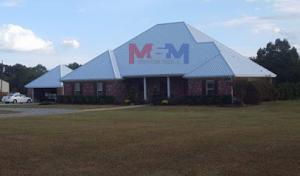
When a Jackson storm hits, the quickest roofers are the ones you'll notice first: the crews that inspect promptly, tarp exposed areas to prevent water intrusion, and return for thorough cleanup before setbacks set in. In a market that leans toward residential re-roofing, you'll see a strong emphasis on who can get on the job, assess damage, and stabilize your home without delay. Look for a contractor who has a documented plan for immediate assessment, temporary protection, and a follow-up visit to address any lingering leaks or wind-blown debris. A reliable company should spell out the sequence: initial on-site check, emergency tarp, complete tear-off if needed, and a scheduled cleanup that doesn't drag on for weeks.
Post-storm periods can attract operators who chase volume rather than stability. The best choice is a licensed and insured contractor with established local roots, not a fly-by-night outfit that pops up only after a major weather event. Check that the company has a physical local address, a steady crew, and a track record of finishing projects in a timely manner. Residents commonly report that the most dependable teams keep communication open, provide written updates after inspections, and stay accountable for the final cleanup. A solid roofer will align their process with your insurance claim timeline, so you aren't left waiting on a project that drags during peak wind and rain windows.
Storm work isn't just about shingles; it's about managing moisture, insulation, and ventilation under extreme humidity and heat. Ask for a written plan that covers tarping, fastening methods for high-wind events, and a cleanup checklist you can verify, including debris removal and waste disposal. Local crews that understand the Jackson climate will tailor recommendations to your roof style and attic ventilation needs, minimizing risk of future hail damage or water intrusion during the next storm cycle. If a contractor hesitates to provide a concrete sequence and timeline, you may want to look further.
Because claim-heavy periods can attract unstable operators, take extra care with references and proof of ongoing work. Request recent project photos, a short list of local references, and proof of current insurance certificates. A company with a stable local presence often resolves issues quickly and follows up after the job, ensuring that storm-related risks don't reappear just as the next storm arrives. Your home deserves a team that treats cleanup as seriously as the roof itself.