Roofing in Vicksburg, MS
Last updated: Feb 28, 2026
Here in Vicksburg, the Mississippi sun is not shy about testing a roof. Long, hot summers, sticky humidity, and afternoon storms roll in from the river with enough force to rattle gutters and loosen flashing. Our roofs have to stand up to heat, wind, and sudden downpours, often with less fall-to-wall air movement than you'd expect in a dryer climate. That means smart maintenance is not a luxury here—it's a necessity. Think of your roof as a first line of defense against heat and rain, a system that protects your family and your home's structure when the weather turns. With that in mind, friendly, practical care becomes a straightforward habit, not a mystery.
On this page you'll find practical, neighborly guidance built for Vicksburg homes. We start with what the climate and local conditions mean for roof life, then walk through material options that stand up to heat and storms, and the styles you're likely to see in our area. You'll get a realistic sense of local costs and budgeting, plus the permits and local regulations that affect repairs and replacements. We cover common roofing problems in our market—and practical fixes you can handle and when a pro is the safer choice. The advice is framed around Vicksburg's conditions and backed by local resources: suppliers, code references, and trusted local pros who understand our weather patterns.
Whether you're sprucing up an aging roof, installing a new one, or simply budgeting for maintenance, you'll find a clear path here. We emphasize reader-friendly language, transparent options, and steps you can take this season to protect your home. And because every roof is a little different—sloped versus flat, different architectural styles, and trees nearby—this guide helps you tailor decisions to your own house and neighborhood.
Now, let's start by looking at how Vicksburg's climate shapes your roof and what that means for maintenance and planning.
Local Climate & Its Impact on Roofs
Climate realities in Vicksburg
- Vicksburg sits in a humid subtropical climate zone: hot, humid summers and mild winters, with moisture-heavy air that circles back to the roof.
- The Mississippi River influence means frequent humidity, heavy rains, and intense thunderstorm activity, especially late spring through summer.
- Summer highs commonly reach the 90s, and high humidity can make heat feel more severe. Annual rainfall is substantial, contributing to a wetter, more corrosive environment for roofing materials.
- Tornadic activity and tropical storm remnants can bring sudden, intense wind and downpours; plan for quick-response maintenance after severe weather.
- Ultraviolet exposure is persistent, so aging of surface materials happens faster in the shade of trees or in direct sun.
How heat, humidity & UV affect roofs
- Asphalt shingles can become brittle or curl when exposed to extreme heat, and granules may shed faster, shortening service life.
- High humidity promotes mildew, algae, and mold on the roof surface and under the eaves if ventilation is inadequate.
- UV radiation accelerates fading and material degradation, especially on darker shingles; color choice can influence heat absorption.
- Metal roofs handle heat well but can experience thermal expansion and contraction, which stresses seams and fasteners if not installed correctly.
- Wood shakes or shingles are particularly vulnerable to moisture-related rot and insect damage in a humid climate.
Rainfall, drainage & algae growth
- Heavy rains and frequent showers demand well-maintained gutters, downspouts, and proper roof pitch to avoid standing water at the eaves.
- Clogged gutters overflow can back up and seep under shingles or fascia, increasing leak risk.
- Shade and moisture foster algae and moss growth on shaded slopes; this can retain moisture and accelerate surface wear.
- Ensure flashing around chimneys, vents, and skylights is sound to handle heavy downpours and wind-driven rain.
Wind, storms & uplift risks
- Spring and summer storms can generate strong winds that lift shingles, loosen nails, and compromise edging and flashing.
- Hail, while variable, can dent metal edges or crack asphalt shingles, creating weak points that lead to leaks during the next rain.
- Wind-driven rain can reach vent pipes and roof penetrations; proper sealing and wind-rated fasteners are essential.
Maintenance plan: a practical 5-step routine
1) Inspect gutters and downspouts after each major rain event; remove leaves, debris, and check for sagging sections.
2) Check attic ventilation: ensure soffit vents, ridge vents, and soffit-to-attic airflow are balanced to prevent condensation.
3) Examine the roof surface for damaged shingles, curling edges, loose granules, or exposed nails; replace or repair promptly.
4) Inspect flashing around chimneys, vents, skylights, and intersections with walls; reseal or reseal as needed to maintain a watertight bond.
5) Schedule a professional roof inspection after severe weather or once a year in late spring to catch hidden damage before it worsens.
Warnings about local risks & official resources
- Severe weather and flood risk are real in this region; stay informed with official forecasts and warnings.
- Flood maps can help you understand risk in low-lying areas and near the river. Check these resources:
- National Weather Service:
- FEMA:
- FEMA Flood Map Service Center:
- Mississippi Emergency Management Agency (MEMA):
- NOAA storm & hurricane guidance (as applicable):
Recommended Roofing Materials for Vicksburg
- Asphalt shingles are the go-to for many Vicksburg homes. They're affordable, easy to install, and come in a wide range of colors to match your house.
- Architectural (dimensional) shingles offer better wind resistance and a longer lifespan than basic three-tab shingles, which helps in storm-prone Mississippi weather.
- What to look for:
- High wind rating (aim for shingles tested to withstand 130–150 mph uplift, with proper nailing and underlayment).
- Algae and impact resistance, especially for humid summers and occasional hail.
- A solid warranty (ideally 30–50 years) and a reputable local installer.
- Pros: budget-friendly upfront cost, quick installation, broad availability, easy repairs.
- Cons: shorter lifespan than metal or tile, UV exposure can cause color fading and curling over time, performance varies with quality of asphalt and installation.
- Metal roofs (standing seam or premium panels) excel in heat, wind, and rain. They're a strong match for Vicksburg's hot summers and occasional severe storms.
- Benefits:
- Excellent wind uplift resistance and hail resilience when installed correctly.
- Reflective, cool-color finishes help reduce attic heat and cooling costs.
- Long service life (often 40–70 years) and strong fire resistance.
- Considerations:
- Higher upfront cost, though lifecycle savings can be significant.
- Noise can be noticeable in heavy rain unless you add proper attic insulation or a sound-dampening underlayment.
- Proper installation is crucial to prevent water backup and fastener corrosion.
- Best practices: choose light-reflective colors, ensure adequate attic ventilation, and hire a contractor experienced with metal roofing in storm-prone areas.
Tile Roofing (Clay/Concrete)
- Clay or concrete tile is highly durable in heat and offers excellent longevity and fire resistance.
- Pros:
- Superior heat tolerance, color longevity, and a timeless appearance.
- Great fade resistance and a longer lifespan than most other materials.
- Cons:
- Heavy weight; requires structural assessment to confirm the deck can support the load.
- Higher initial cost and more complex installation.
- Susceptible to breakage from hail or heavy impacts if struck in the wrong spot.
- Local note: ensure you have a qualified installer who understands tile roof conditions in the region and can address moisture management in humid climates.
- Slate roofs are long-lasting and visually striking, with lifespans that can exceed 100 years when properly cared for.
- Pros:
- Exceptional durability, fire resistance, and a classic look.
- Stable performance in heat and humidity when kept dry and well-ventilated.
- Cons:
- Very high upfront cost and heavy weight requiring substantial structural support.
- Limited local supply and skilled slate installers; repairs can be specialized and pricey.
- Local note: slate makes sense mainly for homeowners prioritizing durability and aesthetics and who have the budget and structure to support it.
- Wood shingles or shakes add a natural, rustic charm but are not ideal for the Vicksburg climate.
- Cons:
- Susceptible to rot, mold, and termite activity in high-humidity, warm environments.
- Higher maintenance (staining/sealing) and a greater risk of moisture-related damage.
- If you still consider wood, opt for pressure-treated or fire-retardant-treated products, ensure robust ventilation, and budget for ongoing maintenance.
Flat or Low-Slope Roofs: Membranes (TPO, EPDM)
- For additions, porches, or renovations with low-slope sections, single-ply membranes like TPO or EPDM are practical.
- Pros:
- Good reflectivity, energy efficiency, and relatively straightforward repairs.
- Flexible and durable under various temperatures.
- Cons:
- Seams require careful detailing and proper installation to prevent leaks.
- Less variety in color options and can be less cosmetic for some homes.
- Local tip: in Vicksburg's climate, ask about heat-reflective membranes and ensure proper UV protection for extended life.
Color, reflectivity, and insulation considerations
- Lighter colors reflect more heat, helping keep attic temperatures down in hot summers.
- Reflective metal finishes can cut cooling costs but may show dirt more easily; plan for regular cleaning.
- Pair any roofing material with adequate attic ventilation, radiant barrier where appropriate, and a dedicated underlayment to improve performance in humidity and rain.
Choosing in Vicksburg: quick references
- For storm resilience and longevity on a modest budget: architectural asphalt shingles or metal roofing.
- For maximum longevity and heat tolerance, with structural support: tile or slate (if budget and structure allow).
- For flat or low-slope additions: TPO or EPDM membranes with reflective finish.
Popular Roof Styles & Architectural Trends in Vicksburg
Gable Roofs: Classic and practical
Gable roofs are a staple in many Vicksburg homes. Their simple design keeps costs reasonable and provides good attic ventilation when paired with proper soffit intake. In humid Mississippi weather, a well-ventilated attic helps reduce heat buildup and prolongs roof life.
- Pros: Easy to install/repair, strong shedding capability, versatile with various siding styles.
- Cons: More wind uplift risk in severe events; requires solid bracing on exposed ends.
- Best fits: Traditional Colonial and ranch-style homes, modern additions that want a straightforward silhouette.
Hip Roofs: Wind-resilient and balanced
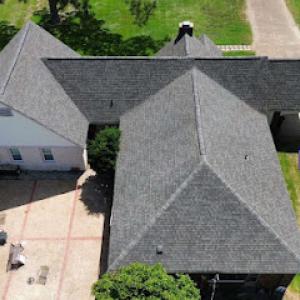
Hip roofs slope on all four sides, which helps shed wind and rain from multiple directions—a smart choice for storm-prone seasons along the Mississippi River corridor.
- Pros: Superior stability in high winds, excellent drainage, good for attic efficiency.
- Cons: Slightly higher cost and more complex framing; attic space can be smaller.
- Best fits: Bungalows, Craftsman-era houses, and homes with wraparound porches.
Metal roofing has grown in popularity across Vicksburg for its resilience and energy efficiency. Standing-seam and exposed-fastener metal roofs perform well in heavy rains, hail, and heat.
- Pros: Long service life, exceptional wind resistance, lighter weight, reflective finishes reduce cooling loads.
- Cons: Higher upfront cost; installation quality matters for flashings and seams; noise can be a consideration without proper insulation.
- Practical tips: Choose a reflective or light-colored finish to keep attic temps down; ensure a licensed roofer uses corrosion-resistant coatings for our climate.
Architectural Shingles & Contemporary Composites: Style without breaking the bank
Architectural (laminate) shingles offer depth, curb appeal, and better wind resistance than traditional 3-tab shingles, making them a popular upgrade on both historic and newer homes.
- Pros: Richer look, longer warranty options, improved wind performance.
- Cons: Slightly higher upfront cost; color choices should consider Southern heat.
- Best fits: Homes aiming for a timeless look with modern durability, including renovated Victorians and craftsman-style houses.
Historic & Traditional Roofs: Respecting Vicksburg's character
Old town and historic neighborhoods often feature steep pitches, dormers, and metal or wood-look finishes to maintain period accuracy. Modern restorations frequently blend authentic materials with code-compliant underlayments and high-efficiency insulation.
- Materials to consider: Metal (standing seam) for authentic feel, high-quality asphalt architectural shingles, or fiber-cement shakes for durability.
- Practical considerations: Match the roofline's rhythm with the façade; ensure flashing and dormer work preserve historic look while meeting today's weatherization standards.
- Maintenance note: Regular inspections help catch wind-driven loosening on ornate features.
Flat & Low-Slope Roofs: Additions and functional spaces
Though less common for main roofs in older neighborhoods, low-slope or flat sections appear on additions, garages, and some modern-conversion homes.
- Pros: Interior usable space; simple drainage planning with proper slopes.
- Cons: Higher risk of ponding water; requires high-quality membrane systems.
- Common systems: EPDM, TPO, or modified bitumen with reinforced edge flashing.
- Maintenance tip: Inspect seams and edge flashing after heavy rains; ensure clear drainage paths.
Practical planning steps for Vicksburg homeowners
1. Assess wind load and storm exposure for your street and home orientation.
2. Choose materials with cool- or reflective finishes to combat heat and reduce cooling costs.
3. Prioritize underlayment, ventilation, and attic sealing to prevent moisture issues.
4. Work with a local, licensed roofer who understands Mississippi codes, wind-rated products, and warranty options.
5. Consider historic-compatibility if you're in an older district; discuss acceptable materials and detailing with the local preservation board if applicable.
Average Roofing Costs in Vicksburg
What influences Vicksburg roofing costs
- Roof size in squares (1 square = 100 sq ft) and overall surface area
- Roof pitch and complexity (dormers, valleys, multiple chimneys)
- Material choice and quality (asphalt vs metal vs tile)
- Old roof removal, disposal, and debris handling
- Ventilation, underlayment, flashing, and roof penetrations (vents, chimneys, skylights)
- Local labor rates and contractor availability in the Vicksburg area
Typical cost ranges by material (installed)
- Asphalt shingles (standard): 4.50 - 7.50 per sq ft (roughly 450 - 750 per square)
- Architectural/laminated shingles: 5.50 - 9.00 per sq ft
- Metal roofing: 8.00 - 14.00 per sq ft
- Wood shake/shingle: 6.50 - 12.00 per sq ft
- Clay or concrete tile: 10.00 - 20.00 per sq ft
- Slate: 15.00 - 25.00 per sq ft
Notes:
- Prices generally include removal of the old roof and disposal, but always confirm with the contractor.
- Higher-end underlayment, improved ventilation, and better warranties push costs upward within these ranges.
How sizing and roof features affect the bill
- Size matters more than you'd expect: doubling roof area can more than double the cost.
- Steeper pitches increase labor time and safety measures, pushing per-square costs higher.
- Complex features (multiple intersections, tall ridges, chimneys) add specialty flashing and extra waste.
Other factors that can shift the budget
- Roof removal and disposal: common add-ons of $1,000 - $5,000 depending on material and debris.
- Underside work: new decking if rotten boards are found
- Ventilation upgrades: can add $300 - $1,500
- Warranty level: longer or stronger warranties may add 5-15% to the base price
- Accessibility and travel: if crews must travel from outside Vicksburg, small surcharge may apply
Local considerations for Vicksburg homes
- Climate and storms: heavy rain, humidity, and occasional hail can influence material choice for durability and longevity.
- Historic districts and architectural style: many older homes in Vicksburg benefit from architectural shingles or look-alike options that preserve curb appeal; some districts may have guidelines for materials to match original styles.
- Common Vicksburg roof types: asphalt shingles remain the most common, with metal roofing gaining traction for longevity and resistance to wind and moisture; clay tile is less common but used on certain craftsman-style or mission-inspired homes.
- Contractor availability: the number of local roofers influences bidding competition and seasonal pricing; plan ahead to avoid peak storm season surges.
- Permits and inspections: expect permit fees and potential code-mandated upgrades (ventilation, underlayment, or flashing standards) that affect total cost.
Quick planning steps to budget confidently
1. Calculate the roof area in squares (total square footage ÷ 100).
2. Choose a material category that fits your home's style and climate needs.
3. Request formal quotes from at least 3 local Vicksburg contractors to compare materials, labor, and disposal costs.
4. Ask about included components (underlayment, flashing, vents, starter strips) and warranty terms.
5. Add a 10-20% contingency for weather-related delays or undiscovered decking issues.
Common scenarios in Vicksburg (example ranges)
- Small to medium asphalt roof (15-20 squares): roughly $7,000 - $15,000
- Mid-range asphalt with architectural shingles (15-20 squares): roughly $9,000 - $20,000
- Standard metal roof on a typical home (15-20 squares): roughly $12,000 - $28,000
- Clay tile upgrade on a larger home (20-25 squares): roughly $20,000 - $50,000
Note: these are ballpark ranges to help with initial budgeting in the Vicksburg area and can vary based on exact roof geometry, material choices, and contractor pricing.
Permits & Local Regulations
Do I need a permit to re-roof in Vicksburg?
In Vicksburg, a building permit is usually required for re-roofing projects. The permit ensures work meets the Mississippi State Building Code as adopted by the City and that structural changes, ventilation, drainage, and weatherproofing are properly done. Even if you're replacing shingles with like-for-like materials, you'll most likely need a permit. If the project involves tearing off old decking, adding skylights, vents, or modifying the roof structure, a permit is almost certainly required.
Who pulls the permit and how to start
- In most cases, a licensed contractor pulls the permit on your behalf.
- You can also pull it as the homeowner, if allowed, and in your name.
- The permit must reflect the property owner (as the applicant) and the contractor's information.
- Start by contacting the City of Vicksburg Building Department or Planning & Zoning to confirm exact requirements and current forms.
What you'll need to apply
1) Completed permit application with project description.
2) Property information: address, legal description, tax parcel number.
3) Site plan or sketch showing roof footprint and any additions.
4) Roof system details: underlayment, vents, flashing, insulation, and wind resistance.
5) Material specs: shingle type, color, warranty, nail type and spacing.
6) Contractor license number and proof of insurance (liability and workers' comp, if applicable).
7) Any required plan review documents (structural drawings if adding/altering structure).
8) Payment for permit fees and any expedited processing if offered.
Inspections you should expect
- Pre-work inspection: not always required, but some jobs require verifying permit and plan compliance before work starts.
- In-progress inspections:
- After tear-off and deck inspection (if decking replaced).
- Ventilation and underlayment inspection.
- Final inspection: roof installed, vents sealed, flashings correct, drainage works, and clean-up satisfactory.
- Schedule inspections with the Building Department as you reach each stage.
Historic districts and design review
- If your home sits in the Vicksburg Historic District or is a designated landmark, you may need review and approval from the Historic Preservation Commission before exterior changes, including roof material and color.
- Coordinate with the planning staff early to avoid delays.
Asbestos and hazardous materials
- For older homes, consider an asbestos assessment if the roof materials or shingles might contain asbestos.
- If asbestos is found, hire a licensed abatement contractor and follow state/federal disposal rules; the project permit may require abatement documentation.
Wind, energy, and code compliance
- Roofing projects must comply with the current adopted Mississippi Building Code (IRC for residential), including wind load requirements.
- Ensure your shingles meet local wind ratings and that attic ventilation and insulation meet code for energy efficiency.
Fees, timelines, and possible delays
- Permit fees vary by project scope and value; expect processing time to range from several days to a few weeks.
- High-demand periods (spring/summer) can extend timelines; ask for an estimated schedule when you apply.
How to verify current requirements
- Check the City of Vicksburg official website for Building Department or Planning & Zoning pages.
- Call the department to confirm permit types, required documents, and inspection scheduling.
- If your house is in a historic district, contact the Historic Preservation Office in addition to Building Department.
Common Roofing Problems in Vicksburg & Solutions
Missing or Damaged Shingles from Wind and Storms
Vicksburg's weather can loosen or blow off shingles during storms, leaving the roof vulnerable to leaks and further damage. You may notice curling edges, lifted tabs, or bare spots, plus granule buildup in gutters.
- Symptoms
- Curling, cupping, or missing shingles
- Visible gaps along the eaves or ridge
- Increased granules in gutters or downspouts
- Asphalt smell or feel of exposed underlayment after a wind event
1) Inspect safely from the ground or with a ladder; identify seriously damaged areas.
2) Replace damaged shingles with matching ones, using proper nails and sealing at the tab with roofing cement.
3) Check underlayment and roof deck for moisture or soft spots; replace damaged plywood as needed.
4) If more than 25–30% of the roof is affected or the shingles are near the end of their life, plan a professional assessment or replacement.
Leaks Around Chimneys, Vents, and Flashing
Flashing around chimneys and vent stacks can fail with age, cracks in mortar, or improper sealing, leading to slow drips or sudden leaks.
- Symptoms
- Water spots on ceilings or walls
- Dark staining along chimney or vent areas
- Loose or rusted flashing pieces
- Peppering of roof sealant or caulk failure
1) Inspect flashing for cracks, lifting, or gaps; remove old sealant and clean the area.
2) Re-flash with new step and counter-flashing where needed; seal joints with compatible roofing sealant.
3) Replace cracked or missing chimney cap or vent boots to stop water entry.
4) If mortar around the chimney is deteriorating, consider repointing or professional remediation to restore a watertight seal.
Ponding Water on Flat or Low-Slope Roofs
Low-slope or flat roofs are prone to standing water, which can accelerate membrane deterioration and create leaks.
- Symptoms
- Ponds of water after rain, especially near drains
- Bubbling or blistering on the membrane
- Soft spots or damp insulation in the attic
1) Remove standing water with a squeeze or sump pump if needed (safely adhering to safety guidelines).
2) Improve drainage by cleaning or expanding gutters and ensuring downspouts direct water away from the house.
3) Add tapered insulation or a slight slope to direct water toward drains.
4) If the membrane shows widespread damage, schedule a professional roof replacement or a compatible resurfacing option (e.g., TPO, EPDM) for longer life.
Moss, Algae, and Roof Staining
Humid conditions and shade promote moss and algae growth, which can retain moisture and degrade shingles over time.
- Symptoms
- Green or dark staining on shingles
- Moss patches that feel spongy or hold moisture
- Slippery roof surface and accelerated granule loss along the rake or eave
1) Gently remove moss with a soft brush; avoid aggressive pressure washing that can lift shingles.
2) Use a milder cleaning solution (e.g., 1 part household bleach to 3 parts water) applied with a sprayer and rinsed with a hose. Follow manufacturer guidelines.
3) Improve airflow and sunlight on the roof by trimming nearby branches and ensuring attic vents are working.
4) Consider installing zinc or copper strips at the roof ridge to deter future growth.
Poor Attic Ventilation and Condensation
Insufficient attic ventilation can trap heat and moisture, accelerating shingle aging and creating condensation that damages decking.
- Symptoms
- Excessive attic heat in summer
- Condensation on rafters or insulation dampness
- Ice dams when rare cold snaps occur
1) Check soffit, eave, and ridge vents for blockages or damage; ensure unobstructed intake and exhaust paths.
2) Add or repair ridge vents or soffit vents as needed; install baffles to maintain airflow above insulation.
3) Make sure insulation isn't blocking vent paths; adjust to restore proper ventilation.
4) If moisture damage is evident, address deck and insulation moisture issues before re-roofing.
Gutter and Fascia Problems That Lead to Water Intrusion
Clogged gutters and damaged fascias can push water back toward the roof line, underscoring the roof system's vulnerability.
- Symptoms
- Overflowing gutters after rain
- Sagging or rotted fascia boards
- Water stains on siding or at the eave line
1) Clean gutters and downspouts; install guards if appropriate to reduce future clogs.
2) Repair or replace rotted fascia boards; seal corners to prevent water intrusion.
3) Re-seal the gutter seams and ensure proper pitch to carry water away from the roof edge.
Wood Rot and Pest Damage
Persistent leaks and high humidity foster wood rot and attract pests that compromise structural rafters and decking.
- Symptoms
- Soft, crumbly wood in eaves or attic
- Visible termite or carpenter ant activity
- Musty odors and dark staining in attic spaces
1) Identify and repair leaks to stop ongoing moisture intrusion.
2) Replace rotted framing or decking; treat surrounding areas for pests.
3) Apply protective or treated lumber and maintain proper ventilation to deter future issues.
Maintenance & Repair Tips for Vicksburg
Seasonal Maintenance Schedule
- Spring: Inspect after winter, clear debris from the roof and valleys, trim overhanging branches, and clean gutters. Look for lifted or damaged shingles exposed by storms.
- Summer: Check for heat-related wear, verify attic ventilation, and ensure soffit vents plus ridge vent are unobstructed. Look for curling edges on asphalt shingles and rusty flashing.
- Fall: Clean gutters again, reseal flashings around chimneys and vents, and reseat any loose shingles. Tighten loose fasteners on metal roofs.
- Winter: Maintain adequate attic insulation and vents to minimize condensation. Keep gutters clear to prevent ice dam risk if a cold snap hits.
Common Roof Problems in Vicksburg
- Algae, moss, and lichen growth from high humidity; can trap moisture and degrade shingles.
- Loose, curled, or missing shingles after strong storms or wind events.
- Damaged or corroded flashing around chimneys, vents, and skylights.
- Clogged gutters and downspouts causing water backup and roof edge leaks.
- Dirt, leaves, and pine straw buildup in valleys and low areas.
Maintenance Tips by Roof Type
- Asphalt shingles
- Inspect for curling, blistering, or missing granules after storms; replace as needed.
- Keep valleys and roof edges clean of debris; avoid pressure-washing shingles.
- Check flashing around vents and chimneys; reseal gaps with asphalt-compatible sealant.
- Metal roofs
- Look for exposed fasteners and sealant failures; tighten loose screws with a screwdriver and reseal if needed.
- Wash with gentle soap and water; avoid abrasive cleaners that can scratch coatings.
- Address any rust spots early; treat with rust inhibitor and repaint as needed.
- Tile roofs
- Check for cracked or displaced tiles; replace broken tiles to protect underlayment.
- Inspect underlayment for wear after a tile replacement; ensure proper drainage.
- Keep debris out of hips and valleys to prevent water backup.
- Flat roofs
- Verify drainage is clear and not ponding water; clean scuppers and drains.
- Inspect membrane edges for cracks or blisters; arrange professional help for resealing large areas.
- Ensure drip edges and counter flashings are intact to route water away from the structure.
After-Storm Inspection Checklist
1) Safety first: use a sturdy ladder, wear non-slip boots, and have a helper if possible.
2) Exterior survey: look for missing shingles, dented metals, lifted edges, or visible damage along the ridge line.
3) Attic check: inside the attic, search for water stains, damp insulation, or new mold growth.
4) Flashing and seals: examine around chimneys, vents, skylights, and roof-to-wall transitions for gaps or corrosion.
5) Gutters and drainage: remove leaves and branches; ensure downspouts direct water away from the foundation.
6) Documentation: take clear photos of any damage and note dates, storm intensity, and affected areas.
7) Decide on repairs: minor cosmetic issues or a few loose shingles can often be DIY; any suspected structural damage or widespread leaks needs a pro.
Quick Repairs You Can Do Safely
- Reattach a loose shingle
- Step 1: Slide the shingle back into place, aligning tab positions.
- Step 2: Drive a roofing nail through the shingle tab, 1 inch above the shingle strip, and seal the nail head with roofing cement.
- Step 3: Apply a dab of asphalt cement under the shingle edge to seal.
- Temporary flashing fix
- Step 1: Clean the seam with a wire brush.
- Step 2: Apply an exterior grade sealant that remains flexible in heat.
- Step 3: Recheck after a rainstorm and schedule a permanent repair if leaks persist.
- Gutter clearance
- Step 1: Remove leaves and debris by hand or with a scoop.
- Step 2: Rinse with a garden hose from the top down to flush out clogs.
- Step 3: Ensure downspouts extend at least several feet from the foundation to prevent backflow.
Safety and When to Call a Pro
- If you're unsure about ladder stability, roofing height, or structural damage, call a licensed roofer.
- For complex flashing, extensive shingle damage, roof leaks near skylights, or compromised underlayment, professional assessment is recommended.
- In Vicksburg, Mississippi, storm-related damages and insurance-related repairs often benefit from a certified contractor who can document conditions and liaise with your insurer.
When to Repair vs. Replace
Signs You Should Repair Now
- Localized leaks after a storm that don't recur in other areas
- A few damaged or missing shingles in one section, with intact surrounding shingles
- Minor flashing or vent seal deterioration (around chimneys, skylights, or valleys) that can be resealed or re-flashed
- Small amounts of granule loss visible in gutters or downspouts, not a blanket shedding across the roof
- Moss or algae growth that hasn't penetrated the shingles and can be cleaned without revealing bare plywood
- Shingle curling or edge lifting limited to a small, isolated patch rather than across the entire roof
When to Replace Makes More Sense
- Damage covers a large portion of the roof (roughly 20–30% or more) or is spreading
- Widespread curling, buckling, or significant granule loss across many shingles
- Sagging decking, soft spots in the attic floor, or noticeable structural movement
- Recurrent leaks after multiple repairs, indicating decking or framing damage
- Roof age near or beyond the typical lifespan for your material (see material guidance below)
- Persistent moisture in the attic, mold growth, or ventilation issues that compromise the interior and can't be resolved with repairs
- Major storm damage (hail, high winds) that damaged decking, underlayment, or flashing extensively
- Energy efficiency problems due to aging insulation and roof assembly that would be better addressed with a full replacement
Quick Decision Framework for Vicksburg Homes
1) Inspect the decking: look for soft spots, warped plywood, or visible rot in the attic or under hatch areas. If decking is compromised, replacement is often more cost-effective than patching.
2) Map the damage: estimate what percentage of the roof is affected and whether the damage is localized or widespread.
3) Consider age and material: asphalt shingles in hot, humid climates typically need replacement sooner than metal or tile; heat accelerates wear.
4) Review leaks history: multiple leaks or leaks at different elevations suggest a larger failure.
5) Weigh costs and ROI: repairs may be cheaper upfront, but frequent or large repairs can add up and reduce value without lasting protection.
6) Check weather patterns: Vicksburg's summers, humidity, and storm activity mean roofs should be fully weatherproofed and well-vented; if repairs won't fix ongoing moisture issues, replacement is wiser.
Material-Specific Guidance for MS Climate
- Asphalt shingles: common in Vicksburg, but heat and humidity shorten life. If more than a couple of major issues appear or granules are shedding heavily, replacement often yields better long-term protection and efficiency.
- Metal roofs: durable in heat and storms; can last several decades with proper maintenance. If corrosion, fastener failure, or extensive dents occur across large areas, replacement or panel-wide repair may be warranted.
- Tile or slate: excellent longevity but brittle in severe storms. Localized cracks can be repaired, but widespread damage or roof movement usually means replacement with a like-for-like system.
- Wood shingles: attractive but susceptible to moisture and rot in humid climates. Widespread issues generally point to replacement rather than piecemeal repair.
Local Maintenance Tips to Extend Life in Vicksburg
- Schedule annual roof inspections, ideally after storm season, to catch moisture ingress early.
- Keep gutters and downspouts clear; standing water accelerates decking deterioration and leaks.
- Trim overhanging branches to reduce impact and debris accumulation during storms.
- Ensure attic ventilation and insulation are up to par to prevent condensation and mold growth.
- Address moss and algae promptly with appropriate cleaning methods to avoid shingle damage over time.
Decision Aids for a Vicksburg Roof
- If your roof is asphalt and approaching 20–25 years with multiple zones showing wear, plan for replacement.
- If you have a metal roof with widespread corrosion or failed sealant across large sections, consider panel replacement rather than patching every issue.
- For flat or low-slope roofs common in some Vicksburg homes, significant pooled water and frequent leaks after repairs usually indicate the need for a full replacement or major system upgrade.
When to Hire a Professional
After a severe storm or visible damage
- Vicksburg storms bring strong winds and hail that can crack or lift shingles. If you notice missing shingles, dark streaks, or granules in gutters, call a professional to inspect promptly. A quick assessment can prevent leaks and further damage.
- If a tree or large limb has damaged the roof, or there's visible sagging or buckling, don't wait. Storm-related structural issues require a licensed roofer to evaluate safety and proper repairs.
When you notice leaks or interior signs
- Any water stains on ceilings or walls, especially after rain, means moisture is getting in. In the attic, look for damp insulation, mold, or musty smells.
- If you see daylight through rafters or shingles, you've got a sign to hire a pro. Small leaks can become big problems quickly in this humid climate.
Before major repairs or replacement
- If your roof is older than 15–20 years (typical lifespan for asphalt shingles in our area), a professional evaluation becomes important to determine whether patching or full replacement is needed.
- When multiple roof sections show curling, buckling, or widespread granule loss, DIY repairs are unlikely to hold. A roofer can assess underlayment, ventilation, and overall structure.
Urgent issues (emergency)
- Active leaks during rain, exposed framing, sagging sections, or roof debris blocking driveways require immediate professional attention. Temporary measures from a pro can prevent further damage and keep you safe.
How to evaluate a roofing contractor (step-by-step)
1) Verify licenses and insurance
- Confirm the contractor holds a valid Mississippi license for roofing and carries liability insurance and workers' comp. Ask for the license number and verify status with the Mississippi State Board of Contractors.
2) Check local references in Vicksburg
- Request recent jobs in Warren County or nearby neighborhoods. Call references to learn about workmanship, timeliness, and cleanup.
3) Get written, itemized estimates
- Ask for at least three detailed written bids. Compare scope of work, materials, underlayment, ventilation, flashing, and disposal. Avoid low-ball quotes that skimp on warranties or materials.
4) Review warranties and guarantees
- Material warranties from shingle manufacturers are important, but so is workmanship coverage from the contractor. Get both in writing, including duration and what's covered.
5) Assess storm-chasing vs. local reliability
- In the wake of storms, some contractors travel from outside the area. Favor local Vicksburg or Warren County contractors with established local offices and clear contact info.
6) Check credentials and binding details
- Look for a physical business address, a dedicated phone line, and a written contract. Confirm permit responsibilities and who obtains them.
7) Understand payment terms and lien protection
- Avoid paying in full up front. A reasonable schedule ties payments to milestones, with a final lien waiver upon completion.
8) Look at safety, site cleanup, and disposal
- Ensure daily cleanup, debris containment, and proper disposal of old roofing material. Ask about dumpster cost or haul-away plans.
Details that help in Vicksburg, MS
- Local climate considerations
- High heat and humidity demand proper attic ventilation and roof underlayment to minimize moisture issues and extend life.
- Regular storm exposure means you should confirm wind-resistant vent flashing and shingle installation methods suited to our winds.
- Permits and codes
- Check with the City of Vicksburg or Warren County Building Department about permit requirements for roof replacement and any local code updates. A licensed pro will handle permits if required.
- Insurance claims after storm damage
- If damage is storm-related, a contractor who understands insurance work can help document the loss and coordinate with your adjuster. Ask for a detailed damage report and a scope aligned with the claim.
Putting A Lid On It: Roof Maintenance, Repair, and Replacement in Vicksburg
Vicksburg's climate—hot, humid summers, heavy spring rains, and shade from mature trees—puts extra stress on roofs. Regular maintenance matters here more than you might expect. Staying on top of small issues helps prevent expensive repairs, keeps your attic comfortable, and preserves the local character of our neighborhoods. A proactive approach also means your roof will hold up better during storm season and longer between major overhauls.
A simple routine goes a long way. Check gutters and flashing after big rains, and schedule a professional assessment if you notice leaks, curling shingles, or missing granules. In a town like ours, a small leak today can become interior damage tomorrow if ignored. Treat roof care as a community habit—wise, practical, and ultimately protective for your home and street.
Key maintenance tasks to keep in mind
- Inspect after storms: look for lifted or damaged shingles, nails raised at edges, or any cracking.
- Clean gutters and downspouts: ensure water flows away from the fascia and foundation.
- Check flashing around chimneys, vents, and skylights for gaps or corrosion.
- Watch for moss, algae, or dark staining: treat with mild, roof-safe cleaners and trim overhanging branches if possible.
- Inspect attic ventilation and insulation: ensure soffit vents aren't blocked and there's adequate insulation to minimize condensation and heat transfer.
- Trim encroaching trees: remove branches that rub or shade the roof, reducing wear and debris buildup.
Seasonal guidance for a sturdy roof
- Spring: perform a thorough roof and gutter check after winter and early storms; clear debris.
- Summer: monitor for heat-related shingle curling and ensure your attic is well vented.
- Fall: clean gutters, reseal flashing as needed, and prepare for heavier storms; inspect hail-prone areas.
- Winter: in this region, freezes are less common but still possible—keep an eye on ice dams and maintain good insulation to reduce risks.
Replacement considerations
- Typical lifespans: asphalt shingles 15–25 years; metal 40–70; tile or slate and premium options can exceed 50 years; cedar shakes vary widely.
- Local factors: humidity, shade from trees, and storm exposure can shorten or extend life depending on installation quality and ventilation.
- Signs you may need a full replacement: widespread curling, extensive granule loss, persistent leaks, or frequent need for costly repairs despite proper maintenance.
Keep the long view in mind: a well-maintained roof supports energy efficiency, protects your family, and helps our community look its best. With thoughtful care, your Vicksburg roof can stay strong, inviting, and durable for many seasons to come. You've got what it takes to keep it beautiful—and your neighbors are here cheering you on as we all look out for our homes together.