
Last updated: Apr 19, 2026
Thunderstorm activity peaks in the early summer, and that rhythm drives real risks for roof work. When those pop-up cells roll across the Ouachita River corridor, tear-offs grind to a halt, ventilation and underlayment crews stall, and safe installation windows shrink to narrow, weather-wary gaps. A typical afternoon storm can blow in wind-driven rain that undermines sheathing and shingle adhesion, forcing crews to pause and reschedule. If a homeowner orders a tear-off to coincide with the peak of June heat and humidity, you should expect at least a few days of delay between forecast storms and actual work. The practical move is to align your timeline with a long-range weather outlook, not a single-day forecast. Build a two-week buffer around planned work, and insist that your contractor lock in the first dry stretch of four to six days after a storm system clears.
As September arrives, Gulf season disturbances drift inland enough to ripple across West Monroe's sky, bringing gusty winds and sudden, high-pressure squalls that push project timelines. Even if the roof is not directly in the storm's path, the downstream effects-delayed material shipments, supply shortages, and surge in demand for common roof types-can create stubborn bottlenecks. The risk isn't only rain. Wind-driven damage from regional events can trigger emergency claims, forcing changes to how a crew sequences work and how scaffolding, tarping, and teardown are staged. Plan for slower permit-turnarounds from suppliers and potential back-to-back storm days that push the job into a second or third week. If a storm warning is issued, expect the schedule to shift quickly and secure a contingency plan with your contractor for rapid resumption.
Louisiana experiences a high volume of wind and hail claims, and insurers frequently require detailed before-and-after documentation to finalize decisions. You should start a photo record well before any work begins: wide-angle roof shots from multiple elevations, close-ups of shingles, flashing, valleys, gutters, and any existing damage. Date-stamped photos are worth keeping, along with notes about the time of day and weather conditions. After work commences, continue capturing progress photos after each major milestone-tearing off, underlayment installation, flashing replacement, and final shingle installation. These image trails help prevent delays caused by disputes over preexisting damage versus what happened during the repair. If a storm hits mid-project, document new damage immediately and compare it to the pre-storm baseline to show what was added or worsened by wind or hail.
Keep a flexible target window that banks on a stable seven-to-ten day dry spell, then insert your tear-off or reroof within that window. Maintain a standing list of backup dates with your contractor to pivot quickly when storms roll in. In late-spring into early fall, establish daily weather checks and set a readiness gate: if a credible forecast calls for sustained rain or wind above a safe threshold, shift to ancillary tasks like equipment staging, material protection, or temporary tarps rather than attempting risky tear-offs. An organized, storm-aware approach reduces the risk of wind uplift and water intrusion, and keeps your project progressing when thunderstorm season is the norm.

Mark Anders Roofing Ranger Devel.
(318) 547-6586 www.rangerdevelopmentllc.com
1510 Tim St, West Monroe, Louisiana
5.0 from 78 reviews
At Ranger Development, we deliver exceptional roofing services backed by over 18 years of industry expertise. As Roofing Manager, Mark Anders brings over 9 years of dedicated experience to every project, ensuring quality and meticulous attention to detail from start to finish. Our skilled professionals are equipped to handle roofing projects of all sizes and complexities, committed to exceeding client expectations. From thorough project planning to flawless execution, Ranger Development provides reliable and top-notch roofing solutions. Trust our proven track record and experienced team, led by Mark, to protect your property with superior craftsmanship. From commercial roofs to small repairs on residential roofs, we are here to help
Hargrove Roofing
(318) 626-5599 www.hargroveroofing.com
3902 Cypress St, West Monroe, Louisiana
5.0 from 48 reviews
Hargrove Roofing is a family owned residential & commercial roofing company. Locations : + Shreveport, LA + Monroe, LA + Natch, LA + Lafayette, LA + BR, LA + Lil' Rock, AR + Austin, TX + HOU, TX + Tyler, TX + Texarkana, TX + DFW, TX + Nashville, TN

Rice Roofing & Construction
4565 Cypress St, West Monroe, Louisiana
5.0 from 48 reviews
At our company, we are committed to upholding Christian values and integrity in everything we do. Quality is our top priority, which is why we offer a 3-year workmanship warranty on our sloped roofing systems. We strive to go above and beyond to ensure your roofing project is done right from the very beginning. Our expertise includes identifying storm damage, guiding customers through the insurance claim process, and simplifying the overall construction experience. We focus on extending the lifespan of your roof by using only the highest quality materials and craftsmanship. With over 10 years of experience in the roofing and construction industry, we strictly adhere to all building code requirements.
NGA Roofing & Construction
3711 Cypress St, West Monroe, Louisiana
4.9 from 41 reviews
Protect your largest investment with our reliable roofing services. We are a locally owned and operated roofing company currently serving West Monroe, LA and surrounding communities. If you want to make your roof last as long as possible, it is vital that you never put off a roof repair. Small issues with roofing become big issues in a hurry. No matter how major or minor the repair you need, we are here to help. We offer roofing contracting, roof leak repair, and new roofing.
Jake Lilly Roofing
(318) 366-5732 www.jakelillyroofing.com
913 Wood St, West Monroe, Louisiana
5.0 from 21 reviews
We are a residential & commercial roofing contractor for the local areas of North Louisiana. We are here for all roof repairs & full replacements.
Witten Roofing
(318) 516-8866 www.wittenconstructionllc.com
500 Wood St, West Monroe, Louisiana
4.6 from 46 reviews
Commitment to excellence, friendly staff, and a vast knowledge of insurance industry. 40 plus yrs experience. Locally owned and operated.
Integrity Roof Systems
801 Drago St, West Monroe, Louisiana
4.3 from 3 reviews
Integrity Roof Systems has been servicing the Monroe-West Monroe area for 30+ years. We pride ourselves on bringing the best quality craftsmanship and supplies we possibly can to protect your biggest investment. Have peace of mind knowing you are protected from the elements when you hire us!
Bouwell Roofing
106 Delaughter St, West Monroe, Louisiana
4.5 from 2 reviews
We work really hard to satisfy our customer with quality roofs at low prices.THE ROOF IS THE LIMIT WE DONT GET NO HIGHER THEN THAT!!!!!
Luis Contreras Roofing
120 American Ln, West Monroe, Louisiana
5.0 from 1 review
Serving all of Northeast Louisiana and surrounding regions for all your roofing needs.
Brown's Roofing
(318) 329-6579 brownsroofingla.com
Serving
5.0 from 190 reviews
Brown's Roofing is a roofing contractor in Monroe serving Sterlington, Ruston, Bastrop, and nearby areas. Our roofing company offers residential roofing, roof repair, asphalt shingle roofing, metal roofing, and more. We also specialize in siding, gutter, window, and door services. Customers love us because of our comprehensive roof warranties and affordable roof financing options. We also have industry affiliations and certifications such as Owens Corning. Contact your reliable Monroe roofing company for a free estimate!
Ark La Miss Roofing
(318) 409-4283 www.arklamissroofingllc.com
Serving
5.0 from 20 reviews
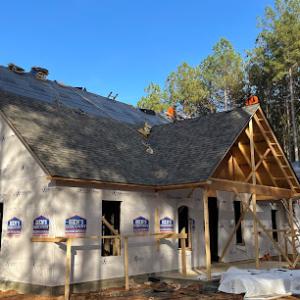
Ark La Miss Roofing is a locally owned roofing contractor serving North Louisiana and South Arkansas. We specialize in residential and commercial roof replacement, metal roofing, storm damage restoration, insurance-related repairs, and general roofing services. Our team focuses on quality workmanship, proper installation, and reliable project management on every job. From full roof replacements to repairs after severe weather, we work with property owners to deliver durable roofing solutions built to last. Ark La Miss Roofing proudly serves Monroe, West Monroe, Ruston, Bastrop, Farmerville, Tallulah, Lake Providence, and surrounding areas.

Golden Roofing
(318) 355-6300 goldenroofingcontractor.com
Serving
5.0 from 14 reviews
With over 30 years experience, we specialize in roofing and construction for residential and commercial properties. We are family-owned and operated and have proudly served North Louisiana, East Texas and West Mississippi customers since 2015.
The Ouachita humidity paired with hot, muggy summers accelerates wear on aging roofs, especially when ventilation is marginal. In the Monroe-West Monroe area, you will notice roof sections near the attic heat up and stay damp longer after a thunderstorm. That lingering moisture feeds glassy mineral granule loss on asphalt shingles and can lead to early curling on lower slopes where airflow is already restricted. If a roof is older or has marginal ventilation, the effect is amplified: shingles become brittle faster, underlayment is stressed by repeated wetting and drying cycles, and fasteners can loosen as the decking swells. The practical takeaway is simple: assess ventilation now, and pair it with any replacement plan so moisture doesn't trap under new materials.
Heavy rainfall and persistent humidity in this area affect drying times during replacement and influence when underlayment and decking can be safely covered. Plywood and OSB decking take longer to shed moisture when skies stay gray, and prolonged wet decking invites mold growth and compromised adhesive performance. For a replacement window, the goal is to stage work so decking is dry before new underlayment is laid and before shingles or metal panels are installed. If a forecast shows multiple damp days in a row, it may be wise to pause, tarp vulnerable sections, and resume when extended sun and a dry wind return. Roofing crews in this market often favor brief, dry spells to keep decking within manufacturer moisture specs and to avoid callbacks related to moisture entrapment behind new layers.
Because weather windows are narrower in this part of North Louisiana, replacement timing often matters as much as material choice for avoiding moisture-related callbacks. Thunderstorms can pop up on a dime, soaking exposed decking and backfilling problematic gaps in ventilation. When planning a replacement, align the project with several consecutive dry days, preferably after a cooling front reduces humidity. Coordinate with the crew to stage access so that the attic space remains pressurized only as needed, and ensure tarps and edge flashings are secured to prevent wind-driven leaks during the work. If a storm approaches mid-project, prudent crews isolate the exposed areas and seal them quickly to minimize water intrusion, then resume once skies clear.
West Monroe's climate tests attic ventilation more than most seasons, so ventilation efficiency directly translates to roof longevity. A well-ventilated attic reduces the interior temperature spike that can transfer to the decking and underlayment, slowing down deterioration of both. Look for a balanced system: soffit intake paired with ridge or turbine exhaust, and consider baffles to maintain airflow above any insulation. When replacing, ensure drip-edge protection, proper underlayment overlap, and a breathable house wrap or synthetic underlayment rated for humid environments. This combination helps keep decking dry at the surface and inside the roof cavity, which extends the life of shingles, tiles, or metal panels in a humid, storm-prone setting.
After installation, schedule a yearly walkthrough focused on moisture indicators: subtle damp spots in the attic, curling or cupping shingles near the eaves, and any staining on interior ceilings after heavy rain. A quick mirror check along ridge vents and flashing seams helps catch early leaks before they become costly repairs. In heavy rain seasons, consider a temporary screening for exposed fasteners and a quarterly inspection plan to catch moisture intrusion in its earliest stages, when a homeowner can still manage it without invasive work.
Asphalt shingles and metal roofing are the practical backbone for many homes given the area's storm-driven replacement market and broad contractor familiarity. In Ouachita Parish's humid climate, asphalt shingles deliver straightforward installation, solid wind resistance when installed with proper underlayment and nail patterns, and a long enough service life for most neighborhood homes. Metal roofing brings exceptional wind tolerance and rapid shedding of rain, which can be a real asset during heavy thunderstorm seasons. For many homeowners, these two options balance performance, availability, and the ability to secure reliable workmanship quickly after a storm. The local market's familiarity with both materials means fewer surprises during installation, inspections, and follow-up maintenance.
Clay tile, concrete tile, synthetic/composite shingles, and slate are available in this area, but their added weight or installation complexity can matter more on older North Louisiana homes during re-roofing. Heavier tiles or slate require thorough structural assessment, especially if the existing roof deck was not designed for such loads. If the house is older or features a modest attic height, the need for additional structural reinforcement or a detailed rafter assessment becomes a practical consideration. In some cases, attic access, ventilation adjustments, and careful detailing around chimneys and hip-roofs can shape the project timeline and the likelihood of a clean, long-lasting result. When choosing these materials, expect quantity checks on decking, potential reinforcement, and a plan for staged removal and disposal around storm seasons.
Material performance in this area should be judged against humidity, repeated rain exposure, and wind events rather than dry-climate assumptions. Humidity can influence long-term shingle adhesion and the underlying deck condition, so moisture barriers and proper fastener schedules matter. Repeated rain tests the integrity of flashing around penetrations, valleys, and edge details, making high-quality sealants and accurate installation more critical than in milder climates. Wind events, common after summer thunderstorms, demand attention to shingle tabs, fastening patterns, and edge upgrades that resist uplift. In practice, that means choosing products with proven wind ratings used by local crews, paired with a trusted installation crew that understands roof-to-wall transitions, soffit venting, and proper drip edge installation. The goal is a roof that maintains its weather-tight promise through multiple storm cycles rather than a single season.
For many homeowners, the best path is to start with a material that installers can reliably and quickly deploy, especially when a storm has left project windows tight. Asphalt shingles and metal remain the most versatile, widely supported options with the strongest likelihood of consistent performance across diverse West Monroe neighborhoods. If a homeowner prioritizes architectural appearance or long-term tile aesthetics, clay, concrete, synthetic/composite shingles, or slate can be considered with the caveat of structural checks and a clear plan for installation sequencing. Always align roofing choices with existing attic ventilation and drainage considerations to optimize humidity management and rainwater handling during the next wave of storms.
Typical West Monroe pricing ranges from $300 to $700 per square for asphalt shingles, $600 to $1200 for metal, $900 to $1800 for clay tile, $650 to $1200 for concrete tile, $420 to $900 for synthetic/composite shingles, and $1400 to $2800 for slate. Those numbers reflect what homeowners often encounter when lining up bids from local crews who know the Ouachita River's humidity and the way summer storms can slam roofs. Material choice drives the base cost, but the real variation comes from timing, access, and the crew's schedule.
Costs in West Monroe can rise after major storm periods when regional demand increases across North Louisiana and nearby markets at the same time. When crews are in high demand, you'll notice shorter windows, premium scheduling, and sometimes expedited timelines that push labor charges upward even if material prices stay stable. If a roof is damaged by a thunderstorm or hurricane-season wind, expect bids to reflect not just replacement but also temporary needs like tarping, debris containment, and priority mobilization.
Scheduling around summer thunderstorms, winter rain, and inspection timing through the local jurisdiction can add labor and project-management costs even when material prices stay stable. The window between rush-hour weather events and normal dry spells matters here; crews may charge more for frequent rain delays or for coordinating with multiple crews to minimize exposure to the next storm. If your project stretches across several weeks due to weather, expect measured increases in mobilization fees, insurance-backed contingency costs, and occasional material-backorder surcharges.
Asphalt shingles remain a common, cost-effective option for many homes in this area, with the per-square range noted above. Metal roofs tend to hold up well against wind-driven rain, but the upfront cost is higher, and local installers will factor in fasteners and sealants compatible with humid air. Clay and concrete tiles offer durability but add substantial weight and installation complexity, especially on older framing. Synthetic/composite shingles provide a balance of price and performance, while slate remains the premium path with longer lifespans but strong labor demands. Plan for your roof's weight, attic ventilation, and local roof pitch to ensure quoted square counts align with actual needs.
Get a clear picture of your project costs upfront - no commitment required.
Hargrove Roofing
(318) 626-5599 www.hargroveroofing.com
3902 Cypress St, West Monroe, Louisiana
5.0 from 48 reviews
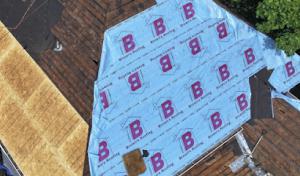
A full re-roof in West Monroe generally requires a permit through the City of West Monroe Building Department, while properties outside city limits may fall under Ouachita Parish permitting instead. The distinction matters: getting the wrong sign-off can stall work, trigger resubmittals, and complicate insurance documentation when a storm claim is in play. Before any shingle lift or underlayment pull, confirm which authority issues the permit for your address, and verify the specific plan-review requirements tied to your project scope.
Local inspections may occur during and after roofing work to verify ventilation, nailing, underlayment, and weatherproofing details. Expect inspectors to check attic venting proportions, roof deck condition, and the integrity of seams and penetrations around chimneys, vent pipes, and skylights. Documentation should be ready: photos of the existing deck, a venting plan, and a sequence-of-work narrative help keep the process smooth. If a contractor plans changes to the roof system mid-project, an update to the permit file and a quick re-inspection may be necessary to avoid delays.
Depending on project scope and recent code emphasis, West Monroe-area jobs may also trigger wind-mitigation documentation or added review items before final approval. This can include reinforcement details for hips and valleys, additional nailing schedules, and tests or confirmations of roof-to-wall connections. If the project coincides with a storm-season window, expect tighter timelines and clearer communication about any county or city-specific wind requirements. Having a concise, contractor-supplied wind-mitigation checklist on hand can streamline the final sign-off and help you present a strong case to the inspector if weather-related adjustments were necessary during installation.
Coordinate early with your contractor to map out permit timing around potential thunderstorm delays and typical West Monroe inspection cycles. Keep a dedicated file with permit numbers, inspection dates, and any correspondence from the Building Department. If additional reviews are anticipated, request a preliminary walkthrough with the inspector or plan reviewer so potential items are identified before the crew is fully on-site. This proactive approach reduces hold-ups when weather inevitably tests the schedule.
Louisiana's strained property insurance market affects this area through tighter coverage terms, higher deductibles, and more scrutiny on storm-related claims. That means the way a roof loss is documented and described can influence what's approved and how quickly a claim moves. A careful, transparent record helps, especially when the insurance landscape feels tight and responses feel slower. Understanding this reality keeps expectations grounded when the next thunderstorm rolls in.
After hail or wind events in the area, adjusters may expect thorough date-stamped documentation, including condition photos before work begins and after completion. Keep a dated file of every inspection, tear-off, and repair step, and store it in a place you can show the insurer or a contractor. Before any shingle or metal work starts, take wide shots of the entire roof and close-ups of damaged areas. After work is done, capture the finished product from multiple angles to prove the project meets the scope discussed with the adjuster. This cadence helps prevent back-and-forth delays when the storm season leaves a wake of claims across the state.
Claim timelines in this area can stretch after widespread storms because carriers and adjusters are handling losses across a broader Louisiana storm corridor. Expect longer review periods, especially when multiple roofs are on the same day's docket. It helps to keep communications in writing, confirm every phone call with a quick recap email, and maintain a steady, organized file that can be shared with the insurer. Knowing that delays can happen allows you to plan around contingencies and keep the project moving once approvals arrive.
Connect with contractors who help homeowners navigate the claims process from damage assessment to final approval.

Mark Anders Roofing Ranger Devel.
(318) 547-6586 www.rangerdevelopmentllc.com
1510 Tim St, West Monroe, Louisiana
5.0 from 78 reviews
Hargrove Roofing
(318) 626-5599 www.hargroveroofing.com
3902 Cypress St, West Monroe, Louisiana
5.0 from 48 reviews
Rice Roofing & Construction
4565 Cypress St, West Monroe, Louisiana
5.0 from 48 reviews
In West Monroe's heavy-rain environment, leak investigations often need to focus on flashing transitions and roof penetrations rather than assuming field-shingle failure alone. Start by tracing water movement from the inside out: trace along joints, transitions, and penetrations rather than chasing obvious stains on shingles. Pay particular attention to the transition from roof deck to wall, step flashing at sidewalls, and any gaps where the roof meets a chimney, vent stack, or dormer. These details are where wind-driven rain often sneaks in after a storm.
Repeated storm exposure in North Louisiana makes skylight perimeter waterproofing a higher-risk detail during both repair and full replacement. Inspect the skylight curb, flashing, and sealant surrounding the frame with a careful eye: look for hairline cracks in the sealant, dried or peeling caulk, and loose or lifting flashing. If the skylight sits in a flat or low-slope area, verify that the pan flashing beneath the skylight is continuous and that the surrounding roof surface sheds water away from the curb. When replacing, consider upgrading to a higher-quality sealant or a neoprene gasket where the curb meets the membrane, and confirm that the flashing integrates with adjacent vent or chimney flashing without creating a trap for moisture.
Because inspections in this market emphasize weatherproofing, leak-prone transitions can affect both callback risk and final approval. During repairs, ensure that any re-flashing in valleys, gaps around vent pipes, or along dormers is completed with backer rod and sealant compatible with the roof material. For replacements, plan the integration of all penetrations, including skylights, to maintain a continuous weather barrier. A thorough moisture scan before work begins helps identify hidden damage around penetrations and prevents repeat callbacks if untreated leaks are found after the initial repair.
Begin with a dry run: remove any interior finishes near suspected leaks to inspect the roof edge and skylight perimeter from the attic. Use a flashlight to follow light gaps around flashing; mark any suspicious areas for targeted repair. On the exterior, run the hand along flashing transitions to detect loose metal or degraded sealant. After storms, recheck flashings and sealants promptly, since new leaks can appear when storm-velocity winds shift water toward weak points.
Find contractors experienced in skylight installation, flashing, and leak repairs to bring natural light into your home.
Mark Anders Roofing Ranger Devel.
(318) 547-6586 www.rangerdevelopmentllc.com
1510 Tim St, West Monroe, Louisiana
5.0 from 78 reviews
Witten Roofing
(318) 516-8866 www.wittenconstructionllc.com
500 Wood St, West Monroe, Louisiana
4.6 from 46 reviews
West Monroe homeowners value crews that handle re-roofing smoothly, respond quickly after storms, and include cleanup as part of the job. Look for contractors who explicitly describe storm response timelines, on-site cleanup standards, and debris containment practices. Ask for examples of recent storm work and how crews protected landscaping and gutters during a project. A locally rooted company often has crews who show up with tarps, magnets for nails, and a plan for rapid cleanup after the last shingle is laid.
The local market includes many long-established, neighborhood-rooted companies. That matters for follow-up service and warranty support long after the initial install. Check how long the contractor has been serving the Ouachita Parish area, and whether they maintain a local office or repeat crews. A company with local roots tends to honor warranty items and provide accessible service calls when a storm result is found to require inspection or corrective work.
Because insurance-related work is common in this area, prioritize crews that document conditions clearly and coordinate around inspection checkpoints. Ask how they photograph and annotate roof discrepancies, chimney flashing, and vent conditions before starting. Confirm they can work with the insurer's adjuster on-site, supply detailed write-ups, and schedule follow-ups after major storms. A contractor who can provide a concise, organized set of condition photos and notes will simplify the claim process and reduce delays.
Choose a roofer who establishes clear communication norms: point of contact, expected call-back times, and a written schedule with milestone updates. In a climate with sudden storm gaps, a predictable cadence helps homeowners plan temporary protections and coordinate with insurance inspectors. Ask for a project timeline that includes storm-safety steps, material delivery windows, and the anticipated sequence from tear-off to finish.
Look for crews that emphasize post-install warranty support and routine maintenance checks. A locally oriented company should offer periodic inspections after heavy storm seasons and provide a straightforward process to file warranty requests. Confirm what is covered under warranty, how long the coverage lasts, and who to call for a service visit if a small leak or shingle lift appears after a wind event.