
Last updated: Apr 19, 2026
After a Brandon thunderstorm or hail event, the clock starts ticking on triage. The first 24 to 72 hours are critical for identifying wind-driven shingles, dented metal, hail bruising, and roof Deck exposure. In Rankin County, inspectors and adjusters tend to respond quickly when damage is visible from above, but the real bottleneck is access and documentation. Your goal is to prevent secondary damage from wind-driven rain and stacked debris while you arrange a secure temporary fix if needed. Photograph everything from multiple angles with dated timestamps, then secure any loose flashing or shingles to minimize further interior risk. If you hear branches scraping the roof or see granules collecting in gutters, treat it as a concrete signal that damage is likely broader than it appears.
Mississippi insurers commonly ask for documentation of roof age and condition after wind and hail events, so your best defense is organized records. Gather dated photos that show edge damage, hail impact points, and any prior repairs or maintenance notes. Keep invoices for previous roof work, vent seals, and attic insulation checks, plus notes on any interior signs of leakage. A clear timeline helps the adjuster evaluate pre-existing wear versus storm-caused damage. In a market where contractor signals cluster around insurance claims, having a concise packet can speed the visit and reduce back-and-forth. Present your files with a clean summary of observed issues, the storm date, and any immediate mitigation steps you took.
Because contractor signals in Brandon strongly cluster around insurance claims, storm damage, emergency repair, and quick response, homeowners here are entering a market where post-storm demand spikes can quickly affect scheduling and claim support availability. Expect a flurry of calls from roofers offering "fast" turnarounds in the days following a hail event. The risk is not only finding a contractor, but also matching the right scope to the actual damage and avoiding unnecessary replacements. Prioritize contractors who clearly explain how they determine damage, what parts are required, and how they will document the work for the insurer. If a firm cannot wait for a proper assessment or pressures you into expedited decisions, step back and verify references and prior work.
Storm-driven damage often creates a cascade: rapid inspection, insurance review, and a compressed replacement schedule. Your best outcome is a documented, fact-based claim that aligns with actual need rather than urgency alone. Don't delay a critical repair, but avoid signing up for a full replacement based solely on one storm's impact if the evidence doesn't support it. Coordinate with your adjuster to schedule a joint inspection when possible, and request a written scope of work that differentiates temporary fixes from permanent replacement. In a climate of frequent spring thunderstorms, a measured, evidence-backed plan helps you secure the right materials and a durable result when the market is busy.
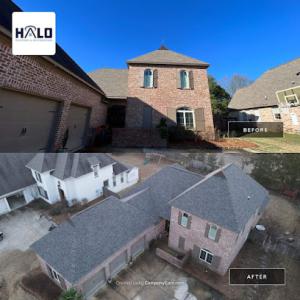
Halo Roofing & Restoration
(601) 706-5672 www.haloroofingms.com
217 Hidden Hills Pkwy, Brandon, Mississippi
5.0 from 221 reviews
Halo Roofing is your trusted, locally owned roofing expert based in Brandon, MS and serving Madison, Gluckstadt, Flowood, Ridgeland, Clinton, Pearl, and other Jackson metro communities. We specialize in roof repairs, full replacements, custom copper roofing and flashing, gutter installation, fascia repair, and detailed roof inspections. Our team helps homeowners navigate storm damage and insurance claims with expert guidance and zero pressure. With 150+ five-star reviews, we’re known for fair pricing, honest recommendations, and craftsmanship that stands the test of time. Financing is available. Call today to get the help your roof actually needs.
Watkins Construction & Roofing
(601) 708-9697 watkinsconstructioninc.com
201 N College St Suite 113, Brandon, Mississippi
5.0 from 137 reviews
When you have a roof leak or storm related roof damage you need a local roofing contractor you can trust. Watkins Construction & Roofing has been a trusted Brandon MS roofer for 20-years. With services like roof repair, new residential roof replacement, commercial roofing, leaky skylight repair and replacement, and even roof cleaning services, Watkins wants to be your go-to Brandon MS roofing company. At Watkins Construction & Roofing our #1 goal is customer experience. Watkins Construction always puts customers first. Call Owens Corning Platinum Preferred roofing contractor, Watkins Construction & Roofing, today if you have a roof leak or need a new roof on your home anywhere in greater Brandon MS.
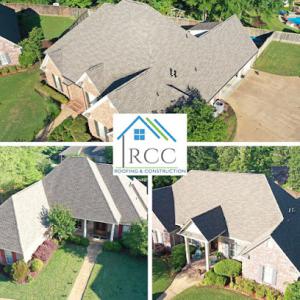
RCC Roofing & Construction
(601) 864-6075 www.rankincountycustom.com
557 Grants Ferry Rd, Brandon, Mississippi
4.8 from 64 reviews
RCC is your trusted roofing partner in Brandon offering top-rated roofing and construction services including roof installation, repair, replacement, and maintenance, as well as interior restoration for homes and businesses. They work with a variety of roofs from shingles and tiles to solar roofing. As a GAF Master Elite-certified company, they adhere to the highest standards of professionalism and craftsmanship backed by extensive warranties. You can count on them at any time with their same-day service and emergency solutions. With over 16 years of service in the industry, they are the go-to company for exceptional and high-quality roofing and construction in Rankin County, and The Reservoir.
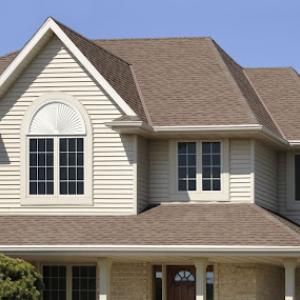
Pinnacle Roofing
(601) 669-8491 pinnacleroofingms.com
327 River Forest Ln, Brandon, Mississippi
4.8 from 26 reviews
At Pinnacle Roofing, we deliver excellence in all projects. Commercial and residential roofing systems increase property safety and protect it from seasonal temperature extremes and inclement weather. Additionally, roofing systems provide space within your building for essential systems like HVAC ductwork, electrical wiring, plumbing, and insulation. Without healthy roofing, you could risk damaging your property or your family’s safety.
Scott Meadows Construction
(601) 906-0979 www.scottmeadowsconstruction.com
103 Heron Cove, Brandon, Mississippi
4.8 from 24 reviews
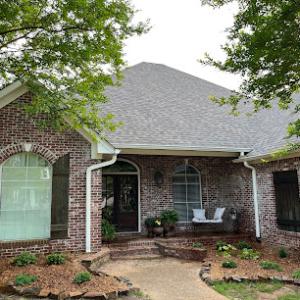
Welcome to Scott meadows construction inc, your premier roofing company in Brandon, MS! With local expertise and years of experience, we specialize in delivering top-quality roofing services tailored to your unique needs. At Scott meadows construction inc, we are dedicated to enhancing the structural integrity of your roof using premium materials, ensuring durability and resilience against the elements. Our skilled team is committed to providing reliable roofing solutions that prioritize quality and your complete satisfaction. While we focus on constructing a strong and lasting roof for your property, you can rest assured that your investment is in capable hands. Contact Scott meadows construction inc today to discuss your roofing needs.
S Graves Construction & Roofing
(601) 906-4704 www.sgravesconstructionandroofing.com
114 Shenandoah Estates Cove, Brandon, Mississippi
5.0 from 12 reviews
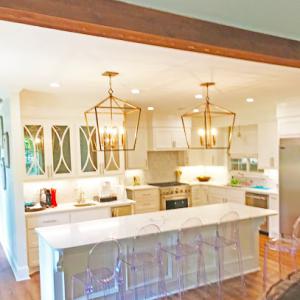
S G Construction provides new construction, remodel, and deck building services for clients in and around Brandon, MS and the Jackson Metro Area. We have been serving the community for over 30 years with excellent references and customer service!
United Roofing & Construction
(601) 939-0804 www.urcmississippi.com
307 Tolleson Dr, Brandon, Mississippi
4.8 from 18 reviews
Central Mississippi's Oldest Residential Roofing Contractor. Since 1985, we have expanded to include a broad range of construction contracting services. Over 5,000 roof installations / repairs. Insurance claims assistance. Storm damage remediation. "We build new to last, and take what was built last and make it first."
Ready2Roof
2052 MS-471, Brandon, Mississippi
5.0 from 7 reviews
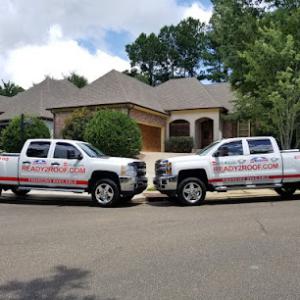
Ready2Roof is a local factory trained and certified roofing company serving residential and commercial clients Rankin, Madison, Hancock, Harrison, and Jackson counties. We offer roof repairs, roof replacement, emergency storm response, free estimates, free insuance audit and a warranty that is unbeatable on material and labor. We look forward to working with you. * GAF Master Elite Cerified Contractor * Lifetime Warranty * Professional Roofing Service * Replacements * Reroofs * Repairs If you’re in need of quality roof repairs or replacements, you can always count on us to get the job done right the first time.
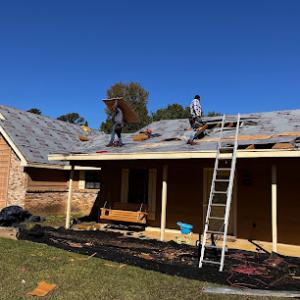
Trentham Roofing & Construction
103 Quail Run, Brandon, Mississippi
4.8 from 8 reviews
We are a business that puts you first! We have over 25 years of experience in roofing and repairs. Feel free to give us a shout and we will be out with your quote!
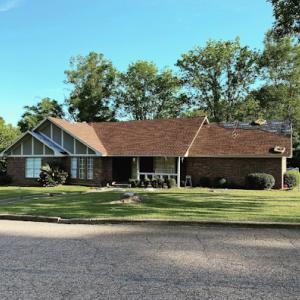
H&S Construction & Roofing
107 Live Oak Ln, Brandon, Mississippi
5.0 from 2 reviews
H&S Construction and Roofing is a premier roofing company that offers a full range of services for residential and commercial clients. H&S specializes in high-end roofing solutions and can provide the highest quality materials, products, and services. Our team of experienced professionals is committed to delivering outstanding customer service and superior workmanship. We use only the best materials and utilize the latest in roofing technology to ensure that your roof is built to last. With our expertise, you can be sure that you are getting the best quality roof that will protect your home, family, or business for many years to come.
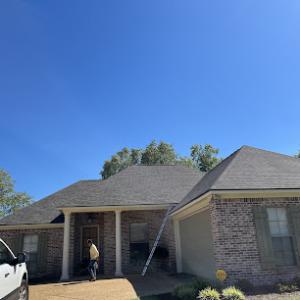
S Graves Construction & Roofing
(601) 741-1154 sgravesconstructionandroofing.com
517 Vine Dr, Brandon, Mississippi
5.0 from 1 review
Local Professional Roofing company with over 30 years experience offering full service roofing needs along with construction needs. We strive to provide customers with honesty, professionalism, and answering all questions you may have. Here at S Graves Construction and Roofing we push quality driven results, experiences worth talking about, and less complicated interactions whether dealing with storm damage, roof repair, roof replacement, or any type of construction work needed. Call us today for your free inspection!
Roof
Serving
5.0 from 30 reviews
At Roof, we are passionate about delivering exceptional roofing and construction services. Established in 2024, we are entering our first full year with enthusiasm and a strong focus on homeowner satisfaction. Our experienced and knowledgeable team is dedicated to providing high-quality roofing solutions, ensuring every project meets the highest standards of craftsmanship and care. Our mission is to protect homes with reliable, expertly crafted roofing solutions while building lasting relationships with our clients. We strive to exceed expectations by ensuring every homeowner feels secure and satisfied under a roof built by Roof Roof is your trusted partner for all roofing needs.
Brandon's humid subtropical climate accelerates asphalt shingle aging, especially through prolonged summer heat and moisture exposure that can shorten the practical replacement window compared with drier regions. In practical terms, that means you'll often see granule loss and surface drying or bleaching earlier than you expect. If your roof is already showing a weathered look after a heatwave, plan ahead for a replacement cycle that accounts for higher humidity and the way heat softens shingle asphalt. Look for days when the attic feels warm but not humidatingly oppressive and schedule inspection and potential replacement attempts for those windows, rather than trying to push work into peak heat when shingle bending and waste handling could complicate installation.
Heavy rainfall in the Brandon area increases the importance of drainage performance, flashing condition, and attic ventilation because moisture-related deterioration compounds heat-related shingle wear. Start with a simple check: verify that gutters and downspouts are clear and directing water away from the eaves. Inspect flashing around chimneys, vents, and dormers for loose or cracked sealant, which can allow slow leaks that silently damage sheathing and lower the roof's effective life. Attic ventilation should maintain a steady flow, reducing warm, moist air that accelerates adhesive fatigue and mold growth under shingles. If you notice attic warmth during cooling-season afternoons or condensation on the underside of deck boards, address ventilation promptly-improve intake and exhaust to restore a cooler, drier microclimate under the roof deck.
Asphalt shingles are one of the dominant roof types in Brandon, so local homeowners most often need guidance on granule loss, curling, seal-strip fatigue, and whether storm damage is layered onto age-related decline. Granules in gutters or down spouts signal wear; shingles that curl at edges or near corners show aging or wind-related deformation. Seal-strips along openings and tabs that don't adhere fully can fail during a heavy rain, inviting moisture intrusion. After a thunderstorm or hail event, separate age-related wear from storm damage by looking for new impact marks or bruising that disrupts the shingle surface. A roof that shows multiple issues across several sections is a strong indicator that replacement timing should be considered sooner rather than later, especially if heat and humidity have compounded existing deterioration.
Storm damage often overlays age-related decline, making it crucial to separate what came from a single event and what stems from years of exposure. Start with a thorough, on-roof inspection after storms: check for divots, cracked granules, lifted edges, and damaged flashing. If you're seeing widespread granule loss paired with curling and loose sealant, you're likely dealing with cumulative wear rather than a single fix. Document the condition day-by-day after a storm, since insurance assessments frequently hinge on timing and the combination of immediate damage with preexisting wear. When in doubt, bring in a trusted local roofer who understands how Brandon's weather patterns accelerate degradation and how that impacts overall replacement timing.
The most popular roofing material in the US. Find pros who install, repair, and replace asphalt shingles.
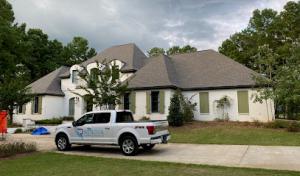
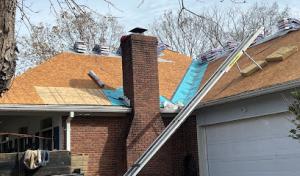
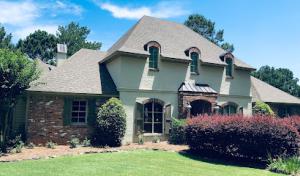
In Brandon, the dominant residential roofing mix includes asphalt shingles and metal roofing, with tile, wood, and synthetic/composite products present but less typical for mainstream replacement projects. That reality shapes what you should expect when you start a roof project after a thunderstorm or hail season. Asphalt shingles remain the workhorse for many homes because they blend cost, install speed, and a broad warranty. Metal roofing stands out for homeowners seeking longer life, strong wind resistance, and better heat shedding in hot Mississippi summers. When choosing a material, think about how the climate stresses-heat, moisture, and hail-affect long-term performance and how a replacement timeline lines up with storm seasons and insurance documentation needs.
Asphalt shingles are well suited to homes with typical Brandon roof lines and standard attic venting. Modern high-uptake shingles improve resistance to heat buildup, which helps curb expansion and contraction during scorchingly hot days. Look for shingles with good IR reflectivity and a solid wind resistance rating, since Mississippi thunderstorms can bring strong gusts. In this market, installation timing often centers on minimizing moisture intrusion during humid months, so staggered schedules that avoid rain-heavy periods pay dividends for a clean, long-lasting seal. If asphalt is chosen, emphasize accurate attic ventilation and a sealed underlayment to reduce heat-driven moisture issues and to protect against occasional hail impacts that can dent surface granules rather than break the substrate.
Metal roofing has a meaningful specialist presence in the contractor market, indicating local homeowner demand for an alternative to asphalt in a climate where heat and storm durability are major concerns. Metal roofs excel at shedding heat when installed with proper underlayment and vented attic space, which translates to lower cooling loads in the heat of summer. They also tend to perform well in hail events, depending on panel profile, gauge, and installation quality. In Brandon, a metal roof can offer excellent wind resistance when fastened with continuous concealed clips or standing-seam details and integrated ridge ventilation. Keep in mind that metal surfaces can be more susceptible to denting from large hail, but the denting is often cosmetic and does not compromise structural integrity or leak protection if the system is well installed. An experienced local installer will match paint warranties, panel thickness, and fastener type to the local storm history and heat profile.
Clay and concrete tiles bring superb weather resistance and a distinct curb appeal, but they demand a stronger structural deck and careful installation to handle heat-induced expansion. In a climate with hot days and heavy humidity, tile systems require meticulous moisture control underlayment and flashing details to prevent leaks at joint lines. Wood shingles or shakes offer a classic look, but wood is more sensitive to humidity and hail impacts; they require proactive maintenance and periodic refinishing to preserve performance and fire ratings. Synthetic or composite shingles provide a balanced option, often delivering enhanced impact resistance and improved color stability under heat, with installation patterns that mimic traditional shingle layouts. These products can be worthwhile if their warranties align with the local storm cycles and the home's exposure.
Weather windows in hot, humid seasons demand careful scheduling to avoid moisture-related challenges during installation. Local crews prioritize secure, proper sealing at transitions and gutters to prevent leaks in heavy rain periods. After a hail event, a prompt professional inspection helps identify dented panels, lifted granules, or compromised flashing before corrosion or leaks develop. Regular maintenance-cleaning debris, inspecting for loose fasteners after storms, and confirming flashing integrity-extends roof life in a climate where rapid weather shifts are common.
For budgeting purposes, use the per-square ranges provided for Brandon's common roof systems. Asphalt shingles sit at the lower end of the market, while tile systems sit at the higher end. In practical terms, expect asphalt shingles to land around the low-to-mid range of replacement costs, and concrete or clay tile to push into the higher end. Metal roofs fall in between, with durability but a higher upfront price. Synthetic or composite shingles sit slightly above basic asphalt but below the premium tile options. When you map your project, pick the material that best matches your home's design, local storm exposure, and long-term maintenance plan.
Storm-driven surges in demand after hail and thunderstorm events can push scheduling pressure and labor availability. In these windows, you may see tighter windows for product delivery and crew availability, which can extend lead times and nudge some line items upward. If your roof is vulnerable to repeated hail strikes, a faster decision on replacement can reduce interim risk, but bear in mind that material availability and crew scheduling can still be a factor. Plan for potential delays by layering in a buffer of one to two weeks if a storm season has just passed. A calm, pre-season plan can save you money and reduce last-minute scheduling stress.
Start with a baseline using per-square ranges, then add for any unusual conditions on your property-like extensive venting needs or a steep slope-because such factors can affect installation time and waste disposal. Expect final costs to include removal and disposal of old material, new underlayment if required, and vented or code-compliant decking adjustments. In the typical Brandon home, ventilation and proper attic access play a critical role in performance and durability, so include a careful evaluation of air flow and ridge or soffit venting in your planning. The goal is a roof that not only sheds weather but also keeps your indoor climate steady through Mississippi's hot summers and humid days.
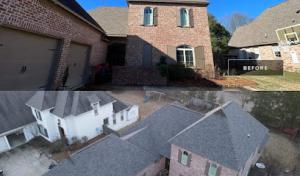
Don't let upfront costs delay a critical repair - these contractors offer payment plans to fit your budget.
Halo Roofing & Restoration
(601) 706-5672 www.haloroofingms.com
217 Hidden Hills Pkwy, Brandon, Mississippi
5.0 from 221 reviews
Watkins Construction & Roofing
(601) 708-9617 watkinsconstructioninc.com
Serving
4.9 from 940 reviews
Strength Roofing & Siding
(601) 373-7254 www.strengthroofingandsiding.com
Serving
5.0 from 75 reviews
A building permit is typically required for a full roof replacement in Brandon or Rankin County, making permit handling a routine part of legitimate re-roofing work in this jurisdiction. The process is not something to bypass or treat as an afterthought. In practice, contractors file with the local building department, and that means you are mostly choosing between bids that include proper permit handling and those that do not. The permit sets a formal expectation for workmanship standards and provides a paper trail if storm damage claims are involved later. If a contractor brushes past the permit step or promises a "soft" approach, treat that as a red flag.
Contractors generally file with the local building department rather than leaving homeowners to navigate the process alone, which makes permit responsibility an important question when comparing bids in Brandon. Ask upfront who will apply for the permit, who will schedule the required inspections, and who bears the risk if a permit lapses or a retroactive correction is needed. A responsible team will provide you with permit numbers, inspection dates, and a clear plan for any deficiencies that surface during review. Without that documentation, a storm-damaged roof can easily become a noteable headache when you try to settle a claim or resell.
Inspection occurs after installation, with a final inspection used to confirm code compliance and ventilation requirements, so ventilation upgrades and documentation matter more here than in markets with no roofing inspection step. The final visit verifies that the attic ventilation meets current code expectations, that new decking and underlayment were installed correctly, and that exhaust and intake pathways align with moisture-control standards. If ventilation was overlooked during the design phase, the final inspection can delay approval or require last-minute changes. Plan for potential upgrades to soffit vents, ridge lines, or vapor barriers as part of the project timeline.
Keep all permit documents, inspection approvals, and any correspondence with the building department organized and accessible. In the event of a storm claim, those records become part of the claim package and can streamline approval or justify necessary adjustments. Delays or disputes often trace back to missing or incomplete permit or inspection evidence, so maintain a file for every step from application through final clearance. In this jurisdiction, staying proactive with permit and inspection tasks is not a nuisance-it's a practical, protective duty that helps you avoid surprises down the line.
You face a marketplace where regular wind and hail exposure shapes how a claim is reviewed, and underwriting questions often hinge on roof age, current condition, and any prior storm history. In this climate, a rooftop that has weathered years of heat, humidity, and quick-season squalls can prompt careful scrutiny of its remaining useful life. The focus isn't only on the visible damage, but on how the roof has held up since the last major event. A responsible homeowner documents the roof's story so you aren't surprised by how a company interprets risk after a new storm.
Adjuster site visits are a realistic part of the claims process, so preserving clear photos before and after a storm is essential. Keep contractor inspection notes that spell out visible wear, leaks, and any structural concerns, plus receipts for temporary repairs that prevent further damage. In Brandon, a sequence of quick, temporary fixes-like tarping or board-walking-to mitigate rain intrusion should be documented with dates and costs. This kind of record helps the insurer see you're actively managing the situation rather than letting conditions deteriorate while a claim sits.
Roof certifications and condition documentation can influence coverage decisions or claim handling, especially for older roofs with heat- and moisture-related wear. If your shingles show accelerated aging, or if attic moisture has left staining or mold risk, have a professional evaluation that clearly notes remaining life and any structural flags. Present that assessment when you file, so the adjuster can gauge the roof's current performance against its expected protection and potential for future losses in the next Mississippi storm season. This careful trail is what helps you navigate the claim without losing ground to ambiguity.
Skylights in this market show up often enough in Brandon's contractor market to justify dedicated attention to flashing and leak diagnosis around roof penetrations. In heavy rains, wind-driven water can slip past the curb flashing or misaligned seals, then follow the warmth of attic rafters to visible interior spots. When inspecting, focus on the intersection where skylight frame meets roof shingles, plus the step flashing along the sides. Look for hairline cracks in sealant, loose fasteners, or sagging curb that creates gaps. During a storm, water may appear on ceilings only under specific wind directions, so note the wind sway and rain angle when leaks start.
Chimney work is a recurring local signal, suggesting that masonry-to-roof transitions are a common repair concern. In many Brandon homes, the flashing at the chimney crown and the mortar joints are the first to fail after long seasons of humidity and rapid temperature shifts. Inspect the base of the chimney for cracked mortar, spalled brick, or deteriorated step flashing where the chimney meets the roof. Ensure the cricket or saddle behind the chimney redirects water away from the joint, and verify the condition of any sealant along the chimney cap and crown. Small cracks can expand quickly with storm-driven rain, especially when paired with heavy hail.
In a heavy-rain market like Brandon, leak tracing around penetrations can be complicated by storm-driven water entry that appears only during specific wind and rain conditions. When a leak seems sporadic, inspect on both dry and wet days, and compare ceiling stains to roof sections above. Use a flashlight from the attic after a rain to spot daylight around flashing and joints. Remember that skylights and chimneys are high-traffic failure points in this climate, so routine checks after major storms and seasonal transitions help catch small issues before they grow.
Find contractors experienced in skylight installation, flashing, and leak repairs to bring natural light into your home.
Halo Roofing & Restoration
(601) 706-5672 www.haloroofingms.com
217 Hidden Hills Pkwy, Brandon, Mississippi
5.0 from 221 reviews
Watkins Construction & Roofing
(601) 708-9697 watkinsconstructioninc.com
201 N College St Suite 113, Brandon, Mississippi
5.0 from 137 reviews
In this market, crews that can mobilize quickly after a storm and leave the site immaculate after tear-off matter a lot. When evaluating bids, ask for a concrete deployment timeline from first crew arrival to final clean sweep. Look for a contractor who uses contained tear-off methods, with waste piles minimized and daily cleanup documented. A storm-damaged roof can attract debris into gutters and landscaping; a crew that includes a tarp plan, ladder management, and floor protection signals the level of attention you should expect on a high-humidity, heat-prone job site.
Strong local presence matters, especially after the thunderstorm and hail season when out-of-area solicitation can surge. Brandon homeowners frequently rely on contractors who have weathered multiple local seasons and built repeat relationships with nearby suppliers and insurers. Check how long the company has served Rankin County, and request a short list of recent projects with references you can contact. A proven local crew is more likely to navigate the seasonal stress of rain events and coordinated follow-ups without lengthy delays.
Licensing and insurance status are not just formalities; they influence permit filing, final inspections, and insurance claim coordination. Seek contractors who provide verifiable proof of current insurance coverage, including workers' compensation. Manufacturer-backed warranty options are a meaningful differentiator, especially if a storm-related replacement reveals manufacturing defects or installation issues. Ask for a written warranty packet that clearly outlines coverage duration, what is included, and how claims are handled. Confirm that the contractor can supply the necessary documentation to support any insurance claim process and coordinate inspection timelines with your insurer.