
Last updated: Apr 19, 2026
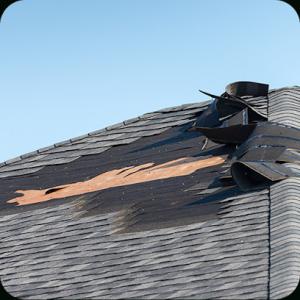
Spring through early summer brings the highest roofing disruption risk for you. Hail and high winds routinely strip shingles, bend flashing, and lift ridge caps before the hottest part of the year even starts. Those storm events aren't isolated bursts; they often come in quick, repeated waves, leaving you with patchy damage that looks minor but can quietly compromise underlayment and insulation if neglected. In practical terms, you'll want to prioritize quick damage assessment after any severe wind or hail event and avoid delaying repairs that show up as loose granules, damaged flashing, or lifted shingles. That short-term window of vulnerability is what trips many Canton homes into progressive leaks and faster wear around the roof deck.
Because this area sits in central Mississippi, roof work is influenced by the wider June through November rain pattern associated with hurricane-season bands, even though the city itself is inland. Outer storm bands can bring soaking rains that delay tear-offs and dry-ins, and lingering moisture can extend the time needed to complete a safe, dry replacement. When a project overlaps with a storm cycle, crews will often tack on extra weather buffers, and you should plan for possible staggered progress if fronts stall or winds pick up again. The takeaway is simple: plan for extended timelines during late spring and fall when rain clusters are most frequent, and coordinate with your crew to build in contingencies for back-to-back wet spells.
The best replacement windows in Canton align with the calmer, cooler periods of the year, typically fall and spring. Those seasons tend to offer the most favorable balance between workable temperatures and lower humidity, which helps asphalt and synthetic materials cure and seal properly without the stress of peak summer heat. Arranging work during these shoulder seasons reduces weather-delay risk and lowers the chance of heat-related stress on crews and materials. If storm debris is still fresh from a spring event, prioritize a focused assessment and a staged plan to clear hazards first, then schedule the bulk of the work for the cooler, drier days in early spring or late fall. If a storm hits during summer, be prepared for shorter windows and more rapid work pace to complete critical repairs before the next weather front rolls in. Stay flexible with start dates and maintain open communication with your roofer about anticipated weather blocks and backup dates.
Immediately after a damaging hail or wind event, document damage with clear photos and notes, and reach out to a trusted local contractor for a quick, no-pressure assessment. Prioritize securing and temporarily protecting edges and flashings to minimize moisture ingress while plans are confirmed. When a crew is on site, expect potential delays if rain lingers or if heat and humidity spike; coordinating staggered starts or partial-day shifts can help keep work progressing without compromising quality. Keep a clear line of sight to the upcoming weather forecast and confirm with the contractor how they plan to manage storm windows, dry-ins, and any necessary contingencies.

Anytime Roofing & Construction
(601) 760-0469 www.anytimeroofingandconstruction.com
231 W Peace St, Canton, Mississippi
4.9 from 65 reviews
Full-Service Roofing and Construction Company When you need a professional, licensed, and experienced company to handle all your roofing and construction needs, turn to the experts at Anytime Roofing & Construction, LLC. We are a locally family-owned and operated company that genuinely strives to give our customers a hometown experience with our services throughout Mississippi.
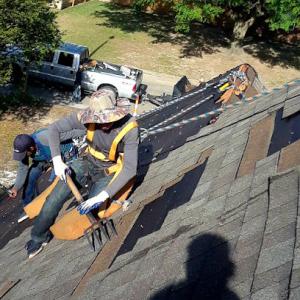
Christian Construction
(844) 360-7663 www.christianconstruction.us
106 Aulenbrock Dr, Canton, Mississippi
4.8 from 28 reviews
Christian Construction is a full service residential exterior restoration company. We specialize in restoring storm damaged properties. Our trades include, but are not limited to roofing, windows, gutters and siding.
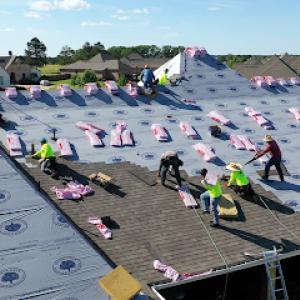
Madison Roofing
(601) 207-1672 madisonroofingco.com
Canton, MS
5.0 from 4 reviews
We install and repair residential and commercial roofs in Madison, Ms 39110 and surrounding areas. We offer free quotes for residential homes and commercial buildings.
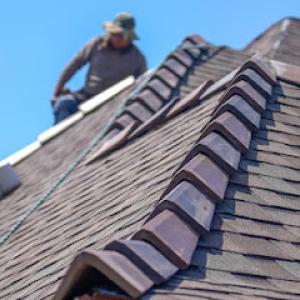
Ridge-Pro Roofing & Construction
(601) 720-6331 services.ridgeproroofingms.com
Serving
5.0 from 45 reviews
At Ridge-Pro Roofing and Construction, we have been providing top-quality roofing services for many years. Our team of experts has the knowledge and experience necessary to handle any roofing project, no matter how big or small. We offer a wide range of roofing services, including roof repair, roof replacement, and roof installation. We also provide gutter cleaning, siding repair, and attic insulation services to ensure that your home is protected from top to bottom.

Pro-Shield Roofing & Construction
(601) 265-1790 pro-shieldroofs.com
Serving
5.0 from 338 reviews
Roof problems aren’t always easy to spot—but when something feels off, you want a roofing company that knows exactly what to look for. At Pro-Shield, we’ve been providing expert roof repair and replacement services across Madison, MS and surrounding areas for years. Whether you need a minor roof repair or a full roof replacement, we bring quality craftsmanship and honest service to every job. We also handle siding and other exterior repairs to keep your entire property in shape. As a local, licensed, and insured roofing contractor in Madison, we keep the process straightforward—no upsells, no runaround, just solid work that speaks for itself. If you’re searching for a trusted roofer in MS, give us a call!
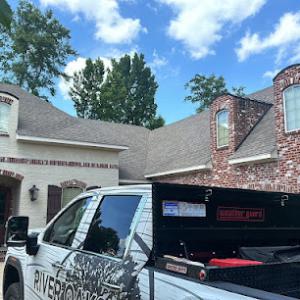
River Oaks Roofing
(601) 286-1755 riveroaksconstructionms.com
Serving
4.9 from 59 reviews
River Oaks Roofing remains to be one of the most reputable roofing contractors in Central Mississippi. We handle the three major roofing services, retail roof replacements, roof repair services, and storm damage restoration claims. As a GAF Master Elite certified contractor, River Oaks Roofing is able to provide Mississippi homeowners with the best warranty options to make your next roof your last!
Tomco Construction
(601) 500-2006 www.tomcoconstructionms.com
Serving
4.9 from 68 reviews
Welcome to Tomco Construction, LLC! We are a family-owned and operated roofing company serving the Brandon and Madison, MS area. With over a decade of experience in the construction industry, we can handle residential and commercial projects. Whether you need siding, deck, or fence installation services, we’re the ones to call! Our CertainTeed Master Shingle Applicator Certified roofers team uses the best tools and materials to ensure quality results.
CMHI Roofing & Construction
Serving
5.0 from 6 reviews
When your storm-damaged roof needs repairs or a replacement, you need to get the most coverage possible from your insurance company. CMHI Roofing and Construction in Flora, MS can help you do just that . We've been inspecting roofs, documenting their damage and helping people work with their insurance adjusters since 2006. Whether you're a home or business owner, you can count on us to handle your roofing needs from start to finish.

Graham & Son Exteriors
(601) 651-1793 grahamandsonexteriors.com
Serving
4.9 from 40 reviews
We strive to make our customers happy and satisfied from the day you contact us, to the day we finish instillation and shake your hand. We take great pride in achieving our customers goals and needs. We understand that your home or business is an investment. We would love to help keep that investment protected!!
Mississippi Roofing Pros
(601) 837-4737 mississippiroofingpros.com
Serving
5.0 from 26 reviews
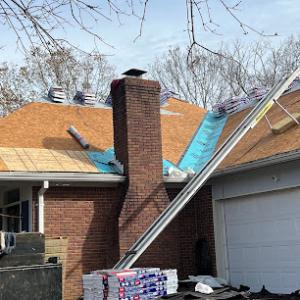
Local Veteran owned and operated Roofing contractor.
Ready2Roof
(601) 573-1160 www.ready2roof.com
Serving
4.9 from 386 reviews
Ready2Roof, established in 2001, has earned a reputation for excellence in residential and commercial roofing services. Specializing in roof replacements and repairs, they have cemented their commitment to quality with a lifetime warranty. Their team, from staff to installers, undergoes rigorous factory training to deliver exceptional roofing systems. With their dedication to craftsmanship and expertise, Ready2Roof is the roofing contractor of choice for those seeking the ultimate protection and aesthetic enhancement for their properties. Servicing Madison, Brandon, Meridian and the Gulf Coast ( Bay St. Louis, Gulfport, Ocean Springs, Biloxi, Long Beach and Diamondhead ). Family owned and operated.
Right Roofing
(601) 951-1485 www.rightroofing.biz
Serving
5.0 from 16 reviews
Right Roofing Looks forward to earning your buisiness, give us a call to discuss anything we can help you with in the roofing industry.
Mississippi's frequent wind, hail, and storm losses make this a documentation-heavy insurance market. In Canton, carriers commonly want date-stamped photos, measurements, and detailed line-item estimates before approving roof work. That means you should think of the claim as building a precise case from the first report onward. When you photograph, capture the roof field from multiple angles, include distant shots to show surrounding property exposure, and timestamp every image. Measurements matter too-note shingle rows, edge lines, and any visible deck or underlayment exposure. Keep a running log of the dates you spoke with the agent or adjuster, and preserve all correspondence. A well-documented file reduces back-and-forth and helps protect your rights when the weather window tightens between storms.
Roof age and material matter in Mississippi claims because insurers in high-weather-risk areas often adjust coverage terms and depreciation more aggressively. Old roofs or those with certain materials may trigger more scrutiny or faster depreciation, so be prepared for a conversation about replacement versus repair. If your roof is approaching the end of its expected life, understand that the adjuster may evaluate not only the current damage but the long-term risk profile of the existing installation. For a Canton home with decades of history and varied roofing stock, this can influence how funds are allotted and how repairs are phased. Having documentation that shows the current condition before the storm, including photos or notes from prior inspections, can help you tell a more complete story about what changed.
After a Canton storm event, homeowners should expect possible adjuster site visits. During those visits, document not only field shingle damage but also flashing, underlayment exposure, interior leaks, and any emergency tarping. Adjusters will look for leaks that may not be immediately visible from the outside, so inspect ceilings, walls, and attic spaces for signs of water intrusion. If tarping was used, photograph the setup and any water intrusion behind the tarp. Have a list ready of detached or damaged vent stacks, skylights, and all collars around pipes. Your goal is to present a thorough, organized claim package that clearly links observed damage to the storm event, rather than to wear and tear or prior neglect. This careful approach can help a timely settlement while reducing the risk of later disputes or scope gaps.
Connect with contractors who help homeowners navigate the claims process from damage assessment to final approval.
Anytime Roofing & Construction
(601) 760-0469 www.anytimeroofingandconstruction.com
231 W Peace St, Canton, Mississippi
4.9 from 65 reviews
Christian Construction
(844) 360-7663 www.christianconstruction.us
106 Aulenbrock Dr, Canton, Mississippi
4.8 from 28 reviews
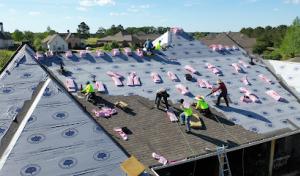
Asphalt shingles fit the local housing stock and price expectations, making them the practical first choice for many Canton homes. In this climate, heat and humidity can shorten service life if attic ventilation and underlayment details aren't solid. A well-ventilated attic, plus a proper underlayment with a good water barrier, helps resist blistering, algae growth, and premature granule loss during long Mississippi summers. When you plan replacements, pair high-quality shingles with an airtight ventilation strategy and ensure the startup details around flashing at vents, chimneys, and dormers are inspected and sealed. In this area, simple issues like improper ridge vent seating or insufficient soffit intake can lead to dampness that accelerates shingle degradation. Regular inspection after heavy spring storms will catch curling edges or granule loss early, keeping this choice viable through several maintenance cycles.
Metal is a meaningful niche in this market and handles heavy rain and wind well, provided the installation is thorough. In Canton's storm winds, the edge detailing and penetrations matter a lot; fastener patterns and flashing at the eaves, rake edges, and roof-to-wall transitions should be designed for high-wind resilience. Choose panels with a robust sealant and a proven fastening method that locks securely into framing. For best results, confirm that sealant joints at corner details and vent penetrations are compatible with the local humidity and thermal cycling. Metal can shed heat effectively, which helps in summer, but poor edge detailing or mismatched sealants can invite leaks during sudden downpours. Have the contractor walk through potential wind-driven water paths and verify that every penetration has a proper closure and a continuous drip edge detail.
Tile and wood options exist in the market, but their suitability depends heavily on structure, moisture exposure, and maintenance tolerance in a humid central Mississippi climate. Clay and concrete tiles can handle humidity when the roof deck is solid and the substrate is correctly prepared to prevent moisture wicking. The heavy weight of tile means a structural assessment is essential, especially if the home has undergone previous modifications. Wood shingles or shakes bring a rustic look but demand meticulous maintenance in heat and humidity to prevent grain splitting, warping, or mold growth. If choosing these styles, invest in a durable moisture barrier underlayment and a maintenance plan that includes periodic treatment and moisture management around eaves and valleys. For a Canton home, the decision should balance structure capability, long-term maintenance willingness, and the detail-oriented approach that storms and humidity demand.
Typical Canton pricing follows these ranges per square: asphalt shingles 300 to 550, metal 700 to 1200, clay tile 900 to 1800, concrete tile 900 to 1700, wood shingles or shakes 500 to 900, and synthetic or composite shingles 500 to 900. These figures reflect local material availability, transportation, and the mix of aging homes with newer builds in the area. In practice, a straightforward asphalt roof sits at the lower end, while larger or more complex rooflines, especially on storm-damaged homes, push into higher numbers. For a homeowner budgeting ahead of storm season, it helps to plan around these bands and understand what drives movement beyond the base material choice.
Canton pricing can spike after regional storm runs, when demand for re-roofing, emergency dry-ins, and insurance-related scheduling increases across central Mississippi. In the weeks after a big storm, crews, plywood, underlayment, and fasteners can tighten up, and local crews may reach capacity. That tension shows up as higher per-square pricing, longer lead times, and more on-site coordination with adjusters and insurers. If storm activity coincides with peak seasons, expect a noticeable bump compared with a quiet-weather baseline. Planning for a potential premium during those windows helps avoid rushed decisions that could lead to overpaying or contracting missteps.
Costs in Canton also move with material choice, roof complexity, ventilation corrections, flashing replacement, and inspection and finish work that may be necessary after a severe weather event. A simple, well-ventilated roof with minimal flashing updates tends to stay closer to the low end of the range. A complex roof with multiple ridges, vents, or penetrations, plus upgraded underlayments or reinforced flashing, will push pricing upward. If the project includes repairing damaged sheathing or upgrading ventilation to resolve attic heat and moisture issues, expect additional per-square charges. When evaluating quotes, compare not just the per-square price but also what each bidder includes for these variable items.
Don't let upfront costs delay a critical repair - these contractors offer payment plans to fit your budget.

Strength Roofing & Siding
(601) 373-7254 www.strengthroofingandsiding.com
Serving
5.0 from 75 reviews
A full roof replacement in Canton typically requires a permit through the City of Canton Building Department, and work is expected to begin only after the permit is issued. This means your project should be planned with lead time for the permit review, especially during the spring storm season when weather windows can shrink and inspections ramp up. Before any shingles are removed, ensure the permit is active and the code-approved plan is on site for the inspector to reference. Have your contractor schedule the work so that the crew arrives only after the permit is posted and the permit number is visible on the job site.
Canton's inspection process commonly includes in-progress checks for code compliance on items such as flashing, underlayment, and ventilation, followed by a final inspection to close out the permit. During the project, an in-progress inspection can be requested to verify that critical details are being installed correctly and in line with local codes. The inspector will look at flashing around chimneys and vents, the underlayment installation, and attic ventilation provisions. A successful final inspection confirms that the entire roof system meets Canton's standards and allows the permit to be closed. Coordinate with your contractor so that inspections don't hold up the project, especially when weather creates tight work slots or when multiple jobs are competing for inspector time.
Homeowners in Canton may find that contractors handle submissions through online permit tools, but the department commonly expects a licensed contractor for permitted roofing work. Confirm your contractor's license status and ask for the permit application number once submitted. If an online portal is used, keep a copy of the submission receipt and any plan details on hand at the job site. The Building Department will require accurate project details and may request documentation such as proof of insurance and a description of the roofing materials and methods to be used. Plan ahead for potential delays by aligning approval timelines with forecasted weather, so that critical tasks aren't left exposed to a passing storm.
In Canton's wet, humid climate, roof systems often fail first at flashing transitions, pipe boots, valleys, and ridge details rather than only in the field of the roof. Those metal joints and seals take the brunt of repeated spring hail, wind, and long wet summers. If flashing around dormers, chimneys, or where the roof meets walls shows loose or corroded fasteners, water finds its way behind the next layer. Check for staining at ceiling joints or black mold in attic corners after a heavy rain or a wind-driven event. When inspecting, look for lifted edges, separated laps, or torn sealant, and plan timely resealing or replacement of compromised components before the next storm.
Repeated storm exposure in central Mississippi makes lifted or creased shingles, loosened metal trim, and water entry after wind-driven rain common post-storm concerns for Canton homeowners. Valleys and ridge vents endure concentrated wear; debris accumulation can trap moisture and promote decay. If granules wash away and asphalt shingles look curled or wavy near valleys, or metal ridge caps sit loosely, those zones should be prioritized for attention. Post-storm checks are essential: look for loosened fasteners, dented metal, and any daylight showing through as evidence of compromised water barriers.
Poor attic ventilation is especially costly in Canton because trapped heat and humidity can accelerate shingle aging and contribute to moisture-related decking and underlayment problems. Excess humidity can cause plywood or OSB to warp, chamfer, or rot, while high heat accelerates aging of the outer layers. Inspect attic insulation and venting pathways for blockages or insufficient intake/exhaust balance. If you notice damp insulation, musty odors, or overheated attic spaces after a storm, address ventilation and deck moisture promptly to prevent a slow cascade of failures below.
In Canton's heavy-rain environment, skylight curbs and surrounding flashing need close attention because even small installation errors can become leak points during wind-driven storms. When you plan a skylight, verify a curb height that allows proper flashing integration with your roof deck and any overhangs. Use continuous, pre-applied flashing seals around the curb and ensure the skylight unit seats firmly without gaps at the nailing flange. In windy springs, inspect for curing gaps after the first heavy rain and reseal promptly if you notice any moisture around the curb interior or attic. A correctly flashed skylight becomes a small but decisive line of defense against repeated deluge events.
Low-slope sections on additions, porches, or mixed-roof homes require different drainage and membrane detailing than standard steep-slope shingle areas. In Canton, these areas often collect water longer and more aggressively store moisture from humid summers. Use a continuous two-ply or high-performing single-ply membrane with a robust edge termination, ensuring slope is sufficient to move water toward gutters or internal drains. Pay particular attention to transitions from steep to low-slope roofs; a gradual change in pitch helps avoid ponding. Surface fasteners should be placed to minimize penetrations that can become leak paths during storms.
Because Canton sees repeated rain events and humid conditions, transitions between steep and low-slope sections are a higher-risk detail than many homeowners expect. Examine every transition line where shingles meet membrane or where a skylight curb meets the roof deck. The goal is a continuous waterproof layer without abrupt changes in material that create capillary paths for moisture. In terms of maintenance, re-check these transitions after heavy rain and after wind events. If you notice staining, small damp spots, or shingle lift near a transition, address it quickly with resealing or reinforcement of the counter-flashing and edge seal.
Find contractors experienced in skylight installation, flashing, and leak repairs to bring natural light into your home.
Anytime Roofing & Construction
(601) 760-0469 www.anytimeroofingandconstruction.com
231 W Peace St, Canton, Mississippi
4.9 from 65 reviews

Watkins Construction & Roofing
(601) 708-9774 watkinsconstructioninc.com
Serving
5.0 from 540 reviews