
Last updated: Apr 19, 2026
Lebanon sits in central Missouri where hail and wind claims are common enough that roofing decisions are often driven by storm events rather than age alone. The I-44 corridor through the Ozarks channels fast-moving weather systems, and a single severe hail event can trigger a wave of claims that stretches local crews and adjusters thin for days. When a big storm rolls through, the clock starts ticking for roof damage detection, documentation, and temporary protection. Homes with visible denting, broken shingles, or lifted edges can incur subsequent leaks as temperatures swing and rain returns, so acting with urgency after the first alert matters.
After a hailstorm or damaging wind, you need clear, weather-date proof to keep your claim moving. Take high-resolution photos from multiple angles, including close-ups of hail impact marks and any granule loss on asphalt shingles. Record the date and time of the storm on every shot, and capture surrounding yard debris or tree damage that corroborates the event. Keep a simple log of roof observations you notice after the storm-soft spots, curled edges, or ripple in metal panels-that a contractor can reference when preparing a roof condition report. If you have a roof-mounted ventilation or penetrations showing impact dents, photograph those as well. For Lebanon, where adjuster workloads can delay claim closure after widespread storms, this photo and date support can shave days off the process and reduce back-and-forth.
Spring and autumn storm periods in the Lebanon area can create back-to-back inspection, tarp, and replacement demand spikes that slow scheduling and insurance turnaround. The same systems that dump heavy rain and hail also saturate local demand for temporary protection and full replacements. Because these windows tend to cluster, having your plan ready ahead of the peak weeks matters. If a storm is forecast, arrange a temporary tarp plan in advance and keep your contractor on standby for rapid deployment so rain exposure stays out of the home while the claim works its way through the carrier.
During the waiting period between storm and settlement, securing the roof is essential to prevent interior damage. A proper tarp or roof deck protection should be installed swiftly by a qualified crew, with robust edge seals and wind-rated fasteners. In Lebanon, back-to-back events can exhaust available tarping capacity, so mobilize early and communicate the preferred tarp method and materials to your contractor. Document the tarping with timestamps and photos, because insurers will want evidence that the temporary protection was in place promptly after the loss. If a storm tag is posted by city or county authorities for debris management, align tarp work with those dates to avoid conflict or delays.
A local contractor who understands the seasonal pulse of storm claims in this corridor can be a decisive ally. Provide your photo pack, weather-date corroboration, and a concise roof condition report prepared by someone with field experience. This reduces back-and-forth and helps the adjuster gauge the scope quickly. Encourage a staged approach: an immediate tarp and temporary repair acknowledgment, followed by a detailed scope after the adjuster visits and the roof is measured. In Lebanon, where adjuster workloads can slow closure after widespread storms, proactive documentation and timely contractor follow-up are not luxuries-they are necessities that keep your project on track.
In Lebanon, the Ozarks climate pushes roofs through hot summers followed by cold winters, creating repeated expansion and contraction. That movement is most evident at shingle tabs, seal strips, flashing points, and exposed fasteners. Over a typical decade, this cycling can loosen the tabs, crack seal areas, and loosen flashing around vents, chimneys, and transitions from slope to soffit. The result is not a single failing component but a pattern of small weaknesses that, when combined with a weather event, can become noticeable leaks or moisture intrusion. Understanding this cycle helps you spot trouble before it turns into a costly repair.
Seasonal freeze-thaw conditions in the Lebanon area make small flashing or underlayment defects more likely to turn into leak paths during winter moisture events. When temperatures swing, water that has penetrated even a minor seam can freeze and expand, prying apart joints and openings that seemed minor in the fall. In practical terms, that means a tiny gap around a vent boot or at the step between roof plane and chimney can become a steady source of dampness after a mid-winter warm-up and overnight freeze. Inspect after the first heavy thaw of the season and again after any late-season snowmelt, paying particular attention to flashing at corners, penetrations, and the rake edges. If a little moisture is present, address it promptly rather than letting it migrate under shingles or underlayment.
Summer heat affects crew pace and handling of asphalt-based materials during installation, and that can influence long-term performance. In hot weather, shingles expand more quickly, and if a roof is installed with tight fasteners or insufficient slack at eaves and ridges, the tabs may be forced into awkward positions as temperatures rise. Conversely, in the mercy of a cool morning installation, some sections may end up with insufficient sealant downstream of the tabs once the afternoon heat returns. The practical takeaway is to allow for heat-driven expansion during installation: loose, but not sloppy, alignment, proper nail spacing, and ensuring sealant lines have consistent contact without being over-tightened. This careful approach pays back during the peak of summer when the heat exaggerates any installation flaw.
Snow and ice in winter can delay tear-offs and repairs in Lebanon, while summer heat affects crew pace and handling. If a storm hits late in winter and fills gutters with ice, a temporary fix may be tempting, but it is better to plan a controlled repair window when conditions allow thorough flashing reseal and underlayment inspection. For best results, schedule a mid-winter check if a storm just passed through and the roof showed signs of moisture intrusion. In summer, prioritize inspections after severe hail or wind events, because impact damage often compromises flashing and sealants before a visible shingle problem appears. Small leaks observed during or after storms should be tracked to their source, with attention to penetrations, step flashing, and skylight or vent interfaces.
Create a fall-to-spring inspection habit focused on high-risk zones: chimney and vent terminations, valley intersections, and transitions from ridge to deck. Keep a simple record of wear patterns from year to year, noting any recurrent difficulty around sealant lines or fasteners. If a problem is detected early, it can often be resolved with targeted resealing, flashing replacement, or reinstalling a handful of shingles rather than a full roof refresh. In this region, a proactive approach that matches the natural expansion-contraction cycle saves headaches when the next freezing spike arrives.
Asphalt shingles remain the dominant choice in Lebanon because they fit the area's replacement-driven market. They handle rapid weather cycles and are easy to match when crews need to complete repairs after hail events or wind damage. When you inspect shingles after a hail storm, look for bruising, torn tabs, or granule loss along the eaves and valleys, since those areas take the worst hits. In a wind-driven draw, it's common for shingles near edges to lift first, so schedule a quick inspection after strong gusts to catch fasteners that may have loosened. If you're considering a replacement, choose a shingle with a higher impact resistance rating and a weatherized underlayment to improve performance during freeze-thaw cycles.
Metal roofing is especially relevant in Lebanon because it performs well against the region's storm exposure and temperature swings. It resists hail better than many asphalt options, and it sheds rain and snow quickly, which helps with freeze-thaw traffic on the roof surface. The key in this area is detailing at fasteners and flashings, especially where metal meets trim, chimneys, and vent stacks. Freeze-thaw conditions can drive fastener seals loose over time if coatings are damaged or improperly sealed. If you opt for metal, plan for high-quality sealants and properly spaced fasteners to minimize panel movement during temperature swings. A well-installed metal roof can reduce the risk of punctures and wind-driven lid blow-off after a major storm.
Clay and concrete tiles offer long life and distinctive curb appeal, but in this market they come with trade-offs. Heavier tile systems are more likely to require structural checks and sometimes upgraded support, which can constrain availability for a straightforward replacement. In Lebanon, hail can chip or crack tiles, and wind can lift edges if fasteners aren't properly integrated with the underlayment and battens. If choosing tile, insist on a qualified tile installer who understands how to stagger tiles to reduce impact transmission and how to seal edges against wind-driven rain during storm events.
Wood shakes provide a traditional look but can be more susceptible to hail bruising and moisture-related issues in freeze-thaw cycles. Synthetic products offer durable alternatives with low maintenance and better impact resistance, yet installation quality matters as much as the material itself. In this area, ensure the synthetic or shake products are paired with appropriate underlayment and proper ventilation to avoid moisture buildup during rapid seasonal shifts. Availability of installers who specialize in these materials can be more limited, so plan ahead if a non-asphalt option is desired.
In practice, you balance impact resistance with install availability and the local weather pattern. After a significant hail or wind event, you'll want a roof that can weather the next few seasons with minimal risk of further damage. Ask for a detailed inspection that focuses on fastener integrity, flashing continuity, and underlayment condition. For Lebanon's market, a mix of tested asphalt or a well-installed metal system often presents the most reliable path, with non-asphalt options reserved for specialty homes where weight, aesthetics, or tenant requirements justify the trade-offs.
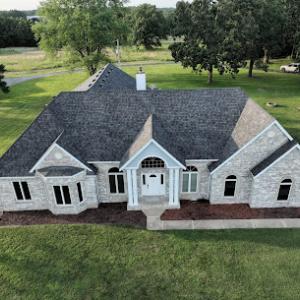
D&K Roofing LLC/ Lebanon
(417) 718-5450 dkroofingllc.com
23014 Ravine Ln, Lebanon, Missouri
4.8 from 74 reviews
Providing top quality residential roofing services for Lebanon and surrounding areas. No job too large or small. Experienced crew that offers exceptional service to our customers. Family owned and operated for over 20 years. Licensed and insured. Call for your free estimate or inspection! 417-718-5450 All work 100% guaranteed!
McCoy Roofing
(417) 991-3334 mccoyroofing.com
1420 Elm St, Lebanon, Missouri
4.5 from 17 reviews
McCoy Roofing is a full- service contractor specializing in the maintenance, repair and installation of residential and commercial roofing in Lebanon, MO and the surrounding areas. It is our commitment to provide a high level of value and service to our clients. Each McCoy Roofing team member is certified and specially trained for all your roofing needs.
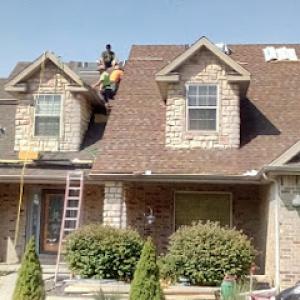
Kenny Woolf Roofing & Construction
1433 Dickens Dr, Lebanon, Missouri
5.0 from 3 reviews
We offer free estimates and always guarantee our work. Over 30 years experience. We install seamless gutters, install and replace shingled and metal roofs, install decks, remodeling, crawl spaces, and a wide variety of construction as well.
Ivey Roofing
(417) 532-6612 www.iveyroofing.com
210 S Adams Ave B, Lebanon, Missouri
5.0 from 2 reviews
Since 1972, Ivey Roofing has been serving businesses across Missouri in their commercial roofing needs. We've worked with some of the biggest companies within some of the biggest industries providing commercial roofing solutions. Experts in industrial commercial roofs, call us today for your next project.
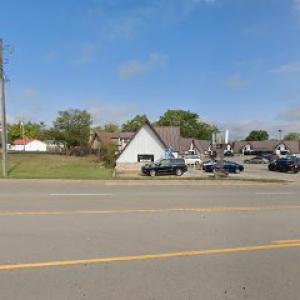
The Cornerstone Roofing Group
527 E Elm St A, Lebanon, Missouri
At The Cornerstone Roofing Group, we are committed to providing exceptional roofing solutions with a customer-first approach. Guided by principles of stewardship and compassion, we strive to make every step of the process seamless and enjoyable for our clients. From the initial consultation to the final installation, we prioritize clear communication, quality craftsmanship, and attention to detail. Our goal is to not only protect your home but to build trust through honest service and care. With The Cornerstone Roofing Group, you're not just getting a roof, you're gaining a partner dedicated to ensuring your peace of mind and satisfaction every step of the way.
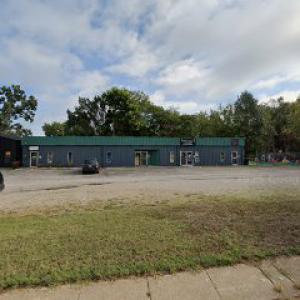
Marquez Roofing
(417) 322-8271 www.facebook.com
410 S Jackson Ave, Lebanon, Missouri
Free quotes for repairs, and installation. We stand behind our work. Give us a chance to save you some money, and show you quality work!
When you price a full reroof, costs are expressed per square (100 square feet) and Lebanon pricing sits in the ranges shown below. Asphalt shingles run roughly 350 to 700 per square, metal 600 to 1200, clay tile 900 to 2000, concrete tile 650 to 1350, wood shingles or shakes 450 to 1000, and synthetic or composite shingles 420 to 900. Storm-driven surges in demand after hail and wind events can push labor availability tighter and move projects toward the upper end of these ranges. Costs can also shift based on whether the job needs a full tear-off, the steepness of the roof, and how many specialty materials or details are involved.
Asphalt shingles: This is the most common choice in typical Lebanon neighborhoods, often delivering the most predictable timelines. If there's a hail event or a strong wind spell, crews with contractor-ready stock may charge toward the higher end of the range, especially when a full tear-off is required.
Metal roofing: When going metal, you'll see a broader spread. In an area that sees freeze-thaw swings and storm traffic, expect some crews to carry premium costs for longer-lasting panels and professional sealing, especially on steeper roofs.
Clay and concrete tile: These options are less common but increasingly seen on higher-end or older homes with specific architectural styles. The premiums reflect heavier lift and more complex installation, plus potential underlayment and support considerations.
Wood shingles/shakes: In Lebanon, wood can carry a noticeable premium due to labor intensity and the need for careful installation to prevent weather-related issues. Expect costs toward the upper portion of the range if the roof is steep or densely shaded.
Synthetic/composite shingles: A practical mid-range choice that can mimic the look of other materials while offering good wind resistance; pricing tends to sit in the middle to upper-middle of the given range, with rises if a full tear-off is involved.
Hammering out exact numbers starts with roof size, then climbs with steep-slope work, extra layers, and attic ventilation considerations. After a hail or wind event, supply constraints and nearby demand can compress scheduling, which may push line-item labor costs upward temporarily. If a project requires specialty materials or a roof form that's less common in town, the crew availability and transportation costs can shift Lebanon reroof costs higher within the per-square bands.
A full reroof requires a building permit obtained through the local building department, which may be the city office or the county office depending on where the property sits in the Lebanon area. The permit can be filed by the contractor or by the homeowner, but either way, the permit application must reflect a structural roofing replacement rather than a cosmetic repair. The permit helps ensure that the reroof design and materials meet Ozarks-area wind and hail considerations, as well as local drainage and ventilation requirements. Before any nails go into the deck, confirm who handles the permit for the property and which jurisdiction applies.
Reroof inspections are typically scheduled to coincide with the installation process and again after the job is completed. During installation, inspectors focus on underlayment type and placement, proper nailing patterns for the selected shingles or metal panels, and the integrity of flashing around valleys, chimneys, vents, and dormers. After completion, the inspection verifies that the entire roof assembly is tied together with correct attic ventilation, solid installation of drip edge, and that all penetrations meet current code. In this climate, inspectors also look for proper wind resistance features and secure anchoring that can withstand fast-moving spring storms and hail events common along the I-44 corridor.
Because permit handling may involve either city or county jurisdiction depending on property location around Lebanon, homeowners need to confirm the correct office before work starts. Start with a quick check of the property's parcel information or ask the contractor to verify the jurisdiction. If the project spans multiple parcels or a boundary area, you may be dealing with both offices, which can affect permit issuance timelines and the inspection schedule. Plan for potentially a brief coordination period between the contractor, the issuing authority, and any homeowners association rules that might apply in certain neighborhoods along the corridor.
Have a complete roofing plan ready for submission: accurate square footage, proposed materials, underlayment specifications, method of installation, and ventilation details. Keep copies of all permits, inspection receipts, and any corrective notice documentation available on-site. On the day of inspection, ensure access to the attic and clear paths to any roof vents, so inspectors can verify underlayment and ventilation without delay. This proactive approach helps minimize delays caused by weather-driven scheduling and keeps the job moving through Lebanon's essential storm-season rhythm.
Impact in this part of the Ozarks often leaves asphalt shingles with visible granule loss, small bruises, and a premature sense of wear that doesn't always show up as a single big hit. Homeowners may notice more rapid aging and the need for replacement sooner than in markets with fewer hail claims. The consequence is not just cosmetic: granule loss can accelerate UV exposure and weathering, reducing the roof's protective life. When inspecting, look for flat spots, lifted edges, and uneven fading that might indicate hidden damage beneath the surface. If granules wash down gutters after a windy morning hail event, treat that as a warning sign rather than a one-off nuisance.
Seasonal storms and strong gusts can push water into the system at transitions and around penetrations if flashing wasn't installed or sealed with extra care. In Lebanon, where wind and rain can arrive together, imperfect laps, chimney and vent boot fitments, and edge metal are common leak points. A small drip near a vent or along a roof-side seam after a storm should be checked promptly. Replacing damaged flashing or resealing with proper sealant choices can prevent a cascade of leaks during the next heavy rain, especially when the area has experienced unsettled weather with rapid temperature swings.
When cold snaps follow warm spells, tiny gaps and micro-fractures near exposed fasteners, edge details, and sealants can expand and contract. This is particularly true for aging metal roofs and older shingles. Over time, freeze-thaw cycling widens those weaknesses and creates slow creeping leaks or creaking under wind load. That means small deficiencies today can turn into larger repairs later if attention isn't paid to sealing, fastener integrity, and edge detail condition. Regular attention to these vulnerable spots helps prevent progressive damage after the next freeze event.
In this Missouri hail and wind claim environment, the timing of a storm matters almost as much as the damage itself. Insurers in central Missouri often expect strong documentation before approving a full roof scope. When a hail event hits along the I-44 corridor, claims can move slowly as adjusters juggle multiple files, so the window between the storm and filing can affect what gets approved. You'll benefit from acting promptly, but with careful, organized steps that show the full scope rather than a partial fix.
Record-keeping is not flashy, but it is decisive. Preserve date-stamped photos taken the day after a storm, showing shingles, granule loss, and lifting edges. Interior leak evidence-stains, damp ceilings, and timing of any seepage-helps connect water intrusion to a specific event. Weather records from the date of occurrence, including wind speeds and hail size reports, anchor the claim in reality. Keep a clean, chronological file so when the adjuster arrives, the narrative is easy to follow. In Lebanon, where regional claim volume can slow response, this documentation buys you time and clarity.
Roof certifications and detailed contractor findings carry extra weight in a high-claim market. Insurers may scrutinize whether damage is storm-related or age-related, especially when the same roof has prior repairs or patches. A careful evaluation that distinguishes aging wear from new impact damage increases the likelihood of appropriate coverage. If a claim hinges on whether the damage is from a recent event, clear, independent assessments help protect you from a partial payout or a denial based on timing or causation.
Understand that adjusters may request multiple angles of the roof and a thorough narrative tying observed damage to the storm date. Be prepared to provide the storm-date weather record, interior leakage timeline, and any prior repairs. Communicate calmly but firmly about the full scope you expect to recover, not just the immediate patch. Being organized and honest about what is-and isn't-visible on the roof helps keep the process grounded in reality. In Lebanon, this honest, well-documented approach reduces surprises when the claim reaches finalization.