
Last updated: Apr 19, 2026
In this market, spring storms bring sudden roof damage from hail and gusty winds, and the aftermath can overload local contractor schedules fast. A roof that looks fine at first glance may have hidden damage to underlayment, flashing, or venting that only shows up once a professional prints an inspection report. That combination-real damage plus a crowded contractor scene-means timing is not a luxury. It's a risk driver. If you wait, you may face longer waits for available crews, more complex repairs, or even compounding weather events that complicate temporary protections or material deliveries. The key is to read the storm into the timeline and plan for movement rather than waiting for a perfect window.
Spring hail damage often pushes replacement work into summer thunderstorm delays or fall's shorter installation windows before winter freeze conditions. Summer weather can derail ongoing projects with heat, rain, and occasional derecho activity, while fall days shorten usable daylight and create tight schedules before cold snaps. Given the climate cycle, a claim filed promptly and coordinated efficiently can keep the project out of peak storm weeks and closer to a stable installation window. Delays ripple, increasing exposure to further weather and the risk of weather-related interior damage if the roof is left exposed. A proactive stance helps ensure that crews, materials, and inspections align before the freeze threshold makes outdoor work riskier or impractical.
Homeowners in this market need claim-ready documentation because insurers in Missouri generally cover verified hail and wind damage, but adjuster coordination and photo evidence are especially important in this high-claim pattern. Start with a clear grid of the roof's visible damage: dented shingles, lifted granules, damaged flashing, and compromised venting. Take timestamped photos from multiple angles, including the attic to show any signs of water intrusion or hidden moisture. Create a simple, organized file: a description of storm dates, approximate time of damage, and a list of affected areas. If interior signs appear after a storm, document with interior photos and note any corresponding exterior damage. This documentation helps the adjuster move through the claim without unnecessary back-and-forth, which is critical when contractor demand is high.
In Warrensburg, coordination between adjusters and local crews is a frequent bottleneck during peak claim periods. Have an easily accessible location for photos, diagrams, and supplier information so that the adjuster can verify damage quickly. Collect roofer recommendations and schedule blocks early, but avoid committing to a full replacement before the insurer signs off on the scope. If an adjuster scheduling window slips, don't let that stall the project-document the exposure, request an interim assessment, and secure temporary measures to protect the home. The goal is to keep the claim moving forward while a trusted local crew lines up the necessary materials, permit-ready documentation, and a sequence that respects Warrensburg's installation constraints.
Act now by compiling a storm-year dossier: incident dates, exterior photos with close-ups of damage, attic moisture indicators, and any prior repairs that might affect the claim. Reach out to a local, responsive contractor who understands the Missouri claim process and can deliver accurate measurements, a detailed scope, and a realistic installation timeline. When the adjuster arrives, present the organized dossier and a preliminary scope to accelerate the evaluation. With the right documentation and a proactive schedule, the path to a proper, timely replacement becomes clearer-even in a busy market driven by hail, wind, and insurance timing.

Hammons Roofing
(660) 238-3310 hammonsroofing.com
219 Emerson St, Warrensburg, Missouri
4.9 from 69 reviews
At Hammons Roofing our mission is to serve people with honesty and excellence, building trust and delivering lasting peace of mind through every project.

Morton Roofing
(660) 747-9000 www.morton-roofing.com
554 SW 301st Rd, Warrensburg, Missouri
5.0 from 25 reviews
Established in 2012, Morton Roofing has been dedicated to serving the Warrensburg community with top-tier roofing solutions. This local business is committed to a unique, personalised approach where a single project manager guides you from initial consultation to project completion. This ensures clear communication and a deep understanding of your needs, guaranteeing a seamless and satisfying experience. With a passion for quality craftsmanship and a dedication to customer satisfaction, Morton Roofing delivers reliable, professional service for your home.
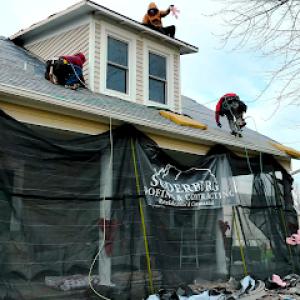
Soderburg Roofing & Contracting
(660) 362-1171 www.soderburgroofing.com
1125 N Simpson Dr h, Warrensburg, Missouri
4.5 from 76 reviews
Soderburg Roofing & Contracting is your choice for top-rated contracting services. We offer the best materials in Residential roofs, Commercial Roofing, Siding, and more! We are experienced in residential, commercial, multi-family, and new construction. With a team full of experts in the industry you can live with peace of mind you are getting the best service possible! We are also insurance claims experts and can help you with any claim related restoration from start to finish taking the hassle from you of doing it alone! We take pride in being a top choice for local contracting services!

Integrity Roofing Siding Gutters & Windows
(660) 333-7998 www.integrityroofingllc.com
501 N Holden St, Warrensburg, Missouri
4.5 from 70 reviews
At Integrity Roofing, Siding & Windows, we know how stressful home repairs can be. That’s why we start with honest evaluations—if you don’t need our help, we’ll tell you. When you do need help, our professional roofing contractors deliver expert craftsmanship and spotless cleanup for roof replacement, vinyl, and fiber cement siding, energy-efficient windows, and gutter protection. Locally owned and A+ rated by the BBB, we’ve served 7,000+ happy homeowners across Warrensburg, Sedalia, Clinton, Knob Noster, and nearby areas. Backed by top manufacturer warranties, we help you protect your home with confidence. Your trusted roofer—Building Trust, One Roof at a Time! Call today for honest guidance & lasting peace of mind: 660.422.7663.
Royal Roofing & Solar - Warrensburg Roofer
(816) 339-5165 roofedbyroyal.com
176 SE 421st Rd, Warrensburg, Missouri
5.0 from 3 reviews
As a local roofing company serving Warrensburg MO, we are at your service whenever you need us and we treat all our clients like neighbors and family. Each roofing system is equally important to us and we work on it tirelessly until it’s in perfect condition. With our roof repair services, we will ensure that all damages are properly taken care of and that there are no underlying issues and leaks on your roof. When it comes to roof replacement, we use a variety of top-quality roofing materials that meet the highest industry standards. We will always make sure that you and your home are fully protected, as well as that your new roof matches your home perfectly and increases its curb appeal. Call us today!
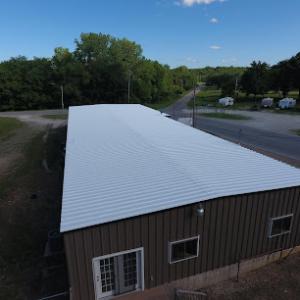
Shaw Preservations
Serving
Protect your largest investment with our reliable roofing services. We are a locally owned and operated roofing company currently serving Sedalia, MO and surrounding communities. If you want to make your roof last as long as possible, it is vital that you never put off a roof repair. Small issues with roofing become big issues in a hurry. No matter how major or minor the repair you need, we are here to help. We offer roofing contracting, commercial roofing, and flat roofing.
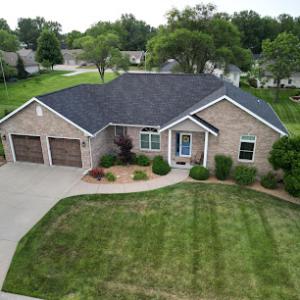
Ajee Services
(816) 215-9930 ajeeservices.com
Serving
AJEE Services offers a wide array of construction services.
The central-M Missouri pattern means roofs face hot summers and cold winters, with repeated freeze-thaw cycles that drive wear year after year. In this area, those cycles are a core lifespan factor rather than a minor seasonal nuisance. Shingle edges, fasteners, and flashing joints take the brunt of moisture expanding and contracting as temperatures swing. Even if a roof looks fine at a glance, the repeated freezing and thawing can quietly degrade the underlayment and roof deck over time. This is especially true for homes with aging coatings, damaged vent seals, or gutters that allow pooling water to sit and refreeze.
Underlayment in this climate must resist water intrusion as snow melts and refreezes near the eaves and valleys. If ice dams form or meltwater backs up behind flashing, moisture can creep under layers and freeze, widening gaps and loosening fasteners. In winter, access to the roof becomes tougher, and re-sealing flashing or replacing underlayment requires careful timing and proper equipment. The result is that work started in late winter or early spring can stall or fail if weather has been too volatile or if frozen surfaces prevent a proper sealant cure.
The typical replacement window narrows here because each season carries its own disruption risk. Spring can be interrupted by hail, delaying shingle installation or inspection while hail damage is assessed or repaired. Summer offers long, hot days but tends to bring thunderstorms that pause or complicate work, plus heat can affect the performance of sealants and underlayment. Fall brings wind and precipitation that can push projects back, and winter brings roof access challenges due to ice, snow, and the need for steady, safe footing. For a homeowner, this means planning ahead and choosing a window with stable weather forecasts to avoid mid-project interruptions that allow more freeze-thaw cycles to affect exposed surfaces.
Before a project starts, verify that shingles and flashing are free of pre-existing ice dams or trapped moisture. Look for curling edges, lifted tabs, or dark staining near valleys. If there is any visible rot or moisture intrusion at the eaves, address those areas first, since freeze-thaw cycles will magnify existing damage. When arranging work, prioritize days with lows above freezing for critical sealing, and ensure temperatures will remain above 40 degrees Fahrenheit for the first 24 hours after installation to allow proper curing of underlayment and sealants. If access is limited in shoulder seasons due to ice or wet conditions, consider delaying non-urgent repairs and focusing on emergency fixes that prevent water entry.
Routine inspections after winter thaw help catch hidden damage early. Pay attention to the transition zones around chimneys, exhaust vents, and skylights, where ice buildup often concentrates. Clean gutters and downspouts so that meltwater can flow away from the roof edge rather than back toward the deck. For homes with aging shingles or fragile flashing, a proactive approach-addressing minor issues before a heavy freeze or a stiff wind-reduces the likelihood of large, costly failures when spring storms arrive. If a repair or replacement is underway, maintain safe access and clear the working area of frost or ice to support proper installation and long-term performance.
In Warrensburg, the roof faces a steady calendar of hail-prone spring storms, hot summer days, and winter freeze-thaw cycles. Asphalt shingles are a dominant choice because they align with the typical housing stock and the local cost range, but they are directly exposed to the city's hail, wind, summer heat, and winter cycling. When evaluating a roof's resilience, consider how the shingle granules hold up after a hail event, how wind uplift ratings match the local wind patterns, and how the roof system handles rapid temperature shifts that can loosen fasteners or stress underlayment. A practical approach is to prioritize shingles with proven impact resistance and a strong wind-speed rating, and to pair them with a robust underlayment and proper attic ventilation to manage heat buildup and condensation risks during Missouri summers.
Metal roofing is common in this market because it performs well under stormier Missouri conditions, delivering durability against hail and high winds. However, installation quality around fasteners, flashing, and ventilation remains critical under local inspection expectations. For Warrensburg homes that already feature or are considering metal, the emphasis should be on continuous through-fastened or concealed-fastener designs that minimize penetrations and reduce the potential for leaks at joints. Pay close attention to the flashing at roof-to-wall intersections and around chimneys or skylights, where wind-driven rain can find crevices if sealants or gaskets age. Adequate venting and a properly sealed eave edge help prevent ice dam-related concerns in colder months, preserving the metal roof's long-term performance. In many neighborhoods, a well-installed metal roof offers notable resistance to hail pitting and wind uplift, but the surrounding components and flashing details determine the overall lifespan.
Clay tile, concrete tile, wood shakes, and synthetic/composite products appear in the market, yet their suitability in Warrensburg depends heavily on how they survive hail exposure, winter cycling, and the structural realities of existing homes. Clay and concrete tiles can be heavy, so structure must be assessed for allowable load and floor-loading conditions. Hail can crack or shatter some ceramic and cement tiles, leading to accelerated wear if the roof deck is compromised or if broken tiles allow water intrusion behind the underlayment. Wood shakes bring a classic look and good slope versatility, but they demand diligent maintenance against moisture, moisture-induced warping, and insect concerns, particularly in seasons with heavy humidity. Synthetic or composite shingles offer design versatility and potential resilience, yet long-term performance under hail impact and freeze-thaw cycles should be evaluated against local test data and installation details. In practice, the best choice balances impact resistance, weight, and compatibility with existing roof framing, ensuring the fasteners, underlayment, and flashing stay integrated under Missouri weather swings.
In this climate, timing a replacement often follows a hail or wind event that reveals underlying damage or accelerates wear beyond the visible surface. A roof that has endured repeated impact or persistent wind-driven leaks may push homeowners toward replacement rather than costly patchwork, especially when insurance considerations come into play and inspection criteria focus on nailing, venting, and underlayment integrity. When evaluating new roofing material, assess how each option responds to repeated freeze-thaw cycles and the likelihood of edge damage from gusty springs. A well-planned installation that aligns with the expected inspection checks-proper nailing patterns, verified venting, and an appropriate underlayment-helps ensure a durable transition from damaged to reliable coverage, reducing the risk of further issues during next season's storms.
In this market, asphalt shingles sit in the generally expected ballpark of about $350 to $650 per square, while metal roofs run roughly $700 to $1100 per square. If clay tile or concrete tile is chosen, expect broad ranges-clay tile around $1000 to $1800 per square and concrete tile about $700 to $1100 per square. Wood shingles or shakes commonly scale from $500 to $900 per square, and synthetic or composite shingles fall between $600 and $1000 per square. These figures reflect the local fabric of homes and the way crews price services in central Missouri.
Spring hail and wind drive up demand quickly, and that effect shows up in Warrensburg as tighter scheduling and stiffer competition for crews and materials across the region. When a hail event hits, consider that availability may lag behind storm cleanup needs, and prices can creep higher as crews book out weeks in advance. The result is a tighter window for planning a full roof replacement, with material stock sometimes tightening as roofing suppliers react to the surge.
Costs can rise after a storm because a full re-roof involves more than laying new shingles. A proper installation in this area centers on careful nailing, venting, and underlayment, all of which must be inspected and coordinated with the new roof deck. In practical terms, this means more labor time and a higher likelihood of material waste adjustments during the job, compared with a straightforward overlay that some homeowners may initially consider. Expect additional labor attached to ensuring the roof is solidly sealed against the local freeze-thaw cycles.
If you start with asphalt shingles, budgeting toward the lower end of the local range can be sensible, but storms can push those numbers higher through demand and scheduling pressure. For premium options like clay or concrete tile, factor in longer lead times and potential weather-related delays that extend project timelines. Across Warrensburg, choosing a roof should balance long-term durability with the realities of storm-driven pricing and the practical need for a solid, vented, well-sealed installation.
A full re-roof in Warrensburg typically requires a building permit issued by the local building department rather than being treated as a no-paperwork job. That means your project won't start on the calendar until the permit is in place, and the paperwork trail matters just as much as the shingles you choose. Work that begins without a permit can lead to stoppages, fines, or the need to undo and redo portions of the job to meet code. If a contractor skips the permit step, you're the one who bears the risk of noncompliance when the city inspector arrives.
Warrensburg inspections occur after installation work to verify proper nailing, venting, and underlayment. These details aren't flashy, but they're critical for long-term performance, especially in a climate that swings from hail-prone springs to hot summers and freeze-thaw winters. Proper nailing ensures shingles stay put in wind events; correct venting prevents moisture buildup and attic heat that can warp decking; and a sound underlayment provides a first line of defense against leaks. Because inspections focus on these technicalities, keeping thorough workmanship documentation is essential for both contractors and homeowners. Having manufacturer installation guides and your permit records organized can speed up the review and avoid back-and-forth delays.
A final inspection is required before the project is considered complete, so scheduling matters. Plan for the time needed to obtain the permit, complete installation, and pass the municipal sign-off. Weather windows matter too: heavy rainfall or extreme heat can push inspection timelines, and hail seasons can compress schedules if crews race against weather or need approvals for temporary roofing measures. Communicate clearly with your contractor about when inspections are expected, and confirm who will be present for the final walkthrough to ensure all local requirements are satisfied.
In this Missouri market, hail-prone springs and windy days drive replacement timing more than age alone. When a claim comes through, decisions tend to hinge on verified storm damage and subsequent inspections rather than simple roof age. That means the insurance outcome often reflects how clearly damage evidence aligns with the claim narrative and the installer's documentation.
Before an adjuster shows up, gather concrete evidence. Take elevation photos that show the roof as a whole, plus close-up shots of blown granules, broken shingles, dented metal components, and uplifted flashing. Include notes from the contractor about venting, underlayment condition, and any storm-related impacts you've observed. If multiple weather events hit in the same season, collect an weather-event timeline and corresponding photos so the adjuster can see the sequence and cumulative effect.
Strong outcomes come when storm-date evidence lines up with inspection findings and the installation records. Have contractors provide a written report that notes nail pattern, underlayment type, and venting condition at the time of the replacement, plus any retrofits or upgrades. If a single season bears several hail or wind events, present a cohesive file that ties each event to specific damage and to the corresponding repair or replacement actions. This clarity helps the adjuster validate the scope and prevents small issues from becoming disputes later.
During the claim process, keep conversations focused on verifiable damage and documented repairs rather than estimates of age or aesthetics. For a homeowner, the goal is to establish a continuous, traceable record from incident through settlement and into installation. This consistent thread tends to produce smoother approvals and fewer back-and-forth questions from carriers, especially when the weather has repeatedly tested the roof within a single season.
Spring in Warrensburg brings the highest disruption risk because hail can both damage roofs and delay active projects. If a storm front rolls through, plan for a sudden shutdown and an inspection-heavy re-entry after weather breaks. Hail damage isn't always visible from the ground, so a licensed pro should assess fasteners, underlayment, and venting once skies clear. If your roof shows impact marks or dented metal, expect a short pause while adjusters review the damage and verify approved repair or replacement steps. This season rewards flexible scheduling and early communication with the roofing crew to secure preferred materials and daylight windows.
Summer roofing must account for heat and frequent thunderstorms that affect crew productivity, material handling, and same-day weather shutdowns. Temperatures can push spray-applied underlayments and asphalt lofts beyond ideal cure ranges, so timing work to cooler mornings reduces wear on materials and avoids heat-related delays. Thunderstorms can arrive with little warning, forcing rapid tarp-downs and safe-secure procedures. Plan for concrete or metal deck work in the cooler hours and allow for evaporative cooling breaks. You'll notice more wind-related cautions as crews handle venting and ridge line work while storms roll off the plains.
Fall is often the preferred push period in Warrensburg, but wind, precipitation, and the approach of winter can tighten scheduling faster than homeowners expect. Before temperatures drop, aim to finish underlayment, shingle application, and final inspections while days remain long and dry. Early fall planning helps avoid a last-minute scramble caused by a sudden cold snap or gusty winds that complicate sealing and nailing patterns. If a late-season storm threatens, expect a brief postponement and expedited rescheduling once the weather window reopens.
On-site weather becomes a daily focus once work begins. Keep a clear line of sight with the crew regarding forecasted changes and potential lightning delays. Have a contingency plan for material storage and protective tarping at each stage, especially after hail events or strong winds. A steady, communicated rhythm-inspection after shingles arrive, then a tested seal and vent check before final nailing-helps avoid rework when Mother Nature tests your window.