
Last updated: Apr 19, 2026
Spring thunderstorms and summer hail are not theoretical here; they are the pattern you'll see year after year. A roof looks fine after a sunny week, then a single hail event leaves dozens of dented shingles, bruised underlayment, and granule loss that accelerates aging from the inside out. The practical consequence is not just what happens to a roof in the moment, but how the storm sequence overlaps with your project window. You may have to choose between chasing a fast repair or waiting for a favorable lull in the storm cycle, because in this climate, the next thunderstorm can interrupt a tear-off as easily as it can finish a repair. The risk is real: hail damage compounds quickly, and that damage can escalate if left without a proper assessment and timely action.
Missouri's post-storm claim activity is well known to adjusters, and Rolla homeowners should expect insurers to scrutinize hail claims carefully. The best defense is precise, in-the-moment documentation: take clear photos from multiple angles of each affected area, including the edges of shingles, impact marks on the decking, and any granule shedding in the gutters. Measure and note the extent of obvious damage, then zoom in on any soft spots or curled shingles that may seem minor but weaken the roof surface substantially. Keep a dated record of all communications with the insurer, contractor, and roofing experts, because insurers often question discrepancies between initial estimates and final work. If a storm hits on a weekend, be prepared to provide a rapid, structured report on the first business day after the event, with a professional assessment to corroborate your observations. The goal is to present a coherent, data-backed narrative that ties specific hail hits to the expected lifetime of the roof in the current weather pattern.
Because summer storms can damage newly installed roofs and spring rainfall can delay tear-offs, replacement timing in Rolla is closely tied to local thunderstorm windows rather than just contractor availability. If a hailstorm coincides with a fragile stage of a replacement-such as a bare deck or exposed underlayment-the risk rises that a delay will extend exposure to wind-driven rain or heavy spring downpours. Your plan should incorporate both the storm forecast and the normal teardown pace, recognizing that a tight storm window can push decisions in a hurry. When a storm hits, you may need to adapt fast: secure temporary protections to prevent interior water intrusion, flag urgent repairs for immediate attention, and coordinate with a roofing contractor who can commit to a weather-ready schedule within the window you're given. Coordination with your insurer should align the scope of work with the actual damage visible after the worst hail passes, not with the afterglow of a dry forecast.
Begin by establishing a small, storm-ready action team: you, your insurer liaison, and a trusted contractor who understands the local weather cadence. Create a simple, repeatable reporting workflow for hail events: document the storm date, photograph the roof within 48 hours of impact, and request a professional assessment promptly if you notice any curling, bruising, or shingle loss. When you book a replacement, confirm the scope aligns with what the adjuster will expect to see in the inspection-this helps avoid a mismatch that delays approvals and extends exposure to the next storm window. If you receive an inspection date that's several weeks out, push for interim protective measures and temporary repairs to minimize water intrusion and secondary damage during the interim period. The combination of timely documentation, aligned expectations with the insurer, and a weather-aware replacement plan is your best defense against accelerated roof deterioration in this area.
Central Missouri's hot summers accelerate shingle aging, and Rolla's cold winters plus shoulder-season freeze-thaw cycles stress flashing, sealants, and penetrations in a typical roof. The combination of summer heat load and winter contraction is especially hard on asphalt systems, which are among the dominant roof types used on homes in this area. In a single season, UV exposure, heat cycling, and cold snaps work together to loosen fasteners, degrade granules, and widen minor gaps. Expect more rapid wear along edges, valleys, and penetrations where flashing meets shingles. Fall and winter freeze-thaw conditions make small flashing defects more likely to turn into active leaks than in milder Missouri subregions.
Start with a fall inspection cycle focused on known stress points: penetrations around chimneys, vent pipes, skylights, and where the roof meets sidewalls. After a summer of heat, look for warped shingles, lifted tabs, or granule loss near the edges and in valleys. In Rolla, a quick walkthrough after a hail event or strong thunderstorm can catch early damage; pay special attention to shingles that show rounding, curling, or cracking along the edges. Inspect flashing around chimneys and vents for loose or deteriorated caulk, which is a common failure point once freeze-thaw cycles resume. When you spot any waviness, cracking, or lifted edges, flag it for a professional assessment before winter sets in.
Hail can nick, dent, or puncture shingles, accelerating aging and increasing leakage risk as temperatures swing. In summer heat, a hail-damaged area might appear visually intact but can fail under freeze-thaw stress if granules are knocked loose or if backing material is compromised. If hail damage is suspected, document with clear photos from ground level and from the attic if accessible, noting any exposed felt or underlayment. Have a roof professional confirm whether the damage is cosmetic or structural, and whether flashing or sealants around penetrations were affected. Timely attention helps prevent leaks when next winter thaws and temperatures swing back down.
Flashing and sealants bear the brunt of Rolla's temperature swings. Aluminum and pre-painted steel flashing can corrode or loosen over years, especially where fasteners back out or where sealant has dried and cracked. In freeze-thaw cycles, small defects become leak pathways. Check around chimneys, vents, skylights, and along eaves for loose or missing sealant, cracks in caulk, or gaps at laps. If you notice gaps or raised flashing, address them promptly with a qualified roofer who can reseal and re-flash as needed, rather than waiting for a winter storm to reveal the full extent of the problem.
Given Rolla's storm cycle, the sweet spot for addressing vulnerable roofs is in the shoulder seasons-late spring and early fall-before the first hard freeze. This timing reduces the risk that a small flashing issue becomes a full leak when temperatures swing and moisture is present. If a contractor recommends replacing compromised components, plan for a sequence that ensures proper ventilation and moisture control, so the roof system can tolerate the next heat wave and winter contraction without duplicating failures at seals and penetrations.
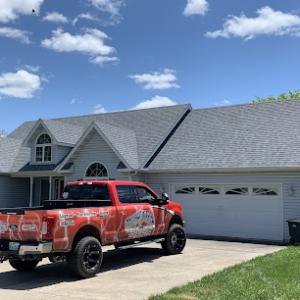
Precision Roofing
(573) 578-1720 precisionroofingandexterior.com
Pob 398, Rolla, Missouri
4.7 from 61 reviews
We have serviced the rolla area for over 10 plus years. We take pride in our work and professionalism. We are Owens Corning certified installers and treat every house like it is our own. Give us a call and get a roofer you can trust.
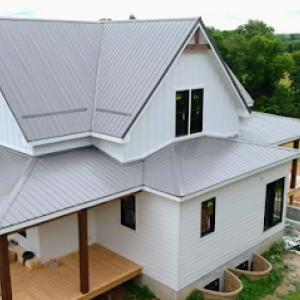
American Metal Roofing
(573) 645-7663 www.americanmetalroofingmo.com
Serving
5.0 from 29 reviews
Looking for a new roof installation can be difficult, but we want to help with your new metal sheet roofing. Here at American Metal Roofing, we have your thoughts in mind too, about how much the metal roof will cost or how does metal roof repair work, and we want to help you with those things. When you get your aluminum roof with us, you won't have to worry because we want to answer any and all questions you may have. If you are wondering about why metal shingles are better than other types of roofing materials, we can answer that for you! You read our resources, or you can contact us today!
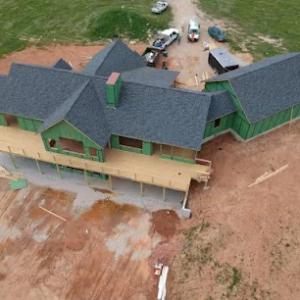
Dr. Roof
(573) 937-7663 www.drroofmo.com
Serving
5.0 from 14 reviews
At Dr. Roof, we provide professional, high-quality roofing services for homeowners and businesses throughout Rolla, St. James, and the surrounding Mid-Missouri communities.

Trainor & Sons
(573) 247-4702 www.trainorandsonsroofing.com
Serving
4.9 from 13 reviews
Trainor & Sons, Inc., originating in 2019, have emerged as a reliable and professional Missouri-based roofing contractor. Their over a decade of experience ensures exceptional workmanship and remarkable customer service. From roof repairs and replacements to flawless asphalt shingle installations, flat roof restorations, and single-ply roof constructions, Trainor & Sons, Inc. covers all aspects of residential and commercial needs proficiently and reliably. This Missouri roofing contractor has earned a stellar reputation as a trusted partner for Missouri property owners.
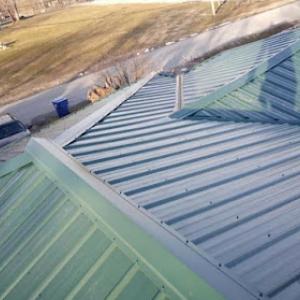
Restored Roofing & Remodeling
Serving
3.6 from 5 reviews
We are a family owned and operated business with 21 years of experience. Quality work and customer satisfaction is our goals on every job.
Asphalt shingles fit the area's mainstream housing stock and align with lower upfront budgets, which makes them the default choice for many Rolla homes. They are easy to install and repair, and you'll often find a wide selection of styles to match mid-century and newer exteriors alike. However, in this climate with central Missouri storms, asphalt is the most exposed to hail bruising and granule loss. After a heavy hail event, you may notice bruised shingles or accelerated granule shedding, which can accelerate aging and reduce UV protection. If you choose asphalt, plan for a thorough hail assessment after every severe storm and keep a careful eye on granule loss on the gutters and downspouts. Regular inspection and prompt, targeted repairs can keep a standard asphalt roof performing well through several cycles of hail, wind, and rapid temperature swings.
Metal stands out in Rolla for its resistance to impact and its rapid shedding of rain and meltwater, which can help during downpours and rapid freeze-thaw cycles. The ability to shed water quickly is especially valuable when hail comes with accompanying downpours, a common pattern in the Ozarks in spring and early summer. If you're weighing metal, consider panels that are rated for impact resistance and a finish designed to resist fading from sun exposure. Metal systems typically require solid deck support and careful detailing at penetrations and vents to safeguard against leaks during heavy storm activity. In Rolla's weather pattern, a metal roof can be a wise long-term choice for households that expect high storm frequency and want minimal maintenance between severe events, even though the upfront investment tends to be higher.
Clay tile and concrete tile can deliver distinctive curb appeal and excellent longevity, but their value here hinges on structural load capacity and wind performance. In Rolla's storm cycle, tiles must be securely fastened to resist wind uplift, plus the roof structure must support the weight, especially on older homes. Freeze-thaw cycles can also affect tile integrity if the system isn't designed for fluctuating moisture and temperature swings. Wood shakes bring a rustic look but can be more vulnerable to hail impact and can require periodic maintenance to prevent decay in shaded, moisture-prone spots. Synthetic and composite shingles mimic the appearance of slate or wood but offer varying degrees of impact resistance and flexibility; some products excel in hail-prone conditions, while others perform similarly to traditional asphalt. If you're considering these options, prioritize products with proven hail resistance, good wind uplift ratings, and a design that accommodates Rolla's freeze-thaw stress. Always verify that the underlayment and decking are compatible with the chosen material, since poor substrate compatibility can amplify damage during storms.
In a region where hail and thunderstorms are common along the I-44 corridor, the best choice balances hail resistance, shedding efficiency, and structural compatibility with local homes. If the house carries a lighter structural load or features older framing, lean toward materials that suit existing capacity and offer straightforward, inspectable repair paths. When hail is likely, focus on systems with robust impact performance, reliable drainage, and durable coatings to resist granule loss or surface denting. For every option, ensure the roofing site has proper attic ventilation and a well-sealed underlayment to mitigate moisture intrusion during sudden storms. Here in Rolla, the perfect roof is one that harmonizes with the home's architecture, withstands the storm cycle, and remains serviceable with periodic, targeted maintenance between heavy weather events.
When you're budgeting a replacement, roll these numbers into your planning for a typical Rolla home. Asphalt Shingles run roughly 350 to 650 per square, a solid middle-ground option for Ozark-adjacent weather. Metal Roofing generally lands from 800 to 1500 per square, reflecting faster installation and longer life in hail-prone cycles. Clay Tile sits in the 1600 to 3000 per square range, with weight and slope considerations common in Rolla's older, steeper homes. Concrete Tile typically goes from 1200 to 2600 per square, offering durability and a distinct look but similar handling challenges as clay. Wood Shingles or Shakes range about 500 to 900 per square, favored for traditional rooftops but requiring more maintenance in hail-prone exposures. Synthetic or Composite Shingles span 500 to 1100 per square, giving a mid-pack option that can mimic higher-end materials with sometimes easier installation. Use these local material ranges per square in Rolla planning to avoid sticker shock when suppliers quote seasonally.
Storm-driven demand spikes after hail events in central Missouri can raise scheduling pressure and labor pricing in Rolla even when material pricing has not changed much. After a big hail event, crews book up quickly, and nearby towns funnel work into the same supply chain, which pushes crew availability and wages higher for a spell. If you're aiming for a replacement window aligned with the storm cycle, expect a few weeks of tighter scheduling and potentially higher labor charges, even while material costs stay within typical ranges. Planning ahead for the peak window can help soften this impact by securing a trusted crew before the rush.
Costs in Rolla are shaped by the complexity of the roof on sloped residential homes; steeper pitches and multi-area ridge lines can push both time and labor costs higher. Availability of specialty materials like tile or composite products through regional suppliers also matters-some materials may require longer lead times or alternate sourcing, which can affect overall project price and scheduling. In the Rolla area, expect variability from contractor-to-contractor based on local demand, crew specialization, and the ease of moving materials through Ozark terrain during busy months.
In this city, a building permit is required for roof replacements. That means a re-roof isn't treated as maintenance you can do on your own schedule; the permit paperwork must thread through the contractor's plan and installation method. The contractor is expected to submit the permit application with a clear roofing scope and the installation method, so their paperwork discipline directly affects how smoothly the project moves. If the paperwork is loose or missing details, delays can cascade from the county office to your schedule. You should expect the contractor to provide a near-final version of the permit package for your review before you sign, including any notices about required inspections along the way.
Rolla's process includes inspections as the work progresses. Those mid-project checks aren't cosmetic extras; they're practical checkpoints to verify the chosen roofing system, eave and underlayment details, and installation techniques meet local code and the storm-driven realities of the Ozarks. If a mid-installation inspector flags a discrepancy-missing nailing patterns, improper underlayment, or gaps in ventilation-addressing it promptly can save you from a costly redo later. Plan for scheduling windows when the crew can pause work briefly for these inspections without stalling upstream tasks. Delays at this stage often ripple into weather windows and hail season readiness.
A final inspection is mandatory before the permit can be closed. This is not merely a formality; it is the last stop to confirm the roof was installed to code and per the approved scope. It also serves as a critical record for any future insurance claim or resale. Do not make the final payment until the inspector has signed off and the permit is officially closed. If the final inspection uncovers issues, your contractor will need to correct them and rebook inspection, which can extend both timeline and risk in a storm-prone season.
Keep all permit documents and inspection notices in a single folder, accessible to you and your contractor. After work commences, verify that the permit number is posted at the job site and that the installation aligns with what the permit specifies. Before paying the final draw, confirm the permit is fully signed off-no lingering "in-progress" stickers or loose paperwork. If a storm front is moving in, you may need to coordinate additional inspections to prevent weather-related setbacks.
Assume nothing about final approval-inspections can reveal subtle deviations from the plan, and those must be corrected before closing. Rely on the contractor's punctuality and precision with the permit package; disorganization here can jeopardize both timing and coverage for hail-related damage repairs. If a mid-project snag arises, request a documented change notice that keeps your permit records accurate and traceable.
Hail-driven damage in this Ozark-edge area tends to cluster after severe storms along the I-44 corridor. That clustering can push underwriting scrutiny and affect renewal pricing in the years following major storm years. The result is a more cautious claims environment, with adjusters who focus on identifying preexisting conditions and verifying that repairs align with the actual damage from the latest event. Your file can ride a tighter cycle if a big outbreak hits recently, so keeping your record clear and up to date matters.
Independent adjusters and roof verification visits are common after large Missouri storm events. To weather the process without surprises, collect date-stamped exterior photos showing shingles, flashing, and vents, plus interior leak evidence when you notice it. Emergency repair receipts, even small temporary fixes, help demonstrate the immediacy of damage and the extent of risk you faced while waiting for a full assessment. Store these records in a simple, organized folder you can share with your insurer or contractor during the claim.
Because claim handling can tighten after regional hail outbreaks, you should document damage immediately and avoid waiting through multiple storm cycles before notifying the carrier. Early notification can help preserve coverage scope and reduce the chance that a later inspection uncovers questions about when the damage occurred. If you do need temporary repairs, keep receipts and note the dates, so your insurer can see the sequence of events clearly. A prompt, well-documented claim reduces the likelihood of disputes that complicate subsequent renewals.
After the initial assessment, expect a follow-up verification step where the insurer, or an assigned adjuster, cross-checks the repair plan against observed damage. In Rolla, where exposure to hail and severe weather is persistent, a straightforward, well-documented path helps you navigate the process more smoothly and minimizes the chance of delayed or disputed settlements.
After a hail event, the first question for many homeowners is whether the marks on the shingles are just cosmetic or a sign of real damage. In this market, carriers scrutinize visible impact differently from functional damage, so the distinction matters for how a claim is handled. Look for bruising on asphalt shingles, dented metal flashings, and granule loss in localized areas. Even if the surface looks mostly intact, small penetrations or softened edges can threaten long-term performance-especially on roofs with older materials or partial replacements. If a balance of hail marks and raised nails is present, schedule an inspection with a reputable roofer who understands Missouri claim practices and can document both surface and structural concerns for the adjuster.
Recent storms train a pattern that residents notice only after several spring rains. Loose flashing around chimneys, vents, and the edge of the roof is a frequent culprit, often overlooked until a heavy rain reveals a slow leak or damp ceiling in an upper room. Lifted or cracked shingles may not leak right away, but repeated saturation can start in the attic and travel along rafters before showing at the interior. When you see rising moisture after a sequence of showers, treat it as a potential sign of hidden damage. A proactive inspection should focus on flashing seals, vent collars, and any shingle lift along the eaves, valleys, and roof-to-wall transitions. Early detection reduces the chance of a mid-season failure.
Scheduling anxiety is real, because central Missouri storm seasons can create backlogs that leave you weighing temporary repairs against full replacement while more storms are possible. If a rapid inspection finds non-critical issues, ask your roofer to prioritize a plan that addresses safety and water intrusion first, then outlines a clear timeline for longer-term replacement if needed. Document every step: dates of storms, visible damage, assessments, and communications with the insurer. Having a detailed record helps you move efficiently through the process when weather windows align and crews become available.
A Rolla roofing plan has to account for both storm exposure and the city's permit-and-inspection sequence, not just material choice. The Ozark-edge elevation means hail from spring storms can come with little warning, and attic heat can accelerate aging after a storm. Plan for extra rapid assessment after a hail event and have trusted contractors lined up to inspect damage quickly. Acknowledge that roofs here are prone to multi-storm cycles, so anticipate temporary shingle loss, granule exposure, and potential underlying sheathing damage. This isn't theoretical-it unfolds along the I-44 corridor soon after each hail blitz.
The best timing window in Rolla is often the period that avoids peak spring rain delays and reduces the chance of immediate summer hail exposure. Start with a dry, calm stretch in late spring or early summer when storms are less frequent but still possible, and temperatures aren't extreme. Scheduling within this window helps crews complete in-progress checks without weather delays washing out progress. This timing also gives a better window for insurance documentation while weather remains manageable for dry-in work. Rolling a plan forward in smaller, two- to three-week sprints can keep crews on track despite sporadic storms.
Homeowners in Rolla benefit from organizing storm photos, insurance records, and permit closeout documents together because all three commonly affect project timing. Gather before-and-after photos of the roof and gutters, plus hail notes from your insurer. Store invoices and payment records in a single place so the project can move efficiently through in-progress inspections and the final closeout. A concise file helps the crew, the insurer, and the city inspections stay coordinated during the storm season.