
Last updated: Apr 19, 2026
Spring in this area brings a steady drumbeat of hail and severe thunderstorms that hammer steep-slope roofs. The recurring impact damage and lifted shingles are not rare events-they are a common local concern that can compromise the roof's ability to shed water and resist wind uplift. Sedalia homeowners should treat storm season as a yearly stress test for roofing, where the first signs of damage can go unnoticed until a leak or interior stain shows up later. The pattern of fast-moving hail followed by gusty winds means even roofs that look solid from the ground may have hidden underneath issues that worsen quickly with every new storm.
Missouri's hail- and wind-driven claim environment pushes many roof replacements to start with thorough storm documentation rather than relying on age alone. Photos, dated hail reports, and a clear narrative of when, where, and how damage occurred become crucial evidence for insurers. If a recent storm left pockmarks, lifted shingles, or granule loss, document it promptly. Do not assume a minor bruise is insignificant; a sequence of small impacts can weaken a roof enough to require full replacement after a severe event. In Sedalia, adjusters are trained to look for how the roof performed during the latest storm cycle, not just the roof's calendar age.
Full-replacement scenarios often trigger code-related inspections. Insurers may scrutinize whether storm-related work includes required code-compliance upgrades, such as underlayment standards, ventilation, and flashing details that meet current codes. Expect questions about attic venting, proper installation of attic baffles, and whether the roof deck was inspected for moisture damage after a major storm. Being prepared with documentation of prior ventilation or any corrective work helps demonstrate that the project aligns with current code expectations, not just the original roof design. Plan for clear conversations with the contractor and the insurer about how upgrades will be integrated without delaying the replacement.
Start with a rapid post-storm inspection routine: safely check for lifted or missing shingles, dented metal features, and damaged seals around vents and skylights. Capture wide-angle roof views and close-ups, and keep a dated log of observations. If damage is suspected, request an on-site assessment from a qualified roofer who can distinguish cosmetic surface wear from structural impairment. Retain all storm-related documentation and seek a contractor who emphasizes weather-hardening details: better underlayment, reinforced flashing, and upgraded fasteners that withstand Sedalia's wind bursts. Communication with the insurer should be precise and timely, focusing on concrete storm effects rather than generic wear. This approach helps ensure that a claim accurately reflects storm impact and supports appropriate, durable repairs.
Sedalia's hot summers, cold winters, and regular spring rainfall create a roofing cycle where moisture, thermal movement, and storm damage all matter at once. The combination of high heat in the peak of July and the freeze-thaw cycles in late winter means shingles and underlayment need to handle expansion and contraction without microcracking or seam failure. Moisture from spring storms can linger if ventilation isn't up to par, encouraging mold growth in attic spaces and corroding metal components in exposed areas. When planning a roof, think beyond a single season: choose materials that tolerate sustained heat, resist moisture ingress, and maintain air flow to manage condensation.
The city's open inland setting in central Missouri leaves roofs exposed to thunderstorm wind, hail, and seasonal temperature swings rather than coastal or mountain-specific risks. That exposure translates into tight windows for tear-off, dry-in, and completion. Autumn wind and rainfall, summer humidity, and winter ice and snow all affect when roofing crews can tear off, dry in, and complete projects. If a project is scheduled in the shoulder seasons, plan for potential weather shifts that can push timelines. Unseasonable warmth might offer longer dry spells, while an abrupt cold snap or late-season storm can stall work and impact nail seal integrity and shingle warranties.
Spring hail and wind are the dynamic threats that drive most Sedalia roof decisions. A roof that performs well under hail must have impact-resistant considerations, and wind resistance depends on the quality of fasteners and edge details. After a heavy hail event, inspection becomes a must-do task, not a someday chore, because hidden damage can travel to the decking and leak later. In addition, regular spring rainfall tests the integrity of flashing around chimneys, vents, and skylights. A proactive maintenance routine-checking valleys, caulking, and sealants before the peak storm season-reduces the chance of wind-driven leaks and wind-uplift failures during spring storms.
Material choices should align with Sedalia's climate cycle. Asphalt shingles offer cost-effective, reliable protection against heat and moisture when installed with proper underlayment and ventilation. Metal roofing excels at shedding hail impact and enduring thermal movement, though it demands precise fastening and continuity in panels to resist wind uplift. Clay tile and cedar shakes bring distinctive aesthetics and durability but require careful maintenance against freeze-thaw stresses and moisture absorption. Cedar, for example, benefits from a well-ventilated roof deck to minimize shrinkage and warping in heat, while clay tile needs a rigid substrate to prevent cracking from temperature swings. Each option behaves differently under prolonged humidity, so roof slope, deck condition, and attic ventilation should guide the final selection.
A Sedalia roof must be a coordinated system: deck, underlayment, ventilation, flashing, and a weather-resilient outer layer designed to work together through hot dry spells, heavy spring rains, and cold snaps. Regular inspections timed around spring and autumn transitions help catch issues before they escalate into leaks or wind damage. When considering a replacement or major repair, think not only about immediate protection but also about how the roof will respond to the annual rhythm of moisture movement, thermal cycling, and storm-driven impacts. A well-coordinated design that anticipates these cycles reduces the chance of premature wear and supports steady, predictable performance year after year.
Asphalt shingles dominate Sedalia's housing stock because they fit the local homes and the typical cost range for basic reroofing. In spring hail and storm season, these shingles take the brunt of bruising from hail and wind-tab damage, especially on older installations. If asphalt is your choice, plan for regular inspections after every major hail event and after strong wind storms. Look for bruising that isn't always visible from the ground, and check for lifted tabs along eaves and rake edges where wind pressure concentrates. It's wise to keep a close eye on neighborhoods with older underlayment or previous hail repairs, since compromised areas can propagate leaks sooner than expected during freeze-thaw cycles.
Metal roofing is common in this region because it handles repeated weather swings well. The material itself resists seepage and tends to shed hail better than asphalt, which makes it a strong option for durability. However, there are practical considerations to dial in. Noise can be more noticeable in rooms directly beneath the roof during heavy rain or hail; if quiet living spaces are a priority, consider attic insulation and sound-dampening underlayment. Fastener layout matters: improper or aging fasteners can loosen over time, leading to leaks or wind-driven issues after severe spring storms. After a major hail event, inspect for dent visibility, especially on panels with softer alloys or lighter finishes. Dents don't always affect performance, but they can influence long-term aesthetics and perceived value if not addressed.
Clay tile and cedar shakes appear less often in Sedalia, but they do surface on specific architectural styles or renovation projects. These materials require closer attention because freeze-thaw stress and moisture cycling pose higher risks for cracking, splitting, or moisture intrusion if hail or debris strikes. Storm debris can wedge under tiles or shakes, accelerating wear at rafter tails and eave lines. Cedar shakes, in particular, may absorb moisture from repeated rains and then freeze, which can lead to splitting or warping over several seasons. If choosing these options, ensure a robust underlayment, proper venting, and regular inspections after winter thaws and spring hail. Damaged pieces should be replaced promptly to prevent water intrusion that can undermine the roof deck.
Regardless of material, Sedalia's high-claim storm environment benefits from a proactive maintenance plan. After severe weather, conduct a thorough exterior check, focusing on corners, penetrations, and transitions between roof planes. Keep gutters clear to prevent ice dam buildup that compounds freeze-thaw damage at the eave. For asphalt, watch for exposed felt and curled tabs; for metal, verify sealant lines and flashing integrity; for clay tile or cedar shakes, inspect for loose units and debris-induced cracks. In practice, establish a routine: inspect within a week after a major hail or wind event, document findings, and schedule targeted repairs before the next storm window narrows. This approach minimizes emergency calls and preserves roof life through Sedalia's fluctuating seasons.
Spring is often the season when damage is found after winter and early storm events, but active thunderstorm patterns can complicate scheduling and temporary dry-in work. In this climate, a homeowner may notice shingle granule loss, curled edges, or leaking from freeze-thaw cycles that stacked up over winter. The timing is usually driven by the balance between dry stretches and the threat of spring hail, so you'll want to confirm roof health during a stretch with several dry, mild days in a row and avoid starting during heavy rain or high-wind fronts. If you see sudden leaks after a hail event, prioritize assessment and planning rather than immediate full teardown.
Hot, humid summers can speed project completion windows when weather is stable, yet frequent thunderstorms can still interrupt tear-offs and material staging. In practice, plan major work for the core of summer when you can reliably work through several days without rain. If a storm front rolls in, temporary measures to protect the interior should be in place, but full replacement may pause until a clearer week emerges. A typical summer window works best when the roof is structurally sound and the attic is properly ventilated to manage heat and moisture during long days on the ladder and under synthetic underlayment.
Winter ice, snow, and freeze-thaw cycles can delay full replacements and make emergency repairs more common until safer installation conditions return. If ice dams have formed or interior damage is evident, temporary shoring and tarp protection are prudent, but long-term work should wait for solid freezing-thaw cycles to subside and for consistent daytime temperatures. In Sedalia, you'll often see replacements shift to early spring or late summer to dodge the sharpest cold snaps, while still avoiding the peak storm months. When a roof has endured multiple seasons of weather stress, a phased replacement plan can reduce exposure to sudden hail or wind damage between stages.

Dickinson Roofing & Construction
(660) 826-7663 www.826roof.com
2609 S Limit Ave, Sedalia, Missouri
5.0 from 136 reviews
Residential Roofing, Commercial Roofing, and Gutters. Dickinson Roofing & Construction is a locally/family owned Business. We are the team that changes the roofing experience.
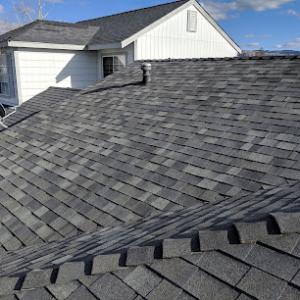
Newbill & Sons Roofing
(660) 826-7946 www.newbillroofingllc.com
120 W Hogan St, Sedalia, Missouri
4.9 from 116 reviews
Newbill and Sons Roofing is your premier choice for top-quality roofing services in Sedalia and the surrounding areas. As a trusted local contractor, we specialize in all aspects of roofing, from new installations to repairs and maintenance. Our team of skilled roofing professionals is dedicated to delivering exceptional craftsmanship and customer satisfaction. Whether you need a small repair or a complete roof replacement, we have the expertise and resources to handle any project with efficiency and precision. Our friendly and knowledgeable team is always available to answer your questions and provide expert advice. Contact us today for a free estimate, and let us be your go-to roofing experts.
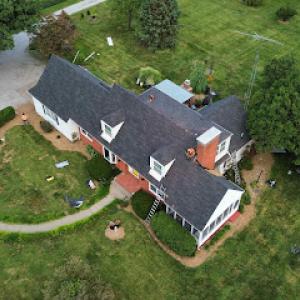
J & A Roofing
315 E Cooper St, Sedalia, Missouri
5.0 from 31 reviews
J & A Roofing can help with a FREE roof inspection . We also work with your Homeowners Insurance.

Apples Construction & Roofing
3004 S Ingram Ave, Sedalia, Missouri
4.9 from 22 reviews
At Apple's Construction and Roofing our mission is to build long term relationships with our Clients and the community by providing both residential and Commercial Roofing. Siding and gutter services with the most qualified, and long standing worksmanship and service!
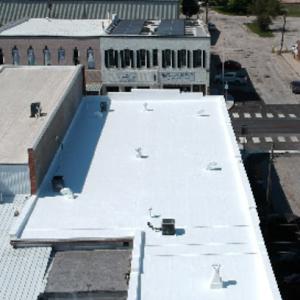
Restoration Roofing Solutions
2200 W Main St Suite 102, Sedalia, Missouri
5.0 from 18 reviews
RESTORATION ROOFING SOLUTIONS is a roofing company in Sedalia, MO that specializes in commercial low slope flat roofing systems and residential roof replacement as well as shingle rejuvenation with Fresh Roof.
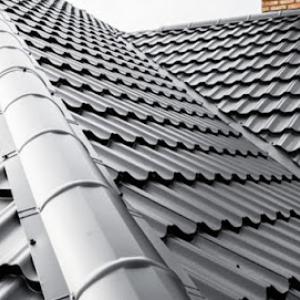
Roofs R Us
Sedalia, Missouri
5.0 from 2 reviews
Serving the states of Missouri & Texas Roofs R Us has been in business in the greater Missouri & Texas area since April of 2002, and we have been providing top quality roofing and home exterior remodeling services since the established of the company. The owner of Roofs R Us has extensive knowledge and training in the insurance restoration business. So whatever home improvement project you have in mind for the exterior of your home – from vinyl siding to replacement windows – or any roofing services you need, including roof repairs to complete roof replacement, Roofs R Us is the roofing contractor you can rely on to get the job done with precision and ease.

Cachero Roofing
(660) 619-7948 www.facebook.com
Serving
5.0 from 1 review
We have done thousands of roofs in central Missouri alone and have thousands of references. J JUST ONE OF THE MANY REASONS WE STAY SO BUSY IS BECAUSE we are one of the few companies left that has an owner that still personally installs EVERY roof with our team. And by team, we mean employees! No sub-crews here. SO YES WE ARE A LOCALLY OWNED HUSBAND AND WIFE DUO, WE DON’T HAVE SALES PEOPLE OR A SECRETARY ANSWERING THE PHONE, DAVID AND I OWN, RUN AND OPERATE THIS BUSINESS 100%!! AND honestly we wouldn’t have it any other way.
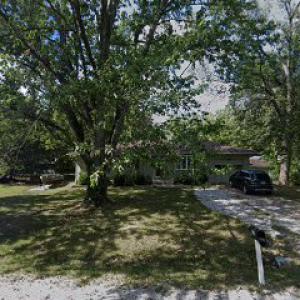
Royal Roofing & Solar - Warrensburg Roofer
(816) 339-5165 roofedbyroyal.com
Serving
5.0 from 3 reviews
As a local roofing company serving Warrensburg MO, we are at your service whenever you need us and we treat all our clients like neighbors and family. Each roofing system is equally important to us and we work on it tirelessly until it’s in perfect condition. With our roof repair services, we will ensure that all damages are properly taken care of and that there are no underlying issues and leaks on your roof. When it comes to roof replacement, we use a variety of top-quality roofing materials that meet the highest industry standards. We will always make sure that you and your home are fully protected, as well as that your new roof matches your home perfectly and increases its curb appeal. Call us today!
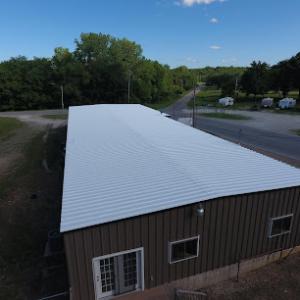
Shaw Preservations
Sedalia, MO
Protect your largest investment with our reliable roofing services. We are a locally owned and operated roofing company currently serving Sedalia, MO and surrounding communities. If you want to make your roof last as long as possible, it is vital that you never put off a roof repair. Small issues with roofing become big issues in a hurry. No matter how major or minor the repair you need, we are here to help. We offer roofing contracting, commercial roofing, and flat roofing.
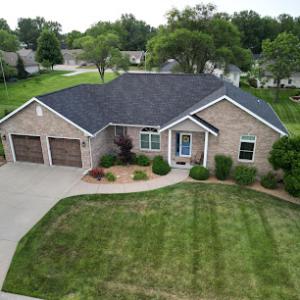
Ajee Services
(816) 215-9930 ajeeservices.com
Serving
AJEE Services offers a wide array of construction services.
Typical Sedalia pricing runs about $350-$650 per square for asphalt shingles, $550-$1100 for metal roofing, $900-$1700 for clay tile, and $700-$1200 for cedar shakes. Those ranges reflect local material choices and the way crews price projects in a town that sees wide swings in storm activity. For a detached home with a standard steep slope, you can expect most full replacements to land somewhere within those bands, depending on the exact shake of the roof and the chosen profile. If you are replacing after a hail event, the same material choices stay, but the installed cost can shift due to timing and crew availability.
Sedalia storm seasons can create sudden contractor demand spikes after hail and wind events, which can affect scheduling pressure and replacement pricing. When hail is fresh in town, you may see crews booked weeks out and earlier-in-the-season price tags creeping up to move jobs through quickly. If you wait for a lull after a big storm, you might still face tight windows because many homeowners pursue quick repairs and full replacements in the same storm cycle. The practical takeaway is to plan ahead for peak-demand periods and be prepared for potential premium days should a storm hit hard and nearby crews be pressed for capacity.
Costs in this market can also shift based on steep-slope tear-off complexity common to many detached homes, disposal logistics after storm damage, and the realities of working around a tight winter schedule. Steep slopes add crew time and safety considerations, which nudges labor hours upward and can push the per-square price higher, especially on heavier profiles like clay tile or cedar shakes. Disposal becomes more involved after hail events, since damaged material must be hauled off in proper containers and disposed of in accordance with local practices. These factors add modest but real increases to the bottom line, even if the material choice remains the same.
When budgeting, use the material ranges above and add a cushion for potential storm-season scheduling realities. If choosing asphalt shingles, you'll typically see the most predictable timing and cost pattern, while metal, clay tile, and cedar shakes bring greater variability due to installation specifics and weight handling. For best value, align replacement timing with calmer parts of the season when feasible, and verify the contractor's plan for steep-slope work, debris handling, and crew availability to minimize delays and unexpected charges.
A full roof replacement typically requires a building permit filed through the City of Sedalia building department. The permit is not something to tuck away until the last minute; it sets expectations for materials, workmanship, and how long the project can run. If the permit is delayed or mishandled, you risk stop-work orders that halt progress and complicate storm-response plans after a hail event.
The city inspections are generally scheduled during and after the roofing work so the city can verify code compliance before final approval. That means your crew should anticipate at least one mid-project check and a final walk-through once shingles are laid, flashings checked, and penetrations sealed. Any retrofit or ventilation updates should be visible to the inspector, not buried behind attic insulation. A missed inspection window can extend downtime and complicate the contractor's schedule, especially when storms pile up consecutive jobs.
Because permit review and inspections are part of the local process, homeowners should confirm who is pulling the permit and how inspection timing fits the contractor's production schedule. If the contractor uses a third-party permit service, verify timelines, required notices, and who holds responsibility for rescheduling if weather pushes a phase back. Keep a printed copy of the permit card on-site, and post your contact person so the inspector can reach the right party quickly. Planning ahead helps avoid late approvals that delay protecting your home from spring hail and wind risk.
During spring storm season, coordinating permit milestones with typical Missouri weather windows matters. Ensure the permit card is posted on-site and that the contractor provides you with inspector contact or scheduling notes. If weather stalls work, request written updates on when inspections will occur and how that affects certification timelines. Some crews push ahead with minor tasks before a permit is issued, but that can invite invalid work or required rework. Keep a clear line of communication with the building department, and confirm whether amendments are needed if material substitutions arise due to supply delays. This keeps the project moving while reducing chances of surprise stoppages and protecting your investment.
In the Missouri insurance environment, adjusters expect detailed photo evidence of roof, soft-metal, and collateral storm damage after a major hail or wind event. Take wide shots of the entire roof from multiple angles, then close-ups of shingles, flashing, gutters, and soffits. Include nearby trees, property lines, and any visible exterior damage. Use a consistent date-stamped method and organize images by date and location so you can quickly show how the damage develops over time.
Keep dated photos and records of interior leaks, exterior elevations, and any temporary mitigation you perform, such as tarps or boards. After a regional storm, claim volume can spike, and missing or poorly labeled documentation slows the process. Maintain a simple log of every anomaly: what you saw, when it was discovered, and what action you took to mitigate further damage. This clarity helps prevent back-and-forth with the adjuster and reduces the chance of missed coverage due to minor inconsistencies.
When a roof is replaced through an insurance claim, documentation around upgrade-related items can matter because adjusters may review costs and scope with extra scrutiny. Preserve receipts for temporary repairs, contractor communications, and any inspection reports tied to the project. If a contractor references specific product improvements or code-related changes, ensure those notes are captured with time stamps and clear descriptions. Clear, organized documentation limits interpretation risk and supports a smoother settlement process.
Designate a single, accessible location for all storm-related photos and paper trails, and back up digital copies to a cloud folder with explicit labels (roof, gutters, interior leaks). After a severe hail event, initiate a rapid roll-through: inspect, photograph, log, and file promptly. This proactive approach helps align expectations with adjusters and protects your claim integrity during Sedalia's high-claim period.
In the open central Missouri plains, spring hail and thunderstorm winds push against steep-slope residential roofs with notable frequency. Hail bruising on asphalt shingles is a common after-effect you will notice in the days following a storm, often presenting as round imprints that weaken surface granules and shorten the shingle's life. Creased tabs from wind uplift are another telltale sign, especially on asphalt roofs with older or fatigued shingles. Those damaged tabs create potential leak paths that can widen with subsequent storms if not addressed promptly. When inspecting after a storm, focus on the ridge line, corners, and areas where wind channels around the house; these are typical hotspots for accelerated wear.
The city's mix of humid heat and winter freeze-thaw cycles turns small drainage or flashing defects into recurring leak paths over multiple seasons. Poorly sealed or blocked valleys, gutters, and downspouts can trap water where it can back up against fascia or drip edges. In Missouri's climate, even tiny gaps in step flashing at chimneys or transitions to siding can progressively widen as ice forms and melts, then refreezes. Regular attention to these trouble spots helps prevent slow drips that gradually undermine sheathing and interior drywall. When you notice staining around penetrations after thaw cycles or heavy rains, treat it as a signal to recheck flashing and sealants before more damage accumulates.
Cedar and tile roofs deserve closer monitoring in this climate, where moisture-related deterioration can outpace what's seen on asphalt. Cedar shakes are susceptible to splitting, warping, and mold growth when rain and humidity linger, and the freeze-thaw sequence can drive moisture deeper into the wood fibers. Tile roofs, while durable against impact, can suffer from cracked or broken members during hail events or high-wind storms; once a tile is compromised, water can migrate under the surface and follow underlayment seams. For both materials, early detection of soft spots, discoloration, or loose fasteners helps prevent moisture from becoming a larger, more persistent issue.
Missouri's variable climate means quick maintenance checkups after each heavy storm are essential. If maintenance falls behind, small problems-loose flashing, degraded sealants, or moss growth on shaded slopes-can become larger failure modes in a relatively short span. For cedar and tile, this is even more pronounced, as lifestyle and weather patterns magnify the consequences of neglected minor issues. Establish a routine seasonally: clean debris from roof planes and gutters, inspect for exposed fasteners, and verify that vents and exhausts remain unobstructed. This proactive stance helps keep sudden storm damage from turning into long-term leaks.