
Last updated: Apr 19, 2026
Storm season in this area brings recurring hail and wind claim cycles that turn roof issues from routine maintenance into urgent, time-sensitive matters. After a severe weather event, the first question to answer is whether active leaks exist and if interior damage is possible. Delays in addressing flashing failures, lifted shingles, or dented edges can quickly become widespread interior problems once a thaw or additional rain rolls in. Treat any visible fasteners, granule loss, or bruised shingles as a potential red flag, even if the roof seemed "okay" at first glance.
Local claim handling often unfolds through multiple adjuster evaluations after severe storms. To keep the process efficient, assemble a precise photo set that captures the entire roof from ground level and up close, both before and after any temporary stabilization work. Date-stamp those images and note specific damage types on each angle: hail impacts, wind uplift, granule loss, and damaged vent flashing. Preserve torn-off material samples in a secured bag with the house address and the storm date written on the bag. In Columbia, this documentation can shorten back-and-forth and support timely decisions when subsequent adjusters review the file.
Contractor demand spikes after spring hail events create a crowded field of opinions and timelines. The practical approach is to separate immediate leak stabilization from full replacement scheduling. If water is actively entering the home, prioritize stopping the leak with temporary measures, such as tarping or quick-sealant repairs, while the full assessment proceeds. If the roof shows only surface damage without active intrusion, schedule assessments promptly but avoid committing to a full replacement until a thorough inspection and multiple adjuster notes confirm the scope. This distinction keeps the home protected without locking into a lengthy repair timetable.
Prepare a log that tracks storm date, observed damage, and any temporary fixes applied. Note the weather pattern leading up to the event-high wind speeds, large hail, or a rapid freeze-thaw cycle can each create different failure modes. When the first adjuster arrives, provide the documentation packet in a single folder or digital drive link and request a timeline for each follow-up appointment. If multiple adjusters are anticipated, designate a single point of contact to minimize conflicting recommendations, but ensure every assessor views the same evidence.
Recognize that the local stock in Columbia often includes a mix of asphalt, metal, and synthetic options, each with unique exposure to hail patterns and wind uplift. For triage purposes, focus on the integrity of the roof deck and underlayment, the status of edge fasteners, and the condition of chimney and vent penetrations. Persistent dents, cracking around openings, or soft spots indicate higher risk and should move up in priority for evaluation. Early, precise notes about the ridge line, hip caps, and valley protection help align expectations across multiple visits and prevent miscommunication during the claim review.
In practice, a fast track hinges on documenting active leaks, staking a temporary stabilization plan, and securing a concrete timeline for a full assessment. If the storm window corresponds with a typical cycle of claim activity, organize the file to present a clear case for early scheduling of a comprehensive roof replacement, should the evidence support it. The goal is to prevent progression from a manageable surface issue to unchecked interior damage, while navigating the surge in contractor demand with a disciplined, evidence-driven approach.
Find local contractors experienced in assessing and restoring roofs after hail, wind, and severe weather events.
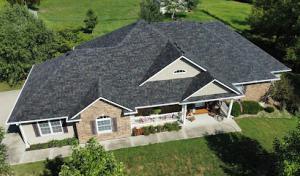
Resolve Roofing
(573) 787-5859 www.resolveroofing.com
1000 Big Bear Blvd Suite 100, Columbia, Missouri
5.0 from 313 reviews
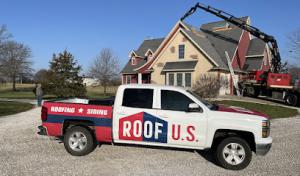
Roof U.s.
(573) 488-6697 www.roofusconstruction.com
5053 S Providence Rd Suite 104, Columbia, Missouri
5.0 from 294 reviews
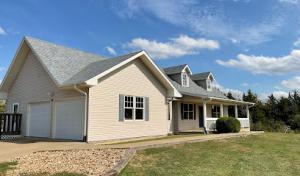
Prime Exterior Solutions
(573) 970-3355 primeexteriors.com
700 Cherry St C, Columbia, Missouri
5.0 from 114 reviews
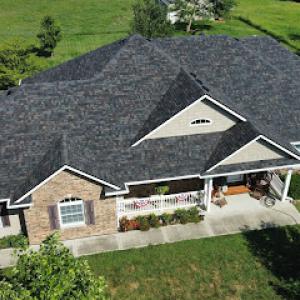
Resolve Roofing
(573) 787-5859 www.resolveroofing.com
1000 Big Bear Blvd Suite 100, Columbia, Missouri
5.0 from 313 reviews
Resolve Roofing is your premier roofing contractor in Columbia, providing top-notch roofing services. Whether you need a new roof installation, roof repair, or remodeling for homes, our experienced team has you covered. As the leading roofing company in Columbia, we pride ourselves on delivering exceptional service and quality workmanship to homeowners in Columbia and surrounding areas. From roof inspections to complete roof replacements, we handle it all with expertise and professionalism. Trust Resolve Roofing for all your roofing needs, including remodeling for homes, and rest assured knowing your roof is in good hands.
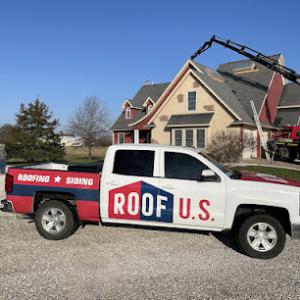
Roof U.s.
(573) 488-6697 www.roofusconstruction.com
5053 S Providence Rd Suite 104, Columbia, Missouri
5.0 from 294 reviews
Roof U.S. is a family-owned roofing company serving Mid-Missouri since 2010. Specializing in commercial and residential roofing, we handle metal, asphalt, cedar shake, slate, and DaVinci synthetic materials. Our fully licensed and insured team guarantees quality, low prices, no-mess service, and a warranty. We offer free estimates, same-day service, weekend appointments, and 24/7 emergency services. We ensure installation within two weeks of contract signing, reflecting our commitment to "Better Service = Better Roofing." Contact us today for a free roofing estimate in Columbia, Jefferson City, Lake of the Ozarks, Ashland, Bonneville, Camdenton, Fulton, Marshall, Moberly & surrounding areas!
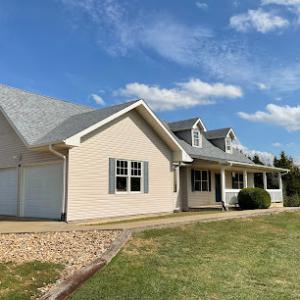
Prime Exterior Solutions
(573) 970-3355 primeexteriors.com
700 Cherry St C, Columbia, Missouri
5.0 from 114 reviews
Our dedicated team in Columbia, MO, is committed to providing top-quality roofing, siding, and exterior services. With a proven track record of delivering outstanding results on time and within budget, we aim to surpass your expectations at every turn. Experience the peace of mind that comes with working with a trusted local contractor. Count on Prime Exteriors to enhance the beauty and functionality of your home. Whether you need an inspection, repair, or complete installation, we've got you covered. Reach out to us now for your free estimate!
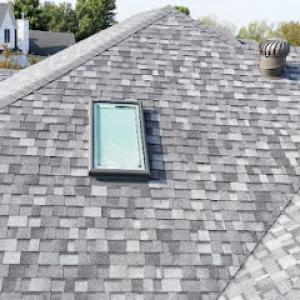
Maldonado's Siding & Roofing
(573) 268-7993 maldonadossidingroofingllc.com
1501 Vandiver Dr #215, Columbia, Missouri
5.0 from 64 reviews
Maldonado's Siding & Roofing offers a comprehensive solution for your home's exterior. They specialize in both roof and siding projects, ensuring a cohesive and well-protected exterior. Their focus is on using top-quality materials and employing qualified workers to deliver long-lasting results.
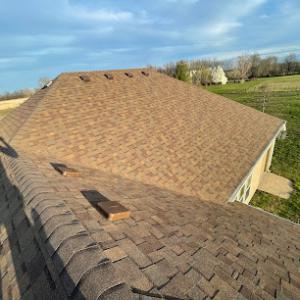
Clear Skies Exteriors
(573) 823-1669 www.clearskiesexteriors.com
4402 Thornbrook Ridge, Columbia, Missouri
5.0 from 47 reviews
At Clear Skies Exteriors, we understand that your home is more than just a building – it’s a sanctuary, a place where memories are made and cherished for years to come. That’s why we take pride in offering a wide range of services designed to enhance the beauty, functionality, and durability of your property. With years of industry experience, our contractors have the expertise and resources to handle projects of any size or complexity. Whether you’re in need of a new roof, siding, windows, deck or gutters, we have you covered from start to finish.
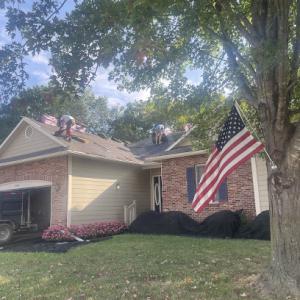
Precision Construction Services
(573) 442-9354 www.precisionmo.com
1729 W Broadway #9A, Columbia, Missouri
4.8 from 133 reviews
We are your Exterior Specialty Service Team focused on creating successful improvements that add value to our client's property investments.
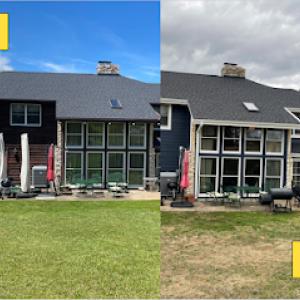
CoMo Premium Exteriors
(573) 424-9008 comoexteriors.com
3502 Interstate 70 Dr SE, Columbia, Missouri
4.7 from 597 reviews
At CoMo Exteriors, we serve Columbia, MO, and neighboring areas with roofing, siding, windows, gutters, and deck solutions—backed by our Limited Lifetime Workmanship Warranty on qualifying projects. With a commitment to quality and customer satisfaction, we deliver results built to last. Our reputation for reliability and craftsmanship ensures every project meets the highest standards. We offer tailored exterior services for homeowners and businesses, using proven techniques and quality materials to handle any challenge. We prioritize clear communication, keeping you informed every step of the way. Contact CoMo Exteriors today to enhance and protect your home with trusted exterior services in Columbia, MO.
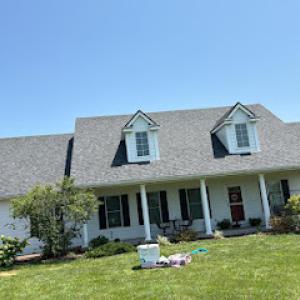
Alex Construction USA
(573) 999-1469 www.alexconstructionsusallc.com
1301 W Ash St, Columbia, Missouri
4.8 from 42 reviews
At Alex Construction USA, we specialize in commercial and residential construction projects throughout Mid Missouri and surrounding areas. We provide top-quality services in roofing, siding, remodeling, painting, drywall, decks, stonework, block work, masonry, and more. Our commitment is to deliver durable, safe, and visually impressive results. 📞 Contact us today for a free estimate!
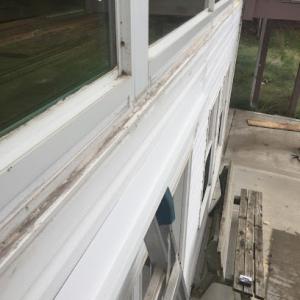
Borntrager Exterior Repairs
(573) 881-1157 borntragerexterior.com
1200 E Broadway, Columbia, Missouri
4.9 from 30 reviews
KEEP YOUR ROOF IN GOOD CONDITION WITH REPAIR OR REPLACEMENT SERVICES When was the last time you looked up and thought about the state of your roof? If you're like most people, it's probably been a while, which means you may need roof repairs without even knowing it. A skilled roofing contractor can help you decide whether you're better off getting repairs or a brand-new roof. Trust Eddie at Borntrager Exterior Repairs, LLC, to tackle any roofing problem. Get a free estimate on roof replacement or repair services. Contact us today.
Manor Roofing & Restoration Services
(573) 445-4770 www.exploremanor.com
7125 W Henderson Rd, Columbia, Missouri
4.8 from 49 reviews
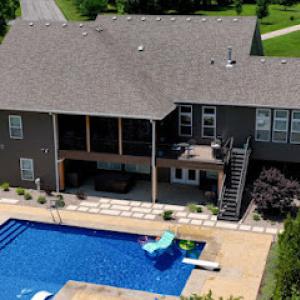
Mid-Missouri’s leading contractor for roofing, siding, windows & doors, decking and patio additions. Manor Roofing and Restoration is a locally-owned company offering roofing, siding, windows, decks and more, has worked on high profile municipal, commercial and residential projects throughout Columbia, MO and mid Missouri. County courthouses, homes on the historical register, churches and a 100,000 square-foot metal roof on a manufacturing facility – No project is too big for our team. We work to protect your home, possessions and family from the harsh Missouri weather by offering great roofing and restoration services and products that provide superior long-term durability and performance value.
Midwest Roofing
(573) 242-5712 www.mwroofing.us
1403 Grand Ave, Columbia, Missouri
4.7 from 47 reviews
Serving the greater Columbia and surrounding areas, Midwest Roofing has been performing roofing installations and repairs for nearly two decades. The local roofing contractors at Midwest Roofing are dedicated to providing high-quality work for both commercial and residential clients. Whether you need a brand-new roof or minor repairs, the professional roofers at Midwest Roofing are here to help!

Titan Commercial & Residential Roofing
(573) 410-2831 commercialroofingtitans.com
3610 Buttonwood Dr #200, Columbia, Missouri
4.6 from 23 reviews
Welcome to Titan Commercial & Residential Roofing! Thank You for checking our Google listing. We are a Family owned business serving Columbia, Springfield, Kansas City, St. Louis, Lake Ozark, Jefferson City, and nearby areas of Missouri! We love our customers and we always strive to provide you with expert analysis and details regarding your roof, conditions, and provide you the best possible solution! When you schedule an inspection with us, we will provide you expert information and digital analysis of your roof. We will provide you with our Professional Opinion on your roof's condition. We want all our clients to have Peace of Mind that their property is in good condition! Thank you for stopping by!
Columbia's hot summers and cold winters create repeated expansion-contraction stress on roofing materials, so replacement timing is strongly affected by both summer heat and winter freeze-thaw exposure. The roof endures daily heat cycling when the air above the attic climbs, and then it braces for sharp freezes that push seal points and flashing to their limits. That dynamic makes timing critical: too soon after a brutal heat spike, sealants may still be soft; too late into a deep freeze, vulnerable spots can crack or fail when moisture expands and contracts. In practice, that means planning around predictable seasonal stress windows rather than chasing a single best day.
Spring in Columbia brings a real uptick in hail events. A heavy storm can turn a simple maintenance project into an insurance-driven replacement almost overnight. If a hail event touches your roof, document the damage promptly with photos, noting shingles, flashing, and any granule loss. When a claim is filed, the timeline tightens; choose a contractor who can provide a direct, transparent inspection report and a clear scope of work that aligns with any adjuster notes. If you're not facing immediate damage, but the roof shows telltale signs like bruising or curling shingles, prepare to act quickly during the ensuing weeks while the weather remains cooperative.
Autumn is often a practical reroof window because crews can work before winter freeze-thaw stress hits flashing and vulnerable seal points. The days are cooler, moisture is generally lower, and days are still long enough to finish typical reroofs without weather-related delays. If a full replacement is warranted, autumn often offers a balance between timely completion and avoiding the most aggressive summer sun. This window also gives you time to address attic ventilation and insulation improvements before cold seasons start, reducing the potential for condensation issues and interior heat loss after the roof is installed.
Start with a damage assessment after any notable weather event in spring or early summer. If hail or wind has produced visible damage or granule loss, prompt inspections help separate cosmetic wear from structural risk. Schedule a professional evaluation before the peak of summer heat when adhesive and sealants have to cure under high temperatures; if replacement is the plan, set the project for early autumn to leverage favorable working conditions and to minimize exposure to winter conditions. If the roof shows advanced age or consistent wear, consider moving the project into autumn even if a spring inspection raised questions-this can prevent a rushed summer job that fights heat and schedule conflicts.
Coordinate with a contractor who understands the local terrain and housing stock. In mid-M Missouri, homes vary from steep-sloped accretions to flatter ranches, and different roof types respond differently to heat and cold. For asphalt shingle roofs, long-run performance hinges on proper ventilation and underlayment compatibility with Columbia's temperature swings. For metal, clay, or concrete tiles, plan for handling expansion joints and secure fasteners as temperatures shift. In all cases, confirm that the chosen timing aligns with the anticipated weather patterns and your home's specific roof design, so the installation endures through the years of Missouri seasons.
Asphalt shingles are the dominant practical choice in the local reroof market and are widely used on typical residential housing stock. In this climate, where mid-Missouri hail and wind cycles are common and freeze-thaw swings stress roof systems, asphalt provides a balance of installation familiarity, repairability, and available warranty options. For most homeowners, a standard asphalt shingle roof delivers reliable performance, straightforward maintenance, and a broad selection of profiles and color options to match older homes and newer constructions alike. When selecting asphalt, pay attention to impact resistance ratings and the shingle granule treatment, as these factors influence long-term resilience against hail and UV exposure.
Metal roofing has a meaningful but smaller specialist presence in this area, making installer selection more important than for standard shingle work. Metal offers strong resistance to wind uplift and can shed hail with less surface damage when installed with appropriate fasteners and sealants. However, the success of a metal roof hinges on choosing a contractor who understands the local weather patterns, including rapid temperature swings and the potential for denting on softer alloys. In mid-M Missouri, metal can be a strategic choice on additions, workshops, or portions of a home where hail exposure is particularly high or where a long service life is desired. Expect a tighter window of professional installers who can handle underlayment details, flashing around chimneys and skylights, and properly integrating metal with existing roof lines to avoid thermal movement issues.
Clay tile and concrete tile are available options in this market, but they are less common for typical residential stock. Tile roofs bring distinct aesthetics and decent depth of drainage, yet they are more sensitive to freeze-thaw conditions and can be heavier on structure. In areas with steep sequences of freeze-thaw cycles, ensure the structure and attic ventilation are compatible with tile weights and that the roof deck is prepared to support the load. Tile surfaces can be more vulnerable to hail impacts, especially on smoother, flatter profiles, so the selection should include a careful assessment of local hail exposure and the expected impact resistance of the chosen tile. A tile installation also requires precise underlayment and flashing details to prevent leaks around penetrations and edges.
Wood shakes still appear occasionally, offering a rustic look and strong performance when properly maintained, but they demand more ongoing care against moisture, mold, and decay. In this region, wood shakes can be favorable on certain architectural styles, yet their vulnerability to hail denting and the close adherence to freezing cycles necessitates a more rigorous inspection schedule after severe weather. Synthetic or composite shingles provide a modern alternative that mimics the look of natural materials while often delivering enhanced impact resistance and lower maintenance in some cases. When considering these options, weigh hail exposure, local installer familiarity, and how well the product handles thermal expansion and contraction in cold winters. The availability of synthetic choices can broaden design options, but installation quality matters just as much as the material itself.
In a storm-conscious market like this, the best material is the one that aligns with the home's structure, existing roof pitch, and the local installer network. Asphalt remains the most versatile, widely supported option for routine reroofs and rapid recovery after hail events. For homeowners with specific goals-be it maximum durability, a particular architectural look, or a lighter structural load-metal, tile, or synthetic routes can be compelling when paired with a qualified, experienced roofer familiar with local weather extremes. Regardless of material, prioritize underlayment quality, correct attic ventilation, and a thorough post-storm inspection plan to catch moisture intrusion or hidden damage early.
Asphalt shingles typically run about 350 to 600 USD per square. Metal roofing sits from 700 to 1200 USD per square. Clay tile ranges roughly 1000 to 2300 USD per square, while concrete tile sits around 900 to 1800 USD per square. Wood shingles or shakes come in at about 700 to 1200 USD per square, and synthetic or composite shingles are generally 900 to 1500 USD per square. These ranges reflect the typical Midwest weather cycles you see around 624 and daily temperature swings that stress roofing materials here.
Storm-driven demand surges after spring hail and wind events can push scheduling pressure and labor pricing higher. In peak after-storm windows, local crews are busier than normal and supply chains tighten, which can translate into longer lead times and higher bids. Plan for potential fast-tracked assessments and tighter windows to lock in crews, especially if damage appears on multiple properties nearby. If a hailstorm hits, expect questions from insurers about rapid documentation and a clear path to a temporary fix while a full replacement is scheduled.
Costs in Columbia can also shift based on tear-off scope, decking repairs found during inspection, and code-compliant upgrades needed to satisfy local wind and energy requirements during a full reroof. If the old deck has rot or resembles moisture exposure, decking substitution or reinforcement can add substantially to the bottom line. Hail or wind damage sometimes uncovers sheathing issues that weren't visible from above, and those repairs must be priced into the project. Structural or code-upgrade needs typically surface in the design phase, so expect adjustments after the initial inspection. In practice, a straightforward replacement without surprises tends to stay closer to the lower end of the material ranges, while projects with extensive tear-off, decking repair, or upgrades move toward the higher end.
Don't let upfront costs delay a critical repair - these contractors offer payment plans to fit your budget.
Precision Construction Services
(573) 442-9354 www.precisionmo.com
1729 W Broadway #9A, Columbia, Missouri
4.8 from 133 reviews
Manor Roofing & Restoration Services
(573) 445-4770 www.exploremanor.com
7125 W Henderson Rd, Columbia, Missouri
4.8 from 49 reviews
A full reroof typically requires a building permit processed through the City of Columbia Building Division. This is not a mere formality; the permit ties into the city's official records and helps ensure the work meets local codes and wind-hail resilience standards. The process is not instantaneous, and getting a permit underway can affect how quickly a reroof project can be scheduled. Plan for a window that accommodates the time needed to pull the permit, submit any required documentation, and align with the city's inspection steps.
The city uses an online permit process, which changes how contractors and homeowners coordinate timelines. Expect to upload project details, confirm tear-off scope, and track status through the online portal. This can slow start times if documents are incomplete or if a carrier re-submittal is required. On the flip side, the online system provides a clear, auditable trail of approvals and inspections, which helps avoid miscommunication once the work begins. In practical terms, you should build in a few extra days for permit review before any tear-off work begins.
Columbia coordinates inspections after tear-off and again at final. That means the project timeline includes city signoffs beyond contractor completion. A rushed tear-off can backfire if the city inspector flags ventilation, attic insulation, or underlayment concerns that require rework. Coordination with the roofer should explicitly map out the tear-off window, scaffold or access needs, and anticipated inspection dates. If weather or material delays occur, communicate promptly with both the contractor and the Building Division to avoid missing inspection windows and triggering hold times.
Start with the permit application as soon as you select a roofer, and confirm who will manage the online submissions. Ask the contractor to share the inspection calendar and any required documentation for the city portal. Expect a staggered rhythm: permit approval, tear-off, post-tear-off inspection, then a final inspection after adjustments or finishing touches. Treat the city signoffs as anchors in the timeline to minimize surprises that could stall completion.
Missouri and the Columbia area see enough hail and wind losses that carriers often expect thorough roof photo documentation before approving or pricing claims. Your file should show the current condition of the roof, any prior damage, and the extent of new impact evidence after a storm. Take clear exterior shots from multiple angles, including hips and valleys, and close-ups of struck or missing shingles. Keep a dated archive so you can reference it during follow-up discussions with the insurer.
Photograph shingles, flashing, vent edges, and any granule loss after a hail event, ideally within 24 to 72 hours of clear access. Interior evidence matters too: signs of leaks in ceilings, stained drywall, or attic moisture should be documented with dated photos. If you can, capture a simple interior shot of a visible leak and a shot of the attic insulation to show any intrusion depth. After the initial visit by an adjuster, expect additional evaluations if weather delays or new damage shows up; keep those images organized and ready for sharing.
There is no broad statewide insurer pullback pattern defining Columbia right now, but carrier availability and pricing can vary by market conditions and recent storm history. Maintain a single folder for each claim: photo evidence, interior leak logs, and all adjuster communications. Note the date and content of every phone call or email, the adjuster's name, and the claim number. When the adjuster visits, compare their findings with your photos and ask for written explanations of any discrepancies.
Columbia homeowners should keep inspection photos, interior leak evidence, and adjuster communications organized because repeat evaluations are common after major local storm events. If a second adjuster visit occurs, have the latest exterior and interior documentation ready to support any new assessments. When a decision seems delayed, use your organized records to request written timelines and next steps from the carrier.
In this city, the winter pattern of wetting, freezing, and reopening dramatically stresses flashing transitions and other roof details. Repeated door-to-edge movement of water against vent seams, chimney flashing, and valley intersections can create minute cracks that widen over several cycles. If those details aren't properly integrated with the roof deck or are left with marginal sealant, leaks often emerge after a warming spell or a midwinter thaw. Regular visual checks after freeze-thaw periods help catch hairline separations before they become active leaks. Focus on flashing around chimneys, vents, and where the roof meets wall parapets, and look for cracked caulk, lifted metal, or rust that hints at deeper moisture intrusion.
Summer heat and UV exposure can accelerate surface wear and may affect how manufacturers view aging and warranty conditions. Shingle edges can curl or lose surface granules faster in intense sun, exposing underlying asphalt and increasing vulnerability to wind-driven uplift during storms. If aging seems uneven across a roof, it may indicate heat-related differential aging or placement issues that void certain warranty terms. Keep a close eye on flat or low-slope sections where standing heat concentrates, and note any granule loss near ridge caps or near eaves, which can signal accelerated wear and potential for early failure.
Autumn wind and storm debris create a recurring pattern of cosmetic shingle damage and localized impact issues that homeowners may overlook until leak season. Lifted tabs, minor cracks, or scattered granules on driveways are often precursors to concealed leaks after the first freeze. Debris accumulation in gutters and along roof edges can obstruct drainage, leading to water backing into valleys or over flashing. Regular seasonal checks after heavy winds help catch issues before they weaken critical roof seams.
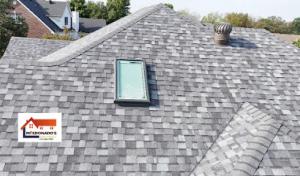
Find contractors experienced in skylight installation, flashing, and leak repairs to bring natural light into your home.
Maldonado's Siding & Roofing
(573) 268-7993 maldonadossidingroofingllc.com
1501 Vandiver Dr #215, Columbia, Missouri
5.0 from 64 reviews
Precision Construction Services
(573) 442-9354 www.precisionmo.com
1729 W Broadway #9A, Columbia, Missouri
4.8 from 133 reviews