Roofing in Missouri
Last updated: Feb 28, 2026
Missouri summers can bake shingles and humidity can seep into attics, while spring hail and quick temperature swings test every roof from Kansas City's neighborhoods to the bluffs along the Mississippi. Here in a state that knows how to roll with the weather, a solid roof isn't just a purchase—it's a smart, ongoing investment in comfort and protection. As a local roofer and neighbor, I've seen how the right approach saves money, avoids surprises, and keeps a home standing strong through Missouri's seasonal drama.
On roofs.fyi Missouri, you'll find practical guidance you can trust from someone who knows our climate and our blocks. This page speaks to the realities homeowners face here: how our weather shapes roofing needs, how materials perform in our humidity and hail, and how to plan, budget, and maintain without overthinking the process. The advice is tailored to Missouri's conditions and backed by local resources—from county extension offices to city permitting guides and nearby suppliers—so you're aligned with codes, costs, and the practicalities of our market.
What you'll find here, in good, readable form, includes a clear look at how Missouri's climate influences roof choices, the best materials for our weather, and the popular roof styles you're likely to see in Missouri homes. You'll get an honest sense of typical costs in our area, the permits and regulations you'll encounter, common roofing problems unique to Missouri and straightforward fixes, plus maintenance and repair tips that fit real-life schedules. We also cover when to repair versus when to replace, and—importantly—when it's worth hiring a professional for peace of mind.
All of this is crafted with Missouri conditions in mind and supported by local resources you can actually use. Let's start by exploring how our weather shapes your roof strategy.
Local Climate & Its Impact on Roofs
Climate Overview
Missouri experiences hot, humid summers and cold, sometimes icy winters, with four distinct seasons. The state sees considerable rainfall year-round, averaging roughly 40–50 inches annually, and is known for spring and early summer severe weather. Hail, high winds, and occasional ice storms are real risks, especially in the central and southern portions of the state. Humidity and shade from trees can promote algae, moss, or mold on roofs if gutters and ventilation aren't managed. For safety and planning, keep an eye on weather forecasts from official sources like the National Weather Service (NWS).
Seasonal Impacts on Roofs
- Spring: frequent thunderstorms bring heavy rain and hail. Rapid temperature swings can stress roof materials and flashing.
- Summer: intense UV exposure and heat can accelerate shingle aging and rubber seals. Proper attic ventilation reduces heat buildup and helps prevent ice dam formation when temperatures drop.
- Fall: leaf buildup increases gutter clogs, which can back up water onto the roof edge and fascia.
- Winter: freeze–thaw cycles and ice dam risk grow with fluctuating temperatures. Snow loads are generally manageable but local snow accumulations can add weight on older or undersized structures.
Storms & Severe Weather Hazards
- Hail risk: Missouri is known for hail events, especially in the central belt. Hail can dent metal, crack or puncture shingles, and compromise roof integrity even if the surface looks okay at first glance.
- Wind uplift: Strong spring and summer winds can lift shingles and strip flashing if the roof deck or fasteners aren't up to spec.
- Tornadoes and straight-line winds: Severe storms can cause structural damage, including misaligned or blown-off roofing sections. After storms, inspect for missing shingles, torn flashing, and compromised underlayment.
- Lightning and debris: Heavy storms bring debris and potential lightning exposure; protect attic spaces with proper grounding and a sturdy venting plan.
Ice & Snow Considerations
- Ice dams: Warm attics cause meltwater to refreeze at the eaves, backing water under shingles. Adequate insulation and soffit-to-rafter venting helps prevent this.
- Snow load: Missouri snow varies by region. Heavy, persistent snow on older or poorly supported roofs can cause sagging or failure if the structure isn't designed for it.
Materials & Design Recommendations for Missouri
- Asphalt shingles: Many homeowners rely on high-quality asphalt with good wind resistance and impact ratings (Class 3 or 4 for hail-prone areas is worth considering).
- Metal roofing: Excellent for hail resistance and wind uplift, with long life, but may require sound-dampening and careful attic insulation to offset noise in heavy rain.
- Tile or slate: Durable but heavy; require structural reinforcement and are best in regions with minimal heavy snow. Evaluate weight and support before choosing.
- Underlayment: Consider a robust synthetic or nailable membrane for better weatherproofing and to reduce leaks after hail or wind events.
- Ventilation and insulation: Aim for balanced attic ventilation and sufficient insulation to minimize heat transfer, reduce ice dam risk, and improve energy efficiency.
- Roof slope: A modest slope (generally 4:12 or higher) improves runoff and reduces standing water risk, though local codes should guide exact requirements.
Maintenance & Inspection Tips
- After major storms: inspect for punctures, missing shingles, lifted flashing, or dented metal. Address damage promptly to prevent leaks.
- Seasonal tasks: clean gutters, trim overhanging branches, and check attic insulation and soffits for proper airflow.
- Routine checks: look for dark streaks, moss, or algae growth; treat and clean with appropriate roof-safe products to prevent material degradation.
Warnings & Official Resources
- Beware of post-storm damage and insurance considerations after hail or high-wind events; document and consult a licensed roofer for repairs.
- Official resources:
- National Weather Service: general safety and severe weather information (
- Tornado safety:
- Missouri State Emergency Management Agency (SEMA): guidance on severe weather preparedness (
- NOAA: weather and climate resources for Missouri (
Recommended Roofing Materials for Missouri
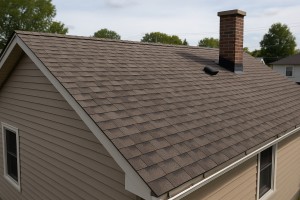
In Missouri, architectural (dimensional) asphalt shingles are a practical default choice. They balance cost, ease of installation, and repair while standing up to mid- to high-wind conditions when installed with proper nails and underlayment.
- Pros: affordable upfront; wide color and style options; quick installation; easy to repair or replace individual shingles.
- Cons: shorter lifespan than metal or tile (typically 20–40 years depending on product and climate); hail can cause granule loss on basic shingles; performance hinges on correct installation.
- Best for: budget-conscious homeowners, typical Missouri storm exposure, and homes that need a straightforward retrofit.
Tips for asphalt: choose shingles with a Class A fire rating and an impact resistance rating of 2–4 (Class 4 is ideal in hail-prone areas). Pair with a high-quality synthetic underlayment and proper nail patterns to improve wind resistance in MO's gusty seasons.
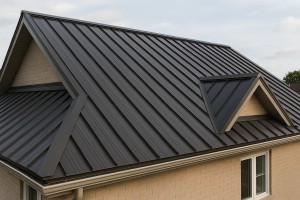
Metal roofs excel where hail, high winds, and temperature swings are common. Steel and aluminum options come in many profiles and colors, and they often outperform other materials on longevity.
- Pros: exceptional hail resistance; long service life (roughly 40–70 years); lightweight compared to tile; reflective coatings can cut cooling costs.
- Cons: higher upfront cost; sun/heat can transfer to attic without good ventilation; may be noisier in rain if the attic isn't well insulated.
- Best for: hail-prone regions, high-w wind zones, homeowners seeking long-term value and energy savings.
Factor to consider: ensure panels are rated for Missouri wind speeds and that flashing, gutters, and ridge caps are installed by experienced local pros.
Tile and Clay (Concrete Tile)
Concrete tile is a popular choice for durability and curb appeal. It handles heat well and has solid hail resistance, but it's heavy and requires a sturdy roof structure.
- Pros: very long life with proper maintenance; excellent fire resistance; broad color and texture options; good standing up to sun and heat.
- Cons: heavy weight requires structural assessment; more expensive and longer installation; not always walkable for maintenance; can be fragile if struck by large hail depending on tile style.
- Best for: homes with strong structural support, HOA-approved aesthetics, and climates with hot summers.
Note: Concrete tiles vary in impact resistance and wind uplift ratings. Look for 3–4 rating and confirm compatibility with your roof deck.
Wood Shakes and Shingles
Natural wood offers a rustic look, but Missouri's humidity and storm cycles demand extra maintenance and caution.
- Pros: distinctive appearance; good insulation when properly installed.
- Cons: high maintenance (staining/sealing, rot, and pest control); more susceptible to hail impact damage; fire concerns in some neighborhoods; heavier maintenance burden.
- Best for: rustic or craftsman-style homes with committed upkeep and adequate ventilation.
Synthetic and Composite Roofing
Synthetic options mimic slate, shake, or tile but are manufactured from polymers or rubber compounds. They're designed to resist weather more consistently than natural materials.
- Pros: excellent hail resistance; lighter than real slate or clay; often easier installation and lower maintenance; good color and texture variety.
- Cons: higher upfront cost than standard asphalt; long-term performance depends on product line and installation.
- Best for: homeowners wanting specific aesthetics (slate look, shake look) with improved durability and lower weight.
Quick considerations for Missouri climates
- Weight and structure: slate, concrete tile, and some hardwood options require structural assessment before installation.
- Wind and hail: aim for materials with strong wind uplift ratings and hail resistance (Class 4 or better where available).
- Ventilation and underlayment: pair any material with proper attic ventilation and a high-quality underlayment to handle MO's temperature swings.
- Local codes and HOA rules: confirm any neighborhood-specific requirements or restrictions on certain materials.
Steps to choose the right material for Missouri
1. Assess your climate exposure (hail history, wind speeds, temperature range) for your ZIP code.
2. Check your roof structure's load capacity and attic ventilation needs.
3. Compare upfront cost, long-term value, and manufacturer warranties (including wind and hail protections).
4. Verify installer experience with your chosen material and local MO project history.
5. Get multiple written quotes and ask for references from Missouri homeowners with similar roofs.
Popular Roof Styles & Architectural Trends in Missouri
Gable Roofs: Simple, Versatile, and Weather-Smart
- Why homeowners pick them: Classic shape that works with most Missouri exteriors, from brick to siding.
- Climate notes: Easy to shed rain and snow, but high wind uplift is a consideration in severe storms.
- Practical tips: Use reinforced connections (hurricane ties or structural rafter ties), proper attic ventilation, and high-quality underlayment to protect against spring hail and wind-driven rain.
- Materials that pair well: Architectural asphalt shingles, steel shingles, or standing-seam metal for longer life.
Hip Roofs: Stable in Stormy Missouri Weather
- Why homeowners pick them: Strong wind resistance and a balanced silhouette that suits many traditional and modern homes.
- Climate notes: Good for hail-prone areas because there's less roof edge exposure; a tighter footprint reduces uplift risk.
- Practical tips: Ensure adequate attic ventilation and a solid drainage plan to handle Missouri thunderstorms.
- Materials that pair well: Metal, concrete or clay tiles (where structural support allows), and impact-resistant asphalt shingles.
Prairie & Craftsman Influences: Midwest Style with Practical Leanings
- Why homeowners pick them: Low-to-mid pitch, wide eaves, exposed rafter tails, and durable materials fit many Missouri neighborhoods.
- Climate notes: The broad eaves help shade walls in hot summers but require sturdy gutters to manage heavy downpours.
- Practical tips: Consider wider overhangs with integrated drip edge and a moisture-managed insulation system for energy efficiency.
- Materials that pair well: Architectural asphalt shingles, fiber cement, or natural wood accents on a secure frame.
- Why homeowners pick them: Excellent hail resistance, fast installation, and superb wind performance.
- Climate notes: Reflective finishes can lower cooling costs in hot Missouri summers; consider a lighter color to reduce heat absorption.
- Practical tips: Choose standing-seam or interlocking panels and verify wind uplift ratings; ensure proper underlayment and snow/ice management in colder months.
- Maintenance: Occasional cleaning of debris and inspection after major storms.
Cedar Shakes & Wood Shingles: Warm Look with Rich Texture
- Why homeowners pick them: Timeless curb appeal that pairs well with stone or brick façades.
- Climate notes: More maintenance in Missouri's humidity and storms; susceptible to rot, mold, and insect damage if not properly sealed.
- Practical tips: Regular staining or sealing, proper flashing, and a stout ventilation plan to keep wood dry.
- Alternatives: Engineered wood or fiber cement shakes offer a similar look with lower upkeep.
Tile & Concrete Tile: Durable, High-End, and Weather-Ready
- Why homeowners pick them: Long lifespan, distinctive Mediterranean or southwestern curb appeal that can fit Missouri moderns and traditional homes.
- Climate notes: Heavier and requires structural support; freeze-thaw cycles demand proper installation and drainage.
- Practical tips: Confirm roof structure can handle the weight; ensure high-quality installation with reinforced fasteners and proper underlayment.
- Materials that pair well: Concrete tile, clay tile (where weight and structure permit).
Modern Low-Slope & Flat Roofs: Urban Trend with Drainage Demands
- Why homeowners pick them: Clean, contemporary lines for additions or renovated homes.
- Climate notes: In Missouri, low-slope roofs require meticulous waterproofing and high-quality membranes to guard against heavy rain and snow buildup.
- Practical tips: Invest in proper drainage systems, sloped transitions, and a professional water-proofing plan; plan for regular maintenance to catch membrane wear early.
Energy-Efficient & Cool Roof Trends
- Why homeowners pick them: Lower cooling costs and better comfort in hot Missouri summers.
- What to ask: Look for cool roof materials with high solar reflectance and good thermal emittance; consider radiant barriers and proper attic insulation.
- Practical tips: Light-colored or reflective shingles, radiant barrier in the attic, and verify compatibility with your chosen roof system.
Popular Materials in Missouri
- Asphalt shingles: Still the most common, with architectural shingles offering better wind and impact performance.
- Metal: Standing seam or stamped profiles for longevity and hail resistance.
- Wood and fiber cement: Provide aesthetic options with varying maintenance needs.
- Tile: Concrete or clay where weight and structure permit, for a premium look.
How to choose the right roof style for your Missouri home
1) Assess your home's architectural style and neighborhood cues.
2) Check roof pitch, attic space, and structural load capacity.
3) Prioritize weather resilience: hail resistance, wind uplift ratings, and drainage.
4) Consider maintenance, lifecycle costs, and local availability of materials.
5) Align with energy goals: reflectivity, insulation, and potential solar readiness.
Average Roofing Costs in Missouri
Typical installed costs by material
- Asphalt shingles (standard 3-tab): $3.50–$5.50 per sq ft installed (includes basic underlayment, flashing, nails; tear-off can be extra). For a typical 1,500–2,000 sq ft roof, expect roughly $5,250–$11,000.
- Architectural asphalt shingles: $4.50–$6.50 per sq ft installed; 1,500–2,000 sq ft roof about $6,750–$13,000.
- Metal roofing (steel or aluminum): $7–$12 per sq ft installed; 1,500–2,000 sq ft roof around $10,500–$24,000.
- Wood shake/shingle: $6–$9 per sq ft installed; 1,500–2,000 sq ft roof about $9,000–$18,000.
- Clay or concrete tile: $9–$15 per sq ft installed; 1,500–2,000 sq ft roof about $13,500–$30,000.
- Flat roofing (EPDM, TPO): $4–$9 per sq ft installed; 1,500–2,000 sq ft roof about $6,000–$18,000.
Key cost drivers in Missouri
- Roof size (square footage) and pitch: Steeper pitches and multi-story homes raise labor time and safety requirements.
- Tear-off and disposal: Full tear-off adds roughly $1.50–$3.00 per sq ft if not included in the base quote.
- Roof complexity: Dormers, chimneys, skylights, and multiple valleys increase labor and materials.
- Material selection: Premium underlayment, ice/water shield, and impact-resistant shingles raise costs.
- Local labor rates: Urban areas (e.g., St. Louis, Kansas City) tend to have higher rates than rural parts of the state.
- Permits and disposal fees: Some municipalities require permits; disposal fees vary by county.
Regional and style considerations
- Neighborhood style and HOA rules: Some areas favor specific materials or colors for curb appeal.
- Common roof shapes: Gable and hip roofs are standard; complex shapes or many dormers raise labor and waste.
- Weather impact: Missouri's freeze–thaw cycles, spring hail, and summer storms can influence material choice and warranty requirements.
- Insulation and attic ventilation: Proper ventilation can affect long-term energy performance and required underlayment.
Size, pitch, and scenario examples
1) Small-to-mid ranch, 1,200–1,500 sq ft, asphalt shingles: roughly $5,000–$9,000.
2) Typical 1,800–2,000 sq ft home, architectural asphalt shingles: roughly $7,000–$14,000.
3) 2,000–2,400 sq ft home, steel or aluminum metal roof: roughly $12,000–$26,000.
4) 2,400–3,000 sq ft, clay/concrete tile: roughly $20,000–$40,000.
Quick steps to estimate for your Missouri home
1) Measure your roof area in square feet (length × width, adjusted for pitch).
2) Choose a material and determine if tear-off is included in the quote.
3) Factor in number of penetrations, chimneys, dormers, and vents.
4) Obtain 3 local quotes to compare material costs, warranty, and crew experience.
5) Add a 10–20% contingency for weather delays and unexpected repairs.
Permits & Local Regulations
Do I need a permit for a roof replacement in Missouri?
In Missouri, roofing work is typically overseen at the local level. Most municipalities require a building permit for a roof replacement, even if you're just swapping shingles or there are no obvious structural changes. Some jurisdictions, however, have more nuanced rules, so it's essential to check with your city or county building department. Your HOA may also have approval requirements beyond the permit.
- If any structural components are touched (sheathing, rafters, decking, or the roof's load path), you'll almost certainly need a permit.
- If you're changing the roof geometry, venting, or installing new skylights, a permit is usually required.
- Even when the replacement is cosmetic, many areas still require a permit to ensure proper ventilation, ventilation rates, and drainage.
How to check your local requirements
Follow these practical steps to confirm what your area requires:
1. Find your jurisdiction: identify whether you're in a city (St. Louis, Kansas City, Springfield, etc.) or a county—often both a city and county office may have authority.
2. Visit the local building department website or call the counter to ask specifically about roofing permits.
3. Have your project details ready: address, year built, roof size, current material, proposed material, and whether any structural work is planned.
4. Ask about required documents and process: permit application, plan/submission specifics, contractor licensing proof, and inspection schedule.
5. Check for additional requirements: energy/ventilation notes, re-roof permit cost, and whether a separate “work without a permit” penalty could apply.
What the permit process typically looks like in Missouri
A typical Missouri roof permit follows a simple flow, but it can vary by locality:
1. Submit a permit application with a clear description of the scope (tear-off, new underlayment, shingles, flashing, venting, etc.) and estimated project value.
2. Provide required documents: site plan or sketch of roof, material spec, and, if applicable, any structural changes or skylight work.
3. Pay permit fees (amount varies by jurisdiction and project size).
4. Schedule inspections: most areas require an inspection after underlayment and flashing are in place, and a final inspection after completion.
5. Complete corrections if inspectors note any issues; obtain final sign-off from the inspector.
6. Permit closure: once inspected and approved, the permit is closed and stored with the project records.
Documentation and licensing
To keep the process smooth, gather and verify these items:
- Contractor licensing: Missouri does not have a universal state roofing license. Local jurisdictions may require a contractor license or business license. Confirm what your city/county requires and have the contractor provide their license number if needed.
- Insurance: request current general liability and workers' compensation insurance from the contractor.
- Permitting and project docs: a copy of the permit application, scope of work, material specs, and any structural notes.
- Owner-permitted work: some areas allow homeowners to pull permits if they're the property owner, but always verify eligibility and posting requirements.
HOA and neighborhood rules
- Check your HOA covenants for color, material, and style restrictions—some HOAs demand specific shingles or colors.
- Ensure HOA approval is obtained before permit submission or project start to avoid fines or required removals.
Additional Missouri considerations
- Ventilation and energy code: some municipalities align with energy and ventilation requirements. Ensure attic ventilation meets code and that the roof system is properly sealed to prevent air leaks.
- Weather-related timing: permit timelines can be impacted by seasonal workloads. If you're doing hail or storm repair, confirm any special documentation tied to claims or insurance.
- Access and debris: some jurisdictions require a debris containment plan or street closure permit if work impacts traffic or creates significant debris on public right-of-way.
Common Roofing Problems in Missouri & Solutions
Hail Damage & Severe Storms
- Symptoms: dented or pocked shingles, exposed asphalt or flashing, missing granules in gutters or on the lawn, curling or cupping shingles on impacted areas.
- Quick causes to know: Missouri storms deliver hail and high wind, especially in spring and early summer.
- Solutions:
- Schedule a professional roof inspection after a major storm to document damage for insurance.
- Consider impact- or wind-resistant shingles when replacing damaged sections.
- If damage is widespread, plan a full roof evaluation to determine replacement vs. repair.
- Steps for homeowners:
1) After a storm, safely survey your yard for loose shingles or heavy granule buildup.
2) Contact a licensed roofer for a thorough inspection and written assessment.
3) File an insurance claim promptly if damage is present.
Ice Dams, Freeze–Thaw & Winter Moisture
- Symptoms: ice along eaves, stained ceilings, damp attic insulation or mold growth.
- Why it happens in Missouri: fluctuating winter temperatures and varying attic insulation levels.
- Solutions:
- Improve attic insulation (target a higher R-value and reduce heat transfer to the roof).
- Tighten and balance attic ventilation (soffit intake paired with ridge or exhaust vents).
- Clear gutters and downspouts to allow meltwater to drain away from the roof.
- Steps for homeowners:
1) Have a pro assess insulation and venting in the attic.
2) Add or upgrade soffit vents and ridge vents as needed.
3) Remove ice buildup safely with roof-safe products or professional help; avoid damaging shingles.
Wind Uplift & Shingle Blow-Off
- Symptoms: missing or lifted shingles on exposed or upper slopes after a windy spell.
- Solutions:
- Replace damaged shingles promptly to restore waterproofing.
- Upgrade to wind-rated shingles and consider upgraded underlayment for high-wind areas.
- Check flashing and seals at roof-to-wall transitions and around penetrations.
- Steps for homeowners:
1) Inspect the most exposed sections after a windy event.
2) Have a roofer repair or replace damaged shingles and flashing.
3) Consider a roof inspection after severe windstorms to catch hidden damage early.
Flashing Leaks at Chimneys, Valleys & Penetrations
- Symptoms: water staining along valleys, around chimneys, or at vent penetrations; soft or buckled roofing near flashing.
- Solutions:
- Reseal or replace deteriorated flashing; ensure proper step-flashing around chimneys.
- Repair or replace damaged valleys with more robust waterproofing.
- Re-caulk and seal any gaps around vents and pipe flashings.
- Steps for homeowners:
1) Look for rust, gaps, or lifted metal along flashing areas.
2) Schedule a flashing repair or reroof by a licensed contractor.
3) Keep gutters clear so water flows away from the flashing joints.
Gutter, Fascia, and Water Management
- Symptoms: overflowing gutters, fascia staining, water damage along the eave line.
- Solutions:
- Clean gutters regularly and install guards if you have trees nearby.
- Ensure proper gutter slope and downspout extensions to direct water away from the foundation.
- Inspect fascia boards for rot and repair as needed.
- Steps for homeowners:
1) Clear debris from gutters at least twice a year.
2) Check for leaks or sagging sections and tighten hangers.
3) Add guards and extensions to improve drainage.
Moss, Algae, and Shingle Deterioration
- Symptoms: dark streaks or green/yellow patches on shaded roofs; softened shingles in mossy patches.
- Solutions:
- Gently remove moss with a suitable roof cleaner or a soft brush; avoid pressure washing.
- Improve sunlight and drainage by trimming nearby trees.
- Consider zinc or copper strips to inhibit regrowth and replace severely deteriorated shingles.
- Steps for homeowners:
1) Identify shaded areas prone to moss.
2) Treat with a non-corrosive roof cleaner and remove moss carefully.
3) Plan for replacement of any damaged shingles to prevent leaks.
Attic Moisture & Ventilation
- Symptoms: condensation on rafters, musty attic odor, visible mold or mildew.
- Solutions:
- Correctly balance intake and exhaust ventilation; add baffles if needed.
- Seal air leaks from living spaces into the attic to reduce warm, moist air reaching the roof.
- Ensure attic insulation covers the roof line evenly.
- Steps for homeowners:
1) Have an attic ventilation assessment performed.
2) Install or upgrade soffit and ridge vents as recommended.
3) Re-seal attic penetrations and improve insulation where gaps exist.
Maintenance & Repair Tips for Missouri
Seasonal Maintenance Checklist
- Spring: Inspect the roof after winter's freeze-thaw cycles. Look for cracked, missing, curled, or granule-filled shingles; reseal any loose flashing around chimneys, vents, and skylights; clean gutters and downspouts; remove debris from valleys; check for moss or algae and treat as needed.
- Summer: After hail storms or heavy thunderstorms, inspect for dented shingles or damaged flashing. Keep gutters clear and ensure downspouts direct water away from the foundation. Trim overhanging branches to reduce debris and shade that encourages moisture buildup.
- Fall: Give gutters a thorough cleaning and secure loose sections. Check ridge and soffit vents for obstruction. Ensure attic insulation is adequate and that ventilation paths remain open to prevent heat buildup and moisture.
- Winter: Keep eaves free of heavy snow where safe; use a roof rake with a long handle from the ground to avoid climbing. If ice dams form, address with safe methods (see Ice Dams section) and consider high-quality ice and water shield in problem areas for future winters.
Common Missouri Roof Issues and Fixes
- Hail damage: Look for dented gutters, punctures, or shingles with bruising or soft spots. Document with photos, and contact your insurer for an inspection. Temporary patching can be risky; most hail damage requires a professional assessment and possible replacement.
- Missing or damaged granules: Indicates aging or impact. Replace severely worn shingles to prevent leaks and maintain roof life.
- Curling shingles: Often a sign of age or heat exposure. Replace affected shingles in small patches or consider a full-row replacement in extreme cases.
- Leaks around vent pipes, chimneys, or flashings: Re-flash or seal with compatible roofing sealant. For persistent leaks, have a pro re-flash with proper metal flashing and counterflashing.
- Moss and algae growth: Can trap moisture. Treat with zinc or copper-based algaecide sparingly, ensure proper drainage, and improve ventilation to slow recurrence.
- Pest intrusion: Squirrels or birds can lift shingles or chew through vents. Inspect and seal access points; install vent guards as needed.
Gutter and Drainage Care
- Clean gutters at least twice a year (spring and fall) and after major storms. Ensure seams are sealed and hangers are secure.
- Downspouts: Direct water at least 5–6 feet away from the foundation. Add extensions if needed and consider splash blocks or buried drainage systems for heavy soils.
- Gutter guards: Install to reduce debris buildup, but still inspect and clean openings periodically.
Attic and Ventilation Tips
- Adequate attic insulation (common target: R-38 to R-60 depending on area specifics) reduces heat transfer and attic moisture, helping prevent ice dams and mold.
- Maintain balanced ventilation: soffit intake with ridge or turbine exhaust. Check baffles to ensure air can flow from soffits to the ridge without obstruction.
- Look for attic moisture signs: dark spots, wood deterioration, or musty odors; address promptly to protect roof deck and framing.
Ice Dams and Winter Prep
- Ice dams in Missouri are possible during cold snaps. Prevent with proper insulation and a continuous roof ice and water shield in vulnerable sections.
- If ice dams form: carefully remove excess ice with a roof rake from the ground. Do not chisel or hammer at ice from a ladder. Apply calcium chloride-based products in a de-icing sock if necessary, following product instructions.
- Ensure gutters remain clear so melting snow can drain away rather than refreeze at edges.
Roof Flashing and Chimney Repairs
- Inspect step flashing along chimneys and around roof penetrations for rust, gaps, or lifted metal.
- Re-flashing or resealing corroded or separated flashing prevents leaks. Use compatible, weather-rated sealant and flashing material, and confirm proper metal flashing overlap and counterflashing.
Safety and DIY Boundaries
- Always prioritize fall protection: use a stable ladder, have a spotter, wear non-slip footwear, and avoid working on wet or icy roofs.
- Avoid DIY repairs that require significant shingle replacement or extensive flashing work if you're not confident. Some tasks, especially structural flashing or major storm damage, are best left to a licensed roofer.
- If unsure about damage severity, document with photos and contact a local professional for a thorough inspection.
Quick Repair Protocols
1) Assess from ground level: note obvious damaged shingles, loose flashing, and clogged gutters.
2) Temporary patch: seal minor gaps with asphalt roofing cement and secure loose shingles with carefully placed roofing nails; avoid excessive use near edges.
3) Schedule a full assessment: for large leaks, widespread damage from hail, or flashing failures, call a professional promptly to prevent further interior damage.
When to Repair vs. Replace
Missouri climate realities
Missouri swings from hot, humid summers to cold, icy winters, with spring storms that bring hail and strong winds. That mix accelerates wear on roofing and makes weather a key factor in every repair-versus-replace decision. Look for signs that hail, wind, or freeze-thaw cycles have stressed the deck and flashing, not just the surface shingles.
When to repair
Repair is sensible when damage is contained, the roof isn't old, and the underlying structure is solid. Consider repair if:
- The damage is localized (roughly 10–30% of the roof area) and you can patch without compromising the deck.
- There are a few loose or missing shingles, minor flashing leaks, or small punctures that don't threaten underlying plywood.
- The roof is relatively young (often under 15–20 years for asphalt shingles) and a patch will restore integrity.
- There are leaks limited to one area after a storm, and you can seal the area without removing large sections.
- The repair cost is a small fraction of replacement and you want to extend life while budgeting for the next few years.
What to do if repair is the plan:
1) Get a licensed roofer to pinpoint the leak and inspect underlayment, flashing, and vent penetrations.
2) Use matching materials and address any damaged underlayment or flashing to prevent future leaks.
3) Seal or reseal flashing, reseat shingles, and replace any damaged vent boots as needed.
4) Check attic ventilation and insulation around the repaired area to reduce future moisture problems.
5) Schedule recheck after a heavy rain or wind event to confirm the fix held.
When to replace
Replacement often makes sense when the damage is widespread, the roof is aging, or there's structural concern. Consider replacement if:
- 30–50% (or more) of the roof shows widespread damage, curling, cupping, or bald granules, or you're seeing repeated leaks in multiple areas.
- The deck shows rot, sagging, or compromised integrity.
- The roof is beyond its expected life for Missouri conditions (typical asphalt shingles: 20–25 years; metal can last 40–70+ if well installed).
- Severe hail or wind events have left extensive hail-denting, granule loss, and sealant damage across large sections.
- Energy efficiency concerns prompt you to upgrade to a more weather-tight system (better underlayment, ventilation, or a reflective roof).
- Frequent repairs would exceed a reasonable budget over the next few years, or insurance considers replacement for hail/wind damage.
What to do if replacement is the plan:
1) Get 3–4 quotes from reputable contractors; verify licenses, warranties, and references.
2) Decide on material that fits Missouri realities: asphalt architectural shingles for cost-effectiveness and good wind resistance, or metal for longevity and hail resilience.
3) Plan proper ventilation and attic insulation, plus roof decking inspection and underlayment replacement.
4) Check local permit requirements and coordinate with insurance if applicable.
5) Schedule with a season-friendly window (avoid peak heat or winter slush); protect landscaping and outdoor belongings during the install.
6) After installation, inspect flashing details, ridge vents, and gutters to ensure proper drainage and airflow.
Quick decision checklist
- Is more than one area leaking or damaged? Consider replacement.
- Is the roof approaching or past its expected age for your material? Consider replacement.
- Is there visible deck damage, sagging, or widespread granule loss? Replacement is likely.
- Can a repair realistically restore long-term performance at a reasonable cost? Repair.
- Do you want improved energy efficiency or a roofing system with a longer warranty? Replacement.
Missouri-specific triggers to watch
- Recurrent hailstorms in spring can wear out surfaces quickly; if you've seen multiple hail events over a few seasons, plan for replacement rather than patching repeatedly.
- Strong winter winds can lift edges and loosen fasteners; widespread edge damage is a strong signal for replacement consideration.
- Roofs over aging insulation and vent systems benefit from replacement to improve efficiency and moisture control in Missouri's fluctuating climate.
Decision workflow (step-by-step)
1) Assess damage and tally area affected; note age and material.
2) Get professional estimates for repair vs. replacement.
3) Weigh costs, warranties, and insurance options.
4) Choose material and plan installation during a favorable weather period.
5) After decision, schedule inspection and maintenance routines to extend the new roof's life.
When to Hire a Professional
- Active leaks or water stains on ceilings or walls.
- Missing, curling, or visibly damaged shingles after a storm.
- Sagging roof areas or a roof feels soft to the touch.
- Damaged or loose flashing around chimneys, vents, or skylights.
- Granules washing down gutters after a hail event.
Missouri weather reality and timing
Missouri's weather can stress roofs in several ways. Spring hail storms, summer heat, and winter freeze-thaw cycles all take a toll. After a severe storm, it's wise to have a pro inspect—even if you don't see obvious damage. If you've had strong winds or a tornado warning, wind damage often starts at the edges and ridges and can worsen quickly.
When to reach out after a storm
- Hail larger than a quarter or denting on metal components warrants professional assessment and documentation for insurance.
- Attic moisture, mold, or persistent dripping means you should call a roofer promptly to prevent hidden damage.
- Gutters and downspouts with exposed denting or rust can signal underlying shingles or flashing issues.
Assessing whether the project needs a pro
- Major repairs, extensive shingle replacement, or damaged attic ventilation require a professional evaluation.
- Structural concerns (visible sagging, widespread leaks) should be handled by a pro rather than DIY.
How to evaluate a Missouri roofing contractor
- License and permits: Missouri does not have a statewide roofing license; verify local licensing and ensure the contractor pulls the necessary permits from your city or county.
- Insurance: Request current certificates of both general liability and workers' compensation; verify with the insurer.
- Local presence: Prefer a Missouri-based business with a local street address and landline or local cell contact.
- References and portfolio: Ask for several recent Missouri projects; call references and review project photos.
- Written contract and detailed estimate: Get a clear scope, materials (brand, underlayment, and shingles), timeline, and a payment schedule. Avoid vague language.
- Warranties: Confirm both manufacturer warranties and workmanship warranties, with it all documented in writing.
- Caution about storm chasers: After Missouri storms, be wary of door-knockers or contractors from outside town; verify legitimacy and local references before signing.
Permit, inspection, and cleanup expectations
- Most Missouri municipalities require a building permit for roof work; a reputable pro will pull the permit and coordinate required inspections.
- Clarify who handles the permit process, any inspection fees, and how final permit closure is documented.
- Ensure debris removal, site protection, and cleanup are included in the contract.
Red flags to avoid
- High-pressure sales tactics, requests for a large upfront payment, or cash-only bids.
- Reluctance to provide local references or a verifiable street address.
- Unlicensed contractors or those unwilling to pull necessary permits.
Step-by-step: how to hire (quick checklist)
1) Obtain 3 written bids from Missouri-based contractors.
2) Verify local licenses/permits and current insurance.
3) Check references and review past Missouri projects.
4) Compare warranties, materials, and contract specifics.
5) Confirm permit handling, scheduling, and a clear payment plan before signing.
What to expect once you hire
You'll get a defined start date, a work sequence, and periodic inspections. The contractor should coordinate with your insurer if you're filing a claim and maintain clear communication throughout the job.
Putting A Lid On It: Roof Maintenance, Repair, and Replacement in Missouri
Missouri's climate is a real character: blazing summers, cold snaps, heavy rain, hail, and the occasional severe storm. All that activity takes a toll on shingles, flashing, and attic ventilation. Regular maintenance isn't just about a nice curb appeal—it's about protecting the whole home and preventing small issues from turning into costly repairs. A proactive approach keeps your roof performing well through Missouri's dramatic seasons and helps extend its life.
Simple, steady care makes a big difference. Start with a practical mindset: small inspections and timely fixes now save money and headaches later. Treat your roof like an essential system—because it is. With a little routine attention, you'll catch problems early and keep your home dry, energy-efficient, and comfortable.
Seasonal maintenance at a glance
- Spring: after storms, inspect for lifted or damaged shingles and flashing; clean gutters and downspouts; look for moss or algae growth; check attic ventilation and insulation for moisture intrusion.
- Summer: watch for heat-related wear, check for curling edges or exposed nails; ensure attic vents are clear; trim branches that overhang the roof to reduce debris and impact from wind.
- Fall: deliver a pre-winter tune-up—tighten loose flashing, reseal around chimneys and vents, replace damaged shingles, and confirm proper drainage to prevent ice damming.
- Winter: avoid walking on the roof during ice and snow; schedule professional inspections after severe weather; ensure proper attic insulation to minimize ice dam risk and heat loss.
Common Missouri repair scenarios
- Hail and wind damage leaving dented or missing shingles and damaged flashing.
- Ice damming from uneven insulation and poor ventilation.
- Worn or curling shingles, granule loss, or flashing failures around vents and chimneys.
- Leaks near vent pipes, skylights, or chimney flashing after heavy rains.
Smart replacement choices
- Asphalt shingles with impact resistance and good wind ratings suit many Missouri homes; consider architectural shingles for extra durability.
- Metal roofs offer excellent hail resistance and longevity, though upfront costs are higher.
- Insulation and attic ventilation upgrades often pay off in energy savings and longer roof life.
- Look for strong warranties and local installer experience with Missouri weather patterns.
A trusted finish
Keep a record of maintenance, repairs, and warranties. When in doubt, call a licensed roofer to assess safety, inspect hidden damage, and propose durable solutions tailored to Missouri's climate. With steady care and smart choices, you can enjoy a roof that looks good, performs reliably, and stands up to our seasonal realities. Here's to a roof that protects your home and feels like a neighbor you can count on—strong, steady, and built to last.
