Last updated: Apr 19, 2026
In this area, spring hail and straight-line wind events are the primary trigger for rooftop inspections, temporary repairs, and full reroofs. The pattern in the Springfield corridor means a storm-season rhythm you'll want to anticipate: an after-action quick check, then a careful assessment in the days that follow. Your steep-slope roof with asphalt shingles or metal is built to shed water, but hail and wind can lift tabs, loosen granules, and shift flashing long before a visible leak appears. When a neighborhood storm hits, the window to document damage and act quickly closes fast.
Most homes in this market lean toward asphalt shingles or metal, not flat-roof stock. That difference matters in how damage presents itself. After a hail event, examine the ridge line for exposed fasteners or displaced flashing. On asphalt, look for lifted tabs, cracking, or curling that wasn't there before. Metal roofs can show denting, loose or bent panels, or fasteners that have been stressed by wind. Granule loss on shingles is common after the hail season; you'll notice dark specks in gutters or channels along eaves. Inside, pay attention to attic signs: light shining through roof panels, increased heat buildup in the attic, or damp patches that could indicate concealed damage. If you see any of these, schedule a professional evaluation promptly.
With storm-damage and insurance-claims work dominating the local contractor signal mix, timing is everything. After a major storm, secure a temporary assessment within 24 to 48 hours if safety is not at risk, so you don't miss claims windows or contractor availability. A quick photo dossier from ground level and from attic access can help a roofer gauge whether a full inspection is warranted. If the roof is steep, a professional will typically use ladders, roof anchors, or drone-assisted surveys to avoid risky climbs. Do not delay if you suspect flashing displacement or exposed fasteners; delayed inspection can escalate to interior risks or water intrusion later in the season.
Seek a contractor who understands spring hail and wind patterns in this Springfield-area climate and who regularly handles storm-damage and insurance-claims work. Ask about their process for documenting hail impact, explaining the scope of temporary repairs, and guiding you through insurance interactions. Local crews familiar with steep-slope systems will better predict which components are most vulnerable-ridge lines, flashing, and the transition zones where shingles connect to vent penetrations. Clear, direct communication matters: you want a professional who can distinguish cosmetic hail marks from structural concerns and who can articulate the recommended path-repair, tarp, or reroof-based on proven damage patterns seen after spring events.
Start with a walk-around of the roof after a storm: note any lifted tabs, flashing gaps, or irregular shingle edges. If you observe active water intrusion or damp spots in the attic after a rain, prioritize a same-day contact to a licensed roofer. Document the scene with timestamped photos from multiple angles, including close-ups of any fasteners or flashing seams. If repairs are needed, request a temporary cover or tarping plan to protect interior spaces while scheduling a full assessment. Keep a written record of any storm event dates and damages to support insurance conversations, and coordinate with a local contractor who speaks confidently about post-storm roof assessment and repair pathways.
Missouri is a frequent hail and wind claim state, and after a major weather event, adjusters will look closely at when the storm happened, what photos exist from that date, and whether contractor estimates align with the damage observed. In this part of the Ozarks, steep-slope roofs catch wind-driven hail more often than flat-landers expect, so the checks are thorough and dates matter. In practice, expect insurers to compare the date stamped on your photos with the reported storm window, and to cross-check any signs of damage with the local weather reports from Christian County and the Springfield metro area.
Because claim volume spikes after regional storms, scheduling and approval timelines can influence how quickly a reroof actually starts. In Nixa, it is common to see a surge that pushes appointments toward the back end of the spring window. If a claim is approved but the start date slips due to backlog, the roof may sit under tarps longer than ideal. A practical approach is to align expectations with your roofer and adjuster early: confirm the anticipated start window in writing, and keep a standing communication plan so any weather delays or backlog shifts are documented in real time.
Local demand for insurance-claims help is unusually strong in this market, which means homeowners need clear documentation of shingle bruising, lifted metal panels, interior leaks, and any emergency tarping done immediately after storms. Shingle bruising can appear as soft spots or tiny dimples on asphalt or synthetic shingles; metal panels may show edge lifts or creasing after hail strikes; interior leaks might manifest as ceiling stains or attic dampness near the most exposed roof areas. Take high-resolution photos from multiple angles, including close-ups of damaged areas and the overall roof landscape. Note the date, time, and exact location of each photo. If tarping was applied to prevent further leakage, capture the tarp setup, seals, and any exposed areas beneath. Keep all receipts for temporary repairs, and log every contact with your insurer, including the names of representatives and the dates of conversations.
After a major event, an adjuster will typically request a walk-through to verify visible damage and assess any hidden issues, such as underlying sheathing or ventilation concerns that may not be obvious from ground level. For steep-slope homes, confirm safe access-ladder placement, tripod anchors, and ladder extensions should be discussed in advance to avoid delays. Be prepared with a roof plan or photolog of areas previously repaired, and be ready to point out consistent wear patterns that align with hail exposure from the storm dates. If you have previous roof work, keep those records handy; insurers often compare new damage against prior repairs to distinguish between wear and new storm impacts.
Your contractor's estimates will be weighed against the adjuster's assessment. In practice, the strongest documentation comes from paired photos, a labeled damage map, and a concise narrative that ties observed issues to the storm window. If the insurer questions timing or scope, your roofer should be able to provide a clear rationale for prioritized repairs, especially when interior leaks or accelerated weathering are present. In a tight market, a timely, precise submission can shorten delays and help move the project forward while weather holds.
Connect with contractors who help homeowners navigate the claims process from damage assessment to final approval.
Charity Restoration
(417) 840-8266 www.charityrestoration.com
1770 N Deffer Dr Ste 4, Nixa, Missouri
4.9 from 117 reviews
Roofing Ozarks
(417) 295-7098 roofingozarks.com
204 E Mt Vernon St, Nixa, Missouri
5.0 from 38 reviews
Roov
2160 N Fox Hollow Dr W #3, Nixa, Missouri
5.0 from 90 reviews
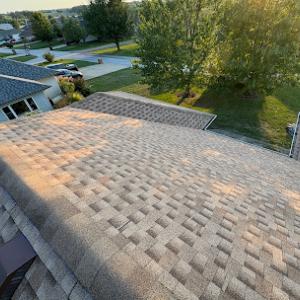
Roov is your trusted choice for professional roofing solutions in Nixa and the surrounding areas. Specializing in everything from comprehensive roof replacements to meticulous repairs, their skilled team is dedicated to safeguarding your home with high-quality craftsmanship. Roov’s expertise extends to managing hail damage and navigating the insurance claims process, ensuring a seamless experience for every client. They are committed to providing exceptional service and durable results, making them a premier partner for all your roofing needs.
Charity Restoration
(417) 840-8266 www.charityrestoration.com
1770 N Deffer Dr Ste 4, Nixa, Missouri
4.9 from 117 reviews
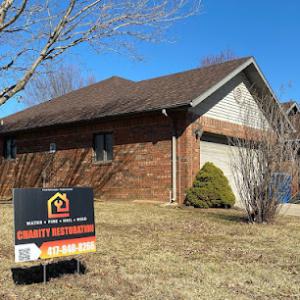
Charity Restoration was created as a result of over 15 years of handling claims resulting from hail, wind, fire, water, and every other disaster imaginable. Our experience showed us several weak points in the repair/replace process that could be handled more efficient and effectively. Our exceptional experience gives Charity Restoration an upper hand in the process by knowing exactly what information your insurance provider needs to properly scope and fund your claim. We believe that providing quality materials and first-class service is the recipe for a world-renowned customer experience. We give 10% of each job's profit to local children's charities. In fact, we let YOU choose which (of 5) charities you want your job to specifically fund.
Roofing Ozarks
(417) 295-7098 roofingozarks.com
204 E Mt Vernon St, Nixa, Missouri
5.0 from 38 reviews
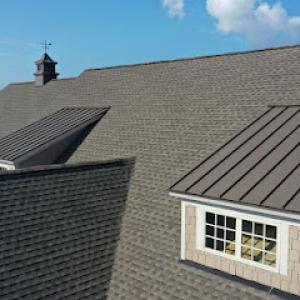
Roofing Ozarks is your trusted roof contractor serving Ozark, MO, with over 15 years of experience. We specialize in commercial roofing, residential roofing, roof installations, and thorough roof inspections. As a reliable roofing construction contractor, we deliver quality workmanship on every project. Whether you need a roof repair contractor or a roof replacement contractor, our skilled team ensures durable and efficient solutions tailored to your needs. Committed to excellence and customer satisfaction, Roofing Ozarks is the roofing service contractor you can count on for dependable, professional roofing services in the Ozark community. Contact us today for expert roofing solutions!

Paramount Contracting
(417) 755-3108 www.paramountcontractingmo.com
1137 Kathryn St, Nixa, Missouri
5.0 from 31 reviews
Your property is in qualified hands when you turn to Paramount Contracting in Nixa, MO. Reach out to our local remodeling company the next time you need: Roofing and siding services Concrete services Deck and pergola services Remodeling and restoration services We take pride in the work we provide. You can expect to see the owner of our company present on every job to ensure you receive excellent results. To learn more about the services we offer, get in touch with us via phone or email. We look forward to hearing more about your project.

Armour Proof Coatings
(800) 224-3136 www.armourproofcoatings.com
Nixa, Missouri
4.3 from 6 reviews
Armour Proof Coatings, a brand by United Asphalt Company, with more than 40 years of technology and 60 years of roofing expertise, offers a multitude of elastomeric coatings to restore and protect all types of roofs such as metal, modified bitumen, built-up roofs, EPDM and single-ply systems. Armour Proof Coatings is the dependable solution for all your building's roofing needs.
Aspen Contracting
(417) 763-6443 www.roofsbyaspen.com
904 N Main St Suite 5, Nixa, Missouri
4.3 from 6 reviews
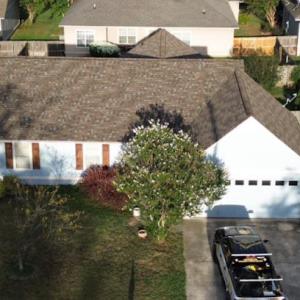
Welcome to Aspen Contracting, your premier roofing contractor serving Springfield, Nixa, Branson, Missouri, and neighboring regions. At Aspen, we're not just any roofing company; we're a nationally recognized exterior contractor dedicated to restoring both residential and commercial properties with top-notch roofing, siding, and gutter solutions. Our core values revolve around doing the right thing, every time. We uphold higher standards and unwavering integrity in all that we do. Each day, we strive to deliver exceptional service and uphold our promises to our valued customers. Our commitment extends beyond our clients to include insurance companies and strategic partners in manufacturing, distribution, and technology.

NAV Restoration
(417) 551-4220 navrestoration.com
Serving
5.0 from 25 reviews
Our team has built a reputation for exceptional service and uncompromising quality. When you trust us to repair or restore your home or business after damage, we don’t just meet expectations — we go the extra mile to make sure you are fully satisfied from start to finish. We specialize in full home restoration, making us your true one-stop shop. From roofing, siding, gutters, paint, and drywall to complete kitchen and bathroom updates, we handle every detail with care, precision, and professionalism. No matter the scope of the project, you can trust our experienced team to restore your property the right way. We have you covered.
Black & White Roofing
(417) 413-4556 blackandwhiteroof.com
Serving
4.9 from 57 reviews
Our business has a long line of relationship with the military as currently the company has several veterans on our team including the owner himself, who is a former AH-64D Apache Attack Helicopter Pilot/Gunner in the Missouri Army National Guard. Our business model is “The Difference is Black & White”. We always stand by our promises to our customers, and make sure that our customers have a satisfying experience doing business with us. Our outstanding service, character, and trustworthiness have built our customer base through many referrals.
Swifts Roofing
(417) 771-0477 swiftsroofing.com
Serving
5.0 from 262 reviews
Swifts Roofing is a Roofing Contractor located in Springfield, MO. We offer Roofing, Roofing Installation, Roofing Repairs, Roof Maintenance, Roof Leak Repair, Local Roofing, and other Roofing Services. We offer comprehensive roofing services. With our years of experience, Swifts Roofing is a trusted choice for homeowners and businesses alike. Our team of experienced and certified roofers with almost 100 years of combined experience is committed to providing high-quality workmanship and customer service. Contact us today for more information and services or to schedule an appointment! Building Trust and Roofs to last since 2019!
Paragon Roofing Contractors
(417) 848-2400 www.417roof.com
Serving
4.7 from 15 reviews
Missouri sees a variety of weather conditions, from cold winters to warm and humid summers, all of which can cause wear and tear to your roof. If you’ve noticed leaking or missing shingles, call the professionals at Paragon Roofing Contractors in Ozark. This family owned business provides exceptional roofing services for customers throughout the south-central area of the state. As an accredited Better Business Bureau® company with an A+ rating, this roofing contractor sends knowledgeable and dependable crews to every jobsite. With four generations’ worth of experience to their family name, they can complete any commercial or residential roofing services you need.
Patrick's Roofing
(417) 522-8373 patrickandsonsroof.wixsite.com
Serving
4.9 from 33 reviews
Local roofing specialists proudly serving the Southwest Missouri communities with quality and trustworthy craftsmanship for over 20 years.
Bliss Brothers Roofing
(417) 893-8485 blissbrothersroofing.com
Serving
4.9 from 191 reviews
With a legacy spanning over a decade, Bliss Brothers Roofing brings expert craftsmanship and family values to every project in Springfield, MO. Specializing in comprehensive roofing solutions, this established contractor offers a full suite of services, including new roof installation, repair, and replacement. Whether your home needs durable metal, classic asphalt, or new siding and gutters, our dedicated team delivers superior results with a commitment to quality. Trust Bliss Brothers Roofing to protect your home with professional service and a focus on lasting durability.
When you're choosing a roof for a steep-slope home on the Ozarks side of town, asphalt shingles stand out as the practical, everyday choice. The dominant local pattern is a sea of steep pitches on suburban aesthetics, and asphalt shingle systems fit that profile well. They're easier to replace after spring hail than heavier premium systems, which matters in a climate that sees hail and strong winds during the spring and into early summer. For most Nixa neighborhoods, shingles strike a balance between installation speed, repair practicality after a storm, and the ability to match a wide range of home styles without sacrificing performance during the hot Missouri summers and occasional winter freezes.
If wind resistance and longer-term performance are priorities, metal roofing commands attention here. There is a meaningful local specialist presence, so finding a qualified installer who understands the local wind patterns, attic venting needs, and the way metal panels shed hail is achievable. Metal roofs tend to weather repeated storm cycles with less immediate maintenance, which can matter after the first post-storm year when insurers review roof conditions after hail events. For homeowners who want a roof that can withstand gusts and keep its look over a longer horizon, metal offers a compelling option worth close comparison with asphalt, especially on homes with wider eave lines or angular roof forms that pair well with metal's clean profile.
Tile, wood shake, and synthetic products exist in the market but are niche in this area. Tile-whether clay or concrete-brings a distinctive look, but it introduces heavier loads that require a structural assessment and careful attention to installation details on steep-slope roofs. Wood shakes and shingles deliver a rustic, textured appearance that some neighborhoods prize, yet they demand more regular maintenance and are more sensitive to moisture and hail impact. Synthetic or composite shingles can mimic the looks of tile or wood while offering lighter weight and potentially better impact resistance, but local availability and installer experience with these products can influence long-term performance and replacement logistics. For a homeowner weighing these options, the decision hinges on structural load capacity, the local contractor's track record with the product, and how easily the roof can be resealed or replaced after hail events.
Beyond the material choice, the local weather sequence-rapid spring transitions from hail to wind to heat-shapes your replacement strategy. A roof's compatibility with attic ventilation and underlayment options matters as much as the surface layer itself. Steep-slope roofs in this market benefit from a well-designed ridge and eave ventilation plan to minimize heat buildup in summer and manage ice dam risk in winter freezes. When planning a replacement, consider the ease of matching color and texture with adjacent homes, the availability of repair parts after hail exposure, and the installer's familiarity with the subtle drainage and overlap details that keep steep-slope systems performing well when storm cycles arrive. For most homeowners, asphalt remains the sensible default, with metal as a strong secondary choice for wind-focused or long-horizon performance goals, and tile, wood, or synthetic options reserved for those with structural flexibility and a clear stylistic objective.
Pricing in this market tends to run within clear bands. Asphalt shingles commonly land around $350 to $750 per square, while metal roofs typically range from $700 to $1200 per square. For more premium materials, clay tile sits between $900 and $1800 per square, and concrete tile between $800 and $1700 per square. Wood shingles or shakes usually run $700 to $1500 per square, with synthetic or composite shingles closer to $500 to $900 per square. These ranges reflect the local mix of steep-slope homes, the Ozarks climate, and the ongoing demand after hail or wind events. When a contractor talks about "per square," remember that a square equals 100 square feet of roof area, a handy unit for comparing bids quickly.
Spring hail and wind events concentrate a lot of the market on replacements that turn into insurance-driven projects. In a town with steep roofs and shifting weather, those ripples show up in bid timing and contractor availability. Reroofing work that centers on storm claims can tighten schedules, push start dates later in the season, and raise unit costs if crews are scarce or if roofing crews are juggling multiple insurance-driven projects. The urgency many homeowners feel after a hail event can temperature-match with higher bid prices, even for standard materials.
Steep roof geometry is a constant factor in this area, and it amplifies both material waste and labor. A steeper pitch often means more triangles to trim, longer removal times, and greater risk management during installation, all of which push costs higher. Tear-off volume, especially after heavy storm seasons, can also affect pricing as crews allocate equipment and disposal capacity. Ventilation corrections flagged during inspection add another layer of potential expense, since improper attic venting can impact roof longevity and efficiency. Finally, permit processing through the local building department can subtly influence the schedule and the overall cost envelope, even when the material choice remains the same.
When evaluating bids, compare material grades and warranty terms side by side, not just price per square. Ask how much of the quote accounts for tear-off, disposal of old shingles, and any necessary ventilation or insulation adjustments. If a bid seems unusually low, probe for hidden contingencies tied to steep-slope work or anticipated storm-season surge. Conversely, a high bid may reflect a quicker start date or a higher-quality underlayment and ventilation plan. In a market with insurance-driven work, a clear, itemized scope helps separate essential work from optional upgrades, making it easier to align a replacement with expectations and budget.
Don't let upfront costs delay a critical repair - these contractors offer payment plans to fit your budget.

Permits and approvals for a full reroof are a normal part of the process in this area, with oversight handled by the City of Nixa or the Christian County jurisdiction. Before any shingle removal begins or new material is installed, you need to secure the appropriate permit and have project details and material specifications submitted. Knowing exactly what the permit covers ahead of time helps prevent work stoppages and ensures the project progresses smoothly through inspections.
The permit application is typically filed by the contractor, but it is your responsibility to ensure that the submission reflects the actual scope of work and the specific materials chosen. The process generally requires clear documentation about roof geometry, proposed roofing system, underlayment, and venting plan. In steep-slope homes common to the area, providing accurate deck dimensions and ventilation calculations helps the authority approve the project without delay.
Inspections in this jurisdiction usually include an in-process review of roofing or underlayment work and a final inspection after the installation is complete. Pay special attention to venting, underlayment quality, and overall installation workmanship during the process. The inspector will verify that the chosen underlayment and moisture barriers meet code requirements and that roof penetrations, flashings, and terminations are properly sealed. Ensuring proper attic ventilation strategy is especially important for hot summers and temperature swings.
Scheduling considerations can affect when a crew starts work. Inspection timing in this area can vary with department backlog, so homeowners replacing a storm-damaged roof should account for permit and inspection scheduling when comparing contractor start dates. If a storm event triggers a claim, coordinate with the contractor to align the roof removal and reinstallation window with the anticipated inspection dates to avoid weather-related delays.
A practical tip is to keep all documentation organized: permit numbers, inspection appointment confirmations, and any correspondence with the building department. Having a ready package helps the contractor respond quickly if an inspector requests adjustments or additional details, reducing downtime and preserving the integrity of the install during the hot months and cold snaps.
Installations are commonly planned outside peak summer heat and winter icing because both extremes affect crew productivity and material handling. In this region, steep-slope homes are common, and heat can push workers to the limit while asphalt shingles and underlayment wear down faster in direct sun. Planning windows with moderate temperatures helps crews stay safe, keeps waste down, and reduces the chance of adhesive or sealant failure on underlayment.
Spring hail and wind events can lead to surge work, but a rapid schedule after a storm can invite rushed tear-offs and inspection delays. Pencil in a window after the worst weather passes and the roof line is accessible for safe staging. Fall usually provides a drier, cooler climate that supports steady progress without the mid-summer heat spike. In practice, target mid-spring or late fall when air and surface temperatures are gentler and shingle handling stays predictable.
Summer heat in the region accelerates shingle aging and places extra stress on underlayment during installation, making timing and staging more important than in milder climates. Schedule the bulk of tear-offs and shingle application for mornings, with wrap-up tasks and detailed inspections completed before the afternoon heat intensifies. If a humid spell follows a dry morning, allocate time for additional drying and check skylight or vent areas for heat-related expansions.
Winter freezes and occasional snow can slow tear-off, increase moisture-intrusion risk, and complicate inspection scheduling for reroof projects. Plan for short, daytime-only work blocks on especially cold days, with moisture barriers and roof deck checks prioritized when temperatures rise above freezing. If snow or ice is present, delay non-essential work and use the cold days for ordering materials, measuring, and preparing the site.
Repeated hail and wind exposure drive failure modes that are different from coastal or hurricane-prone areas. Asphalt shingles tend to shed granules faster, and creased tabs become visible after a stiff spring breeze. Ridge caps are a common weak point when wind catches the narrow peaks, and flashing around skylights or chimneys can begin to lift and shift with every hail event. If you notice loose granules in gutters or glossy, dented patches along the edges, the roof is signaling accelerated aging that isn't just cosmetic.
The Ozarks flip between hot summers and cold winters, and those rapid swings stress seal strips, penetrations, and attic vent balance. On older roofs, you'll see more sealant cracking around vent cuffs and stack flanges, plus stubborn moss grow-back when attic ventilation isn't well balanced. Odd attic temps can also cause shingles to warp or lift at the edges, inviting water infiltration during thaws or sudden storms. This pattern isn't just a cosmetic issue-it shortens the effective life of critical roof joints.
Many local contractors emphasize reroofing and cleanup, so homeowners should scrutinize bids for decking replacement allowances, vent corrections, and debris management after tear-off. If bids skip decking inspection or leave vent work vague, you risk hidden costs and unresolved leaks down the line. When a crew leaves, you want confidence that attic ventilation is balanced and that all penetrations were resealed properly to prevent creeping moisture and wind-driven leaks.
Even though the bulk of Nixa's housing is steep-slope, there is a meaningful local presence of flat-roof contractors for additions, porches, multifamily sections, and commercial buildings. When planning a spring hail and wind response, recognize that some homes feature mixed roof lines where a low-slope portion meets the main slope. This combination is common enough to demand careful attention to transitions and drainage details to keep water from sneaking under edges or through seams.
For low-slope sections, verify that the chosen contractor can handle both the main steep roof and the membrane or coated transitions. Leaks often originate at the interface where a flat roof meets a steeper plane, around penetrations, or at edge details. In practice, this means asking specifically about seam protection, flashing around chimneys or skylights, and the condition of any ballast or edge metal. When a project adds a porch or an extended wing, confirm that the flat roof joints tie neatly into the primary roof with compatible materials and proper slope transitions to avoid ponding.
Mixed-roof details are where leaks linger after partial repairs. Pay close attention to systems that include both shingles or tiles on the main roof and a membrane on the flatter sections. A thorough inspection should map every transition line, prioritize resealing around penetrations, and verify that any old membrane is compatible with the new roof system. A quality contractor will stage repairs to address the entire transition, not just the visible patch area.
Specialty work in Nixa includes skylights, limited solar-integrated roofing, and occasional roof coatings, but these are secondary needs compared with mainstream storm-driven reroofing. If skylights are present, inspect surrounding flashing and ensure that any coating or membrane work honors their watertight seals. For coatings or solar integrations, choose a pro who understands how the local hail environment can affect long-term performance and warranty coverage on those systems.
Find specialists in TPO, EPDM, and built-up flat roofing systems for residential and commercial properties.