
Last updated: Apr 19, 2026
Your home sits between Bull Shoals Lake and Norfork Lake, where moisture-rich storm systems roll in off the water and slam the region with spring hail, heavy rain, and wind. That combination isn't a seasonal curiosity here; it's a pattern that ages steep-slope roofs faster than you expect. The humidity, temperature swings, and periodic freeze-thaw cycles make shingles, underlayment, and decking work harder. In practical terms, the spring season is when hail claims spike, decking gets water-wet, and contractor demand surges. If you're counting on a quiet year for roof work, you're likely to be surprised by how quickly conditions shift once March heat returns and storms roll through.
Spring is the bottleneck you'll feel across the Twin Lakes area. Hail and wind damage don't wait for a calendar-they arrive with the first strong cell and don't go away until the season cools. Wet decking compounds every leak problem and can hide subdeck damage until long after the storm passes. In this setting, a delayed inspection means you risk unseen rot, compromised ventilation, and accelerated shingle deterioration. If your roof is aging, or if you've recently had a hail event, the risk compounds quickly as moisture sits on untreated areas and winds expose exposed edges and ridge caps to higher impact.
Look for granular loss on shingles, small bruises or pockmarks on the surface, lifted edges, or granules in gutters following a hail event. Check for dark spots or damp patches on attic decking after rain, plus any sags or unusual roof-line movements on windy days. In a mountain climate with steep slopes, even minor storm damage can propagate under the surface and lead to faster ice damming and moisture intrusion during freeze-thaw cycles. If you notice any of these symptoms after a storm, don't wait for the next downpour to find out how deep the damage goes.
Act quickly with a professional you trust who understands the local weather pattern and the shared quirks of Mountain Home-era roofs. Schedule a roof assessment promptly after a major hail or wind event, especially if the roof is older or features asphalt shingles that have already shown wear. Document storm impact with clear photos, focusing on edge damage, punctures, and missing granules. If a contractor identifies decking or underlayment wear, plan for a transparent, staged repair plan that covers both surface and structural concerns. Because the typical disruption window can collide with autumn storms, you'll want to lock in a repair or replacement timeline as soon as feasible after the initial assessment.
Fall brings another wave of wind and rain that can interrupt replacement work already scheduled for spring. In this climate, the replacement window is narrower than in markets where spring hail and autumn storms don't collide. Plan ahead by prioritizing essential repairs first, then scheduling non-urgent work in the lighter weeks of late fall if the spring schedule fills up. Keep an eye on the forecast and set aside contingencies for weather-driven delays. Effective communication with your roofing team is essential: confirm a timeline that respects potential storm overlaps, and request proactive staging to minimize exposure to moisture while work is paused for weather.
In this area, a proactive homeowner who monitors after every significant storm stands to save time and keep interior moisture from turning into a larger problem. Create a simple post-storm inspection checklist and share it with your trusted local roofer. If you've had hail or heavy rain recently, arrange a quick walk-through while daylight is available so you can identify high-risk spots early. By staying vigilant and acting decisively in the spring window, you protect your steep-slope roof from accelerated aging and keep the home safer through the Twin Lakes seasons.
Mountain Home sits on the Ozark Plateau, where hot summers, cool winters, and frequent storm exposure create a demanding environment for steep-slope roofs. The combination of high humidity, spring hail, and winter freeze-thaw cycles accelerates wear on shingles, metal, and tile alike. When selecting materials, prioritize systems that handle moisture for extended periods and resist hail impact without sacrificing long-term performance. The local pattern is not about coastal salt or hurricanes, but about durable resilience against storm surges, humidity, and temperature swings that stress fasteners, seams, and underlayment.
Residential roofing here is dominated by steep-slope systems, so the comparison between asphalt shingles, metal, clay tile, concrete tile, synthetic/composite, and slate remains practical and timely. Asphalt shingles continue to offer a balanced blend of affordability and ease of repair for many roofs with moderate spans. Metal roofing excels where wind resistance and rapid shedding of hail impact are priorities, particularly on garages or secondary structures that face gustier exposures. Clay and concrete tile bring excellent hail resistance and long service life on slopes with a solid roof deck, but weight, roof geometry, and installation nuances matter. Synthetic or composite shingles provide a middle-ground option with added impact resistance and lighter weight. Slate stands out for longevity and a classic look, yet it demands careful substrate preparation and professional installation on steeper pitches.
Spring hail and wind events are a common rhythm in the Twin Lakes area, and the timing of damage matters for both prevention and response. A proactive maintenance mindset helps keep steep roofs performing through aggressive storm seasons. After hail, inspect for loose fasteners, lifted tabs, or bruising on asphalt and metal panels; check for slipped or damaged tiles on tile roofs; and review flashing at joints, chimneys, and edge details. In the weeks following winter thaws and early spring storms, pay particular attention to granule loss on shingles, soft spots in metal, or cracks in sealants. Regular gutter and downspout checks help prevent moisture backing up under the roofing system during heavy rain, while ensuring proper drainage away from soffits and walls.
Moisture management is central to a roof designed for Mountain Home's conditions. A breathable underlayment paired with properly vented attic spaces reduces condensation risk and helps maintain shingle or tile performance through temperature swings. For tile and slate, ensure a robust deck and correct underlayment choices to accommodate weight and thermal movement. For asphalt or metal systems, consider underlayment quality and sealant integrity in areas prone to freeze-thaw cycles, which can drive micro-cracking and seam failures if neglected. A well-ventilated attic and adequate insulation support energy efficiency while reducing condensation-related rot in roof decks.
When evaluating replacement timing, focus on the roof's age, observed wear patterns, and evidence of hail impact on exposed surfaces. For steep slopes, prompt attention to wind-lift or creaked flashing after storms minimizes the risk of water intrusion and accelerated material degradation. If choosing a new system, weigh hail resilience, wind ratings, and the roof's slope compatibility with the chosen material. Consider a finish and color that reflects sun exposure to help extend roof life in high-summer conditions. Finally, establish a simple seasonal inspection routine to catch small issues before they become larger repairs, preserving performance through Mountain Home's storm-rich seasons.
Asphalt shingles are a familiar sight on Mountain Home's streets because they fit the local housing stock and budget range. In this climate, repeated hail impacts and heat cycling accelerate aging compared to milder regions. If you already have asphalt, you can maximize its life by choosing a higher-quality shingle with good impact resistance and ensuring proper attic ventilation to reduce heat buildup. In spring, inspect after hail events for bruising or granule loss and consider a professional roof inspection sooner rather than later if you notice curling edges or visible granule accumulation in gutters. For new installs or replacements, look for hail-rated shingles and a robust underlayment, plus a solid attic ventilation plan to slow thermal aging.
Metal stands out for shedding heavy rain efficiently, which matters during the Ozarks' storm cycles. It can perform well through windy spring fronts and hail swarms, provided the system is fastened securely and flashing is properly integrated. When considering metal, focus on a through-fastened or hidden-fastened profile that suits your roof pitch and local wind exposure. Pay attention to the edges, hips, and penetrations-where leaks tend to start if flashing isn't sealed correctly or if there are cold joints. Have a qualified roofer verify that fasteners are corrosion-resistant and properly sealed, and ensure a modular flashing plan around chimneys, skylights, and gutters. If your home has existing overhangs or vent stacks, ensure the metal system overlaps with the underslayment so water cannot back up under the panels during spring storms.
Clay tile, concrete tile, synthetic/composite, and slate are available in this market, but their practical fit requires careful thought. Their weight can be a constraint on older structures or smaller Ozarks crews that may have limited lifting capacity or installation pacing. Tile brittleness under hail is a real consideration; severe hail can crack or spall tiles, leading to potential moisture intrusion or costly repairs if not caught early. Installation complexity matters too: in a region with a tighter labor pool, mistakes can be costlier or harder to correct. If you lean toward these options, work with a contractor who has recent experience with Ozark moisture patterns and understands how to design for wind uplift and hail cycles. Substrates must be solid, and fasteners chosen for local weather forces to avoid cracking or loosening during freeze-thaw cycles.
Spring hail and wind events in the Twin Lakes area tend to arrive with rapid temperature shifts and strong gusts. A roof system that can shed moisture quickly, resist wind uplift, and recover from hail impacts will perform better over time. The choice should factor in roof pitch, existing structural capacity, and long-term maintenance expectations. For steeper profiles, ensure adequate edge protection and careful edge detailing to manage ice dam potential and wind-driven rain. For flatter sections or complex penetrations, insist on high-quality flashing and precise resealing to prevent moisture penetration after hail events. In all cases, plan for proactive inspections after severe spring storms to catch minor damage before it escalates.

Southern Construction
(870) 405-2359 southernconstructionroofing.com
319 AR-201, Mountain Home, Arkansas
4.7 from 152 reviews
Southern Construction is a trusted general contractor serving Mountain Home, AR and the surrounding Ozark region. We specialize in custom home building, remodeling, roofing, exterior upgrades, and full-service construction solutions for residential and commercial properties. Our team is committed to quality workmanship, clear communication, and dependable project management from start to finish. Whether you’re planning a home addition, updating your kitchen or bathroom, or starting a new construction project, Southern Construction delivers reliable, high-quality results you can count on in Mountain Home and nearby communities.
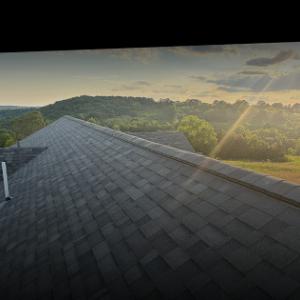
Blue Ox Roof
(870) 849-9133 blueoxroofco.com
1322 Bradley Dr Unit #5, Mountain Home, Arkansas
4.9 from 34 reviews
Blue Ox Roof is your trusted local roofing company proudly serving Northern Arkansas and Southern Missouri. We specialize in roof repairs, full roof replacements, storm damage restoration, and insurance claims assistance. With a commitment to quality craftsmanship, honest pricing, and dependable service, we treat every home like our own. Whether you're dealing with leaks, wind damage, or just need a professional roof inspection, our experienced team is here to help. Contact us today for a free estimate and see why homeowners across the region choose us for reliable, long-lasting roofing solutions.
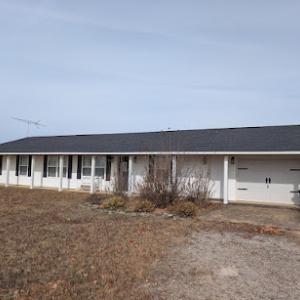
1975 Roof Company
7493 AR-201, Mountain Home, Arkansas
5.0 from 1 review
At 1975 Roof Company, we bring honesty, craftsmanship, and community values to every project. After moving from Utah, our family put down roots on a small farm and are proud to call Mountain Home our forever home. We are deeply rooted in our faith in Jesus Christ and committed to leaving behind a lasting legacy. For us, roofing is not just a trade—it’s a way to care for our neighbors, protect homes, and invest in a community we love. This business is our way of giving back while building something that will stand the test of time, just like the roofs we put on.
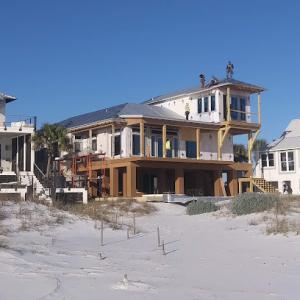
Johnson's Roofing & Construction
Serving
5.0 from 1 review
Room additions, home repairs, painting, siding, roofing, bathroom remodels, kitchen remodeling, brush cutting, gravel and dirt work. Land clearing
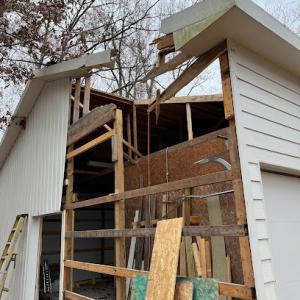
Peeples Roofing & Seamless Gutters
(870) 425-3280 peeplesroofing.wixsite.com
Mountain Home, Arkansas
Peeples Roofing & Seamless Gutters. Started in 1992. Serving Mtn Home,Ar and surrounding areas.
Typical Mountain Home material pricing runs about $350 to $650 per square for asphalt shingles, $600 to $1100 for metal, $900 to $1700 for clay tile, $800 to $1500 for concrete tile, $550 to $900 for synthetic/composite shingles, and $1200 to $2600 for slate. These ranges reflect what you're likely to see on local bids for a standard steep-slope home with common geometry. Use them as a baseline when you're comparing quotes and planning a project season.
Costs in Mountain Home can rise after spring hail events when regional demand surges across Baxter County and nearby Twin Lakes communities, tightening contractor schedules and material availability. If you're planning a replacement in the weeks after a major hailstorm, expect price pressure from both crews and supply houses. It's common for schedules to fill quickly, and lead times on specialty materials like clay, concrete, or slate can stretch.
Project pricing is also affected by steep-slope roof geometry common in local homes, permit requirements through the City of Mountain Home, and the smaller local labor pool for specialty systems like tile and slate. A steep or multi-hipped roof adds cutting, waste, and safety considerations that push per-square rates higher, especially with heavier materials. Tile options, while durable, require precise framing and longer installation times, which translates to higher total costs in this market. Slate, while long lasting, compounds those effects with very limited local labor availability and longer build times.
If hail and wind are imminent in a given spring, metal and synthetic/composite shingles often strike a balance between resilience and price, while asphalt remains the most economical option for standard homes. Clay and concrete tiles offer longevity but carry higher installation costs and a heavier roof load, which may necessitate structural assessment. Slate stands out for longevity but is a premium, specialty choice that tightens schedules and budgets in Mountain Home's market.
A full roof replacement in Mountain Home typically requires a building permit through the City of Mountain Home building department. This isn't something to skip, especially on a steep-slope roof where ventilation, flashing details, and fastening methods matter for long-term performance in the Ozarks' humidity and freeze-thaw cycles. If a contractor suggests you don't need a permit, you should pause and verify with the city; the permit requirement protects you and your home from future compliance issues and insurance questions should hail-wail or wind events recur.
The local process generally involves filing project details, paying the permit fee, and coordinating inspections during and after installation. You'll typically provide a description of materials, roof pitch, methods for ventilation, and a plan for flashing around penetrations (chimneys, vents, skylights). Since Mountain Home experiences spring hail and wind, it's smart to include anticipated replacement scope, attic ventilation changes if any, and fastening method to resist uplift in windy conditions. Gather any existing record drawings or photos of the roof to help the building department understand the current condition.
Mountain Home inspections are used to verify roofing details such as ventilation, flashing, and proper fastening, making workmanship documentation especially important on replacement jobs. Inspections are usually staged: an initial framing or underlayment check, a mid-inspection during roof cover installation, and a final walk-through after completion. The goal is to confirm the roof assembly is ventilated correctly, the flashing is continuous and sealed, and fasteners meet the required standards for the roof type and pitch. Because spring storms can test a roof's durability, the inspector will look closely at any penetrations, valley components, and edge details. Keep a log of workmanship notes and have your contractor document the installation steps as you progress; that documentation helps if questions arise during the final inspection.
Coordinate the permit timeline with the weather window typical for Mountain Home springs, where hail can come with wind and rapid temperature swings. Work with the contractor to align delivery and installation days with inspection slots so that inspections aren't delayed by missed visits. After installation, anticipate the final inspection as part of closeout; once it passes, your permit is considered closed, and your new roof can stand up to the Twin Lakes climate with proper ventilation and flashing as verified by the city. If any adjustments are noted, address them promptly to keep the project on track and compliant.
In this part of the Ozark Plateau, roof claim activity is driven primarily by hail and wind events rather than hurricane or wildfire losses. Spring storms can deliver sharp hail clusters that bruise shingles and dent metal, while subsequent wind can loosen edges and expose underlayers. Homeowners should expect more activity after heavy storms than in quieter months, especially when roofs show age-related wear that accelerates damage visibility.
Carriers in this market tend to scrutinize how quickly damage was reported and how thoroughly it was documented after severe storms. Delays can complicate coverage decisions, even when damage is real. If a storm blows through during a windy afternoon or a hail event travels across several neighborhoods, you benefit from reporting promptly and keeping a steady timeline tied to the storm date. Delays raise questions about whether new damage was caused by the event or by later weather.
Adjusters review shingle bruising patterns, metal impacts, and signs of accelerated aging from repeated freeze-thaw cycles followed by moisture exposure. In this region, access to the roof for photos is a common hurdle, so clear, dated evidence matters. Inside the attic, interior leaks or staining that correlate with storm dates strengthen a claim. Consistency between exterior damage and interior findings supports a smoother outcome.
Document shingle bruising, dented metal components, and any lifted or curling edges. Take wide-angle roof shots and close-ups from multiple angles, then capture attic and ceiling leaks with timestamps. Note the exact storm date, wind speed reports if available, and nearby properties' conditions observed during the same event. Clear, organized records help an adjuster assess timely, accurate damage, reducing back-and-forth disputes.
Cool winters create frequent freeze-thaw cycles that can age a steep-slope roof faster than expected. In this area, that stress shows up first as flashing separation along valleys, chimneys, and vents after wet spells. You may notice small damp spots or hairline leaks that appear after a melt and refreeze cycle. Check flashing where roof planes meet vent pipes and sidewall flashings after wet weather, not just after a storm. If you detect movement or separation, address it early-primers and sealants can fail under repeated freeze-thaw load, so reseating or replacing compromised flashing is wiser before a heavy rain. Pay attention to fastener patterns along eaves and along rafter tails; corrosion or loosening can creep in invisibly when temperatures swing below freezing at night and warm during the day.
Hot summers in this corner of the Ozarks can slow work crews and push schedules out of balance. High daytime heat reduces pace and increases heat stress, which can lead to rushed work later in the day or skipped breaks. When planning roof tasks, align critical work with cooler morning hours and cooler days after a storm rather than forcing a long stretch in the peak heat. For homeowners, this means more realistic timelines and better quality control on attic access, underlayment installation, and shingle placement. Expect potential delays if heat waves collide with feature-rich layouts or complex detailing around dormers and skylights.
Abundant rainfall and seasonal temperature swings make attic ventilation a top priority. Moisture management cannot be an afterthought just because the shingles look fine from the ground. Evaluate soffit vs. ridge ventilation, insulation depth, and air leaks into the attic space. A well-ventilated attic reduces condensation risk, minimizes ice-dam potential in wet winters, and helps keep fasteners and sealants functioning as intended after storms. If moisture appears on sheathing or rafters after wet weather, investigate the under-roof environment before chasing surface issues.
Repeated storm exposure on the Ozark Plateau ages steep-slope roofs faster than many homeowners expect. In this area, hail and wind can jab at shingles, popping tabs and loosening edges long before a visible leak forms. A roof may look fine from the ground after a storm, yet small bruises or lifted tabs let moisture creep under, quickening a slow collapse of the shingle seal and inviting granule loss. Watch for dark, irregular patches along ridges and eaves after spring hail events, and don't assume a brief wind gust means nothing-these small injuries compound with the next freeze-thaw cycle.
Around chimneys, vents, and skylights, flashing is a common weak link. The region's abundant rainfall means rain finds every little gap, and weak flashing details show up quickly as staining or soft spots. If flashing corrodes, lifts, or pulls away from the substrate, leaks will trace along the roof plane toward interior ceilings. In houses with prior replacements, deficiencies often sit right at those transition points, where older sealants have dried out and new layers aren't fully integrated.
Tile, composite, and slate roofs can face added risk if installed by crews without regular Mountain Home experience. These systems aren't as common here as asphalt or metal, so improper fastening, inadequate underlayment, or misaligned laps can become failure points after a stiff spring wind or a sharp hail impact. The plateau climate emphasizes precise detailing: underlayment continuity, edge metal integrity, and clean, even substrate support are as crucial as the surface material itself.
Small installation defects become visible quickly with the region's rainfall. After storms, inspect near penetrations, along valleys, and at roof-to-wall transitions. If alarms or condensation appear in upper rooms, or if attic insulation feels damp or nights of frost expose a sudden warmth in the attic, it's a signal to call a local roofer who understands the Twin Lakes area's typical moisture patterns and can distinguish weather-related wear from more systemic failures. Regular, cautious inspections are your best defense against slow, costly damage.